Currently, project production within universities in Mexico is immense, and we believe it is the perfect time to showcase some of their best work. Many undergraduate theses—also known as graduation projects—address truly interesting and valuable topics for our country. Unfortunately, the vast majority remain stored on library shelves or in a computer folder, missing the opportunity to drive real change in our cities and the way we inhabit them.
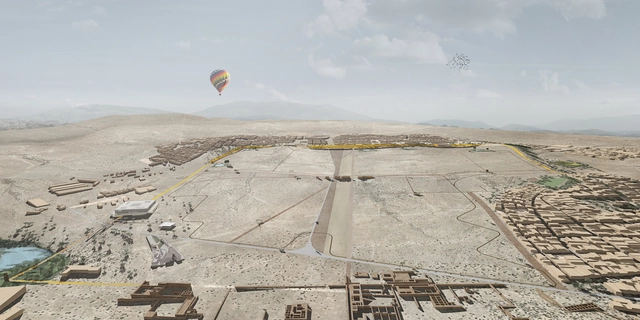
As part of the celebrations for the Bicentennial of Peru's Independence, the Ministry of Culture, the Municipality of Lima, and Grupo Centenario announced an international architecture and landscaping competition to design a metropolitan park along the perimeter of the Pachacamac Sanctuary in the Lurín district of Lima. The competition sought to encourage reflection on Lima's relationship with its historical and landscape heritage, as the Sanctuary houses some of the most important structures of the national archaeological heritage, spanning more than fifteen centuries of human occupation.
Just over a month ago, the Senate of the Argentine Nation approved the Declaration of Climate and Ecological Emergencyin the country and gave partial approval to the bill for the Law on Minimum Budgets for Adaptation and Mitigation to Climate Change. Through this initiative, driven by youth environmental organizations, Argentina becomes the first country in Latin America to move forward with a bill of this nature.
The recent and worrying increase in fires in the Amazon, where the fires have begun to relentlessly consume our planet's most important natural lung, has brought environmental issues to the forefront. The consequences of this event will drastically alter the global climate and demand urgent action, preparing us for industrial, energy, productive, and consumption shifts.
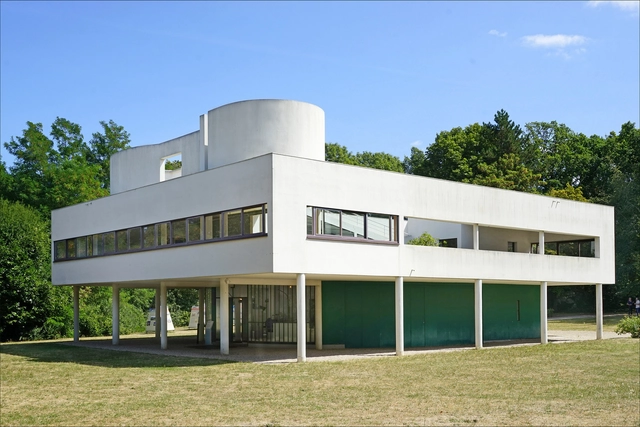
via Flickr user: Jean-Pierre Dalbéra Licensed under CC BY 2.0
Fifty of today's leading architects—answering the call of the Now Institute and its director, Thom Mayne—were convened to assess the architectural legacy of the last century. Their goal? To compile a definitive list of 100 buildings that represent, in their view, the 100 most remarkable architectural achievements of the 20th century. Prominent figures such as Tadao Ando, Steven Holl, Richard Rogers, Kazuyo Sejima, Toyo Ito, Rafael Moneo, Kengo Kuma, and Denise Scott Brown, among others, formed the voting panel.
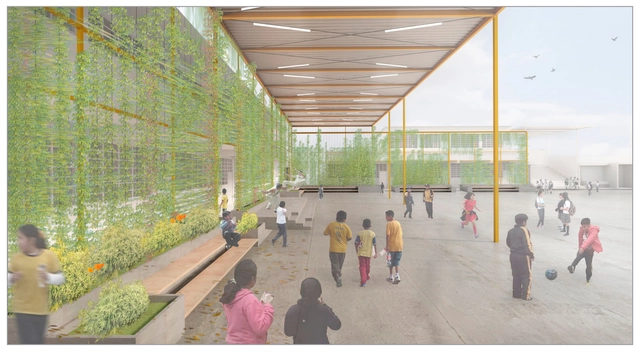
Think of a courtyard, just a courtyard. Naturally, the first thing that comes to mind is a courtyard defined by its frame. Thus, the designers created this frame to establish the atmosphere of a “home of knowledge”—yachaywasi—, as they have named their project. Yet, once again, do not lose sight of the courtyard. They also conceived a frame that not only defines the courtyard but integrates it with the surrounding volume, allowing it to transform, stretch, adapt, and complete or create what the school is missing. Shade, seating, panels, ventilation, green areas, a garden…even the facade.
This is what can happen when facing a competition with clear and defined parameters, yet with the freedom to let the imagination run wild—participating not just to win, but to propose and innovate. The result is an inspiring school. This proposal took second place in the First Social Infrastructure Projects Competition, organized by PLAN PISE, whose ongoing goal is to leverage the natural condition of a courtyard as an educational space for the Villa de Jesús IE 7216 school, located in Villa El Salvador, south of Lima. The project description from the design team follows.
Alexandra Cohen presents her master's thesis on the systematic cartographic analysis of the morphological intersection between the Cerdà urban plan and pre-existing urban structures in Barcelona, Spain. Through her cartographic work, she aims to demonstrate how two highly distinct urban forms can integrate to bring immense value to the city, preserving history within a modern plan.
No physical barrier separates Veracruz and Boca del Río; yet, despite being adjacent municipalities, they remain deeply distinct. On one hand lies the historic city of Veracruz, the gateway to the Americas for the Old World; on the other lies Boca del Río, a young city with greater economic influence. The Port of Veracruz serves as a tangible landmark that weaves this contrasting urban tapestry together, extending from north to south with sweeping views of the Gulf of Mexico to connect these two urban centers.
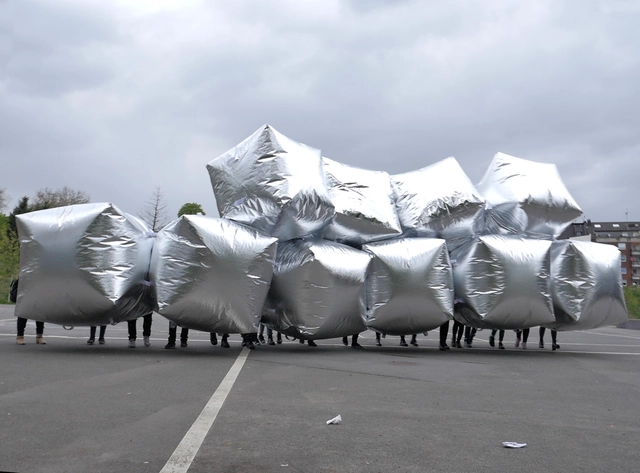
Concéntrico is an International Architecture and Design Festival that, through a democratic approach open to all citizens and visitors, aims to reflect on the urban environment and the city.
As a result of programmatic uncertainty, the diversity of individual lifestyles, and the impossibility of planning future ways of living, our architectural spaces have begun to call their own boundaries into question. The inability to confine contemporary activities to specific rooms, combined with new demands for adaptability and constant mutation in *micro-spaces*, has led to various architectural strategies in pursuit of flexible living.
The abandoned industrial building of the Clesa Factory, which closed its doors for good back in 2012 after nearly two years in bankruptcy proceedings, is set to become the "Matadero" of northern Madrid. The industrial site, located at 67 Avenida de Cardenal Herrera Oria, was designed in 1959 by architect Alejandro de la Sota and officially opened in 1962. The former dairy plant's 37,928 square meters are now being transferred to the Madrid City Council, which aims to convert the space into a major “cultural container.”
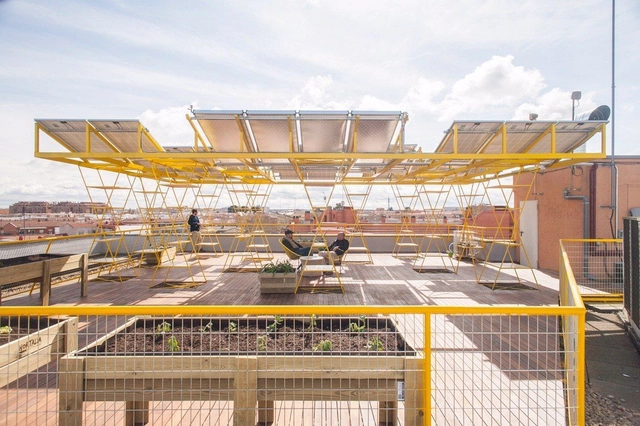
Mares is an urban transformation and social economy project developed by estudio SIC,VIC (Vivero de iniciativas ciudadanas) and TXP (Todo por praxis) in Madrid, Spain. The project reclaims four former buildings across four different districts of the city, converting them into innovation hubs. Each hub is linked to key urban challenges: Mobility, Food, Recycling, Energy, and Care.
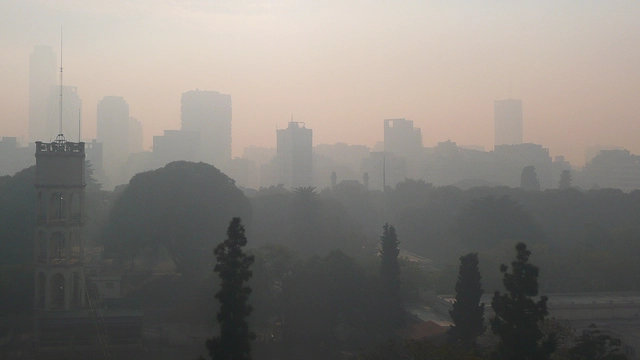
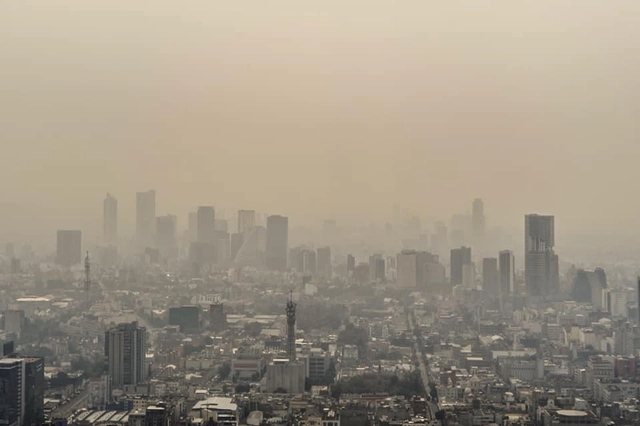
In recent days, Mexico City has experienced pollution levels reaching 150 points on the Air Quality Index in various areas, such as Nezahualcóyotl in the State of Mexico. On May 13 of this year, Mexico City Mayor Claudia Sheinbaum reported that while hazy conditions and low visibility prevailed in the nation's capital, an environmental contingency had not yet been declared.
Santa Lucía Esplanade aims to connect Vicuña Mackenna Square with the adjacent, renowned public hill of Santiago, Chile. The goal is to improve the urban space and connectivity of this historic monument and tourist attraction within the district.
The project is funded by the Regional Government, and the corresponding works have been authorized by the National Monuments Council and the Municipal Works Directorate. Learn more about the project in detail below.
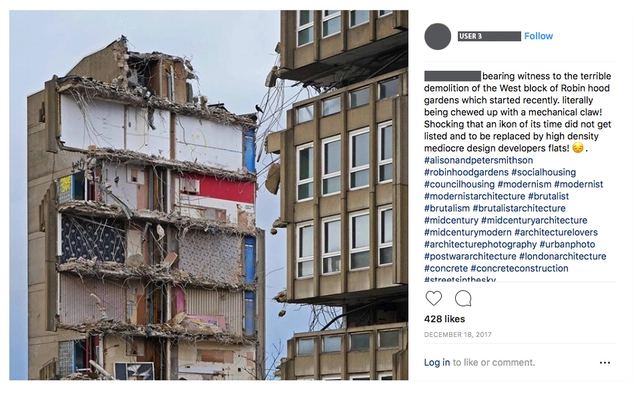
In this article, Beatriz Coeffé Boitano presents a portion of her Master’s thesis in Arts and Cultural Management at King’s College London, titled “Brutalism Revival: media as active spaces of urban memory.” The piece reflects on the documentation and construction of a collective discourse around urban memory through social media platforms, focusing on the demolition of the brutalist Robin Hood Gardens complex by Alison and Peter Smithson.
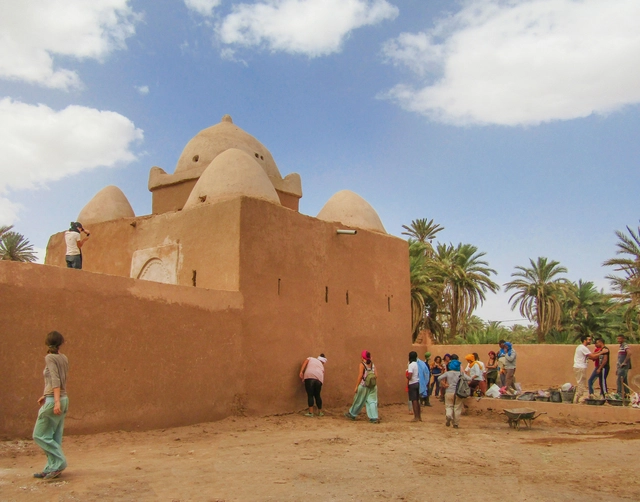
Earthen construction remains highly relevant today, spanning the preservation of architectural heritage, new projects seeking sustainable horizons, and numerous training programs offered by institutes and universities. Yet we cannot overlook one of the major driving forces behind this building material: self-construction. Thanks to its technical advantages and accessibility, communities worldwide have chosen to build their settlements with earth. Consequently, construction becomes a collective exercise where every individual can contribute to shaping a shared future.
In this article, we look at how the NGO Terrachidia works with the community of Mhamid in Morocco to rehabilitate public spaces chosen by local residents. Supported by volunteers, they rescue regional building traditions, successfully preserving and highlighting the local knowledge embedded in places where the pursuit of modernity has led to abandonment, but which remain deeply valued by those who inhabit them.
On Friday, May 7, the winning proposal of the second "Imagining Machines" (Máquinas Imaginantes) open call was announced. The initiative invited architects, researchers, and writers to reflect on "machines" of the past and present operating within architecture as tools for social analysis and production. The open call accepted both real and speculative projects, incorporating installations, historical documents, archival material, performance formats, and publications that engaged with the creation of imagining machines.
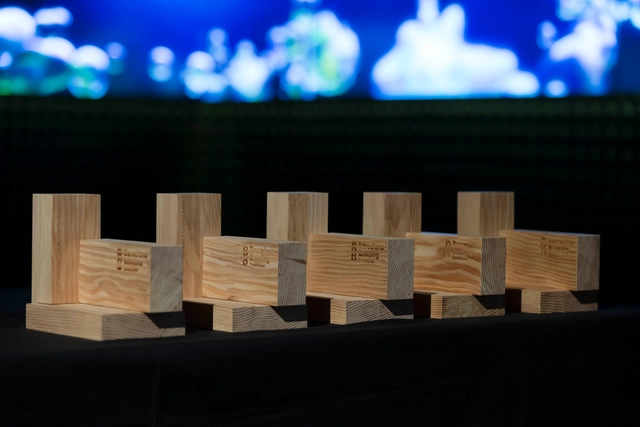
On Wednesday, May 15, the winners of the BBConstrumat 2019 Awards, curated by the Fundació Mies van der Rohe Barcelona, were announced at the Roca Gallery Barcelona.
Casa Alorda. Photograph: Walter Salcedo. Image via XI BIAU
At each Ibero-American Biennial of Architecture and Urbanism, the Ibero-American Prize for Architecture and Urbanism is awarded: a recognition for those who have worked to promote and defend the values of the discipline in the region.
The XI Ibero-American Biennial of Architecture and Urbanism (XI BIAU) recently announced the 210 selected projects for its upcoming edition, which will take place for the first time in Asunción this October.
The winners of the Panorama of Works Award will be chosen from this shortlist, which includes the following 18 Mexican projects:
As part of the exhibitions held during the 2019 edition of the Abierto Mexicano de Diseño, Emiliano Godoy, Mauricio, and Sebastian Lara of Lara Hermanos joined forces to collaborate on the design of the piece Arcum. The installation was custom-made to debut at the launch of the new Tecnotabla Melamines, which took place at the Ex Convento de Santa Teresa, the oldest convent in Guadalajara.
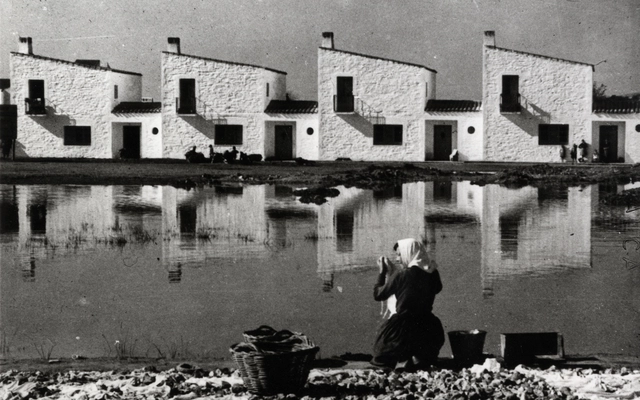
José Luis Fernández del Amo (1914–1995) belongs to the landscape of postwar Spanish architecture, with projects and works that stood apart from the academic aura. His works circulated like clandestine messages that opened up new paths, hinted at truths, supported collective wills, and vanished into a crowd driven by diverse interests. Like many of his generation, he had to begin his professional career trapped between the conflicts of disillusionment and a spiritual shift in his outlook on life—a disillusionment born from the searing cruelty of a civil war that provoked, in those who endured it, an internal shift in response to the drama unleashed by such conflicts.
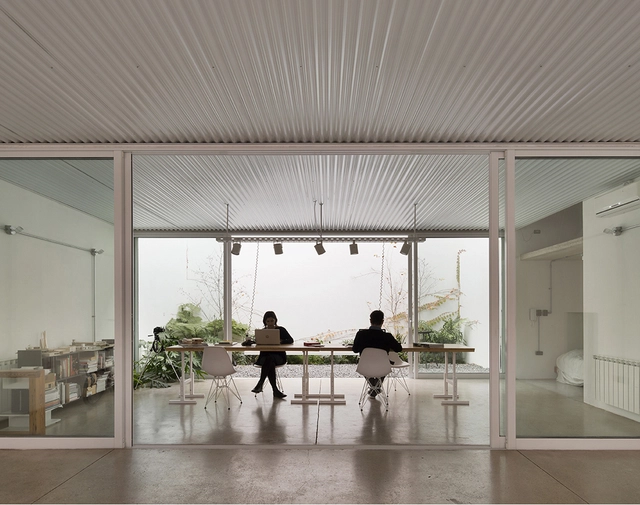
Urban Refuge Studio House / Estudio Berzero Jaros. Image
While many of the homes built during the Modern Movement—as design experiments on new ways of living—fostered the early emergence of "programmatic hybrids" by typically linking the residences of artists, painters, or architects with their workspaces (one need only recall, for instance, the atelier Le Corbusier designed for painter Amédée Ozenfant in 1922), today, new work models and hyperconnectivity have further driven the development of a new typology where workspaces are integrated into residential architecture. Architects, writers, photographers, designers, and painters increasingly choose to integrate their studios and workshops into their homes, merging living and working into a single whole.
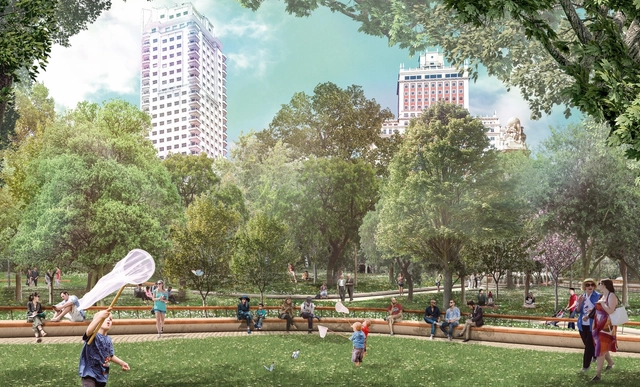
Welcome Mother Nature, diseño ganador para la reforma de la Plaza de España. Image Cortesía de Porras La Casta Arquitectos
In February of this year, construction will begin on the renovation of Plaza de España in Madrid. The project is a collaborative effort by design firms Guadiana and Porras La Casta Arquitectos, led by architects Lorenzo Fernández-Ordóñez and Fernando Porras-Isla.
The project, known as Welcome Mother Nature, seeks to create a large green area in the city center, recovering its long-lost identity as a "plaza," which had been reduced to a transit space. The proposal emphasizes the definition of a plaza as a "social place of expression, gathering, and freedom." The project's main priority is to create a space where "it is easy to build shared civic experiences," while creating a new lung for a city that constantly lives under a cloud of pollution and smog.
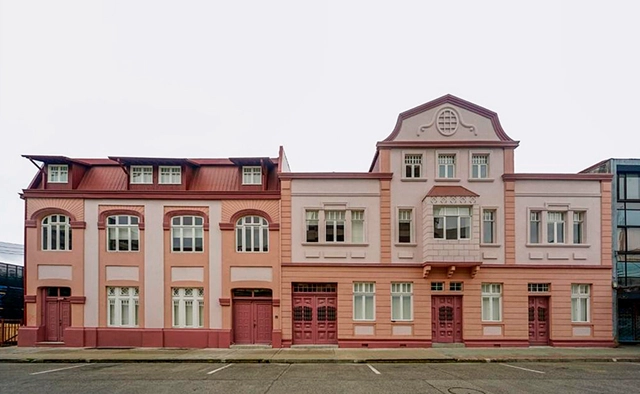
Casa Central. Image Cortesía de Universidad Austral de Chile
To date, the Universidad Austral de Chile (UACh) has restored more than a dozen historic houses in Valdivia, and is expected to continue this work in the coming years. Located in two main areas of the city—Isla Teja and the corridor known as the Yungay-General Lagos Axis—the university is committed to repurposing these existing structures, transforming them from family residences into public-use university spaces.







.jpg?1568660571&format=webp&width=640&height=580)

.jpg?1566501205&format=webp&width=640&height=580)



.jpg?1560267104&format=webp&width=640&height=580)