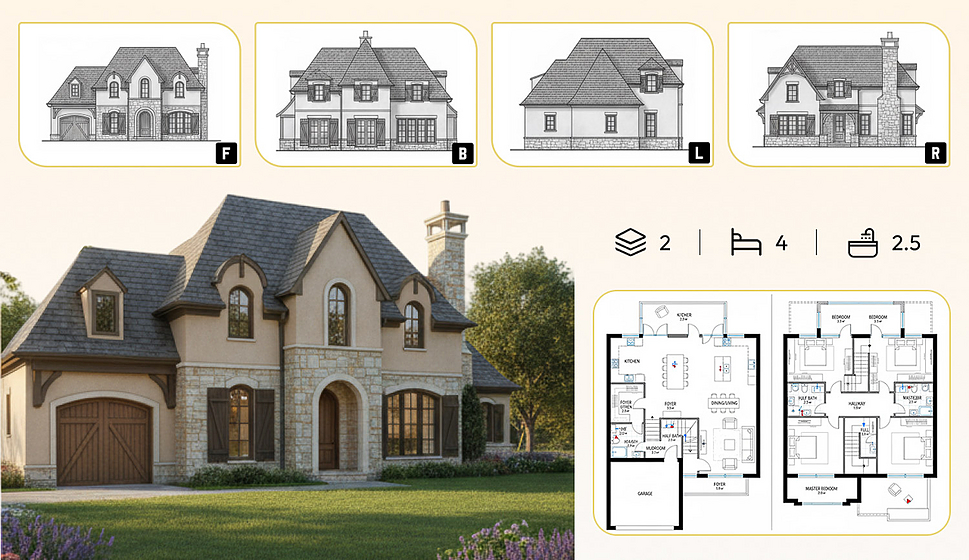
This guide covers a workflow that moves from project parameters to generated floor plans, 3D perspective views, exterior design exploration, and site context visualization, using AI tools in place of preliminary CAD and rendering work.
This guide covers a workflow that moves from project parameters to generated floor plans, 3D perspective views, exterior design exploration, and site context visualization, using AI tools in place of preliminary CAD and rendering work.

The city of Cape Town has adopted a new strategy for improving informal settlements - re-blocking, "the reconfiguration and repositioning of shacks in very dense informal settlements in accordance to a community-drafted spatial framework." Re-blocking serves to create communal spaces, make neighborhoods safer, and improve dwelling structures - among many other things. To see how it has been implemented and where, head to Future Cape Town and continue reading here.
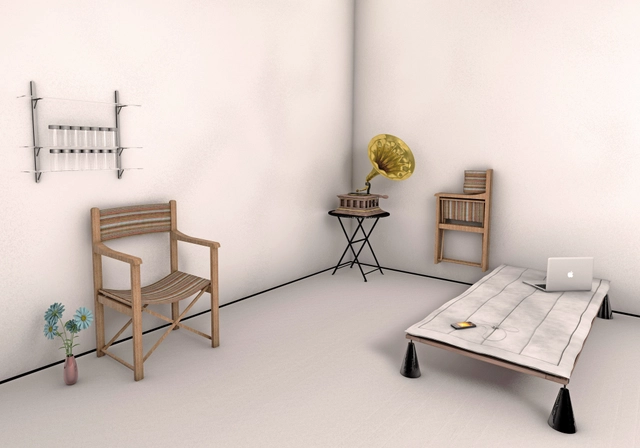
During this year's Architecture Biennale in Venice, homes rented through AIRBnB (although not the company itself) will host an independently curated pavilion. AIRBnB is a six-year old platform through which home owners can rent out rooms, apartments, and entire houses, allowing "the fortress of the family and the individual" to be infiltrated. The pavilion will take advantage of this "infiltration" and how it reveals "the house, the home and today's life." To learn more, follow @airbnbpavilion on instagram and twitter.
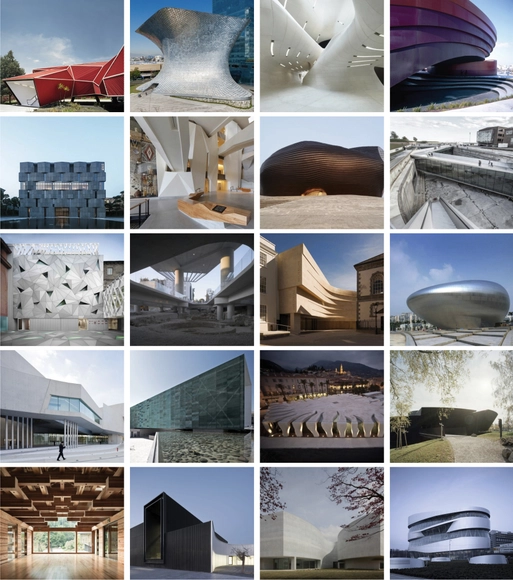
In honor of International Museum Day we’ve collected twenty fascinating museums well worth visiting again. In this round up you’ll find classics - such as Bernard Tschumi Architects' New Acropolis Museum and Zaha Hadid Architects' MAXXI Museum - as well as lesser-known gems - such as Waterford City Council Architects’ Medieval Museum, the Natural History Museum of Utah by Ennead, and the Muritzeum by Wingårdhs. See all of our editors' favorites after the break!
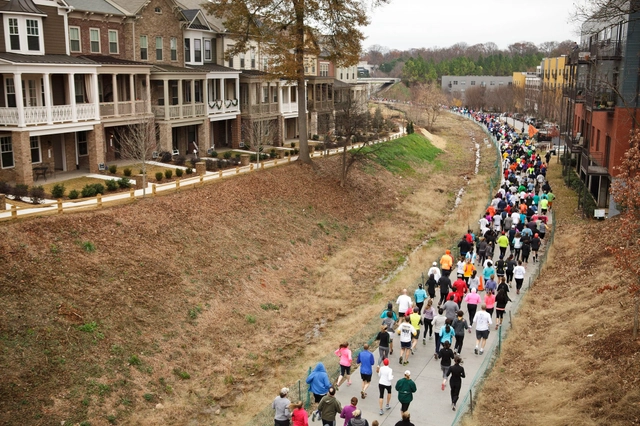
An abandoned twenty-two mile stretch of derelict railroad and industrial sites used to be a thorn in the Atlanta community's side. But with one student's thesis proposal to redevelop these areas into a sustainable network connecting 45 mixed-use neighborhoods, public concern has since turned into excitement. To learn more about the ambitious project, head over to The Atlantic Cities here.
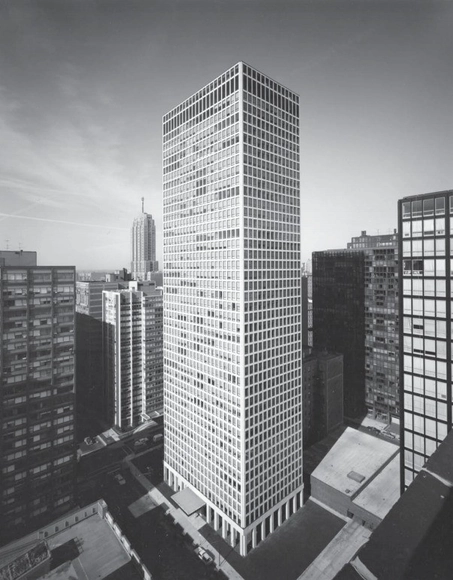
Next month, the AIA National Convention is coming to Chicago – bringing together the best and brightest building professionals to network, and learn about growing trends in the architecture industry. If you haven’t booked your ticket already, here is a chance to attend the event free of charge!
reThink Wood is offering a full pre-paid pass to the AIA National Convention ($945 value) to one lucky ArchDaily reader. The winner will also be able to meet with architects on site that are passionate about innovative design with wood in mid-rise, and even high-rise projects.
To win, just answer the following question in the comments section before May 21 12:00PM EST: What architect(s) are doing the most interesting work with wood today?
More on reThink Wood at the AIA, after the break.
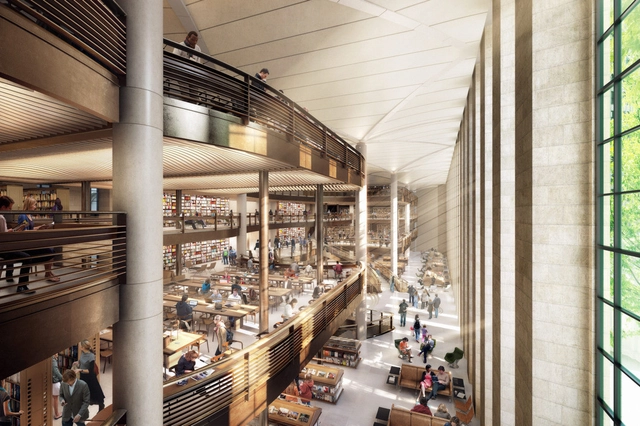
As we mentioned a few days ago, Norman Foster's controversial New York Public Library renovation was axed before the most current proposal was even revealed. While book worms rejoice over the victory, others are disappointed about the lost opportunity. To read about what could have been, head on over to New York Magazine and read Justin Davidson's thoughts here.
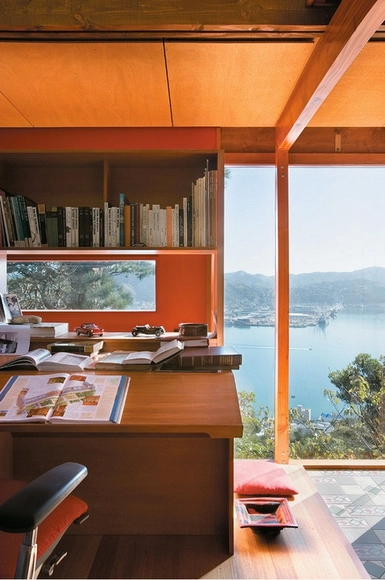
"What makes us New Zealanders different from, say, Australians?" William Toomath, the late modernist architect, asked himself this question at the onset of his career. In this article published by the Australian Design Review, Jack Davies takes a look at Toomath's work and how he helped define New Zealand architecture. To keep reading, click here.

While architects don't always see the connection between politics, social constructs, and architecture, James Stewart Polshek considers the three indivisible. In an interview on Metropolis Magazine about his newly released book Build, Memory, he describes how this belief launched his career 65 years ago. To learn more about Polshek's approach to architecture and the publication, click here.
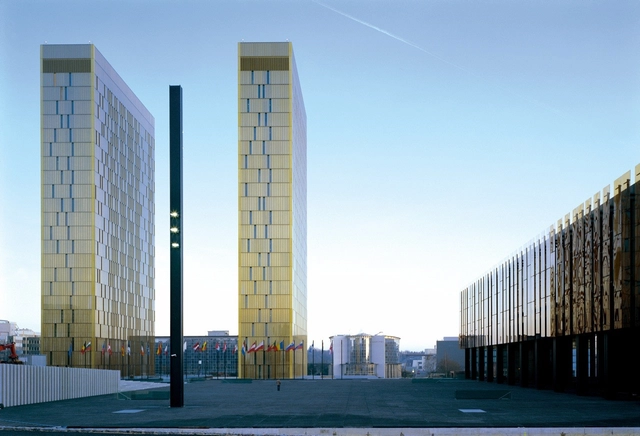
Today is Europe day in the EU, and to celebrate we're rounding up some of the best Europe-inspired architecture. First, two buildings designed for European institutions, the Court of Justice of the European Communities by Dominique Perrault and the Council of Europe by Art & Build Architect. Next, we've got a building which celebrates the achievements of Europeans, the Cultural Centre of European Space Technologies. Finally, two buildings which promote the very notion of Europe: the EU Pavilion by Senat Haliti, a message of hope for the 72% of Kosovans who wish to join the EU; and Le Monolithe by MVRDV, which has the first article of the European Constitution imprinted on the facade - expounding a belief in "a society in which pluralism, non-discrimination, tolerance, justice, solidarity, and equality between women and men prevail."
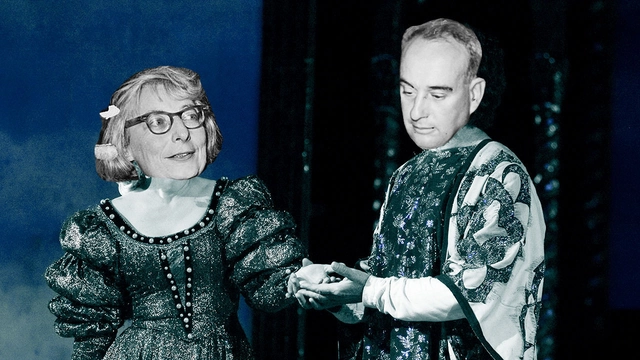
Yes, you read right - the 1960s urban planning battle between Jane Jacobs and Robert Moses will be the central story line for a new opera. Although the premiere is a long way off, its creators promise to bring New York City and the drama to life through song and an elaborate, animated, three-dimensional set. To find out more about the developing project, head on over to Fast Co-Design.
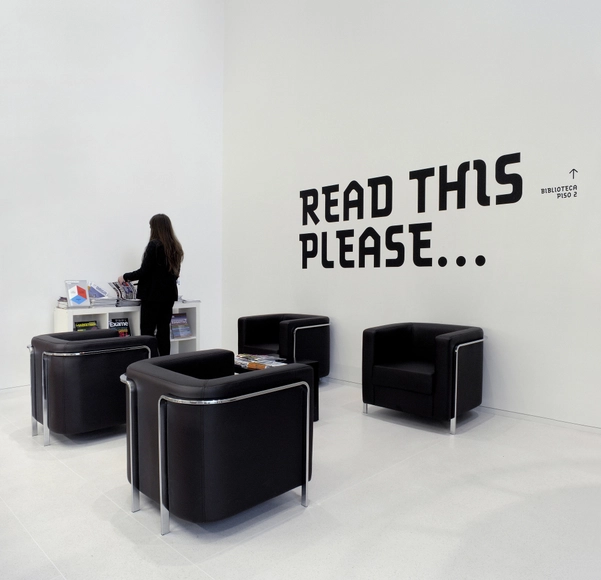
Architects have an eye for design, but do they have an eye for advertising? In Norway, for example, Snøhetta isn't just known for the Oslo Opera House but for branding some of the country's largest companies. In America, Hickok Cole Architects of Washington D.C. are working on brand identity with companies as large as Pfizer. Recently, Hickok Cole Architects launched a new advertising arm to the company -- Hickok Cole Creative. With interdisciplinary practice on the rise, one has to wonder – could the work of the architecture firm of the future not be architecture at all? Read more about Hickok Cole's transition into advertising in this article at the Washington Business Journal.
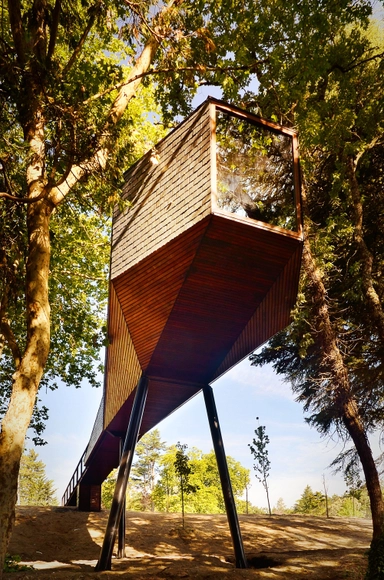
This Financial Times article describes the Post-Recession paradigm shift occurring in Portuguese architecture -- from construction to landscape, large to small. Pritzker Prize winners Alvaro Siza and Eduardo Souto de Moura have been leading this "micro" trend, designing hotels with exceptional materiality and craft. We've decided to round up some of these extraordinary structures, including: Casa Na Areia and Cabanas no Rio by Aires Mateus, Jorge Sousa Santos’ Rio do Prado, the Ecork Hotel by Jose Carlos Cruz and Villa Extramuros by Jordi Fornells. Last but not least, is ArchDaily’s building of the year for hospitality architecture -- the Tree Snake Houses from father Luís Rebelo de Andrade and son Tiago Rebelo de Andrade.
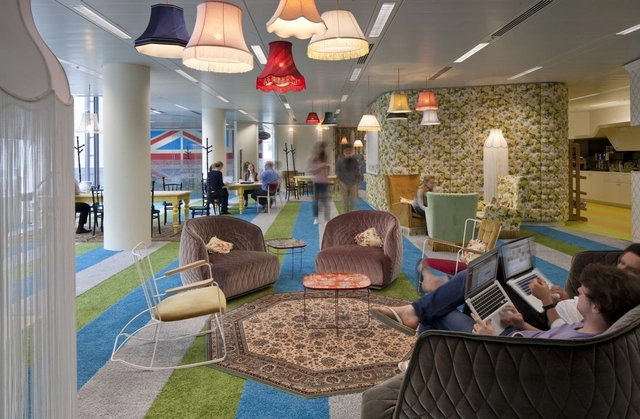
From being isolated in a cubicle to having a ping pong table at your disposal, the way we approach work and office design has drastically evolved over the past decade. The Wall Street Journal has identified five office designs that have defined the 20th century, going over the pros and cons of each one - including the collaborative typology that exists in the offices of Google. To learn more, continue reading here.

“You don’t need big and flashy starchitecture to make a statement; the most powerful architecture is often that which blends into the landscape and reveals itself slowly.” In this article on Monocle, written by Nelly Gocheva, the late Canadian architect Ron Thom is remembered for just this reason. To learn more about Thom's architectural approach and works, including his masterplan for Trent University, which celebrates its 50th anniversary this year, read the article here.
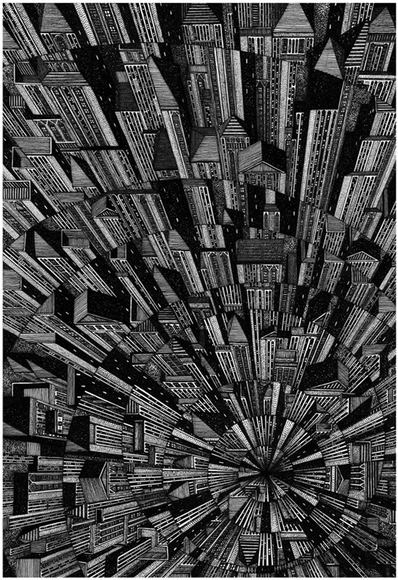
Tumblr is full of well curated blogs featuring creative works from architecture students, professionals, and enthusiasts; Drawing ARCHITECTURE is one of these blogs we’ve found to be particularly intriguing. From charcoal masterpieces to computer renderings, the architectural drawings featured on this Tumblr are stunning.
Check out some of our favorite selections, after the break...
AD is at the opening address of the @NYTconf Cities For Tomorrow with NY Mayor @deBlasioNYC and Shigeru Ban #NYTcft pic.twitter.com/UwXTlpH9JV
— ArchDaily (@ArchDaily) April 21, 2014 On April 21st, ArchDaily tweeted about watching keynote speaker Shigeru Ban kick of the Cities for Tomorrow conference in New York. In his first appearance since winning the Pritzker Prize, he addressed how we should approach urban planning and development today with architecture critic Michael Kimmelman. To watch videos - of Ban as well as speakers such as Vishaan Chakrabati, Shaun Donovan, and Janette Sadik-Kahn discussing the future of our cities - click here.

If you lived in a region repeatedly devastated by storms, would common sense be enough to make you leave your memories behind? Two of the ten proposals for the Rebuild by Design competition (which included proposals from OMA and BIG) tackle this issue, providing designs that compel communities to move to safety. To learn more about this sensitive and increasingly relevant social and political issue, known as "Managed Retreat," check out James Russell's article on The Atlantic Cities.
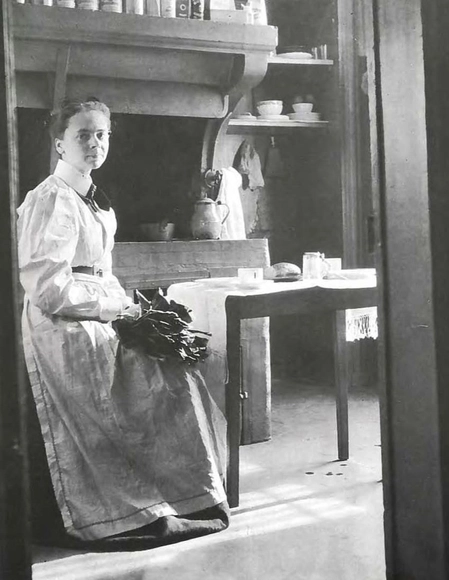
In this article published by the National Women's History Museum, Despina Stratigakos delivers a fresh perspective on the current phenomenon of women leaving the architecture profession. Starting with Architect Barbie and jumping back to the likes of Julia Morgan, the successes and struggles of pioneering female architects are chronicled, offering women pursuing architecture careers today a firm understanding of their roots. Read the article here.
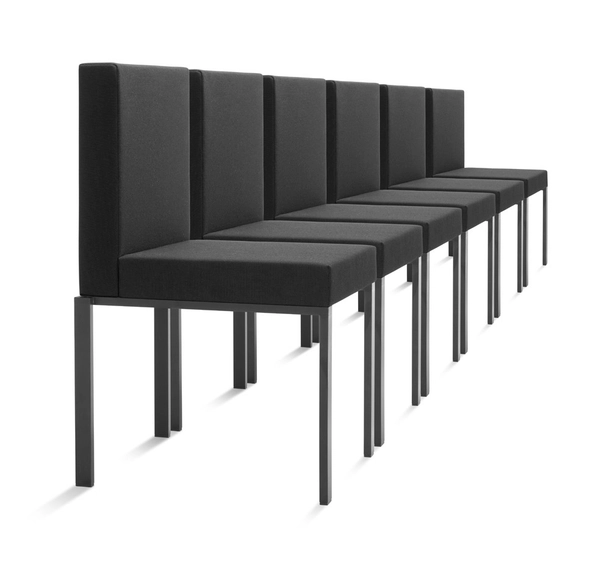
JeanNouvelDesign, the studio led by French architect Jean Nouvel, presented their new collection of furniture during Paris Design Week. Among them is the Oxymore chair, designed by JeanNouvelDesign and produced by specialty group-seating manufacturer Figueras International Seating. This fetishistic chair, a result of research conducted at the Figueras Design Centre, has a singular cubic appearance that provides extreme comfort, softness. It is precisely this unapparent relationship between look and feeling that gives the seat its name—since an oxymoron means a union of contradictory elements.


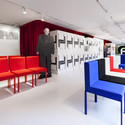

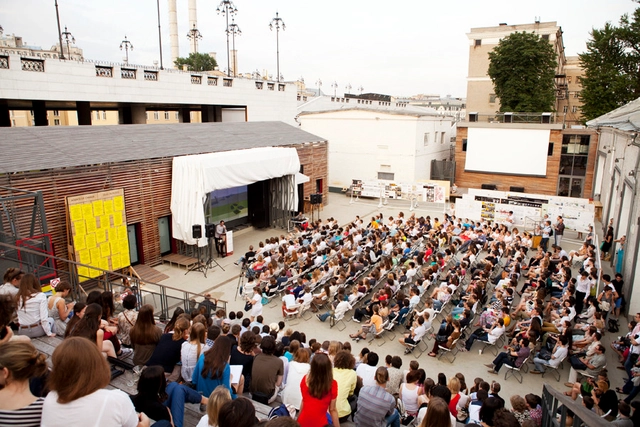
A collection of 41 interviews conducted by students at the Strelka Institute, entitled Future Urbanism, is now available online. The interviews feature architects, urban planners, sociologists, researchers, and other professionals from fields related to urban studies, emphasizing the Strelka Institute's mandate for interdisciplinary thinking. To take a look at the interviews, see here.
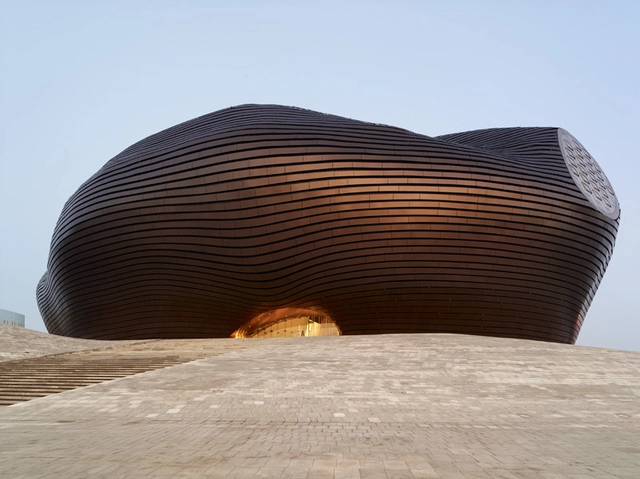
"I have to believe that one day, the only people doing architecture in China will be Chinese architects. That’s one trend I watch, because I’m not a Chinese architect!" This is the declaration Ben Woods, an American architect living and working in China, made during a recent interview with Forbes. In honour of his prediction, work, and personal commitment to never design a skyscraper, we've rounded up a list of fitting cultural projects in China by Chinese architects. See Pritzker Prize winner Wang Shu's Ningbo Historic Museum, MAD Architect's Ordos Art & City Museum, the Jinchang Cultural Centre, the Oct Design Museum, and the Spiral Gallery II. For more information on this post's inspiration, check out the full interview and article here.

The Noguchi Museum will be honoring architect Norman Foster and contemporary artist Hiroshi Sugimoto as the first recipients of the Isamu Noguchi Award on Tuesday, May 13. The award acknowledges individuals whose work relates to landscape architect and artist Isamu Noguchi, who promoted a multi-disciplinary, collaborative approach to the arts and was committed to innovation, global consciousness, and Japanese/American exchange. For more information on the benefit, see here.
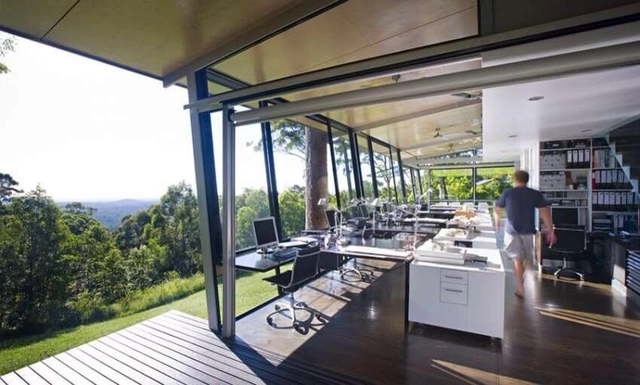
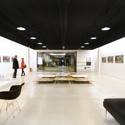
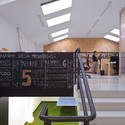
In 2009 we wanted to find out where our readers work and create. We asked, you responded, and the results gave us a fascinating insight into your daily lives. And so, a few weeks ago, we once again asked our readers to send us pictures of their workspaces. We received submissions from all over the world – from beachside desks to a stark warehouse space to a stunning gallery.
Take a look at these creative spaces - you may even recognize your own workplace, or one quite like it - and keep following and participating by using the #wherewework hashtag on Facebook or Twitter. Thanks for your help!

Le Corbusier donned signature glasses; Frank Gehry designed footwear; early twentieth-century architect Adolf Loos even wrote "Why A Man Should Be Well-Dressed." Now Zaha Hadid is making her way into swimwear. But are the nuances of fashion too much for architects to dip their feet into? Read the full article at the Telegraph.