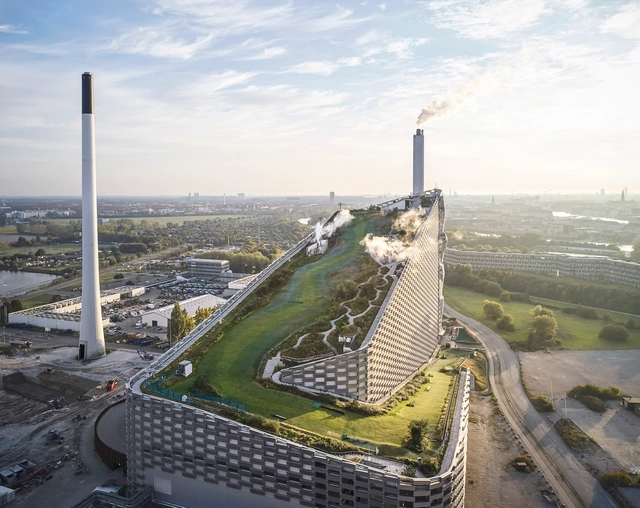
Hufton+Crow has unveiled its latest series of images, capturing Denmark's recent and inventive projects, completed between 2018 and 2019. The photographs showcase CopenHill Energy Plant and Urban Recreation Center by BIG, along with Tingbjerg Library and Culture House and Køge Nord Station, both designed by COBE.
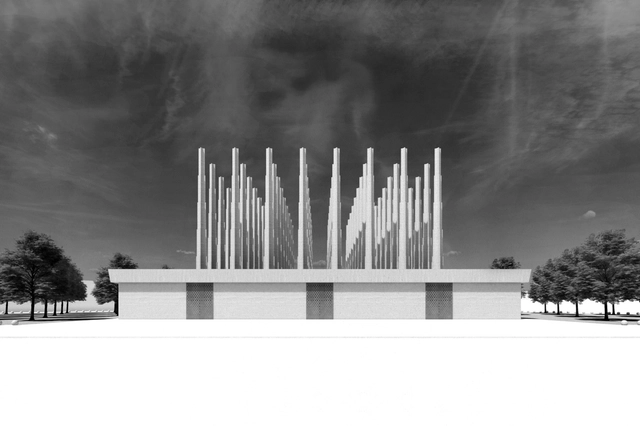
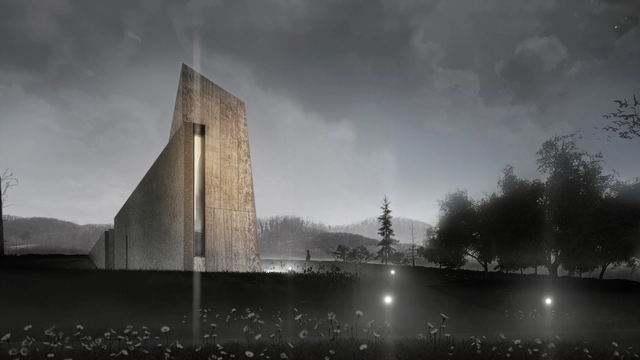
Zovik Chapel and Cemetery. Image Courtesy of Nenad Fabijanić
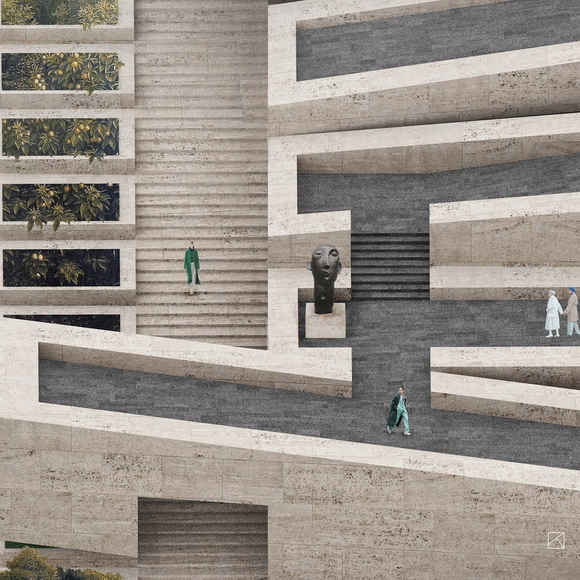
10 projects, 10 functions. Featuring a multitude of different programs, this week's curated selection of Best Unbuilt Architecture highlights diverse and innovative conceptual approaches. Submitted by our readers, this variety of proposals includes sports, religious, cultural, educational, and social purposes.
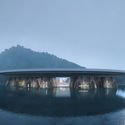
Compiling projects from all over the world, this article puts together a Buddhist temple in Bangkok, Thailand, a ring-shaped experience center and eco-tourism catalyst for Latvia, a cemetery in Bosnia and Herzegovina, and the biggest extreme sports park in Russia. Moreover, unconventional office spaces are underlined with an innovation start-up center in Vietnam, headquarters in Shenzhen, and Tirana's new municipality building.
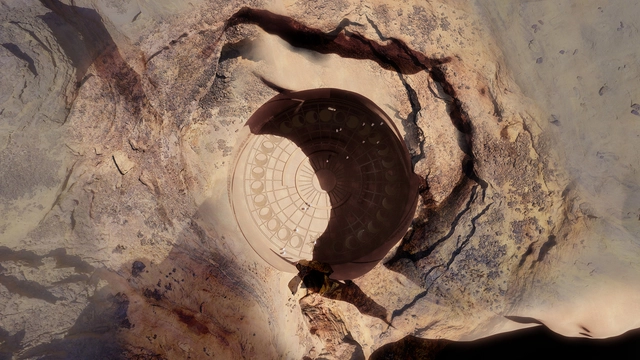
Jean Nouvel has just unveiled his design for Sharaan, a resort hidden within the rock dwellings of AlUla, a cultural oasis in north-west Arabia. Showcasing a modern take on millennia-old ways of living, the project puts in place monumental designs carved into the rocks, respecting and preserving the landscape. Inspired by the nearby Hegra, Saudi Arabia’s first UNESCO World Heritage Site, the concept takes a curatorial approach bringing together landscape and history.
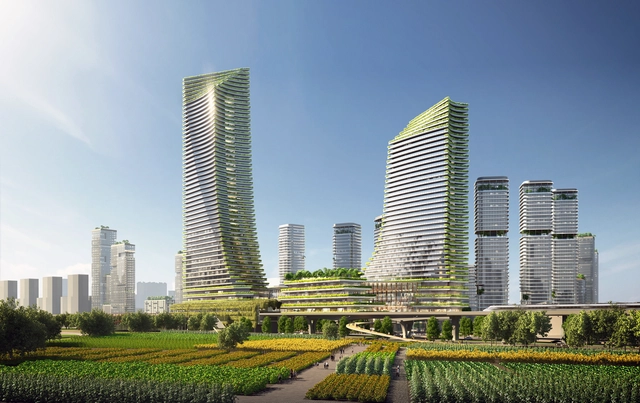
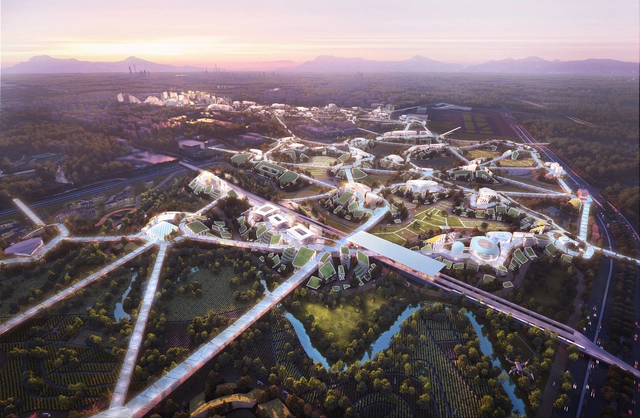
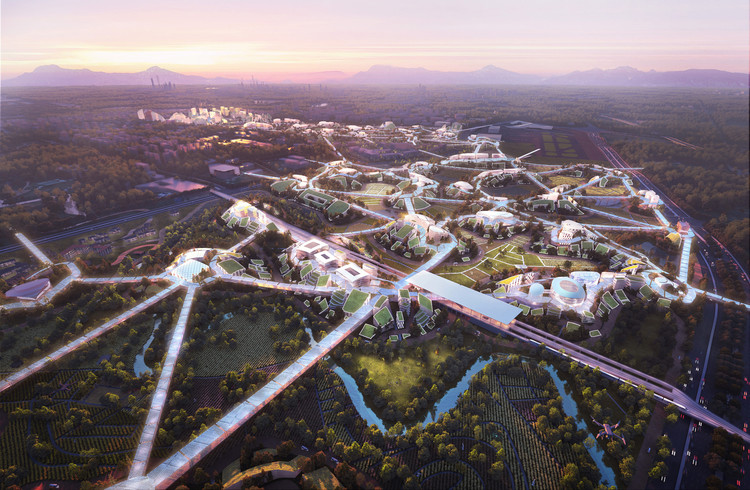
MVRDV has revealed the first images of Chengdu Sky Valley, the firm’s competition entry for the Future Science and Technology City in Southwest China. Fusing technology with nature, urban with rural, and modernity with tradition, the proposal introduces “a liveable city into the Linpan Landscape”. Located in one of China’s emerging cities, the project balances the competing needs of the area, through a computational workflow developed by in-house tech taskforce MVRDV NEXT.
The FRAM Museum will take on a new extension dedicated to polar exploration and environmental education. Designed by Reiulf Ramstad Arkitekter, the winning proposal of the invited architectural competition,Framtid, or Future is centered on the idea that “architecture exemplifies how we care for our environment”.
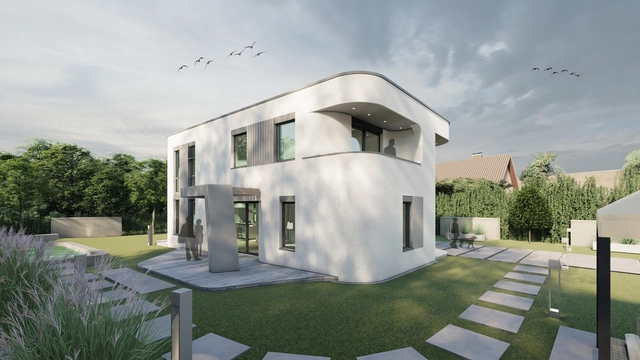
The first 3D printed residential building in Germany, built by PERI GmbH, and designed by MENSE-KORTE ingenieure+architekten is undergoing construction in Beckum, North Rhine-Westphalia. The two-story printed detached house with approx. 80 sqm of living space per floor is using a system put into practice in Germany for the first time. In fact, the construction technique has come through all of the regulatory approval processes over the last few weeks and months.
A recent study conducted by the Royal Institute of British Architects (RIBA) examined how architecture students have been affected by the pandemic. Examining 398 architecture students, the COVID-19 survey found that these young adults are under significant stress and are concerned about their future career. In fact, the results highlight that 58% of students are struggling with mental health and almost half are concerned about job prospects.
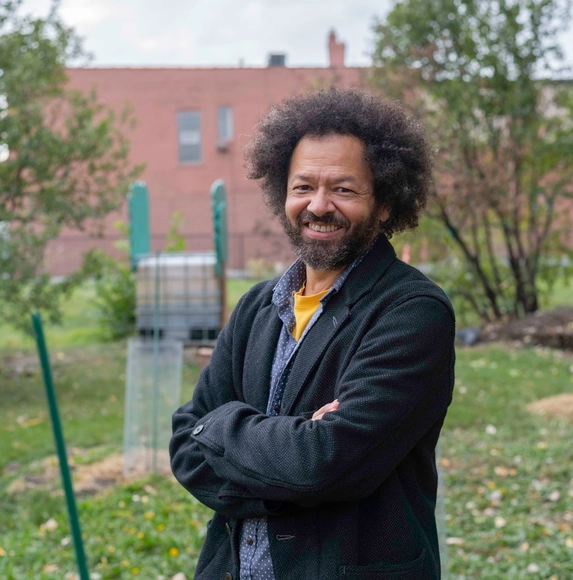
Reflecting on the current global situation, Chicago Architecture Biennial (CAB) has reinvented its 2021 edition, in order to generate conversations about the “intersection of architecture and design and such critical issues as health, sustainability, equity, and racial justice”. The Biennial has also announced the appointment of David Brown, designer, researcher, and educator, based at the School of Architecture at the University of Illinois at Chicago, as the Artistic Director of the fourth edition, entitled The Available City.
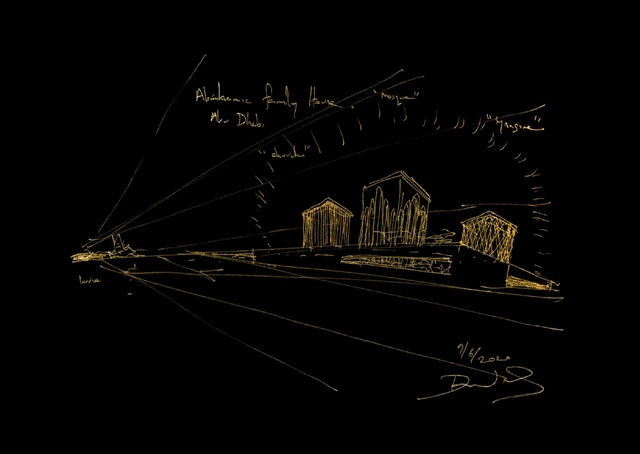
Sir David Adjaye Studio. Image Courtesy of Design Miami/Architects for Beirut
Design Miami’s latest initiative in partnership with Architects for Beirut, has gathered a collection of 100+ original architectural drawings and artworks donated by 90+ renowned architects from around the world. With proceeds going to aid on-the-ground restoration efforts in Beirut, works offered include exclusive pieces from Zaha Hadid, David Chipperfield, Toyo Ito, Steven Holl, Tatiana Bilbao, Adjaye Associates, and Renzo Piano, to name a few.
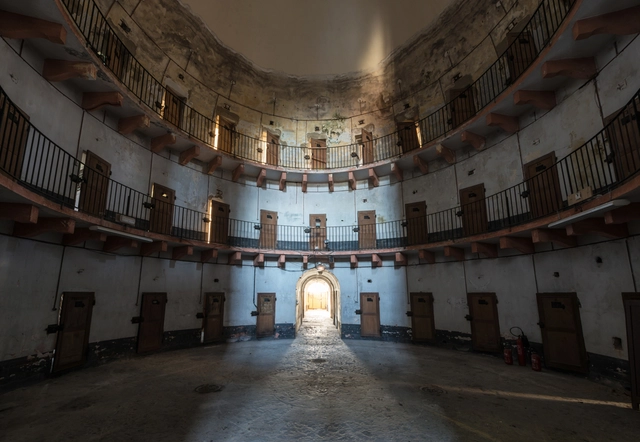
The Board of Directors of AIA New York has recently released a statement discouraging the design of criminal justice facilities that uphold the current system. Taking a stand against designing unjust, cruel, and harmful spaces of incarceration, AIA NY solicited architects to reflect on the broader social implications of their work.
Stefano Boeri Interiors has unveiled images of his latest circular wooden installation, in an open-air setting of contemporary art. Entitled TREE-ROOM, the project in which “humans and living nature come together, between meditation and contemplation”, is designed for Arte Sella and is located in the garden of Villa Strobele in Val di Sella, in Northern Italy.
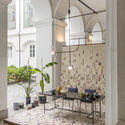
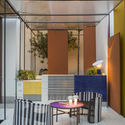
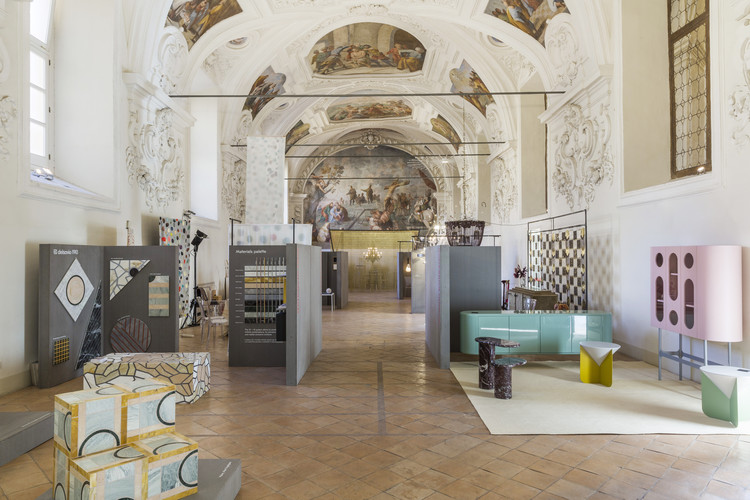
The second edition of EDIT Napoli, dedicated to independent designers, ran from 16 to 18 October 2020, in Naples, Italy. The first onsite fair of the country during this pandemic era was created by curators Domitilla Dardi, design curator of the MAXXI museum in Rome, Architecture sector, and Emilia Petruccelli, buyer and entrepreneur, in collaboration with the Assessorato alla Cultura e al Turismo del Comune di Napoli.
Adjaye Associates has recently designed a project in Niamey, Niger to honor all those that lost their lives in the fight against terrorism on the country’s southern and western borders. The Martyrs Memorial is in fact “tangible documentation of the continuous fight against extremist entities and the soldiers who have fallen in the process”.
Cascade Cafesjian Museum Extension and Concert Hall. Image Courtesy of TarberAK Architectural Studio
Focusing on diversity, this curated selection of the Best Unbuilt Architecture showcases a multitude of functions. Submitted by our readers, the projects vary in scale, program, design, and representation. Coming from all over the world, many of these interventions are in progress, while others are still in conceptual phases.
Introducing innovative and out of the box ideas, this roundup includes a floating farm in the Netherlands, natural swimming pools in South Korea, a resort in Hungary, and a cascading museum extension in Armenia. Even more common functions such as a hotel in Vietnam, an infinity loop library in China, a mixed-use building in Iran, headquarters for Yandex in Russia, and a campus in Germany, present inventive approaches and intriguing imageries.
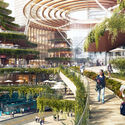
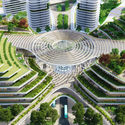
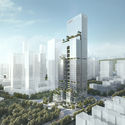
Establishing strong connections between urban and nature, tradition and innovation, and economy and culture, SOM has designed a master plan for the Central Area of Guangming District, Shenzhen, China. A new benchmark of ecologically integrated development, the project will lead the next generation of urban growth in the Greater Bay Area.
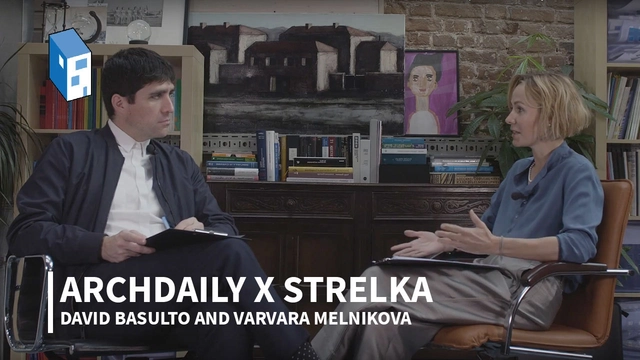
In order to inspire our audience, generate critical debates, and develop ideas, ArchDaily has been continuously questioning architects about the future of architecture. To define emerging trends that will shape the upcoming cities, examining “What will be the future of architecture?” became an essential inquiry. More relevant during these ever-changing moments, discover 10 interviews from ArchDaily’s archived YouTube playlists that will highlight diverse visions from 10 different pioneers of the architecture field.
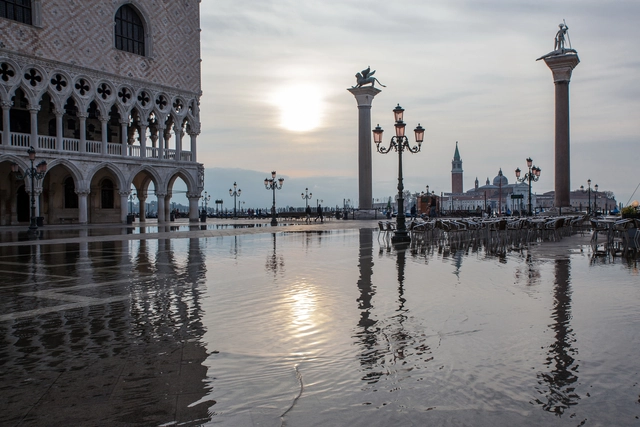
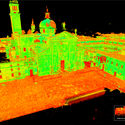
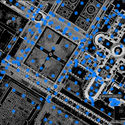
Factum Foundation, a nonprofit dedicated to the use of digital technology for cultural heritage conservation, in collaboration with the Fondazione Giorgio Cini, Ecole Polytechnique Fédérale de Lausanne (EPFL) and Iconem have recorded the Island of San Giorgio Maggiore, in Venice, Italy, in its entirety. For more than 10 days, the team using photogrammetry and LiDAR technologies scanned the 10-hectare island. The project entitled ARCHiVe, linked with EPFL's Venice Time Machine aims to "efficiently and effectively aid in the preservation of Venice's fragile cultural heritage".
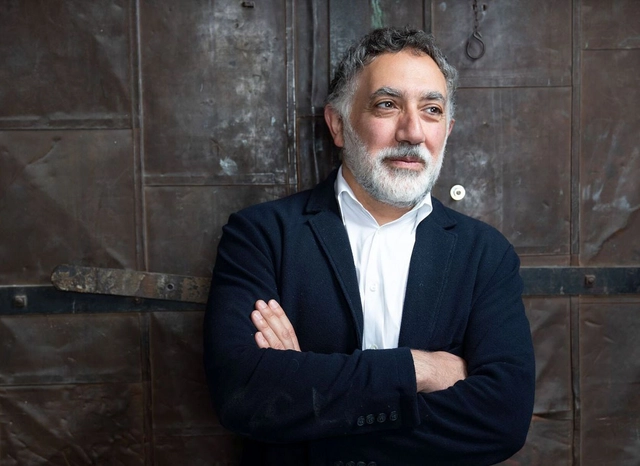
In the second part of his interview with Archdaily, Hashim Sarkis reflects on the future of architecture as he tackles the timeless question of the 2021 Venice Biennale. The curator of the Biennale, which proposes the question of “How Will We Live Together?”, discusses the role of the profession in the midst of all these new paradigms, stating that “Architects do change the world […] by creating […] wish images for what the world could be”.
In this feature, the curator of the anticipated biennale and dean of MIT School of Architecture and Planning presents his views on the evolution of Architecture, and the new directions the academic world should take, to reflect “the complexity of the urban problems of today”. Sarkis also brings up Beirut, discussing reconstruction approaches, civil society, and the exasperating notion of resilience.














.jpg?1603183617&format=webp&width=640&height=580)
.jpg?1603183812 "© Giacomo Bianchi")

.jpg?1603182934 "© Giacomo Bianchi")
.jpg?1603183917 "© Giacomo Bianchi")
.jpg?1603183617)