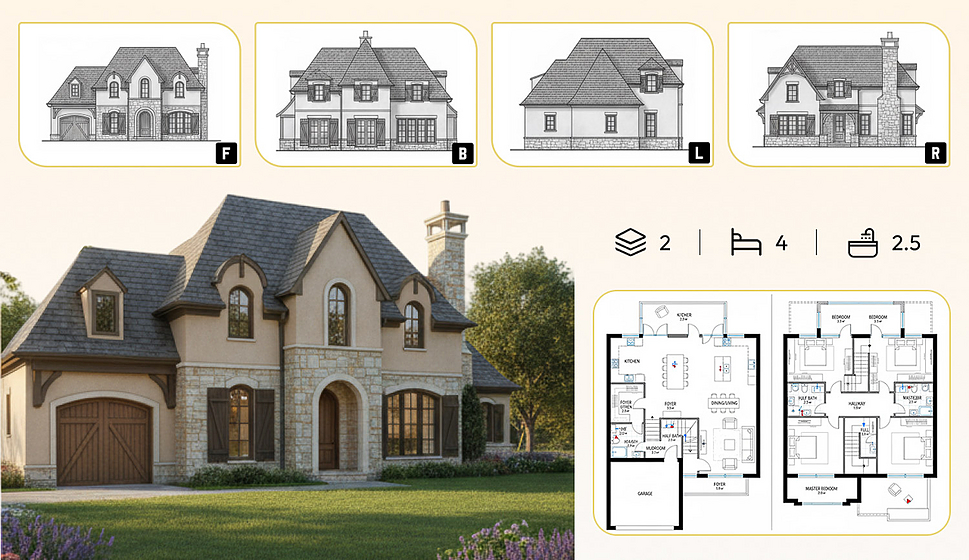
This guide covers a workflow that moves from project parameters to generated floor plans, 3D perspective views, exterior design exploration, and site context visualization, using AI tools in place of preliminary CAD and rendering work.
This guide covers a workflow that moves from project parameters to generated floor plans, 3D perspective views, exterior design exploration, and site context visualization, using AI tools in place of preliminary CAD and rendering work.
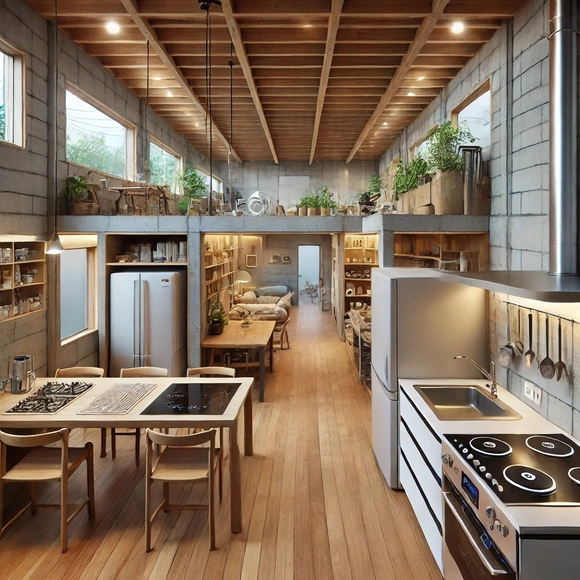
For many households in Latin America, fossil fuel- and biomass-based stoves and heaters, such as natural gas or wood, are an affordable and accessible option. However, these appliances present significant challenges: they are a source of greenhouse gas (GHG) emissions, contribute to indoor air pollution, and highlight the need for policies that promote a cleaner residential energy matrix. These challenges become even more urgent considering that 2024 was the hottest year on record, with a 1.5°C increase over pre-industrial levels driven by record GHG emissions from human activity, thereby underscoring the importance of adopting sustainable solutions across all sectors worldwide, including residential.
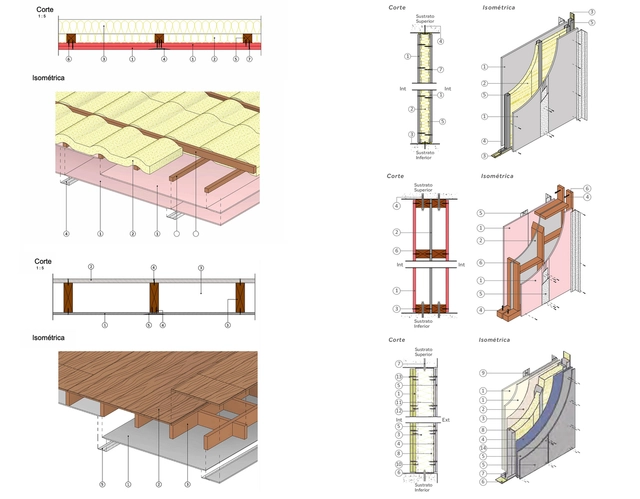
In construction, every task requires specific tools and every need calls for a unique solution. Factors such as building typology, construction requirements, waste generation, execution times, and context directly influence the quality and complexity of the work, making it essential to base specification decisions on these criteria. Traditional methods can hinder this process due to their rigidity and limitations, necessitating more efficient and flexible approaches that adapt to the specific demands of each project. This is especially common in residential, hotel, and hospital projects, where speed and performance are essential. In these cases, lightweight dry-construction solutions—using Volcanita boards or fiber cement over lightweight metal framing—offer an effective, high-performance alternative, enhancing functionality and, consequently, the user experience.
We invite you to participate in ArchDaily en Español's Building of the Year Award. In its sixteenth edition, we give our readers the responsibility of recognizing and rewarding the projects that have had the greatest impact on the profession. By voting, you become part of an unbiased network of jurors recognizing the most relevant projects built in Latin America and Spain over the past year. Only a few days remain before the closing of the nomination stage, which will select the 15 finalists for ArchDaily en Español's 2025 Building of the Year Award.
Registered users can vote for their favorite project once a day. The nomination stage ends on April 1 at 23:59 (GMT-3).

Over the past few decades, the Architecture, Engineering, Construction, and Operations (AECO) industry has been undergoing an unprecedented digital transformation. Since the days when designs were drawn exclusively on paper—a reality that lasted until the early 1980s—the field has passed significant milestones, first with the adoption of CAD (Computer-Aided Design) and, more recently, BIM (Building Information Modeling). Now, a new transition is underway, promising to be even more profound. Artificial Intelligence (AI), which until recently seemed confined to laboratories or futuristic concepts, is beginning to play a practical and strategic role in how we design, build, and manage our buildings and cities.

Architecture will never cease to pursue functionality, as it lies at the core of its essential principles. Alongside this condition are factors such as aesthetics and operability, which also influence how contemporary design is valued. Over time, the concept of functionality has evolved, extending beyond problem-solving and efficiency to connect with the creation of experiences. As a result, the quality of an environment depends as much on its design as on how its elements and systems articulate to generate an overall experience of inhabiting. In this sense, innovation means conceiving fluid and intuitive environments where every component helps make the experience natural and safe—something especially relevant in everyday spaces such as bathrooms.

Nicolás Valencia talks with Chilean architect Romy Hecht, Dean of College UC and author of El alma del verdor de Santiago, (Orjikh Editores, 2025), where she explores the nature of the landscape in Chile's capital, examining its origins and identifying the key figures responsible for cultivating exotic species and designing planting geometries that, once rooted, shaped Santiago's identity and character.
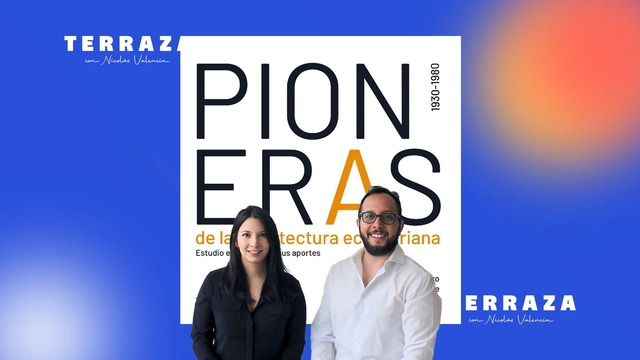
Nicolás Valencia talks in Quito with architects Verónica Rosero and Néstór Llorca, who, alongside María José Freire, co-authored Pioneras de la arquitectura ecuatoriana, published by Trama Ediciones in 2021 and winner of the publications category at the 2022 Pan-American Architecture Biennial of Quito.
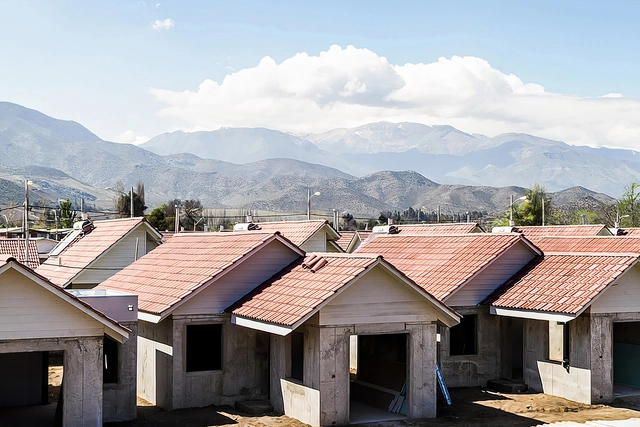
In the quest to find innovative solutions to achieve carbon neutrality in construction, identifying, addressing, and managing emissions is of vital importance. Doing so enables a deeper understanding and analysis of each stage of the production process and the life cycle of materials. Optimizing construction processes, minimizing fossil fuel use, adopting renewable energy, and recovering recycled materials are just some of the many strategies available to advance this transformation. Melón has taken the initiative to develop a Product Carbon Footprint calculator to deliver more sustainable products and construction solutions, actively contributing to the fight against climate change.

An architectural award acts as a legitimizing mechanism, indicating which approaches, materials, and strategies are taking center stage in the discipline's discourse. By bringing together projects with diverse programs, scales, and constraints, these initiatives bring emerging priorities and directions in the field to light. Accordingly, the Shaw Contract Design Awards has established itself as a global platform of recognition in interior design and a barometer of the transformations sweeping the discipline, fostering reflection on the role of design in creating more responsible, inclusive, and sustainable environments.
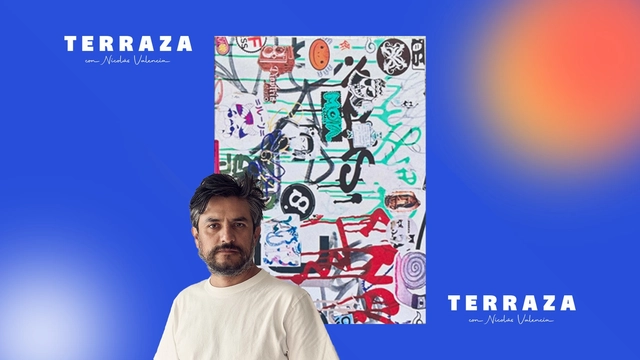
In Lima, Nicolás Valencia speaks with Mexican architect Jesús López about ATEA10, the 2024 BIAU award-winning publication that celebrates the first ten years of Atea, a multidisciplinary production and experimentation platform in the La Merced neighborhood of Mexico City.
We are pleased to announce the finalist projects for the ArchDaily Brasil 2025 Building of the Year Award. Following two weeks of nominations, the projects that received the most votes were selected from hundreds of works built in Portuguese-speaking countries. Our jury, comprised of thousands of readers, once again played a fundamental role in curating this selection, resulting in a shortlist of 15 remarkable projects.
From today until April 9 at 11:59 PM (GMT-3), you can vote once a day for the finalists—exemplary representations of contemporary Lusophone architecture. The winners will be announced on April 10.
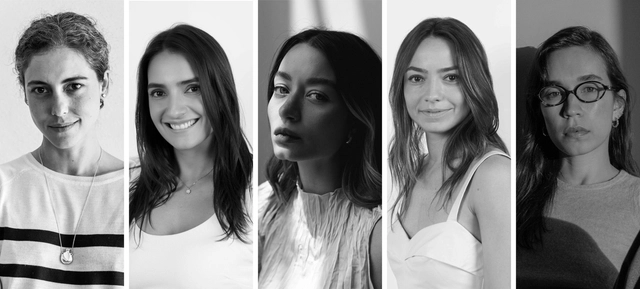
Architecture is shaped as much by the materiality of physical spaces as by how they are perceived, discussed, and recorded. Architectural discourse, along with its mediation and representation, is inseparable from the act of design, as it defines a project's reach and longevity over time.
Driven by this understanding, Vestigare Agency emerged not only as a social media agency tailored to architecture and design, but also as a platform for architectural curation and a bridge between architects and the wider public. Founded and led by Luiza Giurni, the platform has established itself as a new communication vehicle in contemporary architecture. Among its various partnerships, it highlights a collective effort built on collaboration with female architects.
A week ago, we announced the 15 finalists for the ArchDaily en Español Obra del Año Award, which celebrates the best architecture in Latin America and Spain, inviting our readers to act as a jury and select their favorite projects from those published throughout the year. Today, the time has finally come to reveal the winners of the 2025 Obra del Año Award.
After two weeks of nominations in the 16th edition of the 2025 Building of the Year Awards, our community evaluated over one thousand projects to select the 15 finalists. This year's awards celebrate excellence in design, innovation, and sustainability across Latin America and Spain, highlighting an exceptional selection of projects on the shortlist. As a public-choice award, we are proud to say that their choices authentically reflect the current state of architecture, while the quality of this year's finalists further underscores the excellence and diversity present in the field.

From September 18 to October 19, 2025, the 14th São Paulo International Architecture Biennial, organized by IABsp, will occupy the Oca Pavilion in Ibirapuera Park to discuss how architecture, urbanism, design, and landscape architecture can address climate change and extreme events.
The curatorial concept stems from the understanding that we live in times of extremes, demanding radical and innovative solutions. Across the four floors of the Oca, the curators aim to bring together science and innovation, traditional knowledge, everyday practices, market-driven proposals, and state actions, asserting that the climate challenge must be confronted by society as a whole.
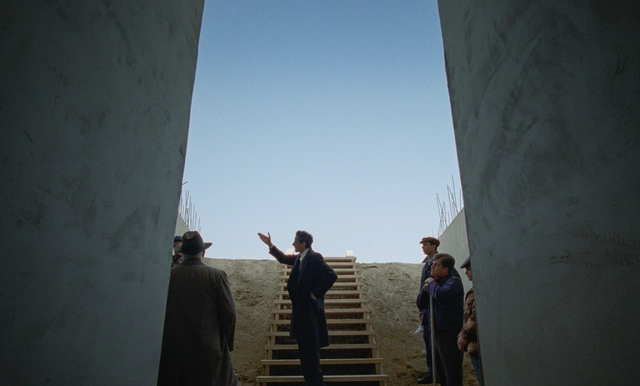
If you have not yet seen "The Brutalist" and plan to do so, I recommend that you stop reading now and save this piece for after you watch it. Spoilers abound in the paragraphs below. If you are expecting a traditional film review, my apologies in advance: this is an architectural critique stemming from the themes explored in the movie.
The film's final line prompts an interesting debate on the architectural design process: "No matter what others try to sell you, what matters is the destination, not the journey." The line is spoken by Zsófia, niece of fictional architect László Tóth, the protagonist of "The Brutalist," during the epilogue showcasing his international recognition at the first Venice Architecture Biennale in 1980, titled "The Presence of the Past."
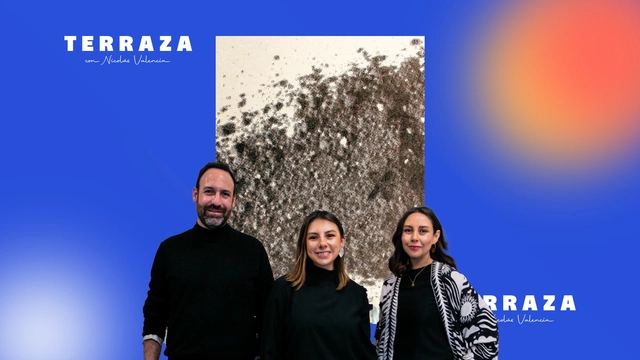
In Quito, Nicolás Valencia speaks with Ecuadorian architects Carolina Rodas, Carla Chávez, and Felipe Donoso, founders of the award-winning firm Rama Estudio, about their book "Los primeros diez años. Crítica de obra" (The First Ten Years. Critique of Work), published in 2024 by Flap.
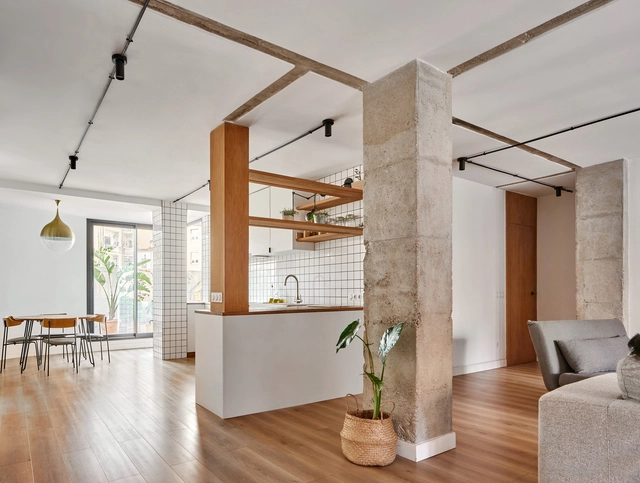
The spaces we inhabit are filled with movement, activities, and encounters: the kitchen where we prepare food, the living room where we gather, and the office where we work. Amidst all this, certain elements go unnoticed, yet connect our experience with the environment: switches, outlets, and wall plates. These devices not only distribute power but also structure and facilitate our interaction with space, serving as nodes that link functions and circulation paths while reinforcing the aesthetic identity of interiors.
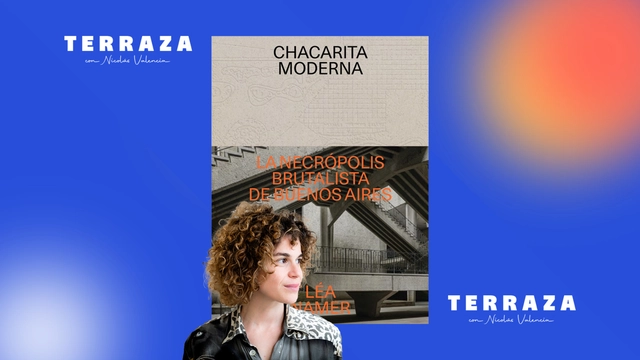
Nicolás Valencia speaks with French architect Léa Namer, author of Chacarita Moderna, the Brutalist Necropolis of Buenos Aires, where she investigates the Sexto Panteón in the Argentine capital and the history of its forgotten architect, Ítala Fulvia Villa.
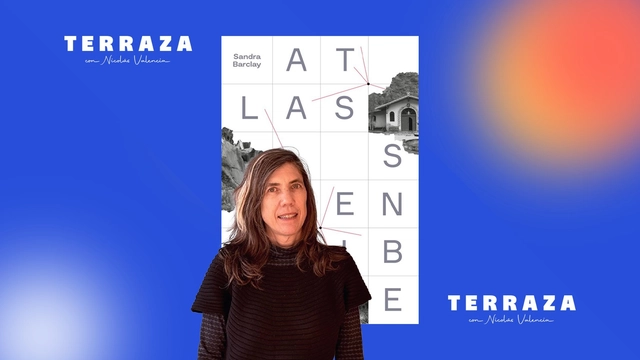
Nicolás Valencia speaks with Peruvian architect Sandra Barclay, founding partner of Barclay & Crousse Architecture, about the book Atlas Sensible: tiempo, memoria y recorrido en la construcción del paisaje, published by Publicaciones Arquitectura PUCP and Fondo Editorial PUCP.

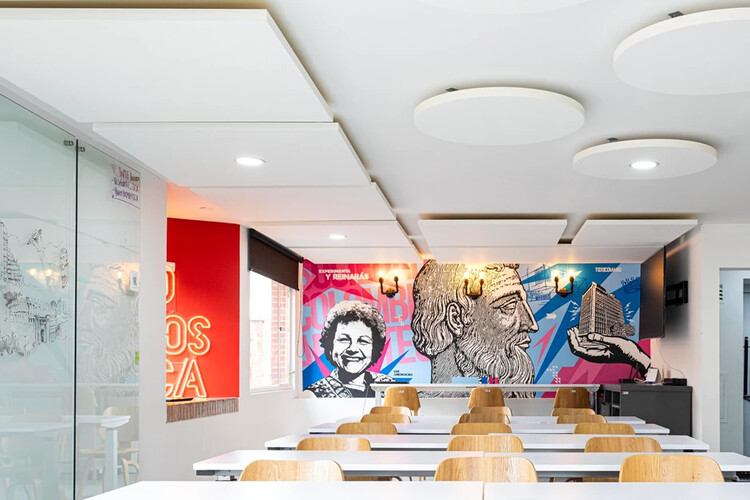
Beyond their aesthetics, materiality, or installation methods, the role of ceilings in contemporary architecture is no longer limited to hiding building structures or internal building systems. By providing functional benefits such as acoustic absorption, thermal insulation, energy efficiency, fire protection, integrated lighting, and ease of maintenance, different ceiling layouts combine flexibility and versatility to meet the diverse needs and uses of their occupants. Offices, restaurants, clinics, retail shops, and other interior spaces take center stage through the use of ceilings designed with clear intentions and narratives.
We invite you to participate in the 2025 ArchDaily Brasil Building of the Year Award. Now in its ninth edition, we charge our readers with the responsibility of recognizing and rewarding the projects that have made the greatest impact on the profession. By voting, you become part of an unbiased network of judges, recognizing the most relevant projects built in Portuguese-speaking countries over the past year. Only a few days remain until the end of the nomination stage, which will select the 15 finalists for the 2025 ArchDaily Brasil Building of the Year Award.
Registered users can vote for their favorite project once per day. The nomination stage closes on April 1 at 11:59 PM (Brasília time, GMT-3).
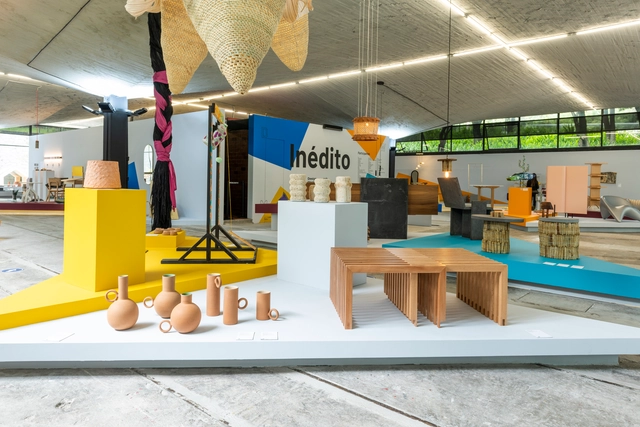
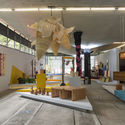
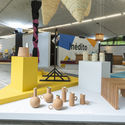
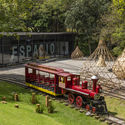
As part of the annual collaborative efforts of the Design Week team in Mexico City, the "Inédito" exhibition opened on October 9 at the Espacio CDMX Arquitectura y Diseño gallery. It marks the sixth consecutive edition of this open call, which aims to support, promote, and showcase utilitarian design projects across several categories: social impact, environmental impact, innovation, function, aesthetics, concept, user experience, materials, and processes. The exhibition is divided into three categories—professional, student, and digital—where, far from competing, participants gain exposure to opportunities in both national and international markets for outstanding design with commercial and production viability.
_11.44.10.jpg?1595954667&format=webp&width=640&height=580)
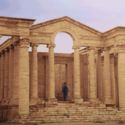
Despite UNESCO's recognition of specific World Heritage sites, many of them remain in constant danger of disappearing due to natural phenomena like earthquakes and human factors such as urbanization. By definition, these landmarks are vital to human history, possessing characteristics that reflect the deepest values of diverse civilizations. Nevertheless, much of the global population has never experienced them in person.










_11.44.10.jpg?1595954667)