

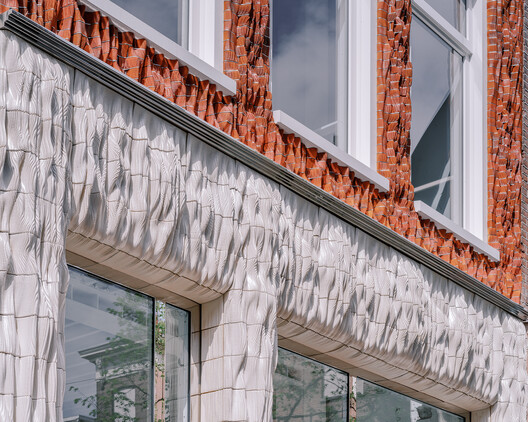
The shortlist for the prestigious BRICK AWARD 26 has been announced, revealing 50 exceptional brick buildings from across the globe. Organized by wienerberger, the biennial award celebrates architectural innovation and craftsmanship in brick and ceramic design, recognizing projects that push the boundaries of material, form and context. This year's selection spans five continents and 21 countries, highlighting the enduring relevance of brick in contemporary architecture; from intimate homes and cultural institutions to industrial facilities and public spaces. Winners will be announced in Vienna in June 2026, with all shortlisted entries featured in the BRICK 26 Book.
Chosen from 849 submissions, the shortlist reflects the versatility of brick as a material that bridges tradition and experimentation. The award is presented across five categories: Feeling at home; Living together; Working together; Sharing public spaces; and Building outside the box. While the scope is global, several standout projects exemplify how brick continues to inspire new architectural narratives.
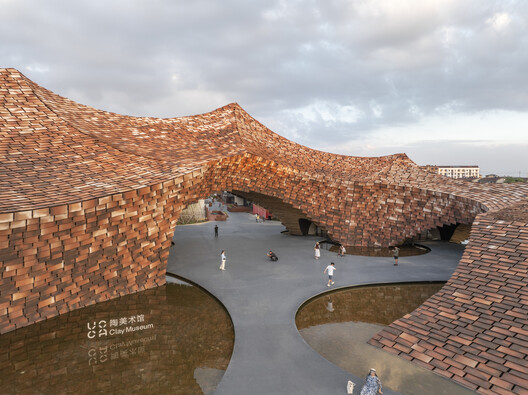
Among the shortlisted entries, the UCCA Clay Museum in Yixing, China, stands out for its distinctive roofscape designed by Kengo Kuma and Associates. Inspired by the nearby Shushan mountain, the structure is described as an "inverted shell carved by virtual spheres" and is clad in 3,600 handmade ceramic tiles glazed in dark and light brown tones. The design evokes the transformation of pottery during firing, merging landscape, material, and craft into a unified architectural expression.
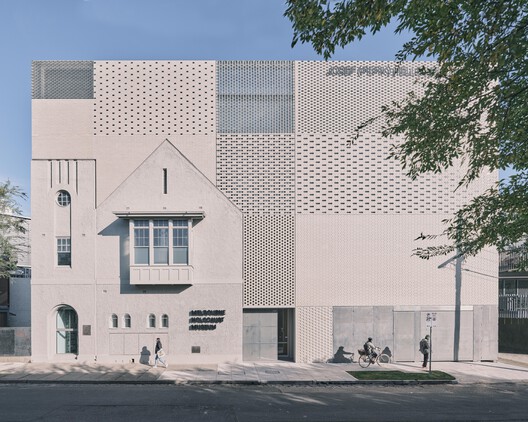
In Australia, the Melbourne Holocaust Museum uses an estimated 25,000 bricks, both clay and glass, in a refined "hit and miss" façade. The design balances transparency and security, creating visual and physical connections to the surrounding community while expressing remembrance and resilience.
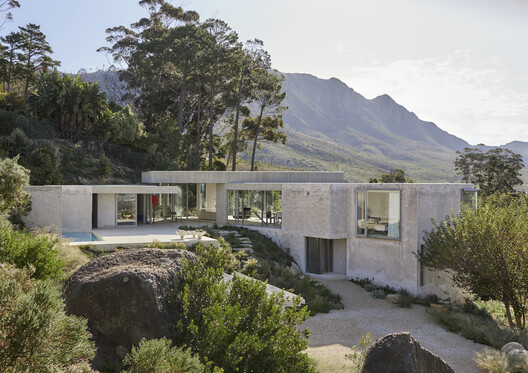
South Africa's Mountain House, set on the slopes of Steenberg Ridge in Cape Town, embraces a restrained palette of materials that reflect the earth's colors and textures. Designed to age gracefully, the building evokes a primordial sense of shelter through its simple, unadorned forms.
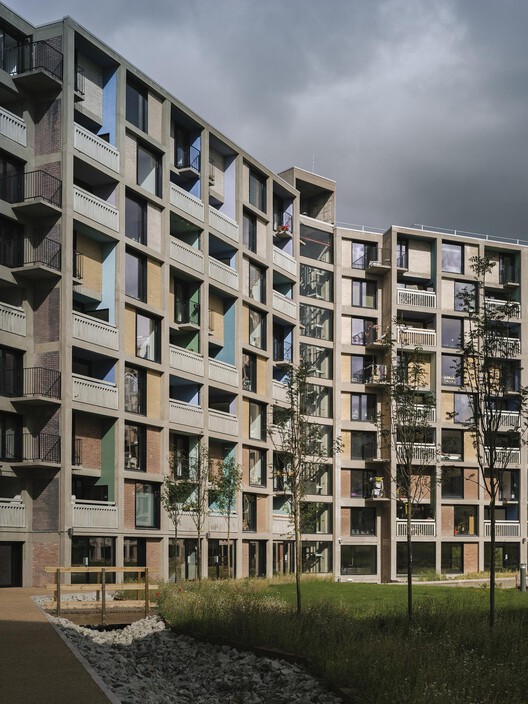
In the UK, Park Hill Phase 2 in Sheffield reimagines a Brutalist housing estate with board-marked concrete infilled by fine-grain domestic brickwork. The reinvigorated bricks define each "street in the sky," while the color palette of the balconies complements the tones of the brick, enhancing the estate's architectural identity.
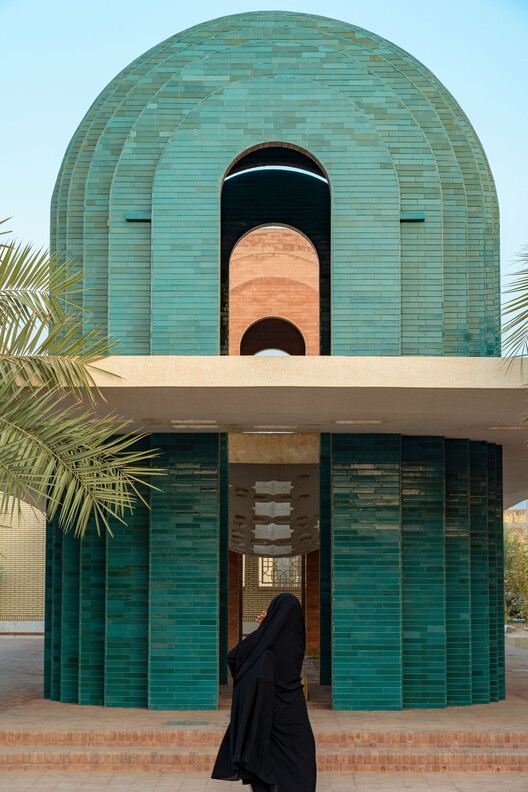
The Shafagh Tomb in Ardakan, Iran, transforms a cemetery gateway into a public monument. Its inverted dome and flowing inscriptions turn the structure into a canvas for collective memory, bridging sacred and everyday experiences.
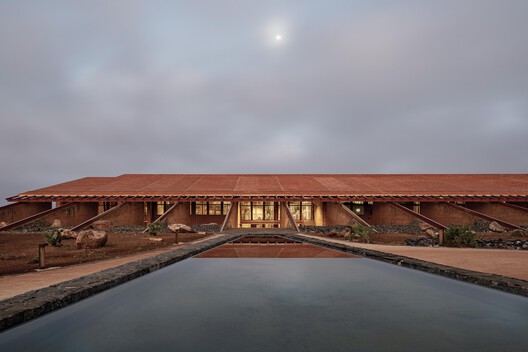
Mexico's Clase Azul La Hacienda Jalisco facility integrates warehousing and offices into its volcanic terrain using locally sourced ceramics and stone. The architecture anchors itself in the landscape, drawing on regional materials and construction techniques to create a grounded, site-specific expression.
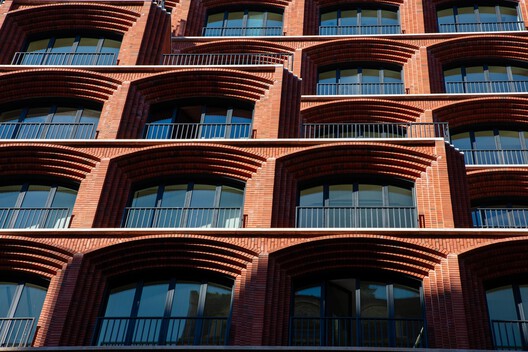
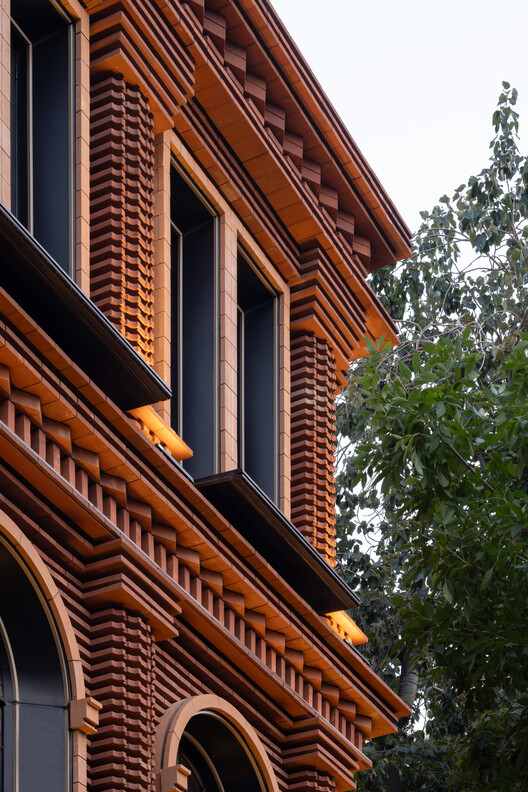
In New York, 64 University Place by Kohn Pedersen Fox blends historic references with contemporary detailing. Its hand-laid brick façade, arched windows, and grid of pilasters reflect skilled craftsmanship and contextual sensitivity, contributing to the architectural fabric of Greenwich Village.
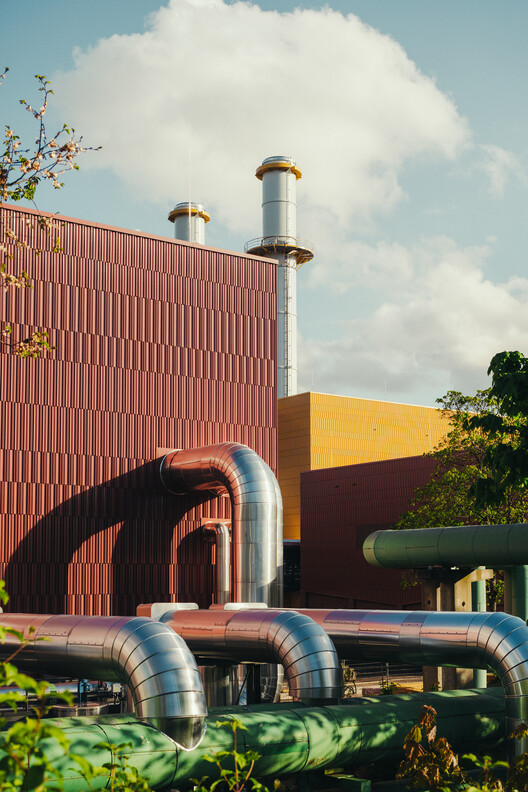
Germany's Leipzig Cogeneration Plant uses fired clay in the form of glazed panels with a fine, irregular vertical structure. The material choice articulates the industrial scale of the plant while introducing texture and rhythm to the façade, demonstrating how brick can elevate utilitarian architecture.
In Tianjin, China, the Zhongshuge bookstore creates an immersive spatial experience through undulating brickwork and iron detailing. The design merges architecture and narrative, inviting visitors into a space where material and form echo the act of reading itself.
Spanning a wide range of scales, programs, and geographies, the 50 shortlisted projects reflect the richness and adaptability of brick in contemporary architecture. From digitally fabricated façades and artisanal techniques to context-driven design and adaptive reuse, the selection highlights how brick continues to evolve as a medium for architectural expression. Whether used to anchor buildings in their landscapes, reinterpret historical forms, or create immersive spatial experiences, these works affirm brick's enduring relevance across typologies and design cultures.


