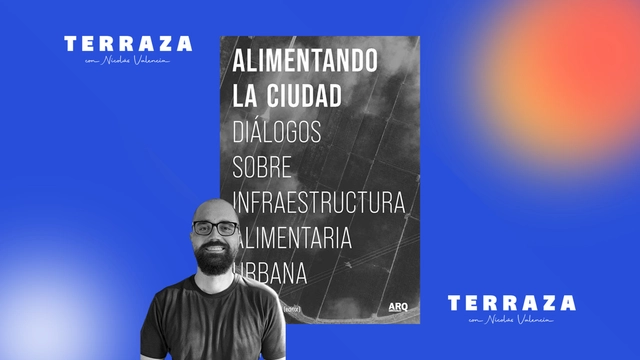
This week on the podcast TERRAZA, Nicolás Valencia speaks with Chilean researcher Nicolás Valenzuela Levi, editor of the book “Alimentando la ciudad. Diálogos sobre infraestructura alimentaria urbana”, published by Editorial ARQ in 2024.
“Alimentando la ciudad. Diálogos sobre infraestructura alimentaria urbana” is a collection of research on a type of infrastructure that we often fail to notice until it breaks down. The pandemic, followed by food price inflation, has heightened food insecurity, which manifests on the ground through examples such as the price of cooking oil at a neighborhood store or community kitchens as a local response. This book brings together an international, multidisciplinary group of researchers addressing these issues.