The main source of spread—and likely the origin—of the novel coronavirus (COVID-19), first detected in December 2019, is believed to be the Wuhan seafood market in China. From the facility's workers and vendors, the virus began to spread, initially affecting the local population and subsequently reaching more than 200 territories and countries worldwide. Today, three months after the WHO's declaration characterizing the disease as a pandemic, traditional wholesale and retail markets have come under scrutiny as potential contagion hotspots. How can food access be guaranteed for a population without posing a risk to distributors, vendors, and buyers?
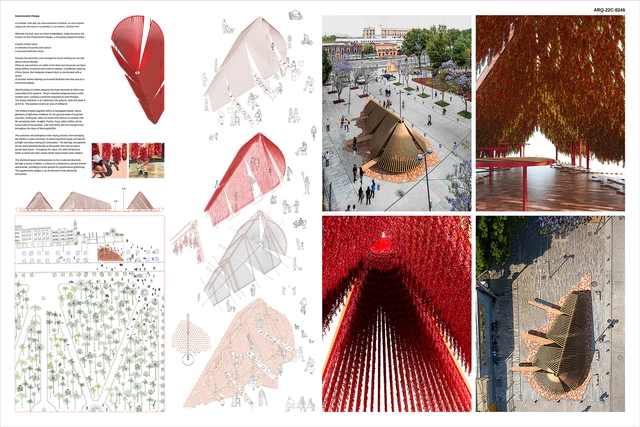
For the fifth time, the MEXTRÓPOLI Architecture and City Festival held the Arquine No. 22 | MEXTRÓPOLI Pavilion 2020 competition. On January 13, from 10:00 a.m. to 3:00 p.m., the jury—composed of Tatiana Bilbao, Ruth Estévez, Carlos Facio, Alberto Odériz, Saidee Springall, and Alejandro Tapia (as technical juror)—met at the Arquine offices to evaluate the 292 submitted proposals out of the 389 registered.
https://www.archdaily.com/1123664/results-22nd-arquine-competition-mextr-poli-pavilion-2020ArchDaily Team
Icons at Risk is an international initiative led by the organization Iconic Houses that seeks to protect and preserve residential projects—private homes, housing developments, and residential complexes—considered of high architectural relevance as representative examples of the ideas and principles of the Modern Movement. The initiative is based on the premise that many iconic homes around the world are currently disappearing—either falling into irreversible neglect, being radically transformed, or ultimately demolished—due to a lack of protective legislation. Because they are part of recent history, many of these structures—particularly houses from the second half of the 20th century—are not yet recognized as "heritage" and therefore lack sufficient legal protection. In many cases, these works serve as physical manifestos that reveal the aspirations and creative pursuits of 20th-century architects and designers within each country's specific urban landscape, making their historical significance clear.
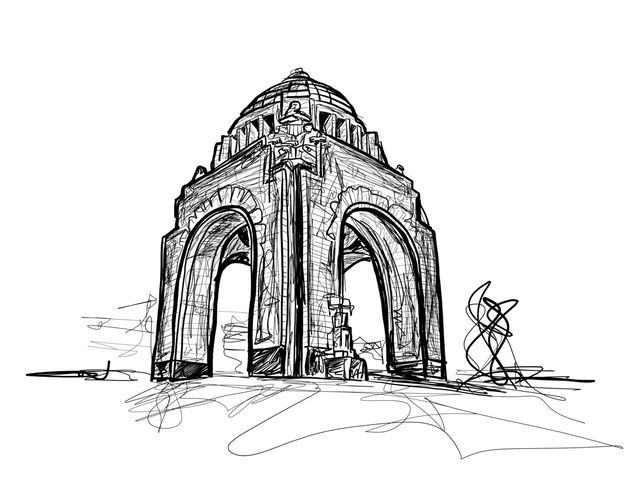
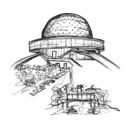
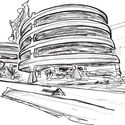
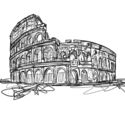
"Traveling Without Leaving Home" is a project by artist and designer Jorge Cejudo, also known as “Cejas.” Over the course of seven months, he shared a pandemic-born series of over 200 drawings on his Instagram account @soyelcejas, reconnecting with his followers after the emergency lockdown by inviting them to join him in imagining journeys through various cities around the world.
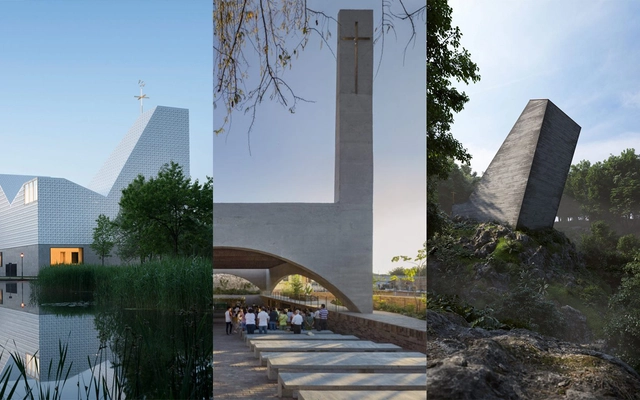
For the seventh time, the Frate Sole Foundation has launched the 2020 edition of the International Sacred Architecture Award, open to all professionals who have designed a church over the last decade (since October 4, 2010) within Christian denominations.
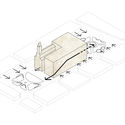
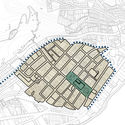
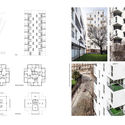
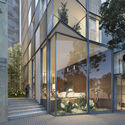
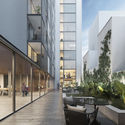
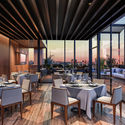
The architecture firm Hauser (Buenos Aires, Argentina), alongside architects Carlos Ferrater and Lucia Ferrater from OAB - Office for Architecture in Barcelona, has presented its project for Montevideo, titled "Alma Duc." The mixed-use building, located in the heart of the Uruguayan capital, will integrate various programs—housing, retail spaces, and a restaurant—seeking to address the consolidation and densification of the area. The project is already under construction and will represent Carlos Ferrater's first built work in South America.
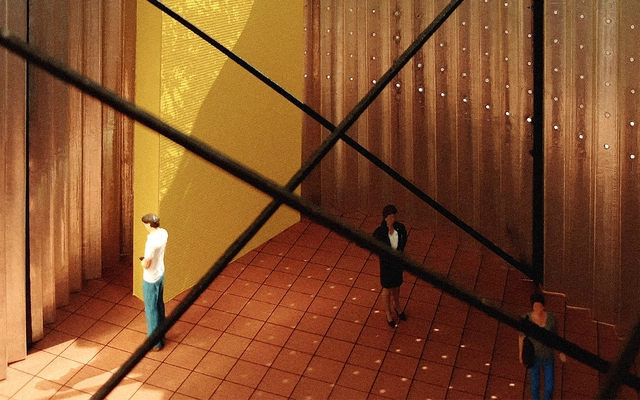
The Eco Pavilion 2020 marks the tenth edition of this competition, which, since 2010, has served as a space for architectural reflection through temporary construction inside the courtyard of the Museo Experimental el Eco. This year's edition was structured around Mathias Goeritz's "snake" concept, under an approach proposed by architect Javier Senosiain.
Earlier this month, the Observatory of Innovations for Sustainable Cities was launched. The project aims to gather information, proposals, and concrete examples of municipal initiatives and public policies that help improve people's quality of life and strengthen the environment. The initiative is a partnership between the Ministry of Science, Technology, and Innovations (MCTI), the United Nations Environment Programme (UNEP), and the Center for Strategic Studies and Management (CGEE).
The winners of the 'Proyectar a Conciencia' 3.0 competition have been announced. Organized by STO, the call for entries invited students and guiding architects from across Chile to research and reflect on potential ways to retrofit existing buildings to reduce energy consumption and meet contemporary environmental goals—particularly in relation to COP25.
Italy has approved a program providing a bonus of up to 500 euros (approximately R$ 3,100) to help residents of cities with more than 50,000 inhabitants buy a bicycle. The measure is part of a decree-law approved on May 13 by the Council of Ministers to boost the country's economic recovery amid the novel coronavirus pandemic. Additionally, the initiative encourages the use of non-polluting vehicles.
Carlos Figueroa, under license CC BY-SA 4.0. ImageHeadquarters of the Ministry of Cultures, Arts, and Heritage of Chile in Valparaíso.
In the context of the global health emergency caused by the COVID-19 pandemic, Chile's Ministry of Cultures, Arts, and Heritage has launched a public survey for freelancers, workers, and representatives of the cultural and artistic sectors to assess the status of their organizations, centers, and agents across the country.
The Porto Alegre-based firm 0E1 Arquitetos has launched an e-book to help professionals design their new home workspaces. The Home Office Guide is a digital publication featuring tips to improve remote work environments, created to raise funds for local charities.
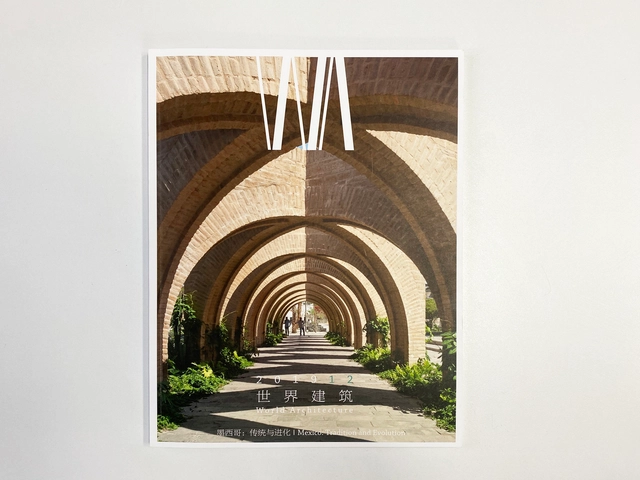
An exclusive issue dedicated to Mexican architecture is the theme of the latest edition of World Architecture (WA) magazine in China, curated by the ArchDaily team. Published by Tsinghua University since its founding in 1980, World Architecture magazine is one of the largest and most prestigious architectural publications in China.
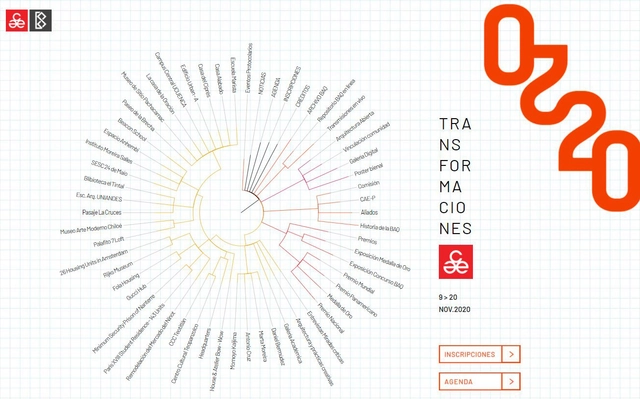
Yesterday, November 9, 2020, marked the opening of the 22nd Pan-American Architecture Biennial of Quito (BAQ2020), held online. As one of the most highly anticipated architectural events nationally and internationally, this edition features a robust program of 28 panel discussions, 4 keynote lectures, 4 interviews, and other exclusive content accessible via the microsite designed for the event. Additionally, a broad cultural program includes interventions in eight buildings and two exhibitions.
https://www.archdaily.com/1123674/the-pan-american-architecture-biennial-of-quito-2020-opens-with-a-presentation-by-momoyo-kaijimaArchDaily Team
The São Paulo International Architecture Biennial is the most significant project organized by the IABsp. Since its inaugural edition in 1973, the event has sought to review, discuss, explore, and expand access to issues surrounding territorial occupation and society.
“Empty Spain, Full Spain. Conciliation Strategies” is the proposal by Anna Bach, Eugeni Bach, and Óscar Miguel Ares that secured the curatorship of the upcoming XV Spanish Biennial of Architecture and Urbanism (BEAU).
With traditional access to information restricted due to social distancing measures implemented worldwide in response to the COVID-19 pandemic, and with many unable to access physical architecture media like magazines, books, and other print publications, Summa+ has decided to release nearly 100 digital issues of its magazine, making its content available for free to readers around the world.
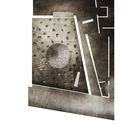
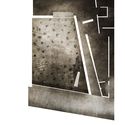
Supported by a Graham Foundation grant, the artist explores the possibility and synchronicity of materials and processes across architecture and visual art in a new series of sculptures and drawings inspired by Miguel Fisac's innovative architectural and construction techniques.
Experience it all through the short film by Spirit of Space.
As part of the exhibition program of the Museo Experimental El Eco, the open call for the Eco Pavilion 2020 was launched, inviting professionals practicing architecture in Mexico to engage in a dialogue with the museum's space. This edition marks the 10th anniversary of the Eco Pavilion, a competition launched in partnership with Buró-Buró to provide a platform for architectural production focusing on experimentation and spatial reflection.
https://www.archdaily.com/1123784/this-is-the-winning-proposal-for-the-eco-pavilion-2020-competitionArchDaily Team
During a live-streamed event on an exclusive microsite created for the XXII Pan-American Architecture Biennial of Quito, organizers presented the schedule for this year's online BAQ 2020, along with the participating jurors and speakers.
https://www.archdaily.com/1123824/full-schedule-speakers-and-jurors-of-the-pan-american-architecture-biennial-of-quito-2020ArchDaily Team
The winners of the design competition for the Madrid Metropolitan Forest have been announced. Coordinated by the Vice-Mayor's Office and promoted by the Urban Development Department, the initiative invited architects to develop natural infrastructure to drive green growth and sustainable development in the city. Located in Madrid, Spain, the Forest will span 75 kilometers, contributing to the area's ecological rebalancing, carbon emission reductions, the fight against climate change, and the environmental and landscape restoration of degraded areas.













.jpg?1595363051&format=webp&width=640&height=580)

.jpg?1584407631 "Cortesía de Eliú Ruiz Vela")