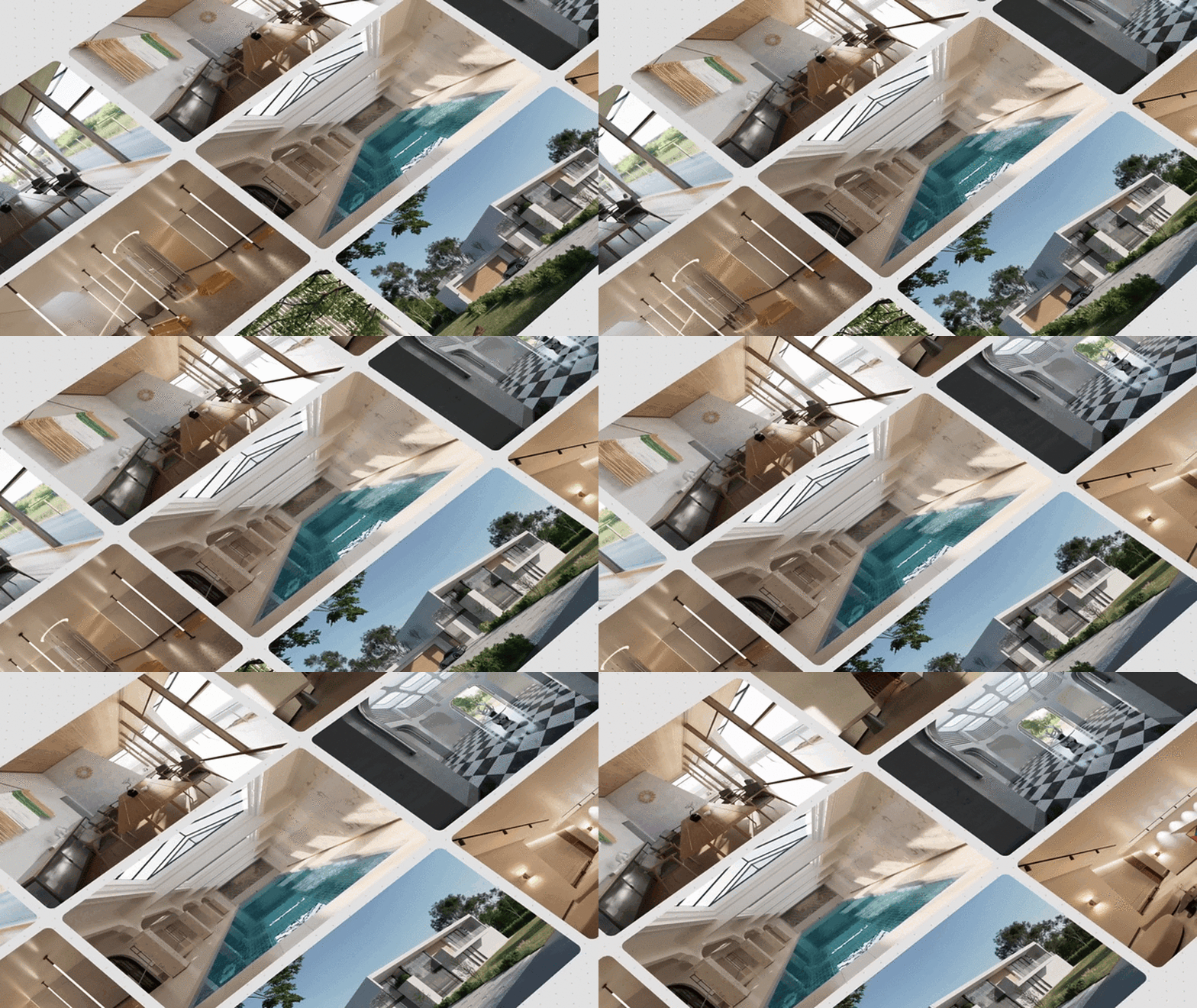
How to visualize architectural concepts in SketchUp using D5 Lite for faster design exploration.
How to visualize architectural concepts in SketchUp using D5 Lite for faster design exploration.
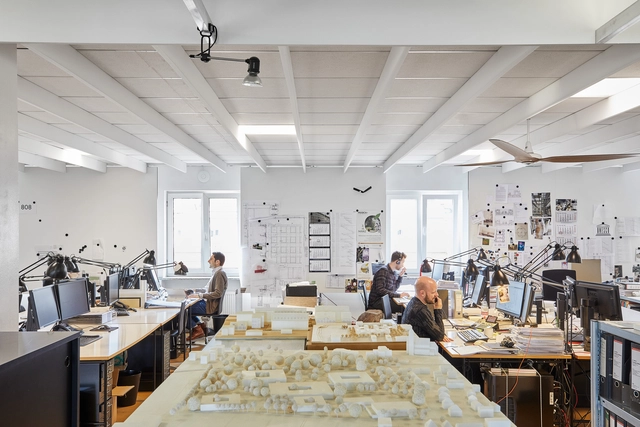
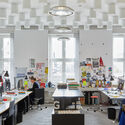
After photographing architectural studios in Berlin, Marc Goodwin has captured the spaces of 26 offices between the German cities of Frankfurt, Stuttgart, and Munich, including Schneider+Schumacher, Blocher Partners, Asp Architekten, Behnisch Architekten, Laboratory for Visionary Architecture, Henn, and Auer Weber Assoziierte to name a very few.
Continuing his work on the Atlas of Architectural Atmospheres, Archmospheres, Goodwin has collected so far, images of studios from cities around the world, more specifically from Madrid, Panama City, Dubai, London, Paris, Beijing, Shanghai, Seoul, Barcelona, Los Angeles, Istanbul, and so many others.
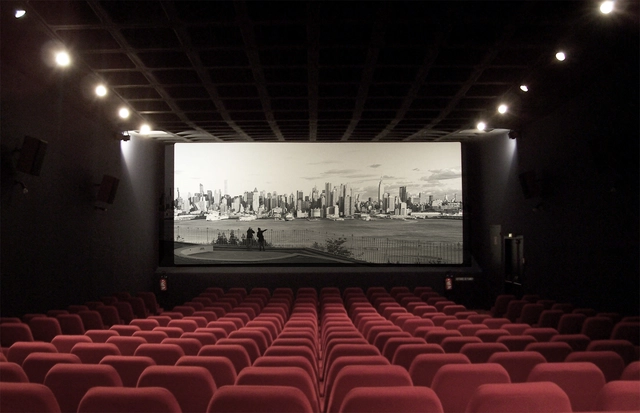
Jean-Luc Godard, through his films, talks about architecture almost as easily as he talks about cinema itself. In honor of the nouvelle vague icon, who passed away today at the age of 91, we revisit How Architecture Speaks Through Cinema.
There are several ways of making films. Like Jean Renoir and Robert Bresson, who make music. Like Sergei Eisenstein, who paints. Like Stroheim, who wrote sound novels in silent days. Like Alain Resnais, who sculpts. And like Socrates, Rossellini I mean, who creates philosophy. The cinema, in other words, can be everything at once, both judge and litigant. — Jean-Luc Godard [1]
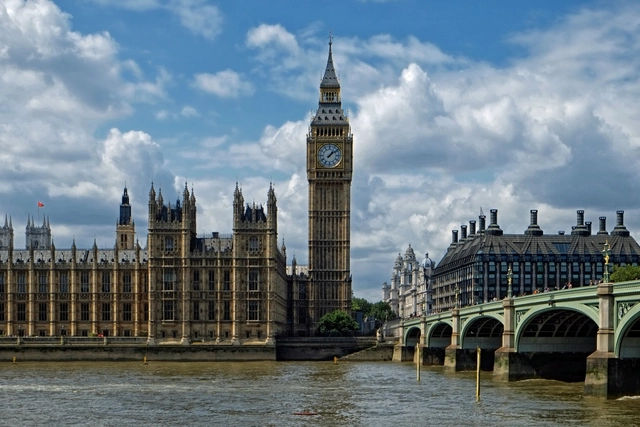
Her Majesty, Queen Elizabeth II, United Kingdom's longest-reigning monarch, has passed away at Balmoral Castle, aged 96. Earlier this year, Her Majesty became the first British Monarch to celebrate a Platinum Jubilee, marking 70 years since her ascension to the throne. During her coronation, the first ceremony of this type to be televised, newspapers and tv broadcasters talked about a “New Elizabethan Age” that would revive Britain from postwar gloom. Now, seven decades later, as the longest reign in British history has come to an end, people come together to honor The Queen and reflect upon her legacy in terms of culture, technology, and architecture.
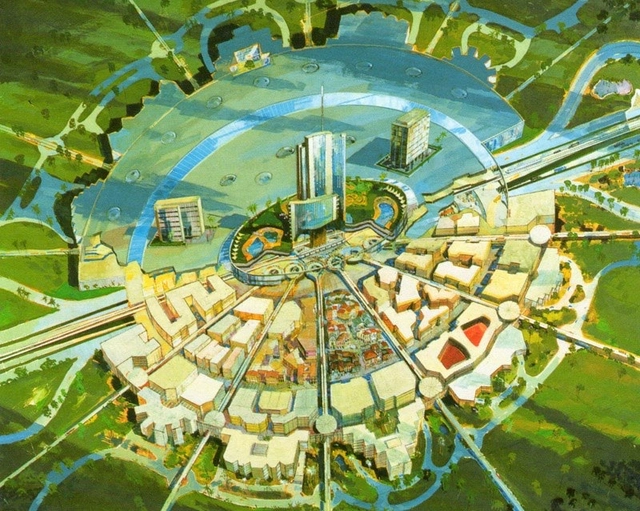
Beneath the Spaceship Earth geodesic sphere and the display of world cultures that symbolize Disney World’s EPCOT lies the buried vision for a utopian city. The original EPCOT - a community built around innovation - was one of Walt Disney’s last visionary projects. Bothered by haphazard urban sprawl, Disney had bold ideas for an urban fabric that would drive progress in the USA. The “Experimental Prototype Community of Tomorrow” was Walt Disney’s antidote to the decay of American cities.
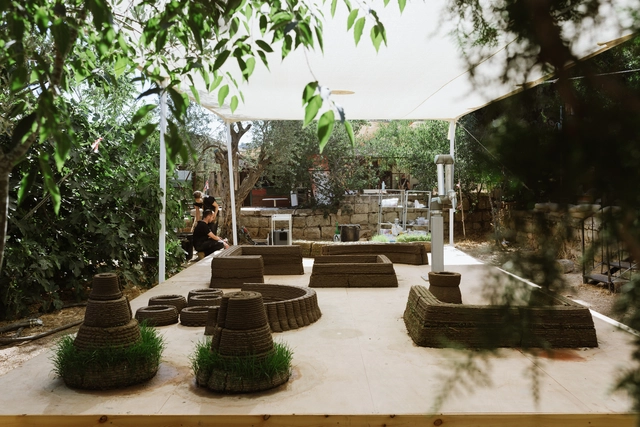
Can you imagine a world in which the built environment around us is 3D printed from living materials? That buildings will germinate, bloom, wither, produce new kinds of material, and eventually return back to the soil? To Grow a Building is a performative lab space that 3D prints - in real time - a live structure. The project presents a new approach to integrating flora into the design process, by developing a novel material for 3D printing, through which seeding is an inseparable part of the fabrication process. To Grow a Building is a gate into a future world in which there are people who build buildings, and there are people who grow them.

Indians have traditionally lived close to the earth, their cultures shaped by symbiotic relationships with ecosystems. Indian arts and crafts strongly rely on nature for its form, philosophy, and existence. Native landscapes aroused the artistic sensibilities of resident communities, evolving craft practices that met utilitarian and ritualistic needs. The intersectionality of ecology and culture is evident through ancestral forms of craft.
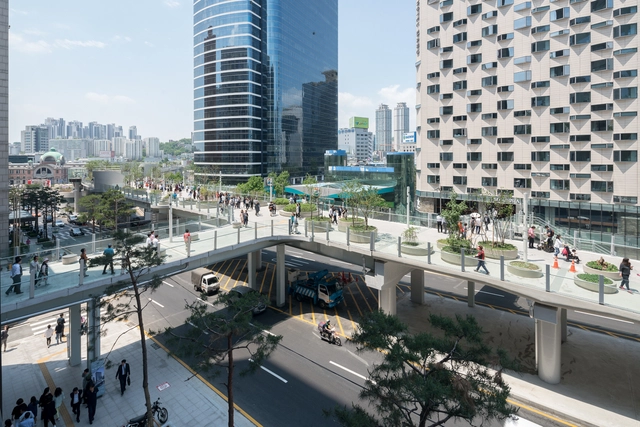
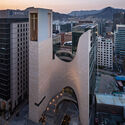
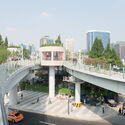
The capital of South Korea, officially known as Seoul Special City, is the largest metropolis in the country. From modern skyscrapers, high-tech subways, and expressions of pop culture, to traditional temples, palaces, and pagodas, Seoul is a captivating melting pot of old and new that all are guaranteed to enjoy.
If you plan on visiting Seoul and taking in most of what the vibrant city has for locals and tourists alike, the following list features 30 unique projects for you to indulge in and explore, providing you with a starting point for your metropolitan travels.
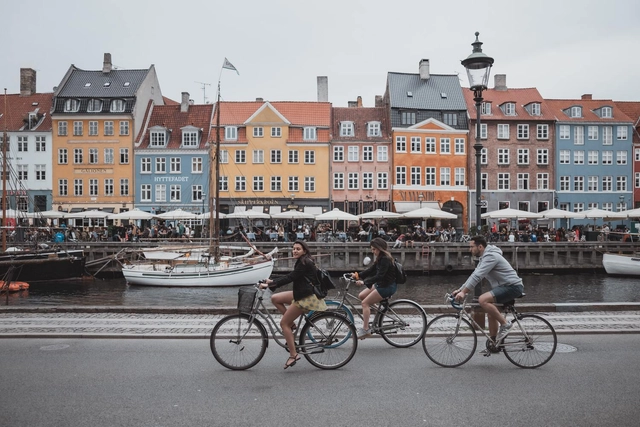
According to the World Happiness Report, Denmark has continually topped the survey of happiest countries for years. Copenhagen, the capital of Denmark, is known for its brightly colored waterfront buildings and radical contemporary architecture, both reflecting the joyful ethos of the city. The maritime metropolis is an urban designer’s favorite case study with its carbon-neutral infrastructure, pedestrian and bike-friendliness, and thriving public realm. Danish designers have cracked the code to build happier cities, leaving plenty of models to learn from.
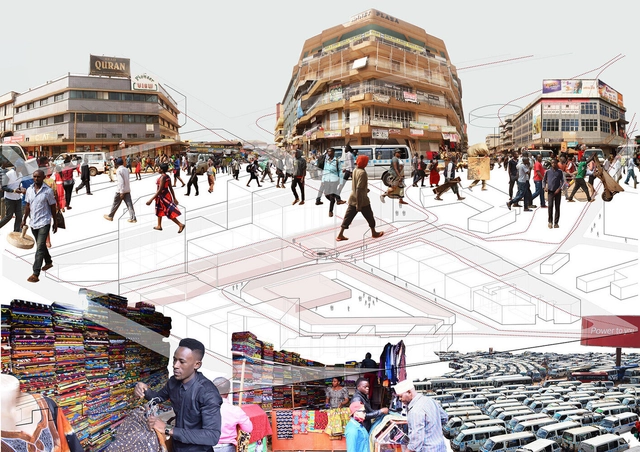
Doreen Adengo, Ugandan architect and trailblazer, passed away on July the 22nd of this year, after battling a long-term illness. She founded Adengo Architecture, a studio based out of her home city of Kampala. A designer who studied in the United States, worked in firms in New York, Washington, and London, and was teaching at Uganda Martyrs University – her legacy is nothing short of extraordinary. It is a legacy that spans disciplines and geographies – but a legacy, too, that is deeply rooted in the context of Africa, Uganda, and Kampala.
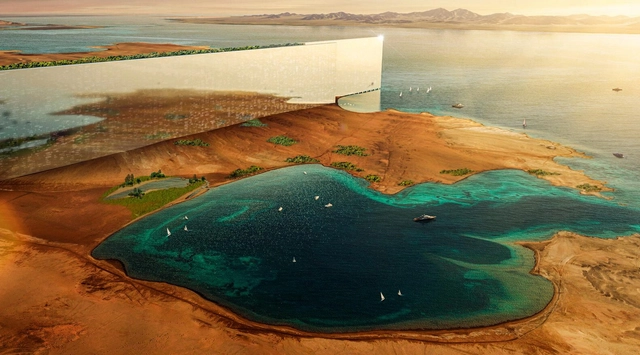
The Saudi Arabian government has released visuals of a 170-kilometer-long skyscraper as part of the NEOM project. Announced by crown prince Mohammed bin Salman, The Line is a reimagined urban development linking the coast of the Red Sea to the mountains and upper valleys of northwest Saudi Arabia. The compact structure, 200 meters wide, represents a social and economic experiment. The city aims to be zero-carbon, through the elimination of carbon-intensive infrastructures like cars and roads, and will operate on 100% renewable energy, including the operations of its industries.
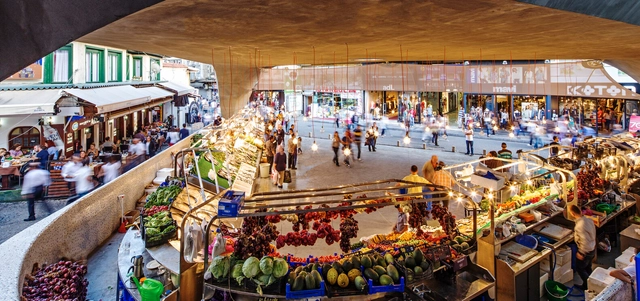
Every city is a complex environment, bringing together people, cultures, architecture, commerce, and even nature. While experiencing a city, a lot of attention is given to its appearance, but appearance is not everything. The theory of sensory design aims to go beyond vision and explore the richness of the built environment through textures, smells, and sounds. For city officials and planners, a lot of attention generally goes towards how a city looks and sounds, but in terms of smell, the focus is mainly on managing waste or cleaning unsanitary areas. Yet the sense of smell, so often overlooked, is strongly linked to the creation of emotional memories. It contributes to our understanding of the world; it reveals otherwise hidden cultural practices, and it rounds up the experience of an environment.

Humane cities center around the relationships between people and places. Communities thrive on shared resources, public spaces, and a collective vision for their locality. To nurture happy and healthy cities, designers and the public apply methods of placemaking to the urban setting. Placemaking—the creation of meaningful places—strongly relies on community-based participation to effectively produce magnetic public spaces.

Every day, architects and designers from around the world send us their latest projects, products, news, and opinions. We collect, curate, and publish the best information, delivering our platform to over 17 millions of monthly readers. Since 2008 we have been sharing inspiration, knowledge, and tools with the goal to help everyone who makes architecture happen to create better cities and quality of life.
At ArchDaily, we are always improving your experience on our platform, which is why we have prepared a survey to gather your feedback, and better understand the topics that are most relevant to our readers.
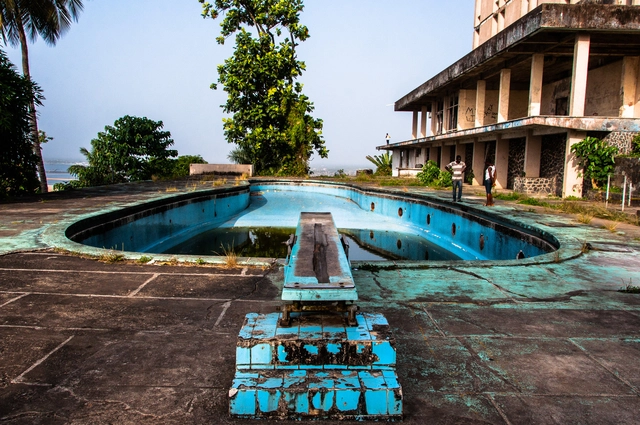
The luxury hotel, as an architectural typology, is distinctive. In effect, it's a self-contained community, a building that immerses the well-off visitor into their local context. Self-contained communities they might be, but these hotels are also vessels of the wider socioeconomic character of a place, where luxury living is often next door to informal settlements in the most extreme examples of social inequality.

Finnish architect Juhani Pallasmaa once said that "architecture is essentially an extension of nature into the man-made realm, providing the ground for perception and the horizon of experiencing and understanding the world."
In the constant hustle and bustle of the modern surroundings, it is more than needed to take a step back and listen to the sounds of something as calmly powerful as nature. Moreover, listening to the beautiful harmonies created by birds chirping and sound waves can make our inner voice louder as well.
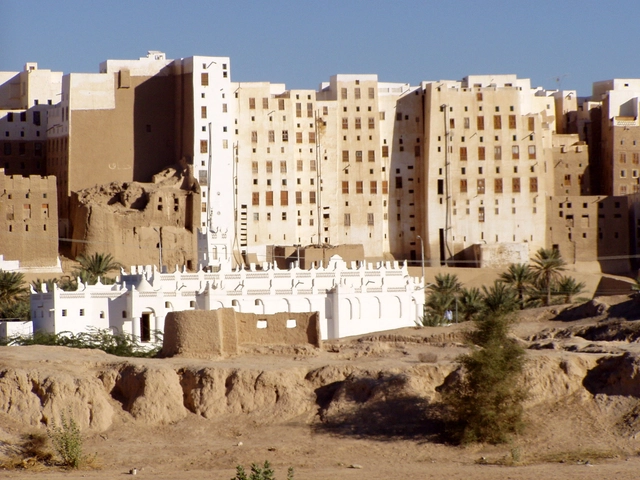
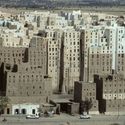
Skyscrapers are an unmissable characteristic of contemporary settlements. From São Paolo to New York, from Seoul to Dubai – these towering structures are a ubiquitous part of the urban fabric. The conventional image one has of these structures is of curtain-walled facades, but in Yemen – an ancient example goes against this trend. Central Yemen is home to the city of Shibam, surrounded by a fortified wall. It’s also home to a dazzling example of architectural ingenuity – tower houses that date back to the 16th century, stretching up to seven stories high.
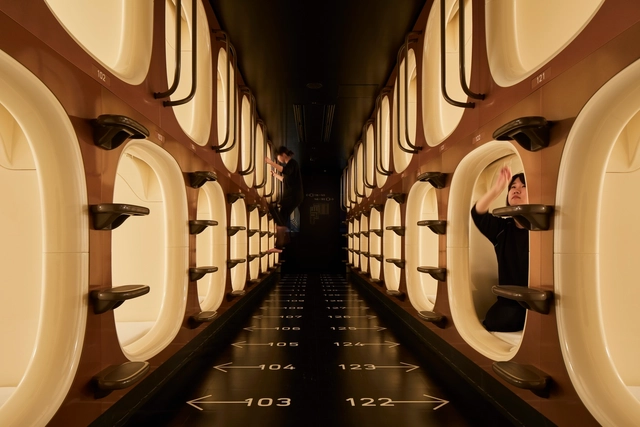
The capsule hotel is typically representative of the image that many people have of Japan, combining dense use of space, technical ingenuity, and a futuristic vibe. Capsule hotels, also known as pod hotels, are one of Japan’s best-known and unique types of lodgings. Typically located around major public transportation hubs in large metropolitan cities, they target individuals looking for a low-budget, single-night stay.
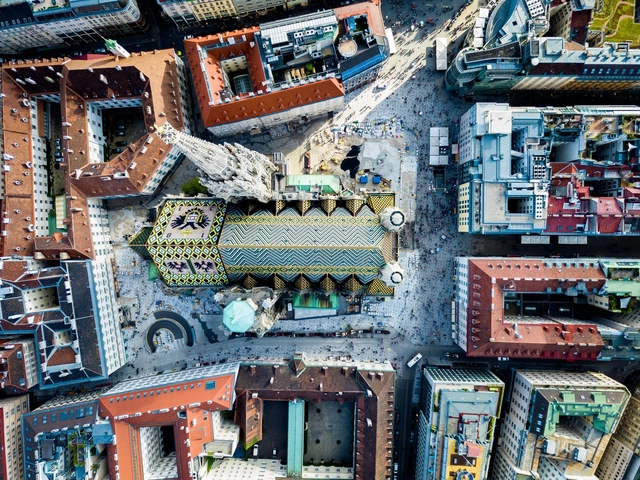
Vienna in Austria has topped the rankings of The Economist Intelligence Unit (EIU) 2022 Global Liveability Index, gaining back its previous position from 2019 and 2018, mostly for its stability and good infrastructure, supported by good healthcare and plenty of opportunities for culture and entertainment. Western European and Canadian cities dominated the top positions with Copenhagen, Denmark in second place and Zurich, Switzerland, and Calgary, Canada in third place. Adding 33 new cities to the survey, one-third of which are in China, bringing the total up to 172 cities, the classification excluded this year the city of Kyiv, due to Russia’s invasion of Ukraine.
Classified across 5 categories, stability, healthcare, education, culture and the environment, and infrastructure, the index was largely driven by the covid-19 pandemic. While covid-19 restrictions have eased in big parts of the world, liveability rankings started resembling “those seen before the pandemic”, however, the global average score remained below the pre-pandemic time. Although covid-19 has receded, a new threat to liveability emerged when Russia invaded Ukraine this year.