1. ArchDaily
  2. Editor's Choice

Editor's Choice

The 22nd Serpentine Pavillion: Crafting Spaces that Inspire Conversations

Subscriber Access | 

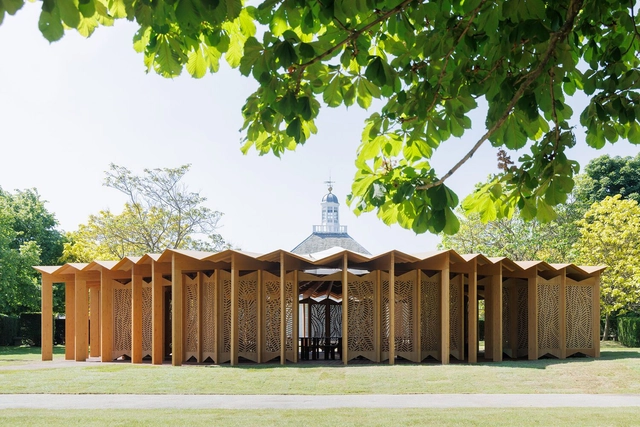
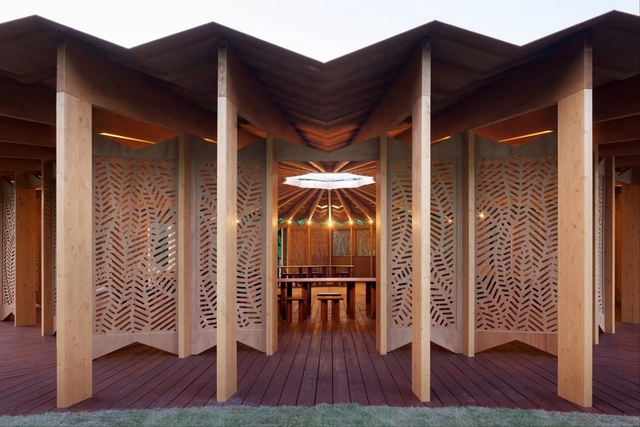
As you make your way through the symphony of wooden colonnades, leafy screen walls, and unfurled roofing, towards the converging veins of flooring and ceiling ribs leading to the light, it feels like a space that was always meant to be there. Part of the park, the pavilion complements the nature around it, reflecting its patterns, and illuminates a main interior feature: a concentric set of tables and stools that inspire people to sit at the moment, hold conversations, and connect with each other. This narrative tells the tale of this year's Serpentine Pavilion, designed by French-Lebanese architect Lina Ghotmeh.

Titled, À table, It draws inspiration from the designer’s connection with nature growing up and is reminiscent of the French call to sit together at a table, share a meal and enter a dialogue. It foregrounds the table as a laboratory of ideas, concerns, joys, connections, and essentially brings people together. It further reflects on the architectural ideals that can provoke and welcome moments of collective conversations.

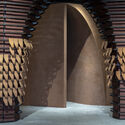
The 22nd Serpentine Pavillion: Crafting Spaces that Inspire Conversations - Image 1 of 4The 22nd Serpentine Pavillion: Crafting Spaces that Inspire Conversations - Image 2 of 4The 22nd Serpentine Pavillion: Crafting Spaces that Inspire Conversations - Image 3 of 4The 22nd Serpentine Pavillion: Crafting Spaces that Inspire Conversations - Image 4 of 4The 22nd Serpentine Pavillion: Crafting Spaces that Inspire Conversations - More Images+ 8

The 22nd Serpentine Pavilion, Designed by Lina Ghotmeh, Opens to the Public on June 9th, 2023

The Serpentine has announced the official opening of the 22nd Pavilion, designed by French-Lebanese architect Lina Ghotmeh, at Serpentine South on June 9th, 2023. The Pavilion is titled À table, a French invitation to sit down together at a table and engage in an open dialogue while sharing a meal. The interior space of the pavilion is defined by the large table that encircles the perimeter, offering an opportunity for conviviality and the sharing of ideas, concerns, joys, and traditions. The 300-square-meter structure, inspired by the architect’s Mediterranean heritage, is designed to be lightweight and fully demountable to ensure a minimal carbon footprint. The Serpentine Pavilion will be open and free of charge every day from June to October 2023.

The 22nd Serpentine Pavilion, Designed by Lina Ghotmeh, Opens to the Public on June 9th, 2023 - Image 1 of 4The 22nd Serpentine Pavilion, Designed by Lina Ghotmeh, Opens to the Public on June 9th, 2023 - Image 2 of 4The 22nd Serpentine Pavilion, Designed by Lina Ghotmeh, Opens to the Public on June 9th, 2023 - Image 3 of 4The 22nd Serpentine Pavilion, Designed by Lina Ghotmeh, Opens to the Public on June 9th, 2023 - Image 4 of 4The 22nd Serpentine Pavilion, Designed by Lina Ghotmeh, Opens to the Public on June 9th, 2023 - More Images+ 3

Representing Africa at the 2023 Venice Architecture Biennale: Recurring Concepts and Approaches

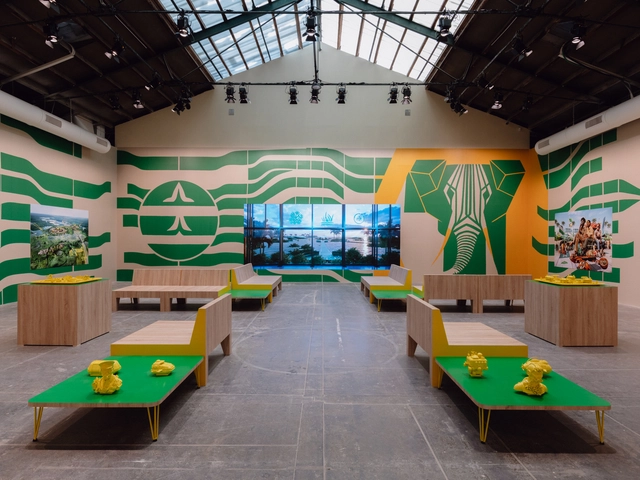
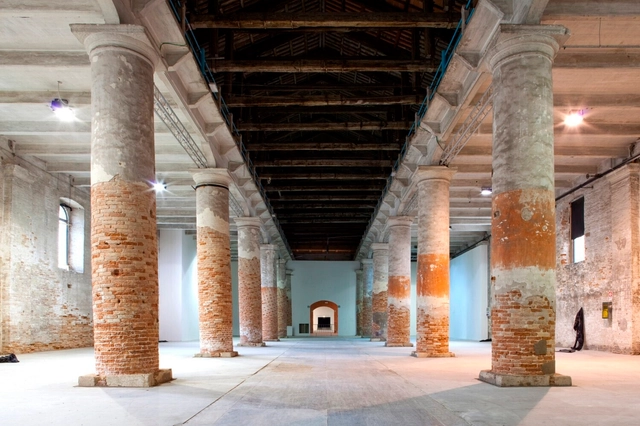
The 18th International Architecture Exhibition, curated by Ghanaian-Scottish architect, educator, and novelist Lesley Lokko – who is also Founder and Director of the African Futures Institute (AFI) based in Accra, Ghana – officially opened to the public on May 20th and is now on view through Nov. 26. Entitled The Laboratory of the Future, this year's Venice Architecture Biennale for the first time highlights the African continent as a leading force in shaping the world to come and Lokko's curatorial mission prompts entries to question traditional notions of what the future can hold and what architecture looks like.

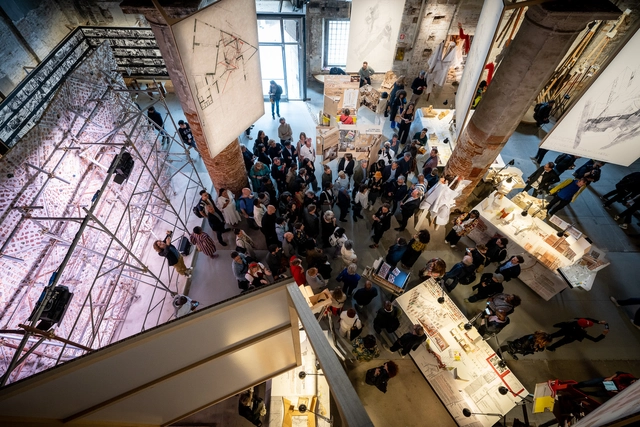
Representing Africa at the 2023 Venice Architecture Biennale: Recurring Concepts and Approaches - Image 1 of 4Representing Africa at the 2023 Venice Architecture Biennale: Recurring Concepts and Approaches - Image 2 of 4Representing Africa at the 2023 Venice Architecture Biennale: Recurring Concepts and Approaches - Image 3 of 4Representing Africa at the 2023 Venice Architecture Biennale: Recurring Concepts and Approaches - Image 4 of 4Representing Africa at the 2023 Venice Architecture Biennale: Recurring Concepts and Approaches - More Images+ 10

The Modernist Laboratory of the Future: Exploring Le Corbusier and Louis Kahn’s Architecture in India

At the beginning of 2022, curator Lesley Lokko announced the title of the 18th International Architecture Exhibition – La Biennale di Venezia: “The Laboratory of the Future.” The theme’s intention is to highlight the African continent as the protagonist of the future, a place “where all these questions of equity, race, hope, and fear converge and coalesce,” in the words of the curator. As the fastest urbanizing continent, Africa is viewed as a land of potential, but also of challenges, where matters of racial equity and climate justice are played out with a significant impact on the world at large.

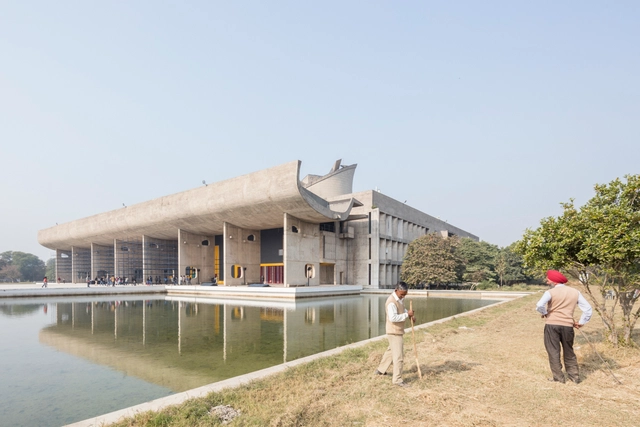
Yet in the late 1950s, another laboratory of the future was taking shape, one where the novel ideas of Modernism produced grand monumental designs and complete urban structures at an unprecedented scale: India. In the search for a modern and democratic image, the newly independent country welcomed Western architectural masters such as Le Corbusier and Louis I. Kahn and entrusted them with a wide range of commissions, from the urban layout of Chandigarh and its major governmental buildings to universities, museums, and smaller scale domestic projects. The result is a mixture of cultures, influencing one another to unexpected results.

The Modernist Laboratory of the Future: Exploring Le Corbusier and Louis Kahn’s Architecture in India - Image 1 of 4The Modernist Laboratory of the Future: Exploring Le Corbusier and Louis Kahn’s Architecture in India - Image 2 of 4The Modernist Laboratory of the Future: Exploring Le Corbusier and Louis Kahn’s Architecture in India - Image 3 of 4The Modernist Laboratory of the Future: Exploring Le Corbusier and Louis Kahn’s Architecture in India - Image 4 of 4The Modernist Laboratory of the Future: Exploring Le Corbusier and Louis Kahn’s Architecture in India - More Images+ 10

Emerging Themes at the 2023 Venice Architecture Biennale: Highlights from the National Pavilions

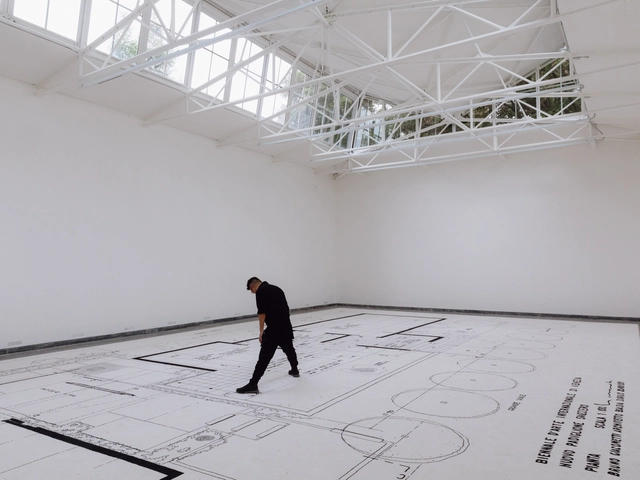
Successfully challenging the audience to think in a different and more empathetic way, Lesley Lokko’s biennale is an authentic portrayal of a highly intricate subject. Inaugurated on May 20, the 18th International Architecture Exhibition – La Biennale di Venezia, titled The Laboratory of the Future, has already sparked worldwide discussions.

Taking a broader perspective on architecture, the exhibition shifts its focus towards the discipline rather than just the profession. It’s not “about building buildings per se”, explains the curator to ArchDaily. Instead, it seeks to question our conventional understanding of architecture, and with that, architectural exhibitions. The 2023 Biennale is a laboratory in every sense of the word, a global platform of experimentation, and a space to explore new ideas in the absence of spaces that allow us to do so. "It borrows its structure and format from art exhibitions, but it differs from art in critical ways which often go unnoticed", states Lesley Lokko in her initial statement.

Emerging Themes at the 2023 Venice Architecture Biennale: Highlights from the National Pavilions - Image 1 of 4Emerging Themes at the 2023 Venice Architecture Biennale: Highlights from the National Pavilions - Image 2 of 4Emerging Themes at the 2023 Venice Architecture Biennale: Highlights from the National Pavilions - Image 3 of 4Emerging Themes at the 2023 Venice Architecture Biennale: Highlights from the National Pavilions - Image 4 of 4Emerging Themes at the 2023 Venice Architecture Biennale: Highlights from the National Pavilions - More Images+ 37

Cross-Cultural Collaboration: A Tool for Imagining Africa's Future

As Venice Architecture Biennale presents its 18th edition titled "The Laboratory of the Future", it centers on Africa as a place of exploration that will offer a template for solutions to the world. According to its curator Lesley Lokko, the Biennale explores entrenched concepts such as climate, land rights, decolonization, and cultures. It challenges us to question how Africa's history can be a radical tool for imagination and reminds us of Stephen Covey's statement: “Live out of your imagination, not just your history.” The biennale's title is probably the most ambitious question in years. It forces us to revisit all boundaries of the continent's historical societies, explore the influence of imposed colonial borders on them, and examine the dual identities they gave birth to. We must consider how these identities can be instruments of creativity, and, more importantly, recognize that every African society has a unique point of view. This viewpoint yearns for cross-cultural collaboration as a powerful tool for imagination.

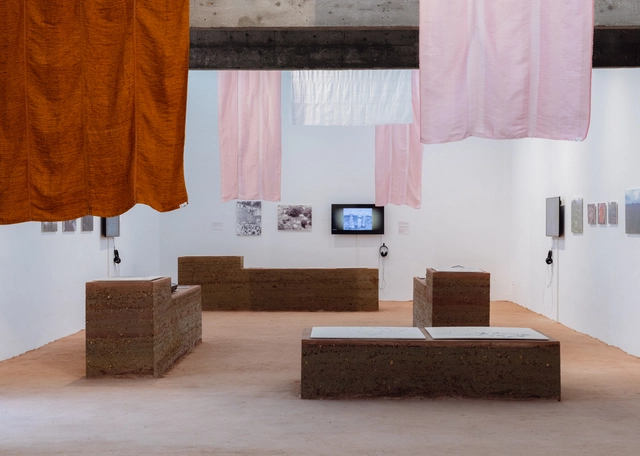
Cross-Cultural Collaboration: A Tool for Imagining Africa's Future - Image 1 of 4Cross-Cultural Collaboration: A Tool for Imagining Africa's Future - Image 2 of 4Cross-Cultural Collaboration: A Tool for Imagining Africa's Future - Featured ImageCross-Cultural Collaboration: A Tool for Imagining Africa's Future - Image 3 of 4Cross-Cultural Collaboration: A Tool for Imagining Africa's Future - More Images+ 2

How Culture Shapes Kitchens: Exploring Influences and Design Differences between Japan and the United States

Subscriber Access | 

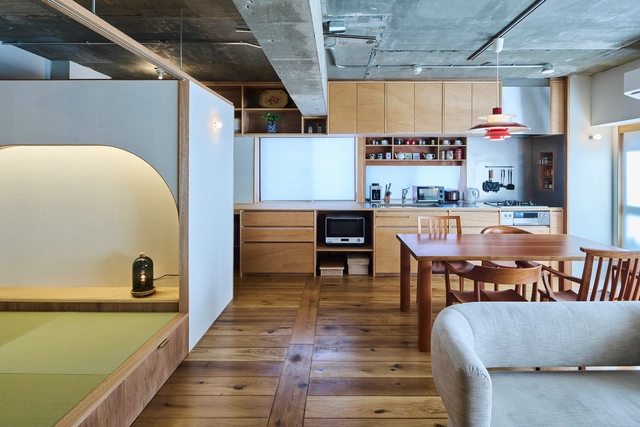
Kitchens encapsulate the essence of culture, acting as dynamic museums that preserve age-old recipes, processes, and traditions. Influenced by ethnic practices and culinary customs, kitchen architecture varies greatly across continents. In this context, kitchens transcend their domestic role and become insightful manifestations of cultural, societal, and regional factors. They not only serve as functional spaces for cooking and meal preparation but also stand as reflections of the rich tapestry of culture and lifestyles embraced by the individuals who inhabit them.

How Culture Shapes Kitchens: Exploring Influences and Design Differences between Japan and the United States - Image 1 of 4How Culture Shapes Kitchens: Exploring Influences and Design Differences between Japan and the United States - Image 2 of 4How Culture Shapes Kitchens: Exploring Influences and Design Differences between Japan and the United States - Image 3 of 4How Culture Shapes Kitchens: Exploring Influences and Design Differences between Japan and the United States - Image 4 of 4How Culture Shapes Kitchens: Exploring Influences and Design Differences between Japan and the United States - More Images+ 1

The 2023 Venice Architecture Biennale as a Healing Experience: In Conversation with Curator Lesley Lokko

Onsite, in Venice at the 18th International Architecture Exhibition, ArchDaily had the chance to meet with the curator Lesley Lokko to discuss the first impressions and the main themes of this edition of the Biennale, following up on the previous interview recorded before the opening of the event. Featuring 63 National Pavilions, 89 Participants, and 9 collateral events in the city, the 2023 Venice Architecture Biennale represents one of the most important international events for the architectural profession. The conversation addressed Lesley Lokko’s approach to curating the theme and focus of the event, understanding Africa as “The Laboratory of the Future,” the desire to bring both authenticity and empathy to the architectural discourse, while creating a space for voices not typically heard in global exhibitions.

The 2023 Venice Architecture Biennale as a Healing Experience: In Conversation with Curator Lesley Lokko - Image 1 of 4The 2023 Venice Architecture Biennale as a Healing Experience: In Conversation with Curator Lesley Lokko - Image 2 of 4The 2023 Venice Architecture Biennale as a Healing Experience: In Conversation with Curator Lesley Lokko - Featured ImageThe 2023 Venice Architecture Biennale as a Healing Experience: In Conversation with Curator Lesley Lokko - Image 3 of 4The 2023 Venice Architecture Biennale as a Healing Experience: In Conversation with Curator Lesley Lokko - More Images+ 4

Brazil Wins the Golden Lion for Best National Participation at the 2023 Venice Architecture Biennale

The Brazilian Pavilion titled Terra [Earth], curated by Gabriela de Matos and Paulo Tavares won the Golden Lion for Best National Participation at the 2023 Venice Architecture Biennale. Selected by a jury comprising Italian architect and curator Ippolito Pestellini Laparelli as president, Nora Akawi, Thelma Golden, Tau Tavengwa, and Izabela Wieczorek, the winning intervention at the 18th Venice Architecture Biennale "proposes to rethink the past in order to design possible futures, bringing to the fore actors forgotten by the architectural canons, in dialogue with the curatorship of the edition, Laboratory of the Future".

Broadcasted live on the Biennale’s official page, the ceremony taking place at Ca’Giustinian, the headquarters of La Biennale di Venezia, also awarded the Golden Lion for Best Participant in the International Exhibition The Laboratory of the Future", to DAAR (Alessandro Petti + Sandi Hilal), while the Silver Lion for a promising young participant in the International Exhibition The Laboratory of the Future went to Olalekan Jeyifous. Other recognitions included a special mention to Thandi Loewenson, to Wolff Architects, Ilze Wolff, and Heinrich Wolff, to Twenty Nine Studio / Sammy Baloji, and to the national pavilion of Great Britain, titled "Dancing Before the Moon" curated by Jayden Ali, Joseph Henry, Meneesha Kellay, and Sumitra Upham.

Brazil Wins the Golden Lion for Best National Participation at the 2023 Venice Architecture Biennale - Image 1 of 4Brazil Wins the Golden Lion for Best National Participation at the 2023 Venice Architecture Biennale - Image 2 of 4Brazil Wins the Golden Lion for Best National Participation at the 2023 Venice Architecture Biennale - Image 3 of 4Brazil Wins the Golden Lion for Best National Participation at the 2023 Venice Architecture Biennale - Image 4 of 4Brazil Wins the Golden Lion for Best National Participation at the 2023 Venice Architecture Biennale - More Images+ 5

Meet the Full List of the 63 National Pavilions at the 2023 Venice Architecture Biennale

Titled The Laboratory of the Future and curated by Lesley Lokko, the 2023 Venice Architecture Biennale will be holding the 18° International Architecture Exhibition from May 20 to November 26, 2023.

The 2023 edition of the Biennale will include 63 national participants allocated in the Giardini, at the Arsenale, and in the historic city center of Venice, Italy. Additionally, the exhibition will welcome Niger for the first time, along with Panama, which will have its own pavilion. The Holy See will also return to the Biennale Architettura with a pavilion on the island of San Giorgio Maggiore.

Please find below the full list of national participants at the 2023 Venice Architecture Biennale.

Building for Billions: India's Rise to Becoming the Most Populous Nation

Subscriber Access | 

In April 2023, India achieved a significant milestone that will shape the trajectory of its urbanization going forward. According to data from the United Nations, the South Asian subcontinent is now home to over 1.4286 billion people, overtaking the former leader China’s count of 1.4257 billion. With a population boom that is estimated to grow at a 0.7% rate annually, India faces several challenges and opportunities in its path to becoming a global power. How will India’s rising demography influence its built environment?

Building for Billions: India's Rise to Becoming the Most Populous Nation - Image 3 of 4Building for Billions: India's Rise to Becoming the Most Populous Nation - Image 2 of 4Building for Billions: India's Rise to Becoming the Most Populous Nation - Image 5 of 4Building for Billions: India's Rise to Becoming the Most Populous Nation - Image 4 of 4Building for Billions: India's Rise to Becoming the Most Populous Nation - More Images+ 2

What is Architectural Technology? How Innovation is Changing the Industry

Subscriber Access | 

Professionals in the AEC industry are well aware of the issues that grapple the built environment. That the construction industry is the largest consumer of materials and is responsible for 40% of all carbon emissions is a commonplace fact. Construction work is also a large waste generator and could greatly benefit from circular design principles. Almost three-quarters of all construction projects tend to be over budget, and nearly half of the spending on buildings goes into the overheads. In a fast-paced world with multi-faceted challenges, technology, and digitization seek to deliver significant solutions.

What is Architectural Technology? How Innovation is Changing the Industry - Image 1 of 4What is Architectural Technology? How Innovation is Changing the Industry - Image 2 of 4What is Architectural Technology? How Innovation is Changing the Industry - Image 3 of 4What is Architectural Technology? How Innovation is Changing the Industry - Image 4 of 4What is Architectural Technology? How Innovation is Changing the Industry - More Images+ 2

Breaking Barriers: 11 Profiles to Celebrate 80 Years of Women in Finnish Architecture

As early as the 20th century, women in Finland were already involved in the field of architecture. In fact, Signe Hornborg (1862-1916), a Finnish architect, was the first woman in Europe to graduate as an architect in 1890. Pirkko-Liisa Schulman, in her essay on The Changing Careers of Women Architects, notes that Hornborg was granted special permission to study at the Polytechnic Institute of Helsinki. After her, several other women such as Inez Holming, Signe Lagerborg, Bertha Enwald, Wivi Lönn, and Albertina Östman also pursued careers in architecture, with eighteen women having already trained as architects by the time the Polytechnic Institute became a university in 1908.

Wivi Lönn (1872-1966) established and ran her own architectural office in Finland, becoming the first woman to do so. Lönn designed a number of significant public facilities and received widespread professional recognition, serving as a role model for aspiring female architects. And in May 1942, while a group of female architects gathered to commemorate Wivi Lönn's 70th birthday, they founded Architecta, the Finnish Association of Women Architects. At that point, up to a hundred women architects had already graduated in Finland. To celebrate the 150th birthday of architect Lönn and the 80th anniversary of the organization, Architecta commissioned interviews that highlight the different types of careers pursued by women in the field. Discover the profiles of 11 female Finnish architects with texts by Paula Holmila, journalist and architecture critic at Helsingin Sanomat, translated by Pirkko-Liisa Schulman.

Breaking Barriers: 11 Profiles to Celebrate 80 Years of Women in Finnish Architecture - Image 1 of 4Breaking Barriers: 11 Profiles to Celebrate 80 Years of Women in Finnish Architecture - Image 2 of 4Breaking Barriers: 11 Profiles to Celebrate 80 Years of Women in Finnish Architecture - Image 3 of 4Breaking Barriers: 11 Profiles to Celebrate 80 Years of Women in Finnish Architecture - Image 4 of 4Breaking Barriers: 11 Profiles to Celebrate 80 Years of Women in Finnish Architecture - More Images+ 12

Barefoot Social Architecture: 10 Projects by Yasmeen Lari, the 2023 RIBA Royal Gold Medal Winner

Subscriber Access | 

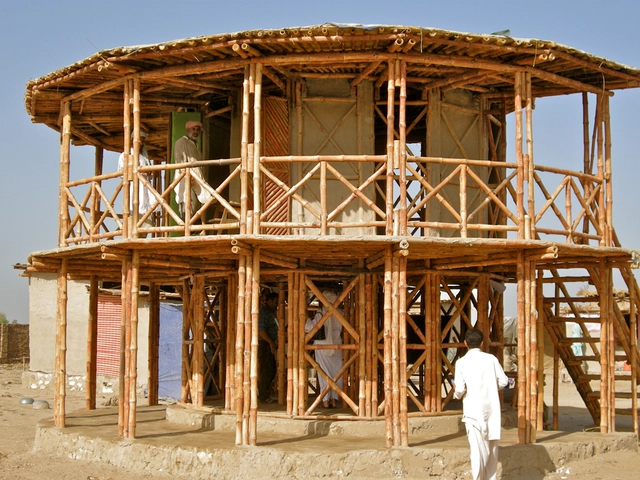
Yasmeen Lari, recognized as the first female architect in Pakistan, has had a significant impact both in her home country and internationally due to her innovative and socially conscious approach to architecture. Through a systemic approach, Lari’s work takes into consideration local culture, site-specific opportunities, and challenges. Born in Pakistan in 1941, Yasmeen Lari moved to London with her family at the age of 15. After graduating from Oxford Brooks School of Architecture, she returned to Pakistan at the age of 23 to establish Lari Associates with her husband, Suhail Zaheer Lari. The couple settled in Karachi. Here, she began to study Pakistan’s ancient towns and the vernacular architecture of earth buildings, igniting her interest in the architectural heritage and traditional techniques of her country. In 1980, she co-founded the Heritage Foundation of Pakistan with her husband, becoming instrumental in the preservation of her country’s rich cultural heritage.

Barefoot Social Architecture: 10 Projects by Yasmeen Lari, the 2023 RIBA Royal Gold Medal Winner - Image 1 of 4Barefoot Social Architecture: 10 Projects by Yasmeen Lari, the 2023 RIBA Royal Gold Medal Winner - Image 2 of 4Barefoot Social Architecture: 10 Projects by Yasmeen Lari, the 2023 RIBA Royal Gold Medal Winner - Image 3 of 4Barefoot Social Architecture: 10 Projects by Yasmeen Lari, the 2023 RIBA Royal Gold Medal Winner - Image 4 of 4Barefoot Social Architecture: 10 Projects by Yasmeen Lari, the 2023 RIBA Royal Gold Medal Winner - More Images+ 14

Finding the Indian in Contemporary Residential Architecture

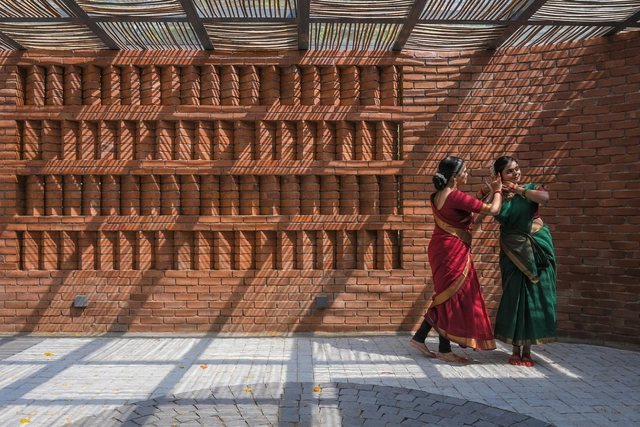
Contemporary Indian design culture can aptly be described with one word - fusion. A close look at the trends in fashion, cinema, music, and art soon reveals the country’s aspirations as a globalized nation. Reveling in a new era, India’s art and design appear as a combination of influences from traditional life and the Western world. A “neo-Indian” image informs multiple forms of cultural expression, including architecture and interior design. As Indians and Indian architecture carve the country's place in the world, a new design trend flourishes - one that is driven by modern lifestyles, international influences, a colonial past, and a desire to stay connected to its roots.

Finding the Indian in Contemporary Residential Architecture - Image 1 of 4Finding the Indian in Contemporary Residential Architecture - Image 2 of 4Finding the Indian in Contemporary Residential Architecture - Image 3 of 4Finding the Indian in Contemporary Residential Architecture - Image 4 of 4Finding the Indian in Contemporary Residential Architecture - More Images+ 2

Modern Aquatic Architecture: 5 Homes Around the World that Make the Case for Living on Water

Subscriber Access | 

Following findings from a study published in the Nature Ecology & Evolution journal this April, it has become public knowledge that the phenomenon dubbed the Great Pacific Garbage Patch (an area of 620,000 square miles between California and Hawaii) is serving as host to an entire coastal ecosystem. Marine wildlife is using the massive area compiled of human plastic waste as a floating habitat, and scientists are shocked at the number of species that have managed to establish life in this otherwise hostile environment.

The news once again brings into sharp focus not only pressing issues of climate change and ocean pollution but also the question of environmentally-induced migration, even at a microbial level. Architecture is moving into more and more experimental realms when it comes to considering locations for the communities of our future – and rising sea levels have promoted water to the top of the list. But these deliberations are not as recent as one might think: floating cities have been around for centuries and individual homes on water are common in areas of Benin, Peru or Iraq, among others.

Modern Aquatic Architecture: 5 Homes Around the World that Make the Case for Living on Water - Image 1 of 4Modern Aquatic Architecture: 5 Homes Around the World that Make the Case for Living on Water - Image 2 of 4Modern Aquatic Architecture: 5 Homes Around the World that Make the Case for Living on Water - Image 3 of 4Modern Aquatic Architecture: 5 Homes Around the World that Make the Case for Living on Water - Image 4 of 4Modern Aquatic Architecture: 5 Homes Around the World that Make the Case for Living on Water - More Images+ 7

5 Typologies of Multigenerational Family Homes

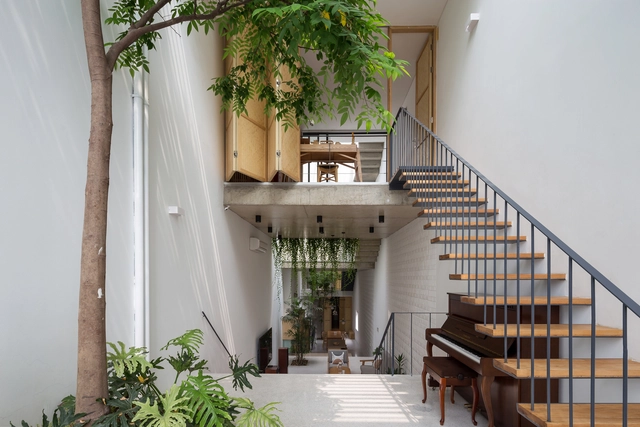
Rising living costs are relevant hurdles to young people, seeking a place to live, while much older generations might find it more difficult to settle into comfortable post-retirement settings. These general issues have been pushing forth a recurring solution, namely a return to multigenerational family living. 

While communal living concepts and developments had been adopted in recent years, familial involvement is proving to be a financially, legally, and emotionally viable alternative. 

5 Typologies of Multigenerational Family Homes - Image 1 of 45 Typologies of Multigenerational Family Homes - Image 2 of 45 Typologies of Multigenerational Family Homes - Image 69 of 45 Typologies of Multigenerational Family Homes - Image 73 of 45 Typologies of Multigenerational Family Homes - More Images+ 74

16 Architectural Installations at the 2023 Milan Design Week and Salone del Mobile

Subscriber Access | 

Milan Design Week represents one of the biggest annual design events in the world, bringing together Salone del Mobile.Milan, the largest furniture and design trade fair worldwide, and Furiosalone, along with many other exhibitions, product launches, conferences, and design-related events. This year’s edition, held between April 17th, 2023 and April 21st, 2023, brought together architects, designers, manufacturers and enthusiasts, both Italian and international. Many architectural offices contributed by collaborating with various brands to develop architect-designed products and to create architectural installations to highlight not only furniture and object design but also the larger context of Milanese architecture and culture.

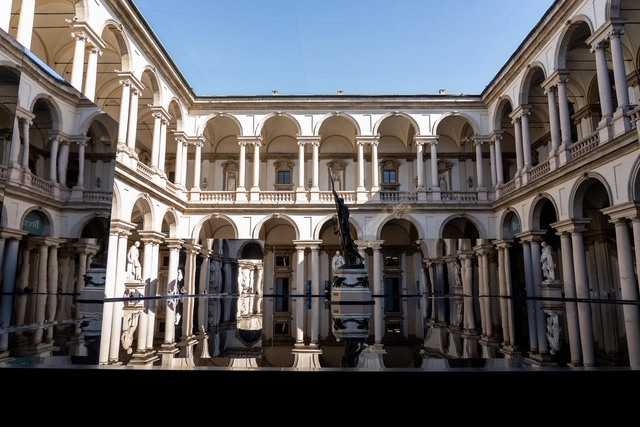
Featuring designs from internationally recognized architecture offices such as OMA, MAD Architects, Stefano Boeri Interiors and CRA-Carlo Ratti Associati, the following selection showcases temporary interventions in both historical and contemporary contexts. The designs present several recurring themes, such as the interest and fascination with the properties of water, be it contained within man-made structures or in its natural state. Many of the participating companies chose to showcase not only their products but also the historical architecture of Milan, by using buildings such as Pinacoteca di Brera, Casa Maveri, or the deconsecrated church of San Vittore e 40 Martiri as a backdrop for their installations.
16 Architectural Installations at the 2023 Milan Design Week and Salone del Mobile - Image 1 of 416 Architectural Installations at the 2023 Milan Design Week and Salone del Mobile - Image 2 of 416 Architectural Installations at the 2023 Milan Design Week and Salone del Mobile - Image 3 of 416 Architectural Installations at the 2023 Milan Design Week and Salone del Mobile - Image 4 of 416 Architectural Installations at the 2023 Milan Design Week and Salone del Mobile - More Images+ 42

You've started following your first account!

Did you know?

You'll now receive updates based on what you follow! Personalize your stream and start following your favorite authors, offices and users.