Thai Architecture

Capital Bangkok

Language Thai

Area 513,120 km2

Population 67,959,000

The architecture of Thailand is rooted in the traditional design influences of its surrounding Asian countries but continues to evolve towards a contemporary aesthetic. Thailand has seen the introduction of many high-rise buildings and skyscrapers as major cities such as Bangkok develop. In smaller scale Thailand architecture, architects have integrated transitional space of interior and exterior to accommodate for the intense tropical climate. The vibrant nature of thai architecture is examined in this collection of Thai architecture projects, interviews, and events.
  1. ArchDaily
  2. Countries
  3. Thailand

Latest projects in Thailand

Latest news in Thailand

Elemental Shores in the Asia-Pacific: Concrete Recasts the Beach House

Subscriber Access | 

Living by the beach has long been a defining aspiration—drawn by the promise of tempered nature, privacy, and immediate access to the water. Historically, beach houses tended to be rustic and pared back: partly because servicing remote sites and delivering materials was difficult, and partly because their charm lay in being closer to the elements—simpler, rougher, more direct.

From Bangkok to Florence: 6 Unbuilt Public Space Projects Rethinking Community, Ecology, and Urban Identity

Subscriber Access | 

Public spaces remain some of the most dynamic sites for unbuilt architectural experimentation, revealing how cities and architects can imagine accessibility, gathering, and civic identity. In this curated Unbuilt edition, submitted by the ArchDaily community, the selected proposals examine parks, pedestrian corridors, cultural landscapes, and open-access urban environments that invite people to meet, move, rest, and participate in collective life. Rather than treating public space as leftover terrain, these projects position it as essential infrastructure—shaping urban health, memory, and social interaction.

World Architecture Festival 2025: Day Two Winners Announced

Subscriber Access | 

The second round of award winners of the 2025 World Architecture Festival (WAF) has been announced, following Day Two of the world's largest international live-judged architectural event, held at the Miami Beach Convention Center in Florida.

World Architecture Festival 2025: Day One Winners Announced

Subscriber Access | 

The first award winners of the 2025 World Architecture Festival (WAF) have been announced, following Day One of the world's largest international live-judged architectural event, held at the Miami Beach Convention Center in Florida.

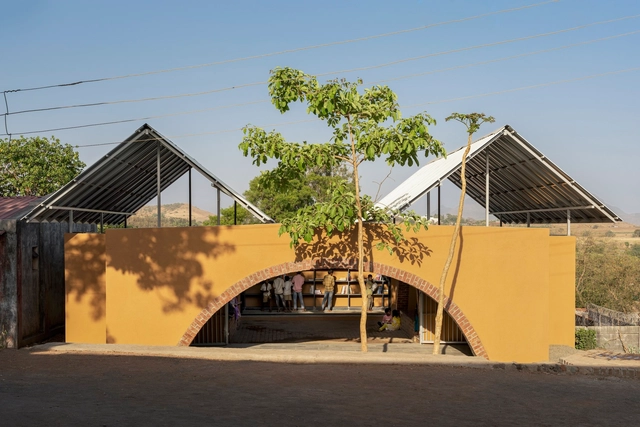
Time-Space to Read, Gather, and Care: 7 Community Libraries in Remote and Peripheral Settings

In many parts of the world, remoteness is not only defined by distance. It may describe a mountain settlement far from infrastructure or an urban and suburban neighborhood on the margins of visibility and opportunity. Across these diverse contexts, the library has been one of the most vital typologies—a space where architecture embodies the modes of accessibility, inclusivity, and community care.

Evolving Urban Playgrounds: 5 Design Strategies and 31 Projects Around the Globe

Urban playgrounds are evolving from simple swing sets and slides into dynamic, multi-faceted urban landscapes. These new designs are more than just places to play; they are thoughtfully integrated spaces that address urban challenges, promote community, and inspire creativity. A key trend is the intentional use of color and pattern. Designers are utilizing vibrant color zones to segment different functional areas, creating a visually dynamic experience that contrasts with natural surroundings. This approach can also be used to establish a cohesive urban identity, with thoughtful color palettes that complement the existing cityscape.

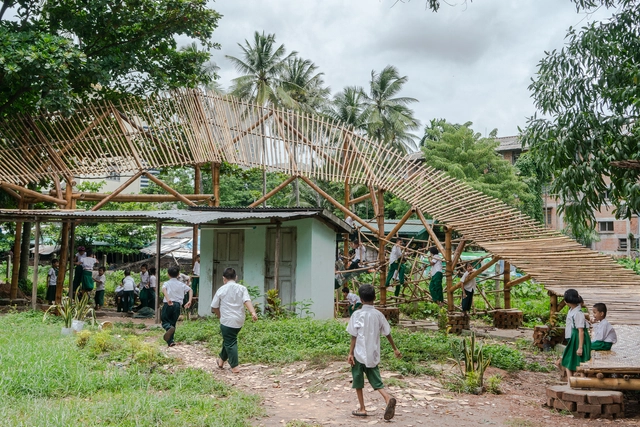
Designing with Kids: 5 Participatory Projects that Empower Young Users

A good design should be adapted to the user's needs, and participatory design aims to reduce the distance between architects and those for whom the project is made. In this sense, projects for children that welcome them as central actors in the design process demonstrate how the potential of active listening and co-designing is reflected in spaces adapted to a smaller scale and to an audience in a phase of intense learning.

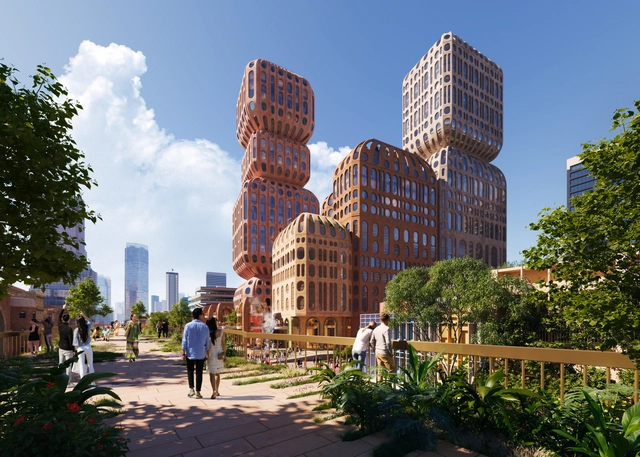
Heatherwick Studio Designs New 'Lantern Quarter' in Bangkok, Thailand

Heatherwick Studio has unveiled the first design images of Hatai, a new public space and two hotels in the heart of Bangkok's Silom district. The complex marks the studio's first project in Thailand and is located on the historic site of the original Narai Hotel, within a bustling business area. The project envisions 5,200 square metres of new public space, including elevated walkways and a publicly accessible ground level with retail and services. The building design draws inspiration from the craftsmanship of traditional Thai lanterns, featuring a series of stacked, rounded forms.

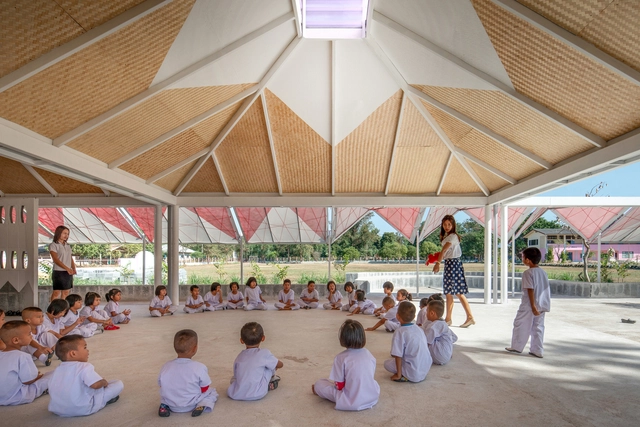
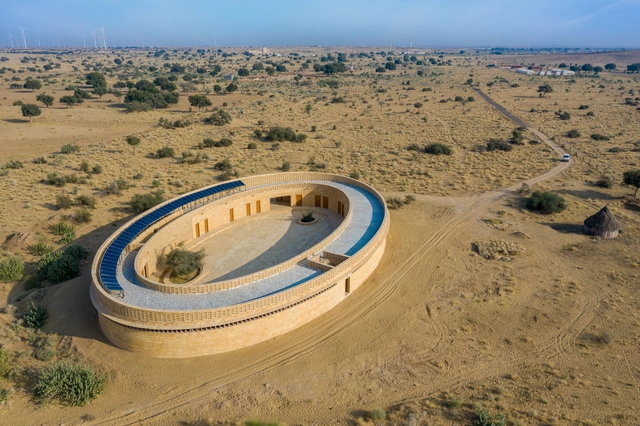
Learning Circles: 12 Educational Projects with Elliptical Plans

Subscriber Access | 

Creating an educational setting is a specific and sensitive task. Merging children's safety and learning optimization requirements with an aesthetic appeal and solid concept can birth some of the most beautiful, unique projects around. One common configuration is the elliptical or circular school. A circular, more specifically ringlike educational setting can suggest a sense of protectiveness and safety with the construction of the embracing surrounding membrane. It is also a practical setup that envelopes multiple functions while linking them, consequently allowing interactive instances through the central courtyard.

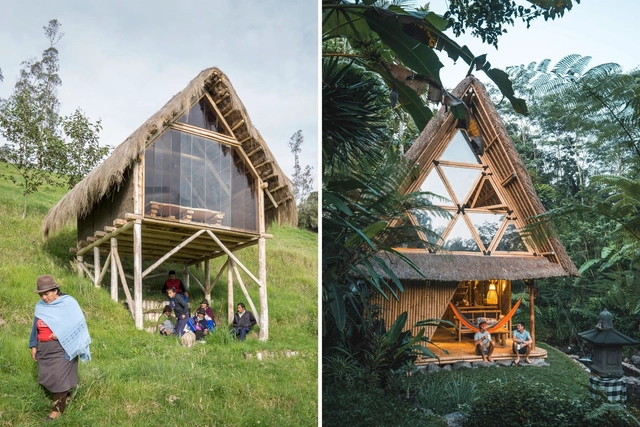
Crossing Hemispheres: Thatched Roofs from America to Asia

Thatching is a traditional building technique that has been reinterpreted in different ways in contemporary projects, allowing its value to continue to endure over time. As well as being a culturally and historically valuable technique, given its presence in humanity for centuries, it also has a number of other constructive advantages, such as its great environmental value, as it is an accessible renewable material.