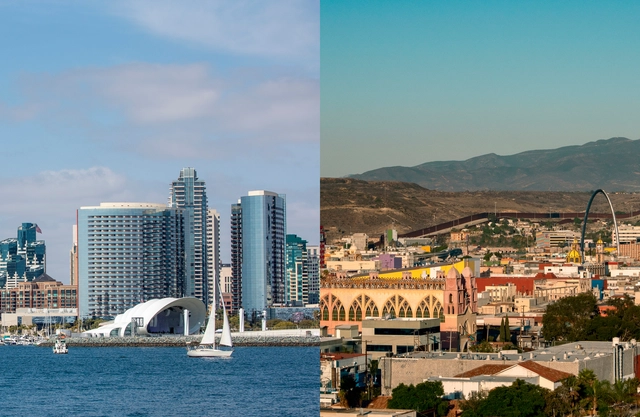
When drawing, lines are fundamental elements of composition. They delineate space, outline structures, and define boundaries. When it comes to maps and borders, the line acquires a particular meaning, as this "simple" graphic expression marks a powerful division between regions, setting the beginning or the end of a territory. This line has a profound meaning at the limit between Mexico and the United States, where it constantly blurs and questions the border. In these places, multiculturalism is a daily occurrence, with a continuous negotiation of boundaries present in all aspects of life. The dynamic of these borders involves design and the generation of a complex network of interactions and collaborations.
Rather than being divided into Tijuanenses on one side and San Diegans on the other, this particular region stands out as a community whose essence harmonizes with a deep legacy of cross-border collaboration, rather than being seen as cities separated by a line. As the first binational designation in the history of the World Design Capital (WDC) program, the Tijuana-San Diego region shares a common interest in addressing urban, social, and economic issues through design. Thus, via conferences, policy summits, and workshops, the region seeks to enhance the catalyzation of ideas through its designation.
https://www.archdaily.com/1017806/from-borderlines-to-blurred-boundaries-san-diego-tijuana-as-the-world-design-capital-2024Enrique Tovar
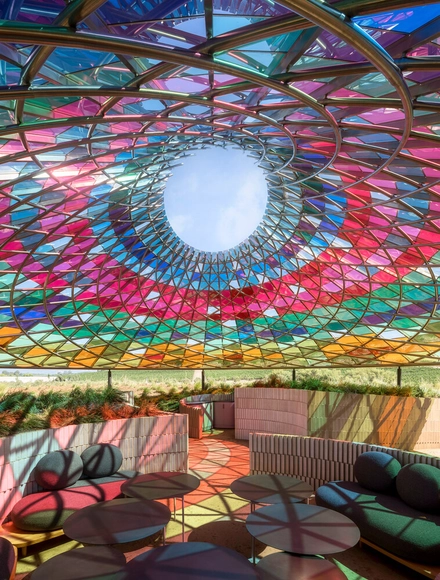
Although the sensory approach in the built environment is often based primarily on visual aspects, such as color and light, as we delve deeper into the relationship of architecture with the senses other essential elements emerge, such as aromas, textures, sounds, and even flavors. These components are fundamental to creating a profound experience between the user and the environment in which it takes place, demonstrating that design and sensory experience are intrinsically connected.
Thus, sensory design offers an immersive atmosphere for a full spectrum of senses where its perception extends beyond physical boundaries. An example of this is the Vertical Panorama Pavilion, located in a region of California (USA) with a strong identity linked to the wine tradition. This structure, with a glass canopy of Color PVB interlayers, serves as a shelter for hospitality. Inspired by nature, the pavilion’s canopy engages all the senses: from the texture of the gravel on the walking path to the wind currents in the area and the characteristic aromas of the region.
https://www.archdaily.com/1017382/a-multicolored-glass-canopy-for-senses-shelter-and-hospitality-the-vertical-panorama-pavilionEnrique Tovar
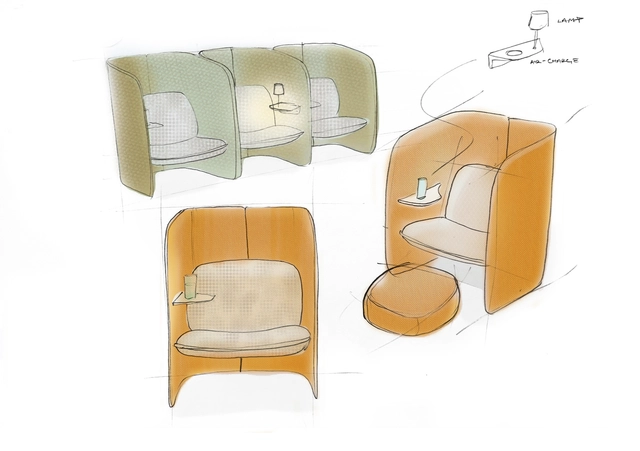
According to Norman Foster, "as an architect you design for the present, with an awareness of the past." In this sense, present-day architecture, interiors, and furniture have undergone a radical evolution in recent years, driven by a paradigm shift in the conception of space and our interaction with it. This contemporary approach has steered us towards less constrained, more collaborative, and multi-purpose spaces, which can also provide privacy and functionality. In addition, they must serve as temporary workspaces in specific contexts, adapting to the dynamism of contemporary needs and activities.
From this new approach, architects and designers are reshaping interior environments to accommodate new behaviors, facilitating the discovery of renewed ergonomics in human activities. Today, architectural thinking is merging to create spaces that enable conducting our lives in motion, a trend particularly evident in dynamic environments such as airports, encompassing intimate and social moments with people on the move. Consequently, a new kind of furniture has re-emerged, becoming commonplace in airport settings and other shared spaces: the booth.
https://www.archdaily.com/1016389/a-new-level-of-functional-privacy-in-airports-the-rise-of-lounges-and-work-cabinsEnrique Tovar
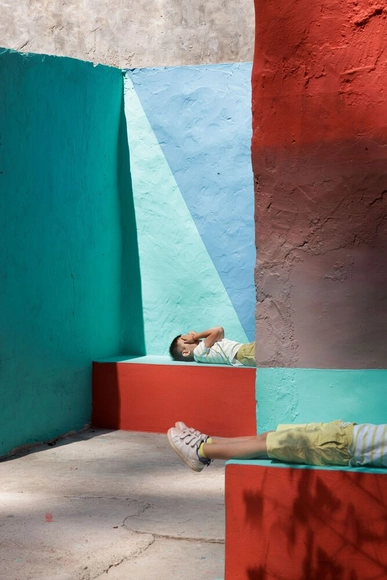
Limited resources are becoming an increasingly common challenge in architecture. Today, regardless of the region, projects are affected by the availability of resources, which are now compounded by environmental considerations. This situation, far from being restrictive, prompts us to explore new possibilities in how we conceive the built environment. In this context, it is crucial to understand that resources are not only limited to the economy but also include technological, material, and spatial aspects. Thus, we can enhance our creativity and efficiency by broadening our considerations when approaching architectural design and its challenges, doing more with less.
At the community level, the challenge becomes even more significant when we consider that our projects must not only be designed to overcome these "constraints," but also to positively impact their communities. Therefore, contemporary projects must present different strategies to overcome limited resources and materials depending on the context, always aiming to achieve a positive impact and become powerful and ingenious proposals while democratizing access to architecture.
https://www.archdaily.com/1016682/community-growth-through-architecture-maximizing-limited-resources-for-positive-impactEnrique Tovar
Mud Frontiers. Image Courtesy of Rael San Fratello
Understanding a discipline from multiple perspectives and intersections is essential for acquiring a deep understanding of it. In architecture, the diversity of approaches to its study enriches our perception by allowing us to appreciate its complexity from different angles. For students and professionals alike, exploring aspects such as history, sources of materials and products, construction processes, implementation of new technologies, and contemporary social challenges is crucial. These aspects intertwine and expand the conventional notion of "architecture," transcending the mere creation of buildings or the definition of spaces.
Ronald Rael, an architect and the Eva Li Memorial Chair in Architecture at the University of California, Berkeley, exemplifies this vision through his practice, which spans from research to connecting indigenous and traditional material practices with contemporary technologies and issues. As an activist and designer, Rael's research interests explore additive fabrication, border-wall studies, and earth construction. Co-founder of Rael San Fratello, Emerging Objects, and Forust, his practice shows an approach to architecture that is highly relevant in contemporary times.
https://www.archdaily.com/1016555/we-can-transform-the-profession-by-rethinking-how-we-might-serve-society-a-conversation-with-ronald-raelEnrique Tovar
Throughout history, the undeniable interrelationship between sound and architecture has shaped users' experiences. From auditoriums to offices, cultural centers, and schools, acoustics in architecture can manifest itself in two ways: as a determining element of a structure's shape and as a material. When discussing aesthetics, the latter aspect is particularly relevant, as any material that forms part of a composition aims to have a cohesive design with the rest.
Integrating acoustics through materials presents a significant challenge, as certain attributes such as color, texture, or dimensions may hinder harmonization with the overall design of the space. This can unbalance the experience of the environment, since, although the acoustics are improved, the interior atmosphere is negatively affected. This situation highlights the importance of selecting the right material that can enhance acoustics while maintaining the coherence of the design.
https://www.archdaily.com/1015929/acoustics-that-blend-performance-with-aesthetics-why-material-choices-matterEnrique Tovar
Recycled Ceramic Washbasin. Image Courtesy of VitrA
Producing sustainable materials and products demands constant analysis of how we conserve resources and manage waste effectively. This unfolds within a scenario where the environmental impacts of global warming and the climate crisis are becoming increasingly evident. In that context, sustaining the dialogue on waste disposal is fundamental to positively impacting our environment and maximizing circular economy opportunities.
Embracing this perspective and demonstrating a commitment to sustainability through waste reduction and resource conservation, VitrA has created an entire washbasin with 100%* recycled waste materials, including discarded ceramics from its production process. This innovative product has been designed to have a minimal environmental impact and reduce the global warming potential of its production by 30% per product, transforming materials once considered waste into valuable resources.
https://www.archdaily.com/1016103/repurposing-discarded-waste-materials-into-a-100-percent-star-recycled-washbasinEnrique Tovar
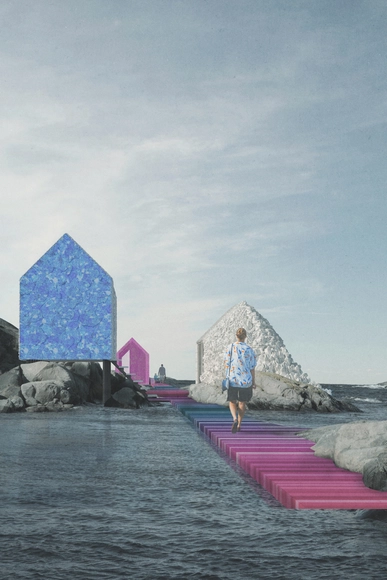
Plastic Island. Image Courtesy of Emily-Claire Goksøyr
As you read this, you may notice that you are surrounded by several items made of plastic. This omnipresence is no coincidence; the versatility of plastic has made it suitable for a variety of applications, and was described by its inventor—Leo Baekeland— as “the material of a thousand uses.” However, when it comes to environmental impact, the problem lies in its very qualities: it is so durable, adaptable, and easy to produce (430 million tons per year) that, according to UN data, the equivalent of 2,000 garbage trucks full of plastic are dumped into the oceans, rivers, and lakes every day.
In the built environment, plastic has been incorporated into various materials, products, and construction systems, contributing to an environmental crisis that seriously affects the well-being of millions of living beings. Faced with this problem, one possible direction is to shift away from utilizing it. The search for plastic-free alternatives is marking a path toward a future where architecture is progressively disassociating itself from these polluting materials, promoting sustainable solutions that reduce our dependence on it and contribute to preserving the environment.
https://www.archdaily.com/1016334/making-the-case-for-plastic-free-architecture-innovative-solutions-for-the-present-and-futureEnrique Tovar
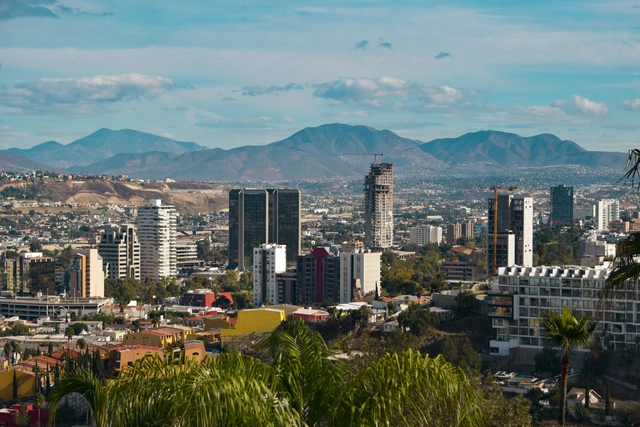
The U.S.-Mexico border is a region of vast historical, cultural, and economic significance, where cities of fundamental importance to North America have emerged. Tijuana—located in northeastern Mexico—, is one of these cities. Since its earliest beginnings in the 18th century, it has experienced exponential urban growth, closely linked to its northern neighbor, San Diego. Understanding Tijuana in its entirety is only possible by mentioning this connection. For this reason, along with San Diego, it was selected as the World Design Capital 2024, celebrating the interaction and cultural exchange between the two cities.
Historically, the city has been a melting pot of nuances reflected in its urban landscape. Examples such as the Tijuana Cultural Center, designed by Pedro Ramírez Vázquez and Manuel Rosen, show the city's search for a modern style. In parallel, the OTAY Cross Border Xpress Building illustrates the relationship between countries in a complex whose architectural program spans both sides of the border. Additionally, contemporary projects contribute to developing a new stage in the city's life by creating public spaces.
When Wallace S. Broecker first introduced the concept of global warming in the 1970s, society probably didn't anticipate the implications of this phenomenon. Today, more than 50 years later, we have stopped predicting an adverse climate scenario and have begun witnessing it directly. It is now evident that the earth is breaking temperature records year after year, as a result of a disparity in the global response to the issue and a slow-moving reduction in carbon emissions.
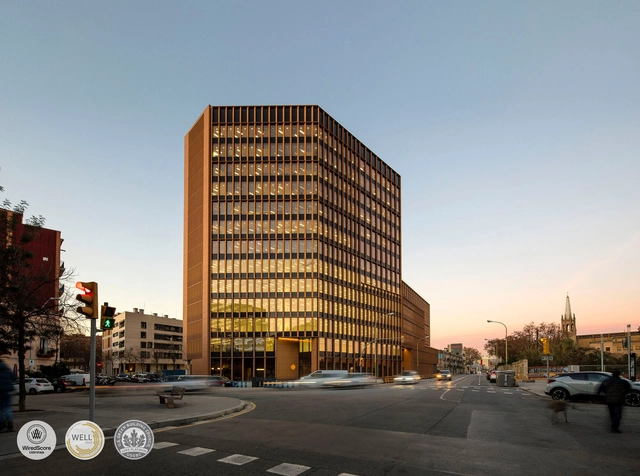
To reduce CO₂ emissions in architecture, it is crucial to implement effective strategies that address both the manufacturing of materials and the life cycle of buildings, as well as energy consumption during use. In countries like the US, approximately 45% of energy consumption in the residential sector is allocated to heating and cooling spaces, making it essential to address efficient building design, especially on the façade. To achieve this objective, policies are being implemented that promote a conversion towards a more sustainable model. In this new model, sustainability certifications for buildings provide a framework for measuring and evaluating resource consumption.
https://www.archdaily.com/1016044/the-curtain-a-key-element-in-the-certification-of-sustainable-buildingsEnrique Tovar
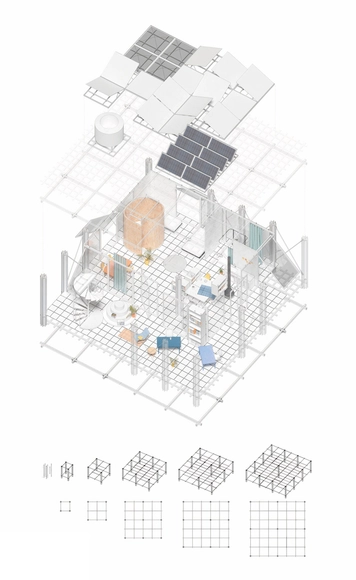
Housing is a diverse architectural typology whose configuration is determined not only by those who design it but also by the use of those who live in it. Therefore, homes are fundamentally adaptable structures that evolve in line with their time and users, undergoing constant changes manifested in the ways of living. The house conceived today will not be the same as the one built tomorrow, so it becomes necessary to maintain a critical and profound approach to the role it plays in the built environment.
In this sense, modular architecture has consistently presented itself as a dynamic design strategy that has revolutionized housing, developing versatile solutions for sustainable spaces and construction practices. Thus, modular housing has been fertile ground for exploring and deepening ways of inhabiting space and addressing human needs. From the prefabricated catalog houses of the 19th century to the post-World War II housing boom, its evolution reflects both past proposals and the exploration of new concepts for the future.
https://www.archdaily.com/1015545/how-can-modular-design-be-used-to-revolutionize-housing-architectureEnrique Tovar
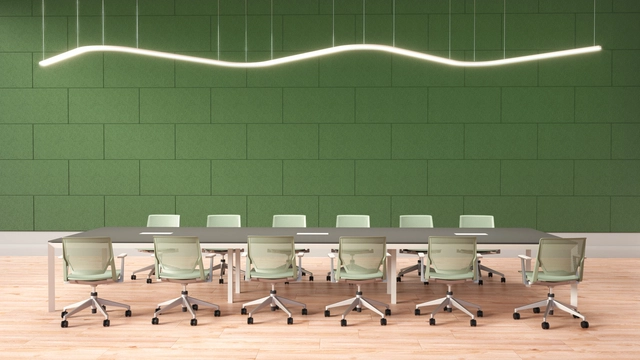
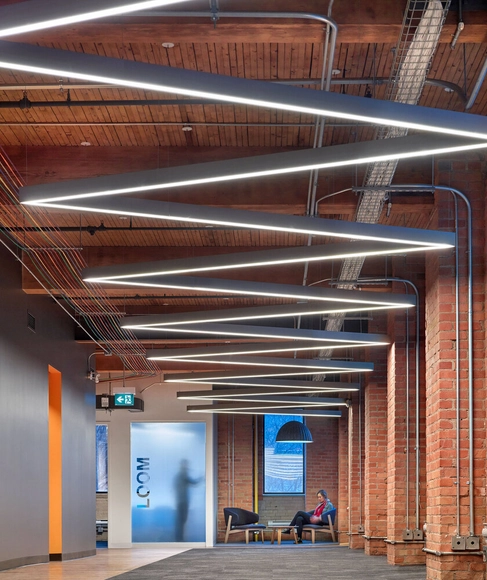
Slack Toronto Office / Dubbeldam Architecture + Design. Image Courtesy of Alcon Lighting
Lighting has evolved remarkably throughout architectural history, driven by significant technological advances. Despite these changes, its central purpose of enhancing aesthetics, functionality, and safety has remained consistent. In this evolution process, a milestone can be traced with the transition from fluorescent lighting to LED lighting, marking a turning point that has reduced costs and energy consumption. Furthermore, it has fueled creativity, thanks to the versatility of LED lighting. These new design possibilities are evident in organic lighting layouts, which mimic linear patterns of lighting arrangements on walls and ceilings, whether suspended or recessed.
In this context, as architects and designers have moved away from symmetrical, rigid, and parallel mirror patterns, Alcon Lighting has detected a trend where linear lighting highlights asymmetrical architectural features and lines. In this way, layouts that do not appear to follow a rigid design pattern are being adopted.
https://www.archdaily.com/1015184/exploring-linear-lighting-design-for-creating-luminous-pathsEnrique Tovar
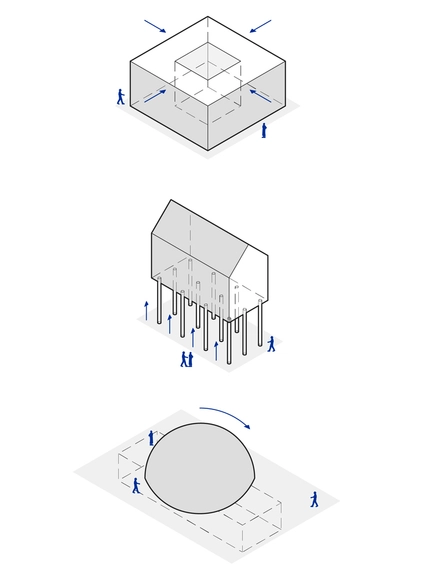
Introspection, Elevation, Covering-Up. Image Courtesy of Enrique Tovar
The flexibility of architecture allows it to continuously change and adjust its form in response to technological progress, social and artistic trends, and the collective experiences we undergo. Large-scale global events, such as the transatlantic migrations of the 19th century, the impact of tuberculosis on design, and most recently, the effects of the last major global health crisis (COVID-19), have all played significant roles in shaping the evolution of architecture.
In the context of the climate crisis, the role of architecture and urbanism has been extensively debated, as it represents one of the greatest challenges of this century. It is undeniable that while there are active efforts through policies and innovation to prevent reaching a point of no return, architecture is already adapting to the changes and extreme conditions caused by it. Rather than thinking of a distant or dystopian future scenario, the gradual changes in climatic conditions have been drivers for modifying, through architectural operations, how we conceive contemporary buildings.
https://www.archdaily.com/1015368/introspection-elevation-covering-up-radical-architectural-operations-for-adverse-climatesEnrique Tovar
Videos
Turning waste into beautiful flooring. Image Courtesy of Bolon
In contemporary architecture, recycling has evolved from a desirable to an unavoidable necessity. This change is mainly due to the growing climate crisis, accentuated by the constant presence of waste (for which no use has been found beyond the initial one).
This approach has stimulated the creation of innovative materials to reuse waste in various contexts. A notable example is the case of woven flooring and rugs, where Bolon took a step forward in 1949 by transforming textile waste into stylish products. Since then, they have continued to innovate in materials, fusing the traditional flooring branch with sustainable creative design.
https://www.archdaily.com/1014951/walk-on-waste-weaving-waste-into-stylish-floorings-and-rugsEnrique Tovar
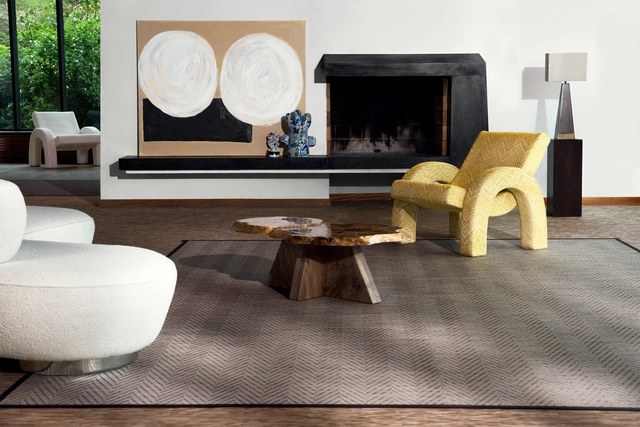
Flexibility has become a distinctive feature of contemporary interiors, driven by factors like the evolution of architectural programs and the progressive reduction of interior spaces, among others. This transition has shifted interiors from static to dynamic, aiming to achieve a state-of-the-art balance in space configuration. This sentiment is well encapsulated by Ricardo Bofill's statement that "architecture is the art of structuring space."
Considering the intricacies of interiors, it is essential to foster versatile spaces, aided by elements such as multipurpose design and flexible furniture. However, a challenge arises: while these strategies redefine the boundaries and dynamic essence of interiors, aspects like acoustics are often overlooked, which has become crucial in environments such as offices, conference rooms, schools, auditoriums, etc. Therefore, improving acoustics becomes essential to create functional multipurpose interiors. In that sense, Skyfold’s operable walls are an interesting alternative, as their solutions can serve as both soundproofing barriers and design pieces.
https://www.archdaily.com/1014623/movable-walls-the-transformative-effect-of-retractable-and-folding-partitionsEnrique Tovar
For decades, our society has predominantly embraced an extractivist approach when formulating models for material manufacturing across diverse industries. While we now know that this model is unsustainable, a major question remains: So, how do we do it? We may be a while away from offering a definitive answer to this challenge. Still, it is exciting to note that, in a context marked by a challenging global and ecological horizon, the architectural community maintains a positive approach by pushing for a re-evaluation of what we make and how we make it.
This momentum may be gaining relevance due to the emergence of new, more environmentally conscious generations, such as Gen Z and Alpha. What is certain is that we are witnessing the development of new production philosophies, such as plant-based materials, which adopt practices aimed at favoring the use of resources derived from plants, reducing dependence on extractive processes, and promoting conscious and sustainable alternatives in various aspects of the manufacture and production of materials in architecture.
https://www.archdaily.com/1014260/harvesting-architecture-a-glimpse-into-3-plant-based-materialsEnrique Tovar
When designing facades, various factors can influence their conception. From compositional, geographic, and environmental elements, facades incorporate a series of gestures that shape the building envelope, serving as the interface between the environment and life inside the building. In this context, contemporary architecture has sought to enrich the role of facades, maximizing their potential through technological innovation. Today, technology has been integrated to create a more textured and expressive architecture, explore diverse materialities, and promote circular and low-carbon architecture.
Understanding facades as the skin of buildings and recognizing the growing global demand for efficient use of resources in the built environment, there arises a need to harness the incidence of sunlight on building facades. In response, and considering an architectural environment closely linked to technology, Building Integrated Photovoltaics (BIPV) has gained even greater relevance in creating new aesthetics for facades and minimizing environmental impacts. These systems, with their technical capabilities and aesthetic qualities, result in attractive, durable, and resilient solar facades. They generate a positive impact on the built environment by seamlessly incorporating sustainable energy production into buildings.
https://www.archdaily.com/1013143/durable-and-resilient-solar-facades-5-essential-architectural-principlesEnrique Tovar
When we talk about the building envelope, we often make the analogy of a skin that protects and wraps the structure, creating a transition in the physical environment. This concept is interesting as it identifies that, similar to its function in humans, the skin plays a role in protecting and regulating the interior setting, besides contributing to the aesthetics of the building. In this way, both the human skin and the building envelope act as elements that respond to the stimuli of the surroundings and the life that develops within them. More than just protective barriers, they are experienced as means of active interaction with the context.
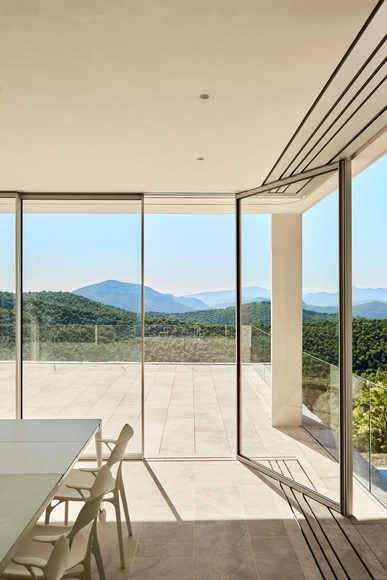
While envelopes evolve within diverse contexts, materials, and systems, minimalist windows distinguish themselves through their aesthetic qualities by being transparent and fluid skins. These windows excel with their functionality and visual lightness, standing out in the architectural landscape. In addition, they are noteworthy thanks to their versatility across different systems that connect life within the interior and exterior. Considering Swiss and Pritzker Prize-winning architect Peter Zumthor's statement that "architecture is exposed to life,” windows play a vital role in expressing that connection, becoming a significant part of the building's identity and essence.
https://www.archdaily.com/1013905/reframing-the-concept-of-building-envelope-through-minimalist-windowsEnrique Tovar