Architecture is a unique field that combines equally constant aesthetic and functional needs, while immersed in dynamic technological environments. At this juncture, design processes and buildings are becoming increasingly intricate, requiring architects to manage projects efficiently while fostering multidisciplinary and multi-level collaboration throughout workflows. Additionally, the new technologies and tools we employ in the process must evolve at the same pace —sometimes even faster— by embracing aspects such as sustainability and efficiency, all while keeping an eye on the future.
The tools available in the multidisciplinary architectural environment have evolved significantly quickly. Both students and experienced architects have now nearly completely transitioned from manual methods to computer-aided drafting software. Today, we find ourselves immersed in the era of architecture driven by technologies such as Building Information Modeling (BIM), artificial intelligence, and digital processes. At the same time, the fundamentals of BIM and its historical background trace back to the early days of computing, research, and new technologies, which sparked a rapid evolution within the AEC industry and among its professionals.
https://www.archdaily.com/1008860/bim-and-the-future-of-architecture-accelerating-design-processes-with-archicad-27Enrique Tovar
Image created using AI under the prompt: An emotive and detailed illustration of the texture of various types of architectural insulation. Image via DALL.E 2
Although more related to evolutionary aspects than to architecture itself, the inherent physical fragility of human beings has required, since prehistoric times, that we protect our bodies and our buildings from external elements. As an example, beginning with the primitive huts used in the earliest forms of domestic architecture, furs were employed as an exterior covering to restrict the flow of air and, consequently, regulate the interior environment.
Subsequently, we have observed an evolution that clearly shows advances in insulation techniques, going from vernacular materials such as adobe to an increase in the thickness of walls using stone or brick, finally reaching the cavity walls developed in the 19th century, which left a small air chamber between an exterior and an interior face of the wall. Its later popularization led to the introduction of insulation between both faces, a system that is widely recognized and used today and has laid the foundations for further developments in this field.
https://www.archdaily.com/1008656/a-glimpse-into-the-evolution-of-insulation-materials-in-architectureEnrique Tovar
Image created using AI under the prompt: An expressive illustration of an urban environment with a lush landscape that exemplifies the decarbonization of architecture. Image via Via DALL.E 2
Architecture encompasses multiple processes, starting with identifying needs and transforming them into habitable structures through thoughtful design. Historically, construction-related processes like resource extraction and end-of-life disposal were often overlooked. However, it is essential to recognize that buildings have a lifecycle with significant impacts on carbon emissions. Emphasizing sustainable practices is vital to minimize our ecological footprint and positively impact the planet.
https://www.archdaily.com/1004300/how-to-reduce-the-carbon-footprint-through-architecture-three-approaches-across-the-building-lifecycleEnrique Tovar
Each architectural style intrinsically relates to a specific context, period, or place. An illustrative example is the region of the United States, which was strongly influenced by the period of British colonization in the Americas (17th-18th centuries). In this context, dwellings emerged that adopted a distinctive architectural language. Moreover, the large distances between major cities in many areas of the country had a significant impact on the configuration of domestic architecture, resulting in the inclusion of barns and other structures that served various functions in addition to housing. This architectural style is characterized by its rectangular floor plan, two-story structures, gable roofs, and wooden cladding on the facade. These elements constitute an integral part of the vernacular expression of the houses from that time.
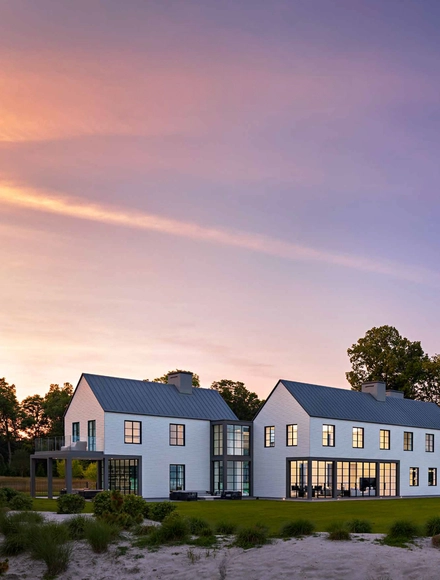
Speaking specifically of gable roofs, they are the feature most associated with the traditional aesthetic of dwellings developed between the 17th and 19th centuries, as well as later ones. One example is the Beachside House, which is a contemporary project documented in Swisspearl Architecture Magazine. This settlement is located on the shore of Long Island Sound, which divides Connecticut from Long Island, New York. With its four gable-roofed structures, covered with light-toned fiber cement panels, it seeks to be an abstraction of New England vernacular architecture.
https://www.archdaily.com/1008129/the-beachside-house-a-case-study-of-vernacular-inspired-architecture-using-modern-materialsEnrique Tovar
Nowadays, the term “utopia” is used to describe an idea that seems unattainable —at least in the contemporary context— intrinsically related to philosophical, scientific, urbanistic, and architectural concepts, among others. The close connection between utopias and architecture is evident, as this discipline is often associated with imagination. Some notable examples include “The Unreliable Utopia of Auroville's Architecture” and “The City in Space: A Utopia”by Ricardo Bofill. In this context, architects and designers alike use design as a means to develop innovative and disruptive ideas through various elements.
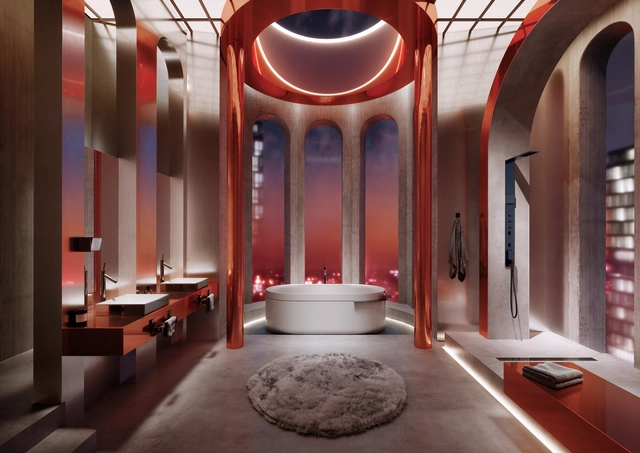
Although considered an idealized concept that does not exist, some designers have ventured into exploring the notion of utopia. AXOR, in conjunction with the Valencia-based design studio Masquespacio, has turned the page by conceiving and bringing to reality a new bathroom concept for a unique hotel suite that embodies their vision of personal luxury. Titled “Utopian Dream”, this design response blends vibrant colors with unexpected details, a combination that this duo defines as a mystic experience above the clouds.
https://www.archdaily.com/1007798/balancing-neoclassical-and-futuristic-design-the-utopian-dream-bathroom-conceptEnrique Tovar
As society, technology, and architecture have evolved, designers and architects have embraced novel construction systems and innovative approaches to reshape the built environment. This advancement has stretched the boundaries of traditional construction techniques and ignited fresh ideas in building design.
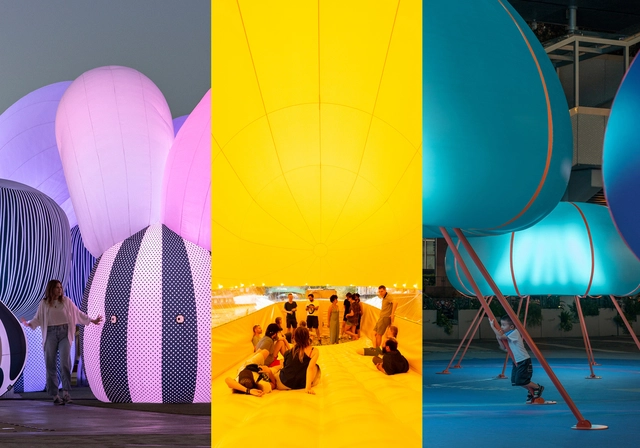
In the past, some architects and artists aimed to question an architectural paradigm deeply entrenched in anthropocentrism. Historically, architecture has been linked to the notion that buildings, being conceived by human beings, must be extremely durable, even imperishable. Considering the principle that the best intervention is the least intrusive, inflatable architecture, in contrast to these human-centric viewpoints —but aligned to our ephemeral nature—, can propose structures that may exist one day and vanish the next, leaving a temporal imprint on the landscape. This architectural approach uses textiles as the primary material and air as the structural system, potentially challenging the traditional Vitruvian ideals of Venustas, Firmitas, and Utilitas.
https://www.archdaily.com/1007496/inflatable-architecture-pneumatic-structures-transforming-built-environmentsEnrique Tovar
Digitization has revolutionized the way we experience art on platforms like SINGULART, which combines multiple influences from various artists.. Image Courtesy of SINGULART
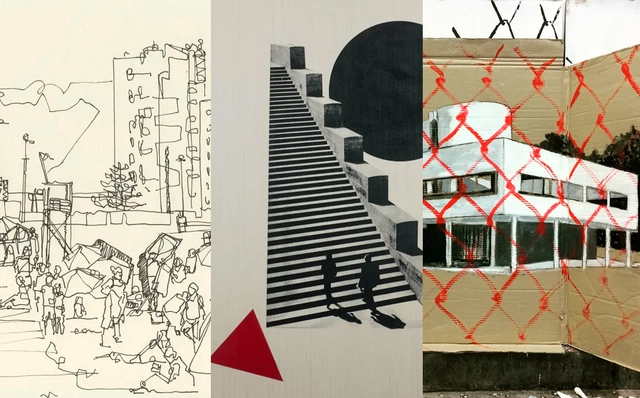
The relationship between art and architecture is a recurring topic of discussion, seeing as architecture can be positioned at the intersection of structure, technology, and aesthetics. Despite the utilization of technical knowledge, architecture, and interior design also incorporate artistic concepts into their processes. From captivating illustrations during the design development phase to murals and artistic pieces that form an integral part of spatial conception, art plays an essential role in architectural production and society.
In the context of contemporary society, many of our activities are carried out digitally, from booking accommodation for travel to manufacturing materials and creating art exhibitions. In this sense, digitalization has also permeated the art world, conceiving initiatives like SINGULART, which challenges the traditional concept of art galleries by existing in a digital format. This platform combines works from various sources of inspiration and artistic techniques, encompassing everything from sketches and paintings to architectural photography. It fuses multiple influences from various contexts, including architectural work.
https://www.archdaily.com/1006625/from-sketch-to-painting-a-digital-art-gallery-to-inspire-everyday-architectural-workEnrique Tovar
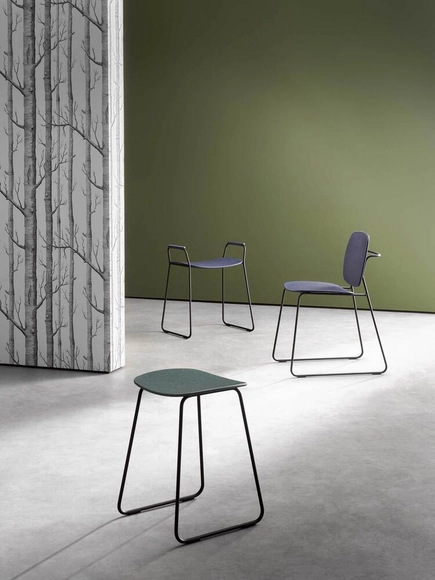
The role and relationship of furniture in architecture and space design are of great relevance. Designers such as Eileen Gray, Alvar Aalto, Mies Van der Rohe, and Verner Panton conceived furniture —primarily stools and chairs— that endure over time as powerful and timeless elements, with a determining impact on the interior atmosphere. Thus, the relationship between furniture and space becomes a constant dialogue in which design, aesthetics, and materials contribute their dimension.
Today, furniture should not be limited solely to fulfilling an aesthetic and functional role, but should also have a purpose in the context of contemporary design and sustainable development. It is essential to reflect on and question the processes and choice of materials in the manufacturing of these elements, in addition to the value they bring to interior spaces. In this context, HEWI has taken a step forward by creating the Re-seat family, consisting of stools and chairs made from post-industrial recycled materials (PIR), sourced in part from the processes of the company itself and a regional supplier, both based in Bad Arolsen, Germany. It also features integrated solutions with universal design in mind, making a statement in favor of innovation and eco-design.
https://www.archdaily.com/1007326/re-purposing-materials-from-post-industrial-recyclate-to-accessible-furnitureEnrique Tovar
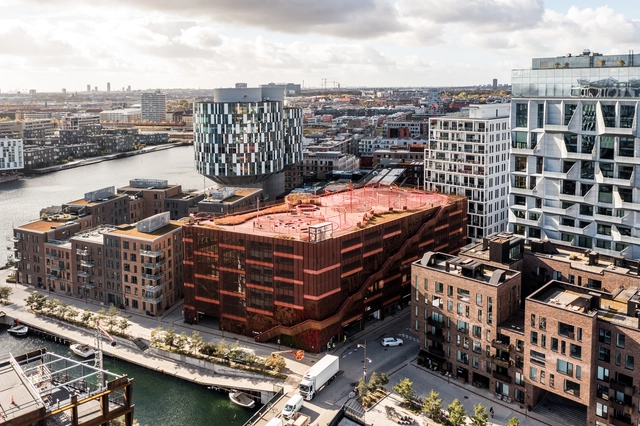
Copenhagen was founded in the 12th century and has undergone numerous transformations to establish itself as an urban benchmark of the 21st century. Its dynamic urban environment stands as an exemplar of architecture's importance and crucial role in shaping a sustainable future for cities. Confronting global challenges like mobility, urban development, and eco-friendly construction, the city is an inspiring model. This is why in 2023, the Danish city was named the World Architecture Capital by UNESCO-IUA, positioning Copenhagen as a platform for discussions on climate, sustainable solutions, and livability.
In this context, Danish architects such as Anders Lendager have been asked about their perception and interaction with their favorite places in the city, providing valuable insight into what makes Copenhagen unique. Lendager, the CEO and founder of Lendager Group, has been the designer behind eco-village projects, the Danish Pavilion in Milan, and a skyscraper built from recycled materials. Collectively, these projects showcase the capacity to translate the core principles of sustainable cities into tangible components, prioritizing human well-being and fostering circular economy models.
https://www.archdaily.com/1006184/an-architects-guide-to-copenhagen-anders-lendager-and-the-essence-of-the-sustainable-cityEnrique Tovar
In the context of WWI and to address the massive housing shortage resulting from the conflict, the Dom-Ino modular structure, one of the most significant contributions of functionalism and designed by the Swiss designers Le Corbusier and Max Dubois, established concrete premises for a new vision of a lightweight structural model that optimizes the construction process. Thanks to the use of a reinforced concrete slab and column system, the Dom-Ino structure allowed for the flexible arrangement of elements in the floor plan and freed the facade from the limitations imposed by load-bearing walls.
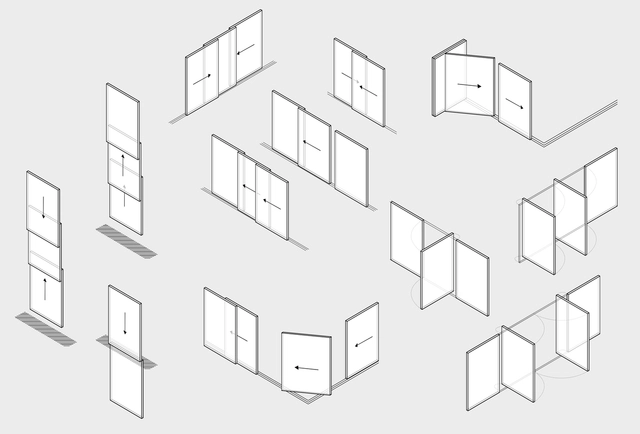
This condition prompted the creation of architectural designs that not only integrated windows as functional elements but also as compositional. Thanks to technological innovations, windows with slender framings and wider openings were achieved, as exemplified in works such as Villa Savoye and Farnsworth House. While these proposals redefined the aesthetics of architecture, the technological limitations of the time presented challenges. Nowadays, the continuous development of windows with improved technical characteristics has led to the concept of the minimalist window, which has inspired three fundamental principles derived from this concept, conceived by Vitrocsa. These principles —transparency, functional variations, and advanced mechanisms— incorporate technological innovations while simultaneously blurring spatial boundaries. Each of them plays a key role in the design of spaces and together they significantly redefine the aesthetics of buildings and interiors.
https://www.archdaily.com/1006485/redrawing-boundaries-the-three-principles-of-minimalist-windowsEnrique Tovar
Image created using AI under the prompt: A sober and captivating visual representation of an urban environment that flawlessly captures the essence of anime and architecture. Image via DALL·E 2
World War II left a profound influence on the evolution of society, introducing significant changes in the fields of urban planning and architecture. During the 1930s, the Congrès Internationaux d'Architecture Moderne (CIAM) promoted modernism on an international scale. After the war, this architectural movement became firmly established as the dominant one, driven by the imperative of reconstruction and technological advancements. Influential figures like Le Corbusier and Alvar Aalto spearheaded this movement.
In 1959, the same year as the final CIAM meeting, Japanese architects like Kenzō Tange, Kishō Kurokawa —the designer of the Nakagin Capsule Tower—, and Kiyonori Kikutake began to explore new approaches to urban design and architecture, known as the Metabolist movement. This exploration was particularly significant in the context of Tokyo's rapid repopulation after the war and the scarcity of resources for reconstruction. Innovative concepts such as Marine City, The City in the Air, and the 1960 plan for Tokyo emerged, which proposed the city as a constantly evolving organism and emphasized the relationship between humans and their built environment. These ideas shaped the concept of "megacities" and reflected Japan's creative response to its challenging postwar situation.
https://www.archdaily.com/1007021/textures-skyscrapers-and-urban-landscapes-when-anime-meets-architectureEnrique Tovar
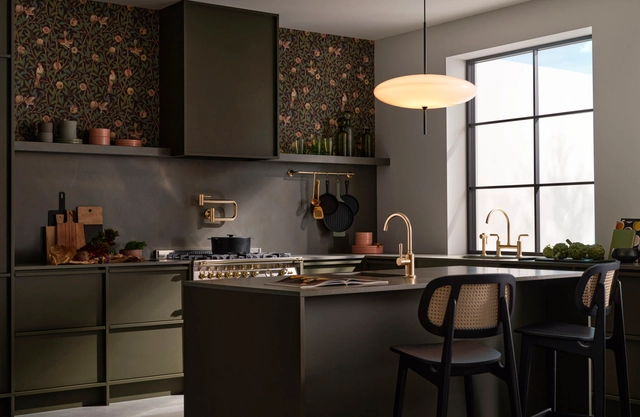
VAIA - Brushed Durabrass (23kt Gold). Image Courtesy of Dornbracht
Arguably, kitchens are spaces in which the interplay of elements establishes a delicate balance in their composition; design, materials, and fittings, all of which collaboratively shape the interior environment. It is, therefore, not surprising that they often become the focus of ongoing discussions. The cultural and utilitarian role of kitchens in our lives is so important that their influence transcends mere architecture, becoming an object of artistic and historical exploration. In this way, both kitchens and the elements that comprise them have evolved and changed in style—from the robust kitchens of the 19th century to the innovations that originated in the Frankfurt kitchen in the 20th century.
The domestic landscape can transform on a daily basis, and fittings are no exception as they adapt to changing stylistic influences and needs. Today, kitchens incorporate both, traditional and contemporary elements within the same space, creating a language that connects and seamlessly transitions between these influences, thereby enhancing one another. In this context, Dornbracht has conceived VAIA, a series of fittings developed by Sieger Design, which fuses tradition and modernity in contemporary kitchens through fine lines, stylized silhouettes, and flowing transitions.
https://www.archdaily.com/1006333/classic-and-avant-garde-kitchen-fittings-that-balance-tradition-and-modernityEnrique Tovar
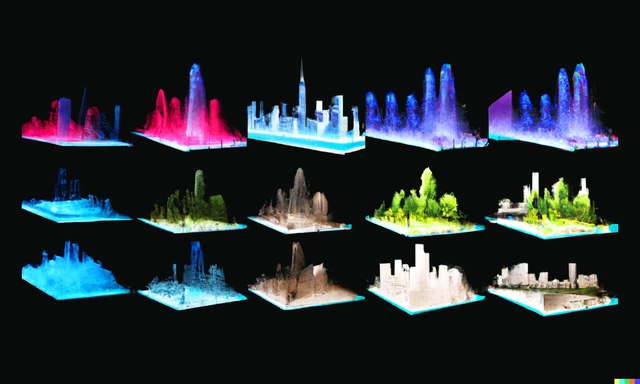
Image created using AI under the prompt: A futuristic architectural landscape exemplifying data-driven architecture. Image via DALL.E 2
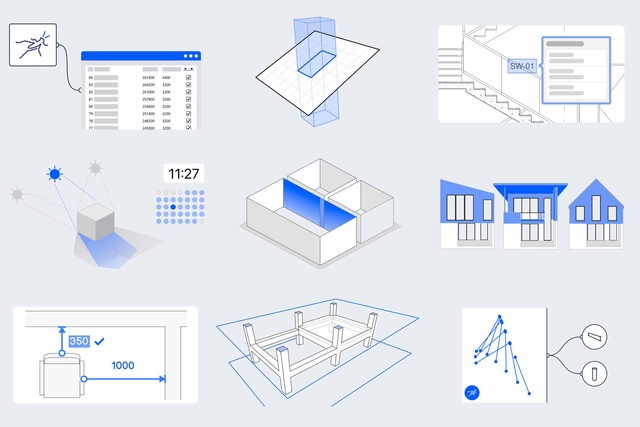
Architecture is a multifaceted discipline influenced by diverse sources of data and information, which play a fundamental role in shaping architectural production. In the past, horological instruments like the sundial were used to obtain data, such as time, and gain knowledge of solar incidence at different times of the year and geographical locations. This made it possible to determine the optimal orientation of buildings, resulting in benefits such as better use of sunlight and greater thermal comfort.
Although cultural, social, and even religious factors can influence architectural design, quantitative factors are especially relevant when making decisions in the early stages of the creative process, during construction, and throughout the life cycle of a building. Therefore, it is important to collect and process relevant information, such as location, solar incidence, occupancy capacity, occupant interactions, energy performance, and carbon emissions, among other aspects.
https://www.archdaily.com/1003902/data-driven-architecture-delving-into-4-building-information-toolsEnrique Tovar
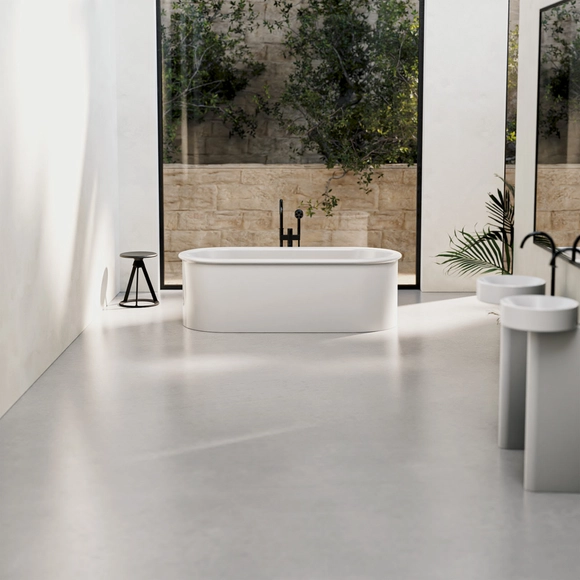
In the realm of architectural design and interior furnishings, achieving a balance between form and function is a daily challenge that designers encounter. This interplay between utility and aesthetics has not only evolved over time but also involves a constant exchange of styles and production methods. Frequently, this interchange leads to standardization and generic designs, potentially causing a depletion of authenticity in the design process.
For this reason, in the contemporary era, designers are revisiting the fundamentals, rediscovering manual design processes that range from sketching to model making, all while embracing pure forms. Designers and manufacturers alike are embracing conscientious approaches to develop proposals that maintain simplicity in design while retaining a distinctive identity. In response to this, Bette, in collaboration with the British design studio Barber Osgerby, proposes the creation of minimalist-style bathrooms through the BetteSuno bathroom collection, stripping away complex shapes and seeking a light visual design.
https://www.archdaily.com/1005100/handcrafted-design-for-minimalist-washbasins-and-bathsEnrique Tovar
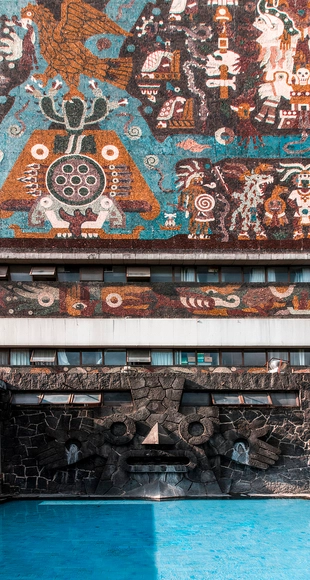
From the pre-Columbian period of the Americas –during which cultures such as the Olmec, Maya, Purepecha, and Mexica (Aztec) thrived– to the modern era where architecture has been influenced by social movements and even natural disasters, Mexican architecture showcases a valuable architectural expression, with its own unique voice and distinctive characteristics. Nobel Literature Laureate Octavio Paz argued that architecture is an incorruptible witness to history. Likewise, the materials used to shape it have acted as protagonists of that history, enduring in many cases over time and evolving thanks to the generations of architects who have contributed to it, from different perspectives.
To trace a timeline, it is possible to take as a starting point pre-Hispanic architecture, which exhibited a diversity of nuances due to Mexico's vast territorial extension. This allowed diverse cultures to find their niche and develop their characteristic architectural styles. Subsequently, the era of Spanish colonization, which itself drew influence from Islamic architecture, represented a noteworthy turning point in architectural development. This phase endured until the advent of Mexican Independence in the 19th century. In turn, this marked the initiation of social and cultural movements, both during and after the Mexican Revolution in the early 20th century.
https://www.archdaily.com/1005554/materials-that-define-the-contemporary-mexican-architectural-aestheticEnrique Tovar
Carved stones were the first tools that hominids used to transform their environment. It is exciting to imagine how, since the Stone Age —a period that began approximately around 10,000 BC— and thanks to humanity's long evolutionary process, the tools we used have evolved from simple stones to complex robotic systems. These advancements represent a revolution in production methods, both at the current industrial level and on a local scale.
Technologies such as artificial intelligence (AI) and digital fabrication systems have been perceived as labor-replacing threats varying by context. In Latin America, manual fabrication is deeply ingrained, specialized, and cost-efficient in some sectors, making digital substitution less pressing. In contrast, biomaterials derived from fungi or agro-waste provide environmentally friendly construction alternatives, promoting sustainability and circular economies. This stimulates meaningful discussions about the potential of digital fabrication, requiring an understanding of local resources and challenges. Therefore, it lays the groundwork for biomaterials that preserve identity while offering solutions to local issues.
https://www.archdaily.com/1004830/digital-fabrication-and-biomaterials-in-architecture-fusing-identity-and-technologyEnrique Tovar
There are many building materials that have experienced minimal changes since their initial inception in the field of architecture. However, this does not imply that they are outdated, but rather that their qualities and simplicity make them highly versatile materials also demonstrate the resilience and durability of materials that withstand the test of time. An example of this is brick, a timeless material that has been able to adapt over the years, serving functions such as walls, cladding, and flooring, among others. Under this premise, Louis Khan referred to the expressive possibilities of brick, stating, "Even a brick wants to be something. It aspires."
Thanks to the progress of new technologies applied to materials, disruptive proposals have arisen that converge in new construction systems. On many occasions, these new technologies are combined with materials considered "traditional," generating new concepts in which materials such as brick find new applications and possibilities. One of these new concepts is Flexbrick, a ceramic textile with an industrialized system that combines flexible sheets to wrap architectural spaces. This opens up new possibilities for applications at the forefront of the parametric architecture revolution, using a flexible, adaptable, and sustainable material.
https://www.archdaily.com/1003807/algorithm-based-architecture-flexible-bricks-to-wrap-architectural-spacesEnrique Tovar
Architecture is likely to exist in any place or physical space inhabited by human beings. Moreover, our inherent curiosity and exploratory spirit constitute an integral aspect of our humanity. Fueled by our inventive capacity, drives us to venture into future scenarios that we can explore as individuals and as a society. Consequently, the possibility of a future in space has sparked the imagination of scientists and designers, resulting in conceptual and science fiction designs where human beings inhabit space.
The inventive and imaginative human capacity can be traced through the work of artists such as Jean-Marc Côté, who, in the early 20th century, envisioned a series of retro-futuristic illustrations depicting what life would be like in the year 2000. There are also notable literary references, such as the works of Ursula K. Le Guin, renowned for her speculative fiction exploring humanity's journey as a spacefaring species. Undoubtedly, the future and space are two captivating topics that have inspired the development of a long-term vision for society in space.
https://www.archdaily.com/1001762/architecture-for-inhabiting-space-tessellated-reconfigurable-structures-for-adaptive-environmentsEnrique Tovar