Produce personalized presentation boards that distill complex concepts into simple visual representations with a few helpful tools and effects.


Produce personalized presentation boards that distill complex concepts into simple visual representations with a few helpful tools and effects.
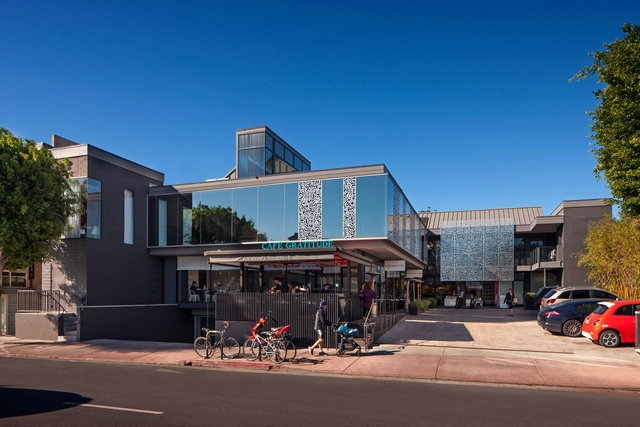
Architects Julie Smith-Clementi and Frank Clementi have changed the built environment of Southern California and Los Angeles for over three decades. Together, the duo recently launched Smith-Clementi, a new multidisciplinary design practice working at the intersection of urbanism, architecture and product design. Following a "plates to parks" design philosophy, the duo is transforming the built environment at multiple scales.
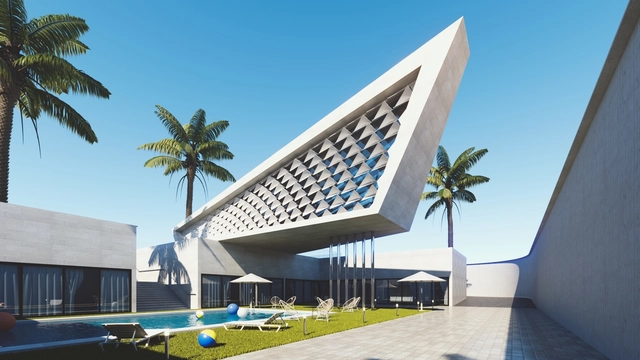
Everybody’s talking about Grasshopper. It’s an exciting way to explore parametric and generative designs in architecture — and the ability to create and render those concepts and animations to present to clients is considerably even more impressive.
V-Ray is a trusted 3D renderer that gives Rhino users the power to render everything, from quick concepts to finished designs. It also allows designers to deliver professional-quality renders every step of the way. V-Ray for Grasshopper comes with V-Ray for Rhino, which makes it quick and easy to animate and render your parametric designs.

The global climate crisis is one that requires discussion in many areas of life, from planning for containment to the prevention of consequences. One of the main factors in this debate involves our means of energy production that, historically, were responsible for severe damage to the environment. This was due to the lack of concern to seek renewable and sustainable sources to generate electricity, and also the lack of technology. In general, traditional methods of electrical energy are ones that produce waste, release atmospheric and water pollutants, and use non-renewable resources.
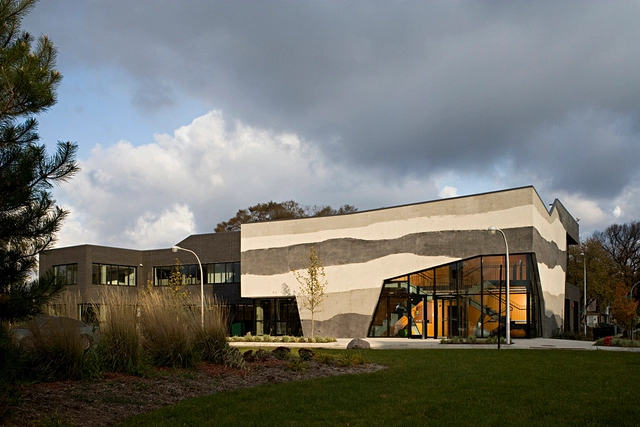
Having been utilized as early as the Roman era in buildings of almost every scale, it is almost impossible to think of a building that does not have at least one concrete element. In fact, it is the most widely used construction material in the world, due to its versatility, resistance, ease of handling, accessibility, aesthetics, and other factors. At the same time, its manufacture is also one of the main polluters in the atmosphere, mainly due to the fact that the cement industry emits around 8% of all global emissions of carbon dioxide (CO2).
In addition to its intensive production, concrete is an extremely rigid material, heavy and composed of cement, water, stone, and sand. Thus, would it be possible to continue to use concrete sustainably after demolition, eliminating its disposal as mere waste and overloading landfills?
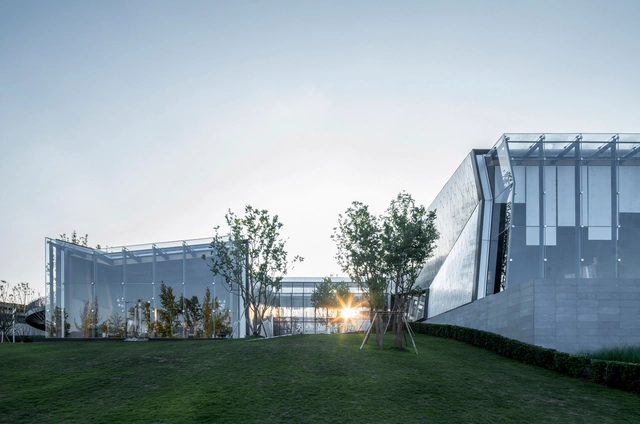
If you've procrastinated, now is your last chance to enter your design in the 2020 A’ Design Award Competition - the final call for entries ends February 28th, 2020 for an opportunity to showcase your work to a global audience. The international competition was "born out of the desire to underline the best designs and well-designed products" of designers, architects, and innovators from all design fields. Among other design competitions and awards, the A' Design Award stands out for its exceptional scale with over 100 design categories.
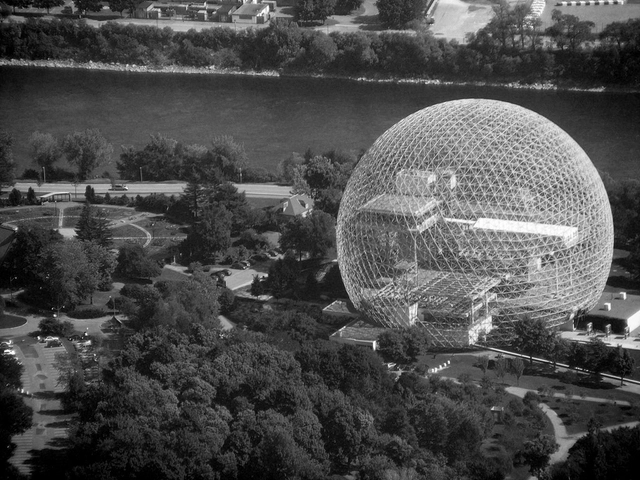
The advent of steel in architecture at the beginning of the 20th century is considered as one of the most innovative construction developments in history, allowing architects to create structures with heights, flexibility, and freedom never seen before. Henry Bessemer invented the most successful steel-making process in 1855, but it was not until 1890 that the process was refined enough for construction. The first steel constructions on both sides of the Atlantic, the Rand McNally Building in Chicago and Forth Bridge in Edinburgh, were record-breaking structures of their time.

The Midnight Charette is an explicit podcast about design, architecture, and the everyday. Hosted by architectural designers David Lee and Marina Bourderonnet, it features a variety of creative professionals in unscripted conversations that allow for thoughtful takes and personal discussions. A wide array of subjects are covered with honesty and humor: some episodes provide useful tips for designers, while others are project reviews, interviews, or explorations of everyday life and design. The Midnight Charette is also available on iTunes, Spotify, and YouTube.

This week David and Marina are joined by Gregg Pasquarelli, Architect and Founding Principal of SHoP to discuss designing the world's slimmest skyscraper, modernism and provincialism in New York City, the most important part of creating architecture, 30-minute elevator pitches, city development, favorite restaurants and more!
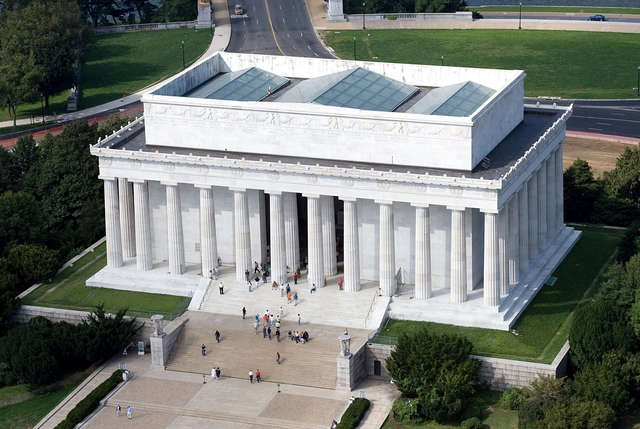
This article was originally published on Common Edge.
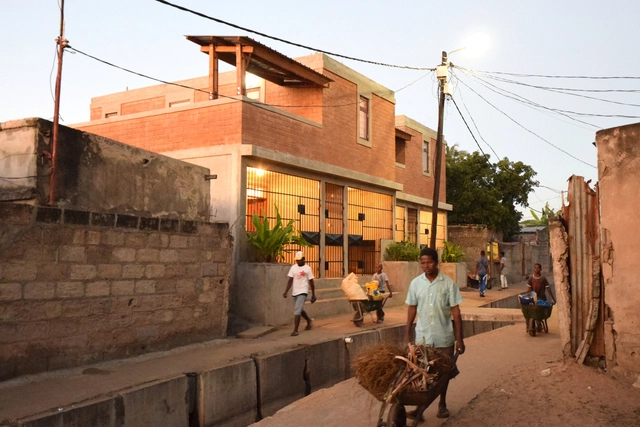
After centuries of Portuguese colonization and recent conquest of independence, Mozambique has undergone a difficult period with new challenges, such as the combat against poverty, the infrastructure deficit, and uncontrolled urban expansion. On the architecture field, it is possible to notice the impact of these challenges on the evolution of the Mozambican projects. Some examples are: the prediction of the need to expand the building in the future, the adoption of climate control passive measures and the utilization of vernacular constructive techniques adapted to the local context (as a way to minimize energy consumption in the different phases of building construction and its respective costs).
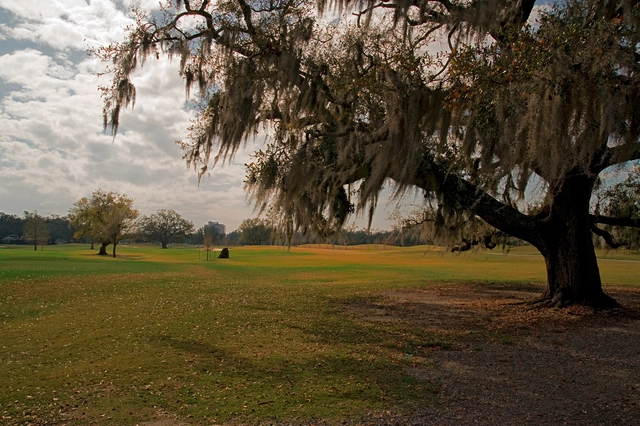
In 1979, the Pontchartrain Park golf course was renamed the Joseph M. Bartholomew, Sr. Municipal Golf Course by the City of New Orleans. While perhaps not the ‘catchiest’ of title changes, the event was a posthumous chapter in the legacy of one of the most celebrated golf course architects of his time. Joseph Bartholomew (1888-1971) began life as an African-American in racially-segregated Louisiana only 23 years after the end of the American Civil War; fought in large part over the legality of African American slavery. But his life, chronicled in the latest New York Times’ Overlooked series, would see him reach the pinnacles of golf course architecture, and design nationally-celebrated landscapes that Bartholomew, because of his race, was himself not allowed to play on.
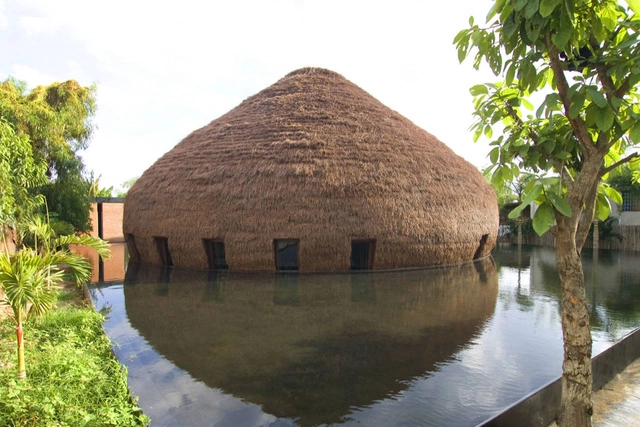
Building with Natural Biodegradable Raw materials is one of the major recurring green construction solutions of our days. Although some might call it regressive, it is an easy and affordable way to promote Eco-friendly Architecture. The implementation of Hay or Thatched roofs are a prime example of a highly beneficial Sustainable building solution.
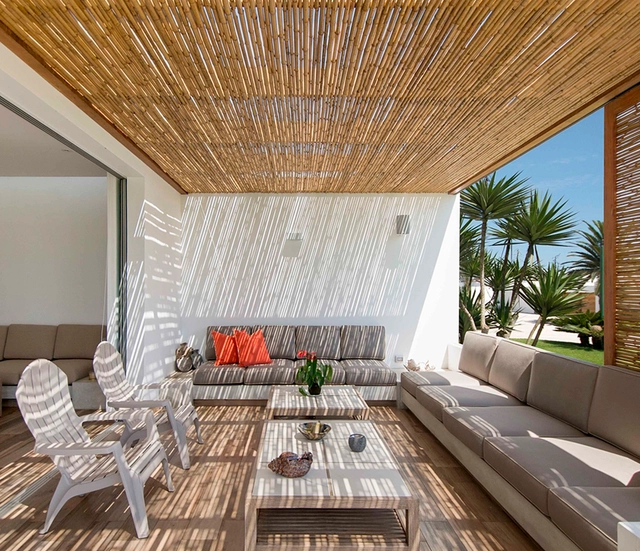
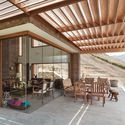
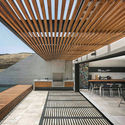
Occupying a substantial chunk of South America's central western landmass, Peru is a treasure trove of both landscapes and natural resources. Within its three regions--coastal, mountain, and rain forest--there is little variation in summer and winter temperatures and, except for its high mountain areas, its climate stays between tropical and subtropical. Thanks to the lack of weather extremes, outdoor activities--and the spaces in which to do them--are a principal factor in designing homes and other buildings. Pergolas and other semi-coverings make it possible to create or expand shaded areas, allowing you to enjoy the outdoors in the comfort of your home.
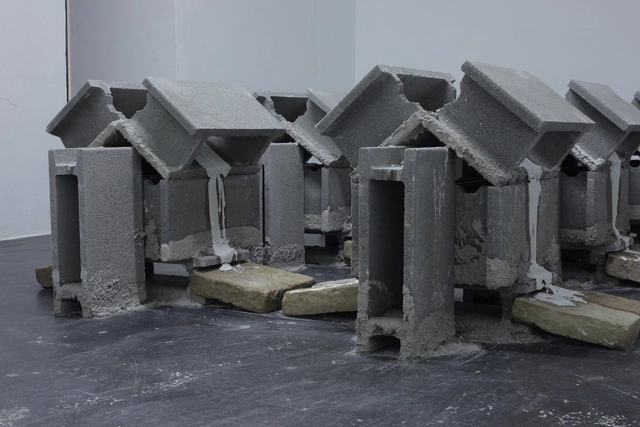
As the world of construction becomes more automated, driven by economy, speed, and bureaucracy, architect and professor Marc Leschelier has created an exhibition at the Architektur Im Magazin Vienna, Austria, which inverts this trend. Titled “Cold Cream” the exhibition creates a secluded space, dissociated from the world, where the practice of construction is reduced to the struggle between soft and hard matters as well as spontaneous rises. The exhibition is therefore not an act of architecture, but rather approaching a form of pre-architecture.
This article by ArchDaily's former managing editor Vanessa Quirk first appeared on ArtsCultureBeat, the web magazine of Arts & Culture concentration at Columbia Journalism School’s MA program, titled "The Secret Life of Hungarian Contemporary Architecture."
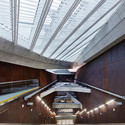
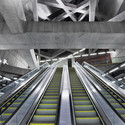
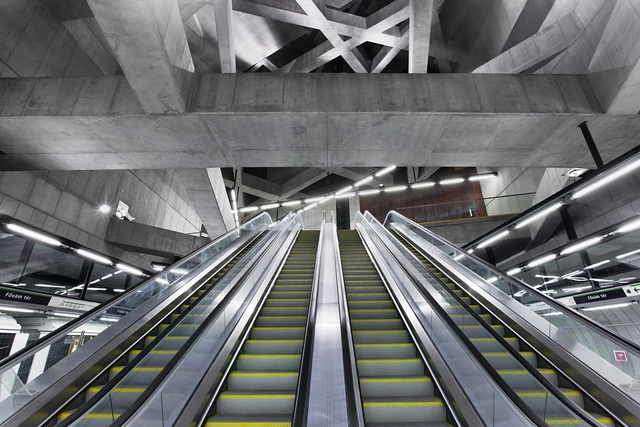
This time last year, Hungarian Prime Minister Victor Orbán stood at a podium in a pristine new subway station. Raw concrete beams criss-crossed above him; state-of-the art, driverless trains stood silently beside him. It was the opening ceremony for Line 4, a subway line that due to delays, corruption, and disputes had been 40 years in the making.
“The people of Budapest began to accept the thought that only their grandchildren would use Budapest’s new Metro line, or not even them.” Orbán told the crowd. He recounted an old joke that embodied the cynicism that once surrounded the project: Chuck Norris had been on Metro Line 4.
Orbán credited the line’s completion, which occurred only a few weeks before the 2014 parliamentary elections, to “the solidarity and unity that was established in 2010 [when Orbán’s government took power] and has since been maintained.” He didn’t mention how, under his first government (1998 to 2002), he had withheld funds from the project, contributing significantly to its delay. Nor did he mention that his party had fought against the idea that the line, an expensive infrastructural project, needed architecture at all.
Today, though, the line’s stunning architecture is its most noticeable feature. Line 4 is not just a watershed achievement in Hungary’s history, but also a symbol of what it takes to make contemporary architecture in Hungary today. Both literally and figuratively, contemporary architecture had to go underground.
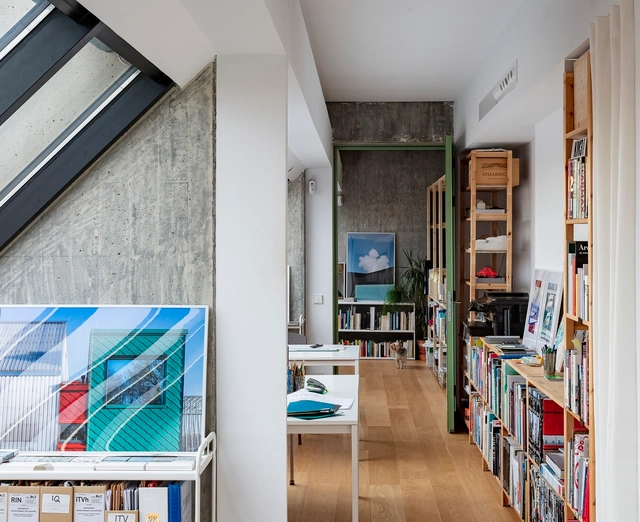
Architectural photographer Marc Goodwin recently visited Madrid to continue his journey documenting diverse architecture studios and design offices. He has visited many cities and countries around the world, including Brazil, Panama City, the Netherlands, Dubai, London, Paris, Beijing, Shanghai, Seoul, the Nordic countries, Barcelona, Los Angeles and Istanbul. In Madrid, Marc photographed 16 intimate office spaces and a range of studios.
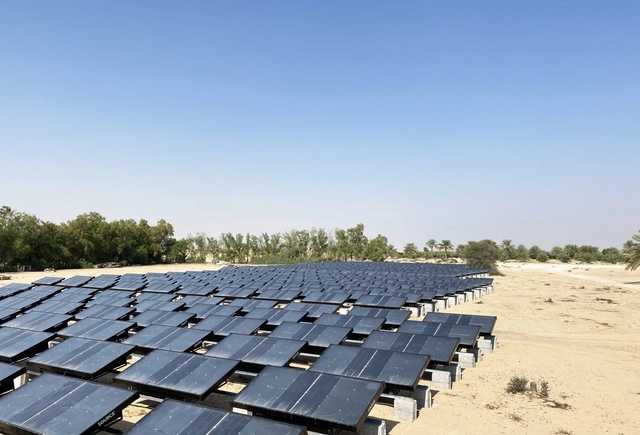
As the climate crisis continues to unfold, professionals in architecture, engineering, and sustainable design have relentlessly searched for new ways to mitigate the negative effects of modern industrial production. One group of such innovators, Zero Mass Water, have contributed to this effort through their creation of ‘the world’s first and only hydropanel’ - an apparatus called SOURCE.
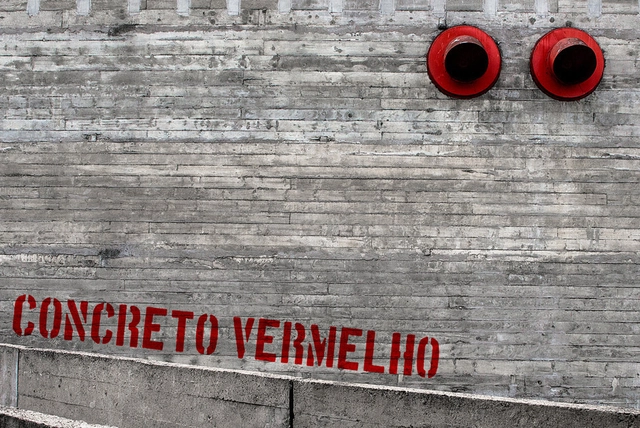
Around the world today, the "Climate Emergency" continues to embody a renewed worldwide focus on tackling climate change. With 36% of global energy devoted to buildings and 8% of global emissions caused by cement alone, the architectural community is deeply entwined with the flows of materials, energy, and ideas that relate to climate change, both causes and solutions.
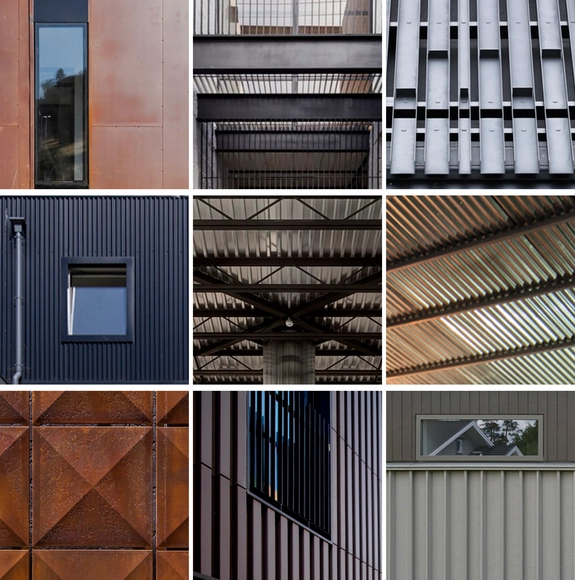
The use of steel in both the past and present is mainly associated with the success of grand industrial and civic structures. But due to the commercialization and standardization of steel profiles, its use in residential projects (thanks to its mechanical properties and fast installation) has resulted in complex and interesting solutions on a domestic scale.
Dive into these 15 construction details from residential projects that have made use of steel structures and cladding.
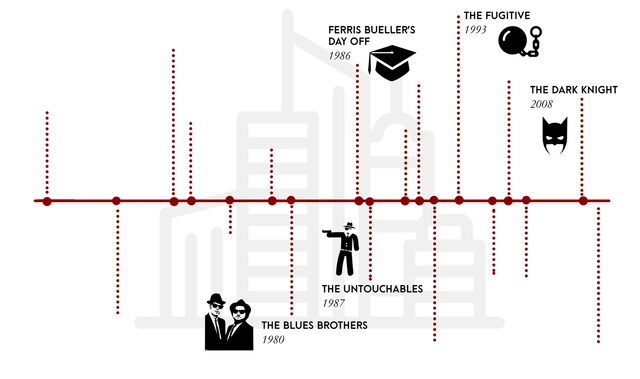
Chicago is one of the most photogenic cities in the world. Its sparkling lakefront, dramatic skyline, diverse ethnic neighborhoods, and gritty industrial sites have long captured the attention of locals and visitors alike, including Hollywood movie producers. Here the city often serves as not only a backdrop, but also as a starring role--almost as important as the characters themselves.
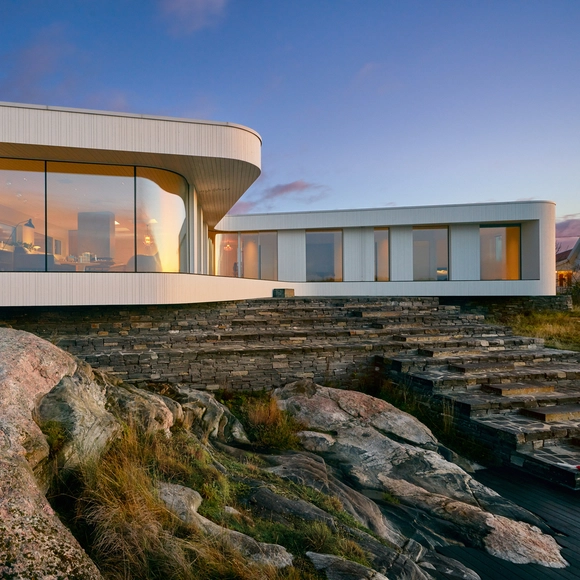
For a chance to showcase your work to a global audience, now is the time to enter your design for an A’ Design Award. The international competition was "born out of the desire to underline the best designs and well-designed products" of designers, architects, and innovators from all design fields. Among other design competitions and awards, the A' Design Award stands out for its exceptional scale with over 100 design categories.
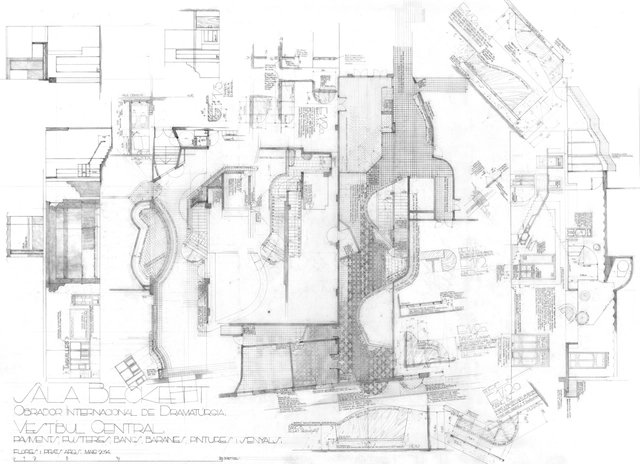
When we approached the Flores & Prats firm, we wanted to focus on their precise drawing just as much as their detailed mock-ups. We wanted to see a project that not only "values the time invested and accumulated in it but also sees said time as a virtue and not a defect;" an indication of paying attention to the process as well as the unexpected. (In this sense, it reminds me of reading about how to draw a forest, among other things, in "Las tardes de dibujo en el estudio Miralles & Pinós").
We conducted a long-distance interview with the Eva Prats and Ricardo Flores studio for this reason; to get a better idea of their thoughts on the impact of drawing on architectural representation.Their input makes clear the "why" of their decisions, and explains not only how they operate in a contemporary context but also indicates their relationship with construction among other disciplines.
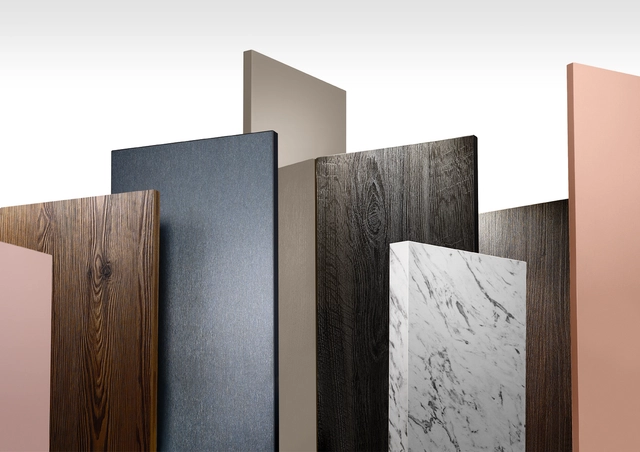
Every working day presents new challenges for architects, fabricators and distributors. The key to success in the building industries is the optimum and timely implementation of projects and the satisfaction of clients and customers. Versatile, easy to work with materials like wood can streamline the process without sacrificing design or options. Wood, in addition to being a structural material, can also be utilized in the form of wooden composite boards and wood-based products. EGGER is a company with a history of producing multiple different types of wood products with unique purposes and applications within a design.
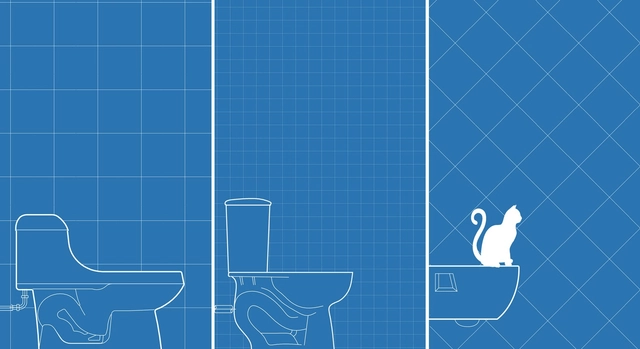
We may not give them the importance they deserve, but toilets are fundamental to our daily lives and our health. There are two "golden rules" that articulate their usefulness: they 'separate' us immediately from our waste, and they transport them for treatment, preventing them from contaminating the environment or making people sick.
In addition to being a good place to think about new ideas, browse Instagram, and answer emails, the toilet helps us stay healthy, an attribute we take for granted until we lose access to it.
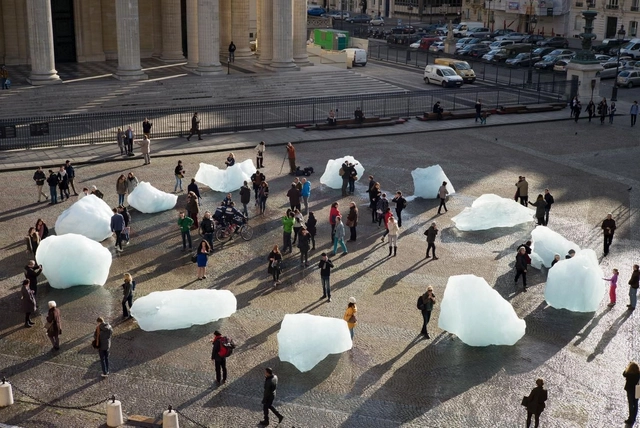
Studying the data that indicates a climate crisis that has been affecting the whole planet for the last decades, the reactionary attitudes may sound disappointing. However, at the same time that the news indicates a global average temperature rise, the political focus on the climate crisis is also intensified, according to the UN Environment report released in 2019, which is a reflection not only of the occurrence of manifestations and protests around the world but also of the so-called activist art expression.