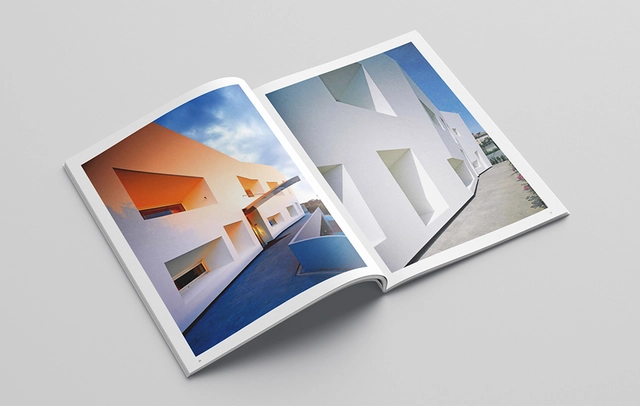
The new lookbook for architects by WIENERBERGER impressively presents the architectural quality of contemporary brick architecture: an award-winning and forward-looking source of material inspiration.


The new lookbook for architects by WIENERBERGER impressively presents the architectural quality of contemporary brick architecture: an award-winning and forward-looking source of material inspiration.

Parpend, a design studio from Lagos, Nigeria, interviews every year a group of architects to discuss their favorite projects and how they created them. Believing firmly that design should be a fusion of function and expression, statements are compiled in a publication in order to highlight the designers’ creative process to achieving good design.
Entitled “PERSPECTIVE”, this edition of the report, destined for designers and non-designers alike, examines 4 projects with 3 designers: Seun Oduwole, Principal designer at SI.SA talks about the JK Randle Centre for Yoruba History and Culture, on Lagos Island; Tosin Oshinowo, Director at cmDesign Atelier discusses a Bahá’í temple competition and an art space for Victor Ehikhamenor, a prominent Nigerian artist. Moreover, James Inedu-George, Head of Design at HTL Africa explores a mosque contest.
In 1972 Unesco created the World Heritage Convention linking together the concepts of nature conservation and the preservation of cultural heritage. Based on the understanding that sites and monuments are threatened with deterioration or disappearance over time, the organization determines that those of outstanding universal value deserve special protection from the dangers they are facing. Therefore, the efforts to identify, protect, preserve, and value the sites included on this list are meant to safeguard and pass the world's cultural and natural heritage on to future generations.

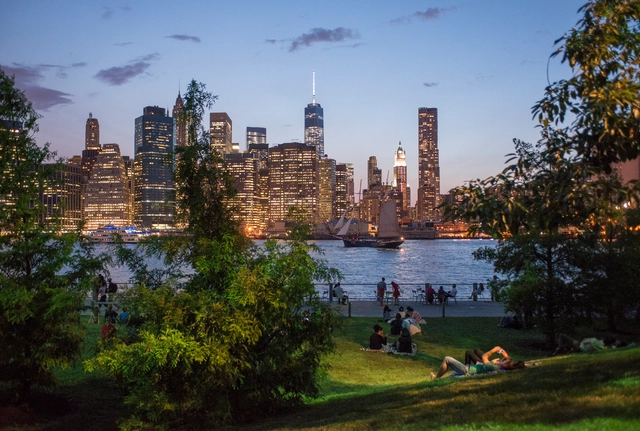
If you are in a place impacted by the COVID-19 pandemic, spending 20 minutes experiencing nature in a park, street, or even your backyard can significantly reduce your stress levels. Just be sure to follow federal, state, and local guidelines and maintain social distancing of 6 feet or 2 meters. But even if you cannot or are unable to go outside, taking a break by opening a window and looking at a tree or plant can also help de-stress.

Dauphin’s Fiore and Stilo ES chairs provide smart, colourful solutions for modern workspaces that, more and more, look to promote sharing and flexibility. Watch to find out more…
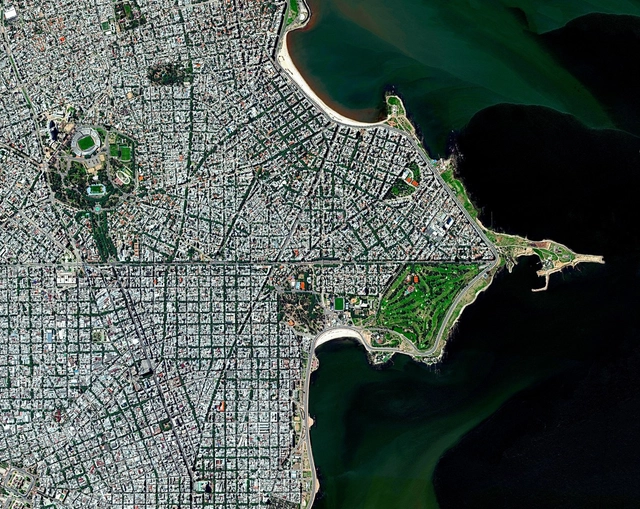
Resilience seems to be the topic of much discussion within circles of urbanism today. Though, there is a slight problem. We can’t quite agree on what the term means.
Two definitions seem to be floating about. The first rooted in material science. The second, in ecology.
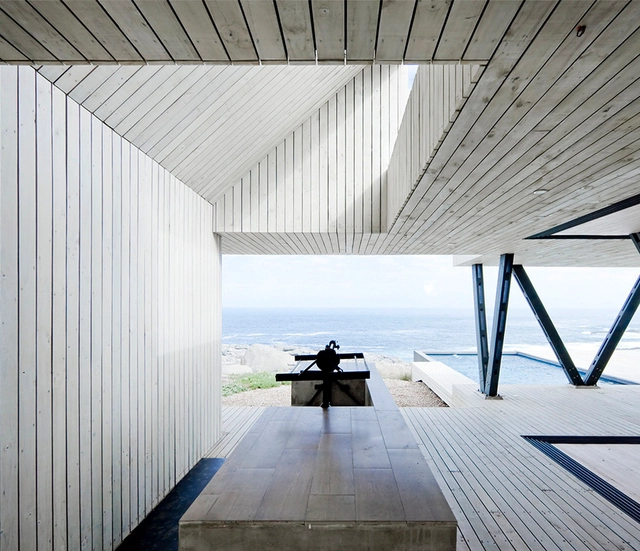
Whether by traditional windows, linear openings in the wall, or skylights, the manipulation and incorporation of natural lighting in architectural projects can render a radical change in interior spaces.
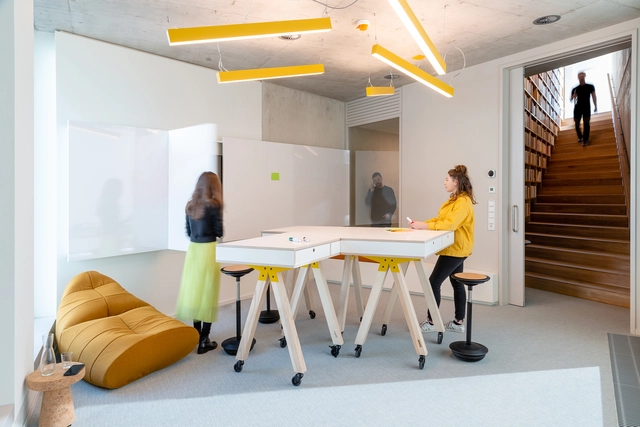
In a time where space grows more and more limited and people increasingly spend time at home, flexibility presents itself as an underutilized strategy of interior design. With flexible furniture, residents can optimize square footage and easily reshape configurations according to specific requirements and shifting needs. Below, we discuss the benefits and variations of furniture on wheels, closing with 7 example projects illustrating their creative and practical application.
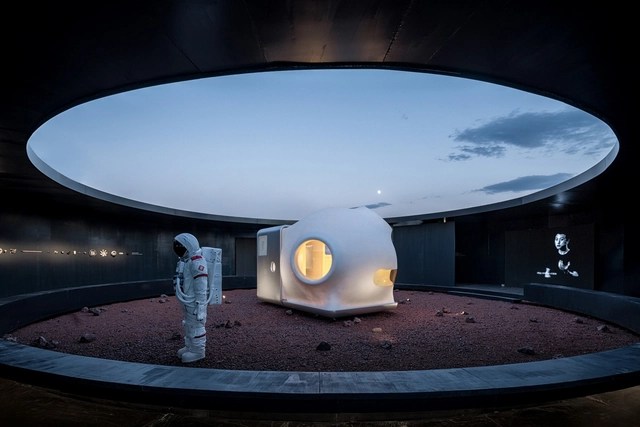
Space has long captured our imaginations. Looking to the ocean above us, writers, scientists and designers alike have continuously dreamed up new visions for a future on distant planets. Mars is at the center of this discourse, the most habitable planet in our solar system after Earth. Proposals for the red planet explore how we can create new realms of humanity in outer space.
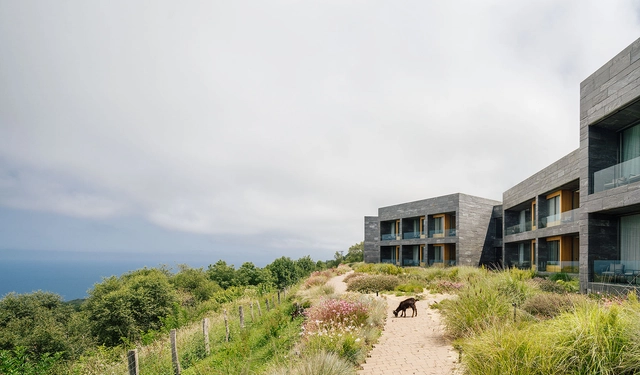
Four emerging architecture studio profiles from Belgium, Spain, Netherlands, Switzerland, Denmark, and Poland were chosen by New Generations, a platform that analyses the most innovative emerging practices at the European level, providing a new space for the exchange of knowledge and confrontation, theory, and production. Since 2013, New Generations has involved more than 300 practices in a diverse program of cultural activities, such as festivals, exhibitions, open calls, video-interviews, workshops, and experimental formats.

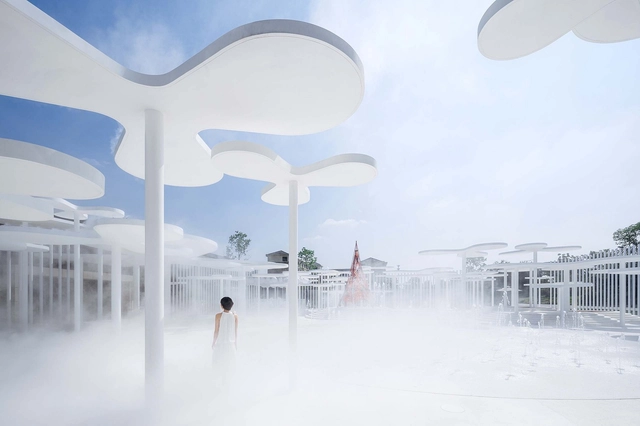
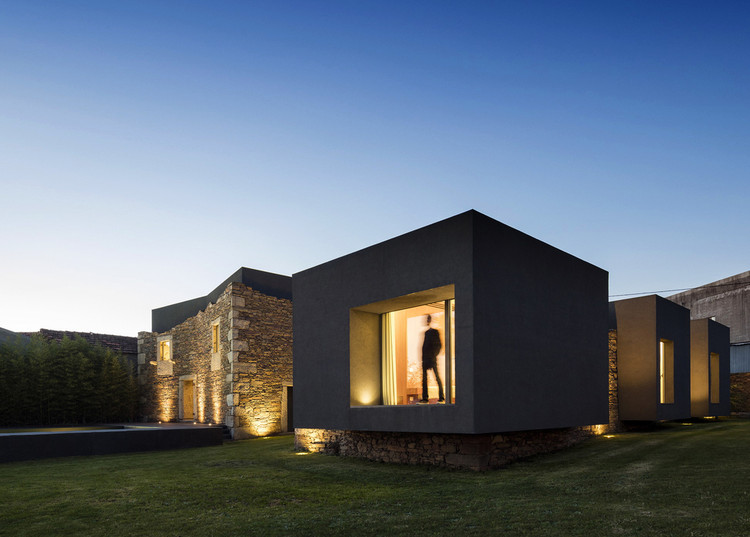
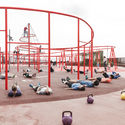
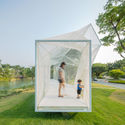
The incorporation of the human figure is one of the most effective tools used in architectural photography: it helps the viewer decipher the scale of work and assess its amplitude. While it successfully communicates a rough idea of the measurements of the elements in the picture, it also helps architecture become more relatable and accessible. People engage better with the built environment when it is populated, mainly because the human sense of society and community is the cornerstone of our civilization. With this in mind, we are showcasing a selection of our favorite photographs where the human figure takes center stage, enhancing our reading of architecture.
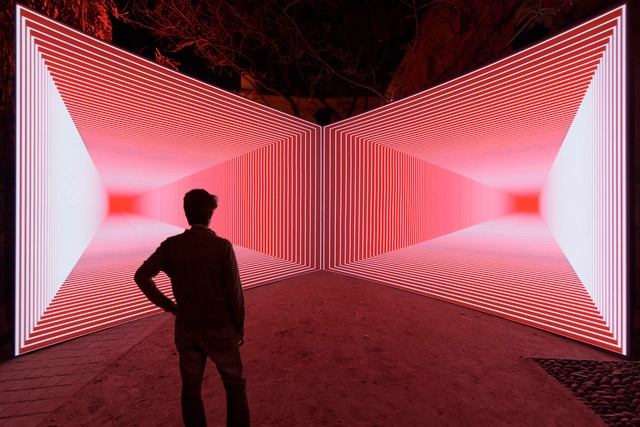
Using and controlling light can change the perception of a place; users perceive and feel the space differently depending on factors such as the type of light switch, color variations, and combinations. When used in temporary installations, light can break the boundaries between art and architecture, and also between tangible and intangible, transforming the elements of the project and creating new shapes and patterns.

Spurred by disasters like Hurricane Katrina and Superstorm Sandy, cities across the United States have, over the past 15 years, learned to “live with water.” After more than a century of filling wetlands, damming rivers, and diverting streams and stormwater flows into concrete channels, public officials, influenced by a coterie of landscape architects and planners, have embraced the opposite strategy, investing in open space networks that use dynamic natural systems to slow, store, and absorb floodwaters.

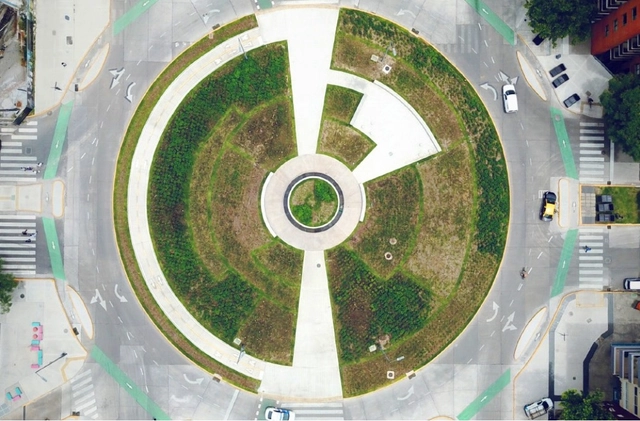
More than 55% of the world’s population lives in cities, with that number only expected to increase in the coming decades. Despite the rising population in urban areas, local governments continue to raise flags about inadequate infrastructure and the declining quality of life that cities are facing. Perhaps the large scale problems that we typically categorize as urban innovation, inclusion, and infrastructure, can be solved if we get to the root of the smaller troubles, that we may not even know existed. It’s time to take urban issues off the back burner and improve cities not just for today, but for the long term future.
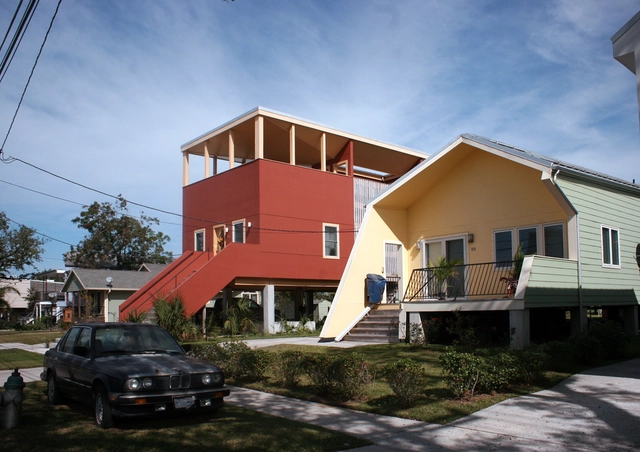
Some celebrate the failures of "Make It Right", Brad Pitt’s patronage in New Orleans. After Hurricane Katrina wrecked New Orleans in 2005, celebrated architects like Frank Gehry, David Adjaye and Thom Mayne created art for a foundation set up by Pitt. A local architect, John C. Williams was hired to turn designs from those starchitects into buildings with a directive to use the best sustainable materials available.
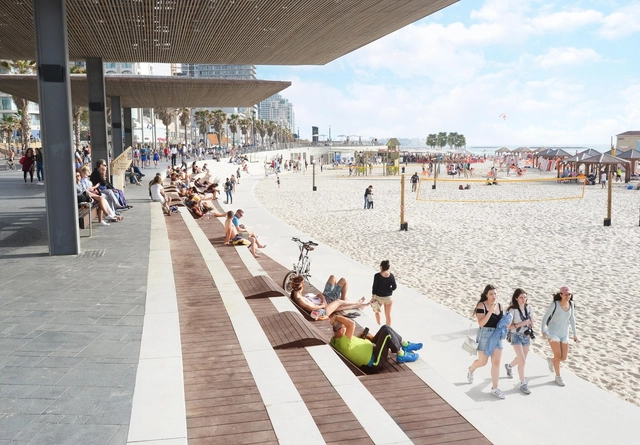
The area surrounding a river, lake, lagoon or sea coast acts as a transition zone between water and land. Therefore, turning the water banks into dynamic and appealing public spaces helps to establish a certain balance between the stiffness of the built environment and the fluidity of water.
The Midnight Charette is an explicit podcast about design, architecture, and the everyday. Hosted by architectural designers David Lee and Marina Bourderonnet, it features a variety of creative professionals in unscripted conversations that allow for thoughtful takes and personal discussions. A wide array of subjects are covered with honesty and humor: some episodes provide useful tips for designers, while others are project reviews, interviews, or explorations of everyday life and design. The Midnight Charette is also available on iTunes, Spotify, and YouTube.
This week David and Marina discuss tips and tactics for creating a design presentation. The two cover the different scenarios to prepare for, the three most important components of any design presentation, how to include research and data, balancing beauty and clarity, tips if you’re struggling to make a presentation look good, presentation process strategies, and traps to avoid, and more. Enjoy!

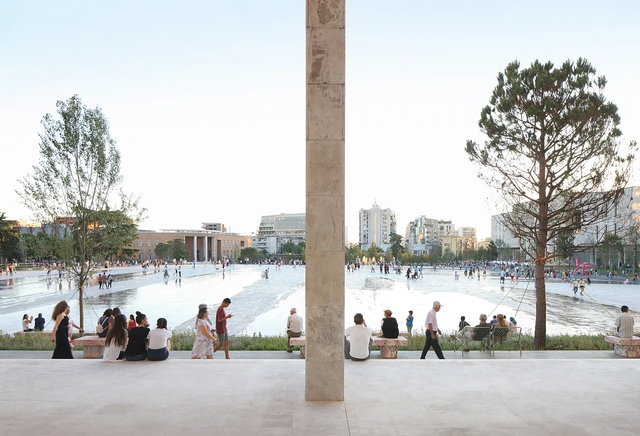
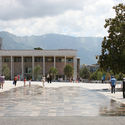
Remnants of the Socialist era, the large-scale architecture and urban spaces of the Eastern European Bloc still constitute a challenging legacy, at odds with contemporary urban environments and the values shaping cities today. This ideologically charged architecture is being reclaimed either through the reconciliation of the public opinion with this part of history, adaptive re-use, renovation, or through its re-contextualization as architectural heritage. By (re)introducing the human scale within these monumental architecture projects and public spaces, these entities are being restored to the urban and cultural life of cities.
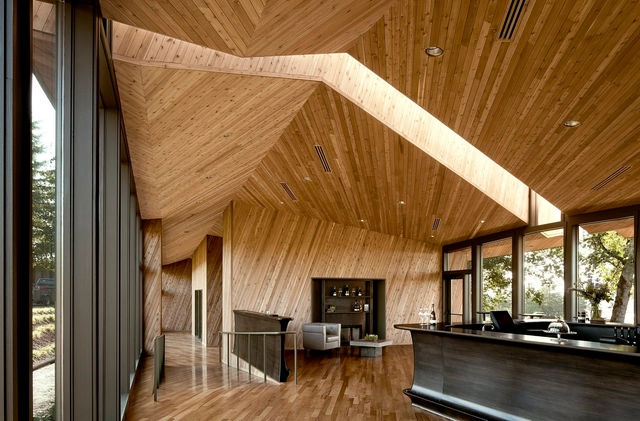
Considered one of the noblest building materials - and also a favorite of many global architects - wood delivers aesthetic, structural, and practical value in the most versatile of ways. Through different techniques, such as crafted or prefabricated wood, wooden construction remains relevant not only in the history but also in the forefront of architecture and design (thanks to new technologies that have expanded its possibilities).
From temporary pavilions to single-family homes and multi-story, large-scale institutions, wood has shown its value at the same level as many other structural materials such as steel, brick, or even concrete. This is especially prominent in the United States, where renowned architects are using new techniques to advance the solutions that this material can provide. Also, new regulations are allowing architects to further explore the diversity and possibilities of building with wood.
With the help of ThinkWood, we’ve gathered 100 examples of the best wood structures in the United States.
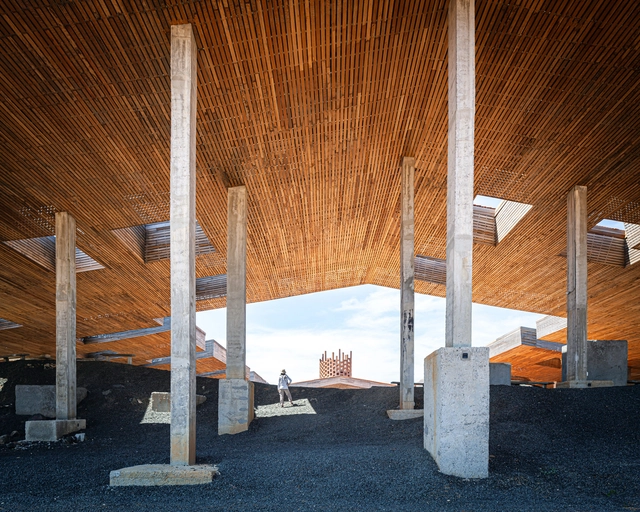
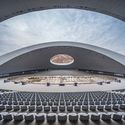
Going beyond human scale is not a novelty. For centuries, builders, engineers, and architects have been creating monumental edifices to mark spirituality or political power. Larger than life palaces, governmental buildings, or temples have always attracted people’s admiration and reverence, nourishing the still not fully comprehensible obsession with large scale builds.
Nowadays, some of the largest and most impressive structures relate less to religious or governmental functions and seem to be turning towards more cultural programs. Most importantly though, today’s grandiose works are generally and openly imitative of Nature.

This article was originally published on Common Edge as "Considering Climate Migration".
Over the past week, I’ve seen at least two large mainstream press articles on climate migration, and as more people seem to be tossing around their next move locale—something between North Dakota and anywhere else with the word “north” it. Often, in a simplified, single-issue flattening of the full-range of shifts happening around us.

Hygiene is one of the most important aspects of any bathroom – and Duravit has led the way with innovations such as touch-free controls and rimless toilets. Its new HygieneGlaze coating is just the latest game-changer.
Halloween is a holiday that centers on space and ritual. Most likely originating from Celtic harvest festivals, Halloween is tied to processions like trick-or-treating, as well as history and spatial stories. The holiday celebrates imagined settings, characters, and events. In similar celebrations like Mexico's Día de Muertos, people gather in unlikely places; cemeteries and graveyards become the backdrops to picnics and celebrations. There, families offer flowers and food to deceased relatives as they celebrate history and the lives of loved ones.
The Avions Voisin C7 was manufactured between 1924 and 1928 and featured a groundbreaking design for the time. The extensive use of glass, aluminum bodywork, and sharp angles hinted at the shapes of an aircraft. This was the car that Le Corbusier liked to park in front of his buildings - the architect considered this car to be the ultimate translation of modern age and technology combined into a single object. He was convinced that architecture had much to learn from this machine.
With 3 gears and a 30-horsepower engine, it is hard to imagine anyone using this car today since the automobile industry has experienced countless innovations since that time. Corbusier's architecture, however, doesn't seem so outdated, but the cars pictured alongside the brand new buildings are actually what reveals how old the photograph is. Locating elements that can point out the time period of a photograph is very effective, especially in architecture. Some elements can make this task much easier, for example, household appliances, computer monitors, or other particular details.







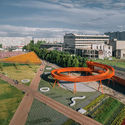
_Gent_Onuzi.jpg?1603920105 "The Pyramid in Tirana. Image © Gent Onuzi")