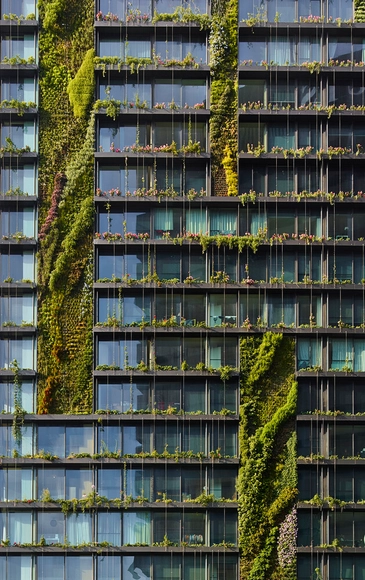
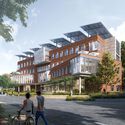
Rising over global cities, the modern skyscraper has long been a symbol of economic growth and environmental decline. For years, they have been reviled by environmentalists for being uncontrolled energy consumers. Malaysian architect Kenneth Yeang acknowledged the skyscraper as a necessityin modern cities and adopted a pragmatic approach to greening the otherwise unsustainable building typology. Yeang’s bioclimatic skyscrapers blend the economics of space with sustainability and improved living standards.
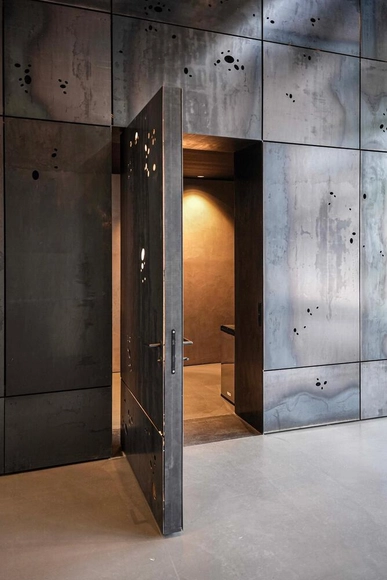
Situated in the village of Kaltenbach, amidst the Austrian mountains, is the head office of Empl. A manufacturer of fire-fighting trucks and other large vehicles with special functions, their products include off-road vehicles, mobile army hospitals and temperature-controlled trucks to carry food. Whatever their function, each vehicle is unique and has been composed with the greatest of care. The end products can be seen in Empl’s handover hall – a stylish production hall where vehicles are handed over to clients personally. The building has a total of five pivot doors, one of which is most notable. In episode four of Opening up, FritsJurgens gives a peek into this unique space.
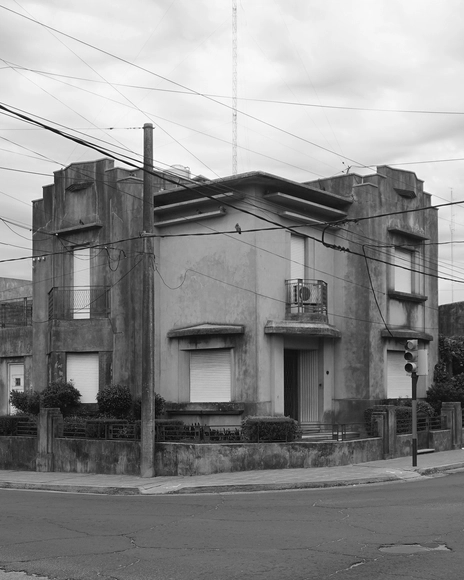
Alejo Martínez, one of the main builders of Argentine modernity, turned the city of Concordia into a reference of the South American modernist movement. His extensive work on houses, such as Casa Péndola Díaz from 1925, Casa Marcone from 1928, or Casa Camaño from 1930, "changed the typology of the 'chorizo' house to compact housing, where straight volumes stand out, staggered from each other, and with terraces".
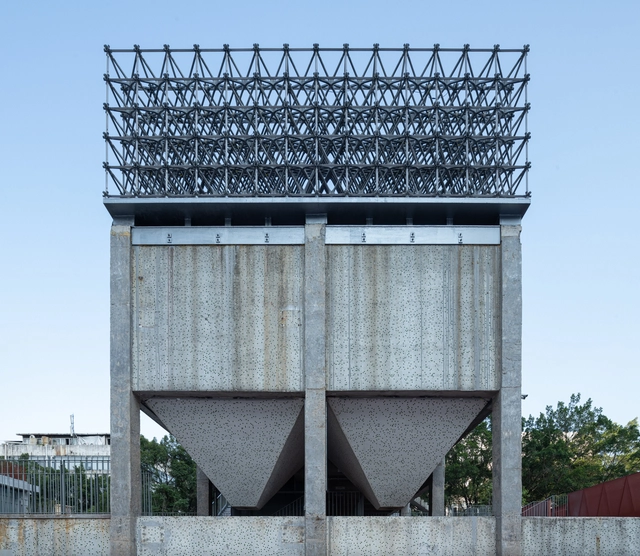
Curated by architecture and urban planning scholar Andong Lu, young architect Zigeng Wang and design curator Aric Chen, the 9th Bi-City Biennale of Urbanism\Architecture (Shenzhen) continues the principle of "the city is the exhibition site, the exhibition is the practice" as the primary exhibition of UABB came to Luohu district for the first time. It was located in GDH City · Jinpi Fang (Kingway Brewery Industrial Heritage) and the exhibition opened in December 2022 and ran until March 2023, with over two hundred events held during the three-month exhibition period.
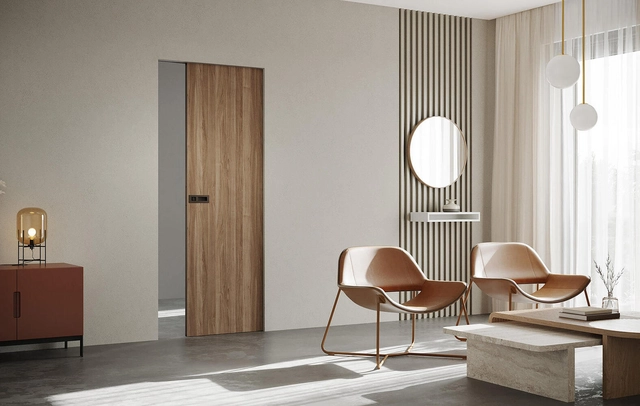
Sliding pocket doors save space and disappear within walls to create effortless connections between adjacent rooms. Image Courtesy of Ermetika
In an ideal world, doors could seamlessly disappear and reappear, creating connections and barriers when needed to provide the ultimate flexibility. Domestic interiors increasingly combine work and leisure, requiring both conviviality and solitude, and the same is true of workspaces, which increasingly feature adaptable ways to link different zones and activities. Tried and tested spatial concepts such as open plan or many small, cellular rooms are no longer sufficient as, on their own, they do not provide real flexibility and adaptability.
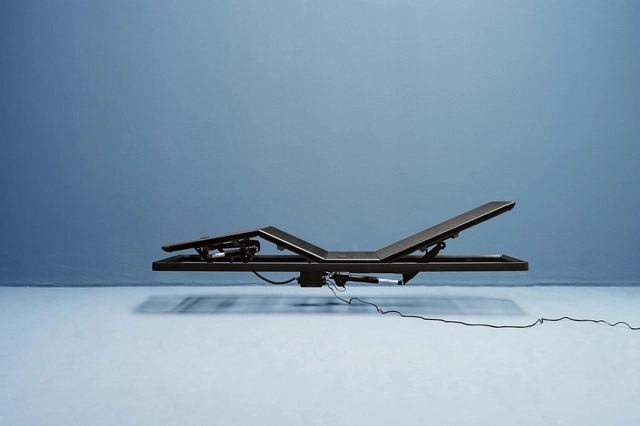
Smar base 2M. Image Courtesy of Koninklijke Auping
Have you ever woken up and asked yourself how many hours you actually slept? Nowadays, a variety of devices such as smartwatches or smart bands are available to track your sleep, recognizing certain patterns to interpret your circadian rhythm and boost rest quality.Besides measuring and improving sleep duration and quality, understanding current and future trends for beds (and their surroundings) can be an important strategy for architects and designers to create effective environments for sleeping and relaxing. Through the analysis of nine different typologies, the following article showcases what we expect for the beds of the future, driven by technological advances, sustainable operations and space organization strategies.
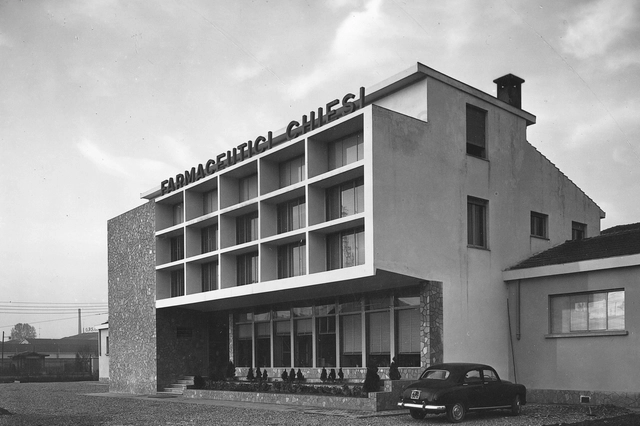
Chiesi Group, a pharmaceutical company that focuses on research-based innovation, has prioritized the health of patients across all age groups for over 85 years. Seeking the development of the next healthcare landmark for innovation, they launchedRestore to Impact, an international call for entries to redesign the historic industrial site in Via Palermo, Parma.
Open to two categories –Professionals and Under 30s– the competition aims to find innovative, evolutionary and transversal proposals that will be the basis for the guidelines of the future architectural building project. The winning proposals for the three eligible concepts for the professional category will receive € 12,000 each, while the Under 30 category will receive € 5,000 each.
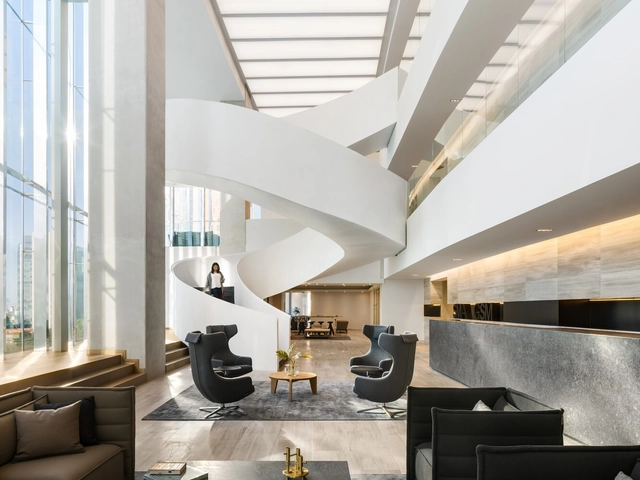
One of the most important elements in architecture are the vertical circulations that are translated into elevators or stairs, and although some offices decide to approach it in a discreet way, some others choose to pay specific attention to it and turn it into a sculptural piece. Helicoidal staircases are some of the favorites when it comes to focusing attention and in our collective conscience we keep some iconic examples, as is the case of the staircase in the O'Gorman House, this piece gave a certain character to the work and it is almost impossible to imagine it without it.
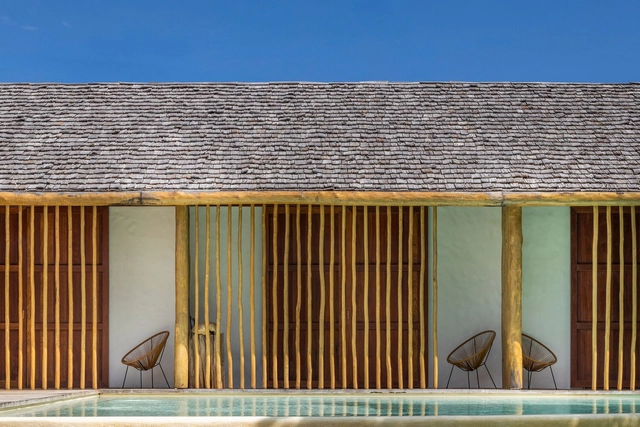
From ancestral constructions to the "concrete of the future", terms abound to describe timber. Present in the history and horizon of world architecture, the material demonstrates a sustainable possibility and is associated with the coziness and warmth that it provides in the spatial atmosphere. In Brazil, it is no different. Several contemporary works explore the qualities and benefits of its use, including structural bias.
When looking for inspiration for one’s home, the search for and observation of beauty in the surrounding world is often what fuels creative passion and gives rise to the desire to create something equally beautiful. It is essential, in these cases, to find designs that make homeowners feel at ease in their home environment, which is where Inkiostro Bianco comes in.
Housing is one of the primary aspects of the architecture profession. There are many ways to explore it, from a subordinate program such as a religious cloister to the splendor of a single-family home. Luis Fernández-Galiano is torn between the "waste" of a low-density area in this type of housing and its seductive formal charm. He reminds us that high-density collective housing, such as apartments, makes more sense in an urban context.
To think about how we inhabit is to think about architecture. If the primal need for shelter gave rise to the discipline, today, housing remains one of architects' most significant concerns. Providing comfort, seeking innovative materials, respecting memory, transforming culture - multiple layers intersect in a residence's design. Therefore, imagining the synthesis of the contemporary home is a great challenge. In search of new perspectives, we collaborated with Ulises Design Studio to understand how Artificial Intelligence (AI) perceives the contemporary home in the context of 15 different countries. Among data that touches on facts of reality and fiction, the pictures that emerge can bring inspiration and important reflections on spatial practice and the creation of its images.
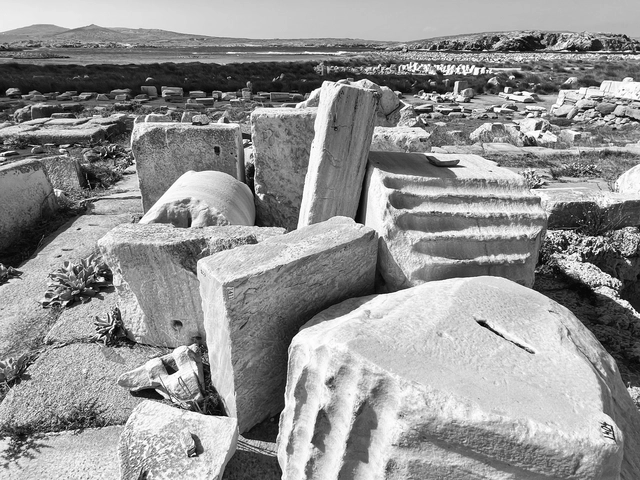
The link between architectural photography and archaeology in my work is rather personal. It has more to do with the experiences that can shape one's aesthetic vision, and less with a conscious underlying theoretical framework. A framework still exists of course, as does a particular mode of looking at structures and surface materiality that stems directly from the skill-set acquired through archaeological research.
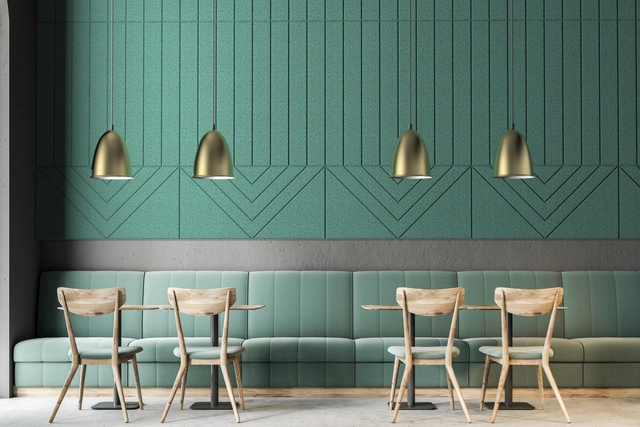
Acoustical comfort is a critical element of interior design that should never be neglected, especially in shared spaces such as restaurants, convention centers, museums, sports halls, and many others. Good acoustics can contribute to the occupants' well-being and productivity, while poor acoustics can lead to stress, fatigue, and even hearing damage. This can occur due to external noise, from various sound sources, or impacts (such as footsteps, jumping or moving furniture), but also due to the reflection of sound waves inside the environment, generating echoes and reverberations and reducing the intelligibility of speech in space.
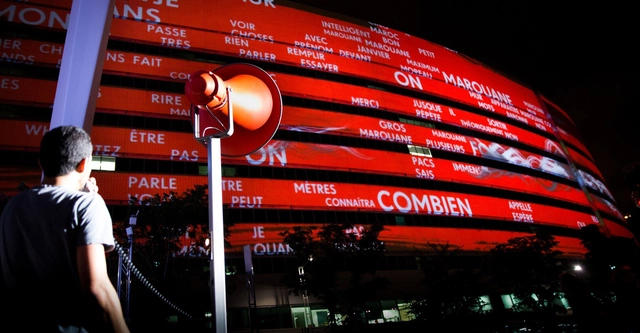
The Media Architecture Biennale 2023 (MAB23) takes place June 14-15 (online) and June 21-23 (in-person) in Toronto, Canada. The event, which features keynotes, roundtables, and awards, aims to offer a platform for communities of research and practice concerned with media and the built environment. MAB23 will bring together students, academics, and professionals from architecture, art, design, urban planning, media and communication, urban informatics, and public policy to share new ideas and shape this evolving field.
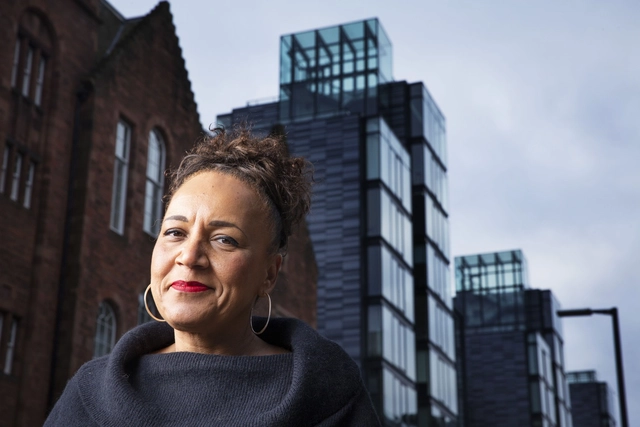
Founder and Director of the African Futures Institute (AFI) based in Accra, Ghana, Lesley Lokko, is a Ghanaian-Scottish architect, educator, and novelist. With a career that spans Johannesburg, London, Accra, and Edinburgh, she has held several teaching positions and is widely recognized in her field. Professor Lokko was appointed as the curator of the 18th International Architecture Exhibition, La Biennale di Venezia in December 2021, after serving as a jury member for the Golden Lions Awards for the previous edition of the Venice Biennale. In her first interview with ArchDaily, after she was appointed curator of the 2023 Architecture Biennale, Lesley Lokko shares insights about the preparations, the theme, and this 18th edition.
For many, schools and kindergartens represent the first contact with public architecture. They, together with every educational facility, serve as the foundation for learning and knowledge dissemination, playing an important role in shaping the formative years of children and young adults. In consequence, these buildings need to respond to the needs of different age groups, while creating functional and flexible spaces for learning, but also for play and unstructured interaction. Light and ventilation needs contribute to the complexity of these architectural programs. However, designing educational facilities presents opportunities for innovation and creative expression, as they are required to adapt continuously to the changing needs of students and faculty while creating a conductive environment for learning.
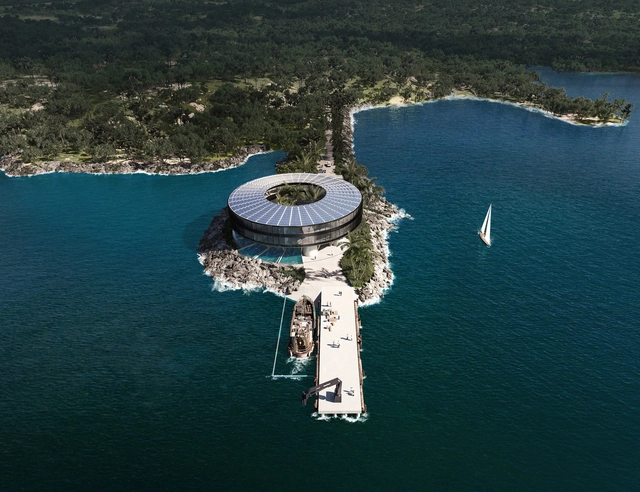
This week’s curated selection of Best Unbuilt Architecture highlights designs submitted by the ArchDaily community dedicated to cultural institutions. From a learning center created to offer the girls in Mozambique an equal opportunity to learn, play and connect, to a naval station redesigned as a research center on the coast of Puerto Rico, this selection features projects created to encourage learning, curiosity, and the exchange of knowledge and expertise. The article includes designs from both established and emerging architectural practices, including Moore Ruble Yudell, C+S ARCHITECTS led by Carlo Cappai and Maria Alessandra Segantini, Hello Wood, and snkh studio.
Impressionist artists used the effect of "Optical Mixing" to create the illusion of color. By using short, separate brushstrokes of pure tones directly onto the canvas, the colors visually blended together as the observers moved away from the painting. For example, when painting a body of water, Claude Monet might have applied strokes of pure blue to represent the shadow areas and strokes of yellow to represent the light areas, which created the illusion of a green color, even though the painter had not actually added that particular hue to the canvas. In other words, each brushstroke has its own specific role in a painting, but also works for the whole image that is being created, through a careful choice of the elements present in the artist's palette.
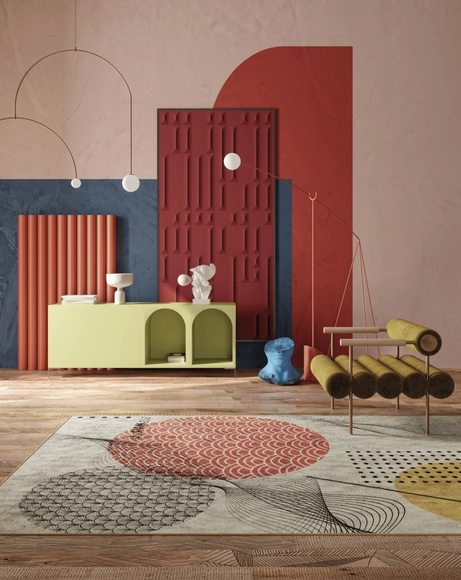
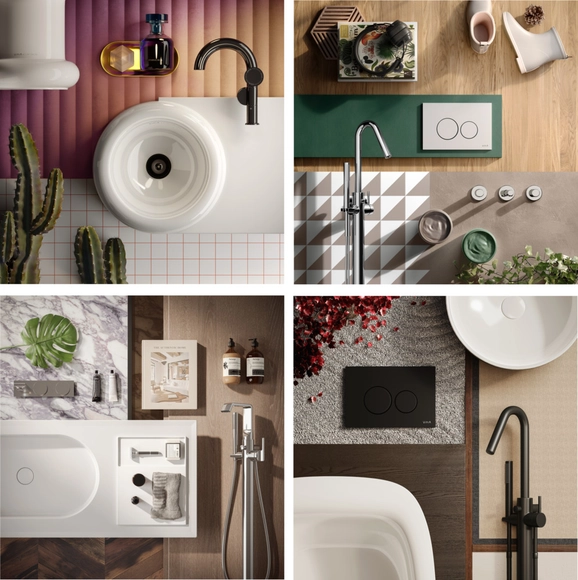
Something similar happens with moodboards for spaces. Like a painter's palette, they are valuable tools for interior designers in the process of creating inspiring and functional spaces, allowing them to combine dissonant and unusual elements in favor of a harmonious whole. As a collage of visual elements, colors, typography, images, and words, carefully selected to represent the overall "mood" of the design, they assist in interior design decisions: materials and colors, coordination of design elements, exploration of concepts, and communication with the client, while also inspiring and directing the designer's creativity.
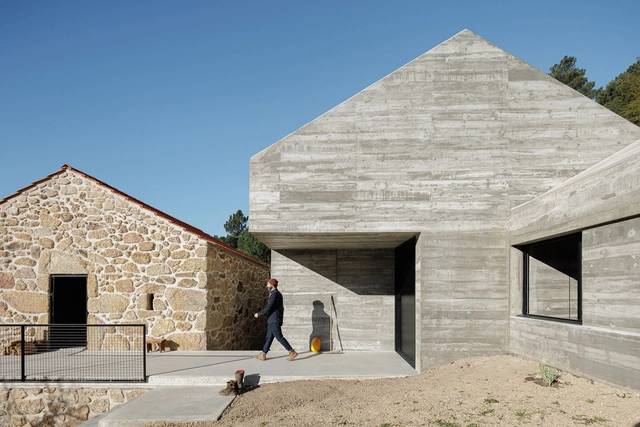
Contemporary architecture in Portugal is a blend of traditional and modern elements that reflect the country's rich cultural and historical heritage. In addition, it reflects global trends and influences in the discipline. From the aesthetics, functionality, and preservation of stone houses to the richness of Portuguese tiles, projects in this small country serve as a reference for many other cultures because of their careful design and precise action.
One of Paulo Mendes da Rocha's main design gestures in the Pinacoteca renovation project was to create a new longitudinal axis for circulation, moving its entrance to the south face of the building. Metallic walkways, which cross internal courtyards covered by skylights, enable new dynamics of circulation between the rooms, transforming a neoclassical building into a museum with a contemporary program.
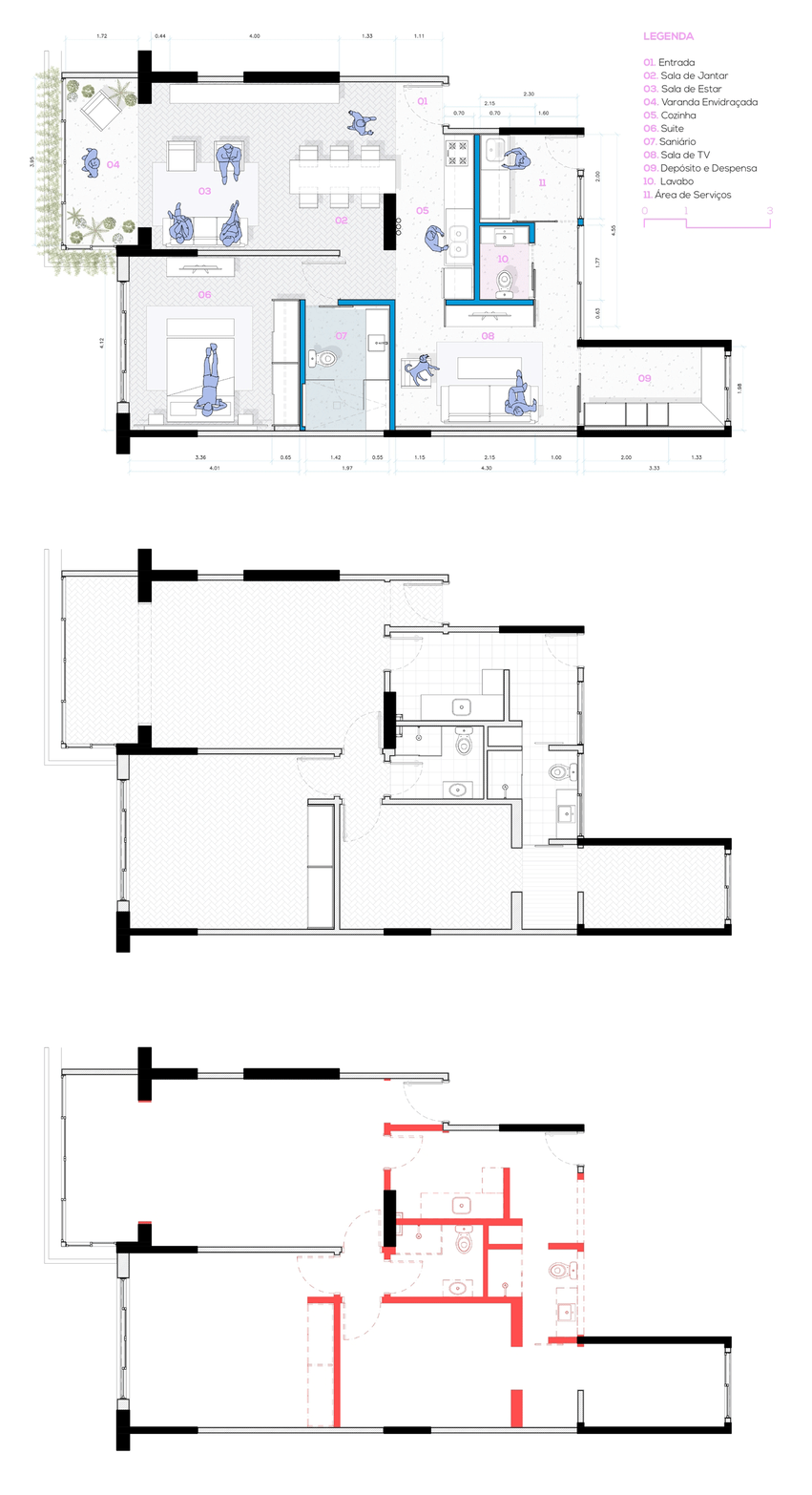
The ability to completely renovate a space by demolishing parts, making additions, altering functionality, and improving ambience is one of the most admired functions of the architect. In housing, this significance is even more apparent, since adapting housing to contemporary demands, through a well-thought-out plan, can drastically improve the quality of life of the occupants.
Throughout history, the functional essence of bathrooms has remained unchanged due to their design being shaped by biological parameters. Initially, the function of bathrooms was solely related to hygiene and waste management, resulting in the conception of bathrooms as unhealthy and merely utilitarian spaces. This led to their separation from the rest of the spaces designated for coexistence.
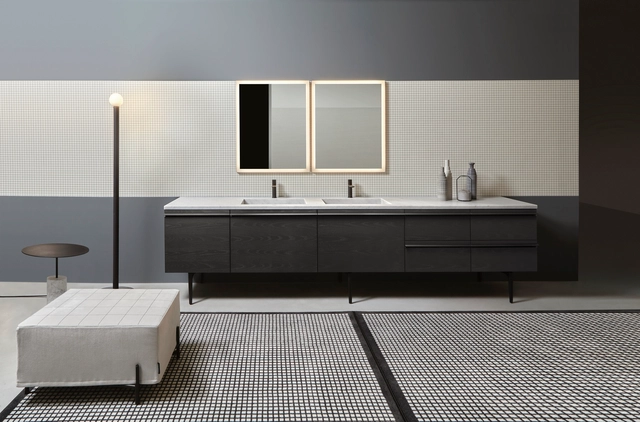
However, the implementation of water supply systems and general drainage networks has vindicated the role of bathrooms in living spaces. They have acquired a primordial role in design proposals for interior design and reflect the user's personality through the combination of colors, coverings, accessories and decorative elements. In the evolution of bathroom design, proposals that stand out for their formal cleanliness, multiple nuances, subtle coexistence of elements, and customization possibilities have emerged. Brands like antoniolupi have developed bathroom furnishings that integrate these proposals and take the limits of design much further by collaborating with renowned architects and designers like Paolo Ulian, Brian Sironi, Luca Galofaro, and Mario Ferrarini, just to mention a few. Continuing with this series of collaborations, Carlo Colombo was in charge of developing Borderline.
https://www.archdaily.com/998711/pushing-the-limits-of-bathroom-furnishing-through-tailor-made-designEnrique Tovar
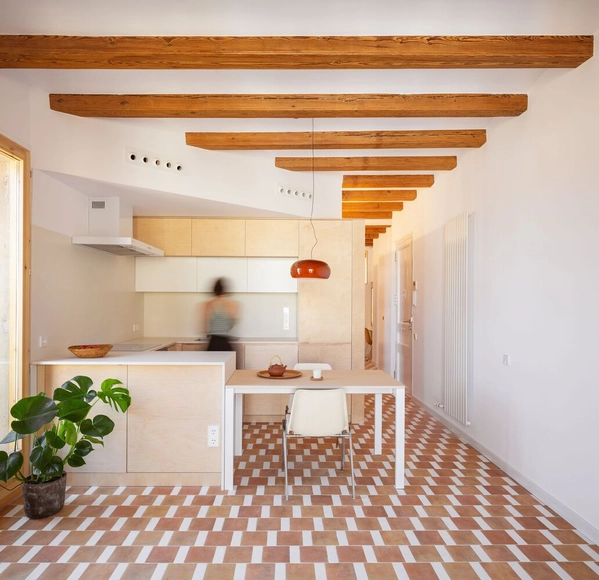
In Spain, the implementation of integrated kitchens in homes has become increasingly common in contemporary architecture. Although there are various configurations and designs that are applied according to the customs and cultures of societies, as we saw in Argentina or Uruguay, the essence of conceiving the kitchen space as a hub of activities and a gathering space among its inhabitants and visitors is a common factor. This has led architects to try to find innovative ways, technologies, or materials that achieve an aesthetic and harmony capable of providing functionality, spaciousness, and flexibility to homes.
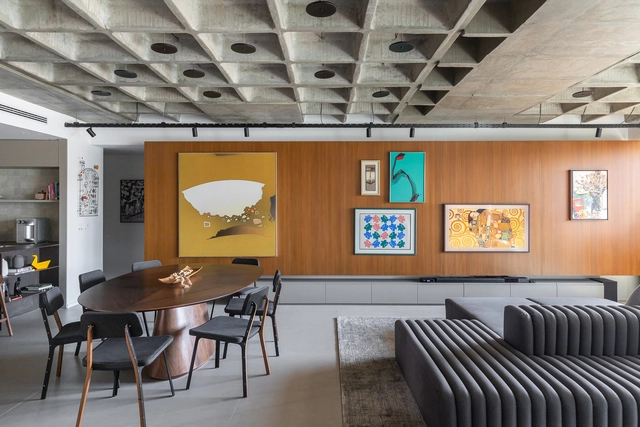
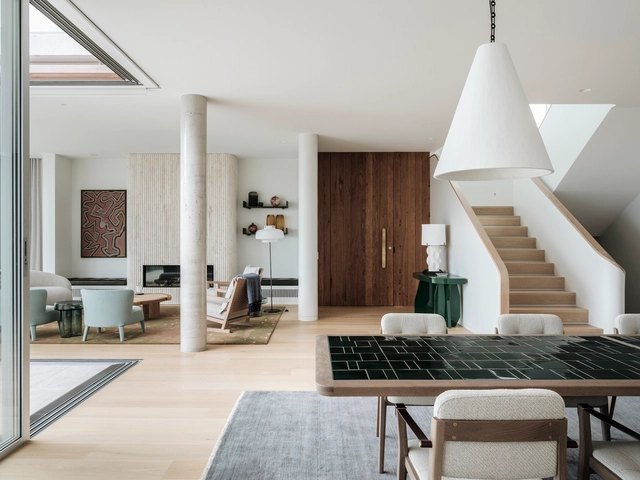
When it comes to forward-thinking interior design, adaptability, and timelessness are two key factors that can guarantee a home will look just as current years from now as it does today. One interior style that makes use of them more than any other is: contemporary. By borrowing elements from several prominent styles and combining them into a harmonic whole, contemporary interiors stay current even as trends move on. But what are the components that remain constant even with this ever-changing fashion? We explore seven evergreen design elements that define contemporary interiors.
As the industry shifts towards a more sustainable model for construction, transparency becomes increasingly important. With a growing emphasis on building greener, architects, planners and other professionals want to make sure that the materials they are using have a minimal impact on the planet. Environmental Product Declarations (EPDs) are an important tool to accurately measure that impact.
In January, Holcim Germany became the first company in Europe to publish EPDs for its entire cement portfolio. It is also the first German company to provide its customers with product-specific ready-mix concrete EPDs.