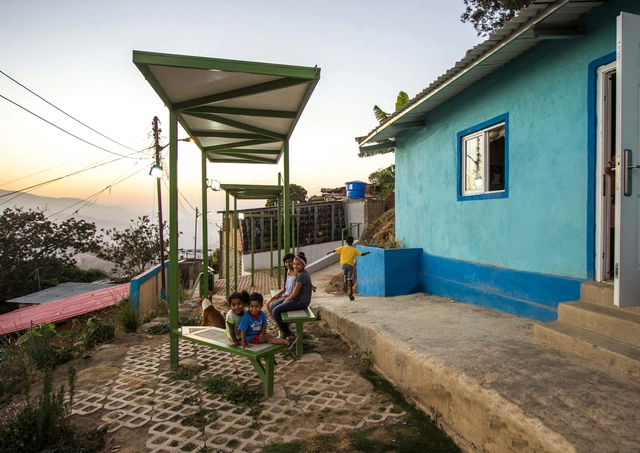
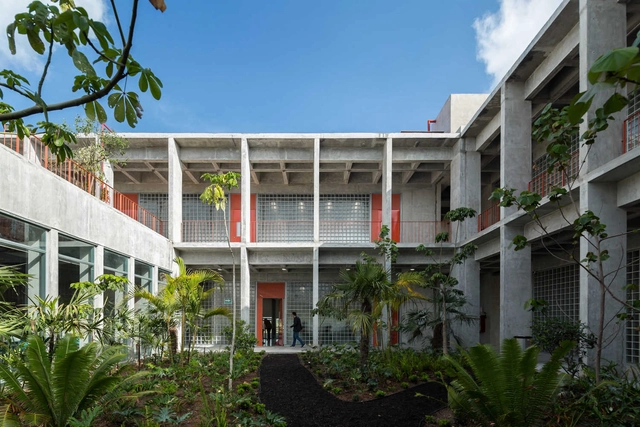
Plaza Estacional, Caracas. Gabriel Visconti Stopello AGA estudio. Fotografía: José Bastidas.. Image Cortesía de Jeannette Sordi
Throughout the world's cities, in the midst of current and projected crises-- environmental, health, economic, and otherwise--one question looms: How can we prepare our urban centers' most vulnerable sectors?
Current data paints a bleak picture of cities and the impact of climate change. With urban populations skyrocketing as people around the globe seek opportunities for a better life in the world's urban centers, cities have become gluttons for energy and other resources while simultaneously producing more emissions than ever before. On top of this, 3 out of 5 cities are at high risk for natural disasters.
Products with natural germ-repelling properties—like certain woods and copper—and those with textures that help avoid bacterial growth will be common materiality considerations for commercial interiors specification following the COVID-19 pandemic.. Image Courtesy of Marin Architects
In this week's reprint from Metropolis, Amanda Schneider, president of ThinkLab, the research division of SANDOW, explores how "designers can help create healthy, safe interiors with thoughtful surface and filtration selections". Asking how we can have sanitized surfaces, without having to deep clean them regularly, the author discusses the materiality of healthy safe interiors.
HANNAH office, founded by Leslie Lok and Sasa Zivkovic, is a US-based architecture and research practice that has been experimenting with digital design and fabrication techniques across all types of projects ranging from furniture to urbanism. Both professors at Cornell University College of Architecture, Art, and Planning, Leslie and Sasa lead a studio with a focus on innovative design, where technology plays a crucial role in their work, combined with a sharp study of materials, new applications, and construction techniques, resulting in highly creative projects.
Curved shapes have always sparked architects' fascination for evoking nature's beauty, fluidity, dynamism, and complexity. To replicate these shapes, however, is no easy task. From their two- or three-dimensional representation to their execution in their final materials, this represents an enormous difficulty, which requires technical expertise and a great amount of knowledge to achieve strong results. Thinking of new ways to produce organic shapes from natural materials is even more complicated.
In addition to this, working with a natural material such as wood carries its own set of peculiarities. Factors such as the species of wood, where the tree grew, what climate it faced, when it was cut, how it was sliced or dried, among many other variables, largely influence the final result. But it's hard for other materials to compare to the beauty and warmth that wooden surfaces bring to the built environment. If the appropriate processes are used, wood can be curved and remain in the desired shape - and for this, there is a number of known techniques which Australian company, Sculptform, has perfected.
If we ever wonder what the future could look like, all we have to do is take a look into our past, and observe how far we have come since thousands, a hundred, or even ten years ago. Life was radically different back then and it will be just as different in the future. And since we are well aware that the future merely resembles the present, we have the possibility to shape our future the way we want to. TASCHEN's latest BIG book installment Formgiving. An Architectural Future History explores the past, present, and future, drawing a timeline of the built environment from taking shape to giving form.
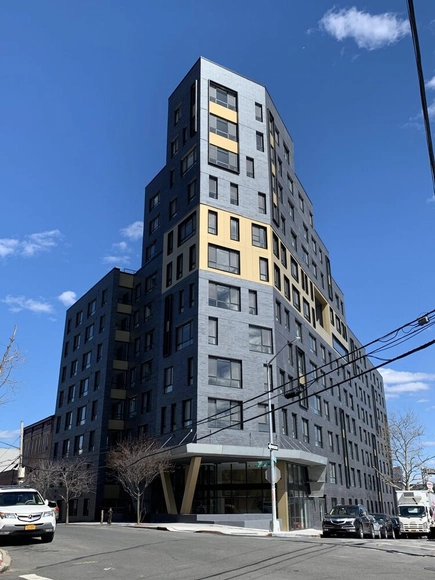
Rooftop water tanks are a familiar part of the New York City skyline, persisting through generations of the city's rapid growth. Yet despite their nostalgic affect and somehow endearing states of relative decay, their decrepit outward appearances may belie their water's quality. In 2014, it was found that many of these weathered containers had actually built up layers of grime and that some even contained E. coli. In 2019, the city finally passed legislation mandating annual inspection reports for all drinking water tanks, though these changes are still nascent.
https://www.archdaily.com/964000/new-affordable-living-in-the-bronx-chooses-a-luxury-hot-water-systemLilly Cao
Videos
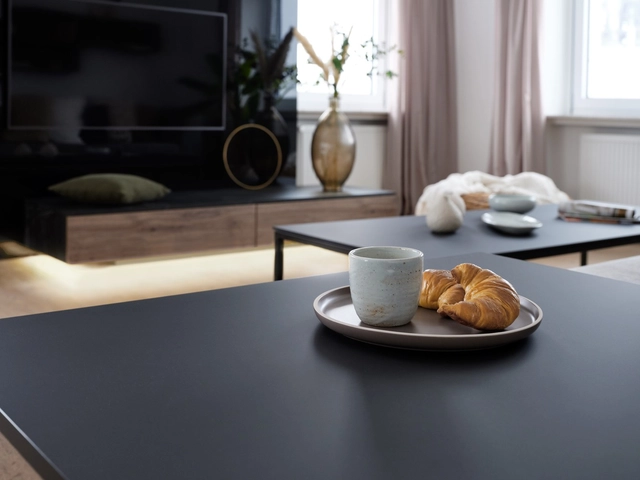
Thanks to the improved surface properties, PerfectSense Premium Matt Lacquered Boards can now be used for horizontal surfaces. Image Courtesy of EGGER Holzwerkstoffe
Wood-based materials manufacturer EGGER continues to develop and improve its matt and high-gloss PerfectSense Lacquered Board - a range of surfaces that has been on the market for five years and that provides high-quality visual and haptic properties.
Aguascalientes is a small state in the heart of Mexico, located 480 km northeast of Mexico City and nestled between the states of Zacatecas and Jalisco. With just 5618 km² of territory, it is Mexico's third smallest state. It's capital and most populated city is Aguascalientes, or "hot waters" in English, is named for the numerous hot springs found throughout the area.
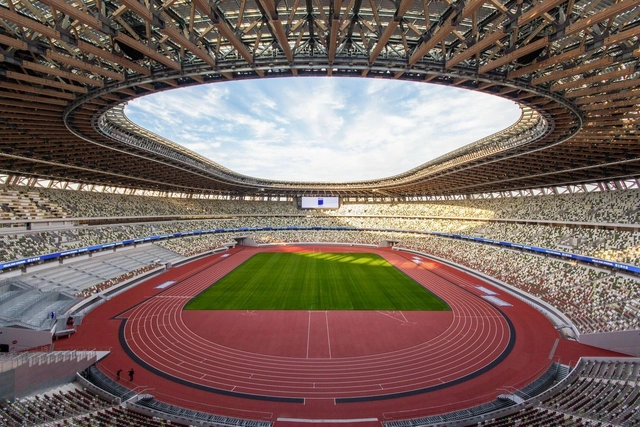
Since their inception in 1896, modern-day Olympics have been regarded by hosting cities as an opportunity to project to the world a specific image of themselves, to subsidize large infrastructure projects, or to rapidly unfold redevelopment schemes. Past the frequently discussed eye-catching stadiums, there is a complex story of Olympic urbanism, which encompasses the large scale developments catalyzed by the event. Exploring the urban and architectural legacy of the Games, the success stories, the white elephants, and the administrative agendas, the following discusses what the Olympics leave behind in the hosting cities.
"Deck parks are increasingly in vogue in the Southwest’s downtown cores but aren’t a good fit for El Paso," writes Sito Negron. Recently a lot of cities around the world have been rethinking urban spaces dedicated to transportation, introducing public areas over highways while expanding the vehicular realm. In this week's reprint from the Architect's Newspaper, the author explores the limits of this trend and questions its implementation in some cases.
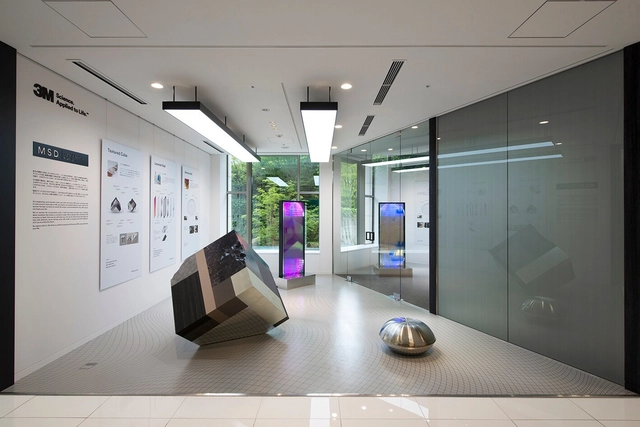
3M™ Sun Control Window Films Prestige Series balance light transmission and heat rejection, helping to save energy and carbon emissions. Image Courtesy of 3M
The 3M™ Sun Control Window Films Prestige Series from 3M protects against solar radiation, making buildings not only more environmentally friendly but bringing economical benefits, too.
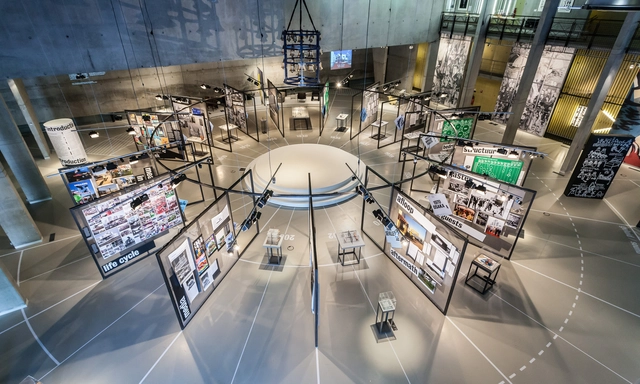
Among the most renowned and well-established offices in the world, OMA - Office for Metropolitan Architecture, founded in the 1970s by Rem Koolhaas, Elia Zenghelis, Madelon Vriesendorp, and Zoe Zenghelis, is definitely part of the pantheon of the most famous. Curiously, although it receives large commissions and has already built several emblematic works in different countries, the office is often associated with an approach that is less focused on architectural design, going beyond the strict limits of the disciplinary field and encompassing other areas of practice.
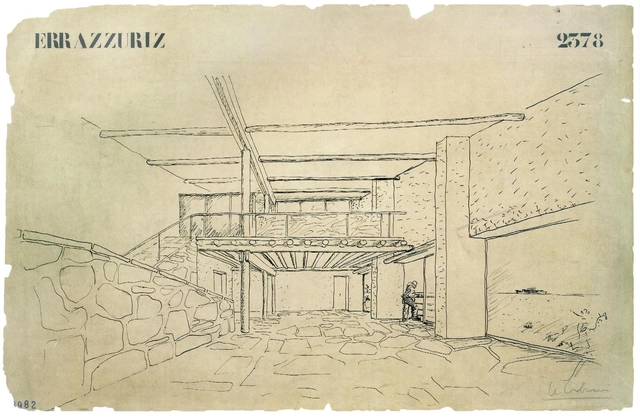
Sometimes architecture’s most influential designs remain unbuilt. Their mark on the world is larger than the physical footprint of the building despite it never breaking ground. This is the case for the Errazuriz House designed in 1930 by Le Corbusier for a Chilean diplomat to Argentina. The house was intended for the mountains of Zapallar Chile overlooking the Pacific Ocean. Its primary design feature, the uneven butterfly roof, was intended to reference the peaks and ridges of its surrounding terrain. This is the first instance of a butterfly roof, which would become a staple of post-war houses in California, built by the thousands. This video explores the Errazuriz house, its history, its design, and takes us on a virtual walkthrough of its digital reconstruction.
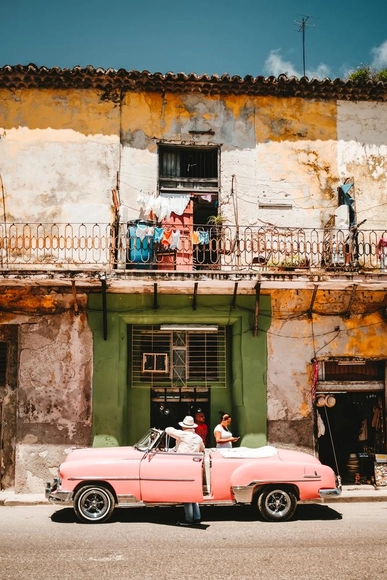
The average age of a home in Cuba is just over 75 years old, and three of them collapse every day.Cuba’s housing crisis is perhaps one of the most unique examples of urban inequity in the world. While the island nation’s extensive history of waves of foreign influence has largely shaped their government, and in turn their public policies and urban planning strategies, they yet have been able to stabilize their long-standing housing crisis- forcing thousands of Cubans to live in derelict homes or public shelters. Now, many questions are being raised about how they will build new housing, repair the existing structures, and revise laws that allow Cubans to have more autonomy in the homeownership process.
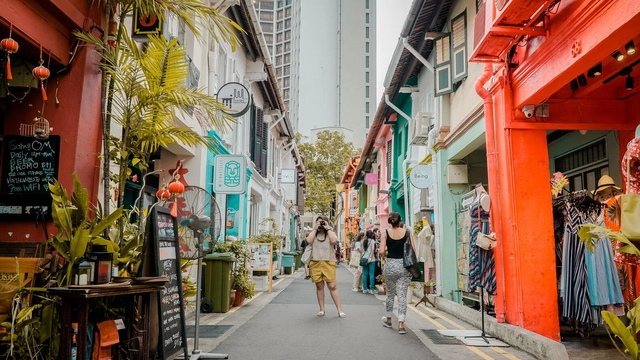
Haji Lane, Singapore. Photograph by Bna Ignacio, via Unsplash
Time Out, an online platform for urban culture that looks for the most vibrant locations around the globe, has recently ranked the 30 coolest streets in the world. The website, which usually focuses on cities as a whole, having already ranked the coolest neighborhoods, is now taking a more local approach due to the Covid-19 pandemic.
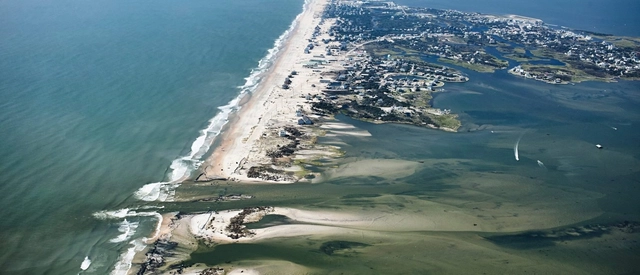
In this week's reprint, Martin C. Pedersen talks with John Englander, author of Moving to Higher Ground: Rising Sea Level and the Path Forward, about the “unstoppable” sea-level rise. The article explores the importance of planning for this challenge right away. In fact, "we have some time, but not all the time in the world" states John Englander.
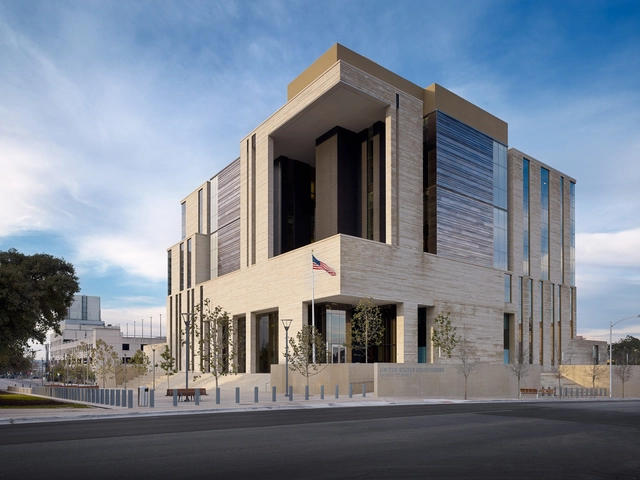
The Southwest United States is known for civic and monumental designs. These projects establish iconic, contemporary expressions that move beyond vernacular traditions. Located on sites throughout Texas, New Mexico, and Arizona, they are designed with modern aesthetics and new ideas. Novel spatial experiences and formal approaches are being explored by both local and international architects. Standing in contrast to the intimate, discreet spaces found within southwest residential architecture, these buildings are prominent landmarks and nodes within their respective cities.
Caius Sergius Orata is credited, by Vitruvius, with inventing the hypocaust. The word, from the Latin hypocaustum, in a literal translation, means access from below. The hypocaust is a raised floor system on ceramic piles where, at one end, a furnace—where firewood is burned uninterruptedly—provides heat to the underground space, which rises through walls constructed of perforated bricks. Hypocausts heated, through the floor, some of the most opulent buildings of the Roman Empire (including some residences) and, above all, the famous Public Baths.
With a similar function, but in the East, there existed the ondol. It is estimated that it was developed during the Three Kingdoms of Korea (57 BC-668 AD), but researchers point out that the solution was used long before that. The system also manipulated the flow of smoke from agungi (rudimentary wood stoves), rather than trying to use fire as a direct heat source like most heating systems. It even caught the attention of Frank Lloyd Wright, as pointed out in this article, who adapted the system to use it in heating homes in the United States and in his important Imperial Hotel in Tokyo. How do radiant floor heating systems currently work?



.jpg?1625518957&format=webp&width=640&height=580)
.jpg?1625519477 "© Andy Chen")
.jpg?1625519474 "© Andy Chen")
.jpg?1625518958 "© Andy Chen")
.jpg?1625519242 "Courtesy of HANNAH")
.jpg?1625518957)






.jpg?1623351121 "Leona House/ Colectivo Arrabal. Image © Paulina Ojeda")




_OMA.jpg?1558539068 "Knoll Celebrates Bauhaus. © OMA / Photography by Fred Ernst")