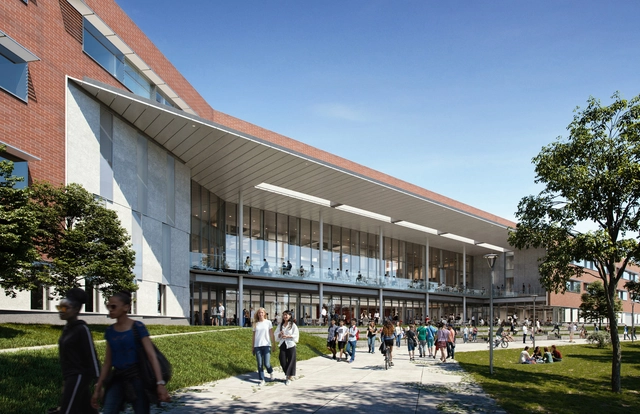
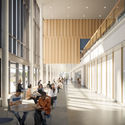
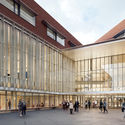
Architecture firm Perkins+Will have broken ground on a new middle and high school sited in the Belmont suburb of Boston. The 445,100 SF project is conceived as a flexible and agile environment for learning that's made to prepare students for jobs in future industries. Emphasizing hands-on learning, the project co-locates students on one campus while encouraging multi-age learning.
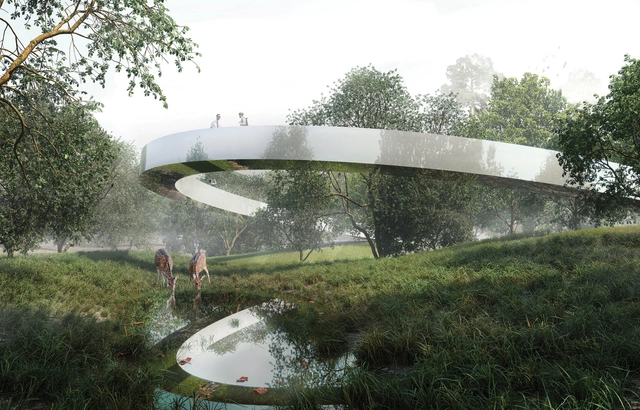
Emmi Keskisarja & Janne Teräsvirta Arkkitehtitoimisto & Company Architects have designed a futuristic green vision for an island in Finland. Titled “Emerald Envisioning for Luonnonmaa 2070,” the scheme is set on Luonnonmaa island on the Finnish West archipelago coast, close to the city of Turku. The vision for the island is one where climate change and biodiversity decline are combated through a reimagination of the urban connection with nature.
MAD Architects, led by Ma Yansong, has released details of their design for Terminal 3 at Harbin Taiping International Airport in Northern China. Referencing the gentle slopes of the surrounding landscape, and the region’s immense snow and ice, MAD’s scheme creates an architectural poetry that settles into its locale in the spirit of a snowflake falling to earth, while simultaneously expressing the surreal, interstellar space of future air travel.
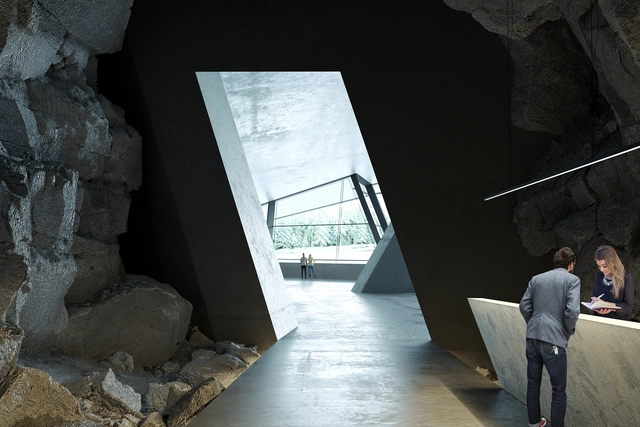
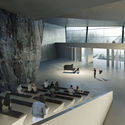
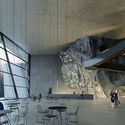
Design practice Ad Hoc Architecture has created a new proposal for a hotel inside Volsovskaya cave in rural Russia. Dubbed the Vels Hotel, the project is located on the banks of the Vishera River and adjacent to the River Wels. The hotel emerges from the cave and terraces down to the water. Intimately linked to the landscape, the design was made to be a synthesis of the Ural mountains, cultural history and modern architecture.
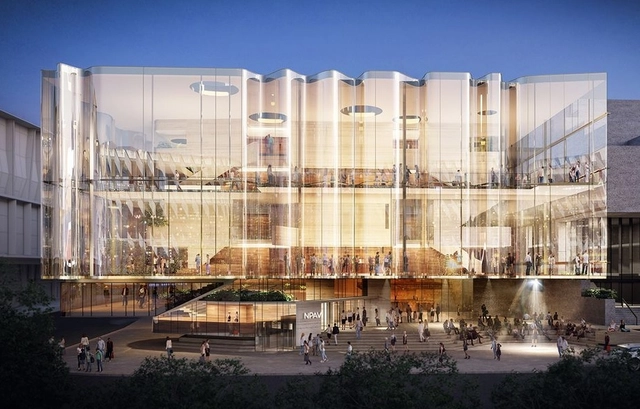
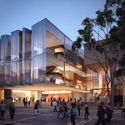
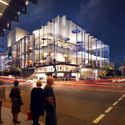
Design practices Snøhetta and Blight Rayner Architecture have been selected to design a new theater for what will become Australia's largest performing arts center in Brisbane. Beating out 23 other teams, the winning proposal for the Queensland Performing Arts Center features a $150 million theater, the fifth for the center. The concept aims to bring a new image to the Gibson precinct while respecting the site's history and context.
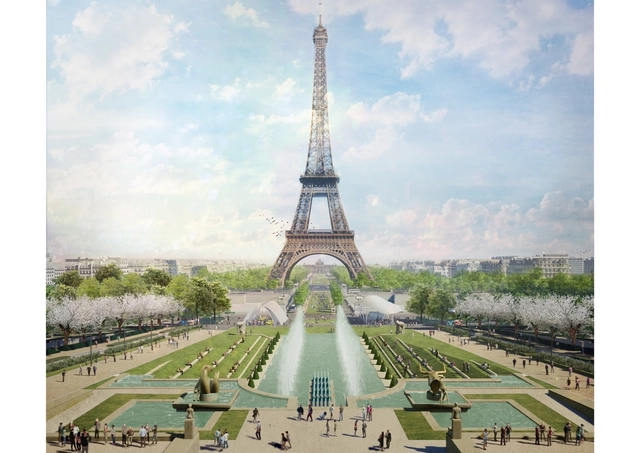
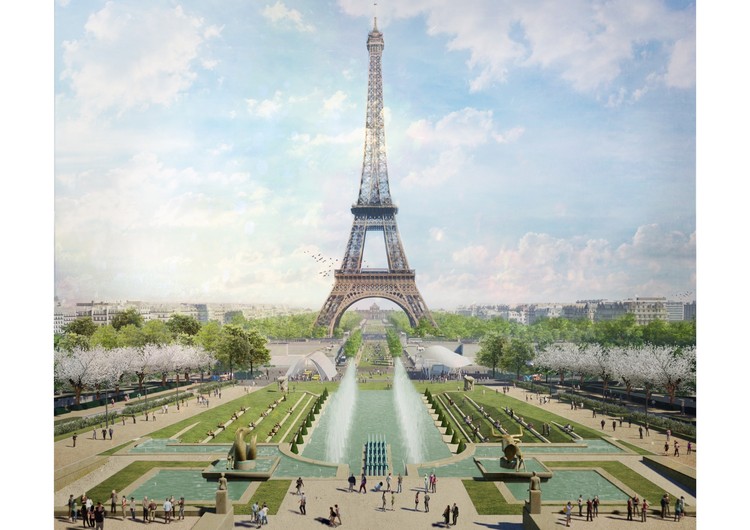
Gustafson Porter + Bowman have been selected to reimagine the landscape of the Eiffel Tower, seeing off tough competition from three other finalists and 42 entries. Titled OnE, the scheme is founded on a unifying axis: celebrating the Eiffel Tower at the center of a line that connects the Place du Trocadéro, the Palais de Chaillot, the Pont d’Iéna, the Champ de Mars and the Ecole Militaire.
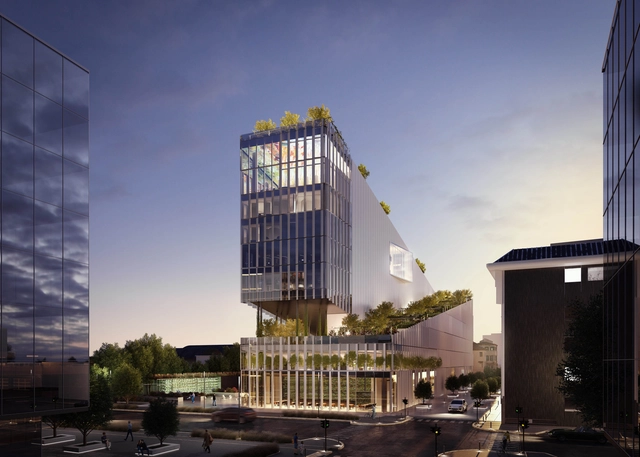
Carlo Ratti Associati has won an international competition for Reinventing Cities, with the design of a new research center placed under a 200-meter-long (650-foot-long) vineyard. Situated close to Milan’s Fondazione Prada, the VITAE project will connect the street level to the roof via a seamless footpath, and will contain a new office building and center for scientific research.
https://www.archdaily.com/917726/carlo-ratti-places-650-foot-long-urban-vineyard-in-central-milanNiall Patrick Walsh
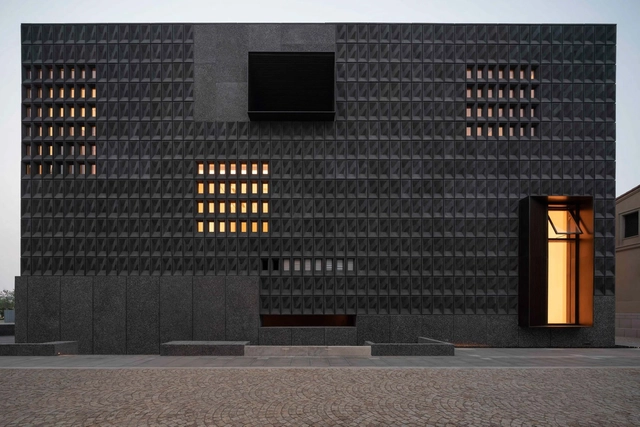
The Aranya Art Center in Qinhuangdao, China has been completed, designed by Neri&Hu. Situated in a seaside environment, the scheme was designed to evoke notions of space for art versus communal space. Despite the straightforward brief for the art center, the scheme reaches further to become a communal space for residents in the deeply spiritual community.
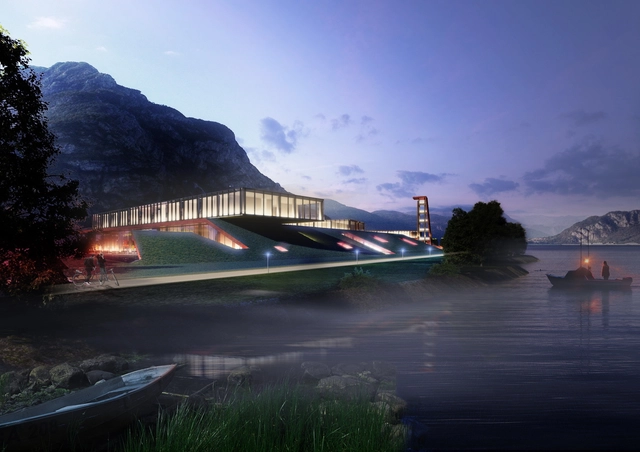
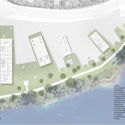
Design studio 3GATTI has created a new proposal for a contemporary fire station along Lecco Lake in Italy. Inspired by the concept of green flames and red blazes, the symbol of the Italian Fire Brigade, the team aimed to integrate the new headquarters of the Lecco Fire Department inside the landscape of the Lecco Lake. The project creates an iconic green landmark with a signature façade created by a tower and green slabs.
After 2 weeks of voting in our second edition of the Refurbishment in Architecture Awards, our readers have narrowed down over 700 projects to 16 finalists, representing the best architectural refurbishment projects published on ArchDaily. With finalists from four continents, this award developed in partnership with MINI Clubman clearly demonstrates the global importance of refurbishment architecture as a method of achieving sustainable development and flexible, living cities.
Now that the finalists have been selected, the second stage of the Award is now underway to narrow down these 16 projects to just three winners. Read on and use the links below to cast your vote for the overall winner, or visit the award website here.
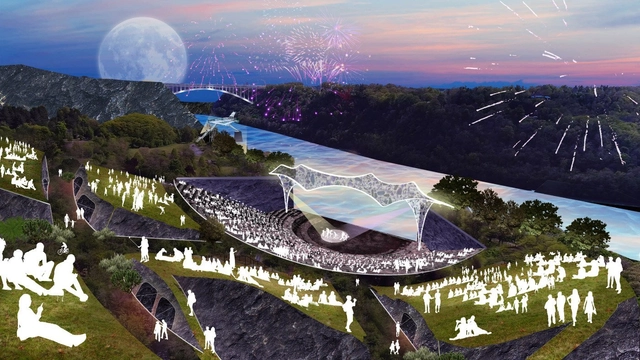
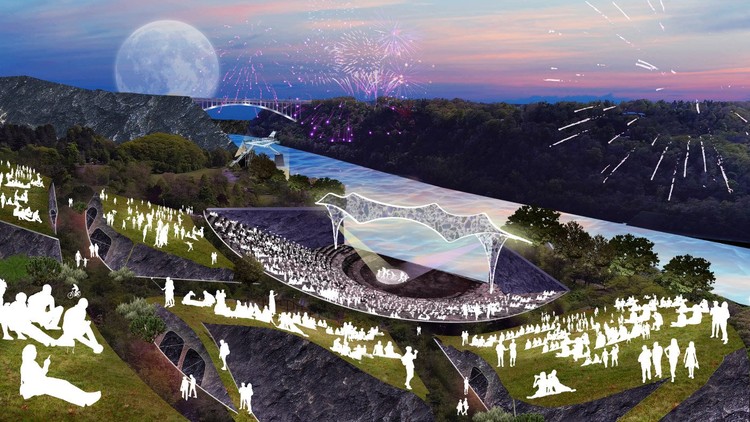
Design practices SO-IL and West 8 have won a competition to redesign a 37-acre cultural hub along New York's Niagara Gorge. The project will include a renovated main stage and an outdoor ampitheatre, as well as a series of pathways, galleries and viewing stations integrated into the canyon. The teams are tasked with the development of a strategy to revitalize the Artpark grounds, while improving connectivity, facilities and programs.
Around the world campaigners, cities, and governments are declaring a state of emergency in response to accelerating global warming. Meanwhile systemic inequality continues to entrench deep divides between those who have far too little, and those who have far too much. In this unprecedented moment, an urgent question is cast into relief: how should architecture respond to a time of climate emergency and social division?
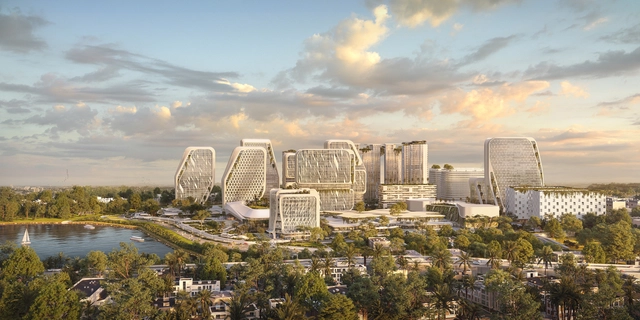
UNStudio has unveiled its design for Bangalore’s Karle Town Center Masterplan, a new innovation and tech campus for India. Situated in an area earmarked as the Silicon Valley of India, UNStudio’s scheme will also contain sensorial technologies designed by its tech company UNSense, collaborating with Karle Infra.
Media channel the slowdown has released the latest episode in their Time Sensitive podcast series, featuring an interview by Andrew Zuckerman with BIG founder Bjarke Ingels. The episode, titled “Bjarke Ingels to Cities: Take a Longer View,” sees Ingels communicate the value and world-changing potential of architecture, and reflect on his own career.
https://www.archdaily.com/917626/bjarke-ingels-appears-on-podcast-to-discuss-his-past-present-and-futureNiall Patrick Walsh
Non Architecture Competitions has launched the latest in their three-year-long run of competitions, titled the “GoT Architecture 21st Century” competition. Starting from June 1st, participants in the competition will have two months to represent, in one image, an iconic Game of Thrones fortress or palace. They will be challenged to imagine how the building selected would look in a 21st-century context.
https://www.archdaily.com/917540/non-architecture-launches-a-game-of-thrones-design-competitionNiall Patrick Walsh
One month on from the devastating fire at Notre-Dame Cathedral in Paris, the architectural community as generated a bounty of responses focusing on the future of the landmark. While some have taken the opportunity to re-imagine the purpose of the monument, from urban farming to recreational parkland, others have focused on sensitive restoration.
https://www.archdaily.com/917531/4-visions-for-notre-dame-cathedralNiall Patrick Walsh
47 London buildings have been awarded 2019 Royal Institute of British Architects (RIBA) Regional Awards. Each year, RIBA Regional Award-winning buildings set the standard for skilful, accomplished architecture across the UK. All winning buildings are now in the running for RIBA National Awards, which will be announced on June 27, 2019.




































.jpg?1558439430&format=webp&width=640&height=580)
.jpg?1558373883&format=webp&width=640&height=580)