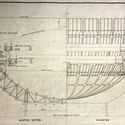
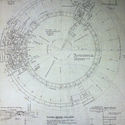
With the onset of the Great Depression in the 1930s, the great World’s Fairs that had been held around the globe since the Crystal Palace Exhibition of 1851 lost much of their momentum. With the specter of another global conflict looming like a stormcloud on the horizon in the latter half of the decade, prospects for the future only grew darker. It was in this air of uncertainty and fear that the gleaming white Trylon and Perisphere of the 1939 New York World’s Fair made their debuts, the centerpiece of an exhibition that presented a vision of hope for things to come.
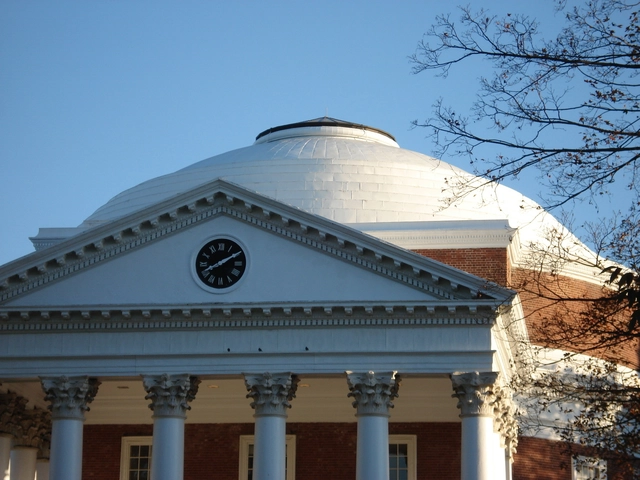
The end of the War of 1812 left the young United States of America awash with nationalist fervor. In the following years, the world’s first modern republic experienced unprecedented growth and prosperity; it was not without reason that the period came to be known as the “Era of Good Feelings.”[1] It was into this epoch of unbridled national pride that Thomas Jefferson, one of the country’s founding fathers and its third President, introduced his master plan for the University of Virginia: an architectural manifestation of the Enlightenment and republican ideals he had helped cultivate.
The opening of the Century 21 Exposition on April 21, 1962 transformed the image of Seattle and the American Northwest in the eyes of the world. The region, which had been known until that point more for its natural resources than as a cultural capital, established a new reputation as a center of emergent technologies and aerospace design. This new identity was embodied by the centerpiece of the exposition: the Space Needle, a slender assemblage of steel and reinforced concrete which became—and remains—Seattle’s most iconic landmark.[1]
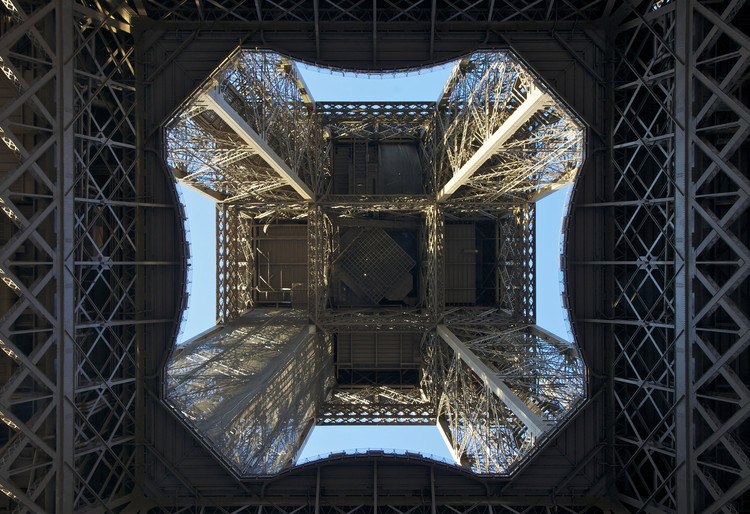
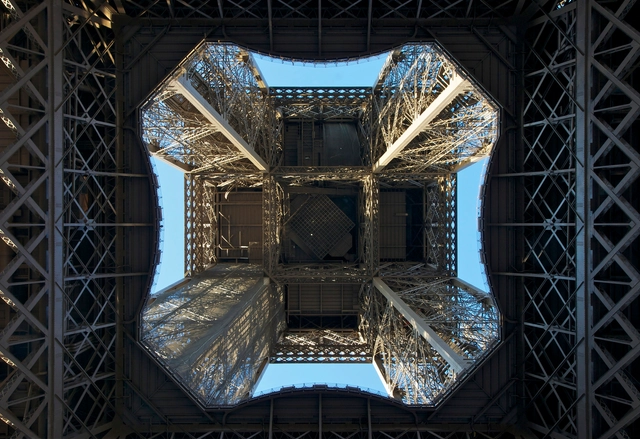
The world had never seen anything like the graceful iron form that rose from Paris’ Champ de Mars in the late 1880s. The “Eiffel Tower,” built as a temporary installation for the Exposition Universelle de 1889, became an immediate sensation for its unprecedented appearance and extraordinary height. It has long outlasted its intended lifespan and become not only one of Paris’ most popular landmarks, but one of the most recognizable structures in human history.
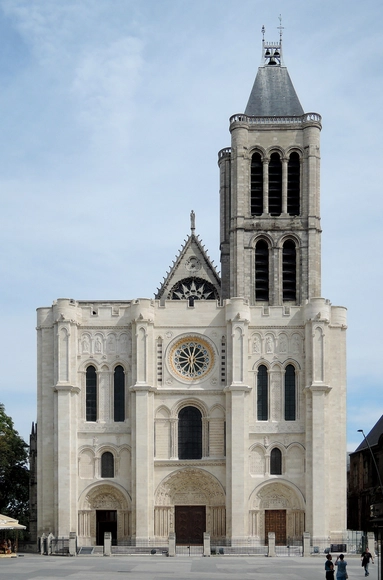
The origin of Gothic architecture, a style which defined Europe in the later Middle Ages, can be traced to a single abbey church in the northern suburbs of Paris. The Basilique royale de Saint-Denis (Royal Basilica of Saint-Denis), constructed on the site of an abbey and reliquary established in Carolingian (800-888 CE) times, was partially rebuilt under the administration of Abbot Suger in the early 12th Century; these additions—utilizing a variety of structural and stylistic techniques developed in the construction of Romanesque churches in the preceding centuries—would set medieval architecture on a new course that would carry it through the rest of the epoch.
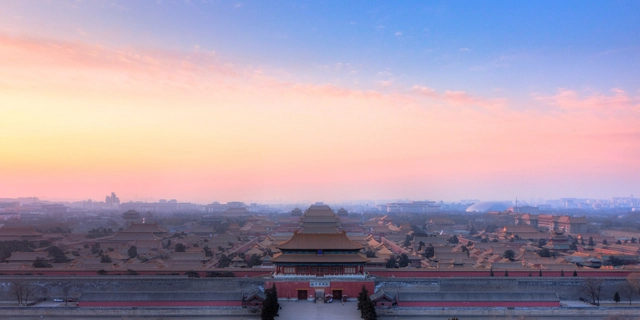
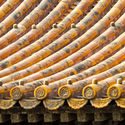
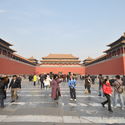
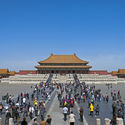
The Forbidden City, Beijing. Image Courtesy of Wikimedia user pixelflake (licensed under CC BY-SA 3.0)
As the heart of Imperial China from 1421 until 1912, the Forbidden City—a palatial complex in the center of Beijing—represented the divine authority of the Emperors of China for over five hundred years. Built by the Ming Emperor Zhu Di as the centerpiece of his ideal capital city, the palace would host twenty-four different emperors and two dynasties over the course of its history. Even after the subsequent democratic and communist revolutions that transformed China in the early 20th Century, it remains as the most prominent built relic of a cosmopolitan empire.[1]
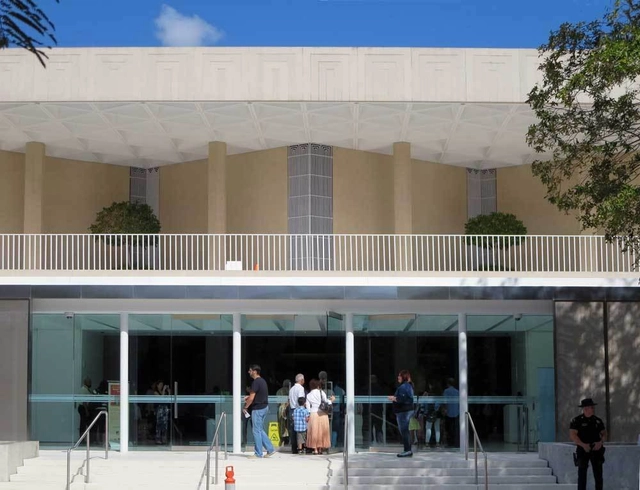
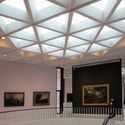
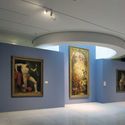
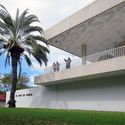
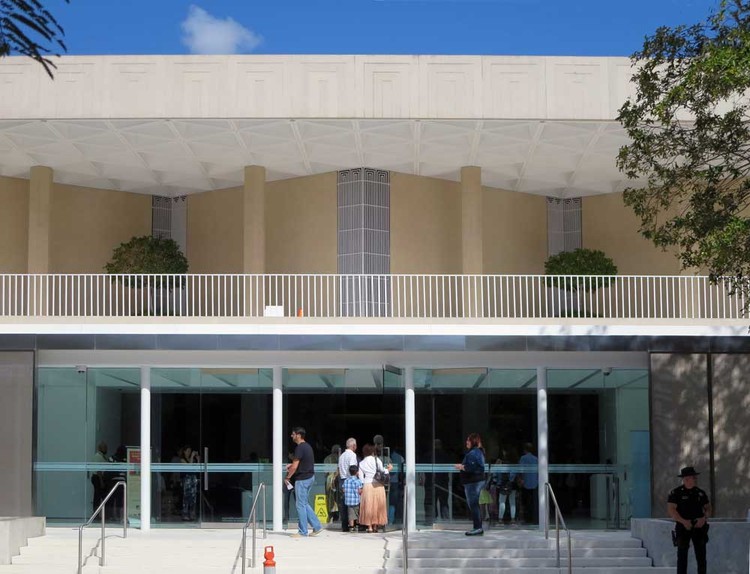
Among the dignitaries in attendance at the dedication ceremony of the Museo de Arte de Ponce (MAP) in Puerto Rico was Roberto Sánchez Vilella. In his capacity as Governor of the island, he gave a tongue-in-cheek speech[1] directed at his political opponent and founder of the museum, Luis A. Ferré:
I feel that I have contributed, in my small way, to the building of this museum. Had I not defeated Luis Ferré in the election, he would not have had sufficient leisure time to devote to this cultural project.
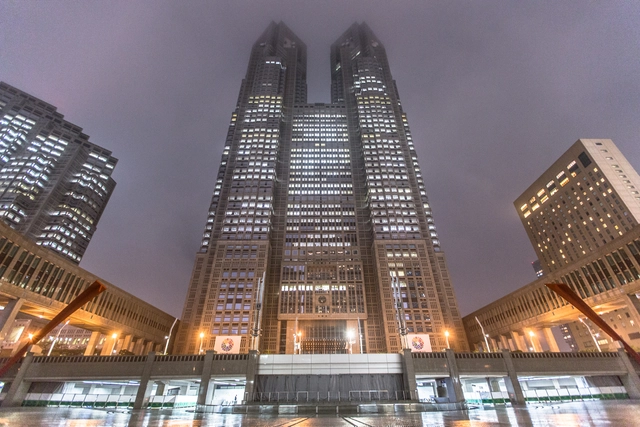
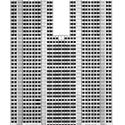
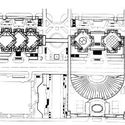
The career of Japanese architect Kenzō Tange features a curious anomaly: he received the same commission twice. In 1952, during the early stages of his career, Tange designed an administrative building in Yūrakuchō, Tokyo, for the city's metropolitan government. Over thirty years later, when the government relocated to Shinjuku, Tokyo, he again won the commission to design its administrative building. Completed in 1991, this would be one of his last, and most ambitious, projects. The second incarnation now dominates the city’s skyline, its highly distinctive design guaranteeing it landmark status. Nicknamed Tochō (an abbreviation of its Japanese name Tōkyō-to Chōsha), its architectural references to both tradition and modernity act as a visual metaphor for the eclectic city over which its inhabitants govern.
“The annals say: when the monks of Clonmacnoise / Were all at prayers inside the oratory / A ship appeared above them in the air. / The anchor dragged along behind so deep / It hooked itself into the altar rails.”[1]
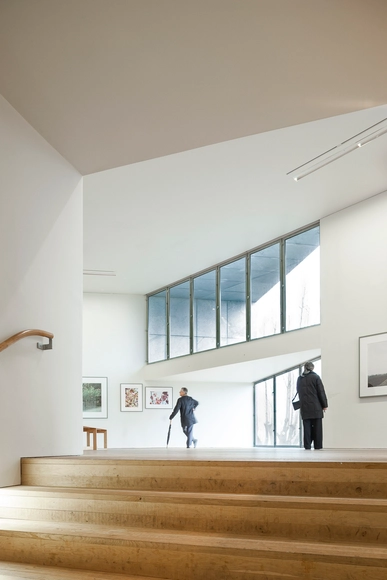
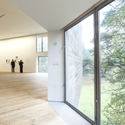
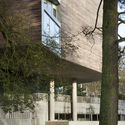
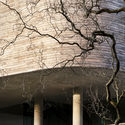
These words by Irish poet Seamus Heaney have had a profound impact on the work of architects Sheila O’Donnell and John Tuomey, who cited the poem as one of their inspirations for the Glucksman Gallery – an exhibition space commissioned by the University of Cork in the early millennium. Named for its patron Lewis Glucksman (a Wall Street trader and philanthropist), the Glucksman Gallery was completed in 2005 and nominated for the Stirling Prize that same year. Thanks to its outstanding site-specific design, the building has since become one of the most celebrated works of contemporary Irish architecture.
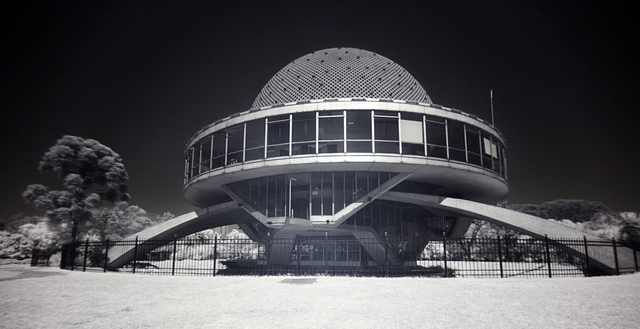
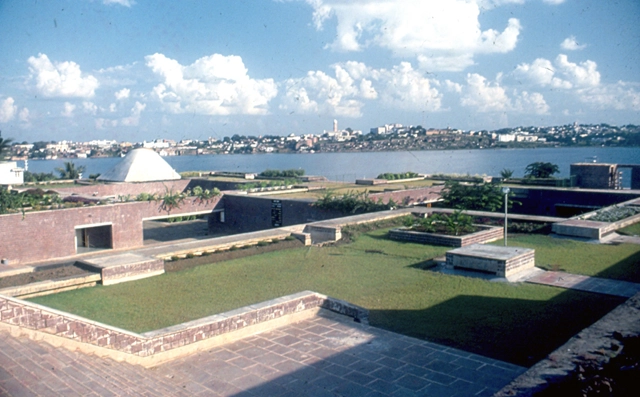
Within the Buenos Aires neighborhood of Palermo in a park designed by the French landscape architect Charles Thays, the Parque 3 de Febrero (February 3rd Park) , sits the Galileo Galilei Planetarium. Inaugurated on December 20, 1966, it was born of the idea of human evolution and the need to show it in architecture. The building exists as an instrument or bridge between the scientific world and the citizens of the city of Buenos Aires.
Designed by Argentine architect Enrique Jan, the building establishes a relationship between astronomy and architecture through its shared components: mathematics and geometry. Thanks to its location and unique shape, it is currently one of the iconic images of the city and the scene of many scientific, cultural, and festive events.
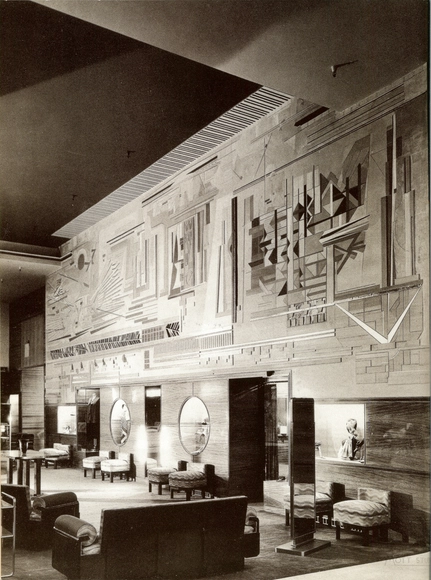
Gjura Stojano’s mural “The Spirit of Sports” was the centerpiece of the Sportswear Department. ImageCourtesy of Balcony Press
With its iconic copper-clad tower looming over WilshireBoulevard, the Bullock’s Wilshire has been a celebrated element of the Los Angeles cityscape since its opening in 1929. Known for its lavish Art Deco aesthetic, the department store made its mark as a prime shopping destination in a city filled with celebrities. But the Bullock’s Wilshire was more than a glamorous retail space; with a design centered around the automobile, it was to set a new standard for how businesses adapted to a rapidly changing urban environment.
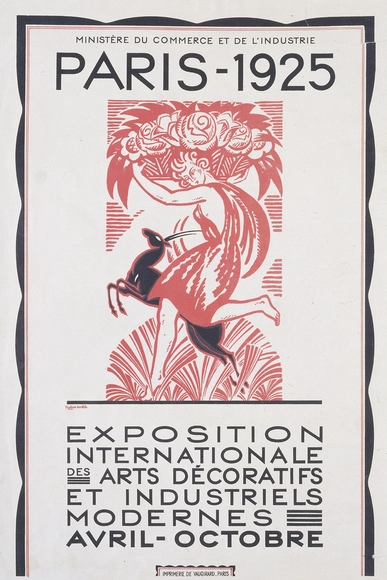
The Exposition’s poster, designed by Robert Bonfils. ImageCourtesy of the Victoria and Albert Museum
The end of the First World War did not mark the end of struggle in Europe. France, as the primary location of the conflict’s Western Front, suffered heavy losses in both manpower and industrial productivity; the resulting economic instability would plague the country well into the 1920s.[1] It was in the midst of these uncertain times that the French would signal their intention to look not to their recent troubled past, but to a brighter and more optimistic future. This signal came in the form of the Exposition Internationale des Arts Décoratifs et Industriels Modernes (International Exposition of Decorative Arts and Modern Industries) of 1925 – a landmark exhibition which both gave rise to a new international style and, ultimately, provided its name: Art Deco.
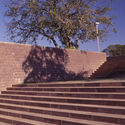
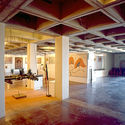
In the late 1970s, the Government of India launched an initiative to build in every state capital an institution to celebrate the cultural and creative output of the nation. Although the scheme was largely unsuccessful, one shining example remains: Bharat Bhavan (‘India House’), located in Bhopal.
Designed by Indian architectural luminary Charles Correa, this multi-arts center first opened its doors in 1982. More than thirty years later, it continues to house a variety of cultural facilities and play host to multitude of arts events. The design of the complex is a product of Correa’s mission to establish a modern architectural style specific to India and distinct from European Modernism. Drawing on the plentiful source material provided by the rich architectural heritage of his home country, at Bharat Bhavan Correa produced a building for the modern era which manages to also remain firmly rooted in the vernacular traditions of India’s past.
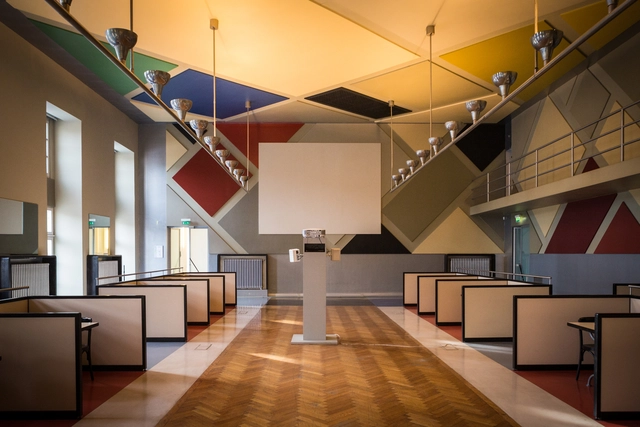
Concealed behind an 18th century Baroque façade in Strasbourg’s Place Kléber, the Café L’Aubette is a dazzlingly incongruous expression of the 1920s De Stijl movement. Designed by Theo van Doesburg, one of the movement’s founders and leading lights, the Aubette’s minimalist, geometric aesthetic was heavily influenced by the work of contemporary artists such as Piet Mondrian. In designing the café’s interiors, Van Doesburg sought to do more than simply place viewers before a painting; he wanted to envelop them in it.
On the 29th December, 1940, at the height of the Second World War, an air raid by the Luftwaffe razed a 35-acre site in the heart of the City of London to the ground. The site was known as the Barbican (a Middle English word meaning fortification), so-called for the Roman wall which once stood in the area. Following the war, the City of London Corporation—the municipal governing body for the area—started to explore possibilities to bring this historic site into the twentieth century.
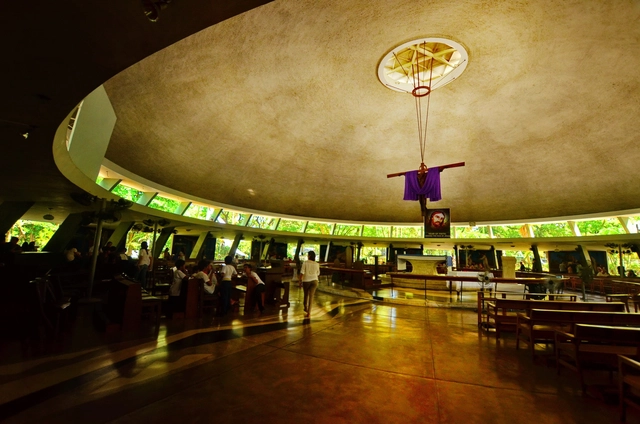
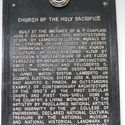
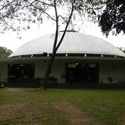
Once dubbed a “flying saucer,” the Parish (Church) of the Holy Sacrifice is a Modernist expression which embodies the complex colonial history of the Philippines. Located on a university campus in Quezon City (formerly the capital of the nation, now a part of the Metro Manila National Capital Region), the domed concrete church was the product of Filipino architect Leandro Locsin, and of three other national artists who contributed to the building’s interior.[1] Locsin’s design, which combines elements of traditional Filipino architecture with postwar International aesthetics, is a potent symbol of a newly-independent nation following centuries of imperial control.
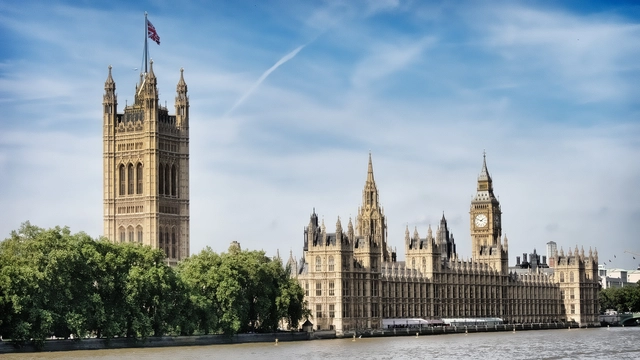
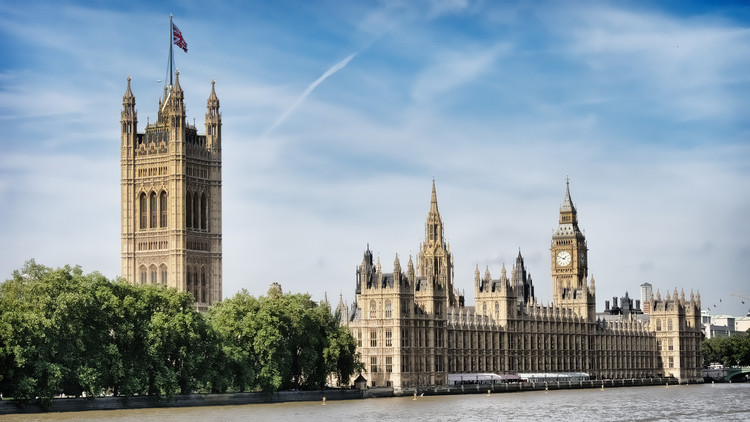
The Palace of Westminster as seen from the River Thames. Image Courtesy of Flickr user Alex Brown
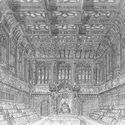
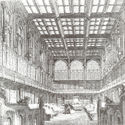
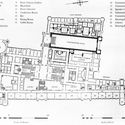
At 6:20pm on the evening of October 16, 1834, a fire began in the old Palace of Westminster in London – the foremost seat of parliamentary governance for both the United Kingdom and the British Empire across the seas. The inferno, which burned until the early hours of the morning, destroyed so much of the medieval complex that neither restoration nor preservation were considered viable options – a new palace would have to rise from the ashes to surround the largely undamaged Westminster Hall.[1] The fire gave the United Kingdom a chance not only to replace what was considered as an outdated, patchwork of government buildings, but to erect a Gothic Revival landmark to spiritually embody the pre-eminence of the United Kingdom across the world, and the roots of modern democracy.
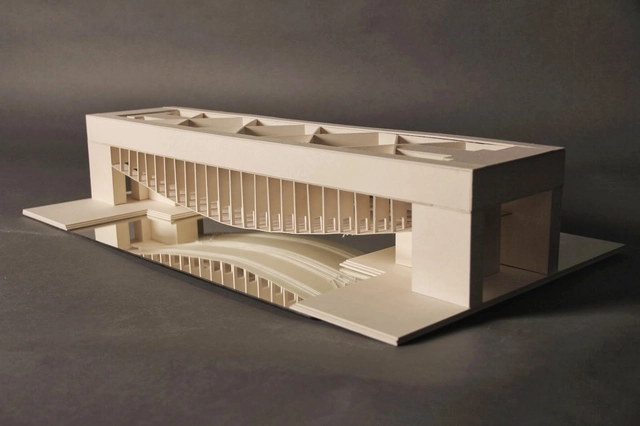
Model of the unrealised Palazzo dei Congressi, Venice. Image
The city of Venice has been caught in a tug of war between progress and traditionalism for many years, and particularly since the construction of a railroad viaduct in 1846 linked the island city to the Italian mainland for the first time in its history.[1] Over a century later, the Venetian government commissioned Louis Kahn to design a new Palazzo dei Congressi for the city; his proposal, while paying respect to the histories of both the Republic of Venice and a unified Italy, could not escape similar controversy.










.jpg?1480629521)