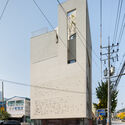


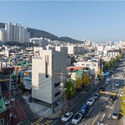
-
Architects: U.GA Architects
- Area: 398 m²
- Year: 2025
-
Manufacturers: Durastack, Nanumtech
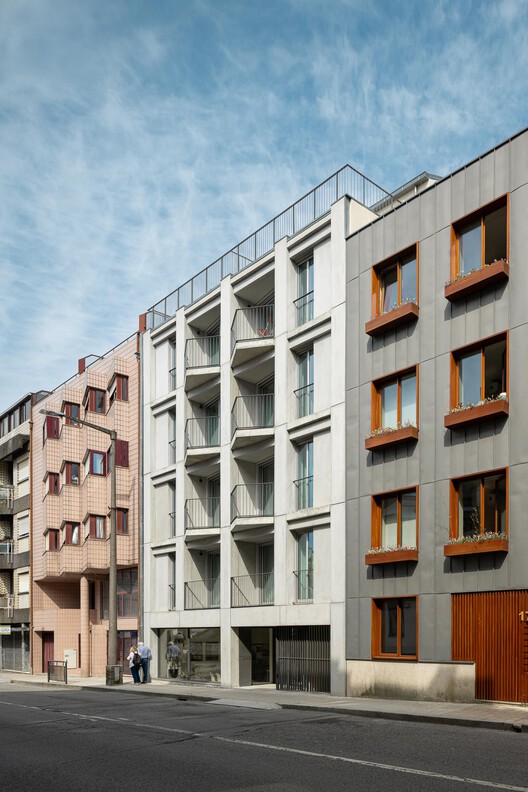
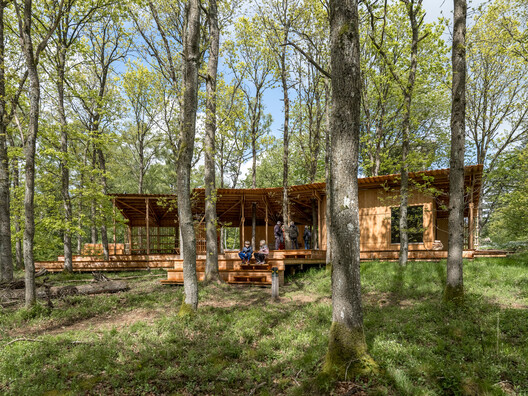
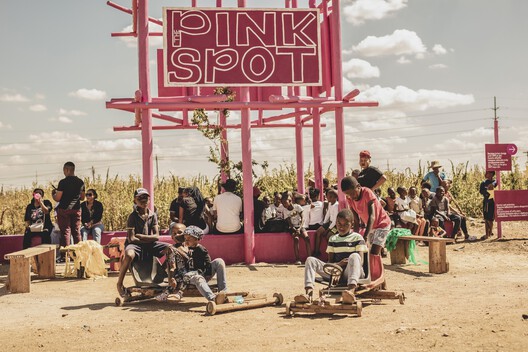
Public space is often intended to be perceived as universal, but access is unevenly experienced. For many women, moving through the city involves a continuous assessment of exposure, visibility, proximity to others, lighting, transport access, escape routes and the likelihood of harassment. These calculations are shaped by spatial conditions as much as social ones. Safety is a question of urban form, maintenance, mobility, governance and the distribution of public investment. While the built environment may not cause gender-based violence, it can intensify vulnerability and normalize unequal access, especially to public spaces.
For architects and planners, there is a critical distinction between designing for security and designing for safety. Security strategies tend to focus on surveillance, control, policing and the management of movement, while safety depends on whether people can see and be seen, if routes are legible, whether public spaces support activities throughout the day, and how long-term maintenance is supported. The role of design is to alter the conditions under which public life takes place.


Filippo Brunelleschi and the dome of Santa Maria del Fiore, completed in 1436 in the Italian city of Florence, represent an important chapter in the history of architecture, often associated with the growing distance between drawing and building. This separation, gradually consolidated over time, finds a decisive turning point in the Renaissance. Drawing becomes an instrument for anticipating and asserting authority over construction. The building site, once a space for invention and decision-making, came to be understood primarily as a place of execution.
Over the following centuries, this distance becomes increasingly pronounced, particularly with modern construction. Industrialization, technical specialization, and corporate organization fragment the building process into increasingly distinct stages. Those who design rarely build; those who build do not always participate in decision-making; those who finance, manage, and inhabit occupy positions that are even further removed from one another. The efficiency of this model made it possible to build at scale, but it also concentrated knowledge and decision-making power in the hands of certain agents.