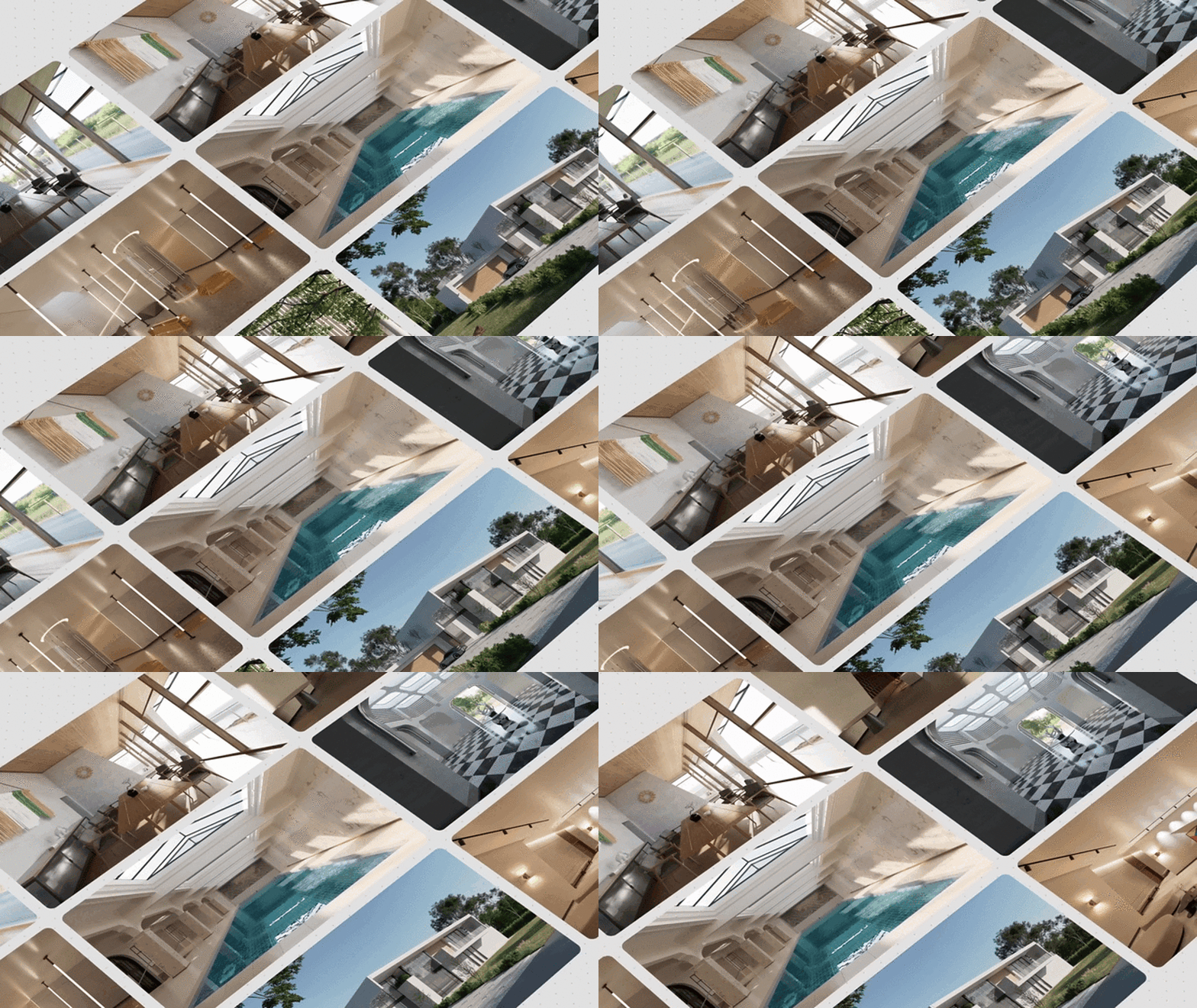
How to visualize architectural concepts in SketchUp using D5 Lite for faster design exploration.
How to visualize architectural concepts in SketchUp using D5 Lite for faster design exploration.

During the vernissage of the 18th Venice Architecture Biennale, the internationally acclaimed publication Architectural Review launched its latest monograph Towards Abundance: the Delightful Paradoxes of Gender. Co-edited by John Jennifer Marx and The Architectural Review the 58-page publication advocates for designers and architects to reconsider a normative masculine tradition in how spaces are conceived and created, a tradition that may feel outdated yet is very much alive in contemporary practice.

From June 14 to 22, the Instituto Tomie Ohtake will host a series of activities aimed at exploring processes and sharing ideas related to the works featured in the 9th Tomie Ohtake AkzoNobel Architecture Prize exhibition. The Dialogues series program includes debates on projects and construction through conversations with the architects; visits to buildings in São Paulo that are part of the exhibition; a guided tour with the exhibition's curatorial team; and a roundtable discussion on the work of educational teams in cultural institutions and museums. The activities are open to the general public, with some requiring prior registration due to limited capacity. See the schedule below:

Although “midcentury modern” has evolved into a highly popular and ubiquitous architectural style, this term obscures the varied perspectives and approaches of its original practitioners. In Nothing Permanent, Todd Cronan displaces generalizations with a nuanced intellectual history of architectural innovation in California between 1920 and 1970, revealing the conflicting intentions that would go on to reshape the future of American domestic life.

Dubai Design Week is gearing up for its ninth edition taking place 7 - 12 November 2023. The annual event is one of the region’s most significant cultural occasions with a line-up of programming demonstrating Dubai’s commitment to design.

Are you a designer working in the fields of Architecture, Product Design, Interior Architecture, Interior Design, Rugs, Ceramics, Home Accessories, and Furniture?
We invite you to be part of We Design Beirut. The event celebrates design in its many forms by engaging the creative talent of designers synergistically, in the event’s themes of empowerment, preservation, and sustainability, with the presence and attention of regional and international press.
Apply by filling out the Application Form for Established Designers on our website before July 15th.

The Unhão complex, constructed in Salvador, Brazil in the 17th century, consisted of a sugar mill with a big house, chapel, and slave quarters. At the time, Salvador was one of the largest and most important Brazilian cities, and its port was the site of a large portion of the Portuguese colony's sugar exports, an economy fueled primarily by slave labor. The ensemble drew the attention of Italian-Brazilian architect Lina Bo Bardi at her first visit in 1958, during which she spent some years working and teaching in the city. Following Bo Bardi's decisive contributions, the buildings were restored and became the new home of the Museum of Popular Art and the Popular University. But within the whole complex, the element that draws the most attention for its plasticity, functionality, and symbolism is the helical wooden staircase.
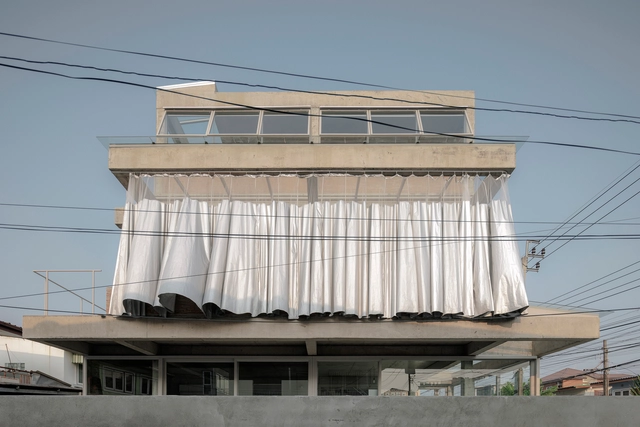
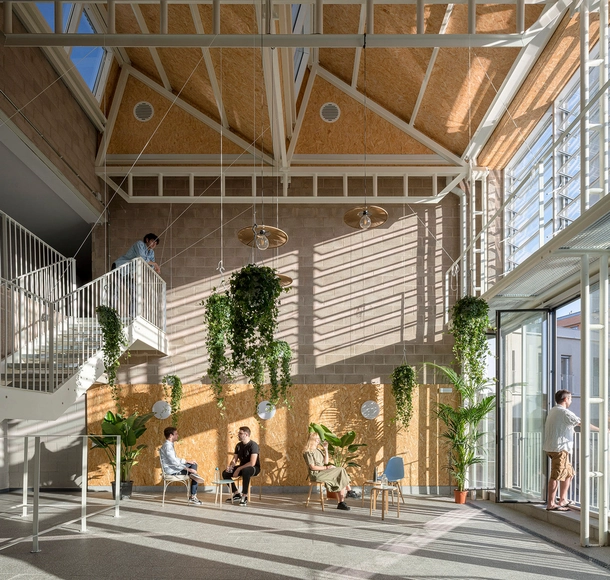
The XVI Spanish Biennial of Architecture and Urbanism (BEAU) has presented the 50 finalist proposals from its ‘Works’ call. Organized by the MITMA through the Directorate-General for Urban Agenda and Architecture, in collaboration with CSCAE and Fundación Arquia, the upcoming event seeks to reflect on how architecture can transform the future under the theme ‘Me–dio Pla–zo’ (Medium Term).
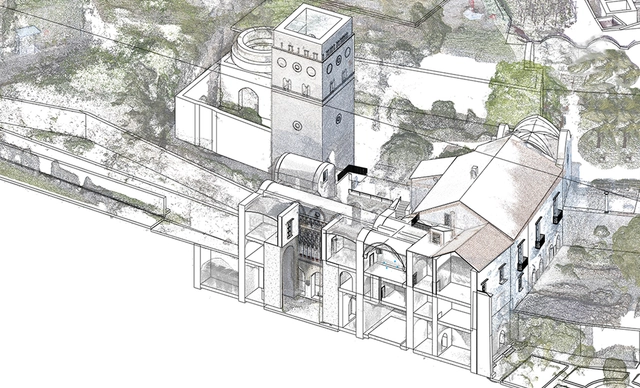
Already known to be a great tool for experiencing a building before it’s built, real-time visualization also serves as an excellent means to understand the history of buildings that no longer exist.
Here’s how two researchers from the University of Salerno (UNISA) retraced thousands of years of existence and unveiled the rich past of Villa Rufolo with the help of real-time visualization.
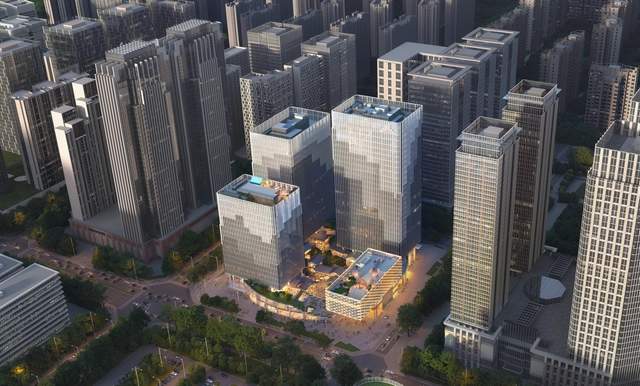
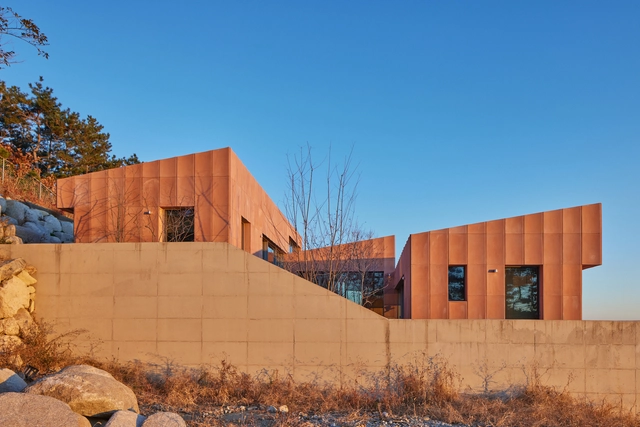
Construction has begun at the last remaining empty sites in Chengdu’s Jiaozi Park Financial and Business District, where MVRDV has designed a complex comprised of three mixed-use office towers and a conference center united by a ring-shaped plinth. The building shape and functional structure are informed by its surrounding context, with a retail village that references the traditional structures that were once located on the site.

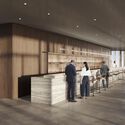
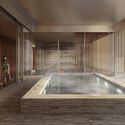
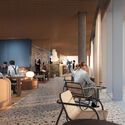
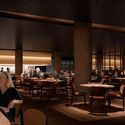
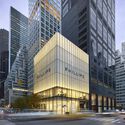
David Chipperfield Architects Berlin, in collaboration with Ester Buzkus Architeken, has won the international competition to design the newest NOBU Hotel and Restaurant in Hamburg. In fact, David Chipperfield is also the architect for the entire Elbtower building, currently under construction, where the Nobu Hotel will occupy two of the three wings in the seven-story base of the tower. When completed, it should be the tallest building in Hamburg, at 230 meters.
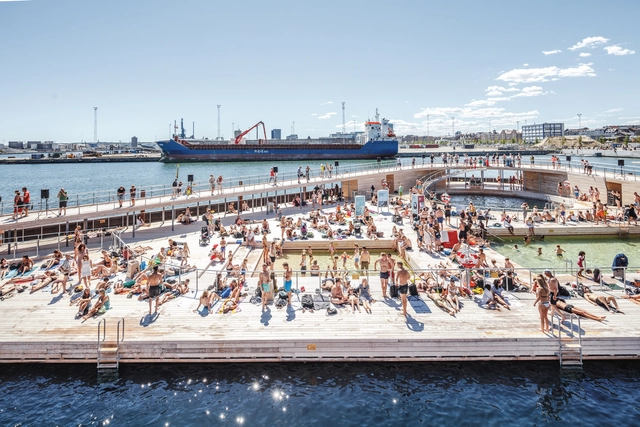
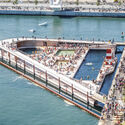
The redevelopment of maritime and riverfront areas is a crucial element in the transformation of many urban areas, providing a series of significant benefits for cities and their inhabitants. The presence of water, whether in rivers, lakes or seas, has historically played a fundamental role in the formation and development of many cities, intimately related to their dynamics. This relationship has changed and presented itself in different ways over time, and these spaces have often been neglected in numerous ways, particularly by a certain type of urban planning that disregarded their potential in favor of other imperatives, such as road transport and industrial equipment.
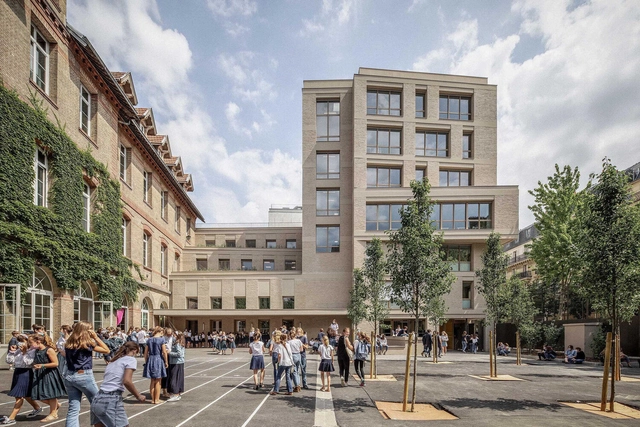
I always consider myself fortunate to have grown up outside the city, where my ‘cross-country’ lessons, for example –national right of hardship for 11-16-year-olds– were through the actual countryside rather than the high street. For many children, however, modern school life is not so close to nature.
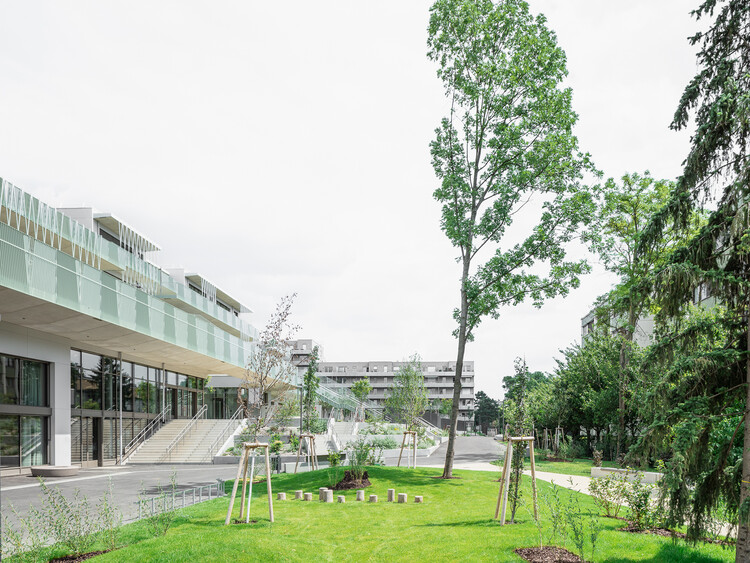
Already over-populated cities are continuing to expand, meaning more schools are suffering from the limitations presented by inner-city architecture including noise, air, and light pollution; a lack of space, especially green space; restrictive budgets and building regulations resistant to change.
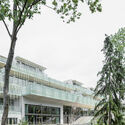
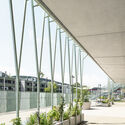
With innovative and considered design solutions, however, these four inner-city schools show the rest of the class how to work through their architectural answers and provide quality, green spaces for all.

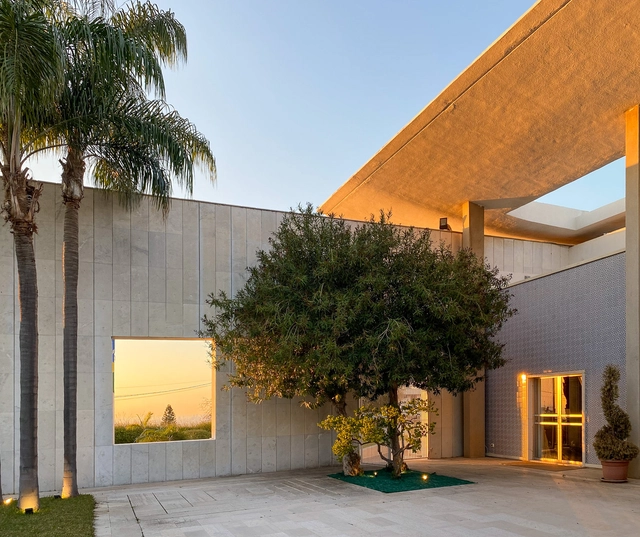
More than ten thousand kilometers away from the capital Brasilia, a jewel of Brazilian modern architecture overlooks the Mediterranean Sea. Located in another Brasilia, a district in Beirut named after the Brazilian capital, the Residence of the Ambassador of Brazil in Lebanon, designed by Olavo Redig de Campos, combines tropical modernism with elements of Middle Eastern culture.
For the first time, the house will be open to the public through guided tours focused on historical heritage. Geared towards architecture, design, and art professionals and students, the visits will be guided by Dr. George Arbid, director of the Arab Center for Architecture, a renowned institution in modern architecture in the region.

Roland Halbe came into photography entirely by accident, discovering it at the age of 15 in a class on optics. His physics teacher presented camera obscura effects, which immediately triggered his fascination. He then started borrowing his father’s old camera quite regularly. While still in high school, Roland worked part-time at a camera shop, eagerly discovering everything there is to know about photography. Those were the circumstances that kindled Halbe’s lifelong romance, first with black and white, and, eventually, color photography with a focus on the built environment.