Urban environments are constantly evolving, with cities becoming the hubs of cultural diversity and economic life. In fact, the globe is speeding towards a future in which 70% of people will live in cities by 2050. Architects are at the core of this revolutionary movement, rethinking the nature of a city due to this urban surge. In response to this immense focus on newer and more diverse cities, architects and designers are leaning towards multifunctional and mixed-use projects. Attracting diverse crowds of people, mixed-use architecture explores the maximum potential of what a structure can serve.
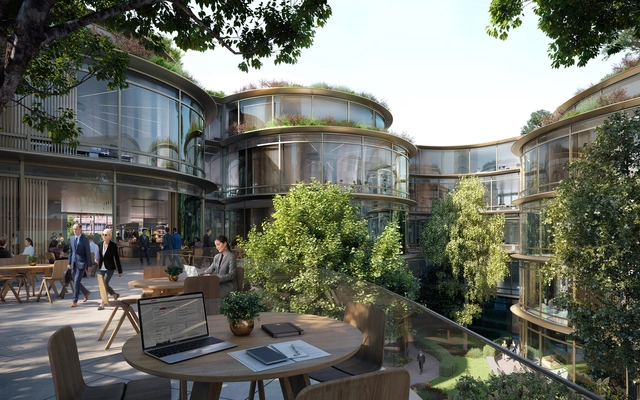
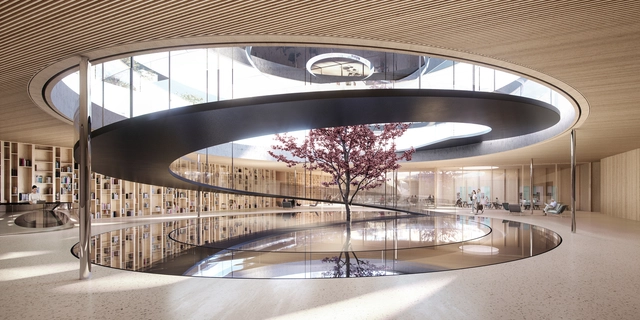
Highlighting architecture firms such as Atelier 333, MOR Architects, BXB studio Bogusław Barnaś, Beek Architects, Frey Architekten, and Kalbod Design Studio, among others, the forthcoming exploration unveils a collection of unbuilt architectural projects submitted to ArchDaily that champion multi-function in their design. From the innovative Plata.forma in Laqlouq to the maritime haven of The Ark and the Swiss House's harmonious alpine blend, these projects redefine urban living.
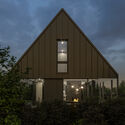
Vitryak Visitor center / MAKHNO Studio. Image Courtesy of MAKHNO Studio
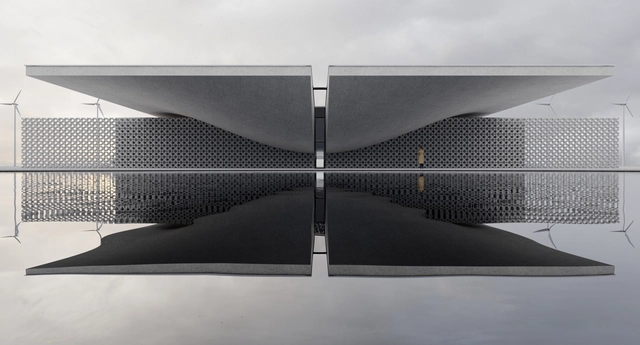
Whether temporary or permanent, pavilions and urban installations represent an opportunity for architects to experiment with different shapes, materials, and textures. The results are often theatrical, welcoming visitors to new types of spaces, and blending the exterior and the interior. Pavilions are often commissioned for events, exhibitions, or cultural programs, offering opportunities to explore innovative materials, construction techniques, and spatial concepts on a smaller scale. Some events, like the Serpentine in UK or the MPavilion in Australia, propose a yearly reimagining of their structures, offering opportunities for established and emerging architects to express themselves. Others, like the Venice Biennale, reuse the permanent garden pavilions, but invite curators to prepare exhibitions to reimagine them for every edition.
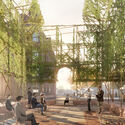
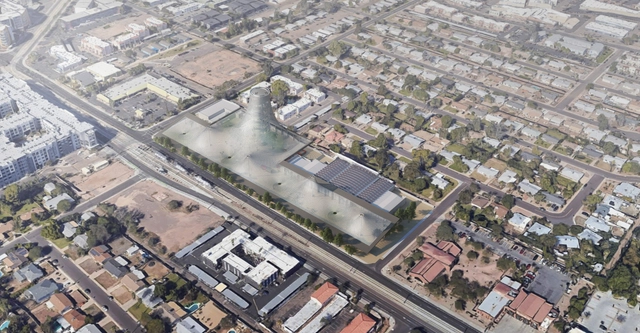
This week's curated selection of Best Unbuilt Architecture highlights projects submitted by the ArchDaily community showcasing pavilions and urban installations proposed in various environments, from urban plazas to agricultural fields or even airports. In Frankfurt, a translucent foliage-covered structure aims to honor the memory of a lost synagogue. in Ukraine, a visitor center reimagines an industrial landscape into an attractive meeting place, while a decentralized installation in the Netherlands hopes to bring communities together by collecting and sharing stories on scents. Whether temporary or permanent, these projects aim to provoke reflection and contemplation, while addressing larger themes of sustainability, resource availability, or the role of social spaces.
Courtesy of Architectural Dialogue | Elan - Meenakshi
Architecture competitions are platforms where innovation meets imagination, where the boundaries of what we know about design and architecture are relentlessly pushed. Serving as spaces for architects and designers to realize groundbreaking ideas, competitions challenge our conventions and shape our future environments. While countless creative concepts are proposed, only a handful are realized. In fact, these winning designs stand as a showcase for the creativity of architects, redefining our future built environments.
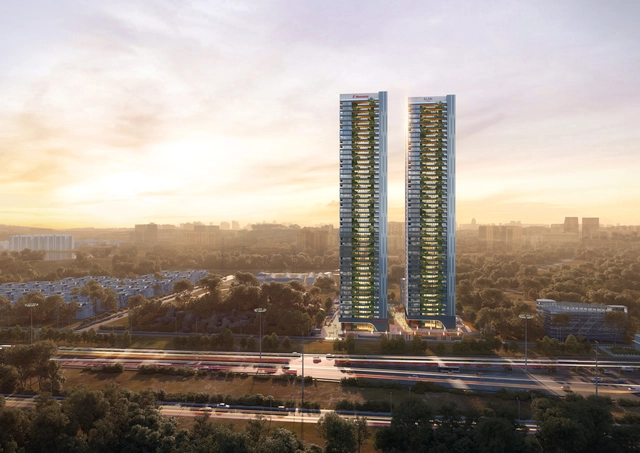
These winning projects demonstrate the global initiative to rethink the way we interact with spaces. HOKA fosters community interaction, while RITSO Resort merges tradition with modernity. Science Forest transforms museums into hubs for dialogue, and Elan-Meenakshi apartments in Hyderabad integrate urban living with green spaces. Ranging from Vietnam, Greece, Rome, to India, these examples showcase the transformative potential of architecture competition winners, reshaping our perception and interaction with the spaces we inhabit.
Diamond Schmitt and Lemay Michaud have just revealed the plans for a significant revitalization and expansion project for McGill University. Based at Montreal’s Royal Victoria Hospital Site for the University, the project aims to create a sustainability research and innovation center. The New Vic project is slated to open its doors in 2027, breathing “new life” into several historically significant buildings.
Renovation of Marcel Breuer's Robert C. Weaver Federal Building / Brooks + Scarpa. Image Courtesy of Brooks + Scarpa
Exploring architectural projects, competition entries and unbuilt works by renowned architects is an important step in fostering innovation and encouraging cross-cultural exchange and the development of diverse design approaches. Analyzing these unrealized concepts can offer insights into the evolution of architectural thinking, exploring a wider spectrum of approaches and design perspectives. This week’s curated selection of Best Unbuilt Architecture highlights designs submitted by established architecture practices.
Featuring internationally recognized offices like Brooks + Scarpa, Penoyre & Prasad, Aedas, Pininfarina, and Opposite Office, this selection exemplifies the wide range of projects and interventions designed by architects at various scales and programs. From creative reimaginings of well-known architectural icons to art museums, urban insertions, and conceptual activist proposals, these projects demonstrate the variety of approaches architects take when designing within a specific context and in response to local constraints, challenges and opportunities.
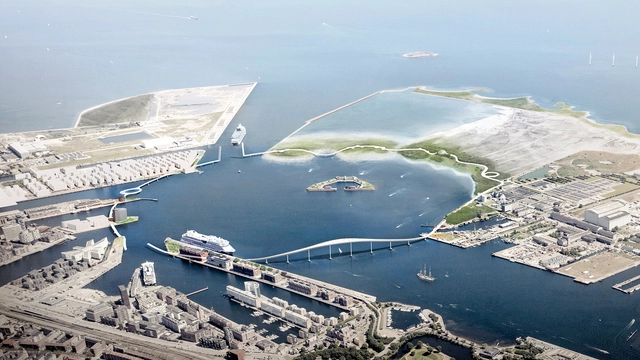
The Copenhagen Harbour Ring – “Kronløbsringen” / Third Nature. Image Courtesy of JJO By Tredje Natur
Through urban renewal projects, architects, urban planners, and designers can infuse new life into dilapidated urban landscapes by upgrading the infrastructure, introducing new functions into the urban fabric, and reimagining the character of open public spaces. These types of projects present interest due to their dual character: on the one side they offer an opportunity for reimagining the potential of the city, but the areas they affect are already well-ingrained within the urban fabric, raising challenges of integration and contextual adaptation.
This week's curated selection of Best Unbuilt Architecture highlights projects submitted by the ArchDaily community that enhance functionality, aesthetics, and sustainability of urban areas while respecting and embracing the existing fabric of the city. From a residential neighborhood that prioritizes self-sufficiency and circularity in the Netherlands, to a highway ramp transformed into productive spaces in California, United States, or a new elevated path designed to alleviate urban congestion in the harbor of Copenhagen, his selection features projects that highlight the ever-changing character of our cities. Featuring projects from both emerging and established architectural offices such as Benthem Crouwel Architects, Space&Matter, and Vincent Callebaut Architectures, the projects demonstrate the variety of approaches needed to adapt urban environments to the needs of their residents.
Courtesy of 180 Degrees Design Studio | The Fabric
As the landscape of architecture and urban development adapts to the modern climate, the traditional notion of construction has been significantly modified and adjusted. Specifically, principles of reuse, recycling, adaptive reuse, and the power of transforming existing structures into something more meaningful and sustainable have gained much traction. Looking at these curated collections of unbuilt projects, one can begin exploring a different way of looking at buildings and heritage, which is significantly more sensitive to the built environment.
From the austere office buildings of the United Kingdom to the proposal to re-activate a skyscraper in Ostrava, these diverse contexts tell stories of resilience, innovation, and a profound commitment to the existing built environment. Offering a new way of looking at things, the projects champion adaptive reuse and activation concepts.
New Ground-Academy Extension Arena of the Arts / READ Architecture. Image Courtesy of re-a.d
As the summer days come to an end, the focus naturally shifts to the realm of academia, a space full of curiosity, energy, and ingenuity. For architects, educational spaces are an opportunity for exploration, as they gather eager students together with professors and experts in their respective fields. The environment of educational facilities thus becomes a canvas for the cultivation of creativity, curiosity, and growth. From the playfulness of kindergartens and preschools to the halls of faculties that shape the scholars of tomorrow, the architecture of educational spaces must balance structure and flexibility to respond to the needs of students, teacher, and their larger communities.
This week’s curated selection of Best Unbuilt Architecture highlights designs submitted by the ArchDaily community dedicated to educational institutions. From innovative programs dedicated to child development and community engagement to specialized high schools or inclusive institutions learning to work with locally available materials such as rammed earth, this selection highlights projects dedicated to the exchange of knowledge in its varied forms.
Sustainability has taken center stage in the broad world of architecture and design, inspiring and directing the construction of new structures towards environmental harmony. The use of wood, a classic material with enormous potential to lessen our ecological impact while providing limitless design possibilities, is a notable example of this movement's implementation. In the fight for sustainability in the field of architecture, wood has become an ally. Its distinctive qualities, such as renewability and carbon neutrality, have inspired creative methods among architects worldwide.
A wide range of architectural projects, from vital healthcare facilities to exciting mixed-use buildings, cultural hubs, and welcoming residential spaces, benefit from wood's extraordinary versatility as a building material. In fact, wood's natural warmth and biophilic qualities can create spaces that reduce stress and promote well-being. Furthermore, the carbon-neutral nature of wood aligns perfectly with the design industry's commitment to environmental responsibility.
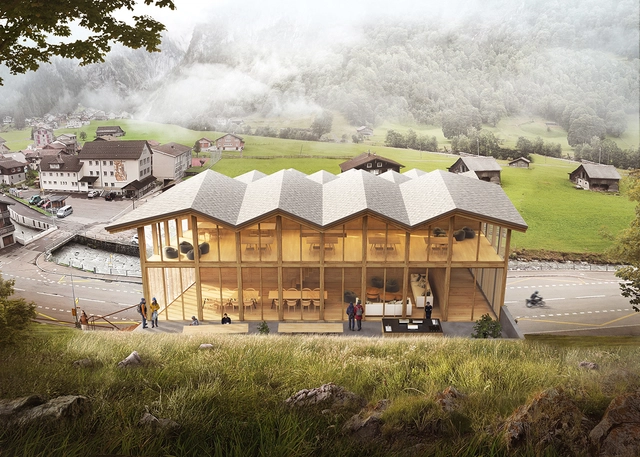
Tourist facilities are a significant architectural program as they not only provide essential amenities for travelers but also encapsulate the cultural essence of a destination. Resorts and hotels experiment with ideas of comfort and leisure, restaurants bring visitors into the local culinary culture, while wineries merge craftsmanship, tradition, and modernity. Visitor centers are another facility often provided for travelers, serving as gateways to exploring the city. Besides their flexible program, these architectural interventions most often strive to relate and harmonize with the local context to enrich the narrative of the space and create a memorable experience for every visitor.
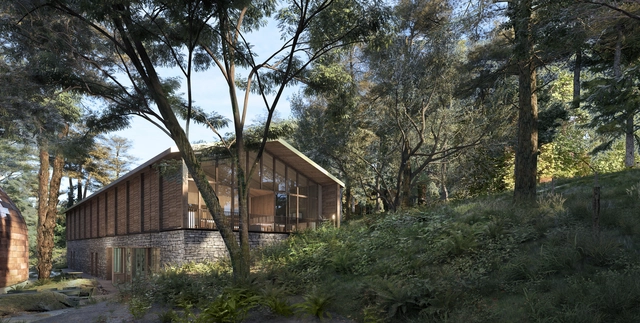
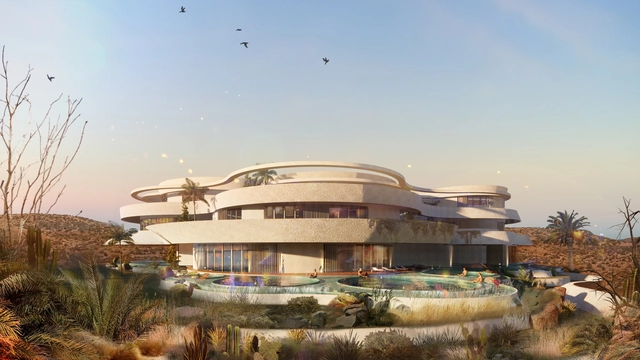
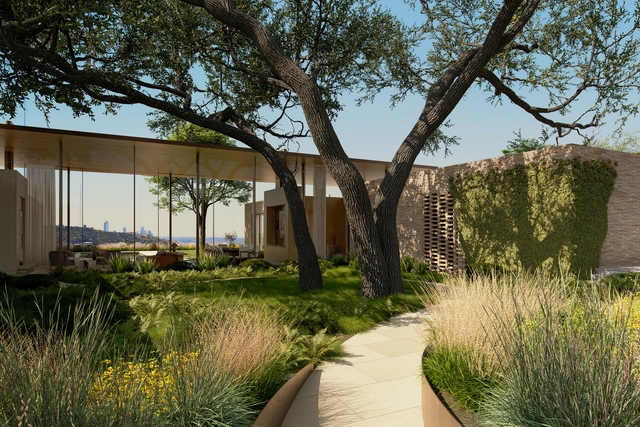
This week's curated selection of Best Unbuilt Architecture highlights projects submitted by the ArchDaily community that showcase various amenities dedicated to tourists, from wine cellars, specialty restaurants, and visitor centers to isolated camping sites in the mountains or lavish spa hotels in the arid areas of the Middle East. Featuring projects from emerging and established architectural offices such as Melike Altınışık Architects, Lockhart Krause Architects, MUA, and OMBI Innovation Lab the selection includes a wide range of programs and scales, showcasing designs that rethink conventional tourist facilities while establishing a connection with their surroundings and cultural context.
It is well known that exposure to more green spaces and cleaner air has profound impacts on human health and psychology. This kind of exposure has been linked to reduced stress, improved cognitive function, and enhanced creativity. These sanctuaries offer relief, allowing the human to reconnect with the natural world. These residential homes are often a refuge from busy city life, ranging from vacation homes to retirement homes. Moreover, as the global call for sustainable practices becomes more pressing, the role of natural elements in architecture becomes imperative.
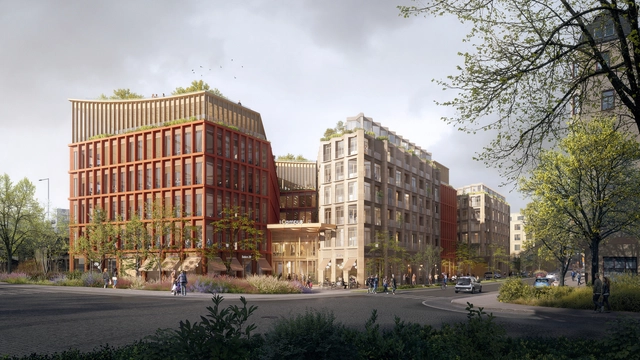
Vectura CampusF / Schmidt Hammer Lassen Architects. Image Courtesy of Schmidt Hammer Lassen Architects _ By WAX
Exploring unbuilt projects can offer insights into the design process and leading strategies employed by contemporary architecture practices, revealing unexpected solutions, experimental approaches and innovative design concepts. This week’s curated selection of Best Unbuilt Architecture highlights designs submitted by established architecture practices. From a fjord-side regeneration project and oceanography research center to a headquarters building shaped to reflect company’s main focus or a restaurant adapted to extreme conditions, the compilation of unbuilt projects presents the variety of concepts, design philosophies and programs put forward by prominent global architecture studios.
Featuring internationally recognized offices like CRA-Carlo Ratti Associati, Herzog & de Meuron, OODA, KCAP, and Aedas, this selection showcases worldwide interventions that illustrate architectural and civic interventions across diverse scales and programs. Whether tackling the restoration of monuments, interventions in public spaces or the transformation of a city’s waterfront, each of these projects aspires to deliver a fitting response to the spatial, functional, social and ecological requisite of its context.
Sporting facilities can play a vital role in the lives of cities by providing multifunctional public spaces where the people can join in large-scale events providing entertainment and spectacle while also promoting well-being and enhancing community engagement. Additionally, well-designed sporting arenas can become icons for a city, creating a sense of pride and identity and attracting visitors and residents. One such example is the Grand Slam tennis tournaments, which take over cities like Paris, London or New York, attracting fans from all around the world. The Philippe Chatrier and greenhouse transformed into the Simonne-Mathieu Tennis Court in Paris have become architectural landmarks, serving as catalysts for urban development and cultural exchange.
Other small-scale venues also play a role in the lives of communities, acting as gathering places for people with shared interests, fostering a sense of belonging and contributing to the overall health of the neighborhoods. This week's curated selection of Best Unbuilt Architecture highlights projects submitted by the ArchDaily community that showcase both large and small scale sporting venues. From a ‘box in a box’ basketball pavilion in Greece, to a translucent multi-sports arena in El Salvador or a dune-line arena in Morocco, this selection features projects that encourage and celebrate movement, athleticism and fair play competition.
Courtesy of Foster + Partners | Bank of International Settlements (BIS) Headquarters Extension
Office spaces in design and architecture play a crucial role in shaping the way we work and interact in professional environments. They are thoughtfully designed to promote healthy output, encourage teamwork, and give workers a welcoming and motivating environment. After the Covid-10 pandemic, work lifestyles underwent a significant transformation. As a result, companies have been adapting and redesigning new ways of working, implementing flexible schedules and hybrid work policies.
This evolution in work lifestyles has father influenced office design, now more focused on prioritizing health, safety, personal space, and collaboration. Office spaces in design and architecture have been adapting to the changing work landscape for decades. As they evolve to meet the changing needs of the workforce, various design iterations are explored, promoting different values.
This week’s curated selection of Best Unbuilt Architecture showcases projects submitted by the ArchDaily community highlighting different office spaces. Ranging from a more formal bank headquarters in Switzerland to a mixed-use business center in Ukraine, these designs heavily influence the way in which people work in the spaces.
Memorium Nürnberger Visitor Center. Image Courtesy of Sebastian Brunke
Public spaces are the beating heart of our cities. They act as the hubs of social and cultural activity where people congregate, interact, and escape the clamor of the city. These areas are crucial in determining a city's identity, character, and citizens' well-being and standard of living. Public spaces can define our communities and significantly impact how we live, work, and interact with one another through their architectural designs, facilities, and activities. Furthermore, they provide leisure, exercise, and recreation opportunities, allowing individuals to escape the confines of their daily routines and connect with nature.
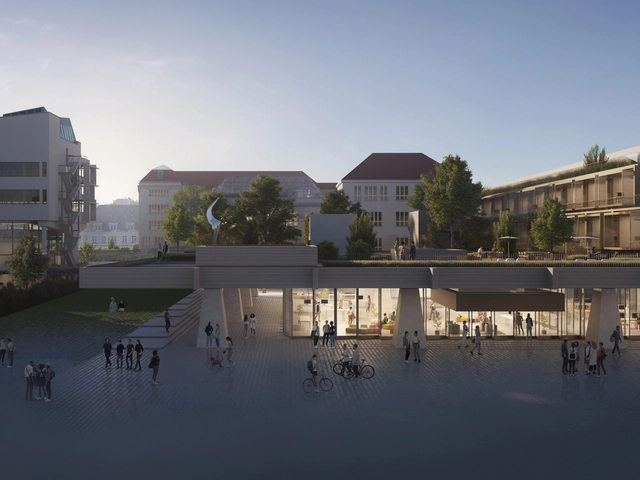
This week's curated selection of Best Unbuilt Architecture highlights projects submitted by the ArchDaily community showcasing different proposals made to enhance public space. Ranging from reimagining central squares to placing massive land art in the urban epicenter, these public spaces enhance the quality of life for the city's locals. In Germany, the redesign of the entire Memorium Nürnberger Trials reimagines this as a place to come together, grounded in its history, while in Havana, the new Cuban Square reimagines the metaphor of unity in the city center. The design and accessibility of public spaces significantly impact our well-being and quality of life. Thoughtfully planned and inclusive spaces with seating, greenery, and pedestrian-friendly infrastructure can promote physical activity, mental health, and community engagement in a city.
Architectural competitions play a crucial role in developing the architectural profession and in advancing the quality of the built environment. They are also an opportunity for architects to showcase their creativity and experiment with innovative or unexpected architectural solutions, be it for real or imagines contexts. This week's curated selection of Best Unbuilt Architecture highlights different competition-winning designs submitted by the ArchDaily Community.
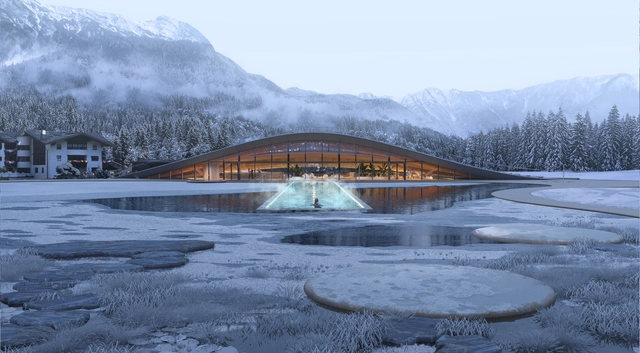
From a spa and wellness center seamlessly integrated into the mountainous landscape of Austria to a refurbished city center that creates opportunities for social interaction in one of Bulgaria’s largest pedestrian city centers, the round-up spans various programs, scales, and attitudes toward the built or natural environment. The selected projects represent explorations in various design solutions, materials, and construction methods. They also showcase the broadness of possible responses ignited by site-specific conditions, from the volcanic landscape of Iceland, to the picturesque hills of the Kerala region in India or the lively central plaza in one of Israel’s largest cities.
The history of architects designing resorts is intertwined with the development of the hospitality industry and the concept of leisure travel. The origins can be traced back to ancient times when the Romans built luxurious villas and bathhouses as retreats for the wealthy. However, the modern notion of resorts emerged during the 19th century with industrialization and the growing middle class seeking recreational experiences.
At a very high standard of luxury, resort hotels provide an immersive and rejuvenating vacation experience. These resorts are frequently rooted in beautiful landscapes in remote locations, often containing full-service accommodations, offering escapism and complete disconnection. Architects have continued to shape the resort landscape in recent decades with their designs. Sustainability and integration with natural surroundings have gained importance as architects strive to create environmentally conscious and immersive resort experiences.
As repositories of knowledge and catalysts for innovation, museums represent an architectural typology filled with opportunities. They act as an intermediary between the general public and artists, historians, and researchers, creating the medium for the display of cultures and creativity while also striving to make knowledge accessible to all. Through careful curation and exhibition design, they provide a platform for education and research, fostering an understanding and appreciation of diverse cultures, histories, and ideas. For architects, they also present an opportunity to conceive spaces aligned with the exhibits on display to create an immersive experience for the visitors.
This week's curated selection of Best Unbuilt Architecture highlights projects submitted by the ArchDaily community that showcase art, technology, and innovation through the program of museums and cultural centers. Featuring projects from emerging and established architectural offices such as Hariri Pontarini Architects, Beyer Blinder Belle, Studio Saheb, RAMSA, and Ho Khue Architects, the selection includes a variety of scales and programs, from a museum dedicated to the commemoration of the Holocaust to a private sportscar museum in Austria or an intricately-shaped art gallery in Vietnam.