For many, schools and kindergartens represent the first contact with public architecture. They, together with every educational facility, serve as the foundation for learning and knowledge dissemination, playing an important role in shaping the formative years of children and young adults. In consequence, these buildings need to respond to the needs of different age groups, while creating functional and flexible spaces for learning, but also for play and unstructured interaction. Light and ventilation needs contribute to the complexity of these architectural programs. However, designing educational facilities presents opportunities for innovation and creative expression, as they are required to adapt continuously to the changing needs of students and faculty while creating a conductive environment for learning.
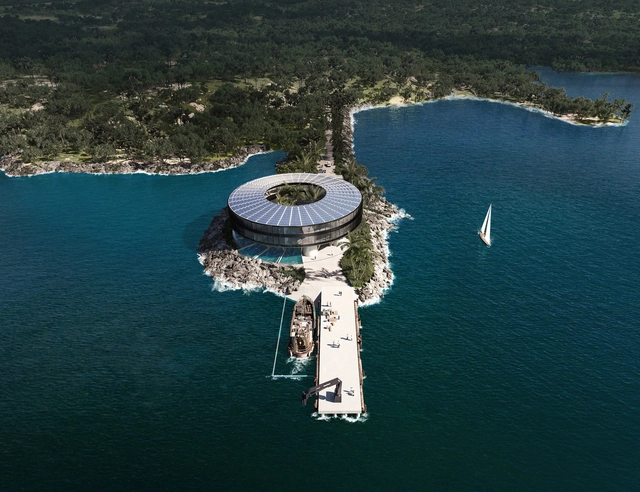
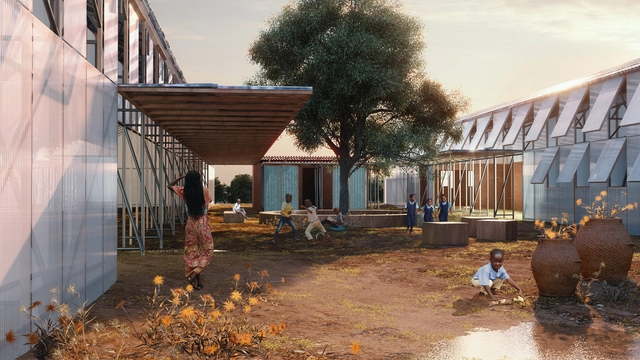
This week’s curated selection of Best Unbuilt Architecture highlights designs submitted by the ArchDaily community dedicated to cultural institutions. From a learning center created to offer the girls in Mozambique an equal opportunity to learn, play and connect, to a naval station redesigned as a research center on the coast of Puerto Rico, this selection features projects created to encourage learning, curiosity, and the exchange of knowledge and expertise. The article includes designs from both established and emerging architectural practices, including Moore Ruble Yudell, C+S ARCHITECTS led by Carlo Cappai and Maria Alessandra Segantini, Hello Wood, and snkh studio.
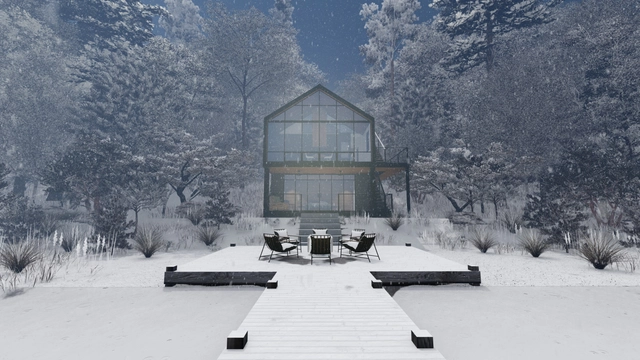
Lake House, Hudson Valley, New York. Image Courtesy of RS Mannino
This week’s curated selection of Best Unbuilt Architecture highlights visionary villas submitted by the ArchDaily community. From a modern lake house weekend retreat in New York, a Mediterranean Villa in Portugal that blends outdoor and indoor, and a rammed earth residential complex of five villas that fold into the Balinese landscape, this round-up of unbuilt projects showcases how architects are moving forward from conventional residential architecture, pushing the boundary of luxury.
Each project has a different vision, generated by unique site conditions, and has been designed specifically for the future users of the villa. Moreover, firms like Bittoni Architects, Lipman Architects, RS Mannino Architects have all presented work that plays with materiality, giving the houses unique characteristics.
The year 2022 was marked by several socio-cultural and economic crises across the globe, from the Russian invasion of Ukraine to the increasing cost of living worldwide, combined with a number of natural disasters such as the devastating floods in Pakistan and hurricane Ian in the US. In these difficult times, architects are stepping up and embracing their role in developing design-based solutions to humanitarian crises, ranging from temporary shelters and affordable housing schemes to centers for protecting at-risk groups such as homeless underage girls, children from low-income environments, or families in need of medical care.
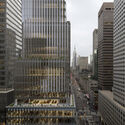
This week's curated selection of Best Unbuilt Architecture highlights projects submitted by the ArchDaily community that engage with their local communities, offering safe spaces for disadvantaged and at-risk groups. From a sanctuary for homeless girls in Iraq to an affordable housing project in Prague’s first skyscraper, this selection features projects centered around people, their needs, and desires. Many of the projects employ local materials such as clay bricks to lower the construction costs. They also reuse existing buildings and hope to engage the local community in building and appropriating the proposed spaces.
In any city, cultural centers can play a significant role in preserving and celebrating the community’s heritage and history, officing space for a vast array of activities and initiatives to encourage social interaction and the sharing of ideas and memories. They are also institutions that promote education and learning, often offering classes, workshops, and lectures on various topics related to culture, history, and the arts. By fulfilling these crucial roles within a given community, they can also become attractive centers for tourists eager to learn about local identities, cultures, and traditions.
Sir David Chipperfield has been awarded with the 2023 Pritzker Prize, the highest distinction in the architectural profession. Known for his well-crafted, precise, and sensible response to complex environments, the architect became initially recognized for the skillful restoration and renovation of existing buildings, often cultural institutions, before expanding the range of projects to include new structures. While his built body of works demonstrates many of the core principles of good architecture, the ongoing projects reveal an equally relevant narrative: that of his direction moving forward and the way in which his approach to these principles evolves.
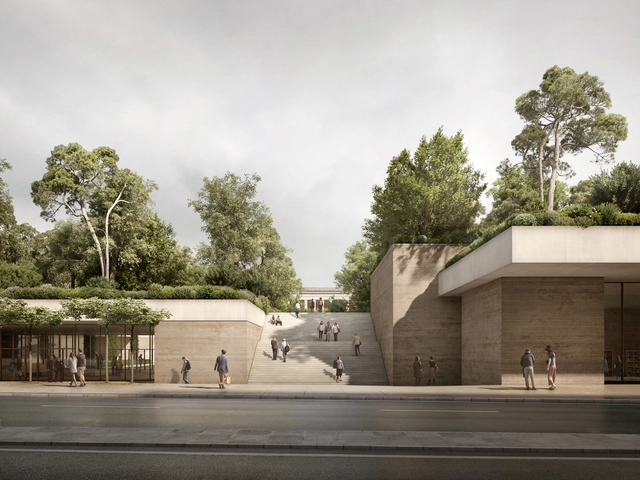
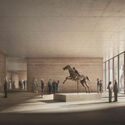
Many of the ongoing projects continue Chipperfield’s interest in museological and cultural institutions, yet he continues to work across a wide array of building types. The latest major project announced tackles one of the most prominent institutions in Greece, the National Archeological Museum. This represents yet another opportunity for the architect to present museums as institutions that offer a transformation of the urban life of the cities where they are located, while also bringing forward the historical layers that define its architecture. Other projects, such as the Santa Giulia Arena in Milano or the Elbtower in Hamburg, expand the range of programs and typologies addressed by Chipperfield.
Homes of the Future. Image Courtesy of Mossawi studios
This week's curated selection of Best Unbuilt Architecture highlights visionary homes by the ArchDaily community. From a prefabricated house to supporting Ukraine war victims, a modular multi-story house highlighted during the Dutch Design Week, and a villa "shaped" by the Dubai coastline wind flow, this round-up of unbuilt projects showcases how architects move forward from the conventional residence concept to project alternative habitational standards in responding to harsh environments, nature, and technology.
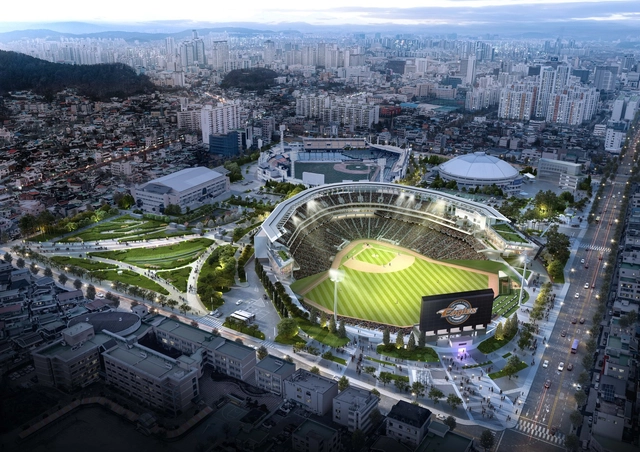
Baseball Dream Park / HAEAHN Architecture, Inc.. Image Courtesy of HAEAHN Architecture
Sport plays an important role in the life of every city, yet the buildings housing these activities pose a particular set of challenges to the architects. Scale and dimensions need to be adapted to allow for unrestricted movement, heights are adjusted to the force of an athlete’s throw, and lighting, surface, and finishes require careful consideration. The matter becomes even more complex if these activities become the center of large-scale events. The flow of people becomes an integral part of the design, as different types of users require separate circulation paths.
This week’s curated selection of Best Unbuilt Architecture highlights the design of sports centers submitted by the ArchDaily community. From a tennis stadium in Italy, to a yoga pavilion on the cliffs of Portugal, this selection features projects centered around movement, practicing, following, and enjoying sports, be it tennis, baseball, yoga or football. The article presents projects from various counties, such as South Korea, Canada, Portugal, and Argentina.
Korean Museum of Urbanism and Architecture | South Korea. Image Courtesy of Atelier of spatial matters
This week's curated selection of Best Unbuilt Architecture highlights cultural centers by the ArchDaily community. From a spiral- gallery symbolizing the Jinju culture in South Korea, a building devoted to Irish culture to a gallery to serve as a cultural incubator for Indonesia, this round-up of unbuilt projects showcases how architects, community, and institutions team up to promote culture, arts, history, and reflection.
Master plans, or large-scale urban planning projects, are one of the main tools for shaping and structuring land use and development to ensure that the built environment is coherent and functional. The interventions vary in scope and approach. While some projects are extending the buildable area by creating floating neighborhoods off the coast of Florida, others are reusing the existing spaces and heritage to reimagine the future of their communities.
Tu Casa by Lutolli Architects + Partners. Image Courtesy of Lutolli Architects + Partners
Architects play an important role in creating healthy, functional and aesthetically pleasing environments. Interior design represents a natural continuation of the same prerogative, and its importance has been accentuated in recent years, from the lockdown forcing many people to remain indoors for extended periods of time, to the rise of remote work. The task of the interior designer is not decorating spaces, but planning for an effective use of space, understanding the needs of the user and highlighting the intrinsic qualities of a space. Acoustics, lighting, material properties and proportions all play a role in achieving a coherent and enjoyable interior space.
This week’s curated selection of Best Unbuilt Architecture highlights interior design projects submitted by the ArchDaily community. From a pastel-colored library in Turkey to a renovated symphony hall in San Diego, US, this selection of unbuilt projects showcases how architects design interior spaces by integrating textures, materials, light, and color in well-proportioned spaces. The article includes projects from Turkey, US, Switzerland, Indonesia, UK, and Denmark.
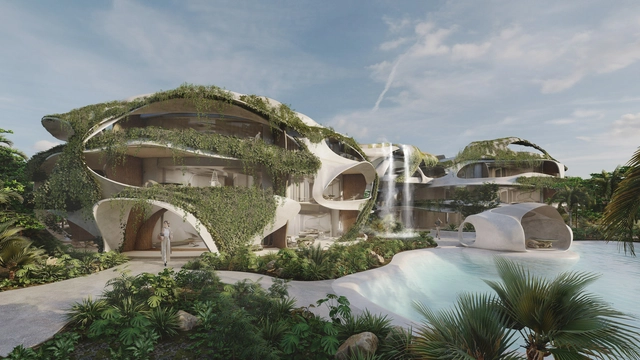
The world-renowned brand, AZULIK announces the new project in Tulum, Quintana Roo which confirms its creative expansion and the growth of architectural scope: "Habitable Sculptures" its first residential complex that they describe as "a new proposal for lifestyle and sustainable luxury." The residential initiative was born from the firm Roth Architecture, continuing with the characteristic aesthetic that "puts nature as the protagonist and the user as a priority."
Tagh Behesht Business Center in Tehran, Iran. Image Courtesy of Rvad Architecture and Design Studio
This week's curated selection of Best Unbuilt Architecture highlights office spaces submitted by the ArchDaily community. From a TV station in Vietnam to a bazaar-inspired business center in Iran, this round-up of unbuilt projects showcases how architects structure corporative spaces to serve as a model for sustainable, innovative, and future-oriented workplaces.
Meta City Hall / CAA LAB. Image Courtesy of CAA LAB
The promise of the metaverse is proving to be a fertile ground for research and experimentation for architects. This new realm is currently undefined, consisting of many narratives, explorations, and opportunities for architects and designers to shape a new type of environment. Generative engines, such as AI image-generators, are contributing to the feeling of open possibilities. While they are not yet part of the standard practice, they bring the promise of a shift in the production of architecture. Conceptual projects such as the ones presented in this list serve little to no external purpose. Still, they are essential in conducting an understanding of the possibilities of the new technologies which are likely to have a significant effect on the profession.
This week's curated selection of Best Unbuilt Architecture highlights projects submitted by the ArchDaily community that experiment with a new medium and integrate novel technologies. From abstract buildings created to be experienced through virtual reality in the metaverse to investigations into the ability of AI image generator engines to develop innovative architectural expressions and even research into planimetry, the following projects are pushing the boundary of what architecture could look like in the new age of technological developments.
fala - House with Three Gestures. Image Courtesy of fala
This week’s curated selection of Best Unbuilt Architecture highlights projects submitted by established firms. From a museum dedicated to Jewish history to a high-speed railway hub and a university student center, the following selection showcases a variety of concepts, design approaches, and programs developed by global architecture offices.
Featuring firms like KPF, Aedas, Fala Atelier, ADP Architecten, and Peter Pichler Architects, this week's selection of unbuilt projects explore architectural and urban interventions at different scales and at varying stages of their development. Whether conceptual works or ongoing, planned for execution, and even under construction, each project aims to offer an appropriate response to the spatial, functional, social, and environmental needs of its context.
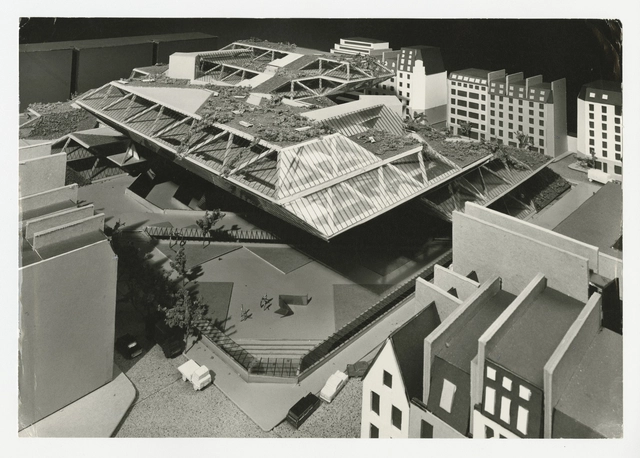
Pompidou Center Competition Model, 1971. Image Courtesy of Safdie Architects
From October 2022 through January 2, 2023, The Boston Architectural College (BAC) and Safdie Architects will display the most groundbreaking unbuilt projects by Moshe Safdie. With Intention to Build showcases the architect's creative process throughout the 55 years of his career, including models, drawings, and various texts and photographs. The exhibition provides context and tells the story behind these radical unrealized designs that have influenced projects such as Habitat 67 in Montreal, Canada, and Marina Bay Sands in Singapore.
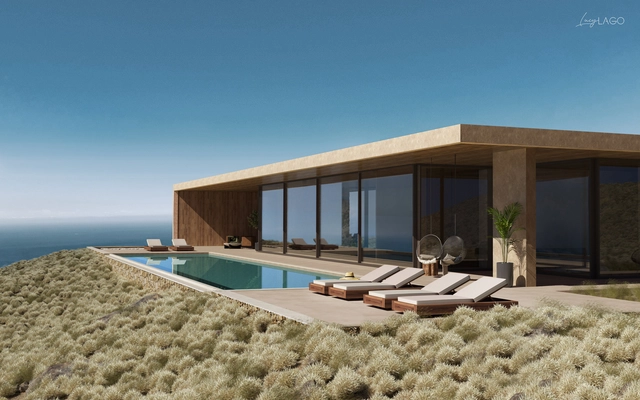
Villa Domy by LUCY LAGO's studio. Image Courtesy of LUCY LAGO's studio
This week’s curated selection of Best Unbuilt Architecture highlights private villas submitted by the ArchDaily community. From a Mediterranean retreat in Greece to a one-person residence in Iran, this round up of unbuilt projects showcases how architects design private villas that combine contextuality and functionality in structures that promote comfort, privacy, and connection to nature. The article includes projects from Indonesia, Greece, Iran, and Jordan.
Tying the Knot - Atlanta Legacy Makers by OBJ. Image Courtesy of OBJ
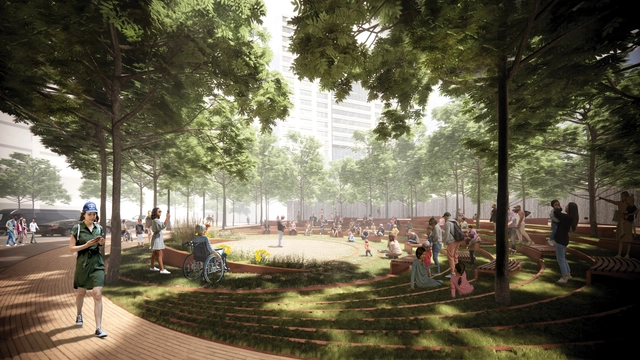
One of the central responsibilities of urban planners and designers is to create places within the city for gatherings, demonstrations, leisure, and relaxation. The following list of unbuilt public spaces presents projects that expand these spaces beyond the shores or riverfronts, return misused spaces back to the local communities and seek to optimize otherwise overlooked areas. These types of interventions are essential in improving the quality of life of the citizens and in making cities more enjoyable to live in.
This week's curated selection of Best Unbuilt Architecture highlights projects submitted by the ArchDaily community. Located near a UNESCO heritage site in Italy, on top of an illegal dumping site in Dallas, Texas, or in a medieval city in northern Spain, this round-up of unbuilt projects showcases how architects and urban planners recognize the potential of urban places.
Arteries of hope by Partner-z Architects. Image Courtesy of Partner-z Architects
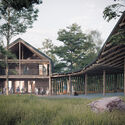
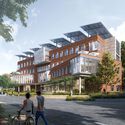
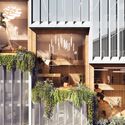
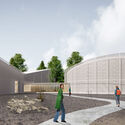
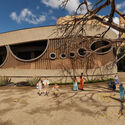
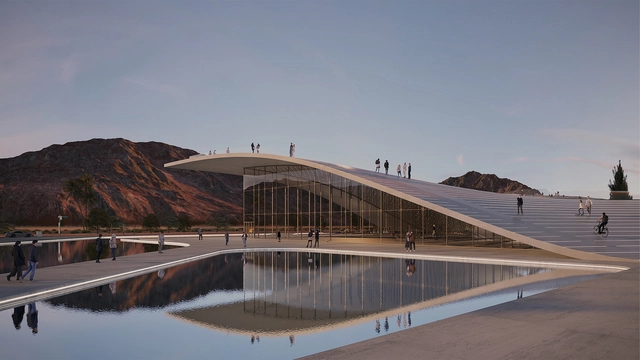
This week’s curated selection of Best Unbuilt Architecture highlights educational facilities submitted by the ArchDaily community. From a contextual Earth school in Senegal, to a borderless, collaborative school in Vietnam, this round up of unbuilt projects showcases how architects infused nature with architecture, offering students the chance to engage with the landscape and learn more about their surroundings from their academic institutes. The article also features projects from Lebanon, Switzerland, Armenia, Ukraine, and Greece.












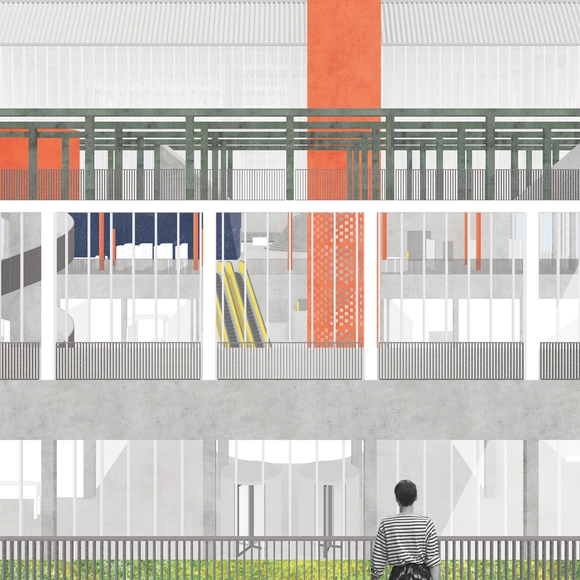


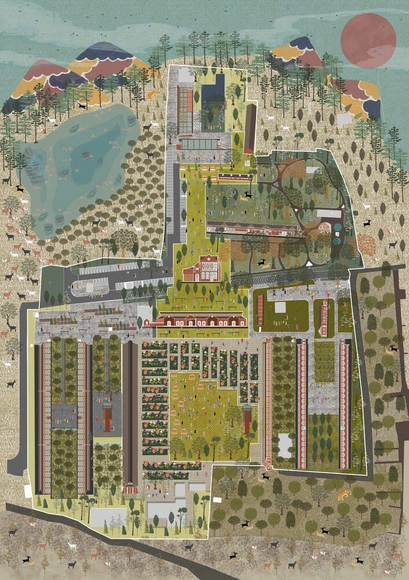

















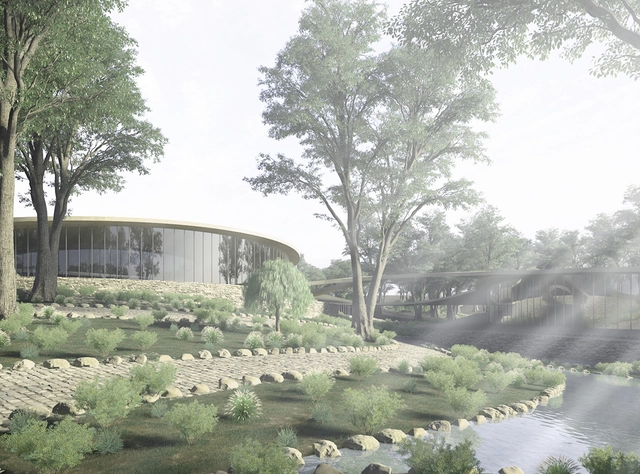

.jpg?1656583509 "The Creeper – COAF Smart Campus Armavir by TarberAK Architectural Studio; TL Bureau. Image Courtesy of TarberAK Architectural Studio; TL Bureau")


