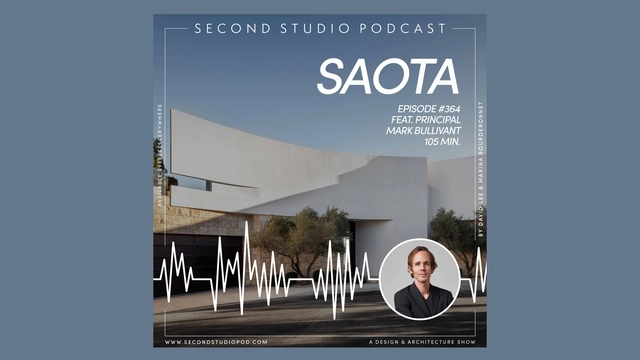
The Second Studio (formerly The Midnight Charette) is an explicit podcast about design, architecture, and the everyday. Hosted by Architects David Lee and Marina Bourderonnet, it features different creative professionals in unscripted conversations that allow for thoughtful takes and personal discussions.
A variety of subjects are covered with honesty and humor: some episodes are interviews, while others are tips for fellow designers, reviews of buildings and other projects, or casual explorations of everyday life and design. The Second Studio is also available on iTunes, Spotify, and YouTube.
This week David and Marina of FAME Architecture & Design are joined by Architect Mark Bullivant, Principal of SAOTA to discuss his background; attending architecture school in South Africa; working on projects across continents; the differing roles of contractors in different areas of the work; their collaborative approach; leadership and management of a large office; the various types of projects they work on; and more!
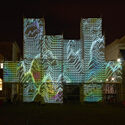
In July, Las Vegas unveiled an extravagant spectacle - a colossal LED-wrapped spherical structure, standing 366 feet tall and 516 feet wide. This entertainment event venue instantly captured the public's gaze, becoming a local landmark and attracting global attention through extensive news coverage. Similar spherical concepts have been proposed in London and at a smaller scale in Los Angeles. These massive display structures open up questions about facades as digital canvases. What role can architecture take as an urban canvas other than as a billboard? And what are different ways for architecture to engage the public through digital art besides gigantic LED spheres?
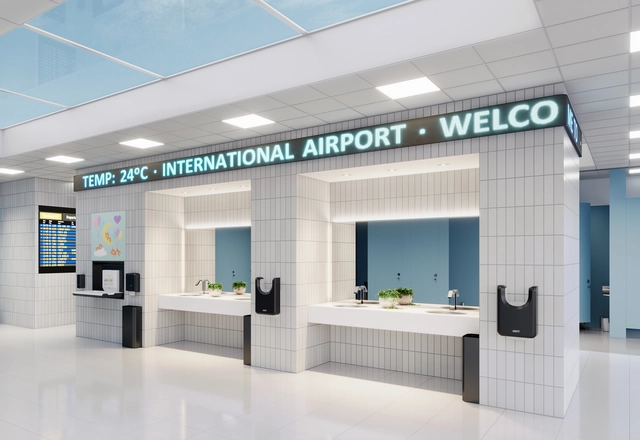
Although considered common practice today, the concept of hand hygiene was not initially deeply ingrained in society. It wasn't until 1847 when the Hungarian physician Ignaz Semmelweis, supported by scientific evidence, proposed that hand washing was a hygienic measure with a direct impact on people's health. From this point on, the rest is history. Hand hygiene has become a widespread practice, ranging from washing to drying, accompanied by various accessories that play specific roles in the process.
In contemporary environments, especially in the context of collective well-being, public restrooms have become a focal point. This shift in focus is, in part, a response to the post-pandemic emphasis on hygiene and the role of restroom accessories in these settings. Among the accessories available, hand dryers have garnered significant importance, even transcending their primary function. In light of this, Mediclinics has innovated by introducing a new hand dryer concept that places a strong emphasis on enhancing the user experience while offering innovative restroom equipment with a distinctive U-shaped design.
https://www.archdaily.com/1009500/hands-in-to-hands-through-a-new-generation-of-hygienic-and-aesthetic-hand-dryersEnrique Tovar
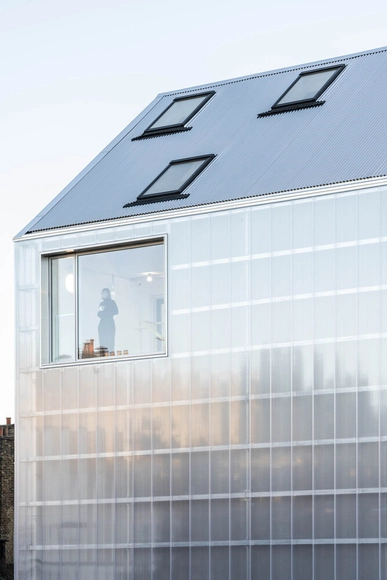
Bradbury Works / [Y/N] Studio. Image Courtesy of [Y/N] Studio
In the contemporary context, global warming has marked a turning point in the way we think about architecture. We are witnessing record temperatures on our planet and a challenging panorama in many large cities, characterized by heatwaves and, in some cases, more severe winters. These circumstances have triggered a cycle in which the demand for heating and cooling systems increases, which, in turn, translates into higher energy and operating costs for buildings.
Given this situation, it becomes imperative to design energy-efficient buildings to reduce both the environmental impact and the associated costs. One of the strategies to achieve this is to properly plan the facade, which, serving a function similar to the building's skin, can help reduce the energy required for heating and cooling. In this context, the polycarbonate panels developed by Rodeca contribute to the energy efficiency of buildings, in addition to their lightweight, slender construction, and translucent aesthetics.
https://www.archdaily.com/1009134/ecological-lightweight-and-slender-energy-efficient-architecture-with-translucent-polycarbonateEnrique Tovar
Representing a fusion of innovation and convenience, a smart home can be defined as an environment in which one or more devices are connected and can be controlled remotely, either through a smartphone or voice commands. Automation, or home automation, is an advanced technology that has become increasingly accessible and popular. It enables tasks ranging from efficiently controlling lighting and room temperature to managing security devices, entertainment systems, and voice-activated personal assistants. Smart homes empower residents with continuous and user-friendly control over their environment. This dynamic synergy of automation and connectivity not only promotes efficiency and resource conservation but also opens new horizons in customization and comfort, envisioning a future where homes adapt to the needs and preferences of their occupants, making life simpler and more enjoyable. However, these systems often require the installation of new cables and wiring to build the necessary infrastructure, as well as the hiring of highly specialized labor, which can often make their implementation impractical.
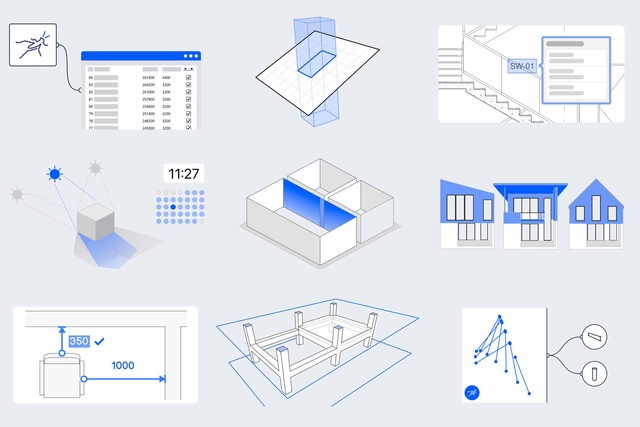
Architecture is a unique field that combines equally constant aesthetic and functional needs, while immersed in dynamic technological environments. At this juncture, design processes and buildings are becoming increasingly intricate, requiring architects to manage projects efficiently while fostering multidisciplinary and multi-level collaboration throughout workflows. Additionally, the new technologies and tools we employ in the process must evolve at the same pace —sometimes even faster— by embracing aspects such as sustainability and efficiency, all while keeping an eye on the future.
The tools available in the multidisciplinary architectural environment have evolved significantly quickly. Both students and experienced architects have now nearly completely transitioned from manual methods to computer-aided drafting software. Today, we find ourselves immersed in the era of architecture driven by technologies such as Building Information Modeling (BIM), artificial intelligence, and digital processes. At the same time, the fundamentals of BIM and its historical background trace back to the early days of computing, research, and new technologies, which sparked a rapid evolution within the AEC industry and among its professionals.
https://www.archdaily.com/1008860/bim-and-the-future-of-architecture-accelerating-design-processes-with-archicad-27Enrique Tovar
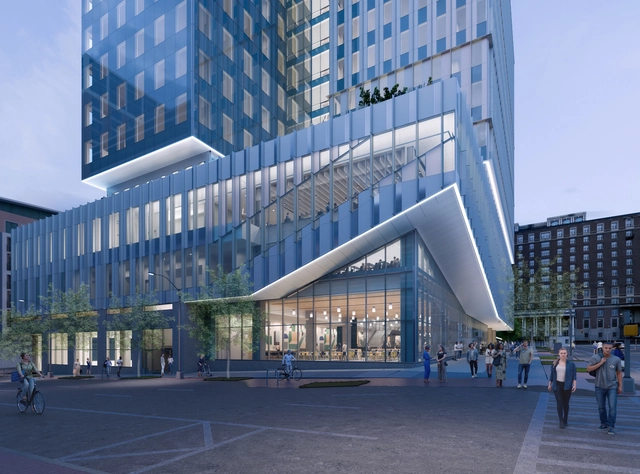
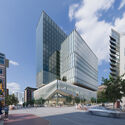
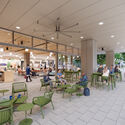
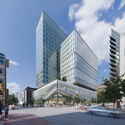
EskewDumezRipple has just revealed the designs for a new academic building for the Georgia Institute of Technology in Atlanta. Embedded into the new “Technology Square,” this expansive project marks phase 3 of Georgia Tech’s growth initiative. Designed to facilitate the development of technology leaders and enhance the human condition of Georgia Tech students and faculty, the scheme creates a vibrant intellectual environment filled with inspiration.
Image created using AI under the prompt: An emotive and detailed illustration of the texture of various types of architectural insulation. Image via DALL.E 2
Although more related to evolutionary aspects than to architecture itself, the inherent physical fragility of human beings has required, since prehistoric times, that we protect our bodies and our buildings from external elements. As an example, beginning with the primitive huts used in the earliest forms of domestic architecture, furs were employed as an exterior covering to restrict the flow of air and, consequently, regulate the interior environment.
Subsequently, we have observed an evolution that clearly shows advances in insulation techniques, going from vernacular materials such as adobe to an increase in the thickness of walls using stone or brick, finally reaching the cavity walls developed in the 19th century, which left a small air chamber between an exterior and an interior face of the wall. Its later popularization led to the introduction of insulation between both faces, a system that is widely recognized and used today and has laid the foundations for further developments in this field.
https://www.archdaily.com/1008656/a-glimpse-into-the-evolution-of-insulation-materials-in-architectureEnrique Tovar
Image created using AI under the prompt: An expressive illustration of an urban environment with a lush landscape that exemplifies the decarbonization of architecture. Image via Via DALL.E 2
Architecture encompasses multiple processes, starting with identifying needs and transforming them into habitable structures through thoughtful design. Historically, construction-related processes like resource extraction and end-of-life disposal were often overlooked. However, it is essential to recognize that buildings have a lifecycle with significant impacts on carbon emissions. Emphasizing sustainable practices is vital to minimize our ecological footprint and positively impact the planet.
https://www.archdaily.com/1004300/how-to-reduce-the-carbon-footprint-through-architecture-three-approaches-across-the-building-lifecycleEnrique Tovar
Each architectural style intrinsically relates to a specific context, period, or place. An illustrative example is the region of the United States, which was strongly influenced by the period of British colonization in the Americas (17th-18th centuries). In this context, dwellings emerged that adopted a distinctive architectural language. Moreover, the large distances between major cities in many areas of the country had a significant impact on the configuration of domestic architecture, resulting in the inclusion of barns and other structures that served various functions in addition to housing. This architectural style is characterized by its rectangular floor plan, two-story structures, gable roofs, and wooden cladding on the facade. These elements constitute an integral part of the vernacular expression of the houses from that time.
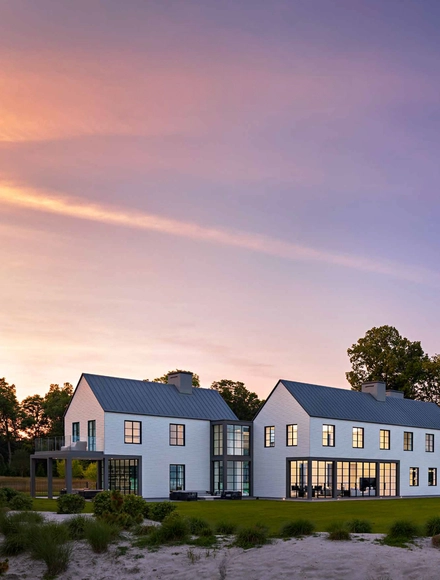
Speaking specifically of gable roofs, they are the feature most associated with the traditional aesthetic of dwellings developed between the 17th and 19th centuries, as well as later ones. One example is the Beachside House, which is a contemporary project documented in Swisspearl Architecture Magazine. This settlement is located on the shore of Long Island Sound, which divides Connecticut from Long Island, New York. With its four gable-roofed structures, covered with light-toned fiber cement panels, it seeks to be an abstraction of New England vernacular architecture.
https://www.archdaily.com/1008129/the-beachside-house-a-case-study-of-vernacular-inspired-architecture-using-modern-materialsEnrique Tovar
The phrase “Demography is destiny” is repeated more than once in Smaller Cities in a Shrinking World (Island Press). This new book by noted urban researcher Alan Mallach tackles, in meticulous and fascinating detail, the “wicked problem” of shrinking cities in the U.S. and across the globe. But it’s not only our cities that are shrinking—the countries that contain them are, too. I spoke with Mallach about the imperative of planning for this new demographic reality.
Will Artificial Intelligence replace architects in their roles? In the May 2023 edition of Building magazine, Thomas Lane suggests that AI has the potential to automate up to 37% of the tasks typically carried out by architects and engineers. This automation, though, is likely to target routine and less creative tasks, allowing professionals to concentrate on more strategic and imaginative aspects of their work.
Just as Revit and 3D software did not replace architects but only transformed their workflows, the same principle holds for AI tools. AI is poised to bring about new tasks, such as AI management, alongside existing responsibilities, signaling a shift in how architects work.
Modular Eco-Housing . Image Cortesia de Yvonne Witte
When we talk about technology, we often think of robots, supercomputers, data centers or smartphones. But technology also refers to the invention of the first chipped stone tools or the development of the steam engine, which brought about the first Industrial Revolution. The term comes from the combination of the Greek words techne (art, craft) and logos (word, speech) and is nothing more than the application of knowledge to achieve goals in a specific and reproducible way, for practical purposes. In the construction industry, which moves large amounts of resources and people, more technology means incorporating new methods, tools, automation and software that can improve efficiency. As a historically innovation-resistant industry, the construction sector has a huge impact on the environment due to its carbon emissions and exploitation of raw materials. However, as it turns to the digital world, builders have seen technology as a means to optimize practices and identify, build, and manage their projects.
Nowadays, the term “utopia” is used to describe an idea that seems unattainable —at least in the contemporary context— intrinsically related to philosophical, scientific, urbanistic, and architectural concepts, among others. The close connection between utopias and architecture is evident, as this discipline is often associated with imagination. Some notable examples include “The Unreliable Utopia of Auroville's Architecture” and “The City in Space: A Utopia”by Ricardo Bofill. In this context, architects and designers alike use design as a means to develop innovative and disruptive ideas through various elements.
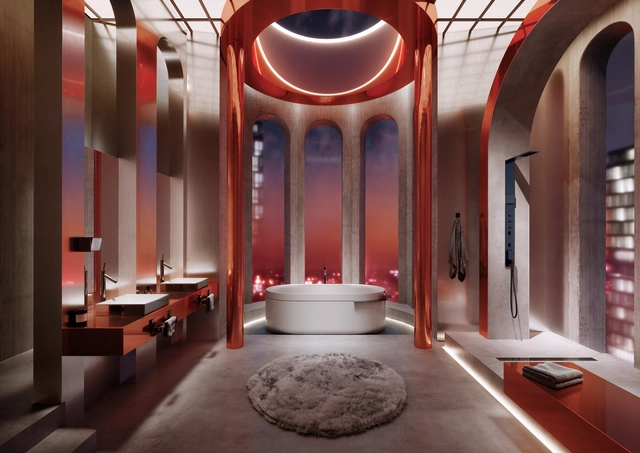
Although considered an idealized concept that does not exist, some designers have ventured into exploring the notion of utopia. AXOR, in conjunction with the Valencia-based design studio Masquespacio, has turned the page by conceiving and bringing to reality a new bathroom concept for a unique hotel suite that embodies their vision of personal luxury. Titled “Utopian Dream”, this design response blends vibrant colors with unexpected details, a combination that this duo defines as a mystic experience above the clouds.
https://www.archdaily.com/1007798/balancing-neoclassical-and-futuristic-design-the-utopian-dream-bathroom-conceptEnrique Tovar
As society, technology, and architecture have evolved, designers and architects have embraced novel construction systems and innovative approaches to reshape the built environment. This advancement has stretched the boundaries of traditional construction techniques and ignited fresh ideas in building design.
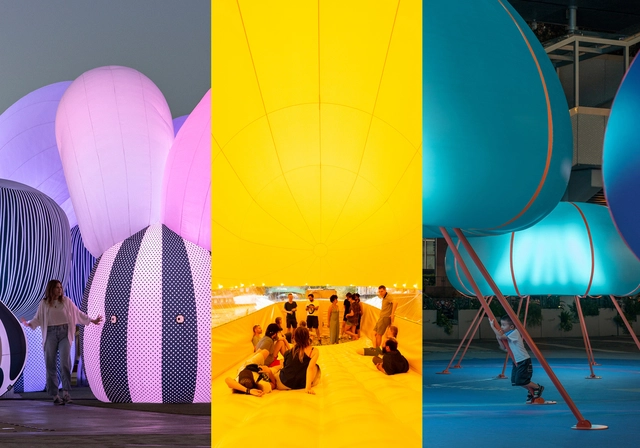
In the past, some architects and artists aimed to question an architectural paradigm deeply entrenched in anthropocentrism. Historically, architecture has been linked to the notion that buildings, being conceived by human beings, must be extremely durable, even imperishable. Considering the principle that the best intervention is the least intrusive, inflatable architecture, in contrast to these human-centric viewpoints —but aligned to our ephemeral nature—, can propose structures that may exist one day and vanish the next, leaving a temporal imprint on the landscape. This architectural approach uses textiles as the primary material and air as the structural system, potentially challenging the traditional Vitruvian ideals of Venustas, Firmitas, and Utilitas.
https://www.archdaily.com/1007496/inflatable-architecture-pneumatic-structures-transforming-built-environmentsEnrique Tovar
The role and relationship of furniture in architecture and space design are of great relevance. Designers such as Eileen Gray, Alvar Aalto, Mies Van der Rohe, and Verner Panton conceived furniture —primarily stools and chairs— that endure over time as powerful and timeless elements, with a determining impact on the interior atmosphere. Thus, the relationship between furniture and space becomes a constant dialogue in which design, aesthetics, and materials contribute their dimension.
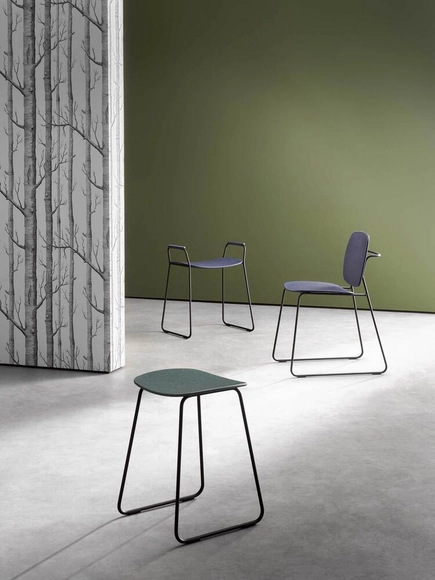
Today, furniture should not be limited solely to fulfilling an aesthetic and functional role, but should also have a purpose in the context of contemporary design and sustainable development. It is essential to reflect on and question the processes and choice of materials in the manufacturing of these elements, in addition to the value they bring to interior spaces. In this context, HEWI has taken a step forward by creating the Re-seat family, consisting of stools and chairs made from post-industrial recycled materials (PIR), sourced in part from the processes of the company itself and a regional supplier, both based in Bad Arolsen, Germany. It also features integrated solutions with universal design in mind, making a statement in favor of innovation and eco-design.
https://www.archdaily.com/1007326/re-purposing-materials-from-post-industrial-recyclate-to-accessible-furnitureEnrique Tovar
In the context of WWI and to address the massive housing shortage resulting from the conflict, the Dom-Ino modular structure, one of the most significant contributions of functionalism and designed by the Swiss designers Le Corbusier and Max Dubois, established concrete premises for a new vision of a lightweight structural model that optimizes the construction process. Thanks to the use of a reinforced concrete slab and column system, the Dom-Ino structure allowed for the flexible arrangement of elements in the floor plan and freed the facade from the limitations imposed by load-bearing walls.
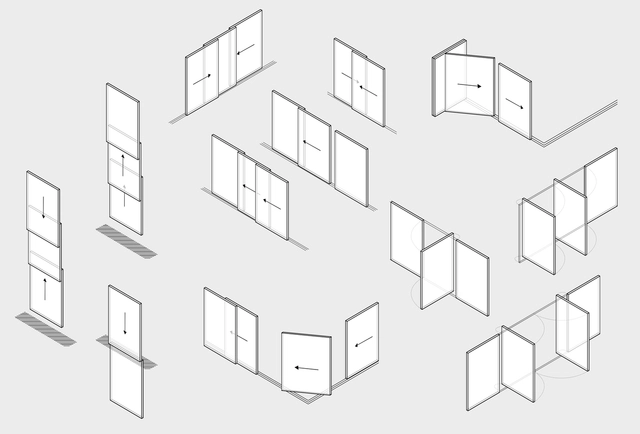
This condition prompted the creation of architectural designs that not only integrated windows as functional elements but also as compositional. Thanks to technological innovations, windows with slender framings and wider openings were achieved, as exemplified in works such as Villa Savoye and Farnsworth House. While these proposals redefined the aesthetics of architecture, the technological limitations of the time presented challenges. Nowadays, the continuous development of windows with improved technical characteristics has led to the concept of the minimalist window, which has inspired three fundamental principles derived from this concept, conceived by Vitrocsa. These principles —transparency, functional variations, and advanced mechanisms— incorporate technological innovations while simultaneously blurring spatial boundaries. Each of them plays a key role in the design of spaces and together they significantly redefine the aesthetics of buildings and interiors.
https://www.archdaily.com/1006485/redrawing-boundaries-the-three-principles-of-minimalist-windowsEnrique Tovar