In the realm of architectural design and interior furnishings, achieving a balance between form and function is a daily challenge that designers encounter. This interplay between utility and aesthetics has not only evolved over time but also involves a constant exchange of styles and production methods. Frequently, this interchange leads to standardization and generic designs, potentially causing a depletion of authenticity in the design process.
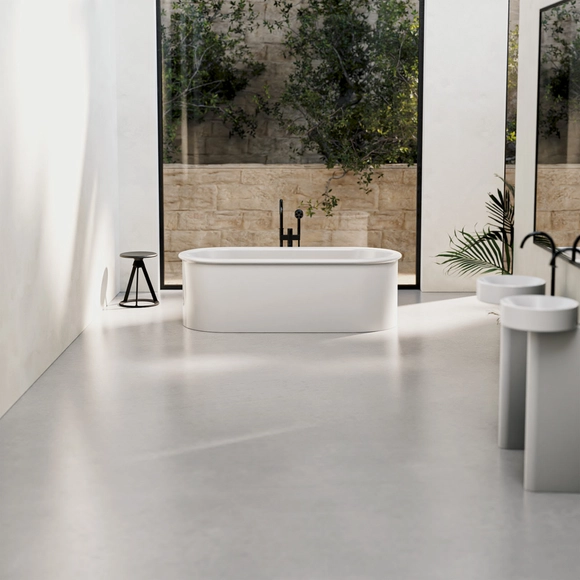
For this reason, in the contemporary era, designers are revisiting the fundamentals, rediscovering manual design processes that range from sketching to model making, all while embracing pure forms. Designers and manufacturers alike are embracing conscientious approaches to develop proposals that maintain simplicity in design while retaining a distinctive identity. In response to this, Bette, in collaboration with the British design studio Barber Osgerby, proposes the creation of minimalist-style bathrooms through the BetteSuno bathroom collection, stripping away complex shapes and seeking a light visual design.
https://www.archdaily.com/1005100/handcrafted-design-for-minimalist-washbasins-and-bathsEnrique Tovar
Sanders highlighted the results of a five-year assessment of the LAF fellowship program and its efforts to grow the next generation of diverse landscape architecture leaders. The assessment shows that past fellows are shaping the future of the built environment in key public, non-profit, and private sector roles.
This article is the fifth in a series focusing on the Architecture of the Metaverse. ArchDaily has collaborated with John Marx, AIA, the founding design principal and Chief Artistic Officer of Form4 Architecture, to bring you monthly articles that seek to define the Metaverse, convey the potential of this new realm as well as understand its constraints.
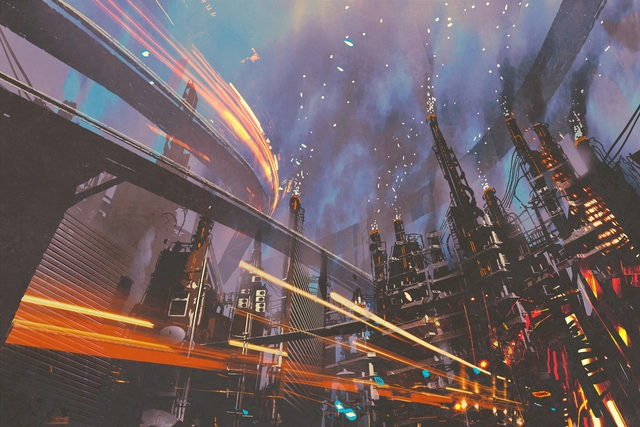
Science fiction writers inspire us with bold and provocative visions of the future. Huxley, Orwell, Assimov, and Bradbury easily come to mind. They have imagined great advances in technology and oftentimes predicted shifts in social structure that were a result of the human need to open Pandora's Box. A large part of the charm and allure of science fiction is the bold audacity of some of these predictions. They seem to defy the laws of nature and science, and then, faster than you might have thought, the spectrum of human inventiveness makes it so.
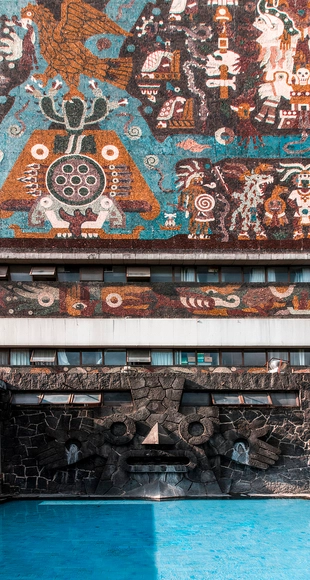
From the pre-Columbian period of the Americas –during which cultures such as the Olmec, Maya, Purepecha, and Mexica (Aztec) thrived– to the modern era where architecture has been influenced by social movements and even natural disasters, Mexican architecture showcases a valuable architectural expression, with its own unique voice and distinctive characteristics. Nobel Literature Laureate Octavio Paz argued that architecture is an incorruptible witness to history. Likewise, the materials used to shape it have acted as protagonists of that history, enduring in many cases over time and evolving thanks to the generations of architects who have contributed to it, from different perspectives.
To trace a timeline, it is possible to take as a starting point pre-Hispanic architecture, which exhibited a diversity of nuances due to Mexico's vast territorial extension. This allowed diverse cultures to find their niche and develop their characteristic architectural styles. Subsequently, the era of Spanish colonization, which itself drew influence from Islamic architecture, represented a noteworthy turning point in architectural development. This phase endured until the advent of Mexican Independence in the 19th century. In turn, this marked the initiation of social and cultural movements, both during and after the Mexican Revolution in the early 20th century.
https://www.archdaily.com/1005554/materials-that-define-the-contemporary-mexican-architectural-aestheticEnrique Tovar
There are many building materials that have experienced minimal changes since their initial inception in the field of architecture. However, this does not imply that they are outdated, but rather that their qualities and simplicity make them highly versatile materials also demonstrate the resilience and durability of materials that withstand the test of time. An example of this is brick, a timeless material that has been able to adapt over the years, serving functions such as walls, cladding, and flooring, among others. Under this premise, Louis Khan referred to the expressive possibilities of brick, stating, "Even a brick wants to be something. It aspires."
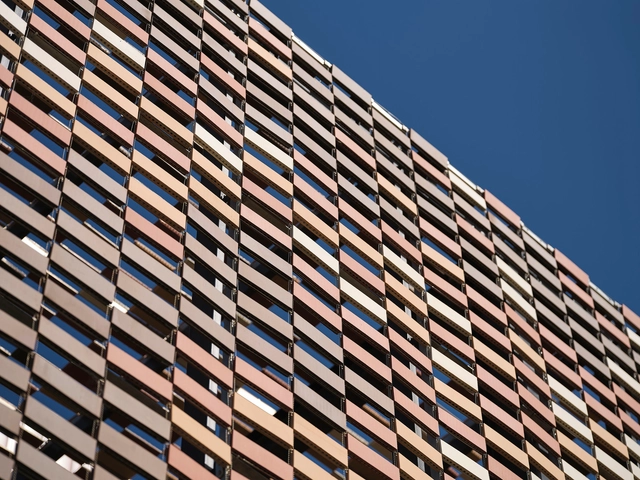
Thanks to the progress of new technologies applied to materials, disruptive proposals have arisen that converge in new construction systems. On many occasions, these new technologies are combined with materials considered "traditional," generating new concepts in which materials such as brick find new applications and possibilities. One of these new concepts is Flexbrick, a ceramic textile with an industrialized system that combines flexible sheets to wrap architectural spaces. This opens up new possibilities for applications at the forefront of the parametric architecture revolution, using a flexible, adaptable, and sustainable material.
https://www.archdaily.com/1003807/algorithm-based-architecture-flexible-bricks-to-wrap-architectural-spacesEnrique Tovar
Lo-tech Augmented Reality. Image Courtesy of James Corbett
Augmented reality (AR) software has been a common feature in professional design toolkits for a while. But the recent release of Apple’s Vision Pro glasses shows the mixed-reality wearables sector is making serious inroads in consumer markets too, as one of the world’s biggest names in consumer design and technology enters the market.
A major reason for the immense hype surrounding Apple’s foray into AR/VR hardware, however, is the decision to position it as ‘spatial computing.’ By taking the complexity of augmented reality, and using it to heighten a familiar consumer sector – personal computing – the Cupertino-based brand has simplified the whole experience, widening its understanding and appeal.
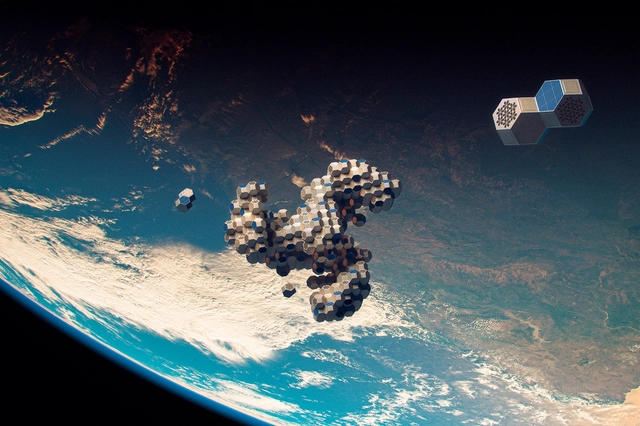
Architecture is likely to exist in any place or physical space inhabited by human beings. Moreover, our inherent curiosity and exploratory spirit constitute an integral aspect of our humanity. Fueled by our inventive capacity, drives us to venture into future scenarios that we can explore as individuals and as a society. Consequently, the possibility of a future in space has sparked the imagination of scientists and designers, resulting in conceptual and science fiction designs where human beings inhabit space.
The inventive and imaginative human capacity can be traced through the work of artists such as Jean-Marc Côté, who, in the early 20th century, envisioned a series of retro-futuristic illustrations depicting what life would be like in the year 2000. There are also notable literary references, such as the works of Ursula K. Le Guin, renowned for her speculative fiction exploring humanity's journey as a spacefaring species. Undoubtedly, the future and space are two captivating topics that have inspired the development of a long-term vision for society in space.
https://www.archdaily.com/1001762/architecture-for-inhabiting-space-tessellated-reconfigurable-structures-for-adaptive-environmentsEnrique Tovar
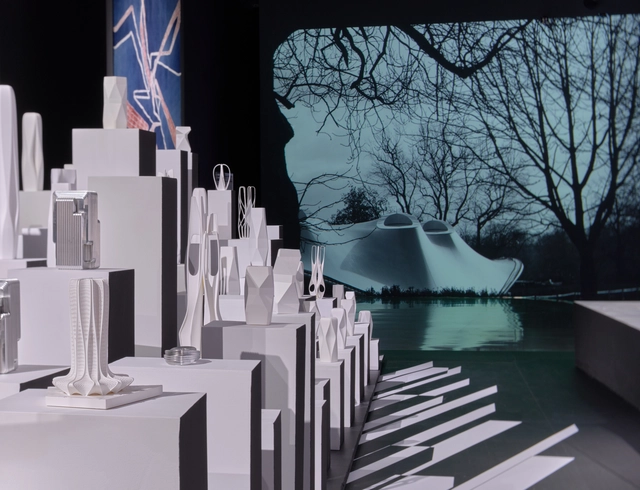
Zaha Hadid Architects (ZHA) celebrates their 15-year journey in China with an exhibition at the Guardian Art Center in Beijing. “The New World” highlights their work and research in the fields of architecture and urbanism. Moreover, it details the evolution of ZHA’s work since opening its first office in China. The exhibition showcases the studio’s approach to projects, with a heavy focus on their new digital design tools and technology.
Sun protection is a universal need for human beings. While sunlight benefits our health and mood, it is also essential to protect ourselves from its harmful effects on our well-being and comfort. Throughout history, architecture has provided solutions to this need by offering shelter and comfort in shaded areas. Since ancient Egypt, sunshades made of palm leaves attached to a pole have been used to protect against the sun in open spaces.
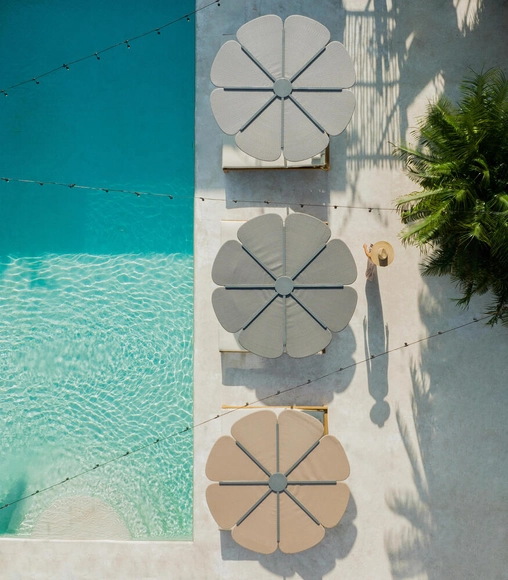
Thanks to contemporary materials, we can now develop more durable outdoor structures and furniture than the palm leaves used by the Egyptians 4000 years ago. This has resulted in lightweight and aesthetically pleasing structures that resulted from the designs and materials that emerged in the 20th century. Although these designs are not made from natural elements, they incorporate pieces that replicate their characteristics, providing shade with unique shapes and a distinctive design. In this context, cbdesign has created the Daisy umbrella. This flower-shaped parasol reproduces the colors found in natural surroundings, such as the sea, yellow frangipani, the blue sky, and purple bougainvillea.
https://www.archdaily.com/1002858/aesthetic-accents-flower-shaped-umbrellas-that-fuse-beauty-and-utilityEnrique Tovar
In the realm of architecture and interior design, lighting is a pivotal force in enhancing the overall atmosphere of a space. A harmonious interplay of light and design can elevate the ambiance and functionality of any architectural environment. Through meticulous attention to detail and innovative design principles, architects and designers can craft spaces that are not only visually stunning but also experientially enriching. By carefully considering these factors, creative architectural spaces can be brought to life, evoking emotions and transforming the way we perceive and interact with our surroundings.
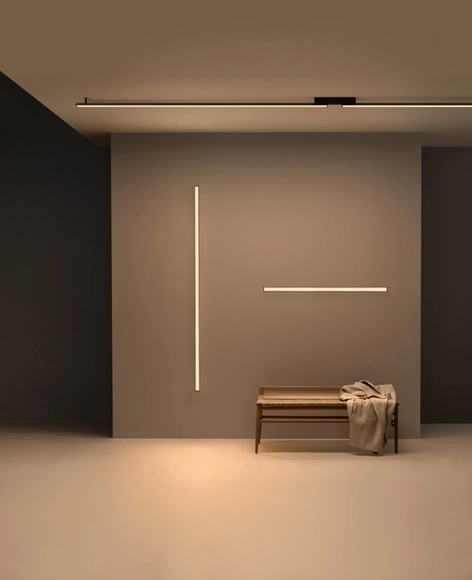
In today's ever-evolving world, lighting has embraced a particular emphasis on new and streamlined proposals. Designed by Ramos & Bassols, the Spa collection by Vibia stands out for its adaptability, seamless design, and lighting performance. With its minimalist and refined form, the Spa LED lighting system offers compositional freedom, enabling designers to craft a wide range of atmospheres, from intimate corners dedicated to personal well-being to functional areas designed for general purposes.
https://www.archdaily.com/1003295/light-through-lines-seamless-design-for-creative-architectural-spacesEnrique Tovar
Low-carbon Material Solution - ECOPlanet. Image Courtesy of Holcim
Cities are defined as densely populated geographic areas characterized by urban development. They serve as economic, political, and cultural centers, offering various services, infrastructure, and opportunities. However, urban densification has been associated with negative aspects such as health issues, pollution, and social problems. Countries like India and China, with their massive populations exceeding billions, face a significant demand for services and housing.
Recent research, including studies by institutions like the Berkeley Cool Climate Network, has brought about a paradigm shift in our perception of urban densification. This shift aims to reduce cities' carbon footprint and support collaborative efforts to achieve Sustainable Development goals. Densification is proposed as a crucial strategy for promoting social prosperity, and well-being, and combating climate change. However, a relevant question arises: How can we effectively achieve densification while addressing global warming? Companies like Holcim have responded to this challenge by developing sustainable building solutions and engaging in meaningful discussions with architects, such as Shajay Bhooshan, Associate Director at Zaha Hadid Architects. These collaborations provide valuable insights into the concept of urban densification as a catalyst for climate action.
https://www.archdaily.com/1003021/rethinking-urban-development-densifying-cities-for-accelerated-climate-actionEnrique Tovar
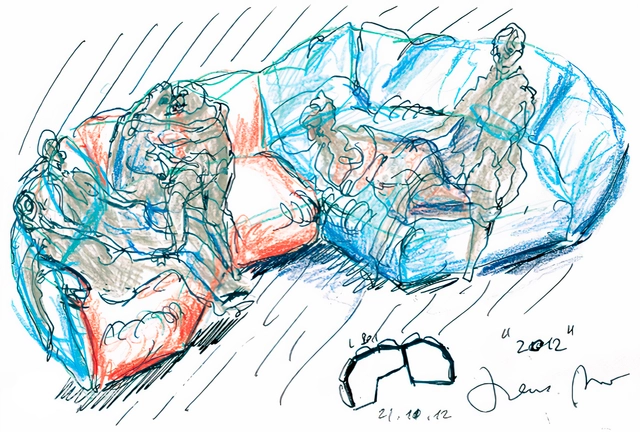
Standard, project sketches. Francesco Binfaré, 2012. Image Courtesy of Edra
The earliest vestiges of furniture in society can be traced back to the Fourth Dynasty of Egypt when the armchair of Queen Hetepheres I (ca. 2600 BC) was discovered. This armchair marked a significant milestone in the history of furniture. It is not surprising, therefore, that the chronology of furniture is intertwined with architectural, pictorial, and sculptural expressions of the time, where these elements often act as witnesses and, in exceptional cases, as central objects in the history of art and design.
Furniture consists of everyday objects designed to meet specific needs in our daily lives. However, sometimes they transcend their practical function and take on an autonomous presence. A piece of furniture has no nobler purpose than its interaction with human beings, therefore, separating these objects from their utilitarian dimension becomes an act of disruption. As a result, designers such as Francesco Binfaré have described sofas as “The most mysterious object amongst the furniture populating the interior design universe”. In this context, Edra creates unique objects that blend art and industrial production, reflecting contemporary domestic landscapes and experimenting with new shapes and materials.
https://www.archdaily.com/1002698/the-renaissance-of-the-sofa-innovations-atypical-shapes-and-anthropometryEnrique Tovar
In architecture, drawing is a technical and artistic expression that involves creating visual representations using various analog instruments. While drawing remains relevant and current in practice today, efforts have been made to carry out architectural tasks and studies more efficiently. The drafting machine, a significant development in this regard, enabled precise strokes using fewer instruments. However, the emergence of computational tools, such as computer-aided drafting (CAD), has revolutionized the workflow by leveraging the advantages offered by computers. Architects can now play a more direct and creative role in the design process, reducing their reliance on time-consuming drawing and repetitive tasks. Moreover, workflow enhancements have fostered more effective collaboration among different stakeholders in the architectural process.
https://www.archdaily.com/1001757/generative-space-design-exploring-8-transformative-tools-in-architectureEnrique Tovar
The complexity of our world is constantly increasing, and with it, the pressure and demands placed upon our built environment. Architects are faced with a monumental task: to translate society’s ever-changing needs into tangible, effective and sustainable solutions. Pressing issues such as the climate crisis, rapid urbanization, population density and housing shortages call for a new architecture –one that isn’t afraid to questionthe traditional way of working and is prepared to take on the challenge. Today the industry must adapt, evolve and innovate to cope with these challenges. The availability of data is changing the game, and as technology continues to advance, it will open new ways of thinking, creating and engaging with the built environment.
In this article, we delve into the effects of the digital transformation, how it is reshaping the industry and the questions it raises about the future role of architects.
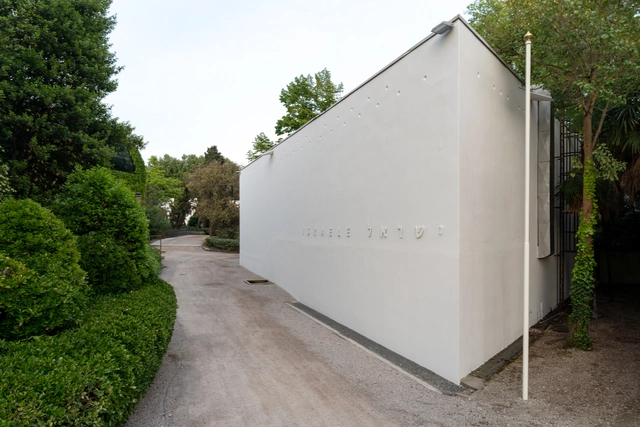
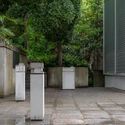
The National Pavilion of Israel presents “Cloud-to-ground,” an immersive installation exploring the nature of modern communication networks at the 18th International Architecture Exhibition of La Biennale di Venezia. The exhibition, curated by Arch. Oren Eldar, Arch. Edith Kofsky, and Hadas Maor, aims to initiate a multifaceted discussion regarding the physical aspects of virtual networks: the data centers and telephone exchanges commonly referred to as “black boxes.” The chosen theme is relevant for Israel due to its strategic location set at the intersection of continents and cultures. The pavilion in the Giardini will remain open for visitors until November 26, 2023.
Some architects have left their mark on history; one such case is Antonio Gaudí. Through his nature-inspired conceptions, he became the foremost representative of Catalan modernism. The impact of Gaudí's work can be seen on various architectural scales, including the Sagrada Familia, Parc Güell, Colònia Güell, Casa Milà, and Casa Battló, the latter being an iconic landmark of Barcelona’s architecture.
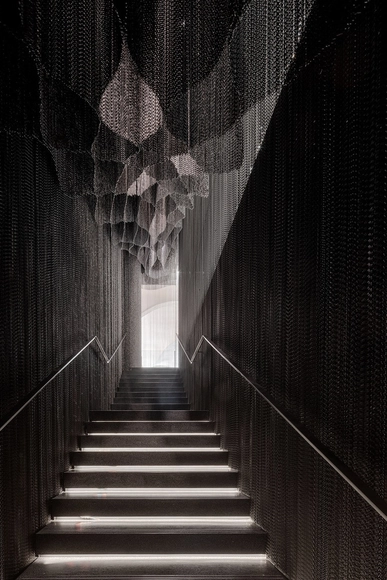
Casa Battló emerged from the renovation of an 1877 building, which was acquired in 1903 and subsequently commissioned to Gaudí for its transformation. Inspired by animal forms, particularly those of the ocean, the facade and interior were renovated using curves and a combination of vibrant colors. This intervention marked a turning point for the house, as it significantly changed the facade, redistributed the interior, and provided a sublime interaction with natural light. Following the nature of the renovation that began with Gaudí, a new interior project for the stairs and atrium of Casa Batlló was developed in 2021. This renovation is the result of a dialogue between the anodized aluminum chains developed by Kriskadecor and the abstraction of the ingenious use of light in Casa Batlló through Kengo Kuma's design.
https://www.archdaily.com/1001552/metallic-layers-in-dialogue-with-light-an-abstract-intervention-at-casa-batlloEnrique Tovar
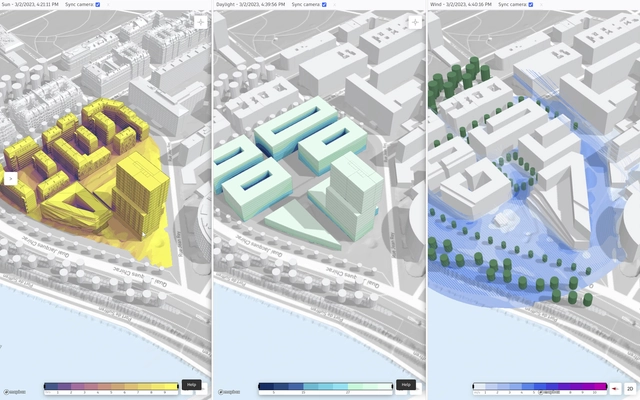
Proposal Comparison, Autodesk Forma. Image Courtesy of Autodesk
The architecture profession is increasingly facing the pressures of a rapidly changing era marked by urbanization, population growth, and climate change. To effectively navigate the complexities surrounding architectural and urban projects, there has been an acceleration in the adoption and integration of data-driven technologies such as Artificial Intelligence (AI) and machine learning. However, valid concerns have risen regarding the potential loss of the designer's creative control, with fears that their role may be reduced to a mere "parameter adjuster." Is this a genuine possibility or merely a reflection of resistance to change?
In a conversation with Carl Christensen, Autodesk's Vice President of Product, we delve into the impact of AI on the traditional role of the architect and explore the opportunities that arise with these technological advances. As paradigms shift, forward-thinking architects and designers could find themselves especially empowered to expand their influence and shape a new future for the discipline.
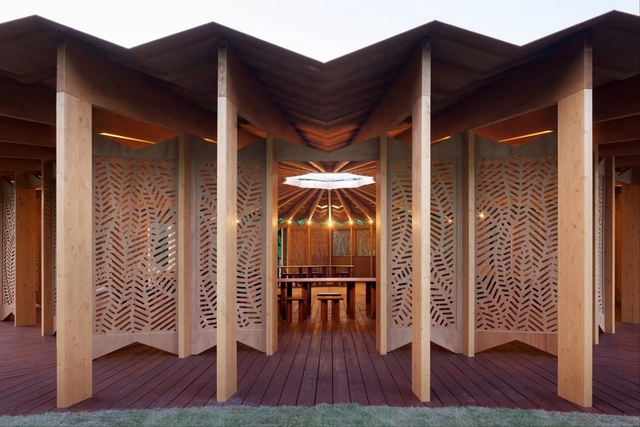
As you make your way through the symphony of wooden colonnades, leafy screen walls, and unfurled roofing, towards the converging veins of flooring and ceiling ribs leading to the light, it feels like a space that was always meant to be there. Part of the park, the pavilion complements the nature around it, reflecting its patterns, and illuminates a main interior feature: a concentric set of tables and stools that inspire people to sit at the moment, hold conversations, and connect with each other. This narrative tells the tale of this year's Serpentine Pavilion, designed by French-Lebanese architect Lina Ghotmeh.
Titled, À table, It draws inspiration from the designer’s connection with nature growing up and is reminiscent of the French call to sit together at a table, share a meal and enter a dialogue. It foregrounds the table as a laboratory of ideas, concerns, joys, connections, and essentially brings people together. It further reflects on the architectural ideals that can provoke and welcome moments of collective conversations.