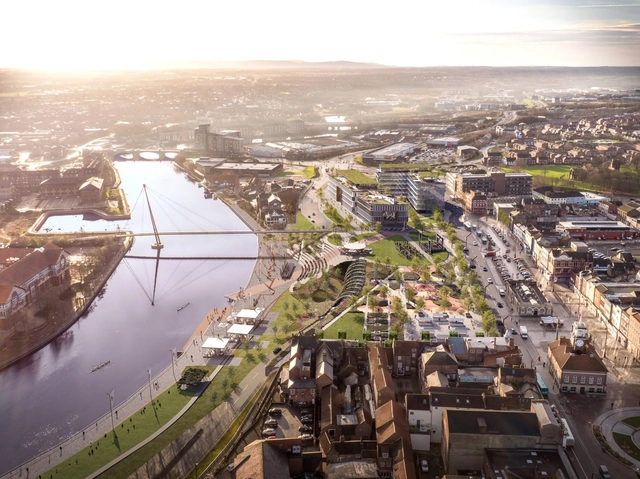
An extensive urban regeneration project is slated to take place in the town of Stockton in the United Kingdom. A 37-million-pound project, the proposal - drawn up by Ryder Architecture and backed by the Stockton Borough Council - will demolish half the high street in Stockton’s town centre and replace it with a riverside park.
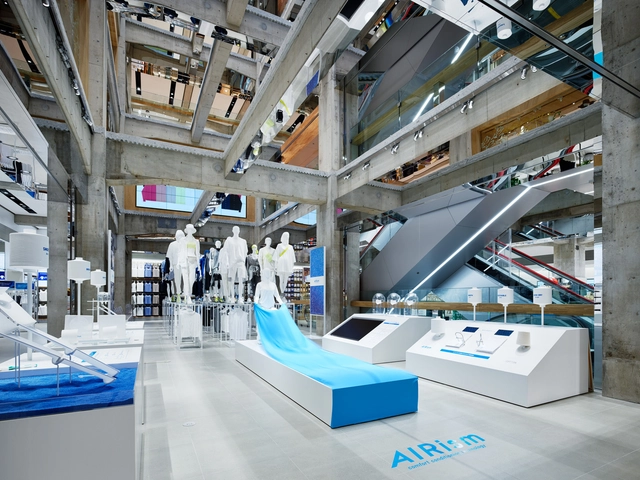
You might be surprised by this, but the days of shopping in stores are long from over-, in fact, they’re experiencing a renaissance, and are creating a whole new type of design and experience to bring consumers back through the doors. The rise of e-commerce and the pause caused by the COVID-19 pandemic have served as a perfect catalyst for creating a whole new type of experience through unique design features, technological advancements, and customization that will revitalize physical stores in the future.
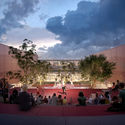
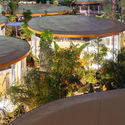
Henning Larsen’s proposal for Seoul Valley was selected as the winner of the Central Seoul Development Competition. Seeking to become a new home for the public in the center of the city, the mixed-use development “merges Seoul’s global commercial profile with an ecological return to downtown pedestrian life”. Other entries included schemes by MVRDV and SOM.
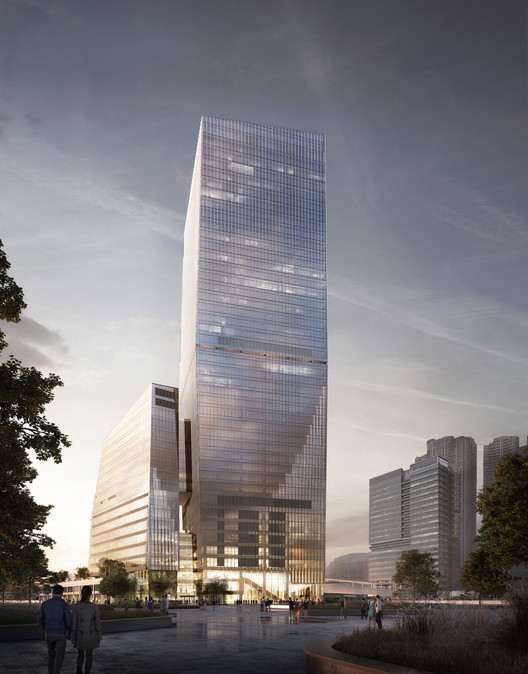
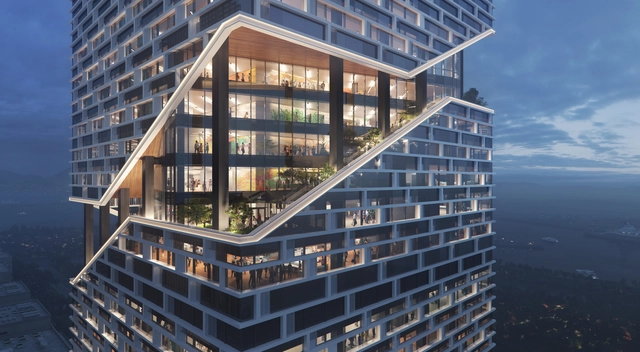
Snøhetta has revealed its first built project in Hong Kong, Airside, a 176,000 square meters mixed-use building. Located in the center of the former Kai Tak airport, the project commissioned by Nan Fung Group comprises a 200-meter tower merged seamlessly with its base.
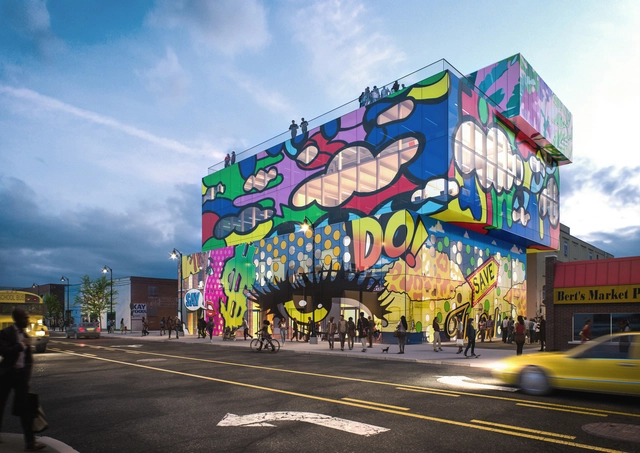
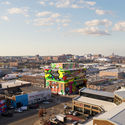
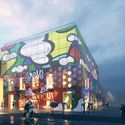
MVRDV was commissioned the design of Glass Mural, a new 3,716-square-meter office and retail building with a custom glass façade that integrates colorful murals by artists DENIAL and Sheefy McFly. Located in Detroit’s Eastern Market neighborhood, the project will be MVRDV’s third mixed-use project in the United States and first in the Midwest.
With society's needs and aspirations shifting, spatial typologies and architectural programs are continually being questioned, and this re-evaluation creates the premises for innovation. The following is an exploration of how architecture is metabolizing society's fundamental changes throughout several aspects of everyday life, challenging the existing assumptions regarding program and space.
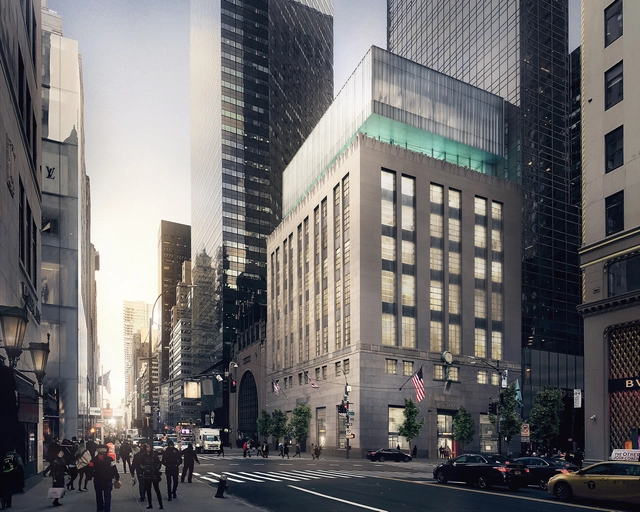
OMA / Shohei Shigematsu has revealed images of the new iconic Tiffany & Co. Fifth Avenue Flagship Store. In progress and scheduled for the spring of 2022, the intervention “reimagines the retail experience while preserving the historic identity of the original building”.
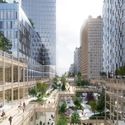
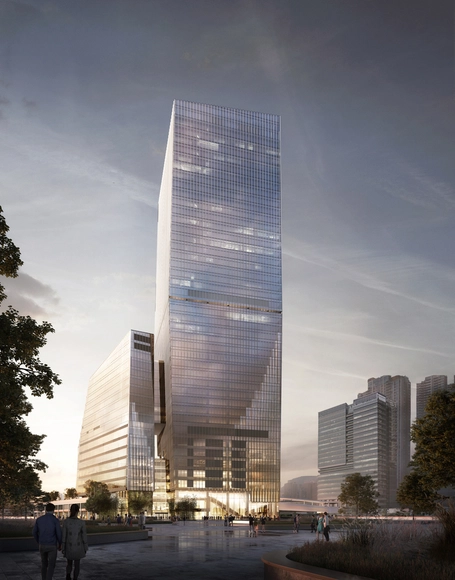
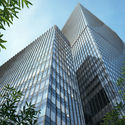
SOM and Fender Katsalidis have won an international design competition for Central Place Sydney, a commercial development that will introduce new transformative public space and high-tech towers. Located in Sydney's Central Business District, Australia, the proposed project seeks to transform the western edge by introducing innovative buildings and public realm improvements.
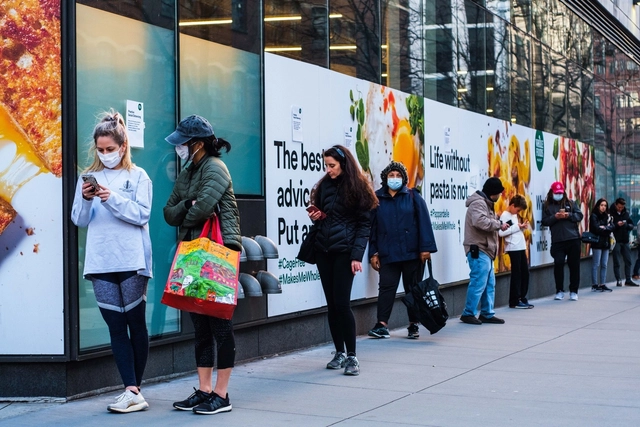
In order to ensure a proper transition into post COVID-19, architects, public health experts, and engineers are generating design guidelines to provide people with new secure, and efficient resources. Finding a balance between optimizing operations and keeping people safe, the strategies tackle the built environment that surrounds us, from restaurants and outdoor dining, to streets, offices, and retail.
Addressed to city officials, owners, and employers, the tools developed help to reopen the world, while reducing the risk of COVID-19 transmission, promoting social distancing standards, and enhancing wellbeing. Discover in this article a roundup of design guidelines securing a safe post coronavirus transition.
NBBJ has been selected to design the new Vivo headquarters, introducing the next generation of work environments that integrates nature, health, and equal access to amenities. Located in Shenzhen’s Bao’an district, the 32-story spiraling tower highlights an innovative design that embraces the urban-coastal site and reflects the company’s values. Construction began in May 2020 and is scheduled for completion by fall 2025.
In recent weeks, we’ve seen an explosion of internet speculation about the “future of cities.” Apparently, they are either doomed—or destined to prevail. The office is dead (obviously), the office tower (especially tall ones) clearly a building type in need of a proper funeral. All kinds of chatter have subsequently ensued (we have time on our hands) about the dire outlook for public space, the impending collapse of public transportation, the inevitable return to the suburbs, even the (gasp!) demise of the luxury cruise ship. We’ll see; we’re still wandering around in the dark here and might be for some time. With that somber thought in mind, I reached out to Paul Goldberger, Pulitzer Prize-winning architecture critic and urbanist, for what I felt certain would be a nuanced and measured take on our presently fraught moment. (A note: we spoke prior to the protests, which have erupted in American cities in response to the murder of George Floyd.) For the most part, we resisted the urge to make sweeping and almost certainly premature predictions about our urban future.
P&T Architects and Engineers have designed a free zone development, “dedicated to the growing e-commerce market in the Middle East”. Entitled Dubai CommerCity, the award-winning project puts in place three main clusters spread over 530,000 square meters: business, logistics, and social.
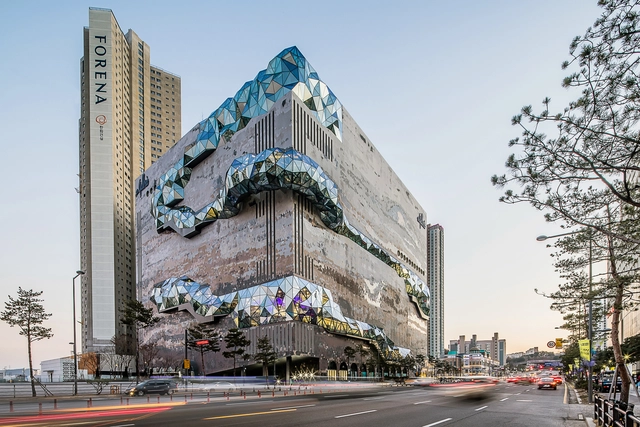
Designed by OMA / Chris van Duijn, the Department Store Galleria in Gwanggyo, south of Seoul has just opened. The store’s sixth branch is located at the center of the relatively young and new urban development.
Henning Larsen’s concept was selected as the winning design in the international competition for the redevelopment of Cockle Bay Park in central Sydney. The project, co-led by the GPT Group and AMP Capital was chosen from six shortlisted designs by UN Studio + Cox Architecture, Woods Bagot, Grimshaw, FJMT, and Wilkinson Eyre.
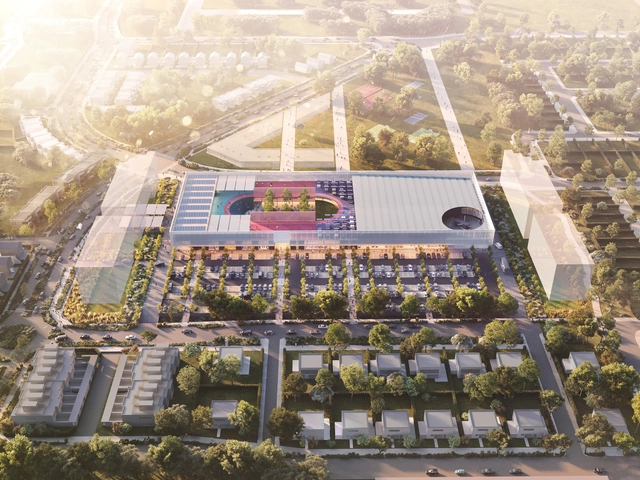
OMA is designing a 10,000-square-metre shopping center integrated with community spaces in Melbourne, Australia. Entitled the Wollert Neighborhood Centre, the project is located in Wollert, Whittlesea, one of Victoria’s fastest-growing regions, in the suburbs of Melbourne.
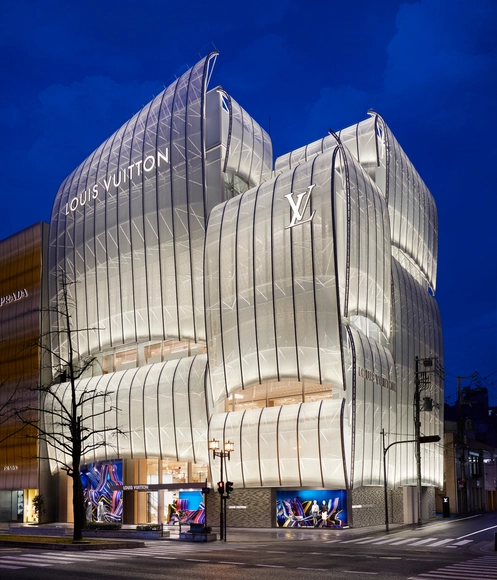
The Louis Vuitton Maison Osaka Midosuji is now open to the public. As a result of a close collaboration between architects Jun Aoki and Peter Marino, the four-floor luxury store is a reflection of the city’s international travel hub status. The very first Louis Vuitton café, entitled Le Café V, created in cooperation with Paola Lenti and celebrated chef Yosuke Suga, sits atop Louis Vuitton Maison Osaka Midosuji, as well as Sugalabo V, the chef’s exclusive restaurant.


Proloog_SeoulValleyAerial-1200px.jpg?1606728853&format=webp&width=640&height=580)
Proloog_InsideOutside-1200px.jpg?1606728842 "© Proloog")
Proloog_websize-1200px.jpg?1606728874 "© Proloog")
HenningLarsen_OfficeRooftopTerrace-1200px.jpg?1606728811 "Courtesy of Henning Larsen")
Proloog_SeoulValleyAerial-1200px.jpg?1606728853)
.jpg?1601537708 "© MVRDV")
.jpg?1601537440 "© MVRDV")

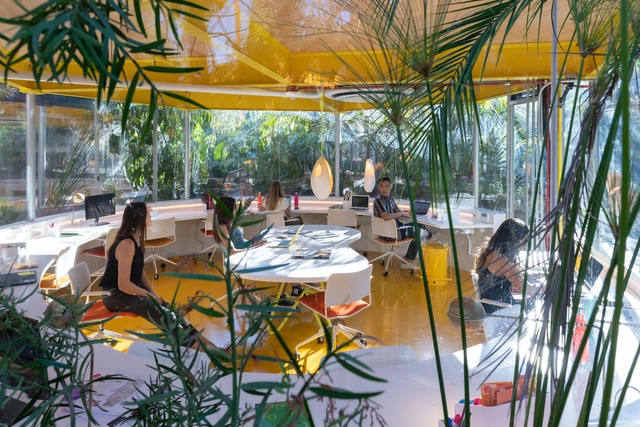
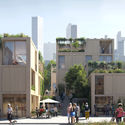
.jpg?1598465204 "proposal for a self-sufficient community. Image Courtesy of Guallart Architects")

.jpg?1597587766&format=webp&width=640&height=580)

.jpg?1597587782 "Courtesy of SOM | Fender Katsalidis")
.jpg?1597587827 "Courtesy of SOM | Fender Katsalidis")
.jpg?1597587803 "Courtesy of SOM | Fender Katsalidis")
.jpg?1597587766)

.jpg?1588147105&format=webp&width=640&height=580)
.jpg?1588147126 "Courtesy of P&T Architects and Engineers")
.jpg?1588147079 "Courtesy of P&T Architects and Engineers")
.jpg?1588147146 "Courtesy of P&T Architects and Engineers")
.jpg?1588147038 "Courtesy of P&T Architects and Engineers")
.jpg?1588147105)




MIR_(1)-1600px.jpg?1584527161&format=webp&width=640&height=580)
MIR_(1)-1600px.jpg?1584527161)