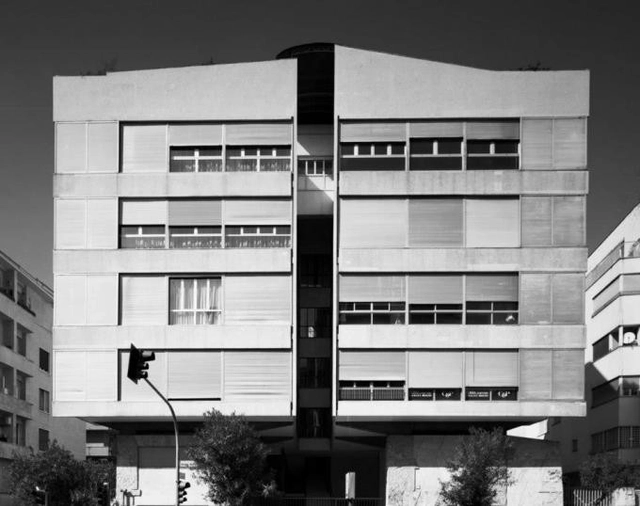
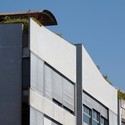
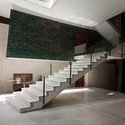
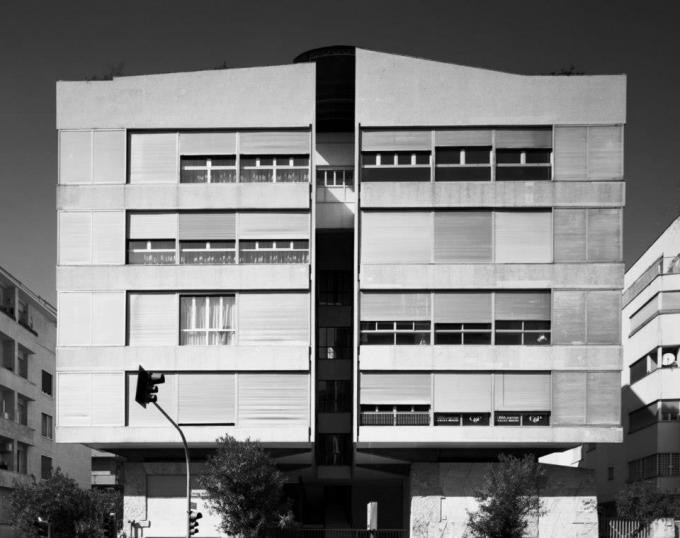
As one architectural scholar described it, Luigi Moretti’s 1950 Casa “Il Girasole” is “a bit of madness on the solidity of Roman walls.” [1] Yet, this clever apartment building in the heart of Rome is far from the work of a madman. Its subtle historical allusions and deliberately ambiguous composition betray the genius of the architect’s creative and analytical mind. Moretti, whose notable commissions include Villa La Saracena (1957), Montreal’s Stock Exchange Tower (1964), and the Watergate Complex (1971), achieves a complexity of form and materiality in “Il Girasole” that distinguishes the project from its mid-century contemporaries and has earned it recognition as one of the earliest forerunners of postmodern design.
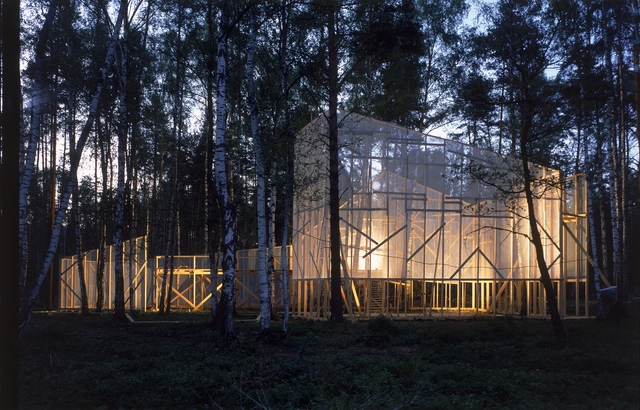
Windowless, sparse, and connected to nature — this is how architecture and urban design firm SeARCH envisions the home of the future. In their new project "Yourtopia," they challenge stereotypical ideas about what a home should be and demonstrate an awareness about our relationship with our environment. This article originally published on Metropolis Magazine investigates the home's minimal design and construction process.
Our homes shield us from distractions so that we may cultivate our own interests and, in the process, sense of selves. Dutch architecture firm SeARCH has taken this idea to the extreme with “Yourtopia”, a temporary refuge that radically reconsiders what a home can be.
More on Yourtopia's radical living environment after the break
Five of history's most iconic modern houses are re-created as illustrations in this two-minute video created by Matteo Muci. Set to the tune of cleverly timed, light-hearted music, the animation constructs the houses piece-by-piece on playful pastel backgrounds. The five homes featured in the short but sweet video are Le Courbusier's Villa Savoye, Gerrit Rietveld's Rietveld Schröder House, Ludwig Mies van der Rohe's Farnsworth House, Philip Johnson's Glass House and Frank Lloyd Wright's Fallingwater.
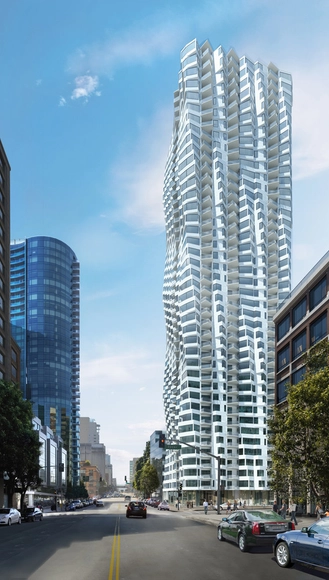
Last night Studio Gang Architects unveiled designs of their first ever building in San Francisco, a 400 foot tall residential tower with an undulating, twisting facade. Inspired by the bay windows of older local buildings such as 450 Sutter Street, Studio Gang have added a twist (literally) to the typology with incremental rotations of the 90-degree bays running vertically up the facade.
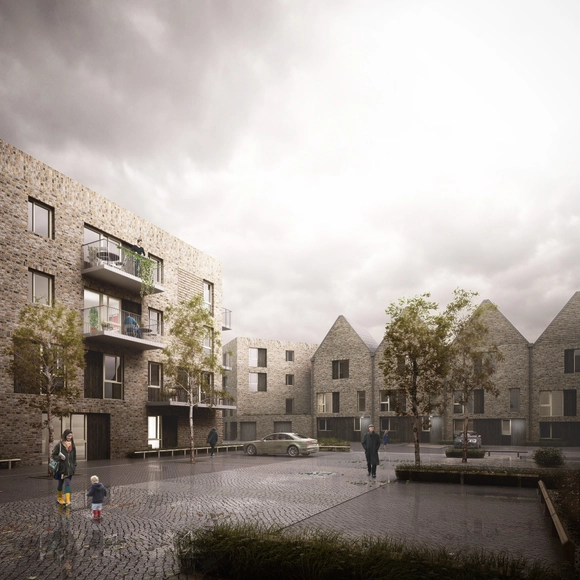
Hawkins\Brown have gained planning permission for a development of 103 new homes in Rotherhithe, South-East London. Consisting of two terraces of 3-storey family homes and a series of four-storey 'mansion blocks' containing maisonettes with apartments above, the scheme will be built on the site of the former Fisher FC football ground on Salter Road, with the playing surface redeveloped to form a new public park.
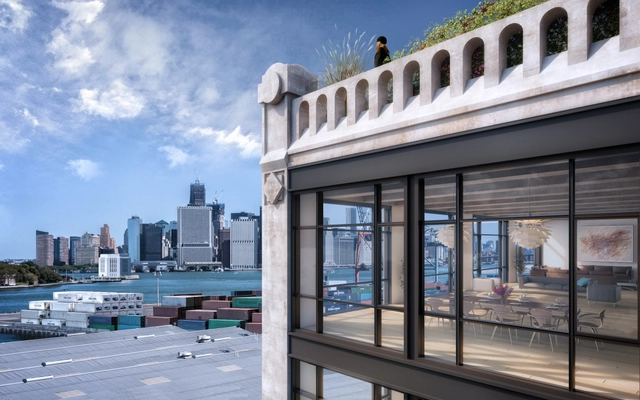
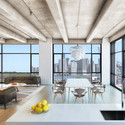
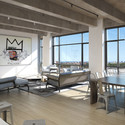
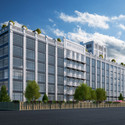
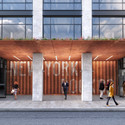
AA Studio have revealed their plans for the development of Brooklyn's iconic New York Dock Company building, transforming the 230,000 square foot structure into a mixed-use complex of six commercial spaces on the ground floor, 70 residential loft apartments, and a rooftop deck and gardens above.
The design aims to be as faithful to the original structure as possible, retaining the existing poured concrete columns and walls and exposing the high concrete ceilings. As one of the earliest structures to use the technology, the retention and celebration of these features is a key aspect of the building's conservation.
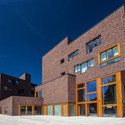
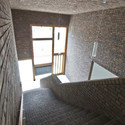
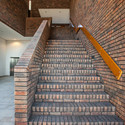
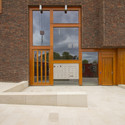
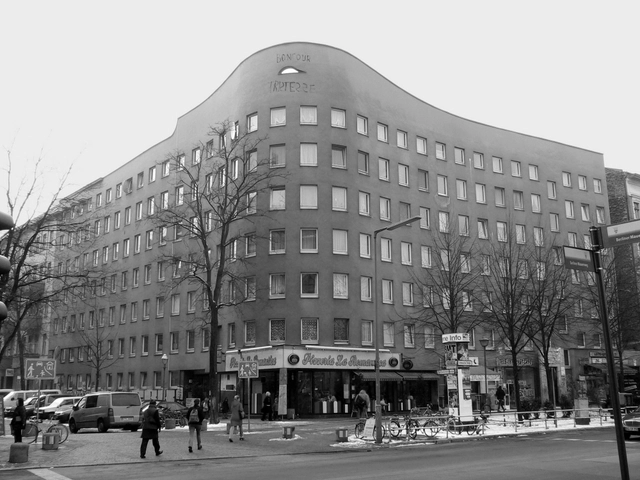
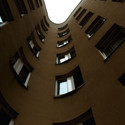
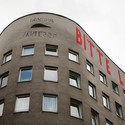
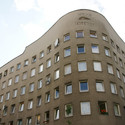
Bonjour Tristesse is a social housing project designed by Portuguese Architect Álvaro Siza Vieira. Located in Berlin, the project was Siza’s first built work outside of his native country. Siza’s design offers a meaningful precedent in urban densification, demonstrating a delicate balance between contextual awareness, creative freedom, and progressive vision.








_copy.jpg?1404810234 "© Cosmin Dragomir")









.jpg?1403656679&format=webp&width=640&height=580)
.jpg?1403656629 "© Mito Covarrubias")
.jpg?1403656650 "© Mito Covarrubias")
.jpg?1403656605 "© Mito Covarrubias")
.jpg?1403656538 "© Mito Covarrubias")
.jpg?1403656679)