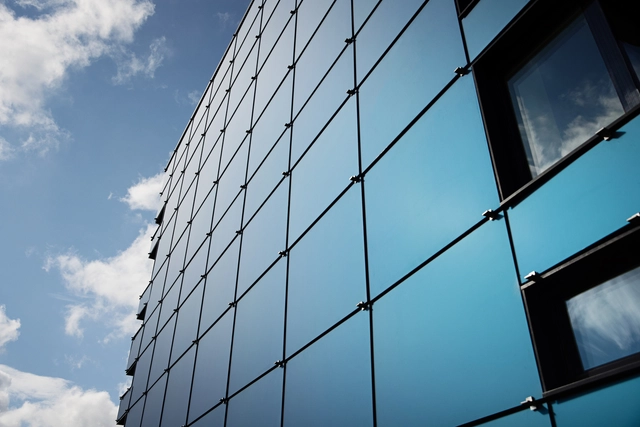
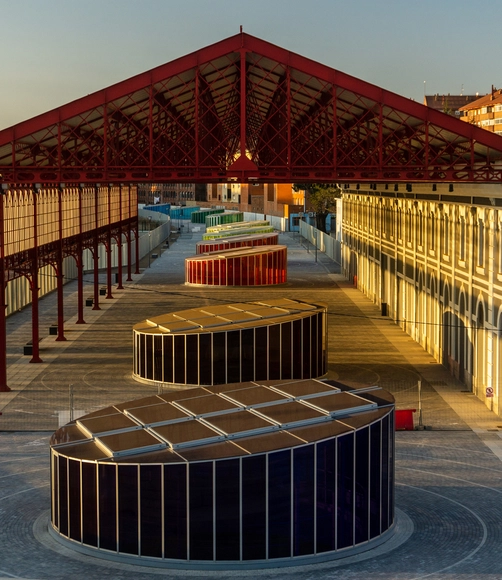
Solar Facades on Det Grønne Hus. Image Courtesy of SolarLab
Renovations involve design processes that transform, refurbish and enhance architectural elements. From gentle aesthetic changes to structural additions, building renovation can improve functionality, safety, and energy efficiency. By integrating new technologies, contemporary strategies are giving new life to existing buildings, propelling already-built projects into the future.
Through their energy-efficient, durable, and bespoke solutions, SolarLab leverages architectural heritage by introducing custom energy-producing facades to existing buildings. By seamlessly combining technologies with design freedom, these solar facades adapt to each project’s style while acting as rain screens with a long, maintenance-free service life. Moreover, by producing sustainable electricity, integrating this system into refurbishment projects contributes to the building’s day-to-day operations, effectively reducing its environmental impact.
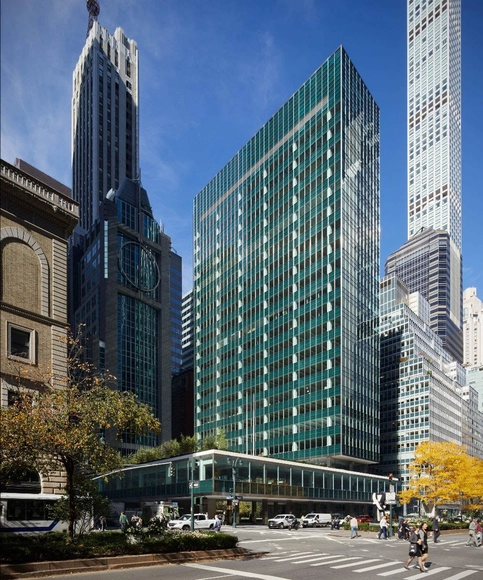
Skidmore, Owings & Merrill (SOM) has completed the restoration works for Lever House, one of New York’s Modernist landmarks. The building was completed in 1952, following SOM’s design. At that time, architecture critic Reyner Banham said of the building “it gave architectural expression to an age just as the age was being born.” Since then, SOM has retained a level of stewardship, revisiting the building and ensuring that the restoration works preserve the original image without compromising contemporary standards of performance.
Courtesy of 180 Degrees Design Studio | The Fabric
As the landscape of architecture and urban development adapts to the modern climate, the traditional notion of construction has been significantly modified and adjusted. Specifically, principles of reuse, recycling, adaptive reuse, and the power of transforming existing structures into something more meaningful and sustainable have gained much traction. Looking at these curated collections of unbuilt projects, one can begin exploring a different way of looking at buildings and heritage, which is significantly more sensitive to the built environment.
From the austere office buildings of the United Kingdom to the proposal to re-activate a skyscraper in Ostrava, these diverse contexts tell stories of resilience, innovation, and a profound commitment to the existing built environment. Offering a new way of looking at things, the projects champion adaptive reuse and activation concepts.
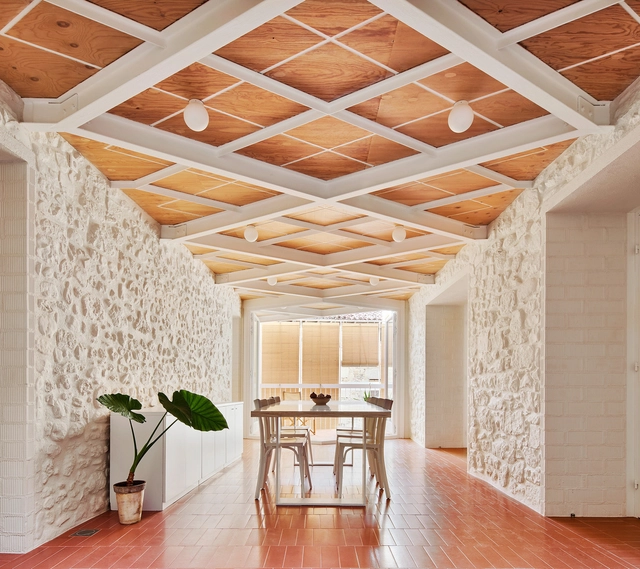
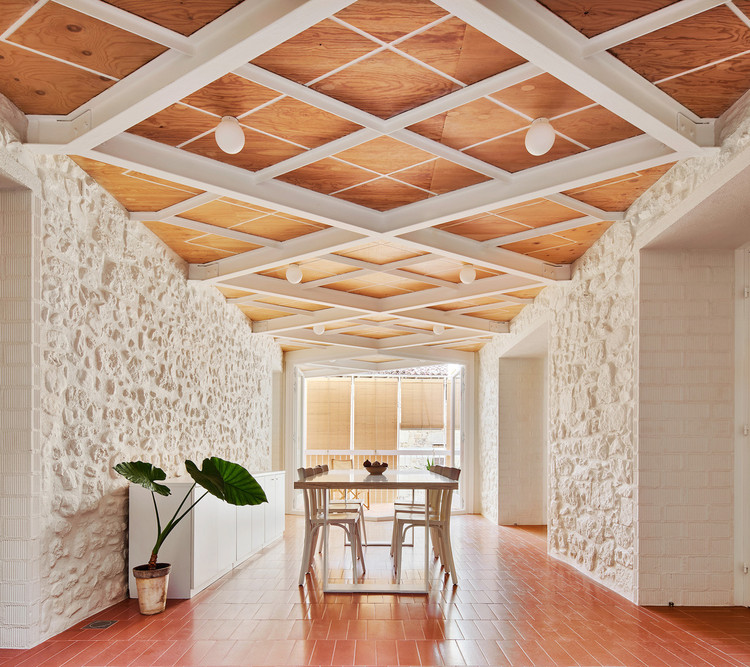
Renovation of a Village House / unparelld’arquitectes. Image
Perhaps one of the most common phrases you'll hear when talking about interior renovations is "whatever you initially planned on spending, double it, and double the time with it". Renovations, regardless of their scale, can be very time consuming and costly, especially when unexpected changes pop up last minute. However, we are often met with situations where the interior layout is no longer efficient or we feel that the interior design is a little outdated and its time for a change.
Giving your space an upgrade does not necessarily mean spending all your savings, and spending less does not necessarily mean low quality work. From doing the construction work yourself, to giving furniture pieces completely new functions, here are different ways you can renovate residential and commercial interior spaces without breaking the bank.
For the 18th year, the International Architecture Awards has returned to celebrate outstanding architectural achievements globally. Based in Chicago, these awards feature exceptional new buildings, urban planning projects, and landscape architecture of 2023. Additionally, this month, the Chicago Architecture Biennial (CAB 5) is currently taking place in the city. Both the awards and the Biennial attempt to shed light on each country’s architectural, design, cultural, and social trends.
ATELIER XI has been selected for ArchDaily's 2023 New Practices and is one of the few firms still rooted in traditional architectural design. Founded in 2017, ATELIER XI began their practice in Shenzhen, one of the fastest-growing and urbanizing cities in China. Their work represents the current state of a generation of architects, with major projects in small-scale urban architecture, exhibition design, interior design, renovation, and rural architecture. While they may not become urban landmarks, they can still influence the lifestyle of the community through small-scale design.
The studio aspires to create spaces that bring unique poetry and profoundness to contemporary urban and rural environments: "We see architecture as an art of mediation between social, economic, and political interests. We strive to create meaningful places with minimal resources. We aim to convey emotions and memories through spatial poetry. We believe that each space, whether grand or tiny, offers a glimpse into the vastness of our world and serves as a testament to the glory of everyday life. By planting these quiet and resilient spaces one at a time, we envision architecture branching out and flourishing with life and narratives."
https://www.archdaily.com/1007149/how-to-challenge-the-design-brief-an-interview-with-atelier-xi韩爽 - HAN Shuang
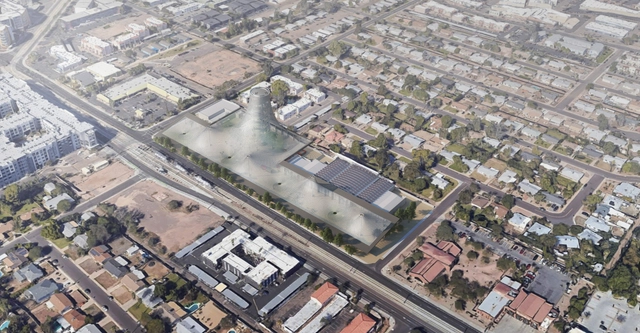
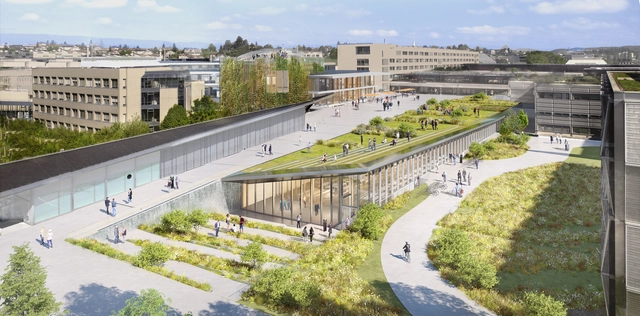
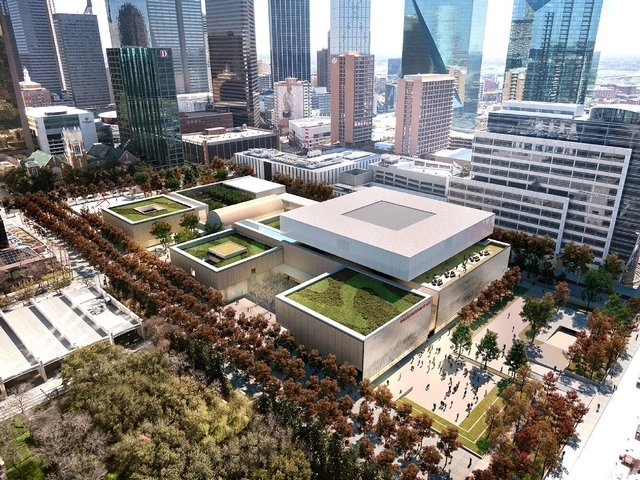
Following an international competition, the team led by Dominique Perrault Architecture has been commissioned to reimagine and rehabilitate the Esplanade-Coupole area in École Polytechnique Fédérale de Lausanne (EPFL)’s Campus in Switzerland. The winning project includes the addition of a new building and the renovation of the Coupole to increase its capacity, as well as improvements to the public spaces. The intervention reuses the former Esplanade underground car park, taking advantage of its central location within the campus and creating a new topography to seamlessly integrate the new additions into the dense fabric of the complex. The project, including the new additions and the renovation of existing structures, is set to be built between 2025 and 2028.
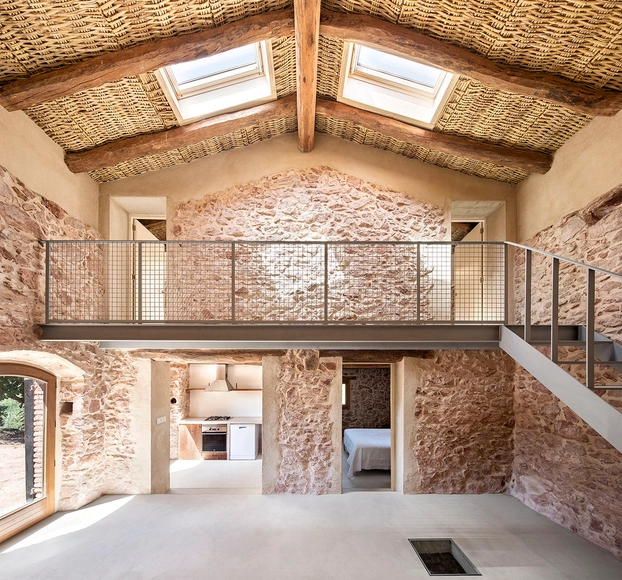
What does architectural restoration, transformation, or renovation entail? What factors are involved in their processes? When delving into the interiors of Spanish homes, we set out to discover the various methodologies, tools, and technical and construction strategies that are often employed, with stone as the main protagonist.
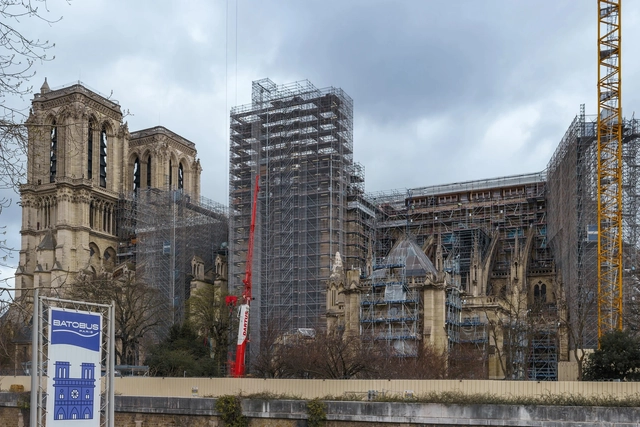
Scaffolding continues to surround the cathedral on March 24, 2023.. Image via Shutterstock | O.Kemppainen
On April 15, 2019, a devastating fire occurred at the infamous Notre Dame Cathedral in Paris, France. The fire caused significant damage to the historic structure, which is a landmark in the city and a symbol of French Gothic architecture. The cathedral has been undergoing restoration works and is on course to reopen to the public in 2024. Throughout the process of restoration, its interior cleaning methodologies were debated, its carpentry was entirely replaced by medieval-skilled timber craftsmen, and the completion date for the cathedral is still on track for December 2024.
The Second Studio (formerly The Midnight Charette) is an explicit podcast about design, architecture, and the everyday. Hosted by Architects David Lee and Marina Bourderonnet, it features different creative professionals in unscripted conversations that allow for thoughtful takes and personal discussions.
A variety of subjects are covered with honesty and humor: some episodes are interviews, while others are tips for fellow designers, reviews of buildings and other projects, or casual explorations of everyday life and design. The Second Studio is also available on iTunes, Spotify, and YouTube.
This week David and Marina of FAME Architecture & Design discuss the unique challenges of residential remodels and how they solve them. The two cover project scope and vision, design analysis, three different types of remodel projects and how they should be approached, predicting and planning for construction surprises, having an adaptable mindset, the most common challenge clients face (scope creep), and more.
https://www.archdaily.com/1005381/the-second-studio-podcast-overcoming-the-challenges-of-remodelsThe Second Studio Podcast
An International European cultural project, U-RE-HERIT, launched an initiative to protect Ukraine’s architecture, heritage, and memory. This wide consortium of architectural institutions came together to reach a common goal of preserving Ukrainian culture. With the ongoing crisis, the project aims to address heritage as a resource for cultural, social, environmental, and economic recovery. Moreover, the project hopes to redefine local cultural identity and rebuild the city with the sensitivity of collective memory.
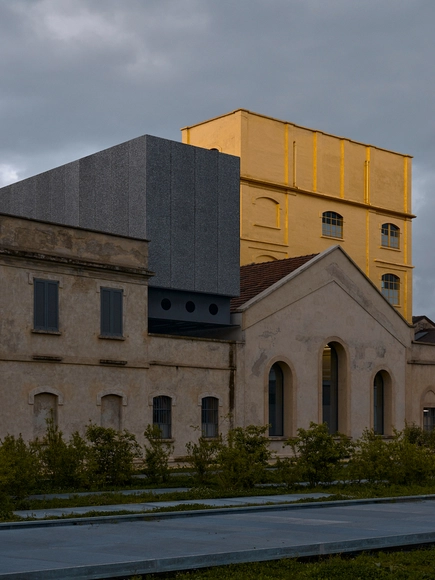
In 2018, OMA opened the Fondazione Prada in Milan, Italy, housed within a former gin distillery established in 1910. The project which includes a statement facade cladded in 24-carat gold leaf and camouflaged mirrors, comprises the renovation of seven buildings in the Largo Isarco industrial complex on Milan’s southern outskirts, making the foundation neither a preservation project nor a new architecture. Recently, photographer Bahaa Ghoussainy captured the infamous structure in his new architectural photo series.
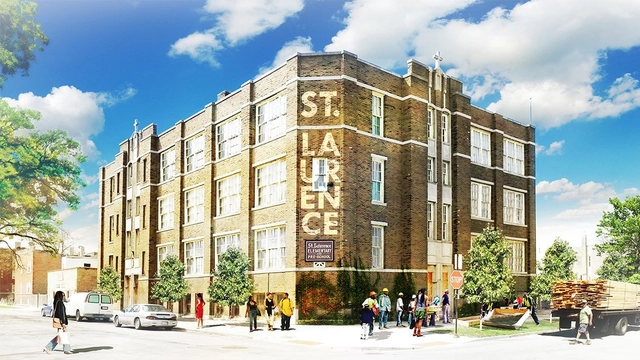
Rebuild Foundation, run by Artist Theaster Gates, is converting the St. Laurence Elementary School into a new 40,000 sq foot arts hub on Chicago’s South Side. The formerly vacant elementary school in Chicago’s local St. Laurence neighborhood has been reimagined to redeem indoor and outdoor spaces, making it a cultural hub. Set to open in 2024, the building's adaptive reuse expanded the program and the landmark into a place of exploration, entrepreneurship, and creative education.
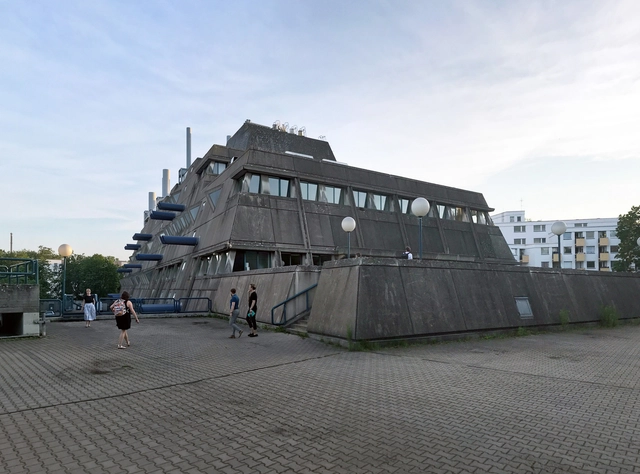
The former animal laboratories of the Charité in Lichterfelde, also known as the Mäusebunker building, have now been placed under monument protection, saving it from the threat of demolition that has been slated since 2010. The brutalist structure was designed by architects Gerd and Magdalena Hänska and built from 1971, and put into operation in 1982. While its strong image, combined with its function as a laboratory for animal tests, resulted in the general public’s distaste for it, the Brutalist building slowly gained acceptance and even a cult status among brutalist fans.
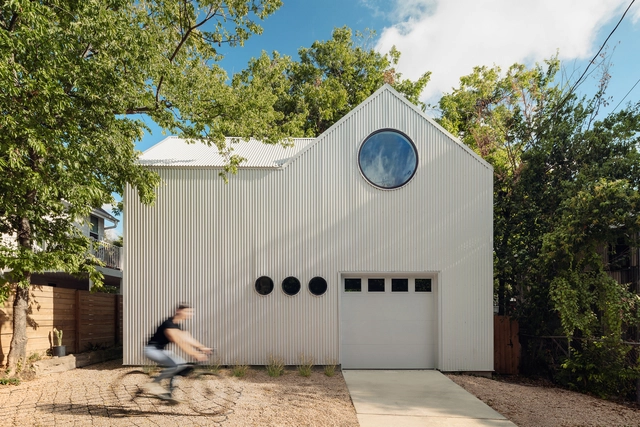
Contemporary family living setups mean parents and grandparents in need of care, teenagers and young adults in need of independence, and homeowners in need of the financial security of a guaranteed passive income are all finding themselves in the same situation, and under the same roof. With little extra space to move into, and few options in an increasingly squeezed housing market to move out to, the simple solution is just to add another roof.
For those in the market for more functional floorspace, detached single-story ADUs (accessory dwelling units) are a simple way to boost a home’s usability fast, while avoiding the regulatory wranglings inherent in more complex structural adaptations.
Some architects have left their mark on history; one such case is Antonio Gaudí. Through his nature-inspired conceptions, he became the foremost representative of Catalan modernism. The impact of Gaudí's work can be seen on various architectural scales, including the Sagrada Familia, Parc Güell, Colònia Güell, Casa Milà, and Casa Battló, the latter being an iconic landmark of Barcelona’s architecture.
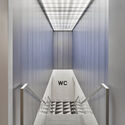
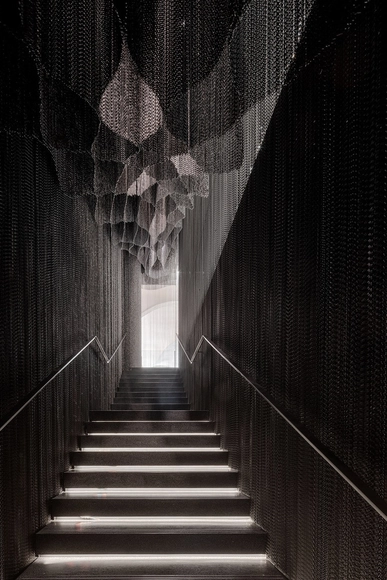
Casa Battló emerged from the renovation of an 1877 building, which was acquired in 1903 and subsequently commissioned to Gaudí for its transformation. Inspired by animal forms, particularly those of the ocean, the facade and interior were renovated using curves and a combination of vibrant colors. This intervention marked a turning point for the house, as it significantly changed the facade, redistributed the interior, and provided a sublime interaction with natural light. Following the nature of the renovation that began with Gaudí, a new interior project for the stairs and atrium of Casa Batlló was developed in 2021. This renovation is the result of a dialogue between the anodized aluminum chains developed by Kriskadecor and the abstraction of the ingenious use of light in Casa Batlló through Kengo Kuma's design.
https://www.archdaily.com/1001552/metallic-layers-in-dialogue-with-light-an-abstract-intervention-at-casa-batlloEnrique Tovar
Light and color are intrinsically linked, as color cannot exist without the presence of light. In 1665, Isaac Newton made a momentous discovery when he observed that white light breaks down into different colors as it passes through a prism, creating a spectrum. This discovery laid the foundation for understanding the nature of light and developing color theory, which had a significant impact not only in the scientific field but also in artistic disciplines such as painting, photography and architecture.
https://www.archdaily.com/1001361/laminated-glass-skylights-infused-with-vibrant-colors-the-kaleidoscopic-stationEnrique Tovar