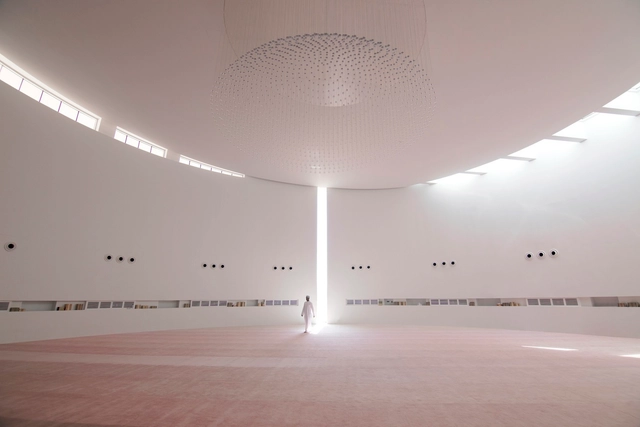
As communities grow more multicultural and increasingly diverse, these spaces serve as physical manifestations of religious inclusion, encouraging the acceptance of religious and ethnic minorities within multicultural landscapes. Their proliferation reflects a growing need for inclusive environments that cater to diverse spiritual needs while promoting interfaith understanding. However, designing and implementing these spaces presents complex challenges, often sparking debates about representation, neutrality, and the very nature of sacred space. These discussions underscore the delicate balance architects must strike in creating spaces that are both universally welcoming and spiritually meaningful.
Throughout 2024, ArchDaily, in collaboration with the Open House Europe architecture event, brought inspiring projects and stories to light. These true architectural gems were unveiled through visits, and their widely shared narratives enriched the architectural discourse. It is an invitation to explore the stories behind buildings that, although part of citizens' daily lives, often go unnoticed amidst the routine automation of everyday life.
These narratives explored projects of different scales, uses, and contexts, revealing everything from religious buildings, to remarkable examples of adaptive reuse of old industrial structures, now taking on new roles within their communities. Each story uncovered the many layers that make up a building – from its initial design to the new meanings it has acquired over time.
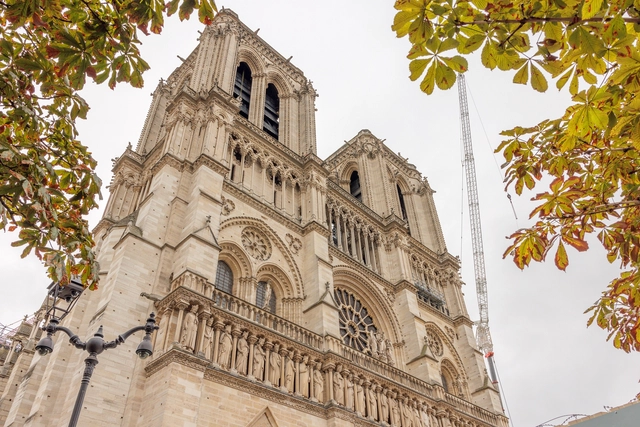
The Notre Dame Cathedral in Paris has officially reopened, five years after a devastating fire destroyed its roof and spire and threatened the integrity of the entire structure. The reopening ceremony took place on Saturday evening with a two-hour sermon, attended by global leaders and dignitaries. The ceremony also represented the first opportunity to witness the result of the estimated €700 million ($739 million) restoration, a process that included the thorough cleaning of the stone interiors, revealing a glistening white gothic interior.
Bali might most commonly be associated with its beaches and leisure sector. Rightfully so, since the Indonesian province received more than 2.9 tourists this year alone. Along with the temporary visitors, Bali also houses some longer-term inhabitants and digital nomads, which contributed to its fast population increase. This has naturally affected its urban density and its need for additional accommodation and services, offering opportunities for some creative architecture and materials exploration.
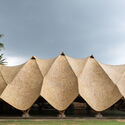
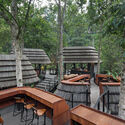
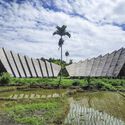
This often appears through the many bamboo-built projects, with the island being the stage for some of the oldest and most intricate bamboo vernacular construction. This knowledge can be transmitted to willing architects and professionals from all around the globe who seek to understand how this versatile material can be applied in their own countries. Many renowned global and local practices, such as IBUKU, and Bamboo U, have championed this ecologically aware architecture through their projects, which are always focused on nature preservation and the revival/ optimization of traditional building techniques.
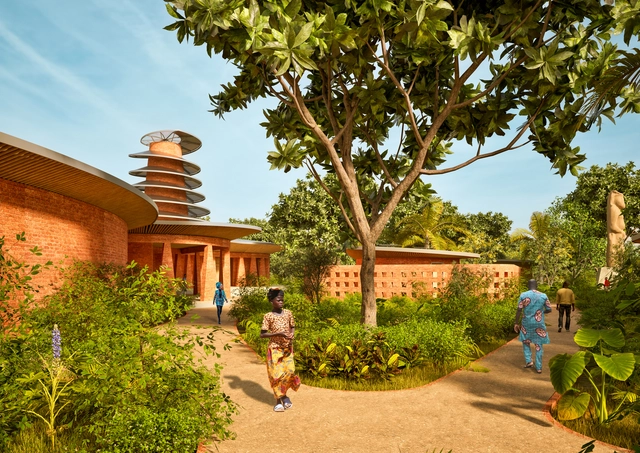
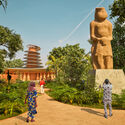
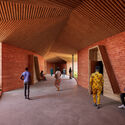
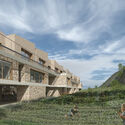
Kéré Architecture has revealed the design of a masterplan and series of buildings dedicated to the cultural and spiritual heritage of the Ewé people in the town of Notsé, in Togo. Commissioned by the Kothor Foundation, the center incorporates a sanctuary, several temples, a large-scale open-air amphitheater, as well as cultural functions such as exhibition halls, an auditorium, restaurants, and a reconstruction of the ancient royal palace of the Ewé Kingdom. The project, Francis Kéré's first in Togo, started construction in October 2024 and is scheduled for completion in February 2026.
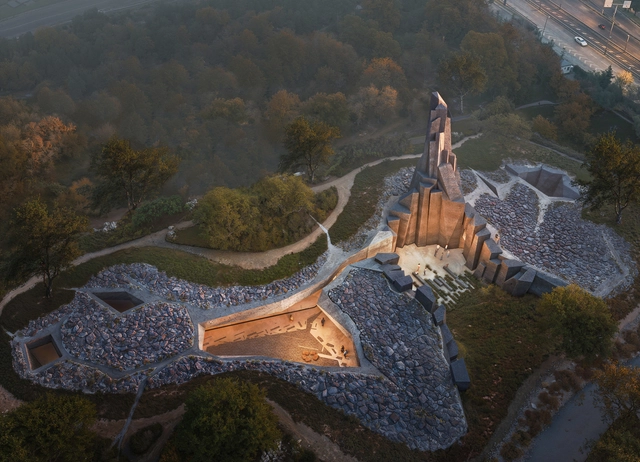
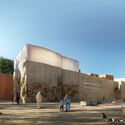
Küçükçekmece Djemevi. Image Courtesy of EAA-Emre Arolat Architecture
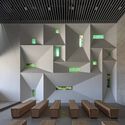
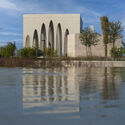
EAA-Emre Arolat Architecture has recently released its design for the Küçükçekmece Djemevi, a new concept for a civic space in Istanbul designed to combat social exclusion and provide a comfortable and inviting environment for the Alevi community. The building is comprised of a series of interconnected spaces and structures that generate a complex topography, offering ample recreational areas and a space of identity for the local community. The concept was recognized during the World Architecture Festival 2024, earning them the award of Future Project of the Year in recognition of its social inclusivity and careful adaptation to local traditions and needs.
With the heightening of ecological and social crises all around the world, architects have had to re-evaluate their role, impact, and design approach. As the "new needs" of people arise, new architectural processes must be explored to answer them. However, this still comes with much resistance from the standing practices and push for financial gain that often makes it difficult to implement more comprehensive solutions. These notions led the CCA (Canadian Center for Architecture) to launch their new 3-part film and exhibit series called " Groundwork", curated by the associate director, Francesco Garutti. Through this project, the CCA selected and followed three renowned contemporary architects/practices as they developed their concepts and field research, which allowed them to engage respectfully with their site and residing communities. It's an up close and personal look into what motivates the selected architects to examine alternative ways of designing and the challenges they go through as the three parallel stories unfold.
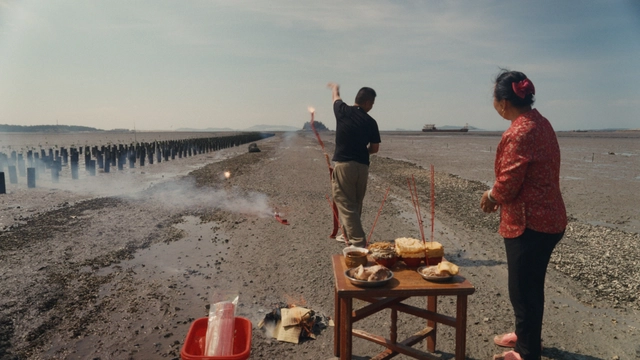
The first exhibit opening and movie screening was held in May 2024, followed by an in-conversation event with the program curator and architect, where the question of "What is architecture today" was discussed. The exhibit and its many showcased elements, channels visitors along to the first site exploration with DnA's Xu Tiantian as she ventures "Into the Island" of Meizhou, China, in the summer of 2022.
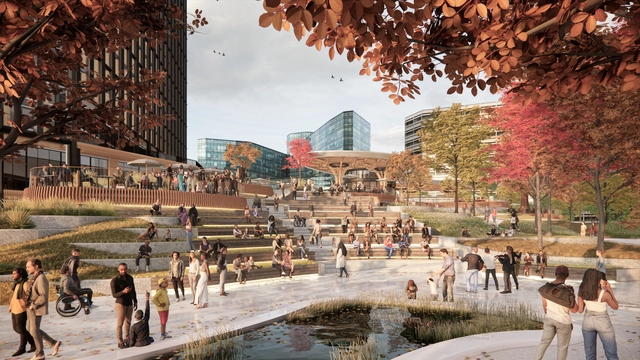
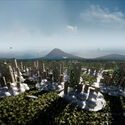
Courtesy of BCT Design Group and Gensler | The Wildset
Master plans are comprehensive design strategies that guide the future development of cities, districts, or large-scale projects. From a design and architectural perspective, they strive to balance the need for flexibility, long-term vision, and the integration of infrastructure with the public realm. Key themes in master planning often include sustainable development, urban connectivity, and cultural integration. Master plans shape not only the physical environment but also the social fabric of communities by emphasizing walkability, mixed-use spaces, and the blending of natural and built environments. These large-scale frameworks showcase the role architecture plays in shaping the future of urban life.
This curated selection of Unbuilt Architecture,submitted by the ArchDaily community, illustrates a range of visionary urban strategies. Whether it’s the revival of the village of Ad-Damun in Palestine, reconnecting with a rich historical past, or the bold reconstruction of the Al-Nouri Complex in Iraq as a cultural and spiritual hub, some of these projects engage with complex narratives of memory and restoration. From the sustainable design of Mokolo Green Scarf City in Cameroon to the marine research center in Yemen, these projects showcase diverse approaches to architectural challenges, focusing on community, environment, and the preservation of cultural heritage. By addressing unique regional contexts, these proposals reflect a broader commitment to rethinking how architecture can foster resilience and inclusivity.
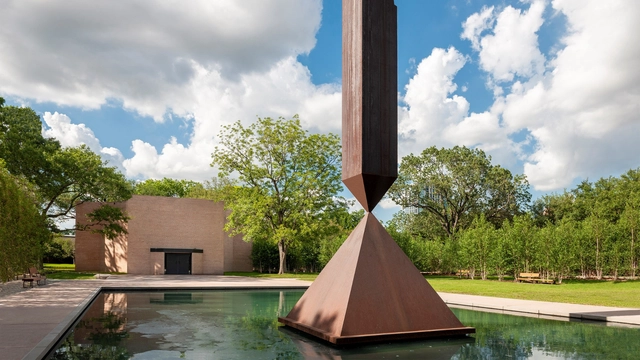
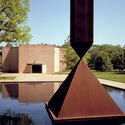
Rothko Chapel. Image via Huston Museum District, under policy of fair use
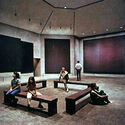
Built in 1971, the Rothko Chapel in Huston, Texas, was conceived as an intimate sanctuary for people of every belief, while in front of the chapel, Barnett Newman's sculpture "Broken Obelisk" stands in memory of Dr. Martin Luther King Jr. In 1964, Mark Rothko was commissioned by John and Dominique de Menil to create a meditative space for his site-specific paintings. Rothko’s vision clashed with that of the initial architect, Philip Johnson, over the scale and grandiosity of the building, which he felt distracted from the art. The project underwent several revisions with different architects, including Howard Barnstone and Eugene Aubry. Now officials have announced the indefinite closing of the chapel, after having sustained severe damage during Hurricane Beryl, the Category 1 storm that hit Houston on July 9.
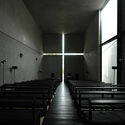
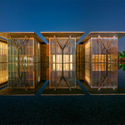
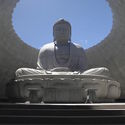
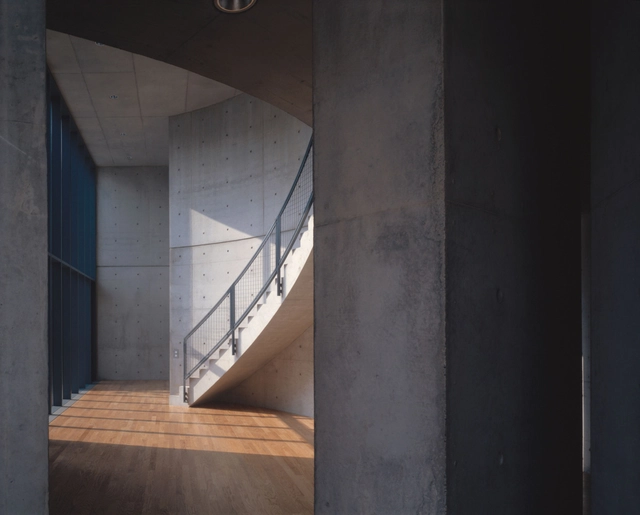
If there is any consistent factor in his work, says Pritzker-winning architect Tadao Ando, then it is the pursuit of light. Ando’s complex choreography of light fascinates most when the viewer experiences the sensitive transitions within his architecture. Sometimes walls wait calmly for the moment to reveal striking shadow patterns, and other times water reflections animate unobtrusively solid surfaces. His combination of traditional Japanese architecture with a vocabulary of modernism has contributed greatly to critical regionalism. While he is concerned with individual solutions that have a respect for local sites and contexts Ando’s famous buildings – such as the Church of the Light, Koshino House or the Water Temple – link the notion of regional identity with a modern imagining of space, material and light. Shoji walls with diffuse light are reinterpreted in the context of another culture, for instance, filtered through the lens of Rome’s ancient Pantheon, where daylight floods through an oculus. Ando’s masterly imagination culminates in planning spatial sequences of light and dark like he envisioned for the Fondation d’Art Contemporain François Pinault in Paris.
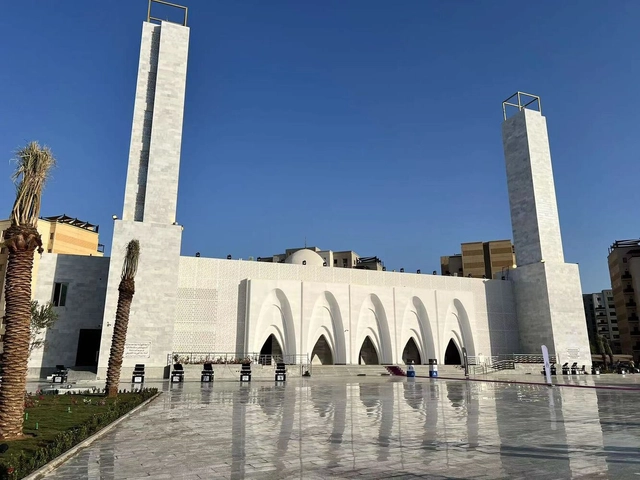
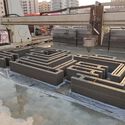
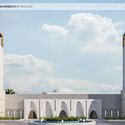
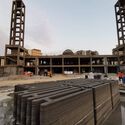
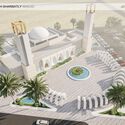
The Kingdom of Saudi Arabia is now home to the world’s first 3D-printedmosque, spanning an area of 5,600 sqm. Located within the Al-Jawhara suburb of Jeddah, the mosque stands as a tribute to the late equestrian Abdulaziz Abdullah Sharbatly. The project by Forsan Real Estate utilizes cutting-edge 3D printing technology from Guanli.
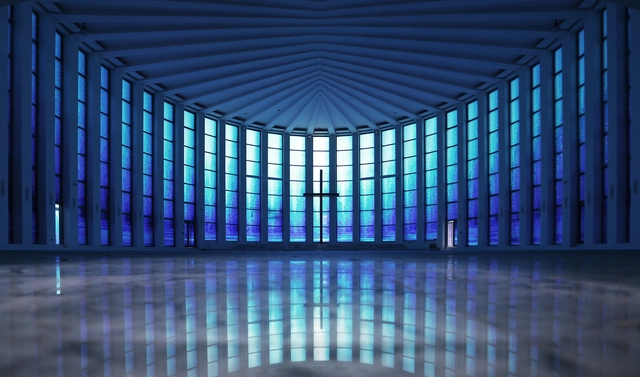
Religious architecture has always had a unique power to transcend the physical realm, transporting visitors to a spiritual journey. In many belief systems, it serves as a space between the earthly and the universal divine. This designed experience can often be facilitated through different choices, where light, form, materiality, and circulation play essential roles. Furthermore, architecture and design hold the power to have a profound impact on one’s lived spiritual experience.
This exploration of religious architecture in the global south showcases the integration of tradition and contemporary innovation. Whether it’s the Omani Mosque, where heritage and Islamic tradition are honored, or the Abrahamic Family House that features a mosque, a church, and a synagogue in dialogue and coexistence. Form and public access are explored through a design in Brazil, while a monastery in Uganda expands its size to serve guests and novitiate.
After two weeks of open voting in the 15th edition of the Building of the Year Awards, our readers have meticulously narrowed down a pool of over 4,000 projects to a select group of 75 finalists spanning 15 categories. This year's awards enthusiastically honor the pinnacle of design, innovation, and sustainability on a global scale, showcasing an exceptional range of projects within the shortlist. As a crowdsourced award, we take pride in affirming that your selections authentically mirror the current state of architecture, and the caliber of this year's finalists further underscores the excellence and diversity prevalent in the field.
Whatever religion we classify ourselves as – or even if we actively renounce or denounce organized religion in all its forms – the one aspect of Christianity those in predominantly Christian countries are touched by at some point in their lives, is the classical aesthetic of church architecture.
Whether we actively attend church multiple times a week, begrudgingly once or twice a year, or once every ten years for one of life’s trinity of events: births, deaths, and marriages, while there we’re struck by the soaring arches, intricate stonework, and, on a sunny day, the spiritual beauty and colorful rainbows of light that stream through stained glass windows.
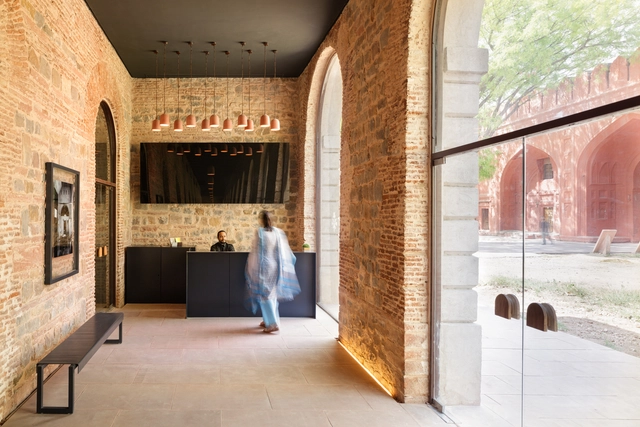
The Indian built environment constantly negotiates ancient traditions, diverse population, and globalized ambitions. When it comes to heritage preservation, these forces often converge to create a distinctive approach to conservation efforts in the country. Beyond the conventional models seen in many parts of the world, India's conservation projects intertwine historical practices, community engagement, and a reverence for the living essence of buildings.
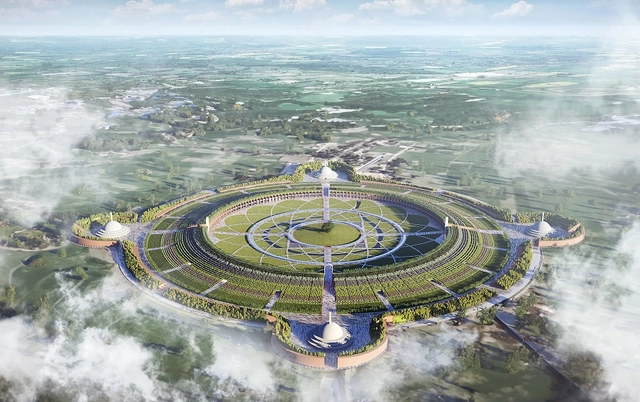
Stefano Boeri Architetti has revealed the designs for the Ramagrama Stupa in Nepal, a master plan intended to enrich this sacred Buddhist location. The proposal features a Biodiversity “Ring Garden” and a Peace Meadow, which encircles the revered Bodhi tree. Situated in Nepal’s Parasi district, the Ramagrama municipality holds immense cultural and religious significance, sheltering a preserved portion of Buddha’s relics.
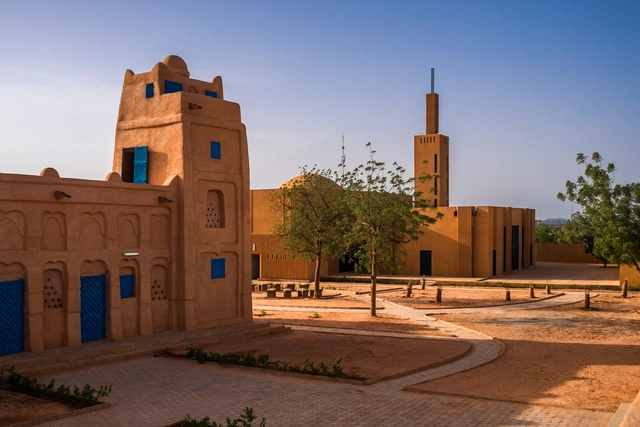
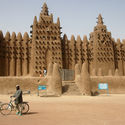
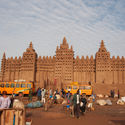
Sub-Saharan Africa is home to an enormous number of religious adherents – within which there is extraordinary diversity in religious expression. Iconic buildings serving a religious purpose are found throughout the continent, such as The Cathedral Basilica of the Holy Family in central Nairobi or the Hare Krishna Temple in South Africa. What is evident is that architecture that hosts religious gatherings makes up a key part of the urban fabric of sub-Saharan African cities and that in a lot of cases, religious structures go against the grain – leaving aside or tweaking classical models in favor of a unique architectural approach.
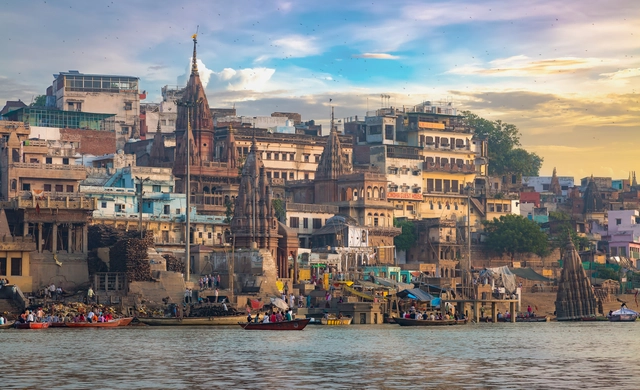
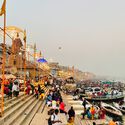
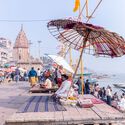
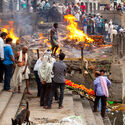
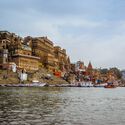
Water, with its religious connotations as a symbol of purification and life, holds great significance in many cultures. Nowhere is this respect for water more evident than in India, a country that reveres its rivers as holy. Water bodies serve as a testament to the veneration and use of water in religious rituals, embodying cultural heritage as public spaces, ritual sites, and places for cremation. Central to daily life in India, water and water architecture intertwine spirituality, and cultural traditions, offering a glimpse into the rich traditions of communities.


















.jpg?1555434139 "Koshino House, Ashiya-shi / Japan. Image © Kazunori Fujimoto")