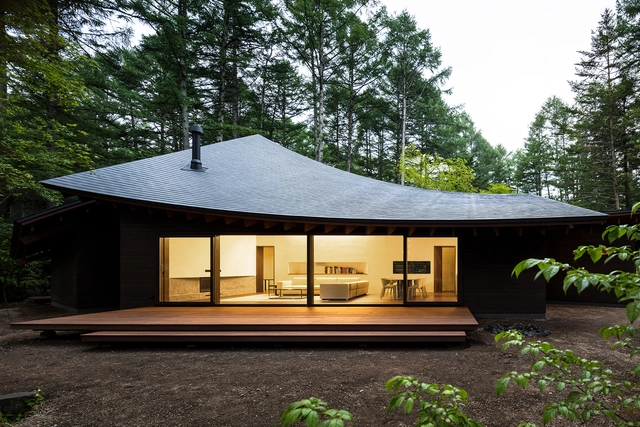

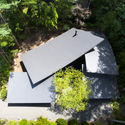
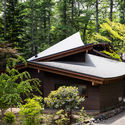


-
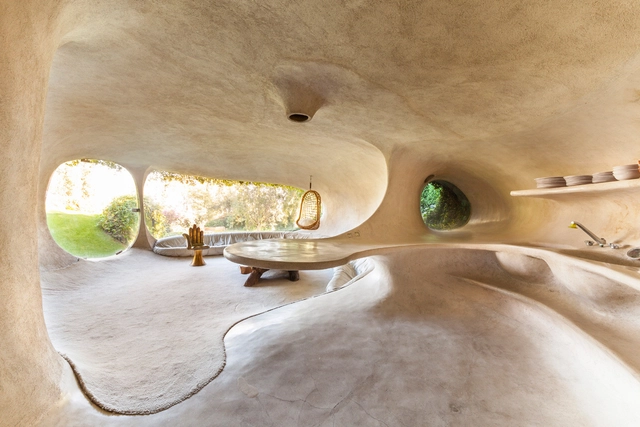
Architects: KIAS
- Area: 225 m²
- Year: 2018
-
Professionals: Building Structure Institute, Sasazawa Construction
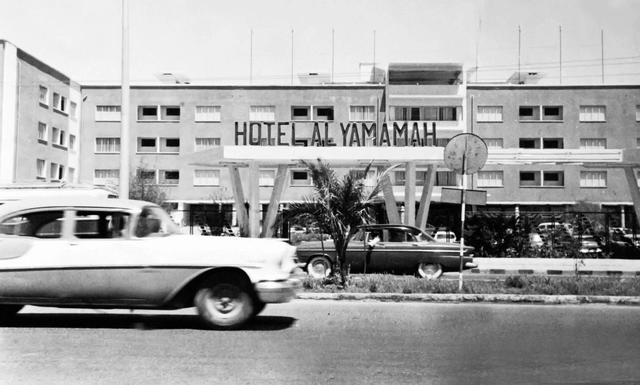
Titled "Accommodations", the Saudi Arabian Pavilion at the 17th International Architecture Exhibition – La Biennale di Venezia, will analyze the spatial and social encounters of hosting and housing in Saudi Arabia, where histories, protocols, and gestures are intertwined. Curated by Hussam Dakkak, Basmah Kaki, and Hessa AlBader, alongside Brooklyn-based curators Uzma Z. Rizvi and Murtaza Vali, the exhibition will be on display from May 22nd to November 21st, 2021.
This article was originally published on Common Edge.
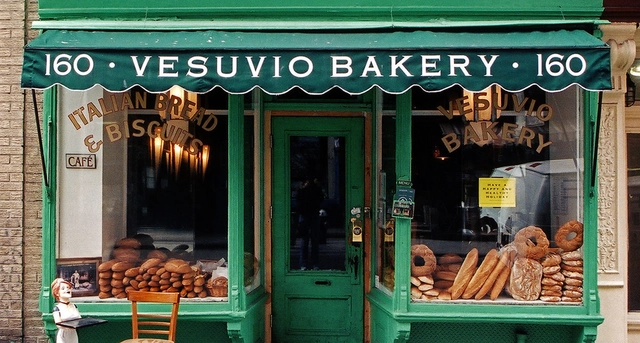
Few businesses in the United States are regarded with more fondness than mom-and-pop retailers. There’s an “all’s right with the world” quality about owner-run shops that meet a neighborhood’s everyday needs and, through repeated face-to-face exchanges, help people feel they’re members of a mutually supportive community. And yet for a long time, mom-and-pop stores have been under stress. In the half-century after 1950, cars shifted much of United States’s retailing to unwalkable roadside strips and winnowed the ranks of neighborhood-scale mom-and-pops. In the past two decades, the burgeoning of the internet has intensified the pressure on brick-and-mortar retail, a situation worsened by the pandemic.

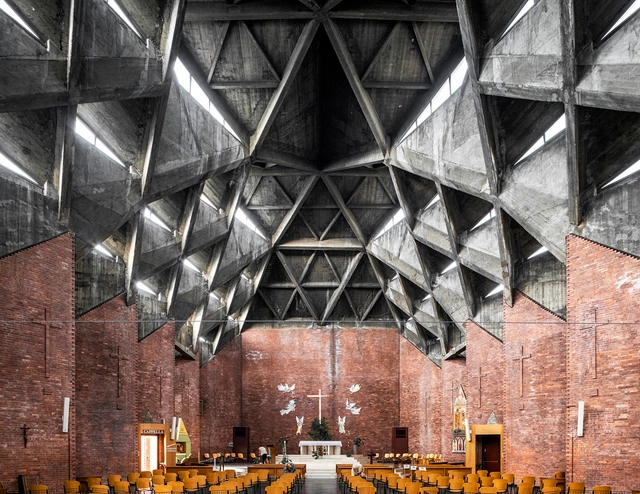
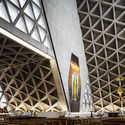
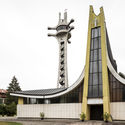
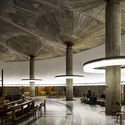
Rich in symbolism and tradition, religious architecture has always been marked by the grandiosity and extravagance of its interior spaces. For the architects and designers who created these spaces, everything from the scale, to the materials, to the lighting were tools to be used in optimizing their form and function and creating a place for users to connect with their faith.
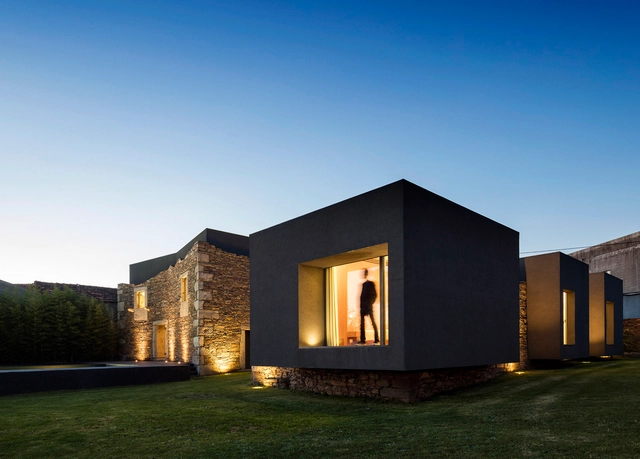
Halloween is a holiday that centers on space and ritual. Most likely originating from Celtic harvest festivals, Halloween is tied to processions like trick-or-treating, as well as history and spatial stories. The holiday celebrates imagined settings, characters, and events. In similar celebrations like Mexico's Día de Muertos, people gather in unlikely places; cemeteries and graveyards become the backdrops to picnics and celebrations. There, families offer flowers and food to deceased relatives as they celebrate history and the lives of loved ones.
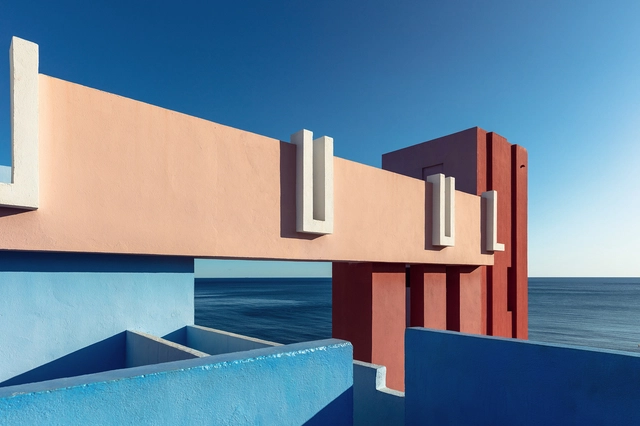
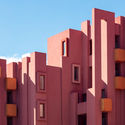
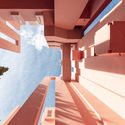
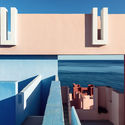
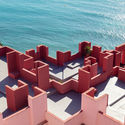
Marking the 80th birthday of architect Ricardo Bofill last December, photographer Sebastian Weiss recently captured the designer's iconic La Muralla Roja in Calp, Spain. The housing project references popular architecture of the Mediterranean and was inspired by the tradition of the casbah. The striking colors that cover the outer and inner facades are selected to both contrast nature and complement its purity.
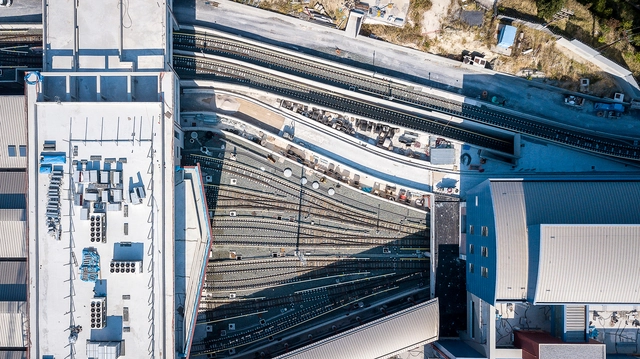
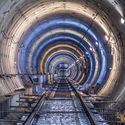
With the recent completion of several new stations and tunnels, the Athens underground metro expansion and the development of the Thessaloniki Metro system are on a set course to completion in Greece. The construction of a direct connection between the Athens airport and the Piraeus harbour, as well as the development of Thessaloniki’s first metro line, are underway, and images by photographer Pygmalion Karatzas show the new underground infrastructure coming together in the two Greek cities.
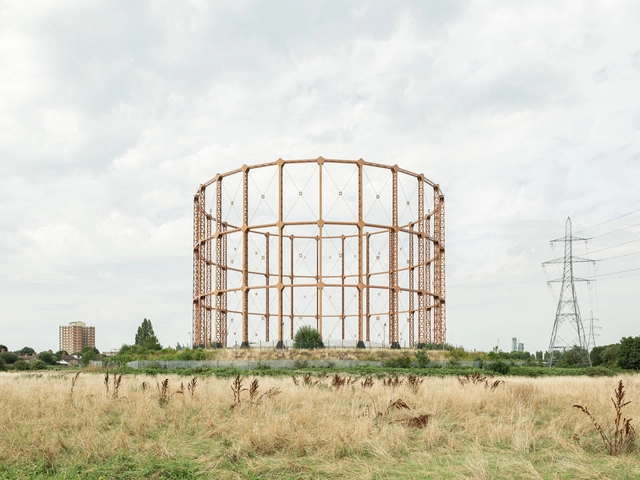
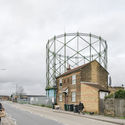
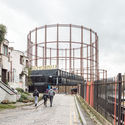
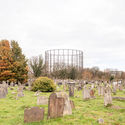
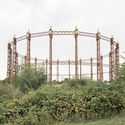
As remnants of the Industrial Age, the London gas holders are a fascinating presence across the urban landscape, one which is on the verge of disappearing. The photographic essay Ruin or Rust portrays the uncanny structures as the backdrop of everyday life, capturing their relationship to the urban context. The result of a two-year-long endeavor, this personal project of London-based photographer Francesco Russo frames the dialogue between these elements of the cityscape and the life going on around them, investigating their role in contemporary society and the urban fabric.
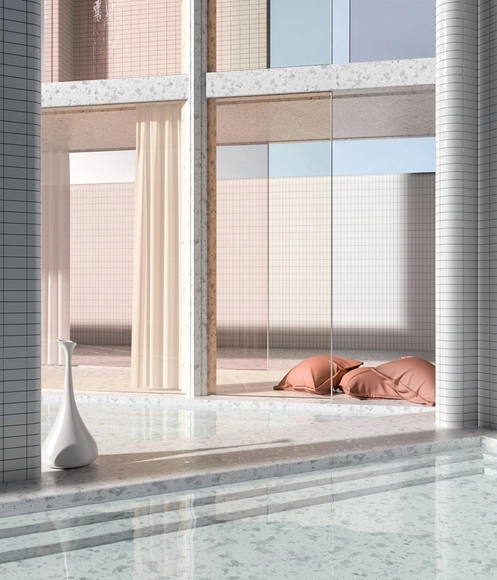
Social media is changing urban planning, facilitating the shift from a functional understanding of design to a formal and commercial one. Behind the friendly veneer of spaces conceived as sets for social media content, complex systems of surveillance are being tested and developed. The built environment turns into an attraction, populated not by citizens but rather by users who feel the need to self-document their lives. Public space disappears under the lack of agency and collective use, becoming a stage on which bodies move according to predefined rules and choreography.

This article was originally published on Common Edge.
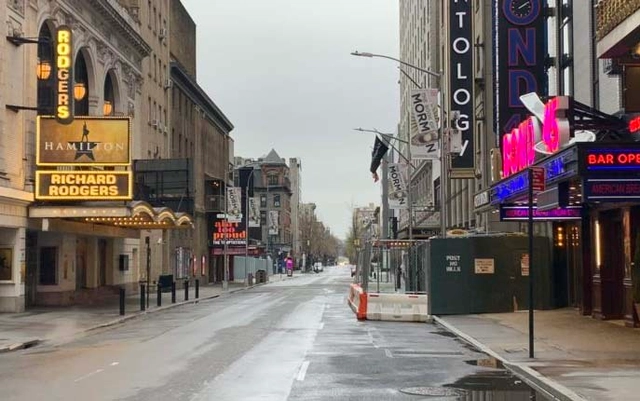
New York City: locked down, empty. It was heartbreaking, of course, but it was also beautiful. For artist Edgar Jerins, that revelation was something of a surprise. Who knew this bustling, chaotic, dirty, vibrant, profane, amazing city could look so … gorgeous when stripped of people and activity? For years, Jerins rode the subway to his studio near Times Square. When news of the spreading pandemic first surfaced—more as a vague, undefined threat, initially—he fled out of fear to the bus, and then, after the severity of the event became apparent and the lockdown began, he borrowed his daughter’s bicycle.
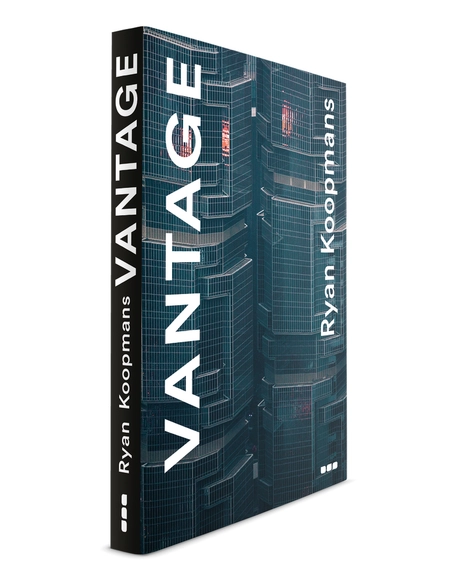
The first monograph of photographer Ryan Koopmans, an award winning Canadian/Dutch photographer whose work is exhibited and published across the world, Vantage explores the earth’s manmade structures, surreal architecture and megacities, evoking the insight and intrigue experienced from a travelling photographer’s perspective. Koopmans’ compelling photographs are presented alongside conversations with political leaders, business tycoons and local residents, providing a timeless vision of our world that is both contemporary and creative.
-Alastair-Philip-Wiper.jpg?1587401464&format=webp&width=640&height=580)
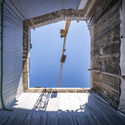
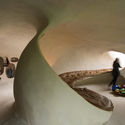
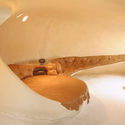
The new Zoomed In virtual photography and architecture festival has launched this week. Running from 21st - 24th of April, the festival brings together a diverse international selection of architectural photographers and cross-disciplinary creatives in a series of online talks and discussions, short film screenings, image galleries, and a charity print sale to raise funds for those most in need during the current pandemic crisis.
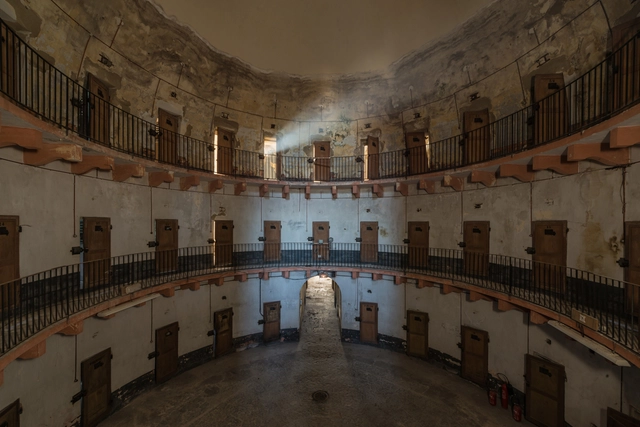
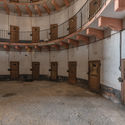
An expression of power and a symbol of surveillance, the panopticon is a notorious architectural concept intended as a disciplinary mechanism. Photographer Romain Veillon shares his images of the Panopticon-inspired prison in Autun, France.
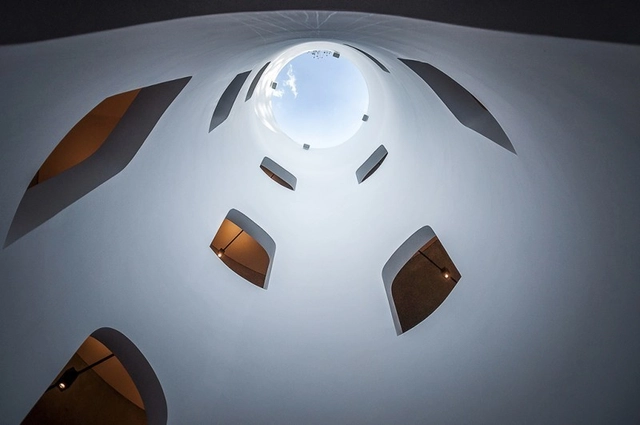
Architectural and fine art photographer Pygmalion Karatzas is presenting a number of free online architectural photography resources for readers to explore in the period of the COVID-19 pandemic. The selected resources include e-books, numerous interviews with renowned photographers from around the world, educational presentations (academic papers, lectures, workshops), and videos.
As author Jeremy Lent points out in a recent article, the phrase “social distancing” is helpfully being recast as “physical distancing” since this pandemic is bringing people closer together in solidarity than ever before, and we are witnessing a heartwarming rediscovery of the value of community, and humanity’s prosocial impulses like altruism and compassion manifesting across sectors and boundaries.
.jpg?1585888341&format=webp&width=640&height=580)
After surpassing many hurdles, the long-awaited public park and performance venue is on a set course to completion. The construction of the Little Island is underway, and new images by photographer Paul Clemence of Archi-Photo show the undulating artificial landscape coming together above the Hudson River.
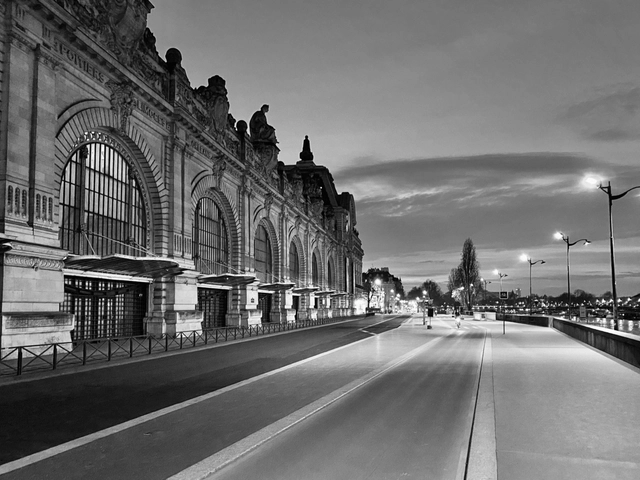
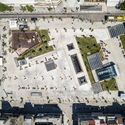
The COVID-19 pandemic has reshaped urban life, and so too has it left many streets and buildings empty as people practice social distancing. From Times Square to the Place de la Concorde in Paris, photographers are capturing these "empty cities" in a defining moment across the globe. In turn, The New York Times recently published a piece dubbed "The Great Empty", showcasing a new side to urban life in these structures and streets. Now five photographers have been commissioned to photograph Rotterdam during the pandemic.











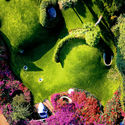

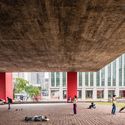
-Alastair-Philip-Wiper.jpg?1587401452 "Courtesy of Zoomed In Festival")
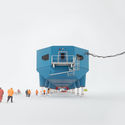
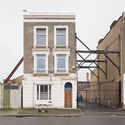
-Alastair-Philip-Wiper.jpg?1587401464)




.jpg?1585857060 "© Paul Clemence")
.jpg?1585857994 "© Paul Clemence")
.jpg?1585888713 "© Paul Clemence")
.jpg?1585888938 "© Paul Clemence")
.jpg?1585888341)