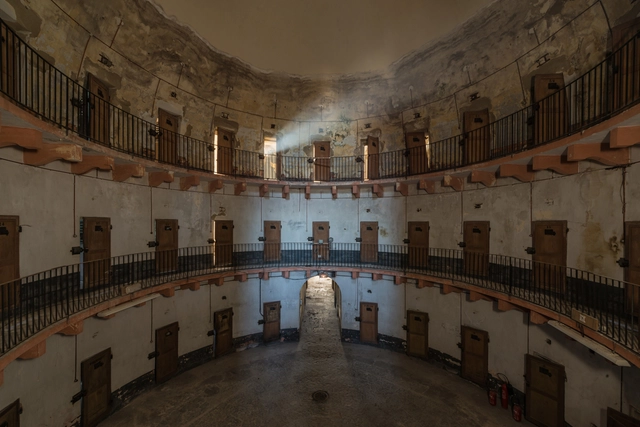
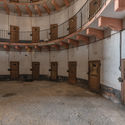
An expression of power and a symbol of surveillance, the panopticon is a notorious architectural concept intended as a disciplinary mechanism. Photographer Romain Veillon shares his images of the Panopticon-inspired prison in Autun, France.
An expression of power and a symbol of surveillance, the panopticon is a notorious architectural concept intended as a disciplinary mechanism. Photographer Romain Veillon shares his images of the Panopticon-inspired prison in Autun, France.
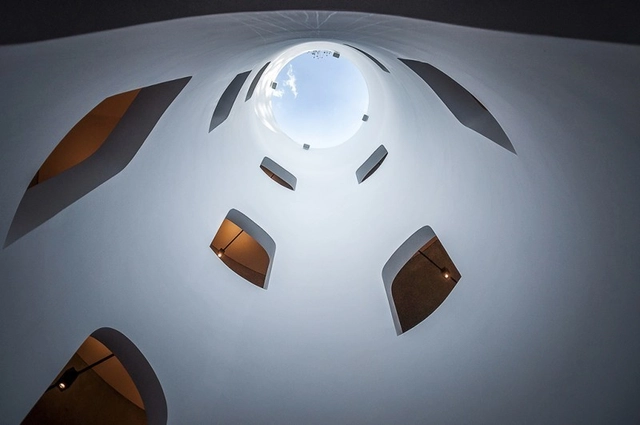
Architectural and fine art photographer Pygmalion Karatzas is presenting a number of free online architectural photography resources for readers to explore in the period of the COVID-19 pandemic. The selected resources include e-books, numerous interviews with renowned photographers from around the world, educational presentations (academic papers, lectures, workshops), and videos.
As author Jeremy Lent points out in a recent article, the phrase “social distancing” is helpfully being recast as “physical distancing” since this pandemic is bringing people closer together in solidarity than ever before, and we are witnessing a heartwarming rediscovery of the value of community, and humanity’s prosocial impulses like altruism and compassion manifesting across sectors and boundaries.
.jpg?1585888341&format=webp&width=640&height=580)
After surpassing many hurdles, the long-awaited public park and performance venue is on a set course to completion. The construction of the Little Island is underway, and new images by photographer Paul Clemence of Archi-Photo show the undulating artificial landscape coming together above the Hudson River.
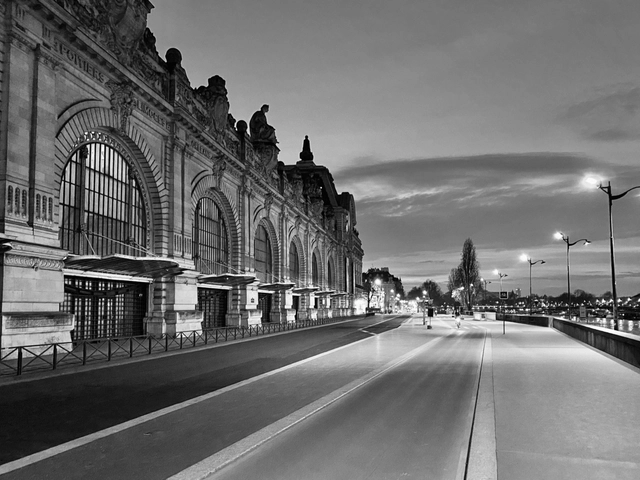
The COVID-19 pandemic has reshaped urban life, and so too has it left many streets and buildings empty as people practice social distancing. From Times Square to the Place de la Concorde in Paris, photographers are capturing these "empty cities" in a defining moment across the globe. In turn, The New York Times recently published a piece dubbed "The Great Empty", showcasing a new side to urban life in these structures and streets. Now five photographers have been commissioned to photograph Rotterdam during the pandemic.
.jpg?1583850828&format=webp&width=640&height=580)
Ever wanted to get your work published alongside pioneers such as Cecil Balmond, Daniel Libeskind, Martin Kemp, and Alain de Botton?
Well, now you can! On Balmond Studio’s blog TiP.

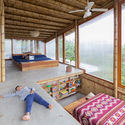
I met with Juan Alberto Andrade and Cuqui Rodríguez from the JAG Studio in Ecuador during their conference for the sixth edition of EARQ (PUCE-SI). The young couple dedicate themselves to documenting and writing about Ecuadorian architecture. By covering the now famous works of Al Borde, Daniel Moreno Flores, Natura Futura, Rama Estudio, among others, the couple have become the unofficial emissaries of their country.
We sat down with the couple for World Photography Day where they shared, not only their start in and work in photography, but the role of photography in contemporary architecture.
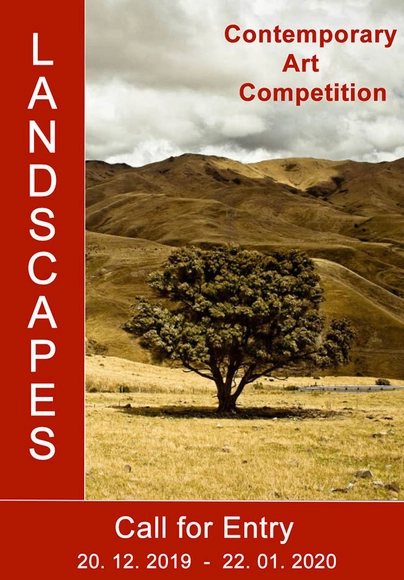
Contemporary Art Room Gallery is proud to announce their 1st “Landscapes” Online Art Competition for the month of January 2020. This is an international competition and artists from around the world are welcome to submit their work. The gallery invites all artists and photographers from around the world to submit their best representational and non-representational art related to the Landscapes theme. The Landscapes theme is considered to be any art with interpretation of natural elements such as mountains, hills, valleys, deserts, forests, farmland, trees, rivers, lakes, polar regions, rainforests, islands and tropical landscapes. All visual art mediums are acceptable (painting, photography, drawing, sculpture, digital, prints, fiber art, collage or installation art) except sound and video art.
_Aerea.jpg?1576830233&format=webp&width=640&height=580)
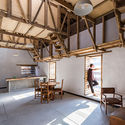
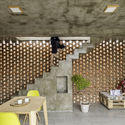
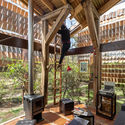
Quatre Caps, a group of architects from Spain visualized in a series of images, the unbuilt works of Fernando Higueras. In fact, the pictures portray the buildings in their context, as if they were built back when they were first conceived.
The second issue of Room will reconvene in the Kitchen; a space that savors the possibilities of both cultural appreciation and cross contamination, serving basic sustenance and special occasions. Taste here is significant though subjective, with its stainless steel tongue wiped perpetually in an attempt to cleanse the palate. Nuanced residues of gender, class, labour, race, and climate cling to the cloth among germs and grains of salt.
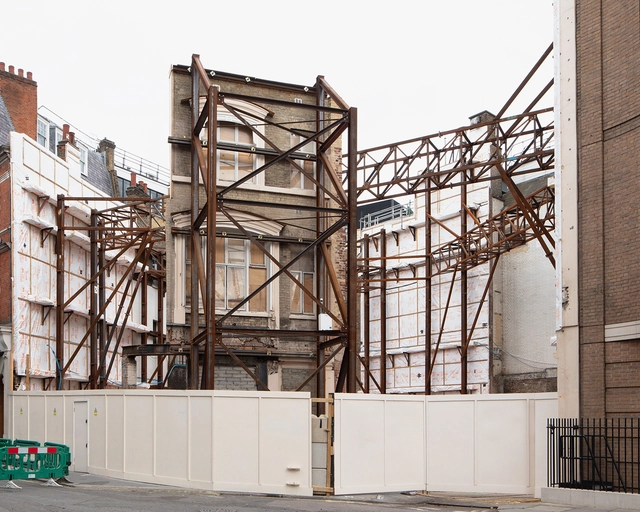
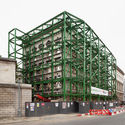
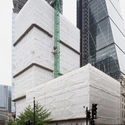
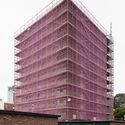
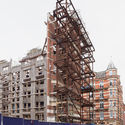
A lot can change in a city within one year; from demolitions, to reconstructions and project completions, a city's urban fabric is constantly being altered. During the past 4 years, Chilean architect and photographer Francisco Ibáñez Hantke of Estudio Ibanez has put together a photo-series titled Non-Structures, which focuses on London's urban regeneration and transformation and captures its various moments of ruins, planning, process, and eventually, complete architecture.
.jpg?1573155672&format=webp&width=640&height=580)
Description via Amazon. Marc Mimram ( born 1955), the award-winning French architect and engineer, presents his work of architecture and structure through the lens of Erieta Attali (born 1966), world-renowned architectural photographer, who explores the relationship between human-made structures and the landscape.Architecture is often represented as a product or disembodied object. This view transforms inhabitants into spectators of an architecture that is dematerialized, delocalized, dehumanized and reduced into an image of itself. The collaboration between Mimram and Attali aims for an all-encompassing approach, placing the architecture within its time-frame and physical environment, rather than presenting mere glossy images of the projects.
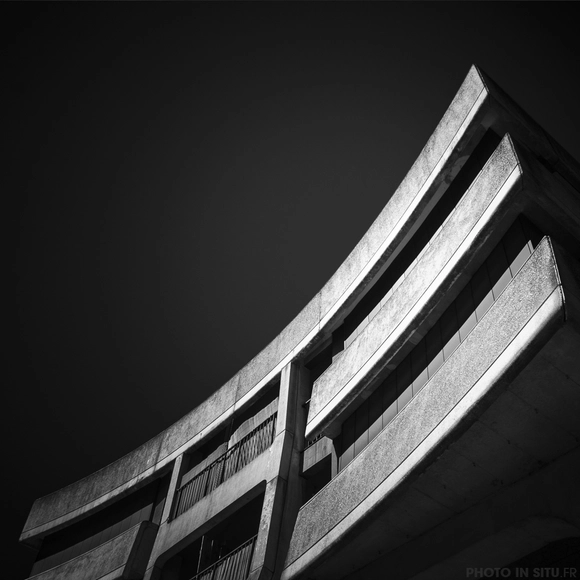
The “New Créteil” was an urbanization program carried out in the seventies. It was intended to provide the city of Créteil, which is located around 6 km southeast of Paris, new apartment buildings and public facilities such as a town hall, prefecture, hospital, and courthouse. In a series called “See the New Créteil,” photographer Robin Leroy documents a city considered transcendent of the traditional clichés of modern architecture.
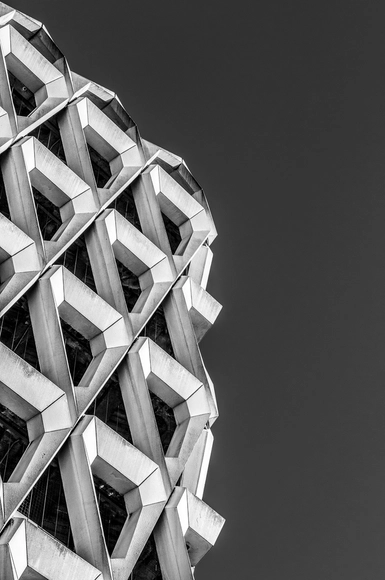
Rarely does one see brutalist architecture in the city of London. Primarily, these buildings were perceived as rebellious and grotesque, only to become the "go-to" style for commercial and governmental buildings after the Second World War. Nowadays, with the real estate market demands and dominance of contemporary architecture, these monumental grey structures are gradually fading away.
Santiago-based architect and photographer Grégoire Dorthe developed the passion of photography during his military service, when he realized that through his images, he is able to freeze moments and preserve what will be lost with time. In his photographic series titled "Brutal London", the Swiss photographer captures the raw forms and graphic qualities of the city's brutalist architecture, before these buildings meet their end.
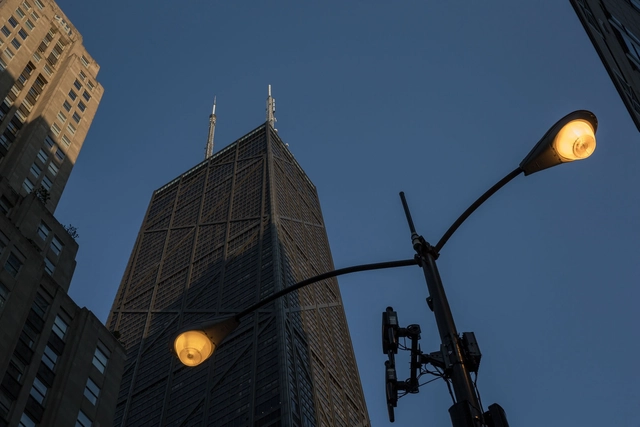
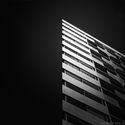
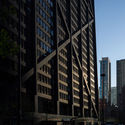
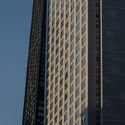
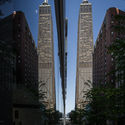
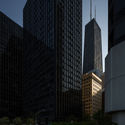
Ste Murray has recently visited Chicago and photographed the famous John Hancock Center on its 50th Anniversary. Completed in 1969, and conceived by architect Bruce Graham and structural engineer Fazlur Khan of Skidmore Owings and Merrill, the building was once the tallest structure in the world outside of New York.
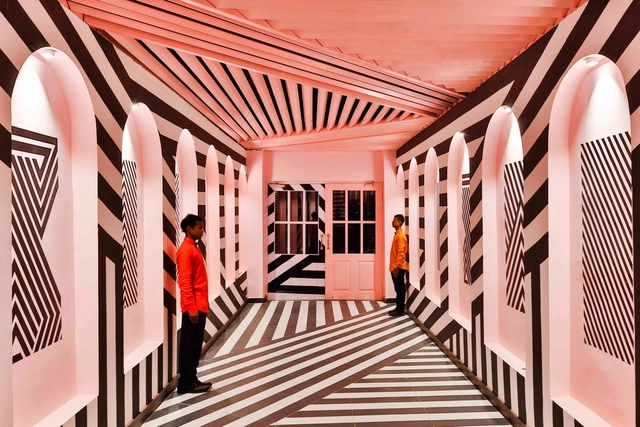
Photography is still one of the most widely used means of representation and communication in architecture. Although it does not incorporate the temporal dimension, the level of fidelity with which photography represents the other three dimensions of the built world makes it one of architect's favorite tools to convey their buildings.
To celebrate World Photography Day, we've gathered 15 photographers from around the world who are worth knowing - and following on Instagram.
_8918.jpg?1564659851&format=webp&width=640&height=580)
Earlier this year, the L’Abre Blanc Residential Tower was completed in Montpellier, France. Designed by Sou Fujimoto, Nicolas Laisné, Manal Rachdi, and Dimitri Roussel, the tree-like structure features cantilevered balconies protruding from its ‘trunk’ in all directions. An eccentric but unique silhouette, the building is hoped to become an object of pride for the people of Montpellier as well as a tourist attraction.
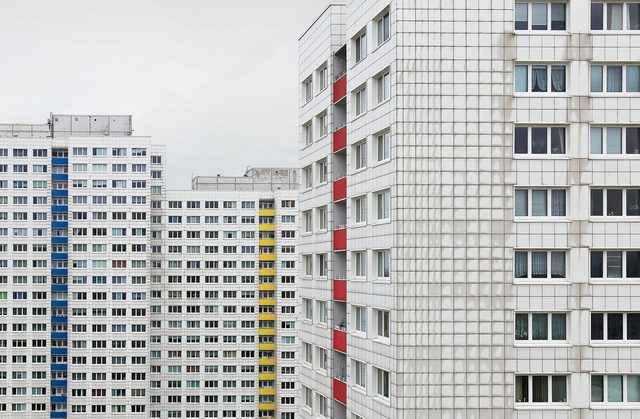
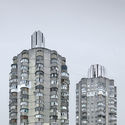
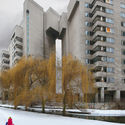
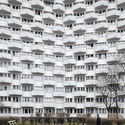
Post World War II, Brutalism found its way across Europe, redefining modernist architecture and establishing a new style for mass housing and communal buildings. Although most of the light was shed on concrete landmarks in major cities, European suburbs have also housed many exceptional brutalist buildings such as the 'Hammer-shaped Tower Blocks' or the 'Houses on Chicken Legs'.
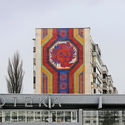
To showcase Central and Eastern Europe's "unnoticed" brutalist architecture, Zupagrafika have shot and put together more than 100 photographs in a book titled 'Eastern Blocks', inviting readers to explore brutalist mass housing developments across Moscow, East Berlin, Warsaw, Budapest, Kyiv, and Saint Petersburg.
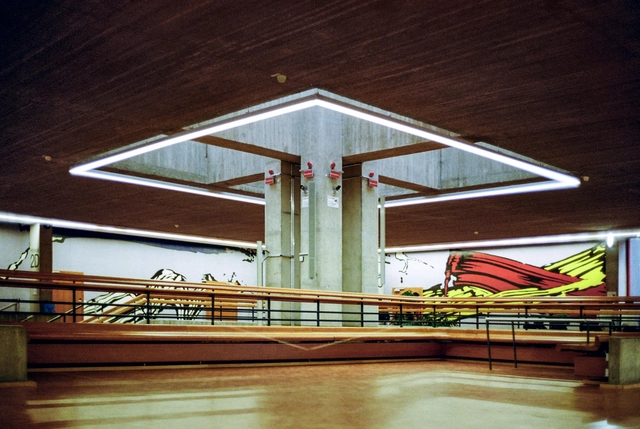
Although Brutalist architecture is often criticized for its raw, unfinished look, it has been frequently used in the design of public buildings, with many becoming iconic landmarks. Some architects chose to break away from typical concrete structures and implemented a pop of color on the walls, window frames, and flooring, adding some dynamism to the monotonous palette.
Shot with a Leica M6 film camera, architecture and interior design photographer Luciano Spinelli photographed the Düsseldorf University campus, displaying the contrast between its brutalist architecture and vibrant design features.




.jpg?1585857060 "© Paul Clemence")
.jpg?1585857994 "© Paul Clemence")
.jpg?1585888713 "© Paul Clemence")
.jpg?1585888938 "© Paul Clemence")
.jpg?1585888341)

_Aerea.jpg?1576830100 "© QuatreCaps")
_Interior.jpg?1576830259 "© QuatreCaps")
_Interior.jpg?1576830334 "© QuatreCaps")
_Nocturna.jpg?1576830192 "© QuatreCaps")
_Aerea.jpg?1576830233)





_9105.jpg?1564659862)
_9331.jpg?1564659818)
_9283.jpg?1564659903)
_8623.jpg?1564659967)
_8918.jpg?1564659851)