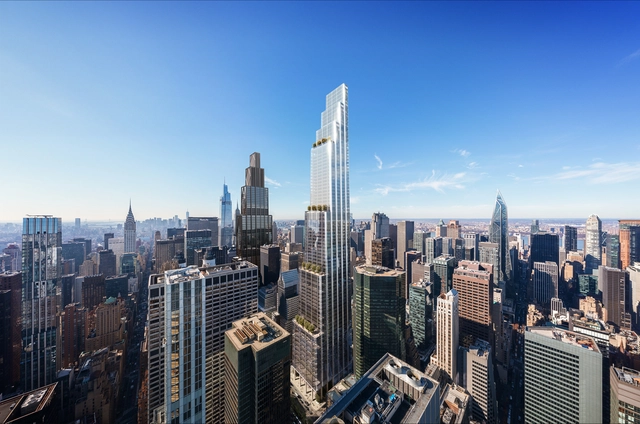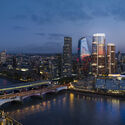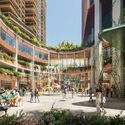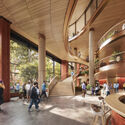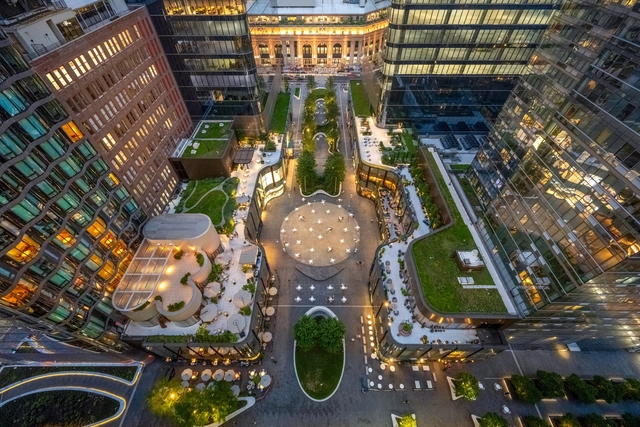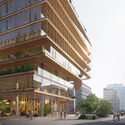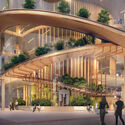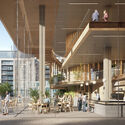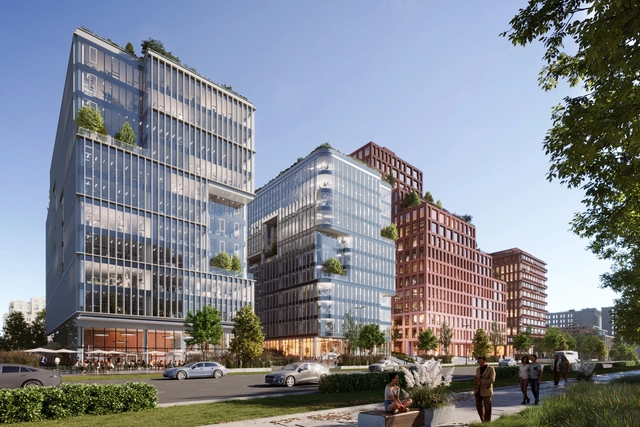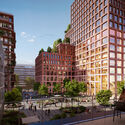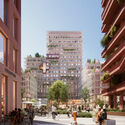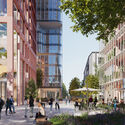
Foster + Partners, led by Norman Foster, has just released the designs for a new office tower in New York, United States. Spanning 139,354 square meters, “350 Park Avenue” will be the office space for Citadel Securities, committing to at least 78,967 square meters of the overall space. Seeking to rejuvenate the iconic street, the all-electric tower will integrate into the urban fabric of New York, standing alongside architectural landmarks in Midtown Manhattan.
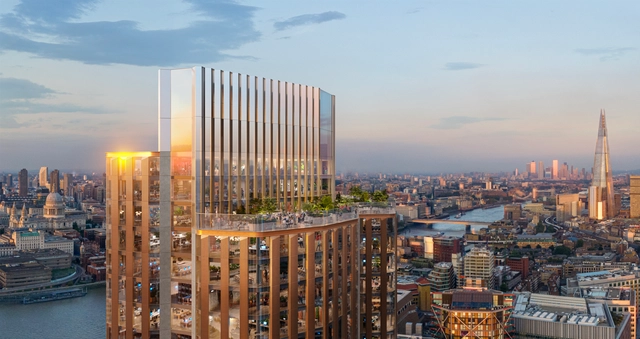
Courtesy of Foster + Partners | 18 Blackfriars Road
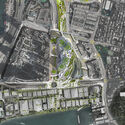
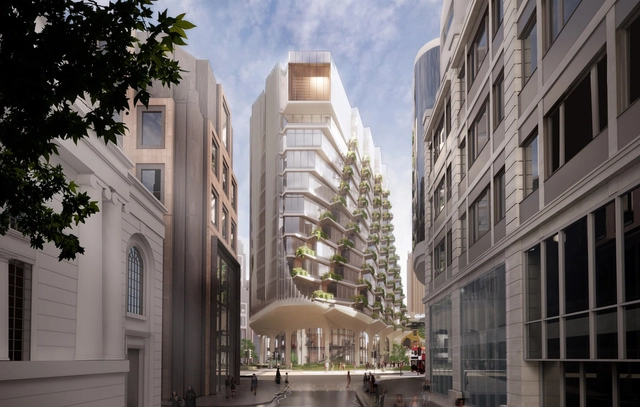
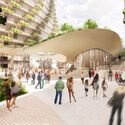
Foster + Partners’ development in Bankside, London, has just been granted planning approval. Designed in collaboration with Lipton Rogers and real estate developer Hines, the Southwark Council has just agreed to proceed with the development. Titled “18 Blackfriars Road”, the project aims to revitalize a neglected two-acre brownfield site that has sat vacant for two decades.
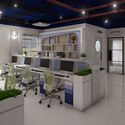
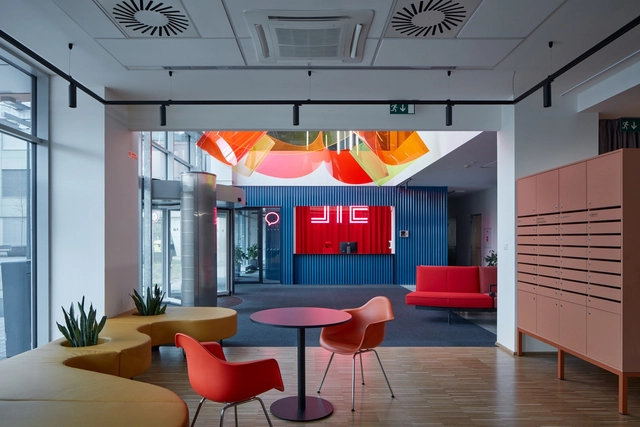
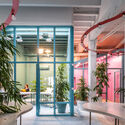
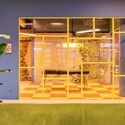
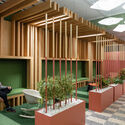
When a brief to design a new office space asks for something fresh, energetic, and modern – a space where employees enjoy being and, crucially, enjoy working in, which helps them to focus on individual tasks but also to relax, collaborate, and create – there are few better places to begin than a color wheel. As the world of work and the varied environments it takes place in become less formal and restricted in their design, architects, designers, and, more importantly, their clients are handing the boring, monotone office its redundancy papers and looking outside the establishment at more expressive colorful options.
While blue’s ability to improve concentration, stimulate thinking, and provide mental clarity helps to increase productivity, the human body needs regular periods of rest and relaxation, too. For this, warm colors like yellows provide relaxation through warmth and comfort – perfect for break-out areas. Meanwhile, reds and oranges promote creativity and expression, meaning they can be useful for areas designated for social collaboration, whilst green encourages a calmer, more balanced approach, for a different kind of meeting.
Courtesy of Powerhouse Company, Vivid-Vision, Atchain
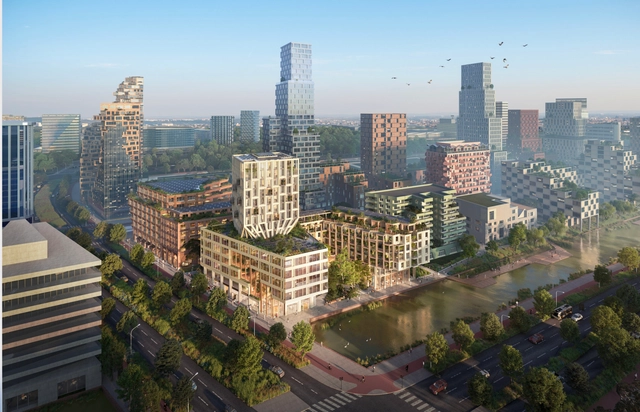
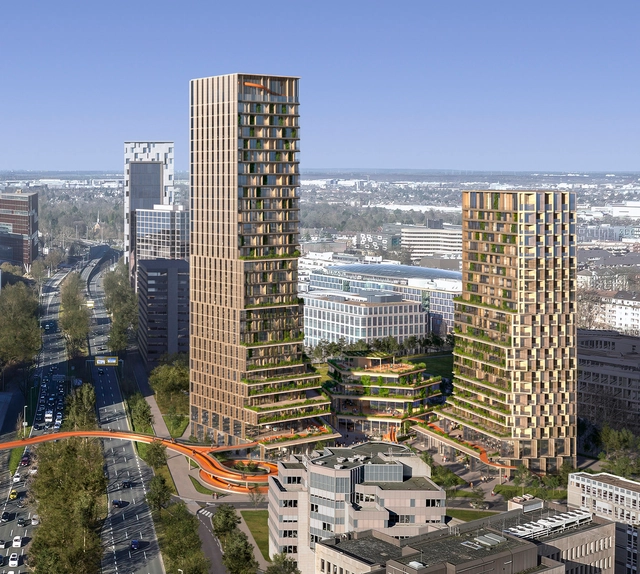
Powerhouse Company has just revealed its designs for “The Harmony” in the AmsterdamZuidas area. Featuring two towers, The Canyon and The Coast, the project aims to blend office spaces, commercial areas, and affordable housing. “The Harmony” establishes a new link between the Zuidas district and the upcoming residential zone of Ravel.
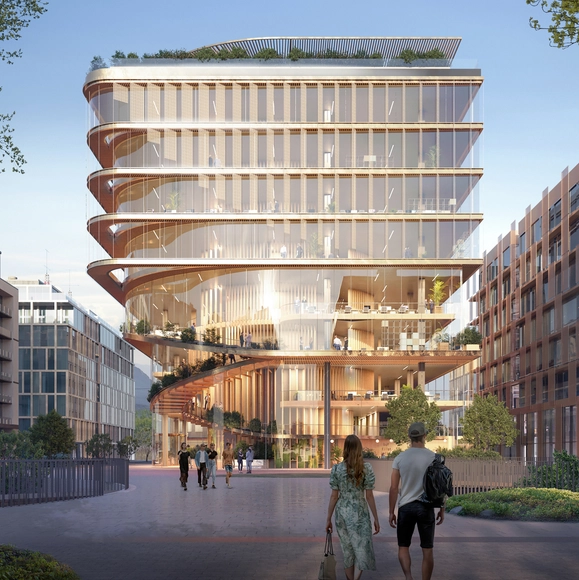
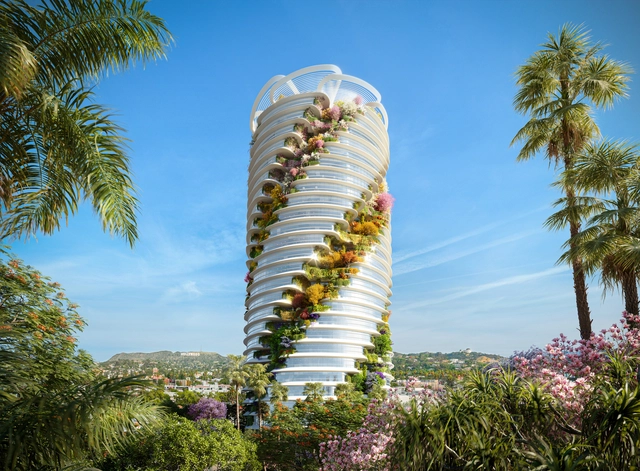
Foster + Partners, led by Norman Foster, has revealed designs for a new “vertical creative office” campus on Sunset Boulevard in Los Angeles, overlooking Hollywood. Developed by real estate firm The Star LLC, the tower is wrapped in spiraling gardens, giving the project its distinctive image and introducing generous outdoor areas throughout. Dubbed “The Star,” the project strives to use active and passive design strategies to bring a welcoming and comfortable space for all future users.
LXK Office and Residential Campus. Image Courtesy of MVRDV
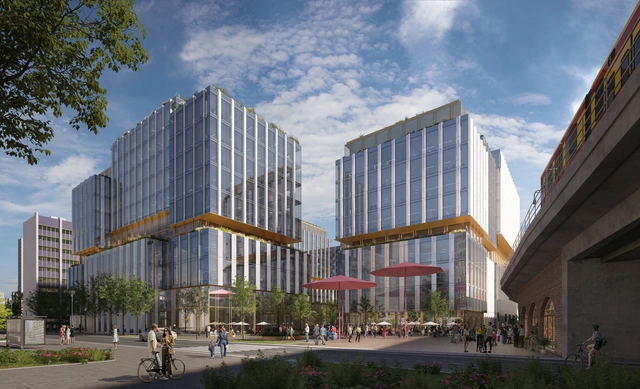
MVRDV has just begun construction on the LXK Office and Residential Campus in Berlin. Situated in Friedrichshain, near Berlin Ostbahnhof, the development spans approximately 61,200 sqm and boasts city center views from its green rooftops and terraces. Designed as two buildings, a horizontal band encircles the middle of either structure, serving as a distinctive landmark in Berlin.
Four years after the onset of the COVID-19 pandemic, its effects are still felt in the construction and real estate sectors in the United States. Accelerated remote work and hybrid schedules are leading to a sharp decline in demand for traditional office space in cities across America. In major metros like New York and San Francisco, occupancy rates have dropped, property values have diminished and rents have fallen significantly. As architects design for the future of work, the real estate market faces divided perspectives on whether to invest in the country's growing inventory of vacant office buildings.
UNStudio, in collaboration with local partner HYP Architects, has won the competition for the design of the Kyklos building in Luxembourg. The project is part of Beval, a large-scale redevelopment initiative aiming to transform a former industrial site into an urban center complete with a university and technological center, in addition to residential, office, and retail spaces. When designing the Kyklos building, which will occupy a central position in the district's main square, the architects set out to find solutions to create the smallest carbon footprint for both operational and embedded metrics.
MVRDV and Orange Architects collaborate on the NUVO project, a new mixed-use complex to be built in Ukraine’s capital, the team of architects has revealed their design for three of the buildings that will become part of NOVO. Commissioned by Kovalska, the project is now restarting after work was put on hold due to the active conflict in Ukraine. The two firms are collaborating to refine the master plan initiated by APA Wojcehowski Architects.
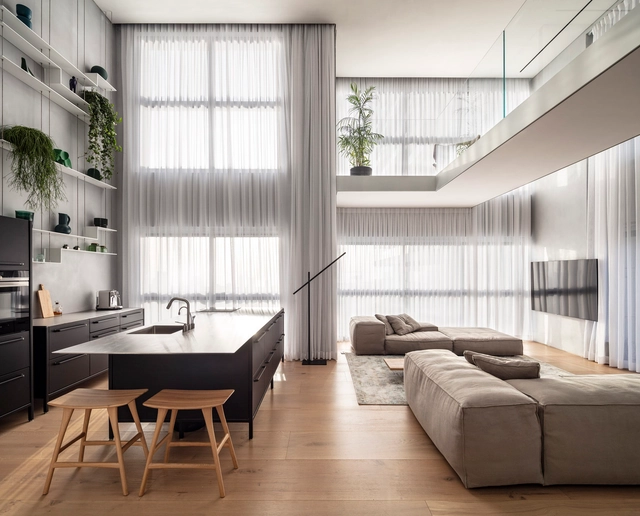
The layout of interior spaces has been in constant evolution since the very first residential project. For many years, functionality dictated how they're are organized, but soon after, cultural, social, and economical changes influenced the way people design their living space, bringing about the spacious and versatile open floor plan. A lot has been written - and critiqued - about the open floor plan: who introduced it, how it was developed, its benefits, and/or lack thereof. During the past couple of decades, open floor plans were perhaps among the most requested interior design concepts, but today, architects are leaning towards the opposite.
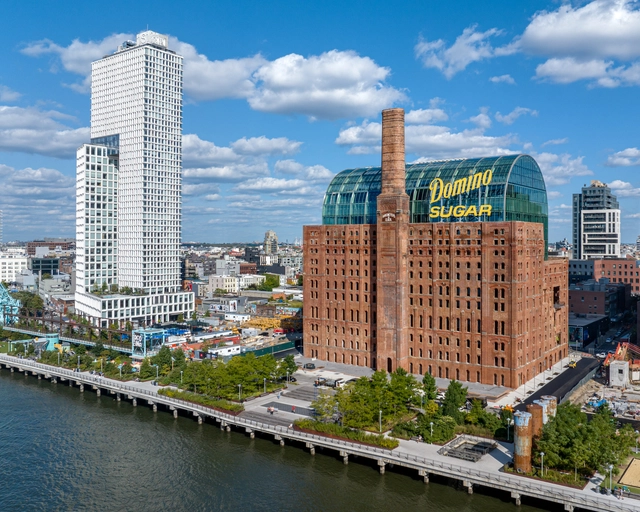
Two Trees Management announced the official reopening of The Refinery at Domino Sugar, one of Brooklyn’s most iconic buildings transformed into a modern workspace. The design of the adaptive reuse project, led by Practice for Architecture and Urbanism (PAU) began in 2017 with the purpose of reimagining the monument to become a point of connection between the existing neighborhood and the recaptured waterfront. The building now features 15 stories of office space, approximately 460,000 square feet, complete with retail spaces, communal workspaces, a private club, and event spaces.
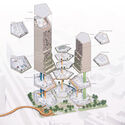
UNStudio has been selected as the winner of the international competition for the design of a mixed-use development in Düsseldorf, Germany, surpassing other internationally recognized participant offices, including 3XN, BIG, David Chipperfield Architect, and finalists Hadi Teherani Architects, HPP Architekten, and Ingenhoven. UNStudio’s proposal features two mixed-use towers measuring up to 120 meters, surrounded by a low-rise community pavilion. In addition to the office and residential spaces, the scheme also includes multifunctional uses and services such as sports, fitness, medical facilities, gastronomy spaces, a mobility hub, a daycare center, and opportunities for cultural events.
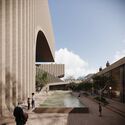
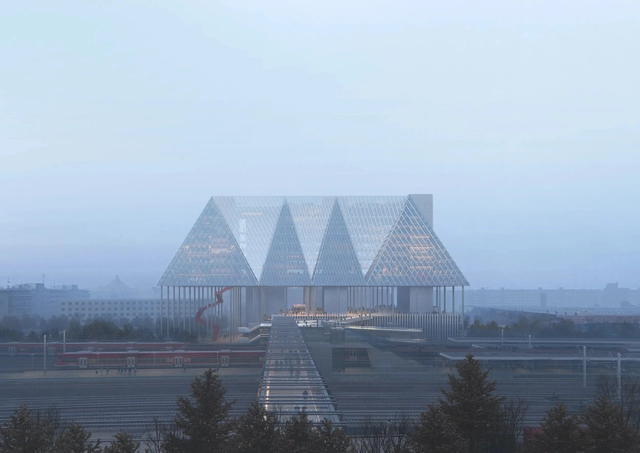
OMA’s competition design for UniCredit’s new Headquarters in Munich, Germany, proposes a plaza lifted off the ground to increase public spaces and urban connectivity and to activate an otherwise overlooked area. The scheme aims to “retroactively attribute character to an area which may never have had one.” The site is located by one of the city’s main arteries, the S-Bahn, a strictly functional area lacking in public spaces or amenities. The building proposed by OMA is lifted off the ground, with its limited footprint allowing for more public space to be integrated while preserving the site’s natural features.
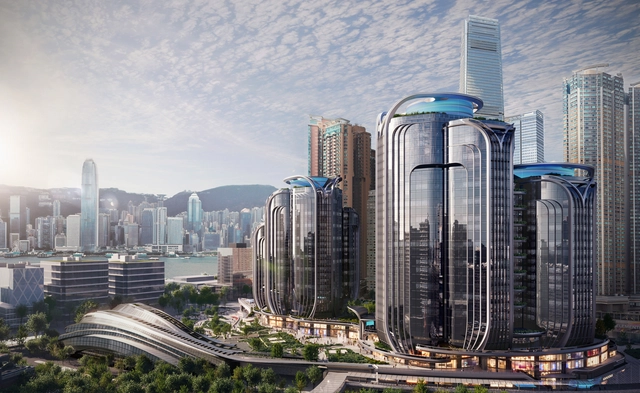
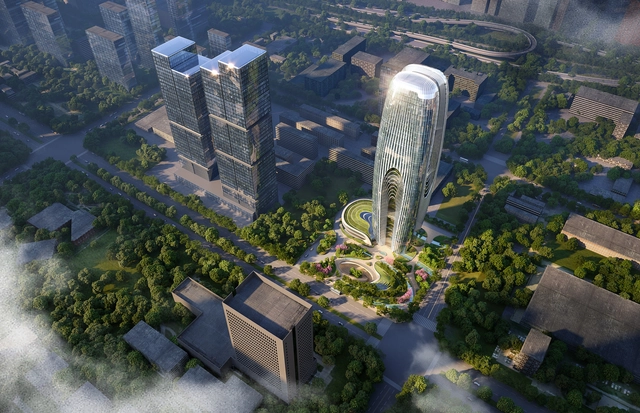
Zaha Hadid Architects has revealed the design of the Daxia Tower, to be built in the High-Tech Economic and Technological Development Zone of Xi’an, one of China’s largest inland cities with a population nearing nine million people. The tower will mark the center of Xi’an’s business district and will include offices, retail, and ancillary facilities, all designed with data analytics and behavior modeling to ensure a balanced disposition of spaces.
The team composed of KCAP and V2S has been announced the winner of the international competition for the design of Altiplano, a new complex for living and working in the new neighborhood of ZAC Aerospace in Toulouse, France. The proposal includes a high-rise featuring co-living apartments and a lower volume with offices and co-working spaces. Between the two volumes, a 25-meter wide arch visually connects the ensemble to former runway, the Piste des Géants, which will be transformed into a linear urban forest, as part of the master plan for the new neighborhood designed by David Mangin from Agence Seura.
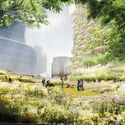
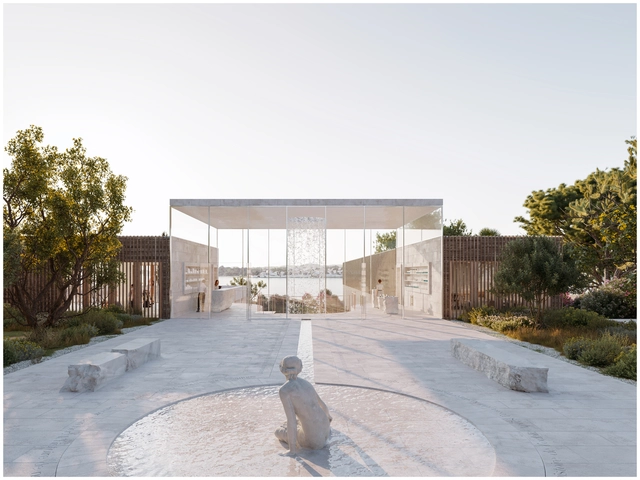
Courtesy of Foster + Partners | Bank of International Settlements (BIS) Headquarters Extension
Office spaces in design and architecture play a crucial role in shaping the way we work and interact in professional environments. They are thoughtfully designed to promote healthy output, encourage teamwork, and give workers a welcoming and motivating environment. After the Covid-10 pandemic, work lifestyles underwent a significant transformation. As a result, companies have been adapting and redesigning new ways of working, implementing flexible schedules and hybrid work policies.
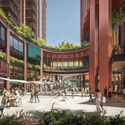
This evolution in work lifestyles has father influenced office design, now more focused on prioritizing health, safety, personal space, and collaboration. Office spaces in design and architecture have been adapting to the changing work landscape for decades. As they evolve to meet the changing needs of the workforce, various design iterations are explored, promoting different values.
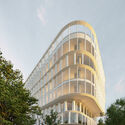
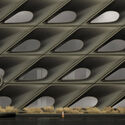
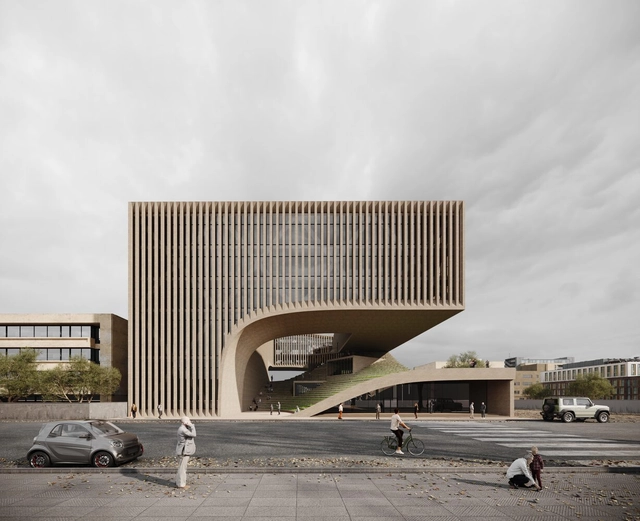
This week’s curated selection of Best Unbuilt Architecture showcases projects submitted by the ArchDaily community highlighting different office spaces. Ranging from a more formal bank headquarters in Switzerland to a mixed-use business center in Ukraine, these designs heavily influence the way in which people work in the spaces.
Construction has begun at the last remaining empty sites in Chengdu’s Jiaozi Park Financial and Business District, where MVRDV has designed a complex comprised of three mixed-use office towers and a conference center united by a ring-shaped plinth. The building shape and functional structure are informed by its surrounding context, with a retail village that references the traditional structures that were once located on the site.
Foster + Partners’ project for BENCH, one of the Philippines’ leading clothing and lifestyle brands, has started construction in Manila. The 24-storey headquarters building offers offices, design studios, event spaces, and the necessary amenities to create an enjoyable environment for the company’s employees. Located on the east-west axis in the Bonifacio Global City, the building opens up the ground floor to create a visual connection to the green space surrounding it.