-
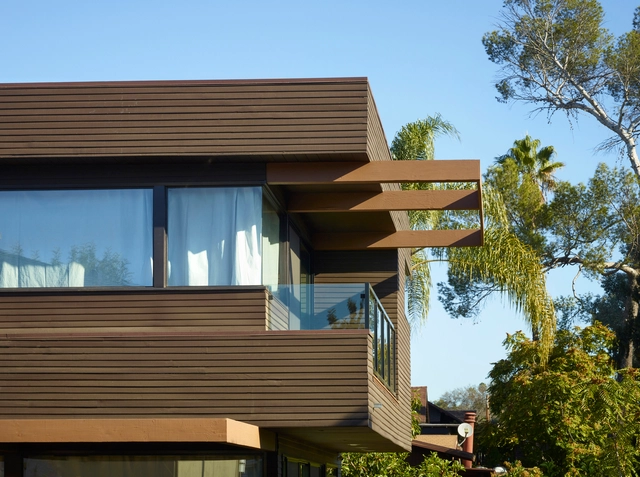
Architects: Martin Fenlon Architecture
- Area: 2200 ft²
- Year: 2016
-
Manufacturers: Boise Cascade, Hardy Frame, Kohler, Oldcastle APG, Oldcastle BuildingEnvelope, +1



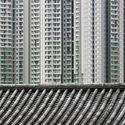
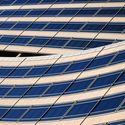
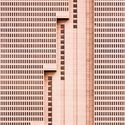
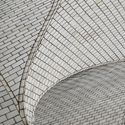
In his ongoing study, Nikola Olic - a Serbian photographer based in Dallas, Texas - focuses on “architectural photography and abstract structural quotes that reimagine their subjects in playful, dimensionless and disorienting ways.” Often isolating elements of a facade, which obscures the viewer's sense of scale and perspective, Olic provides short descriptions of each image, acting as a “demystifying tool” and reminding us of the everyday nature of his subject matter. In the third collection shared with ArchDaily, the photographs are taken in Dallas, Fort Worth, Las Vegas, New York, Los Angeles, Long Beach, and Hong Kong.
Why do we remember buildings, locations, and experiences? Even a place visited in our childhood can conjure emotions that make an impact on us through the memories they create. Angela Brooks and Larry Scarpa explain that the work of Brooks + Scarpa Architects aspires to make a lasting impression out of even a brief encounter. “We try to leave something behind,” says Scarpa, “something ingrained in people’s memory that sticks with them.”

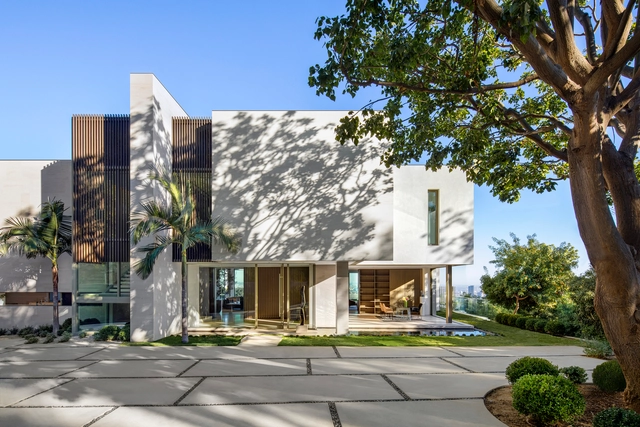
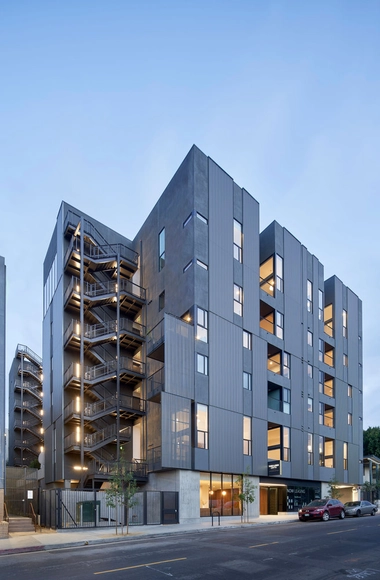
Surrounded on all sides by "business blocks of architectural beauty and metropolitan dimensions," the intersecting planes of Pershing Square in Los Angeles provide a modernist retreat for many Angelinos in the downtown area. While to some, the square's large stucco tower and aqueduct-like water feature serve as a cultural landmark, the park has drawn negative press due to its lack of green space and abundance of drug-related activity. John Moody purposefully concentrates on the perception, memory, and identity of the space in his documentary Redemption Square—winner of the Best Urban Design Film 2017 at the New Urbanism Film Festival. Using the voice of strangers, residents and those who used to call it home, Moody guides you from the park’s formation in 1866 to its impending renewal: a “radically flat” redesign courtesy of Agence Ter and Gruen Associates.

Last spring, the Los Angeles Bureau of Street Services tested a new, creative approach to combat the rising temperatures in the city center. The pilot project covered one neighborhood street in each of the LA's 15 council districts with CoolSeal, a more reflective asphalt-based coating developed by California-based company GuardTop. After seeing a difference of 11-13 degrees Fahrenheit on the coated streets, Los Angeles and other cities plan on implementing more reflective roofs and pavements to reduce the side effects of "heat islands."
More on the CoolSeal coating and the fight against heat island effect after the break.
_Studio_Gang.jpg?1524241991)
Studio Gang has released details of their first project in Los Angeles, a 26-story mixed-use tower designed in collaboration with local development partner Creative Space and European lifestyle brand MOB. The scheme places an emphasis on community spaces, with a curved form creating dynamic public plazas at street level, forming a link between Chinatown, the recently-opened LA State Historic Park, Union Station, and El Pueblo.
Located on 643 North Spring Street, the scheme will provide 300 apartments ranging from studios to three-bedroom units, and a 149-room hotel operated by MOB. Emphasizing the importance of community space and interaction, the residents and hotel guests will share a rooftop amenity deck with landscaped terraces on the second and third floor, as well as a gym, coworking spaces, rentable offices, pop-up stores, a rooftop swimming pool and bar, and space for outdoor cooking.
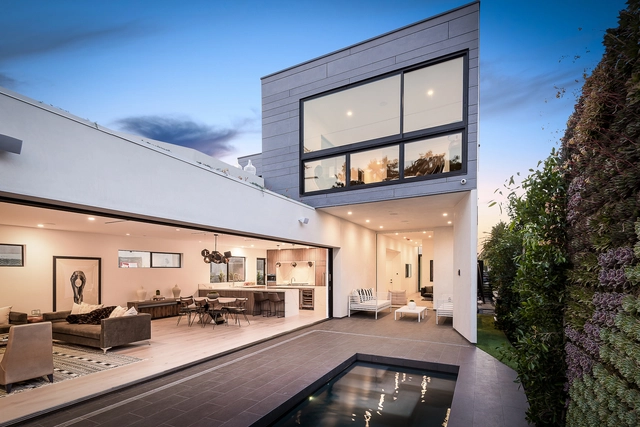

OMA New York has released initial details of its design for the Audrey Irmas Pavilion, a new addition to the Wilshire Boulevard Temple in Los Angeles, California. The OMA scheme, currently seeking planning approval, seeks to “forge new connections within the existing campus and create a new urban presence to engage Los Angeles.”
Having won a competition for the pavilion's design in 2015, the OMA scheme represents the firm’s first commission from a religious institution and their first cultural building in California. Designed in collaboration with Gruen Associates, the Audrey Irmas Pavilion will form the newest addition to the Wilshire Boulevard Temple, the oldest Jewish congregation in Los Angeles. The scheme will serve as a multi-purpose gathering space in what Rabbi Steve Leder regards as “the city’s most diverse neighborhood.”
.jpg?1521561138&format=webp&width=640&height=580)
Last week, Sel Kardan, the President and CEO of the Colburn School, announced that Frank Gehry has been selected to design a campus expansion, adjacent to its existing facilities in Downtown, Los Angeles. The expansion site, located on Grand Avenue, will become the newest neighbor to other notable projects including Diller Scofidio + Renfro's Broad Museum, Gehry's Walt Disney Concert Hall, Isozaki's Museum of Contemporary Art, and just a few blocks away from Moneo's Cathedral of Our Lady of the Angels, and Coop Himmelb(l)au's High School #9. Gehry's contribution to the school will make this area of Los Angeles one of the world’s largest sites for performing and visual arts programs.

Recently, long-standing architecture critic for the LA Times Christopher Hawthorne announced that he was stepping down to take up the position of chief design officer for the City of Los Angeles in Mayor Eric Garcetti’s administration. According to Hawthorne, the role will involve raising “the quality of public architecture and urban design across the city — and the level of civic conversation about those subjects.” This dramatic shift from the question: what is the role of the critic and architecture criticism in shaping civic architecture?
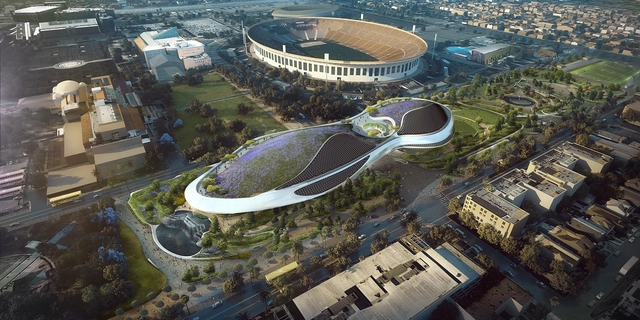
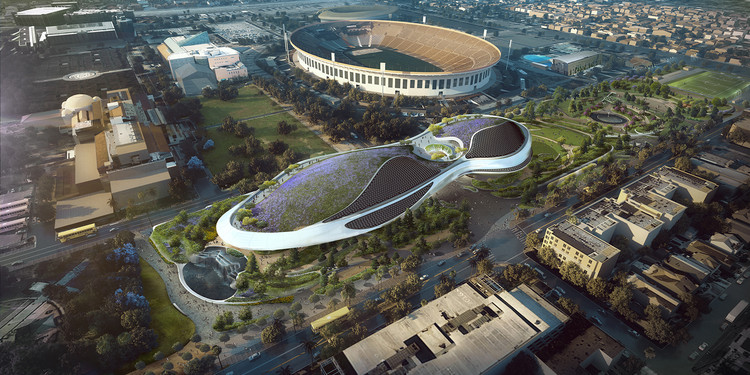
The Lucas Museum of Narrative Art, designed by MAD Architects, has broken ground in Los Angeles, California. Founded by “Star Wars” creator George Lucas, and standing at the gateway to the city’s Exposition Park, the scheme is envisioned as a “futuristic spaceship” landing on the site’s natural environment.
The building’s interior has been designed as an expansive, open cave, flooded with natural light from skylights above. At least $400 million worth of art will be housed in the museum, including over 10,000 paintings, illustrations and movie memorabilia. The first floor and roof will be designated as public areas for visitors to exercise, relax, and “directly experience nature in the urban environment."