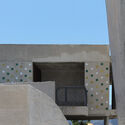
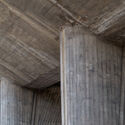
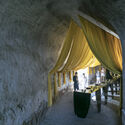
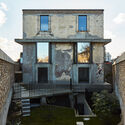
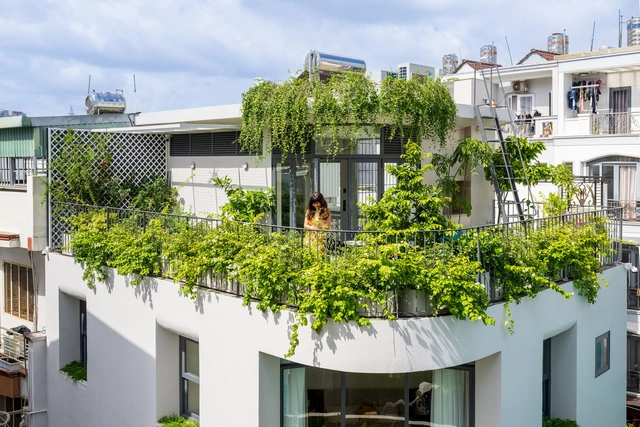
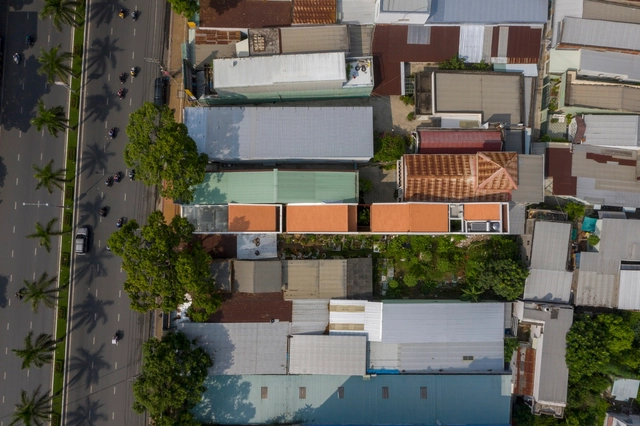
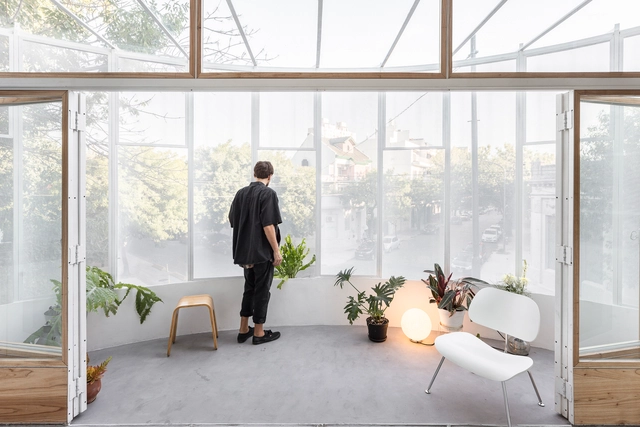
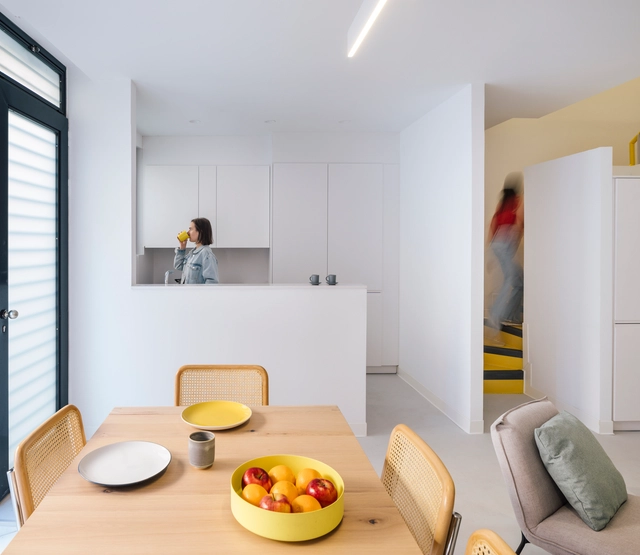
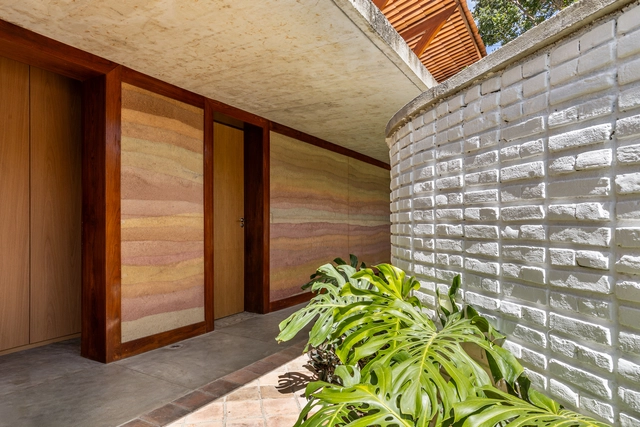
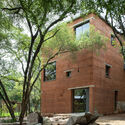
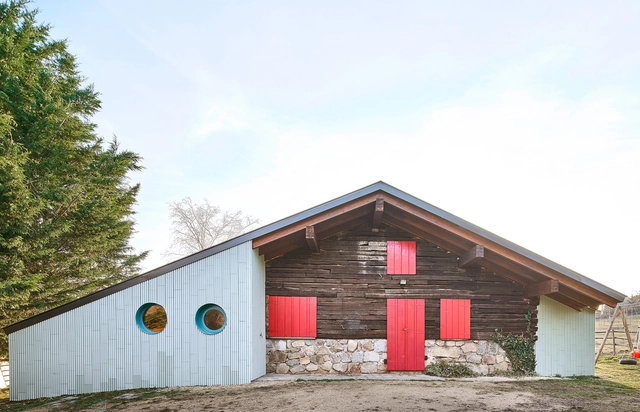
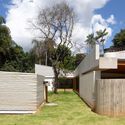
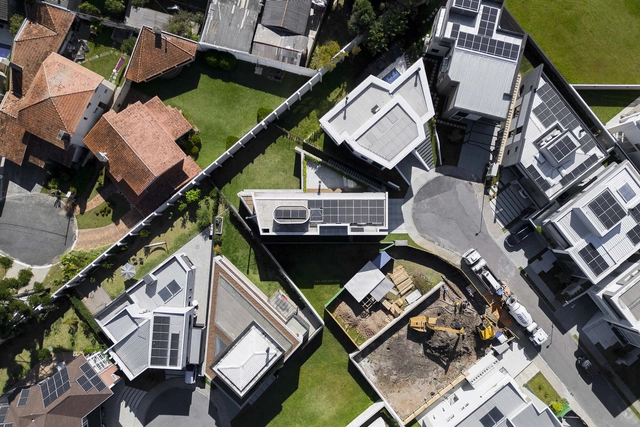
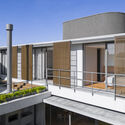
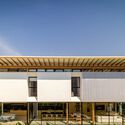
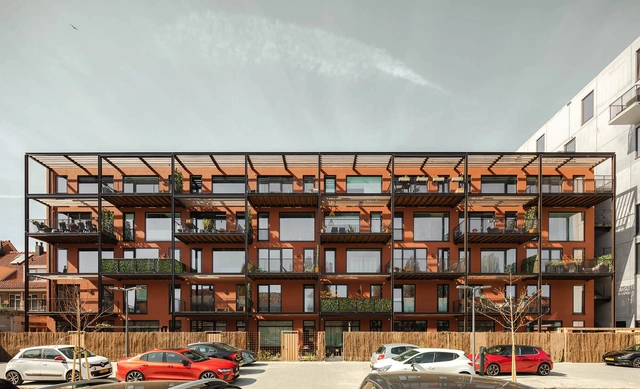
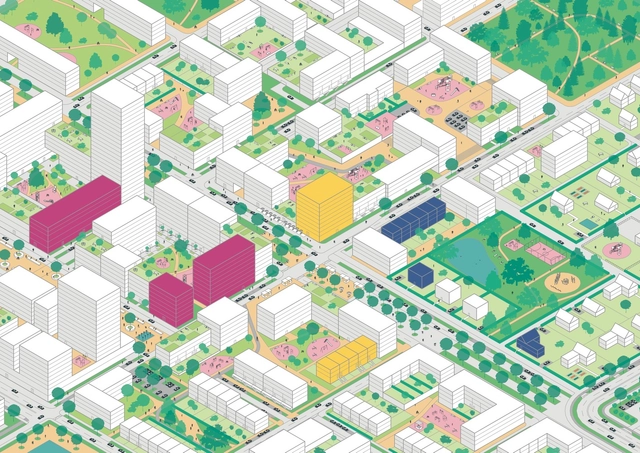
Behind facades lie vibrant lives, where the exterior melds with the interior, transforming neglected urban spaces into captivating residences. In cities around the world, architects, engineers and designers face the challenge of integrating new buildings into existing urban landscapes with limited space. Many architects are now embracing this concept, expanding their designs beyond conventional boundaries and transforming small city lots into layered and interconnected living spaces.
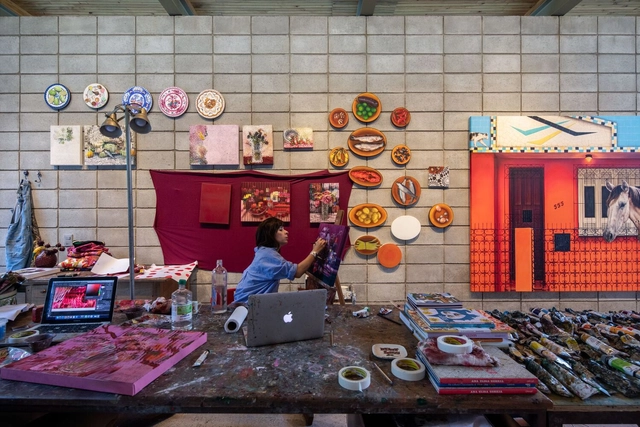
The spaces where artists create their work reveal a great deal about their creative journey—their techniques, themes, and inspirations. These places hold memories, intimacy, and emotional connections. For some artists, the studio is a secluded space, free from distractions. For others, it is a place for openness and freedom. Often, the studio becomes the home—or the home becomes the studio—blending function, desire, and necessity. Positioned at the crossroads of living and creating, leisure and work, these spaces fascinate art lovers. Many are later recreated in galleries or transformed into museums. Regardless of the artist’s fame, these spaces offer a unique look into the creative process, the artwork, and the artist's identity.
"Feeling at home" is more than just an expression—it is the sense of warmth and comfort that transforms a space into a true refuge. To achieve this, elements like color, texture, lighting, and materials play a crucial role in shaping an environment that fosters relaxation and well-being. Backed by research in environmental psychology and neuroscience, the connection between physical spaces and human behavior highlights how architecture can directly influence the atmosphere, turning chaos into tranquility.
IR Arquitectura is not just a studio; it defines itself as a platform for exploration that integrates architectural practice with tangential topics such as the city, landscape, technology, and sustainability. Founded by Luciano Intile and Enrico Cavaglià, and based in Buenos Aires, Argentina, IR Arquitectura is an interdisciplinary collective comprising architects, designers, and professionals from various fields. Together, they tackle projects of varying scales and natures, seizing each opportunity to explore new solutions and strategies for contemporary living, particularly in urban contexts and in close connection with the environment.
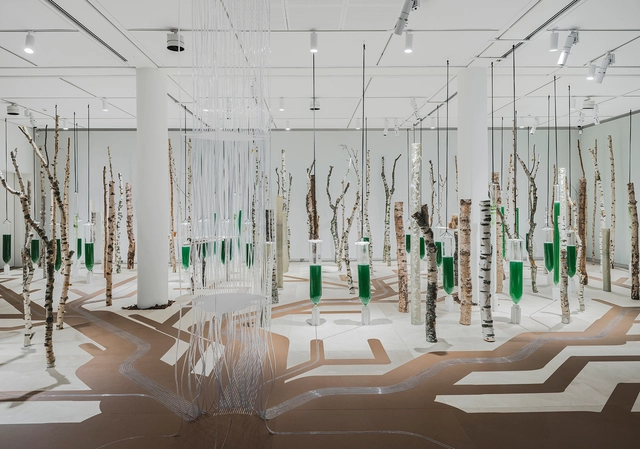
The Louisiana Museum of Modern Art's "Living Structures" exhibition, running from November 8th, 2024, to March 23rd, 2025, features Deep Forest, a new installation by Prof Claudia Pasquero and Dr. Marco Poletto founders of architecture and design innovation firm ecoLogicStudio, together with academic partner Innsbruck University. This immersive work challenges traditional architectural paradigms by embracing the naturalization of architecture and technology, a direct counterpoint to modernist attempts to mechanize nature. The exhibition represents the culmination of twenty years of research in bio-digital design, showcasing the potential of symbiotic relationships between technology and the natural world within built environments.
Amid a significant global housing shortage and an increase in urban growth, the residential phenomenon of co-living is expanding, fostering a community-based lifestyle where socialization becomes a fundamental principle. Resources, values, interests, and experiences are shared, creating new ways of living. While co-living buildings also incorporate spaces for individuality, this new form of communal domesticity emerges as a viable alternative suitable for diverse users, not only students or young adults but also older residents, promoting efficient space utilization and intergenerational interaction.
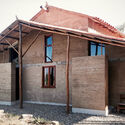
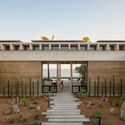
Being one of the first construction methods developed by humans, earth has proven its resilience and durability over time. While construction techniques have evolved and been updated over the years, there is still a long way to explore where the understanding of climate, geographic location, sustainability, structural requirements, and other factors determine its degree of application.
With low environmental impact and the ability to be used through a wide variety of techniques, such as rammed earth walls or 'tapiales,' this material offers the possibility of providing not only aesthetic but also thermal comfort, insulation, and other benefits. With the intention of discovering the different ways it has been used, we set out to select 12 projects distributed throughout Latin America, spanning Argentina, Brazil, Bolivia, Chile, Mexico, Paraguay, Peru, and Ecuador.
Home is not just a physical structure defined by its materials and spatial characteristics. It is the result of everyday habits, routines, and fond memories blending into the very essence of the place through its walls, textures, and aromas. This is why a true home cannot be instantly created; it demands time, and a sense of continuity, as it reflects the ongoing adaptation of both the family and the individual within that space.
In the face of the environmental crisis and the need to mitigate climate change, adopting clean and renewable energy sources, such as solar energy, in architectural projects is becoming increasingly imperative. As a country with abundant sunlight incidence throughout the year, Brazil has enormous potential to take advantage of this energy source, which has become an increasingly attractive and viable option in the Brazilian scenario. There are numerous benefits solar energy can provide to both residents and the environment that make it a popular choice for residential use.
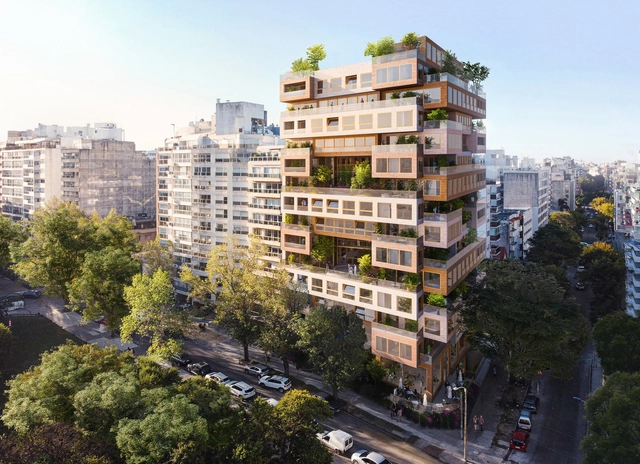
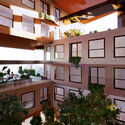
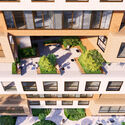
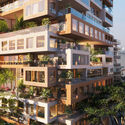
The 15-story residential building designed by MVRDV in Montevideo, Uruguay, has been approved for construction. Named "Ziel," the project consists of individual homes creating an open and permeable environment that allows light and air to flow through the structure, resulting in spacious green spaces for the enjoyment and coexistence of residents. This project is MVRDV's first in Uruguay, designed for developer IXOU in collaboration with Monoblock's executive architecture.
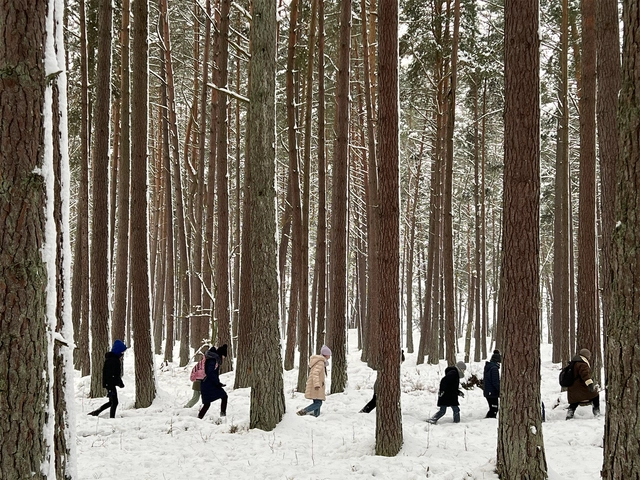
For the 18th International Architecture Exhibition – La Biennale di Venezia, the Lithuanian Pavilion will present an exhibition titled “Children’s Forest Pavilion”, curated by Jurga Daubaraitė, Egija Inzule, and Jonas Žukauskas. The intervention aims to become a playscape, acknowledging the unique perspectives through which children observe and interact with their environment. The project strives to explain the ecosystem of the forest, bringing together works and findings developed in parallel to outdoor activities held with children in the woodlands of Lithuania and Finland. Environmental educators, activists, architects and foresters will discuss the idea of forests as negotiated spaces where all actors play an important role. The Pavilion will be open from May 20th until November 26th, 2023.
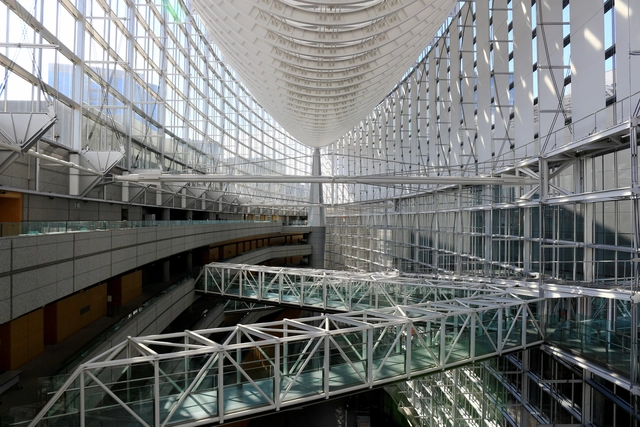
Foro Internacional de Tokio, Japón. Imagen de kazuhiro. Image via Shutterstock
Addressing diverse scales, users, and themes, Rafael Viñoly has been involved in numerous architectural projects ranging from museums and educational facilities to airports and skyscrapers. Beyond the economic, geographic, technological, social, or cultural variables he has faced, the wide range of works he has left us as a legacy is the fruit of a trajectory that we propose to go through from his beginnings in the profession to his most controversial and most recent projects.
“In recent years, we have been confined to our homes more and more,” says health mentor and entrepreneur, Enitor Joiner. “This has made us more aware of the (dis)comforts of our immediate living environment. For example, sitting still for long periods while working at home leads to physical complaints such as RSI. A poor living environment can also cause stress and and mental challenges. Loneliness is a growing problem in society, and a general lack of knowledge of healthy living patterns has led to an increase in disease. With this in mind, Marc Koehler Architects and I got to work by asking ourselves: how can we create a pleasant living environment that automatically contributes to a healthy lifestyle?”
https://www.archdaily.com/987445/is-comfort-killing-usMarc Koehler Architects and Enitor Joiner
In the framework of the UIA 2022 International Forum "Affordable Housing Activation: Removing Barriers", the Consejo Superior de los Colegios de Arquitectos de España (CSCAE) has developed a useful tool: the first dynamic atlas on access to housing. This atlas brings together on a single platform more than 4,000 financial, urban context and development indicators from the main international organisations, from official and non-structured sources, making it easy to understand, read and interpret. These organisations include, for example, the World Bank, the Ibero-American Development Bank, the International Monetary Fund, and the World Health Organisation, among others.
Besides sessions and roundtables, the ambitious program of the event includes the shortlist presentation of the projects submitted for the Open International Competition of Architectural Concepts for Standard Housing and Residential Buildings. Architects and bureaus from 39 countries took part in this prestigious competition with their projects of innovative residential housing for future generations of Russians. The competition announces a remarkable prize fund: 20 finalists will receive 1 million roubles (about € 13 300) each, up to five winning projects will be awarded 2 million roubles (about € 26 600) each, and up to five runners-up will receive 1.5 million roubles (about € 19 900) each.