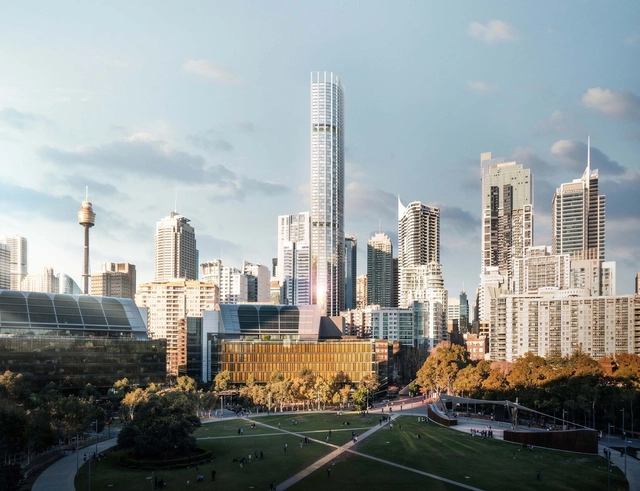
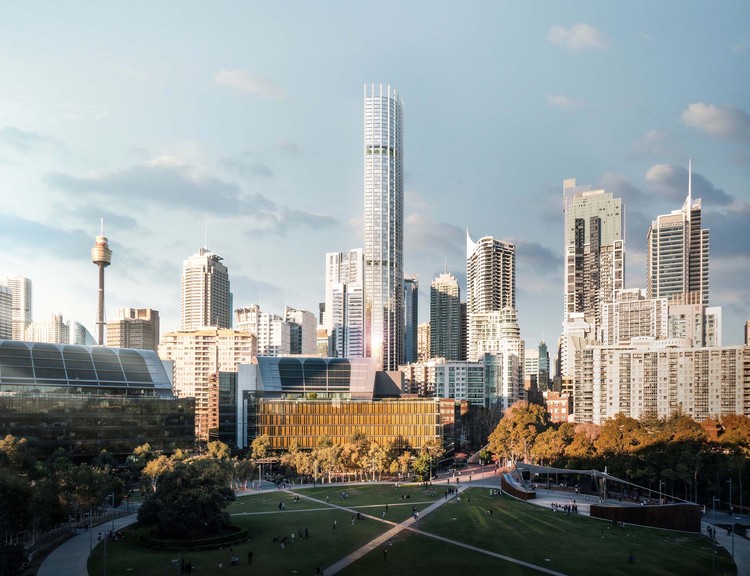
A beautifully delicate design by ingenhoven architects, in cooperation with architectus, has bested series of internationally acclaimed architects to design Sydney’s tallest residential tower at 505-523 George Street. The 79-storey skyscraper will reach 270m, and include several uses, ranging from high-quality living and retail to hotel and leisure. The designers hope the tower will be “a profoundly visible landmark standing for an economical, environmental and socially sustainable, future-oriented development”.
The digital platform rocagallery.com, a project from Roca, aims to be a reference point for design and architecture to news and thought, with more than 30 international writers and content updated every week.
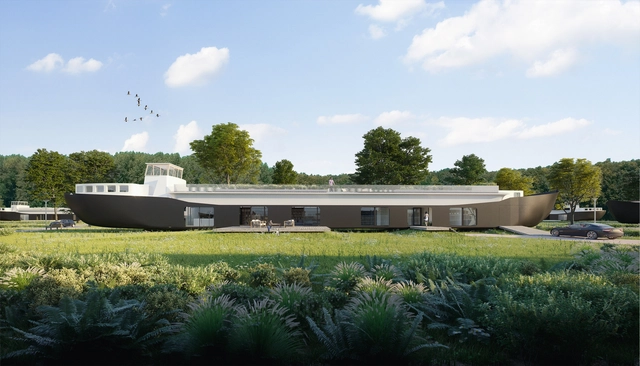
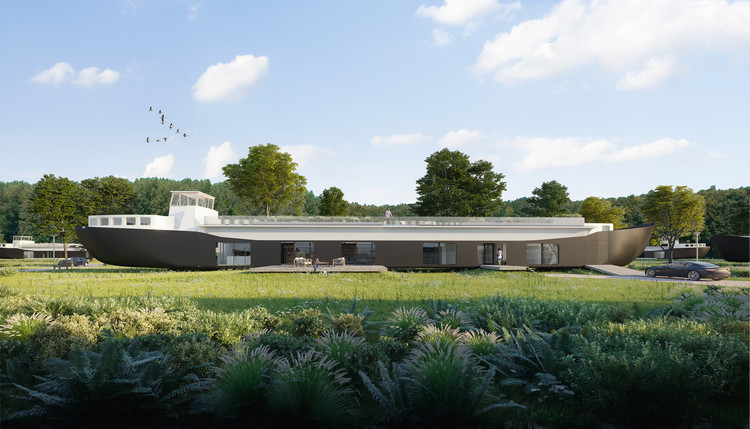
Adaptive reuse, the process of refashioning a defunct structure for a new purpose, is ubiquitous these days—so much so that hearing a phrase like “converted warehouse” or “repurposed factory” barely causes one to blink an eye. However, a new project from a cohort of Dutch architecture firms highlights the innovative nature of adaptive reuse with a scheme that reimagines disused cargo ships as houses. With their fully intact exterior shells, the ships remind residents and visitors of their industrial, seafaring past.
Earlier this year, LEGO announced that they were beginning production on a new line of botanical-themed pieces made from sugarcane. This new line is just the start of the company's goal to only use sustainable materials in all major products and packaging by 2030. Here we will explore the process behind LEGO’s “going green” initiative, and the challenges they’ve faced in making more environmentally-friendly building blocks along the way.
Why do we remember buildings, locations, and experiences? Even a place visited in our childhood can conjure emotions that make an impact on us through the memories they create. Angela Brooks and Larry Scarpa explain that the work of Brooks + Scarpa Architects aspires to make a lasting impression out of even a brief encounter. “We try to leave something behind,” says Scarpa, “something ingrained in people’s memory that sticks with them.”
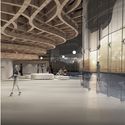
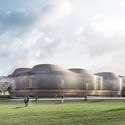
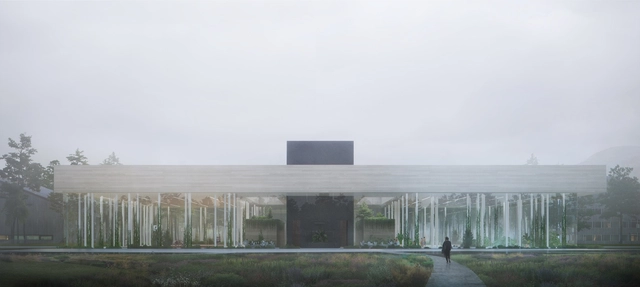
The Donghua Chen & Partners proposal named the “Science Loop” sees a series of systems, including social, skyline, circulation, devolution, and recycling loops, organized as an integrated network.
Snøhetta has released images of its proposed sustainable data center concept, named “The Spark.” The project seeks to address the typical high-energy-consuming typology of the data center, transforming it into an “energy-producing resource for communities to generate their own power.”
The proposal is adaptable for a wide range of contexts and can be scaled for any location around the world, fueling connected cities with energy from the center’s excess heat.
https://www.archdaily.com/896905/snohetta-designs-sustainable-data-center-as-the-body-and-brain-of-future-citiesNiall Patrick Walsh
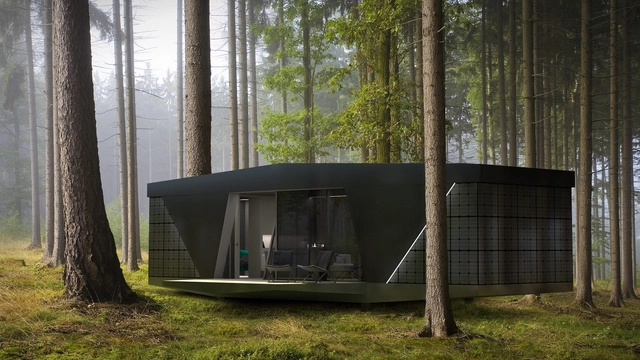
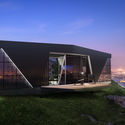
The uncontrollable roar of construction sites, the chaotic city streets, the monotony of spending more than 8 hours a day in a cubicle… All these daily grinds can take a toll on the human body and mind. Retreating into nature sounds liberating, however, our dependence on technology makes living off-the-grid almost impossible. Well, what if you could keep your modern lifestyle and sleep in a house hidden in the forest?
IO Houses created The SPACE, a versatile and innovative housing project for people who love nature and want to preserve it, just as much as they love contemporary, luxurious living.
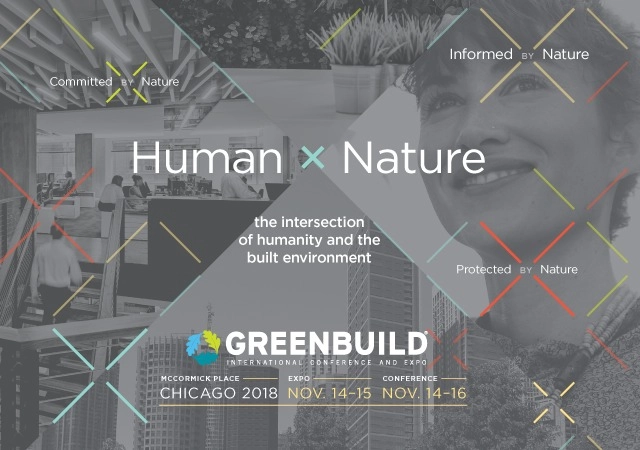
Anticipation builds as preparations are underway for the 2018 Greenbuild International Conference & Expo, happening Nov. 14-16 at McCormick Place in Chicago, Illinois.
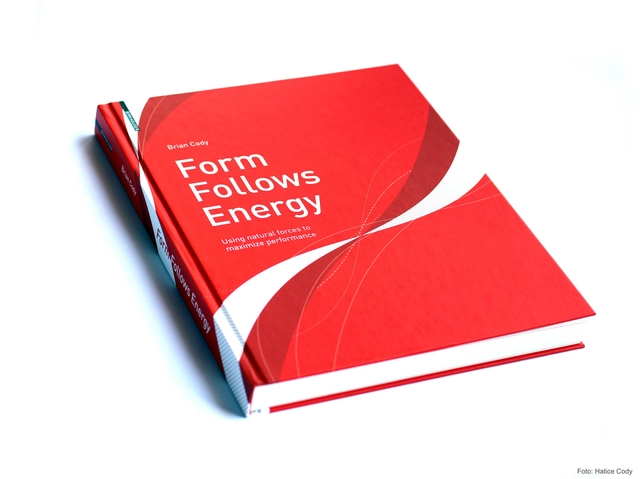
Book cover, Form Follows Energy, Photo: Hatice Cody
Architecture is energy. Lines drawn on paper to represent architectural intentions also imply decades and sometimes centuries of associated energy and material flows. “Form Follows Energy” is about the relationship between energy and the form of our built environment. It examines the optimisation of energy flows in building and urban design and the implications for form and configuration. It speaks to both architectural and engineering audiences and offers for the first time a truly interdisciplinary overview on the subject, explaining the complex relationships between energy and architecture in an easy to follow manner and using simple diagrams to show how
The Oscars for building performance have returned! The 2018 UK Passivhaus Awards are free to enter for all certified Passivhaus & EnerPHit schemes that not only have architectural ambition, but can also prove their impeccable eco credentials.
Benefits of Entering: • The UK Passivhaus Awards are the only dedicated awards for Passivhaus in the UK. • All shortlisted projects in the awards will be promoted as exceptional examples of their sector through all the Passivhaus Trust marketing channels and the media. • All finalists will present their project at the awards ceremony, due to take place on the 24th October 2018, at London
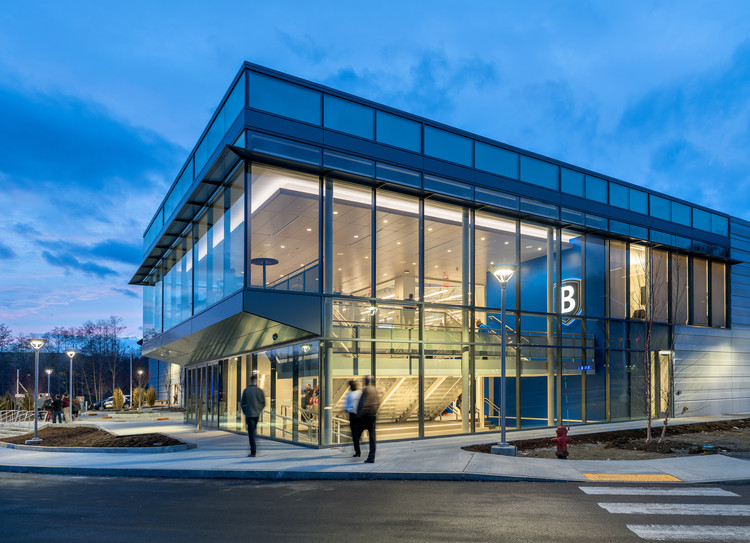
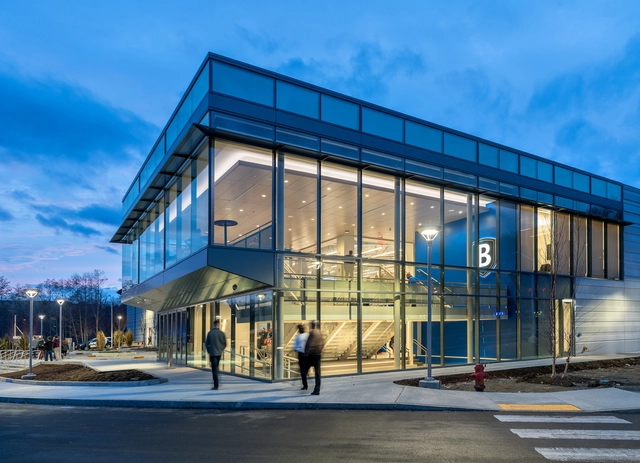
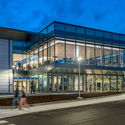
Massachusetts’ Bentley University Arena together with Architectural Resources Cambridge (ARC) have earned the LEED Platinum certification and was named the most environmentally sustainable arena in the United States. The 76,000 square foot arena emphasizes the university’s commitment to sustainability, energy efficiency, and goal to reach carbon neutrality by the year 2030. Bentley Unversity also offers a major in Sustainability Science and a program that will reduce more than 270 tons of material waste per year. This arena hosts several university events such as concerts, alumni events, career fairs, and is home to its NCAA Division I hockey team.
Continuing their Time-Space-Existence series of monthly videos leading up to this year’s Venice Biennale, PLANE—SITE have released a new conversation with architect and former Harvard GSD chair of architecture Toshiko Mori. Each video highlights the ideas that drive the work of well-known designers, with this episode focusing on Mori’s philosophy of visual communication, dialogue with history and considering the future in her work.
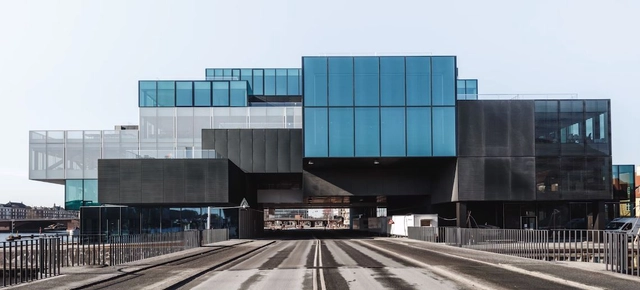
Louisiana Channel has released a new video interview with Ellen van Loon, the Dutch “design duchess” of OMA. In the interview, available to watch below, van Loon discusses the concept of “architectural contamination” behind OMA's new mixed-use "BLOX" scheme, home of the Danish Architecture Center in Copenhagen.
Van Loon discusses the process of “re-invention” needed for the scheme’s realization, in terms of both function and location. Situated on an old brewery site, the scheme seeks to embed architects and visitors in their own field of study, “placing them in the center of the building, which meant they would contaminate all other functions.”
https://www.archdaily.com/893754/omas-ellen-van-loon-discusses-the-firms-new-danish-architecture-centerNiall Patrick Walsh
The American Institute of Architects (AIA) and the Committee on the Environment (COTE) have announced the winners of the COTE Top Ten Awards, the highest honor for buildings that exemplify great design and sustainable performance. The award, now in its 22nd year, celebrates 10 projects that meet COTE’s rigorous standards for 10 criteria in several areas of design including economic, social, and ecological value. The winners will be honored in June at the AIA Conference in New York City.
In architecture we are so caught up in creating something new, we often forget about what happens at the end of a building’s life cycle—the unfortunate, inevitable demolition. We may want our buildings to be timeless and live on forever, but the harsh reality is that they do not, so where is all the waste expected to go?
As with most non-recyclable waste, it ends up in the landfill and, as the land required for landfill becomes an increasingly scarce resource, we must find an alternative solution. Each year in the UK alone, 70–105 million tonnes of waste is created from demolishing buildings, and only 20% of that is biodegradable according to a study by Cardiff University. With clever design and a better awareness of the biodegradable materials available in construction, it’s up to us as architects to make the right decisions for the entirety of a building’s lifetime.




















.jpg?1526040139 "Courtesy of InkHouse")