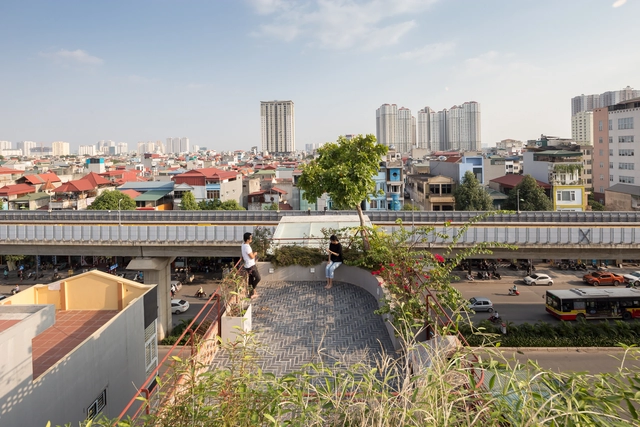
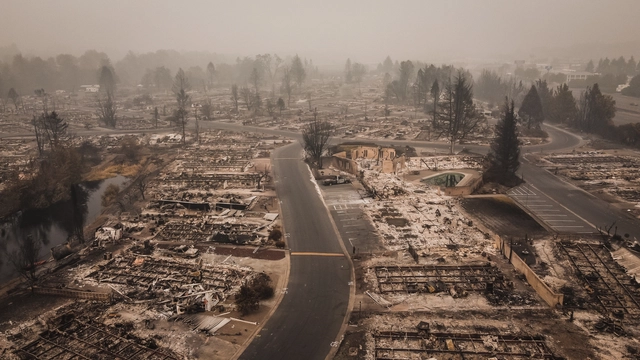
Cities across the globe are developing comprehensive action plans in order to create a coordinated response to the challenges of climate change. Targets and goals for consumption-based emissions are important for guiding strategic planning and decision-making, improving accountability, and communicating the direction of travel to businesses and the public. National and regional government officials are working with the private sector, international organizations, and civil society to create change at every level, from structural interventions in supply chains and industries to individual choices. This demonstrates a rising understanding of the role of cities in mitigating the adverse effects of rising temperatures.
James Wines, a New York architect and environmental artist, has been on a mission of sorts. He believes that architecture needs to be liberated from itself. This act of liberation is expressed in many radical projects that he and his company, SITE (Sculpture In The Environment) realized in 11 countries. Wines is world famous for such projects as Ghost Parking Lot (Hamden, CO, 1977), Highrise of Homes (theoretical project, 1981), Highway 86 (Vancouver, Canada, 1986), Fondazione Pietro Rossini Pavilion (Briosco, Italy, 2008), and Off-White Showroom for Virgil Abloh (Ginza, Tokyo, 2021). The very essence of the architect’s work is expressed in his fascinating stores for BEST Products Company, the key focus of my conversation with the architect that took place over Zoom on August 10, 2022, following many of our in-person meetings.
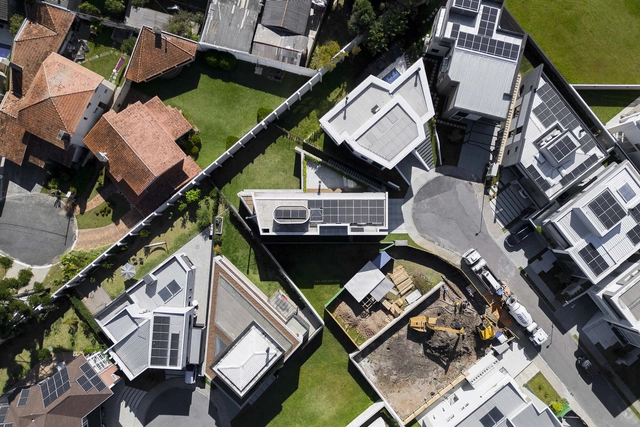
In the face of the environmental crisis and the need to mitigate climate change, adopting clean and renewable energy sources, such as solar energy, in architectural projects is becoming increasingly imperative. As a country with abundant sunlight incidence throughout the year, Brazil has enormous potential to take advantage of this energy source, which has become an increasingly attractive and viable option in the Brazilian scenario. There are numerous benefits solar energy can provide to both residents and the environment that make it a popular choice for residential use.
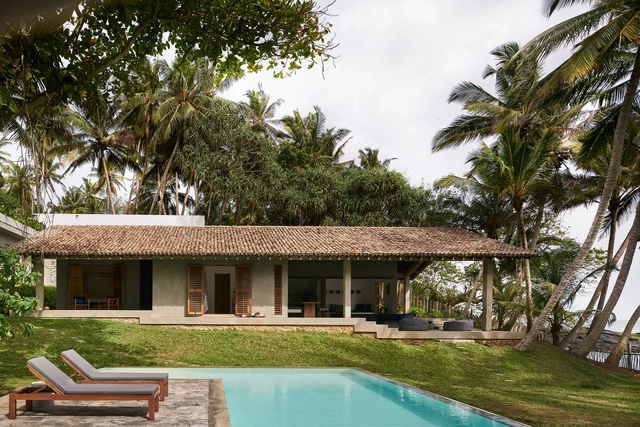
Tropical architecture, a term widely used in architectural discourse, lacks a consistent definition. The adjective ‘tropical’ relates to the zone between the Tropics of Cancer and Capricorn, which covers more than 40% of the earth’s surface. Heat is possibly the only shared characteristic of this belt. The tropical zone holds a range of climates from arid to wet, as well as a variety of geographic, social, and economic contexts. Unlike in temperate or arctic zones, a single umbrella term is used to describe the architecture of the tropics.
In the face of a climate emergency, various fields are under pressure to reformulate their operations and actions, and architecture is no exception. After all, the built environment and the construction industry are responsible for a considerable percentage of carbon gas emissions into the atmosphere. Rethinking and restructuring the construction chain - from design to execution - is the order of the day for construction professionals.
Increasingly, the concept of social sustainability has become a central theme in contemporary architecture discussions as users' subjective and non-static needs become paramount in the design process. Social sustainability in architecture aims to design and construct buildings and urban spaces that promote well-being, inclusion, and community cohesion. It focuses on creating environments that enable positive human interactions, support diverse needs, and improve the overall quality of life for people who inhabit and use these spaces. Socially sustainable architecture considers the social, cultural, economic, and health aspects of a community to address societal challenges and provide long-term benefits to residents.
There are many building materials that have experienced minimal changes since their initial inception in the field of architecture. However, this does not imply that they are outdated, but rather that their qualities and simplicity make them highly versatile materials also demonstrate the resilience and durability of materials that withstand the test of time. An example of this is brick, a timeless material that has been able to adapt over the years, serving functions such as walls, cladding, and flooring, among others. Under this premise, Louis Khan referred to the expressive possibilities of brick, stating, "Even a brick wants to be something. It aspires."
Thanks to the progress of new technologies applied to materials, disruptive proposals have arisen that converge in new construction systems. On many occasions, these new technologies are combined with materials considered "traditional," generating new concepts in which materials such as brick find new applications and possibilities. One of these new concepts is Flexbrick, a ceramic textile with an industrialized system that combines flexible sheets to wrap architectural spaces. This opens up new possibilities for applications at the forefront of the parametric architecture revolution, using a flexible, adaptable, and sustainable material.
https://www.archdaily.com/1003807/algorithm-based-architecture-flexible-bricks-to-wrap-architectural-spacesEnrique Tovar
During the opening keynote at the UIA 2023 World Congress of Architects, Bjarke Ingels, the lead and founder of BIG, shared insights into pressing global challenges along with the office’s distinctive approach to addressing them. After the conference, ArchDaily had the chance to sit down with Bjarke Ingels to further expand on these topics. The discussion touched on a number of subjects, including BIG’s approach to design, based on their principle of “Hedonistic Sustainability,” the meaning and opportunities behind this change in mentality, the inter-applicability of technological innovations across different fields and even across planets, and the need to develop a New European Bauhaus as a response to the emerging environmental necessities.
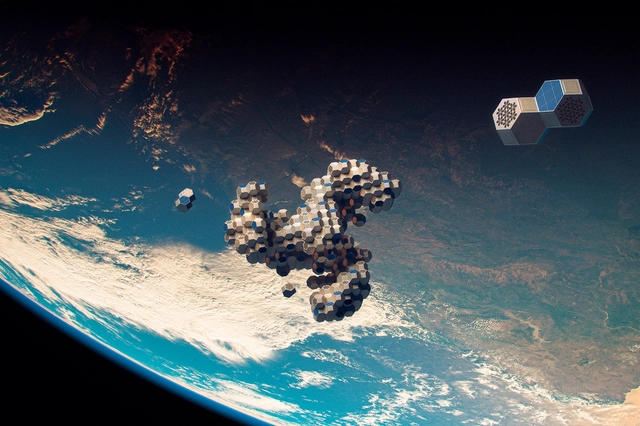
Architecture is likely to exist in any place or physical space inhabited by human beings. Moreover, our inherent curiosity and exploratory spirit constitute an integral aspect of our humanity. Fueled by our inventive capacity, drives us to venture into future scenarios that we can explore as individuals and as a society. Consequently, the possibility of a future in space has sparked the imagination of scientists and designers, resulting in conceptual and science fiction designs where human beings inhabit space.
The inventive and imaginative human capacity can be traced through the work of artists such as Jean-Marc Côté, who, in the early 20th century, envisioned a series of retro-futuristic illustrations depicting what life would be like in the year 2000. There are also notable literary references, such as the works of Ursula K. Le Guin, renowned for her speculative fiction exploring humanity's journey as a spacefaring species. Undoubtedly, the future and space are two captivating topics that have inspired the development of a long-term vision for society in space.
https://www.archdaily.com/1001762/architecture-for-inhabiting-space-tessellated-reconfigurable-structures-for-adaptive-environmentsEnrique Tovar
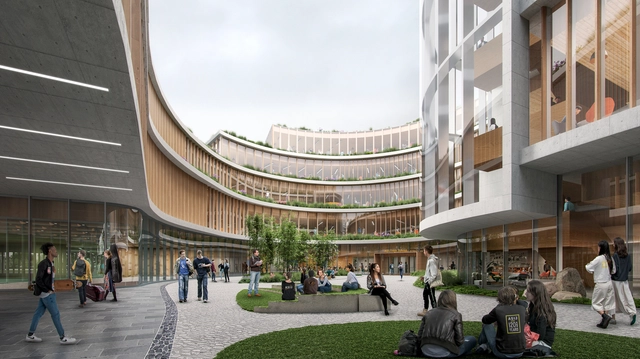
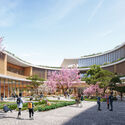
Ennead Architects has been enlisted to redefine the campus of The American School in Japan (ASIJ) to align the international school’s academic mission with its environment. Currently defined by its aging and fragmented infrastructure, the campus is set to become a dynamic and innovative space, encouraging integrated learning, cohesion, and collaboration across age groups. Sustainability principles, along with the experience of Japanese heritage, also play an important role in the design of the master plan, which proposes a toolkit of solutions intended to help create a unified, sustainable and resilient campus.
The geological period we currently inhabit is known as the Anthropocene, defined by the substantial human impact on Earth's ecosystems and geology. In contrast, the Symbiocene, a term coined by Australian philosopher and environmentalist Glenn Albrecht, presents a vision of the future characterized by a positive and symbiotic relationship between humans and the natural world. In the Symbiocene era, humans actively collaborate with nature, acknowledging their interdependence with Earth's ecosystems and striving to regenerate and restore the natural environment, thus creating a more harmonious and sustainable world.
Landscape architecture is having a moment. The latest proof: last week, the US Department of Homeland Security decided to accredit the field with its prestigious STEM designation. As part of the science, technology, engineering, and mathematics (STEM) educational disciplines that fall under this category, landscape architecture students can now spend an additional 24 months seeking employment and training post-graduation in the United States after an initial period of a year granted to all graduates. The title also promises more prestige, higher entry salaries, and additional career flexibility. Torey Carter-Conneen, CEO of the American Society of Landscape Architects (ASLA), calls the development a significant advancement for 'landscape architecture education and practice, and that is great for America and the global community.'
The news corresponds to a growing emphasis on landscape architecture as a pivotal practice around the globe in recent years – one that is closely connected to notions of public health, environmental design, biophilia, sustainability, and re-wilding. It also underlines the intimate relationship between technology and the discipline. Landscape proposals increasingly rely on advanced science and technology to predict how ecological interventions might alter an existing terrain and determine what measures will yield the highest benefit for both humans and nature. The contemporary ideal of wild meadows and biodiverse forests may exist free from external influence, but the path to get there requires assistance.
Low-carbon Material Solution - ECOPlanet. Image Courtesy of Holcim
Cities are defined as densely populated geographic areas characterized by urban development. They serve as economic, political, and cultural centers, offering various services, infrastructure, and opportunities. However, urban densification has been associated with negative aspects such as health issues, pollution, and social problems. Countries like India and China, with their massive populations exceeding billions, face a significant demand for services and housing.
Recent research, including studies by institutions like the Berkeley Cool Climate Network, has brought about a paradigm shift in our perception of urban densification. This shift aims to reduce cities' carbon footprint and support collaborative efforts to achieve Sustainable Development goals. Densification is proposed as a crucial strategy for promoting social prosperity, and well-being, and combating climate change. However, a relevant question arises: How can we effectively achieve densification while addressing global warming? Companies like Holcim have responded to this challenge by developing sustainable building solutions and engaging in meaningful discussions with architects, such as Shajay Bhooshan, Associate Director at Zaha Hadid Architects. These collaborations provide valuable insights into the concept of urban densification as a catalyst for climate action.
https://www.archdaily.com/1003021/rethinking-urban-development-densifying-cities-for-accelerated-climate-actionEnrique Tovar
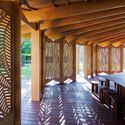
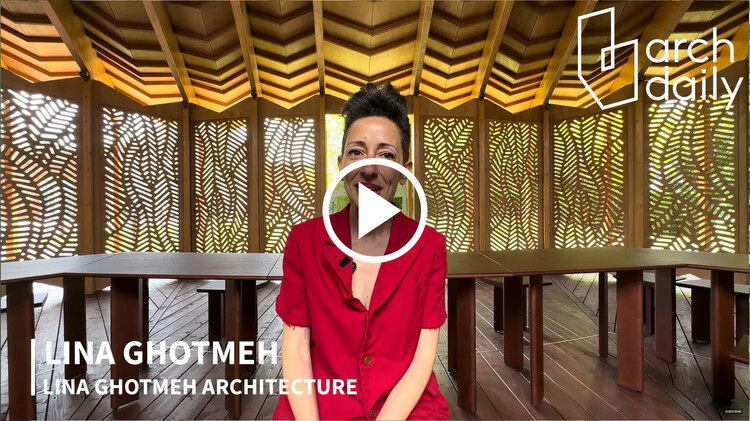
While visiting this year’s Serpentine Pavilion, the ArchDaily team has a chance to sit down with French-Lebanese architect Lina Ghotmeh, the designer behind the temporary structure built in the Kensington Gardens in London. The conversation touched upon Ghotmeh’s motivations and concepts that prompted this pavilion titled À table, conceived as an invitation to sit down together at a table, to enjoy sharing food and engaging in open dialogues. Delving into her Lebanese roots, the architect also expands on her methodology and the desire to create space for conversation and decision-making while encouraging conviviality among people of different backgrounds and experiences. The ArchDaily team also talked to Hans Ulrich Obrist, artistic director at the Serpentine Galleries, about the pavilion as a platform for architecture and the arts.
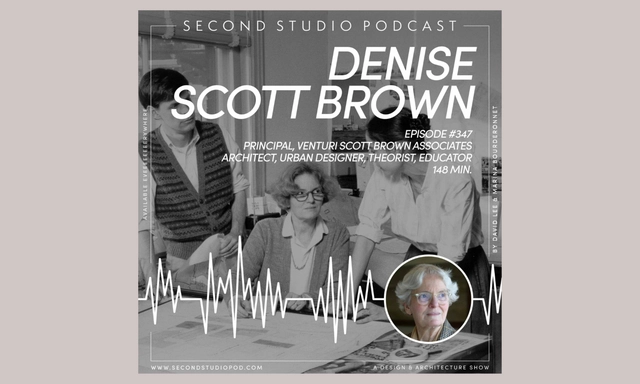
The Second Studio (formerly The Midnight Charette) is an explicit podcast about design, architecture, and the everyday. Hosted by Architects David Lee and Marina Bourderonnet, it features different creative professionals in unscripted conversations that allow for thoughtful takes and personal discussions.
A variety of subjects are covered with honesty and humor: some episodes are interviews, while others are tips for fellow designers, reviews of buildings and other projects, or casual explorations of everyday life and design. The Second Studio is also available on iTunes, Spotify, and YouTube.
This week David and Marina of FAME Architecture & Design are joined by Denise Scott Brown, architect, planner and urban designer, and a theorist, writer and educator to discuss her background and upbringing in South Africa; her beginnings in architecture; traveling the world; how teaching impacted her life and career; the National Gallery and other of her projects being remodeled; and much more!
ArchDaily and VELUX have joined forces to provide you with an exclusive coverage of the highly anticipated UIA World Congress of Architects 2023. Watch the discussion panel on the future of next-generation homes, moderated by David Basulto, founder and editor-in-chief of ArchDaily. Get to know more of the world of next-generation homes as the panelists delve into innovative approaches, cutting-edge technologies, and sustainable solutions that are reshaping the way we live.
There is a general agreement that our built world should become climate neutral. But, how construction will have to change to make this future a reality is still uncertain. At the same time, the economic and social framework for construction and especially for housing construction are changing. Components, building products, and building systems are being reused, and this is accompanied by a new ethic of design and construction and a new aesthetic of architecture.