1. ArchDaily
  2. Infrastructures

Infrastructures: The Latest Architecture and News

How EPM Group Is Reclaiming Medellín's Infrastructure as Public Space

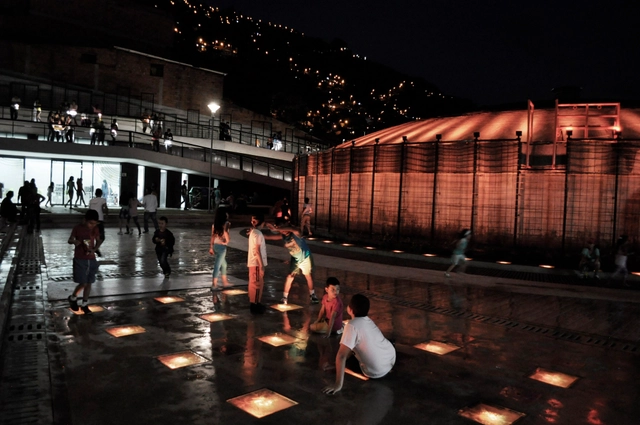
With a high-density population and a history of internal armed conflict, the city of Medellín in Colombia lacked substantial public space, but had an overwhelming amount of industrial infrastructure in place. But as profiled by The Architectural Review, recently architects and urban planners of the EPM group saw this imbalance as an opportunity, and so in the uninhabited patches of land surrounding over one hundred fenced industrial lots, the UVA or Unidades de Vida Articulada (Units of Articulated Life) program was born. Including initiatives to build public classrooms, launderettes and cafés, the UVA projects were conceived together with the local population through a series of workshops, where every resident was invited to express their vision for the new public square through writing and drawing. Medellín, existing at the convergence of several hills, provides a wide variety of unique landscapes for architects to experiment on - and through the UVA projects, EPM Group demonstrates how architecture can empower a community from the first day of design. Read more about how this project will continue to instigate positive change at The Architectural Review.

How EPM Group Is Reclaiming Medellín's Infrastructure as Public Space - Image 1 of 4

Nevsehir Bus Terminal / Bahadir Kul Architects

Nevsehir Bus Terminal / Bahadir Kul Architects - Bus StationNevsehir Bus Terminal / Bahadir Kul Architects - Bus StationNevsehir Bus Terminal / Bahadir Kul Architects - Bus StationNevsehir Bus Terminal / Bahadir Kul Architects - Bus StationNevsehir Bus Terminal / Bahadir Kul Architects - More Images+ 15

Nevşehir, Türkiye

BIG to Redevelop Västerås Transportation Hub

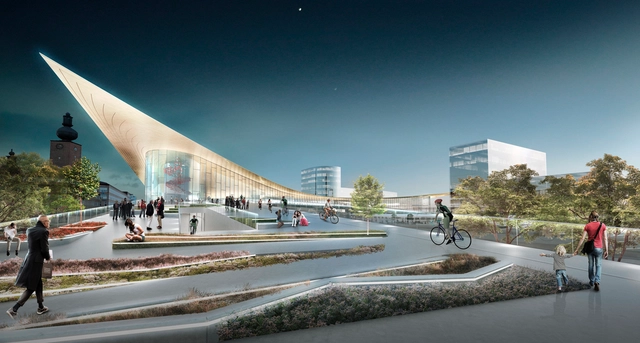
BIG has unveiled plans for a new transportation hub in the heart of Västerås - one of Sweden's largest cities. The ambitious plan, "3B - Build Away the Barriers" will redevelop 17-acres surrounding an existing railway station in an effort to reconnect it to the city. As it exists now, the station's tracks divides two areas of the city; BIG's proposal aims to unite them with a single "floating roof" shaped by the "flow of people and public life" that will integrate new public programs into the site.

D. Diogo de Menezes Square / Miguel Arruda Arquitectos Associados

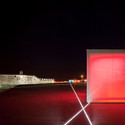
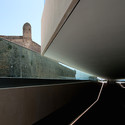
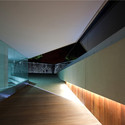
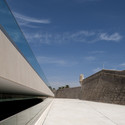
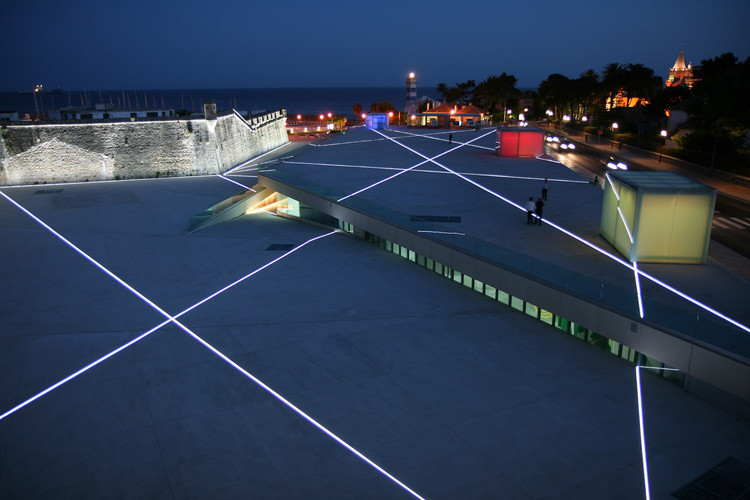
 D. Diogo de Menezes Square / Miguel Arruda Arquitectos Associados - Heritage, Lighting D. Diogo de Menezes Square / Miguel Arruda Arquitectos Associados - Heritage, Facade, Lighting D. Diogo de Menezes Square / Miguel Arruda Arquitectos Associados - Heritage, Facade, Handrail, Stairs D. Diogo de Menezes Square / Miguel Arruda Arquitectos Associados - Heritage, Facade D. Diogo de Menezes Square / Miguel Arruda Arquitectos Associados - More Images+ 43

Train Control Centre Utrecht / de Jong Gortemaker Algra Architects

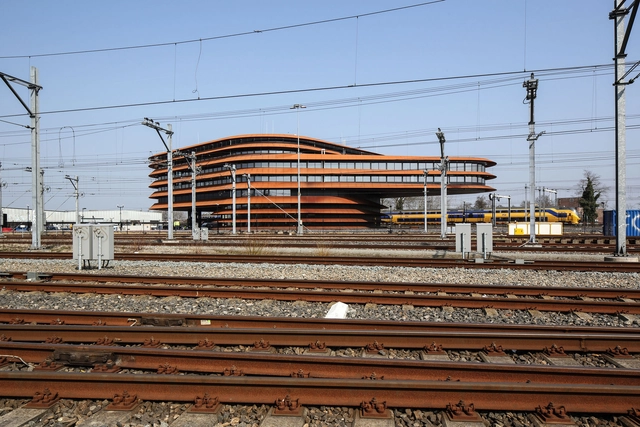
Train Control Centre Utrecht / de Jong Gortemaker Algra Architects -           Control Center, Facade, Table, ChairTrain Control Centre Utrecht / de Jong Gortemaker Algra Architects -           Control Center, Facade, BeamTrain Control Centre Utrecht / de Jong Gortemaker Algra Architects -           Control Center, FacadeTrain Control Centre Utrecht / de Jong Gortemaker Algra Architects -           Control Center, FacadeTrain Control Centre Utrecht / de Jong Gortemaker Algra Architects - More Images+ 21

Gottlieb Paludan Architects Awarded Scandinavia’s Largest Architecture Prize

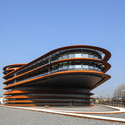
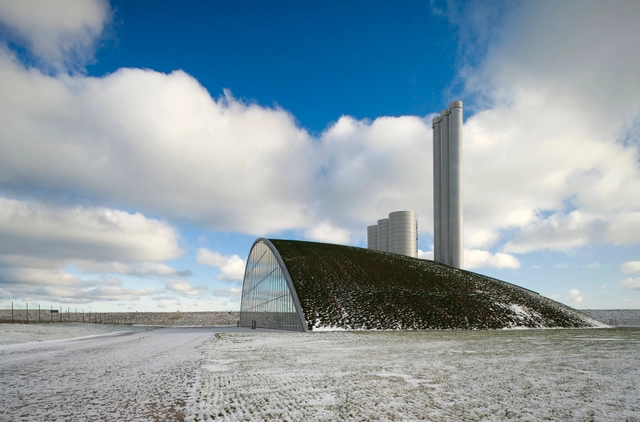
The 2015 Nykredit Architecture Prize has been awarded to Gottlieb Paludan Architects (GPA) for their contribution to the design of public utility and industrial buildings. Founded by the Nykredit Foundation, the 500,000-DKK prize has become Scandinavia’s foremost architectural award, with past winners including Jørn Utzon, Bjarke Ingels and CEBRA.


Gottlieb Paludan Architects Awarded Scandinavia’s Largest Architecture Prize - Image 1 of 4Gottlieb Paludan Architects Awarded Scandinavia’s Largest Architecture Prize - Image 2 of 4Gottlieb Paludan Architects Awarded Scandinavia’s Largest Architecture Prize - Image 3 of 4Gottlieb Paludan Architects Awarded Scandinavia’s Largest Architecture Prize - Image 4 of 4Gottlieb Paludan Architects Awarded Scandinavia’s Largest Architecture Prize - More Images+ 5

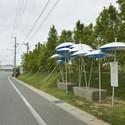
Nicoe Bus Stop / Suppose Design Office

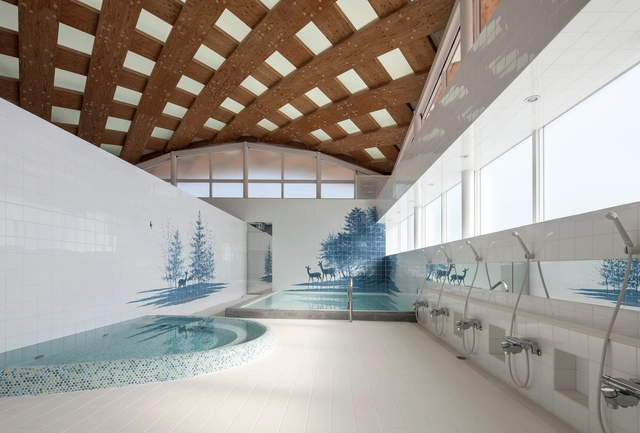
Nicoe Bus Stop / Suppose Design Office - Transportation , LightingNicoe Bus Stop / Suppose Design Office - Transportation Nicoe Bus Stop / Suppose Design Office - Transportation , GardenNicoe Bus Stop / Suppose Design Office - Transportation , GardenNicoe Bus Stop / Suppose Design Office - More Images+ 2

Shizuoka, Japan

Cannes Airport / COMTE et VOLLENWEIDER Architectes

Cannes Airport / COMTE et VOLLENWEIDER Architectes - Airport, FacadeCannes Airport / COMTE et VOLLENWEIDER Architectes - Airport, Beam, ColumnCannes Airport / COMTE et VOLLENWEIDER Architectes - Airport, Beam, FacadeCannes Airport / COMTE et VOLLENWEIDER Architectes - Airport, Stairs, Handrail, BeamCannes Airport / COMTE et VOLLENWEIDER Architectes - More Images+ 15

  • Architects: Comte & Vollenweider
    : Comte & Vollenweider Architectes
  • Year Completion year of this architecture project Year:  2013

City View Garage in the Miami Design District / IwamotoScott

City View Garage in the Miami Design District / IwamotoScott -           Parking, Facade, Beam, DoorCity View Garage in the Miami Design District / IwamotoScott -           ParkingCity View Garage in the Miami Design District / IwamotoScott -           Parking, Facade, FenceCity View Garage in the Miami Design District / IwamotoScott -           Parking, Beam, Handrail, FacadeCity View Garage in the Miami Design District / IwamotoScott - More Images+ 35

  • Architects: IwamotoScott
  • Area Area of this architecture project Area:  1403
  • Year Completion year of this architecture project Year:  2015
  • Manufacturers Brands with products used in this architecture project
    Manufacturers:  Enviralum, Zahner

Parking Building in Grenoble / GaP Grudzinski & Poisay Architectes

Parking Building in Grenoble / GaP Grudzinski & Poisay Architectes -           Parking, DoorParking Building in Grenoble / GaP Grudzinski & Poisay Architectes -           Parking, Lighting, ChairParking Building in Grenoble / GaP Grudzinski & Poisay Architectes -           Parking, Facade, DoorParking Building in Grenoble / GaP Grudzinski & Poisay Architectes -           ParkingParking Building in Grenoble / GaP Grudzinski & Poisay Architectes - More Images+ 26

Grenoble, France

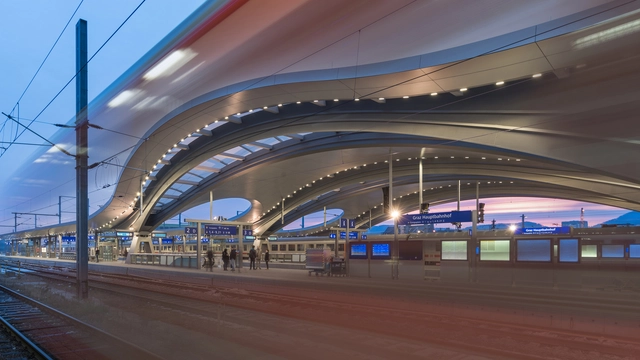
Graz Main Station Redevelopment / Zechner & Zechner

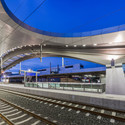
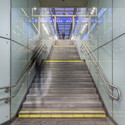
Graz Main Station Redevelopment  / Zechner & Zechner - Train Station, FacadeGraz Main Station Redevelopment  / Zechner & Zechner - Train Station, CityscapeGraz Main Station Redevelopment  / Zechner & Zechner - Train Station, LightingGraz Main Station Redevelopment  / Zechner & Zechner - Train Station, Stairs, HandrailGraz Main Station Redevelopment  / Zechner & Zechner - More Images+ 59

  • Architects: Zechner & Zechner
  • Year Completion year of this architecture project Year:  2015
  • Manufacturers Brands with products used in this architecture project
    Manufacturers:  Ejot

JR Onagawa Station / Shigeru Ban Architects

JR Onagawa Station / Shigeru Ban Architects - Train Station, Deck, Facade, DoorJR Onagawa Station / Shigeru Ban Architects - Train Station, FacadeJR Onagawa Station / Shigeru Ban Architects - Train Station, Facade, BeamJR Onagawa Station / Shigeru Ban Architects - Train Station, Beam, FacadeJR Onagawa Station / Shigeru Ban Architects - More Images+ 27

Onagawa, Japan

Warsaw M2 Line / AMC - Andrzej M. Chołdzyński and Metroprojekt
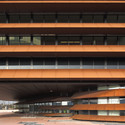
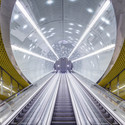
Warsaw M2 Line / AMC - Andrzej M. Chołdzyński and Metroprojekt -           Metro Station, Stairs, Facade, Handrail
© Bartosz Makowski

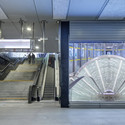
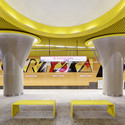
Warsaw M2 Line / AMC - Andrzej M. Chołdzyński and Metroprojekt -           Metro StationWarsaw M2 Line / AMC - Andrzej M. Chołdzyński and Metroprojekt -           Metro Station, Stairs, LightingWarsaw M2 Line / AMC - Andrzej M. Chołdzyński and Metroprojekt -           Metro Station, Stairs, Facade, Handrail, ArchWarsaw M2 Line / AMC - Andrzej M. Chołdzyński and Metroprojekt -           Metro Station, ColumnWarsaw M2 Line / AMC - Andrzej M. Chołdzyński and Metroprojekt - More Images+ 29

Marginal de Esposende Redevelopment / Victor Neves Arquitectura e Urbanismo

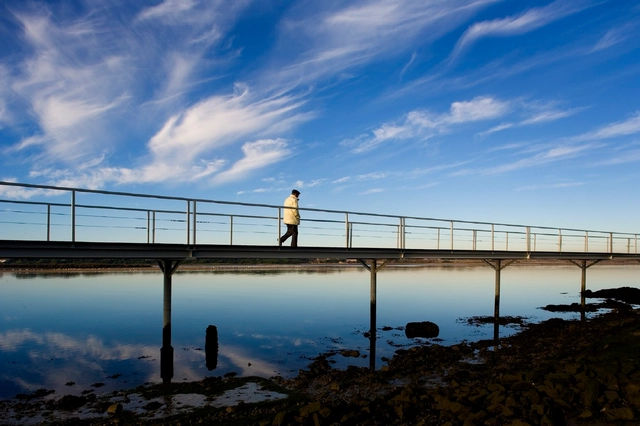
Marginal de Esposende Redevelopment / Victor Neves Arquitectura e Urbanismo - InfrastructureMarginal de Esposende Redevelopment / Victor Neves Arquitectura e Urbanismo - InfrastructureMarginal de Esposende Redevelopment / Victor Neves Arquitectura e Urbanismo - InfrastructureMarginal de Esposende Redevelopment / Victor Neves Arquitectura e Urbanismo - InfrastructureMarginal de Esposende Redevelopment / Victor Neves Arquitectura e Urbanismo - More Images+ 17

Kurumoch International Airport and VIP-Lounges / Nefa Architects

Kurumoch International Airport and VIP-Lounges / Nefa Architects - Interior Photography, Interior DesignKurumoch International Airport and VIP-Lounges / Nefa Architects - Interior Photography, Interior Design, FacadeKurumoch International Airport and VIP-Lounges / Nefa Architects - Interior Photography, Interior Design, Lighting, TableKurumoch International Airport and VIP-Lounges / Nefa Architects - Interior Photography, Interior Design, ToiletKurumoch International Airport and VIP-Lounges / Nefa Architects - More Images+ 9

  • Architects: Nefa Architects
  • Area Area of this architecture project Area:  22500
  • Year Completion year of this architecture project Year:  2015
  • Manufacturers Brands with products used in this architecture project
    Manufacturers:  Holcim, Tacchini

Where the Real Skyscrapers Are (Hint: North Dakota)

Subscriber Access | 

The Burj Khalifa might get all the headlines today, but for nearly half a century before it was built, some of the tallest structures in the world were actually in North Dakota, in the form of TV masts. In this post originally published by re:form on Medium, Casey Tolan investigates the threatened industry that once gave the world some of its most heroic structures.

Name the tallest structures in the world. Maybe flashy skyscrapers in China or the Gulf States come to mind. Or maybe you’re thinking of U.S. icons like One World Trade Center in New York or the Willis Tower in Chicago.

You’re almost certainly not thinking of TV towers. But dozens of nearly anonymous towers around the United States, most in small rural communities, dwarf all but the tallest man-made structures in the world.

Where the Real Skyscrapers Are (Hint: North Dakota) - Image 1 of 4Where the Real Skyscrapers Are (Hint: North Dakota) - Image 2 of 4Where the Real Skyscrapers Are (Hint: North Dakota) - Image 3 of 4Where the Real Skyscrapers Are (Hint: North Dakota) - Image 4 of 4Where the Real Skyscrapers Are (Hint: North Dakota) - More Images+ 3

Kumbh Mela: Designing the World's Largest Gathering Of People

Subscriber Access | 

As the location of the world's largest single-purpose gathering of people, the 2013 Kumbh Mela obviously required a significant organizational effort from those charged with planning it - but what is less obvious is exactly how this need to plan can be squared with the nature of the Kumbh Mela itself. Located in the floodplain of the river Ganges, most of the 23.5-square-kilometer area of the festival (commonly referred to as the nagri) remains underwater until a few months before the festival, and organization is at every stage challenged by the uncertainty and ephemerality of the festival itself. In this excerpt from the recently published book, "Kumbh Mela, January 2013: Mapping the Ephemeral Mega City," Rahul Mehrotra, Chair of the Department of Urban Planning and Design at the Harvard GSD, and Felipe Vera, Co-director of the Center for Ecology, Landscape and Urbanism at UAI DesignLab, explain how infrastructure and street grids are deployed in a way that not only enables the Kumbh Mela festival itself, but enhances its ephemeral and democratic spirit.

Deployment Process

Standing at the Kumbh Mela at night looking towards an endless functioning city where the temporary construction of the nagri is fused with the city of Allahabad, there are two things that one cannot avoid asking: 1) How was this enormous city planned in terms of scale and complexity? 2) How is the city actually constructed? One of the most interesting elements about the construction process of the city is that unlike more static and permanent cities—where the whole is comprised of the aggregations of smaller parts, constructed in different moments that are tied together by pre-existing and connecting urban infrastructure—the city of the Kumbh Mela is planned and built all at once, as a unitary effort.

Kumbh Mela: A Temporary (But Not Instant) City for 2 Million

Subscriber Access | 

Among the many complex interactions between humans and water in the Ganges river basin, perhaps none is more awe-inspiring than the religious festival of Kumbh Mela, which every twelve years hosts the largest single-purpose gathering of people on the planet, with an estimated 2 million temporary residents and 100 million total visitors in 2013. In the following excerpt from his book "Ganges Water Machine: Designing New India's Ancient River," Anthony Acciavatti recounts the history of this spectacular event, as well as the smaller annual Magh Mela - and explains why even though it is temporary, the huge tent settlement that supports these festivals is not the "instant city" it is often described as, but instead a microcosm of settlement patterns across the whole Ganges.

Dangling at the tip of the Ganga-Jamuna Doab, where the Lower Ganges Canal system terminates, the city of Allahabad overlooks the confluence of the Ganges and Jamuna rivers. While the Jamuna, to the south of the city, runs deep and narrow, the Ganges, to the north and east of the city, runs shallow and wide. Where these two rivers meet (and a third mythical river, the Saraswati), is known as the Triveni or Sangam, the most sacred site within Hinduism.

Every twelfth year, the sleepy university city of Allahabad is transformed into a colossal tent city populated by millions of pilgrims for the Kumbh Mela (literally Pitcher Celebration). And it all seems to happen so fast. After the deluge of the southwest monsoon (June-August), the waters of the Ganges and Jamuna slowly start to recede. A city grid is tattooed into the banks and shoals of the Ganges. Tents and temples pop up in October. Pontoon bridges stretch from one bank of the river to the other and pilgrims begin to arrive in January. Then come reporters and camera crews from all over the world, who come to document the life of what must at first appear to be the world’s largest Instant-Mega-City: a temporary tent city with the major infrastructure of a metropolis.