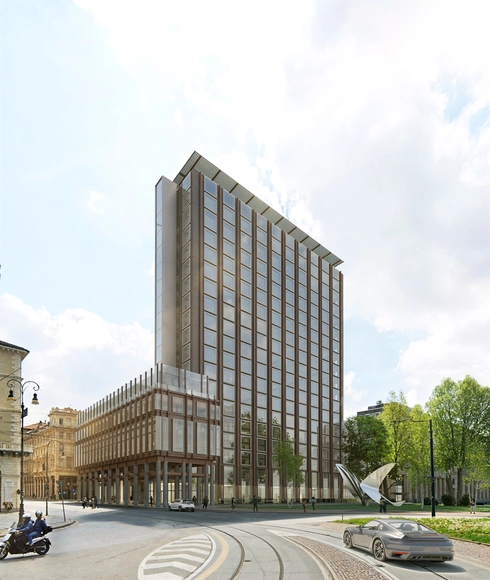
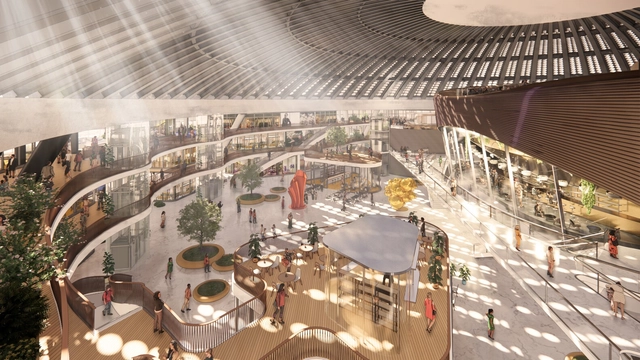
CRA-Carlo Ratti Associati, in partnership with real estate group IPI, has revealed plans to transform the iconic modernist Palazzo Micca in Turin, Italy. Originally the headquarters of RAI, Italy's national broadcaster, the 19-story building will undergo a comprehensive adaptive reuse project. A significant feature of the redesign is the creation of an elevated public plaza at 26.5 meters, offering views of Turin's Baroque rooftops, the surrounding hills, and the Alps. The project also integrates sustainable design principles by converting parts of the office spaces into residential units and reusing existing materials.
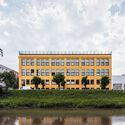
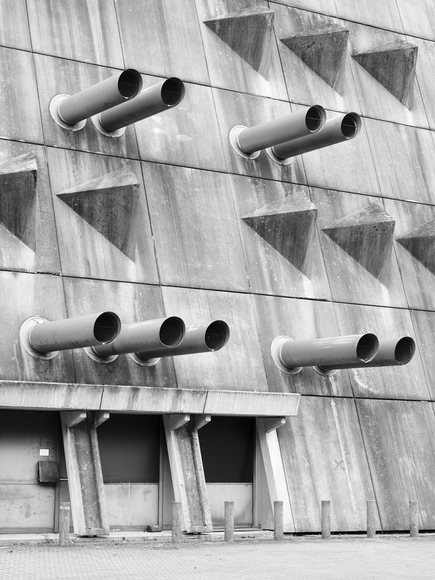
WilkinsonEyre has unveiled their proposal to revitalize the 1950s constructivist Belgrade Fair Hall 1, a landmark location overlooking the river Sava. The project is set to transform the exhibition hall into a mixed-use destination comprising three cultural venues and retail spaces, in addition to redesigning the waterfront park. WilkinsonEyre’s design incorporates light-touch interventions to the existing building, as it strives to respect and highlight the architectural qualities of the existing structure, such as the exposed concrete soffit or the unique shape of the building.
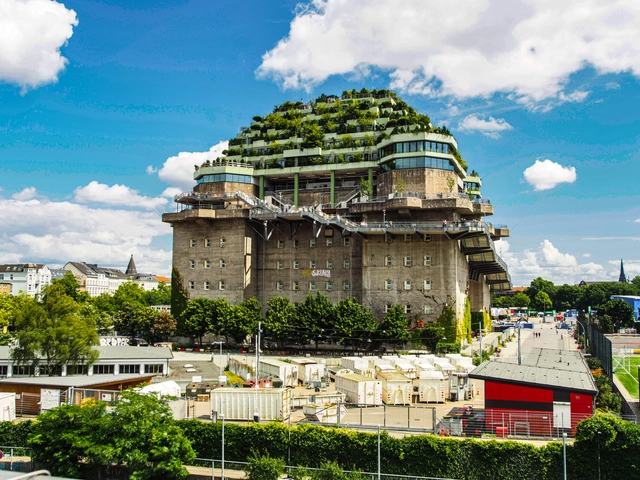
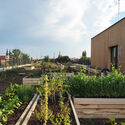
Dating from the1940s, the air raid shelter in Hamburg’s St. Pauli district has been reimagined as a „green mountain,” with expansive gardens covering the top of the wartime structure. Known as the Hochbunker, translated as ‘high bunker,’ the location has undergone a substantial restoration and refurbishment process introducing restaurants, event spaces, and a hotel, together with a rooftop urban park. The bunker has opened to the public on July 5, 2025, with the purpose of reconnecting the community with the iconic structure and its complex history.
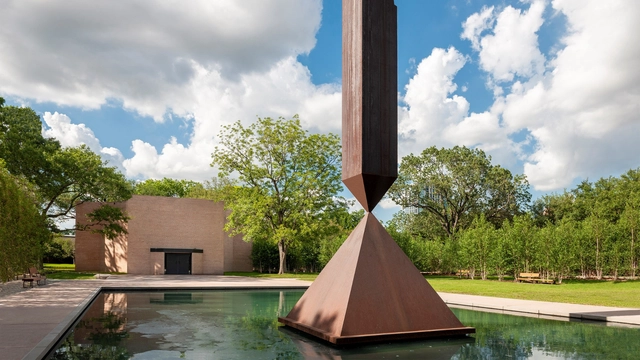
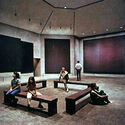
Rothko Chapel. Image via Huston Museum District, under policy of fair use
Built in 1971, the Rothko Chapel in Huston, Texas, was conceived as an intimate sanctuary for people of every belief, while in front of the chapel, Barnett Newman's sculpture "Broken Obelisk" stands in memory of Dr. Martin Luther King Jr. In 1964, Mark Rothko was commissioned by John and Dominique de Menil to create a meditative space for his site-specific paintings. Rothko’s vision clashed with that of the initial architect, Philip Johnson, over the scale and grandiosity of the building, which he felt distracted from the art. The project underwent several revisions with different architects, including Howard Barnstone and Eugene Aubry. Now officials have announced the indefinite closing of the chapel, after having sustained severe damage during Hurricane Beryl, the Category 1 storm that hit Houston on July 9.
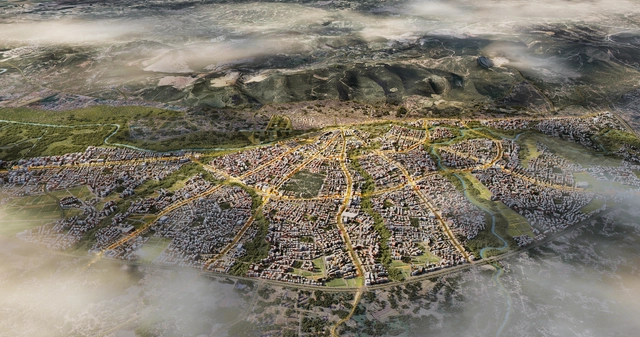
As part of a wider design-led revitalization process, Türkiye Design Council has announced a new urban plan for the revitalization of Antakya and the wider Hatay province in Türkiye, an area heavily affected by the Türkiye-Syria earthquake on 6 February 2023. The master plan has been developed by Foster + Partners, Buro Happold, MIC-HUB, along with Turkish practices DB Architects, and KEYM Urban Renewal Centre. The plan covers a 30-square-kilometer area of Antakya, the capital district of Hatay, and an important urban center of antiquity known as Antioch. Eight design principles have been outlined to guide the rebuilding efforts in an attempt to maintain the spirit of the city, which suffered extensive damages estimated at 80 percent.
In the whirlwind of daily life, a large majority of urban centers transform to accommodate new functions and/or needs demanded by their populations, seeking to improve, renovate, or update the infrastructures, equipment, networks, and spaces that enable community life. Although times change, and with them, many buildings that once served important protective or sheltering functions start to become obsolete. However, the heritage they leave behind reflects the passage of time and provides a living testimony of their history, contributing to the consolidation of identity and the recognition of a sense of belonging.
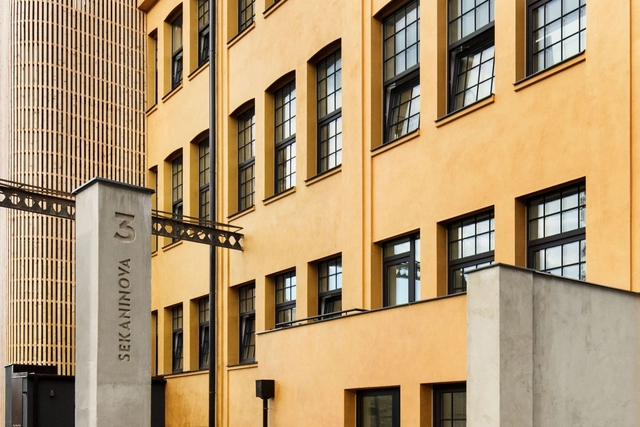
In response to the Czech Republic's soaring real estate prices, architecture firm KOGAA has transformed a former storage facility in Brno into DADA Distrikt, an affordable and diverse housing development. The project's economic approach, achieved through shared funding and direct sales, bypasses extra costs associated with developers while refurbishing a part of the city’s industrial heritage, transforming it into an active urban district. The project also features sustainability measures aimed at lowering its maintenance costs, further exemplifying the intersection of affordable housing, heritage restoration, and sustainable urban living.
The project is now part of Open House Brno, a free weekend festival held annually that allows visitors to enter and explore various locations across the city and discover their stories and architectural narratives. This year, the festival follows the curatorial concept of “Inclusion and Accessibility”, showcasing barrier-free integration of urban locations and the societal impact of buildings. A total of 58 locations will be available to visitors, exploring a variety of programs and scales demonstrating
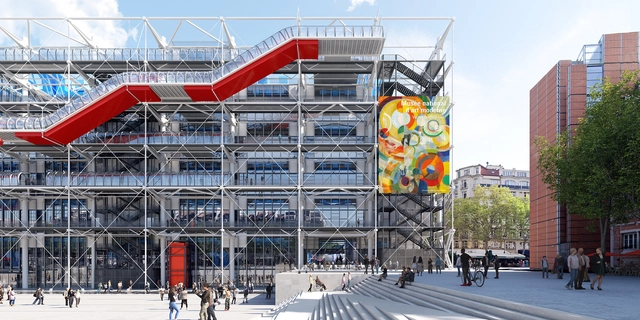
In 2020, the French Minister of Culture approved an extensive renovation program for the Centre Pompidou with the purpose of resolving the building's technical issues and ensuring the long-term viability of the iconic structure. Designed by Renzo Piano and Richard Rogers in 1971, the museum was conceived as a "living cultural machine," sparking controversy due to its unusual architecture. To ensure an efficient renovation process, the building will be fully closed for a period of 5 years, from September 2025 until 2030. French architecture studio Moreau Kusunoki has been commissioned to lead the renovation project, collaborating with Frida Escobedo Studio and AIA Life Designers, who are entrusted with the technical component of the project. The architects have been selected following an international competition, with Renzo Piano as one of the jury members.
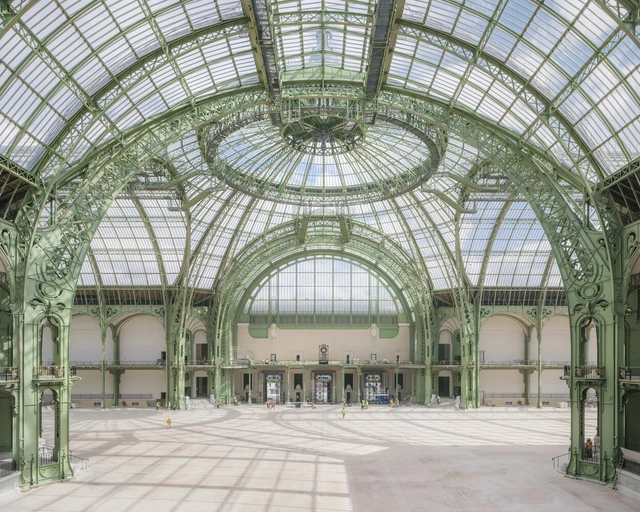
The Grand Palais, an iconic Parisian landmark, is set to play a significant role in the 2024 Paris Olympics following a major restoration by French studio Chatillon Architectes. The first images of the refurbished building, captured by Laurent Kronental, reveal the progress of the extensive project that began in 2021. While the full restoration is expected to be completed by 2025, the initial phase will be unveiled this summer, allowing the historic venue to host Olympic events, including the fencing and taekwondo competitions.
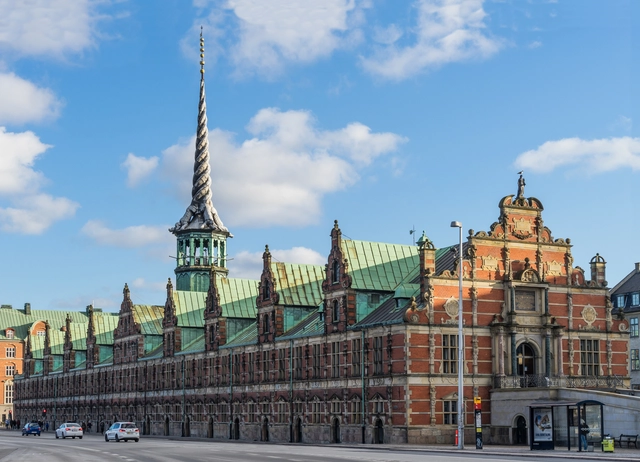
In the early morning of April 16, a fire broke out in the capital of Denmark, engulfing Copenhagen’s Old Stock Exchange, one of the oldest landmarks in the city. In the fire, the 56-meter-tall Dragon Spire, shaped as the tails of four entwined dragons, collapsed. In just a few hours after the fire begun, half of the 17th century Børsen building was destroyed according to authorities. The structure was undergoing renovation works at the time of the event. Emergency workers, staff members and passers-by collaborated to rescue the historic artworks housed in the former stock exchange.
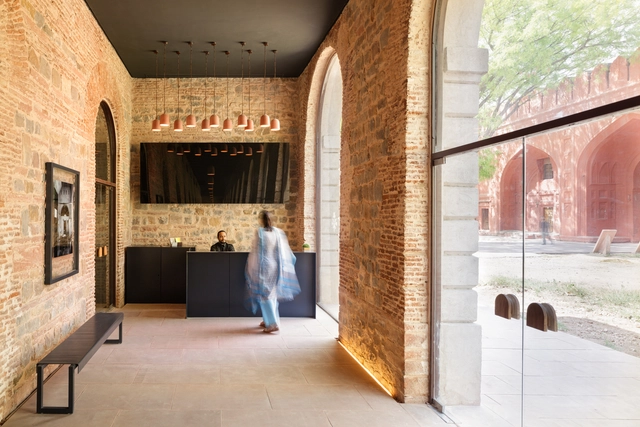
The Indian built environment constantly negotiates ancient traditions, diverse population, and globalized ambitions. When it comes to heritage preservation, these forces often converge to create a distinctive approach to conservation efforts in the country. Beyond the conventional models seen in many parts of the world, India's conservation projects intertwine historical practices, community engagement, and a reverence for the living essence of buildings.
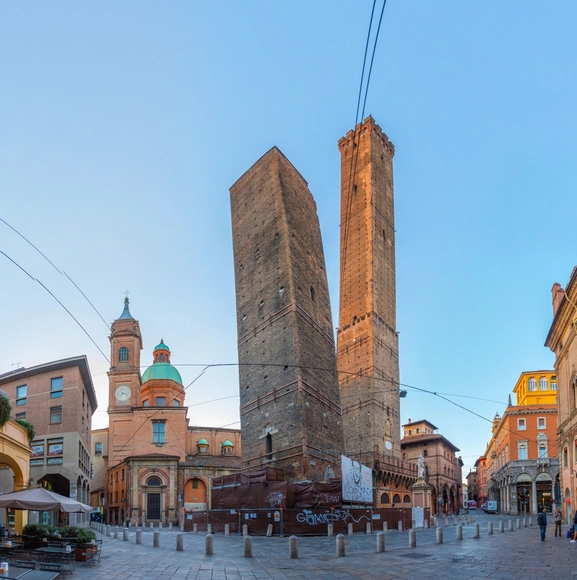
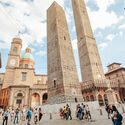
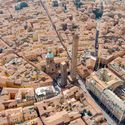
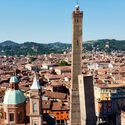
Bologna officials announced plans to secure and repair the leaning Garisenda Tower, a medieval structure in the center of the Italian city. Earlier last month, the area surrounding the tower was secured after raising fears of collapse, as monitoring has found shifts in the direction of the tilt. The 47-meter-tall tower leans at a four-degree angle, similar to its more famous counterpart, Leaning Tower of Pisa. The Garisenda Tower has been a defining feature of Bologna’s skyline along with its neighboring Asinelli Tower, which is around twice the height and also leans, though at a smaller angle, and is usually open for tourists to climb.
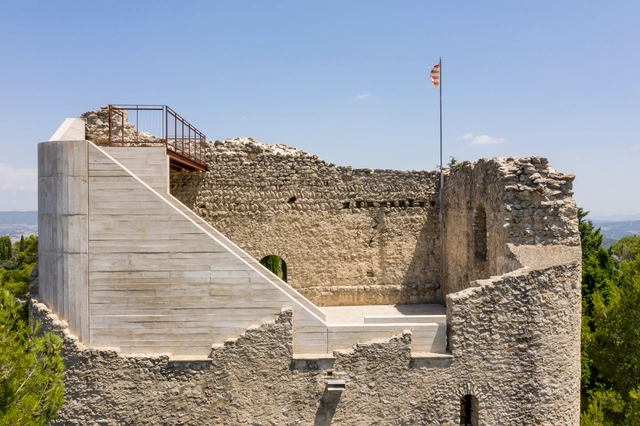
Regarding urban development, the choice between demolition and adaptive reuse holds far-reaching implications. From debates around the cultural and historical significance of structure to the environmental impact of the process of razing and rebuilding, compared to the cost of preserving and adapting, the matter of demolitions has ignited the architectural community to come together and ask for more responsible assessment strategies in hopes of rediscovering the value of existing structures. This article gathers some of the stories of buildings facing the threat of demolition and the processes that led to their rescue.
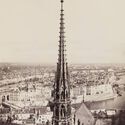
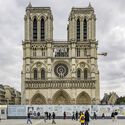
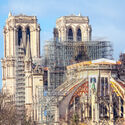
In April 2019, a devastating fire engulfed the 860-year-old Notre Dame Cathedral in Pars, severely damaging its wooden roof and leading to the collapse of the 19th-century spire, originally designed by Viollet-le-Duc. Immediately after, French President Emmanuel Macron promised that the iconic monument would be restored in just 5 years, an ambitious deadline. As the restoration of the roof structures nears completion, in February 2023, the scaffolding for the reconstruction of the spire has been assembled. The Spire is expected to be finished by the end of the month.
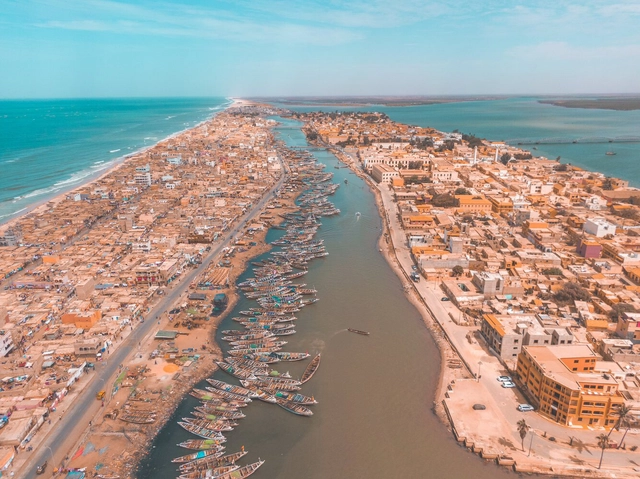
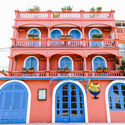
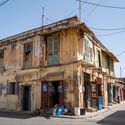
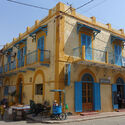
Located 270km north of Dakar, the capital of Senegal, and near the border with Mauritania, is the Island of Saint-Louis. It is a prominent colonial city in West Africa, known for its blend of Mediterranean architecture with a tropical climate. Saint-Louis was founded by the French Colony in 1659 as its first trading post on the Atlantic coast of Africa. It later became the capital of French West Africa (AOF) and Senegal. However, it lost this status in 1902, which led to its economic decline.
This complex history has made Saint-Louis a melting point for different layers of architecture and urbanism. The island showcases a grid urban form with double-storey villas, which is typical of 19th-century French colonial urbanism. Additionally, it features tropical courtyards, shaded balconies, 1920s art déco houses, and early '30s modern civic buildings. However, due to its economic and infrastructural isolation, this architecture and urban heritage have continuously degraded. Therefore, it seeks new interventions for the conservation, restoration, and re-adaptation of the city.
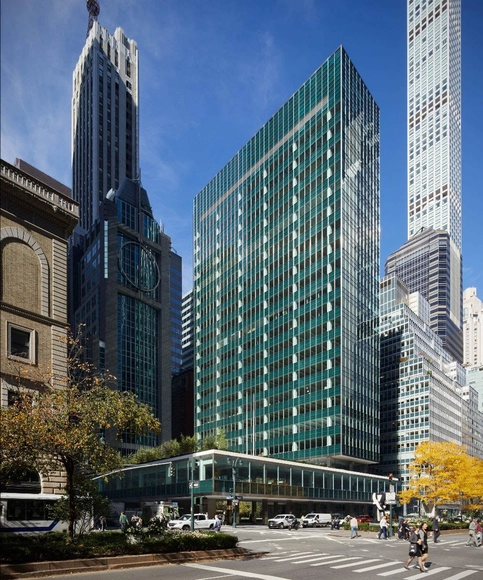
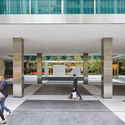
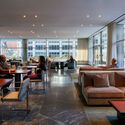
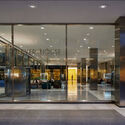
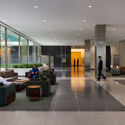
Skidmore, Owings & Merrill (SOM) has completed the restoration works for Lever House, one of New York’s Modernist landmarks. The building was completed in 1952, following SOM’s design. At that time, architecture critic Reyner Banham said of the building “it gave architectural expression to an age just as the age was being born.” Since then, SOM has retained a level of stewardship, revisiting the building and ensuring that the restoration works preserve the original image without compromising contemporary standards of performance.
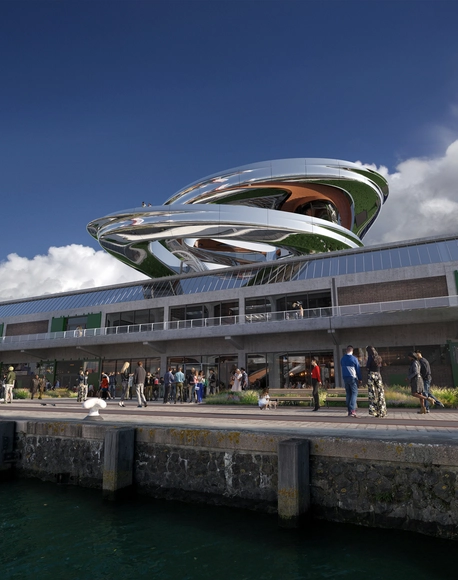
Designed by MAD Architects, the FENIX Museum of Migration is set to be inaugurated in 2025 in Rotterdam’s City Harbor. The purpose of the institution is to showcase and highlight the stories of global migration through encounters with art, architecture, photography, and history. The museum broke ground in 2020 when the first images of the proposal were also released. MAD Architects is working with Bureau Polderman for the restoration of the historic warehouse dating back to 1932, which now represents the base and starting point for the museum experience.
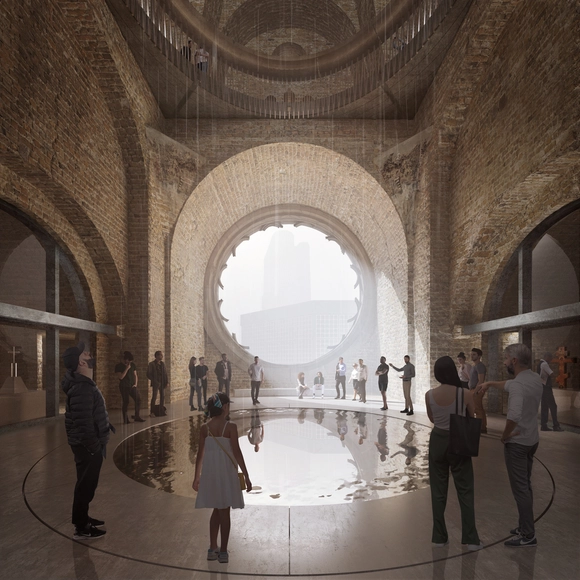
The design by heneghan peng architects, Dublin, with Ralph Appelbaum Associates, Berlin, was awarded 1st prize in the international competition for the replanning and expansion of the Old Tower of the Kaiser Wilhelm Memorial Church. The competition’s purpose was to redesign the original West Tower, which was partially destroyed during a bombing by the Allied Forces in 1943, and return it to the tourist circuit as a war memorial and exhibition space.