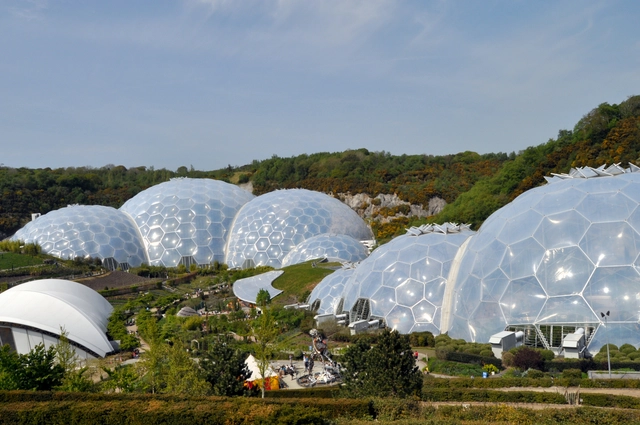
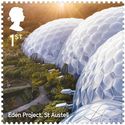
via flickr user vanchett licensed under CC BY-NC-ND 2.0. ImageThe Eden Project, Cornwall
Grimshaw can claim their horticultural Eden Project in Devon, South West England as being among their most iconic works. Nestled in a disused quarry, simultaneously acting as an embedded landscape feature and an alien spacecraft holding precious specimens and plants, the scheme has been celebrated as a successful modern interpretation of Buckminster Fuller’s geodesic dome concept.
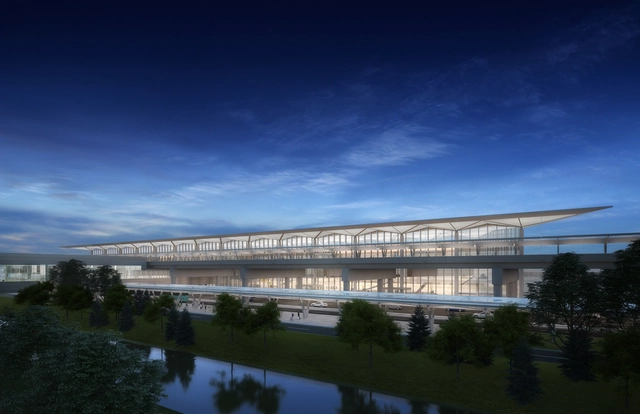
London-based Grimshaw Architects has been selected to serve as Lead Architect for the design of Newark Liberty International Airport’s new Terminal One building in New Jersey. Grimshaw will work in partnership with STV to design the $1.41 billion terminal, featuring 1 million square feet (93,000 square meters) of space and 33 gates spread across a two-level T-shaped building. The scheme represents the largest transportationinfrastructure design-build project in New Jersey’s state history.
https://www.archdaily.com/891218/grimshaw-to-lead-design-of-newark-liberty-international-airport-terminalNiall Patrick Walsh
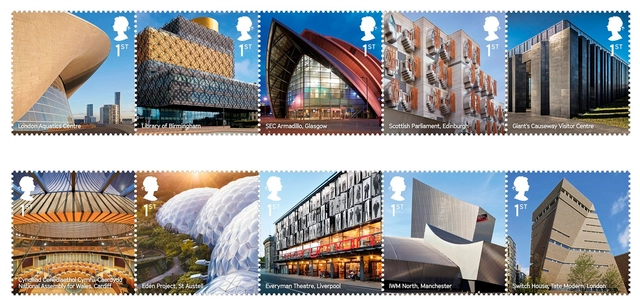
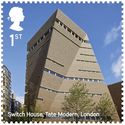
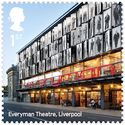
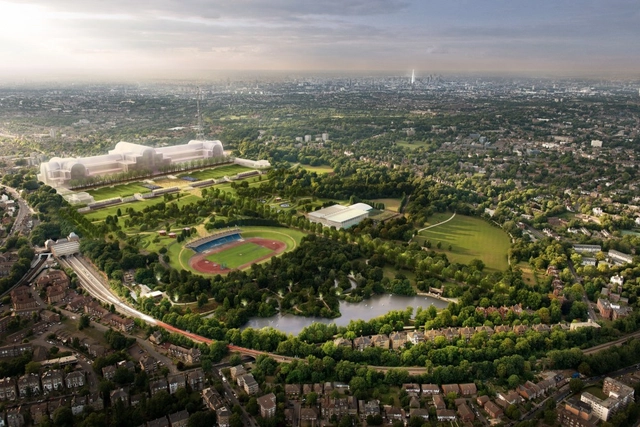
The UK’s postals service company, the Royal Mail, has launched a new special stamp series celebrating 10 buildings “that represent the renaissance of contemporary architecture in the UK of recent years,” including Zaha Hadid Architects’ London Aquatics Center, Herzog & de Meuron’s Switch House addition to the Tate Modern and Mecanoo’s Birmingham Library.
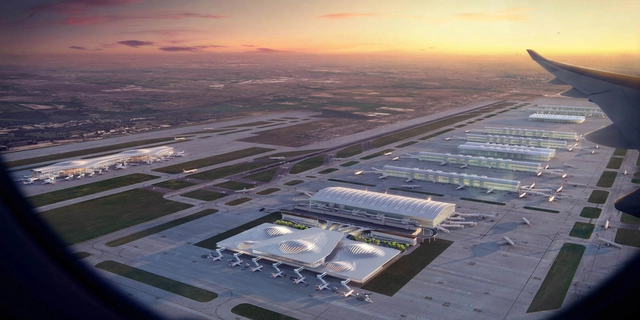
Zaha Hadid Architects Vision. Image Courtesy of Heathrow Media Centre
Heathrow Airport is offering a first glimpse at commissioned expansion proposals by Zaha Hadid Architects, Grimshaw, HOK, and Benoy, that will shape the future of the global hub in London. The project brief called for "bold ideas to create a world-class sustainable airport that [will] deliver innovations in passenger service, integrate local communities, and showcase the best of British design." Challenging the architects to push the boundaries of what is the current airport typology, the proposals are meant to drive a step change in global airport design.
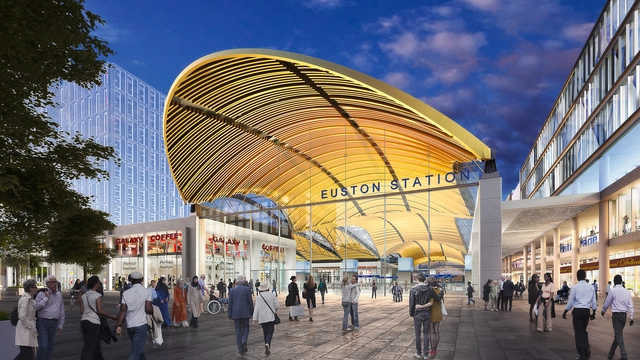
Grimshaw Architects, in collaboration with Arup, have revealed renderings for their proposed 25,000 square metre High Speed Two (HS2) railway terminal at Euston Station, in north London. They have developed an "incremental staged design" that will allow for the construction of the new high speed station while maintaining all existing services. Fronted by a 38 metre glazed façade, the new entrances will transform the internal circulation spaces into a "light and airy destination with shops, restaurants, and cafés."
The great schools of architecture have been around since time immemorial, or at least that's how it can often feel. In London, a city particularly dense with institutions of this calibre, this is perhaps felt more acutely. How, then, do you develop an entirely new school in this tightly packed environment which has the potency and capacity to compete? Will Hunter, former executive editor of the London-based Architectural Review, began a process to do just this with an article in 2012. Following this, he set up the ARFA—Alternative Routes For Architecture—in order to explore different models for architectural education, calling upon professionals and academics to contribute to a series of informal discussions.
“When the tuition fees in the UK escalated to around £9000 per year in 2013, it got me thinking about different models for architectural education,” Hunter recalls. The casual meetings held around this time gradually become more serious until, “at a certain point, we decided to test them: to make a school.” The project gathered momentum from that point on and now, two years later, the London School of Architecture(LSA) are preparing to take in their first ‘trailblazing cohort’ of postgraduate students.
"Washington DC deserves a station that serves the region on a practical level whilst celebrating the gateway to the nation’s capital," said Grimshaw partner Vincent Chang.
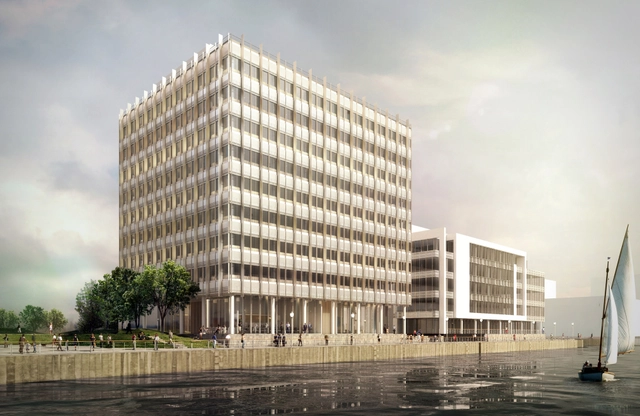
Grimshaw Architects have received full planning approval for City Quays 2, the second building planned as part of their City Quays masterplan for Belfast Harbour’s Clarendon Dock. To be built on a former ferry terminal site, City Quays 2 will stretch nine stories high and provide over 95,000 square feet of flexible work space.
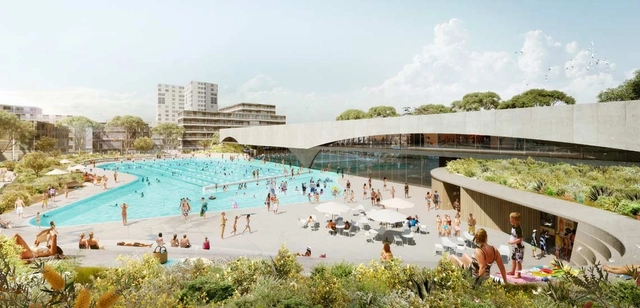
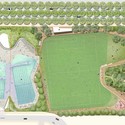
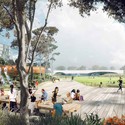
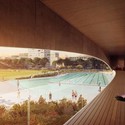
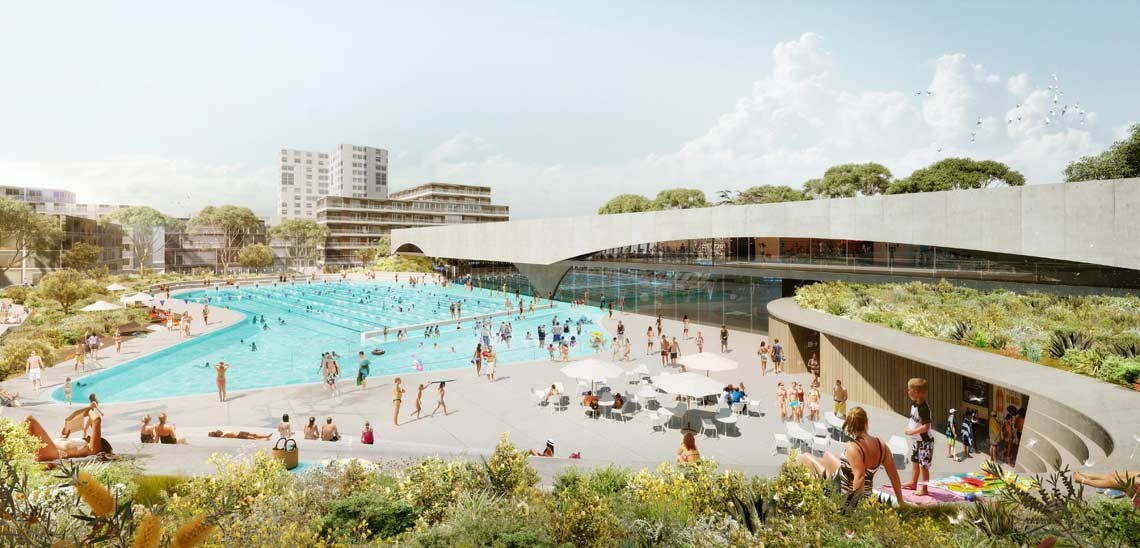
The City of Sydney has selected the team of Andrew Burges Architects working with Grimshaw and TCL, as the winners of a competition to design a new park and aquatic centre in Green Square, around 4 kilometres to the South of central Sydney. One of the city's six "Major Development Zones," the park and aquatic centre is part of a larger development in the centre of Green Square, with an adjacent site slated for a new public square and library.
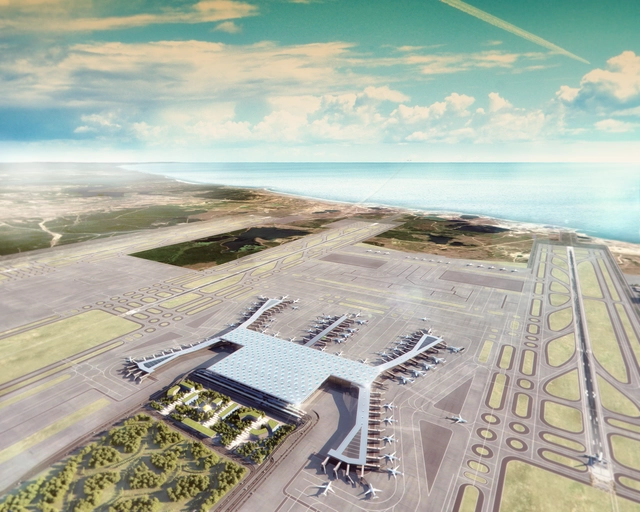
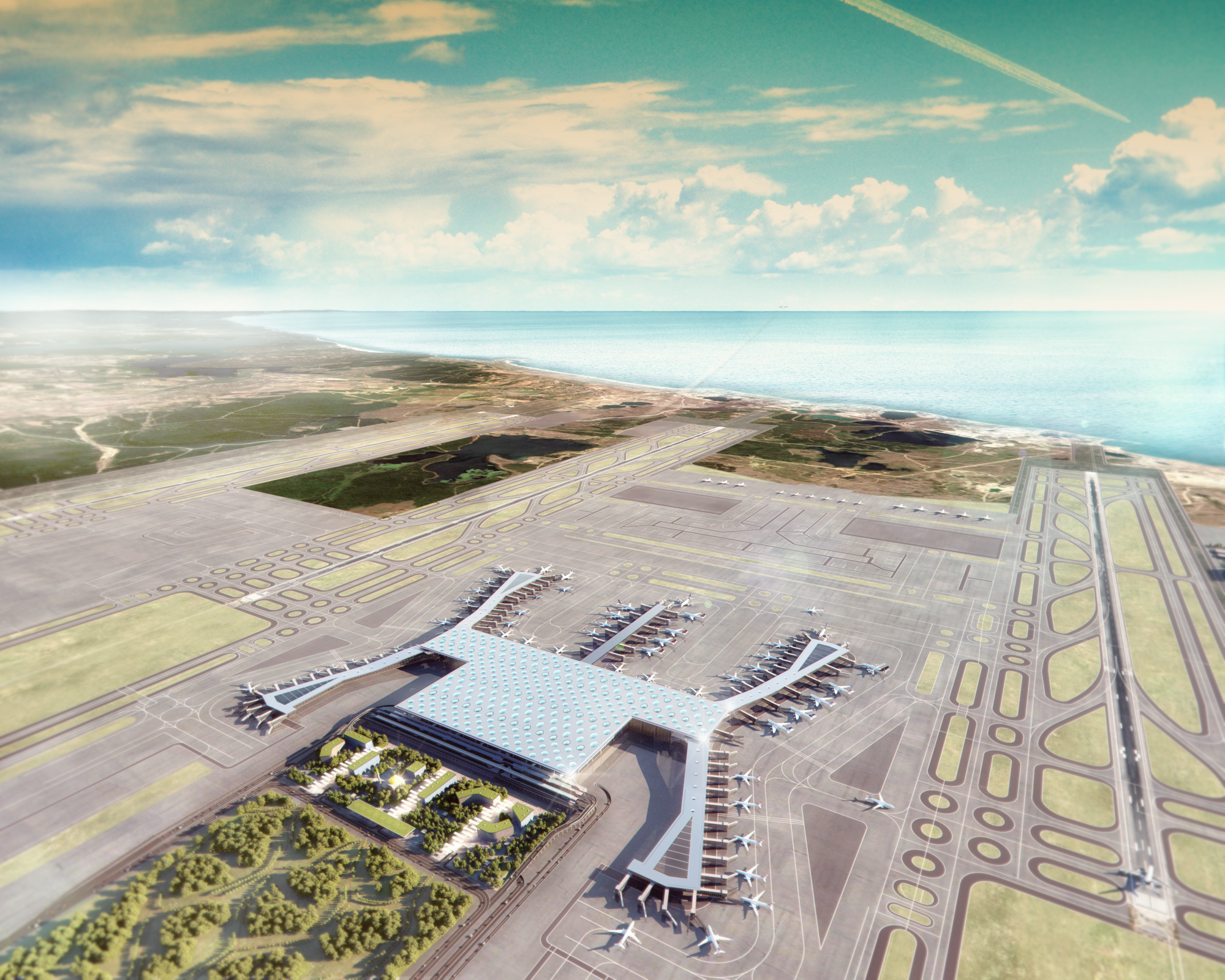
New images have been released of Istanbul's new airport, designed by Grimshaw, Nordic Office of Architecture and Haptic Architects, assisted by local Turkish Partners GMW Mimarlik and Tekeli Sisa. Projected to be the world's largest airport terminal under a single roof at almost one million square metres, the new airport is expected to serve 90 million passengers a year on the opening of the first phase, rising to 150 million a year after completion in 2018.
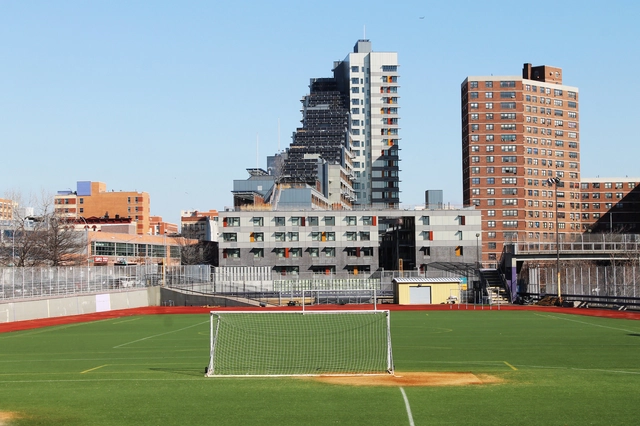
Two years after the completion of Grimshaw and Dattner's acclaimed Via Verde ("Green Way"), no successors have even been proposed for this supposed model for the design and construction of new affordable housing. In this article, David Bench returns to the site, finding that the sustainable project's lack of impact is caused by a completely different type of "green."
Affordable housing is the quest of every New Yorker. The routes to finding it are mysterious and widely misunderstood, as they are made up of a myriad of buildings, programmes, and rules that have failed to keep pace with the production of luxury housing and gentrification of middle class neighbourhoods in the city. This apartment anxiety has led to such amusing and fateful reactions as the creation of the Rent is Too Damn High political party – whose name speaks for itself – and an economic narrative that propelled Bill de Blasio from a long-shot mayoral candidacy to an overwhelming majority on election day in 2013. Soon after taking office, de Blasio unveiled the most ambitious affordable housing program in generations, which aims to build or preserve 200,000 units in the next decade.
Aeropuerto Internacional Jorge Chávez. Image Courtesy of LAP
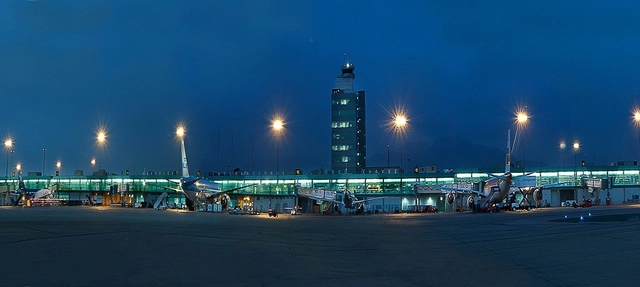
Grimshaw has landed a $950 million expansion project for the Jorge Chávez International Airport in Lima, Peru. As reported by the Architect’s Journal, Grimshaw will work with ARCADIS, CH2MHill and Ramboll to design a seven million square meter scheme that will include a new air traffic control tower and second terminal for the international airport. Designs are set to be revealed in 2015.
From Frank Lloyd Wright to Mies van der Rohe, many architects have dabbled in designing smaller-scale items. While some argue that industrial design is not an architect's place, many would beg to differ. The following article, originally published on Design Curial, describes various architects involved with industrial design today.
Architects who take a break from the built environment and turn their attention to designing smaller items are most often driven – initially at least – by what they see as necessity. They struggle to find the right furniture, signage or lighting for their interiors, and convince their client that they are the perfect people to design them.
Those architects quickly get a taste for the smaller scale then hunt down opportunities to design other items, in the hope that some may go into mass production. This is further fueled by those 'big names' who are approached by manufacturers to use their signature to brand the product. While there is a logic to this sequence of events, it still begs the question: why would anyone who can get commissioned to design a building bother with anything smaller?
Following a competitive interview process Grimshaw, in partnership with Nordic Office of Architecture, has been appointed by the Turkish consortium of Cengiz, Mapa, Limak, Kolin and Kalyon to design the terminal complex for Istanbul New Airport.
Located on the Black Sea coast, some 35km outside of Istanbul, the ambitious six-runway development, masterplanned by Arup, will be delivered in four phases. The first phase will open in 2019 and aims to serve 90 million passengers per year. This will increase to 150 million passengers per annum once fully complete. The new airport will include the world’s largest airport terminal, with a gross floor area close to one million square meters.
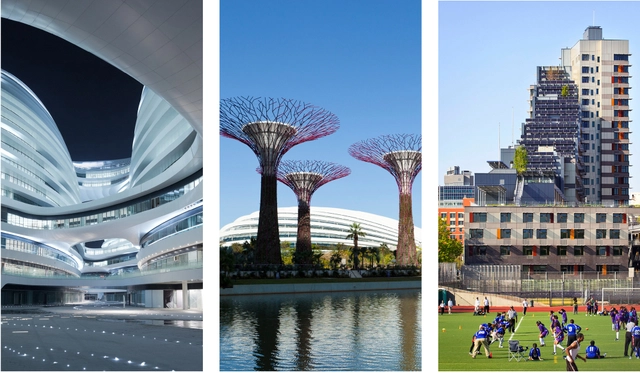
The RIBA has announced three projects—two located in Asia and one in the United States—for the shortlist of the RIBA’s Lubetkin Prize. Named for Berthold Lubetkin, a Georgian-born architect, the prize celebrates the work of RIBA members building outside of the UK. Zaha Hadid’s Galaxy Soho, Grimshaw’s Via Verde and Wilkinson Eyre’s Cooled Conservatories will face off for the honor; the winner of this year’s Lubetkin Prize will be announced (along with the winner of the prestigious Stirling Prize) on September 26th in London.
"The 2013 RIBA Lubetkin Prize shortlist features three exceptionally innovative projects that meet three very different urban challenges. From the blueprint for New York affordable housing and the creation of an impressive new shopping district in central Beijing to Singapore’s new sustainable gardens, these are all extremely clever solutions. These cutting-edge schemes show the leading role that architects play in delivering visionary new thinking about urban issues, and illustrate why UK creative talent has such recognition around the world."
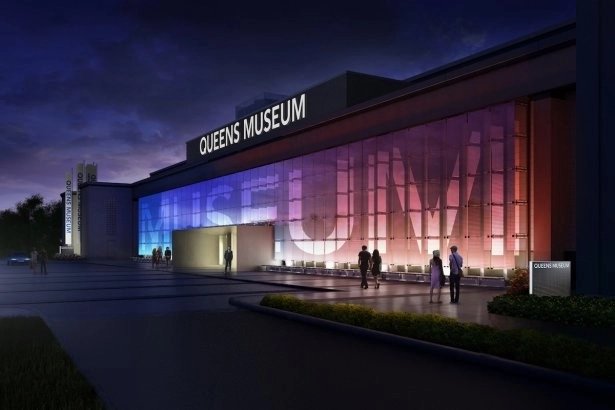
Originally constructed for the 1939 World’s Fair, the resilient structure of New York’s Queens Museum of Art has been undergoing its fourth and most ambitious renovation since April 2011. This $68 million renovation, designed by Grimshaw Architects, will double the institution’s size, expanding the museum to a total of 105,000 square feet upon its completion in October 2013.