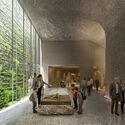
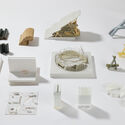
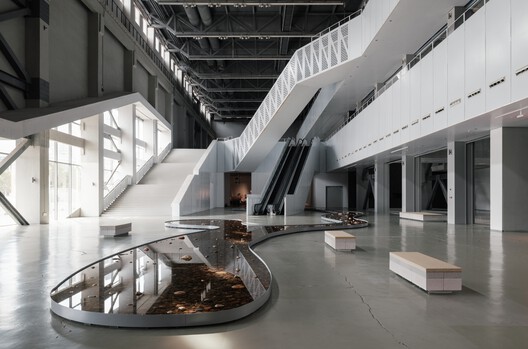
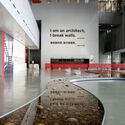
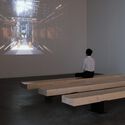
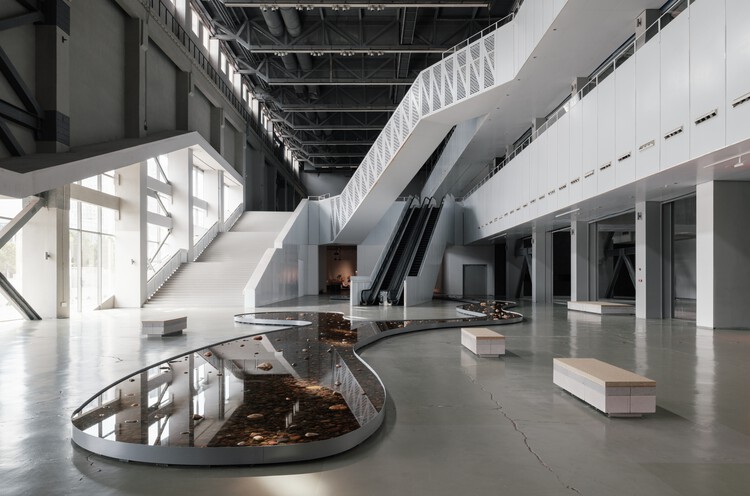
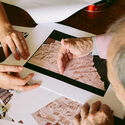
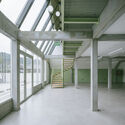
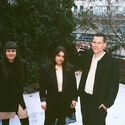
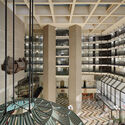
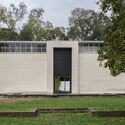
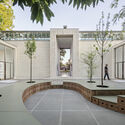
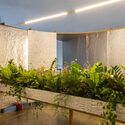
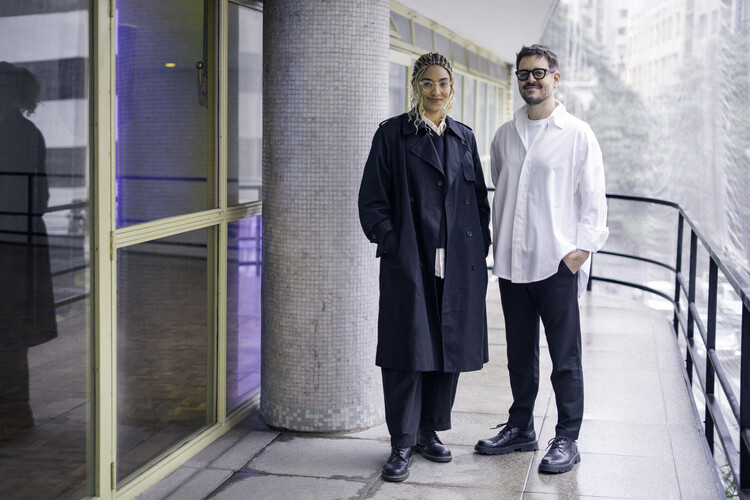
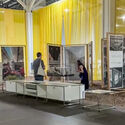
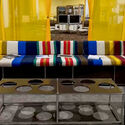
Matri-Archi(tecture) prepositions an exhibition in Johannesburg, titled ‘Building Africa: The State of Things!. The exhibition asks what it means to restore, preserve, foreground, call upon, remember and project former and future conditions of socio-political identity through the architecture of buildings that were once central figures in the political agenda of South Africa. The exhibition foregrounds research about the Constitutional Court and Union Buildings.
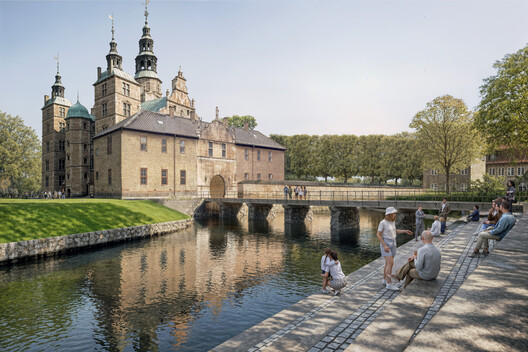
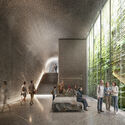
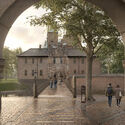
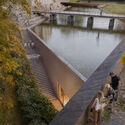
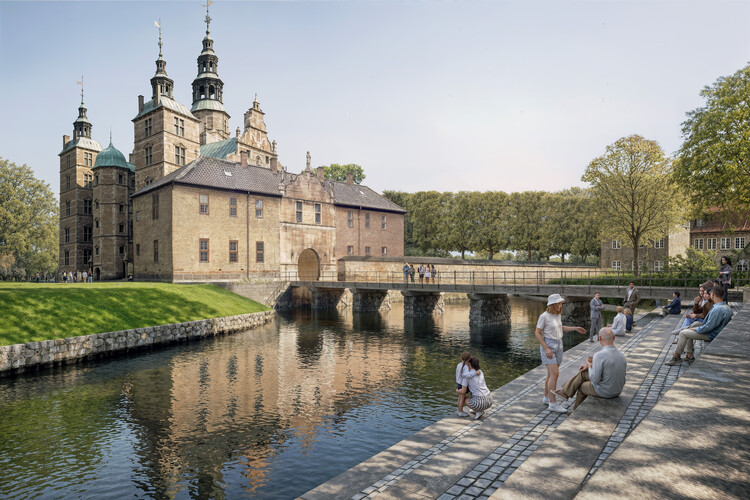
Danish architecture practice AART has won the international competition for Rigets Skatkammer (The Royal Treasury), a new 1,300-square-meter underground extension to the museum at Rosenborg Castle in Copenhagen. Developed in collaboration with VEGA Landskab, Fogh & Følner, and Artelia, the proposal places approximately 600 square meters of new exhibition space beneath the historic moat, while partially re-establishing the water surrounding Christian IV's Renaissance castle. The project is intended to provide new visitor facilities and exhibition spaces for the Royal Danish Collection, which includes the Danish Crown Jewels and historic costume collections and currently attracts more than 500,000 visitors annually.
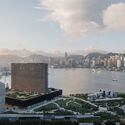
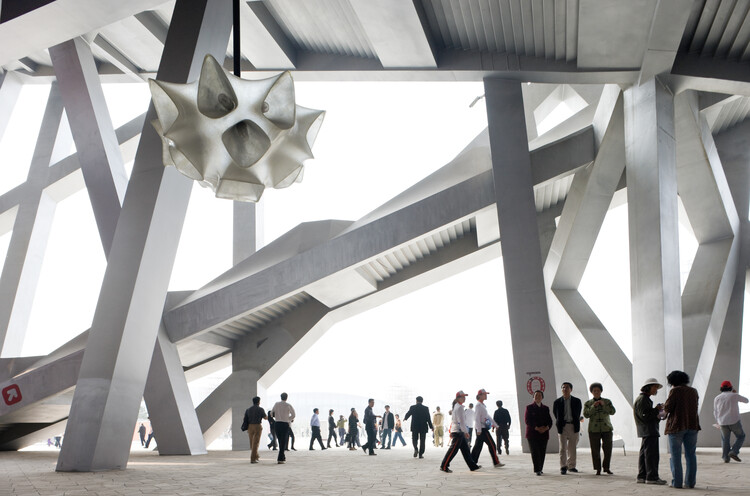
An exhibition tracing the vision behind Herzog & de Meuron's ten selected projects in China will open on September 12, 2026, at the M+ Museum in Hong Kong. The exhibition marks the museum's fifth anniversary; since opening, M+ has built its collection around visual art, design and architecture, moving image, and Hong Kong visual culture from the twentieth and twenty-first centuries. The museum building, designed by Herzog & de Meuron between 2012 and 2021, is located in the city's West Kowloon Cultural District (WestK), a cultural hub spanning forty hectares alongside Victoria Harbour. "Herzog & de Meuron: In Focus" is curated by Ikko Yokoyama and Iris Ng and reviews projects dating from 2002 to 2021, including Tai Kwun in Hong Kong (2006–2018) and the National Stadium in Beijing (2002–2008).
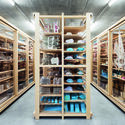
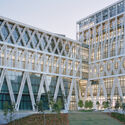
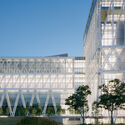
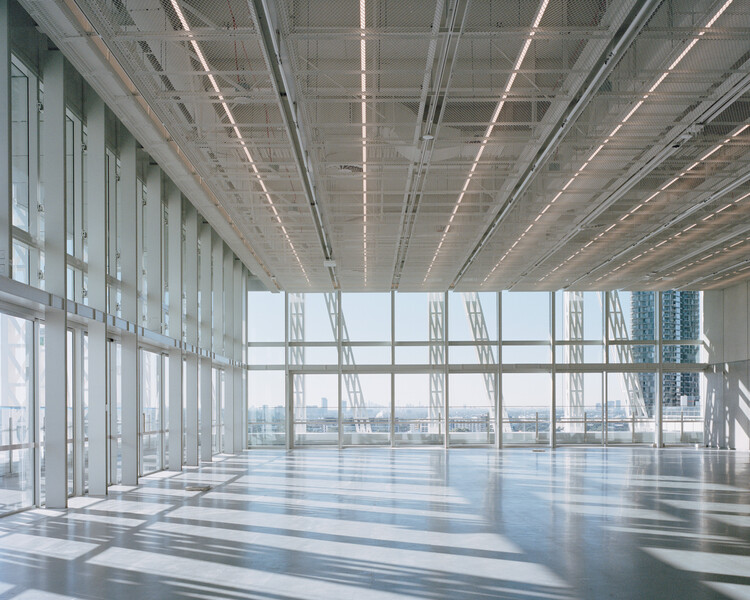
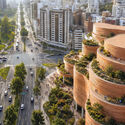
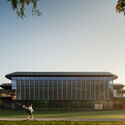
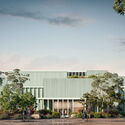
Powerhouse Parramatta, a new museum and cultural institution on the banks of the Parramatta River in Western Sydney, Australia, will open to the public on Saturday, November 7, 2026. The 30,000-square-meter building has been designed by Franco-Japanese firm Moreau Kusunoki as lead designer, with Australian firm Genton as local architect and Arup as engineer. Moreau Kusunoki won the design competition for the project in 2019, with completion initially planned for 2025. Powerhouse Parramatta is the first state cultural organization located in Western Sydney, a region whose population includes communities from more than 170 countries. At opening, the museum will present five exhibitions.
From 25 July to 25 October 2026, Shanghai's Power Station of Art (PSA) will host the first exhibition in China dedicated to the work of Brazilian architect Lina Bo Bardi. Titled "The Poetics of Survival," the exhibition was curated by Renato Anelli, and the display was designed by OPEN Architecture in a 2,300 m² space of the PSA contemporary art museum in Huangpu. The objective was to design "a stage where the audience gets a glimpse of the everyday reality of Brazil in Lina's time" through a journey across the architect's work and layered persona. The exhibition is not described as a retrospective, but as an "encounter with the master's poetics of survival," a late-20th-century concept describing how creative work becomes a tool to endure trauma such as historical oppression or extreme crisis. The concept serves as a common thread linking the reality portrayed and contemporary observers of a body of work "informed by her ingenuity, versatility, and generosity."
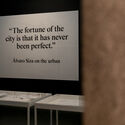
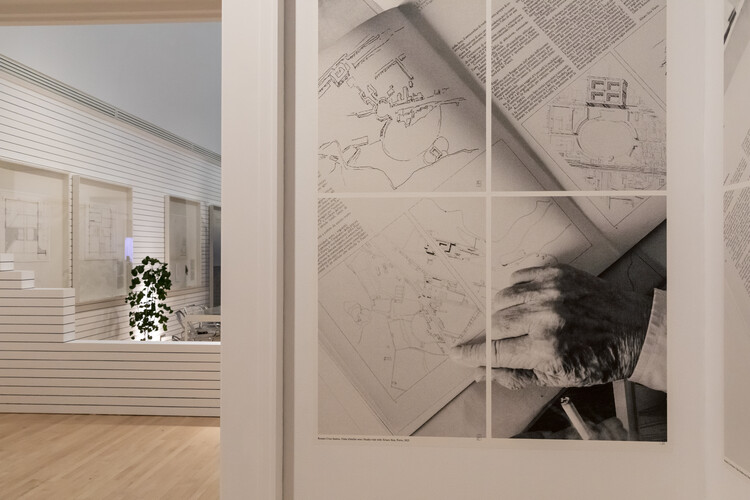
The Canadian Centre for Architecture (CCA) is presenting "The fortune of the city is that it has never been perfect," an exhibition dedicated to the urban work of Portuguese architect Álvaro Siza. On view in the institution's Main Galleries from May 21, 2026, to January 10, 2027, the exhibition examines Siza's approach to city-making through a selection of projects that engage with the historical, social, and physical conditions of existing urban environments.
Curated by Giovanna Borasi with Laura Aparicio Llorente as curatorial assistant, the exhibition explores how Siza's architectural practice extends beyond the design of individual buildings to encompass neighborhoods, public spaces, and broader urban structures. Rather than presenting the city as a fixed or idealized condition, the exhibition focuses on Siza's method of working with existing contexts, considering history, topography, infrastructure, and everyday life as fundamental components of the design process. Through this perspective, the exhibition reflects on questions surrounding urban transformation, the continuity of the built environment, and the relationship between architecture and planning.
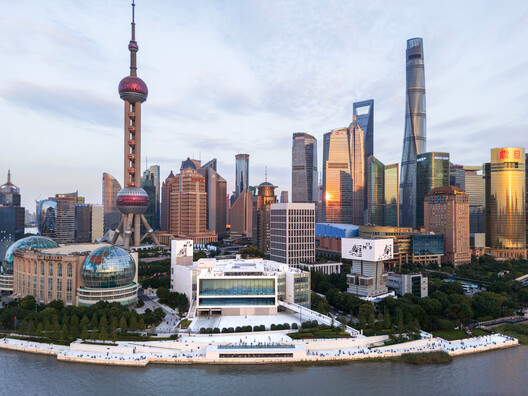
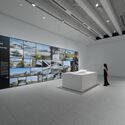
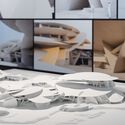
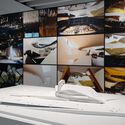
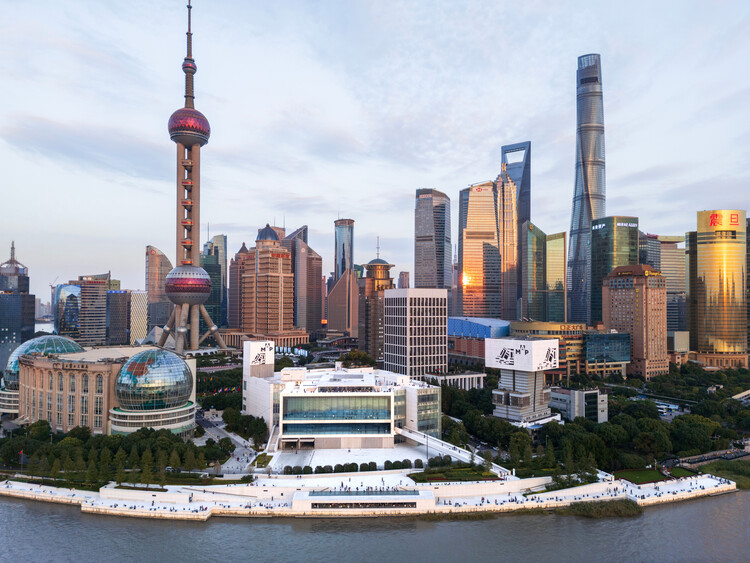
Museum of Art Pudong (MAP) in Shanghai is presenting "Jean Nouvel: Without the Artist, Architecture Disappears" until August 31, 2026. Marking the museum's fifth anniversary, the exhibition is dedicated to the work of Pritzker Prize laureate Jean Nouvel and represents the first time the French architect has staged a solo exhibition inside a building of his own design. Organized by the Museum of Art Pudong in partnership with Ateliers Jean Nouvel, the exhibition brings together architectural models, films, archival documents, installations, and a reconstruction of the architect's Paris studio to examine more than fifty years of architectural practice.
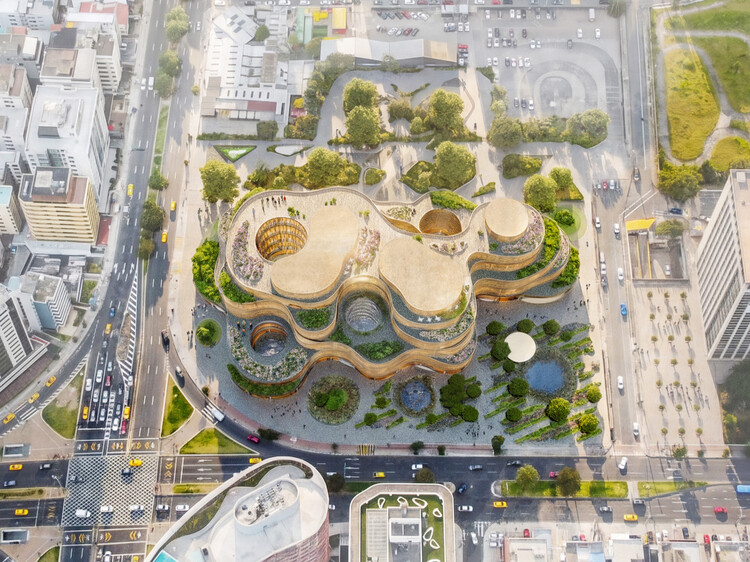
Museo Nacional del Ecuador (MuNA) by SANAA, Estudio A0, Caá Porá Arquitectura, Jerome Haferd Studio, Taller Capital Landscape. Image Courtesy of Jerome Haferd Studio
Architecture across Latin America this month reflects a growing emphasis on adaptation, whether responding to environmental risks, rethinking cultural institutions, or extending the life of existing buildings. Recent developments reveal a regional conversation shaped by resilience, heritage, and public space, where architecture is increasingly understood as part of broader urban, social, and environmental systems. From the aftermath of major earthquakes in Venezuela to the debate surrounding Ecuador's future National Museum, the month's stories highlight how design is intertwined with questions of identity, civic life, and long-term sustainability.
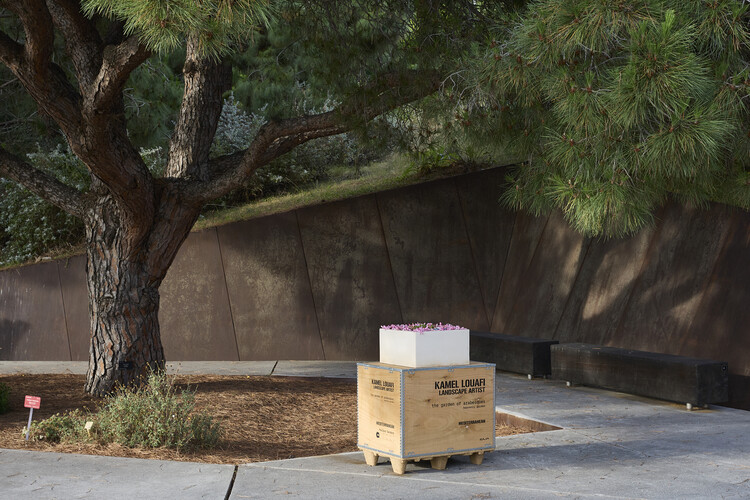
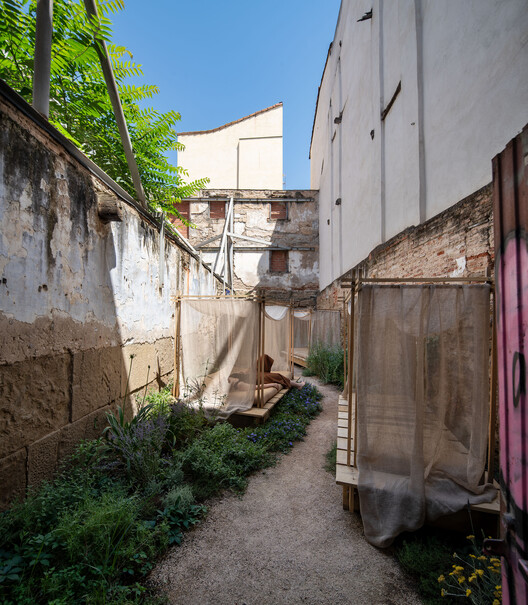
Parlour Gardens exhibition at Barcelona's Botanical Garden. June to October 2026. Image Courtesy of Marina Cervera
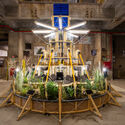
As part of the official programme for Barcelona as the UNESCO-UIA World Capital of Architecture, the Jardí Botànic de Barcelona is hosting "Parlour Gardens: Dreams from the Rooftop," a display of ceramic installations proposing a journey through landscape architecture. Curated by Marina Cervera (Barcelona International Landscape Biennial, CEO of NablaBCN), James Hayter (former president of IFLA, Oxigen), and José Luis Cortés (former president of the UIA), the exhibition marks a century since the 1926 invention of the jardinets de saló (living room or parlour gardens), miniature ceramic landscape worlds created originally by Nicolau M. Rubió i Tudurí, Llorenç Artigas, and Raoul Dufy. Installations by 14 global landscape architects will be scattered across the botanical grounds, grouped by homoclimatic zones to pair each design with fitting regional plant life, through 4 October 2026.
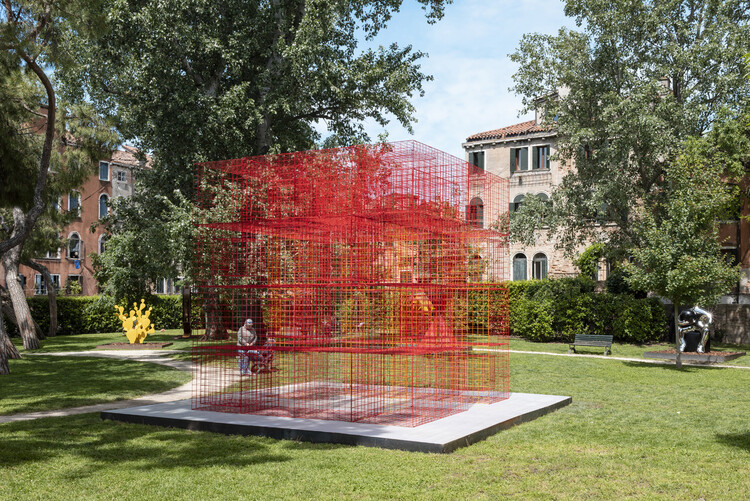
The European Cultural Centre Italy has announced the finalists of the ECC Awards, presented as part of Personal Structures – Confluences, the eighth edition of its international contemporary exhibition, running in parallel with the VeniceArt Biennale. Running in Venice from 9 May to 22 November 2026 across Palazzo Bembo, Palazzo Mora and the Marinaressa Gardens, the exhibition provides the backdrop for the awards, which celebrate artistic practices engaging with the show's theme, Confluences, through research, interdisciplinarity and dialogue with place. The winners will be announced on 22 November 2026, during the exhibition's closing event.
Architecture this week looked as much to the past as to the future. Across museums, restored landmarks, and large-scale urban redevelopments, the featured stories explored how architecture is continually reinterpreted through new cultural, political, and urban lenses. From reconsidering the architectural legacy of post-independence West Africa to transforming former prisons into energy-neutral neighborhoods and restoring twentieth-century cultural landmarks, the projects demonstrate how existing buildings and histories remain active participants in contemporary discourse. Alongside these interventions, the announcement of the World Architecture Festival shortlist and renewed attention to global urban growth provide a broader picture of a profession negotiating heritage, environmental responsibility, and rapidly changing cities.
During July and until August 19, Aedes – Architecture and Space in Berlin will be showcasing the exhibition "A Structure of Feeling: On a New Generation of Architects in China." Aedes is a non-profit cultural institution founded in 1980. Focusing on the intersections of architecture, the city, and society, its continuous public program has presented around 600 exhibitions over more than four decades of work. In 2001, the space presented TUMU, an exhibition bringing a generation of young independent Chinese architects to international attention. Twenty-five years later, "A Structure of Feeling" showcases the work of a new generation working under changed conditions. Nine practices are represented in twelve projects transforming the existing urban fabric, rural development, and contemporary forms of spatial production.
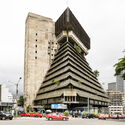
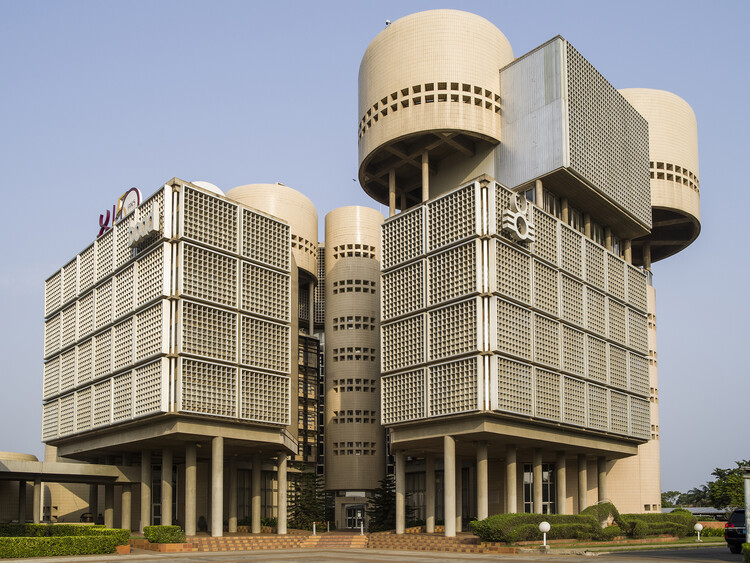
The Museum of Modern Art in New York inaugurated the exhibition Architects of Liberation: Modernism in Western Africa on July 5, 2026, on view through January 2, 2027. The exhibition examines African modern architecture from the late 1950s through the early 1980s in the context of political independence in the region. Works span seven countries: Benin, Cameroon, Côte d'Ivoire, Ghana, Nigeria, Senegal, and Togo. The display is organised around anchor projects selected as "entry points" into categories such as cityscapes, education, and housing. It is curated by Martino Stierli, The Philip Johnson Chief Curator of Architecture and Design, and Ikem Stanley Okoye, guest curator and associate professor at the University of Delaware, with Mallory Cohen, curatorial associate in the Department of Architecture and Design.
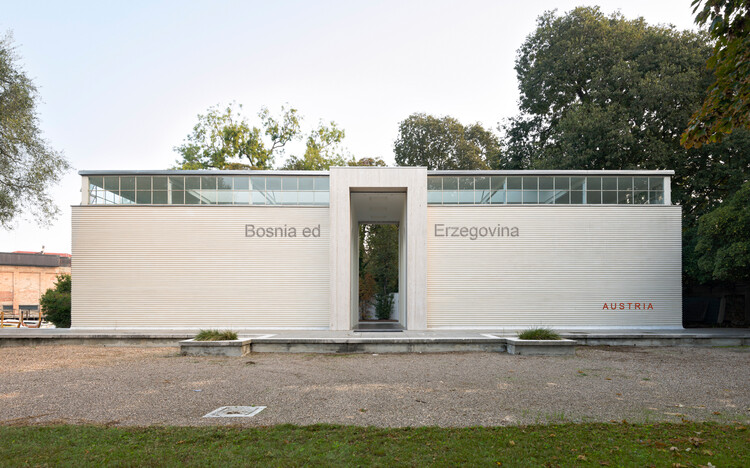
Austria has announced Koncesija / Konzession / Concession(e) as its contribution to the 20th International Architecture Exhibition – La Biennale di Venezia. Curated by architects Adna Babahmetović and Ajna Babahmetović together with curator Sebastian Höglinger, the project proposes temporarily granting the Austrian Pavilion to Bosnia and Herzegovina through a cooperative concession. Selected through Austria's open competition process, the pavilion examines questions of national representation, diplomacy, and architectural exchange by responding to the absence of a Bosnian national pavilion in the Giardini, where the Biennale's historic national pavilions are located.
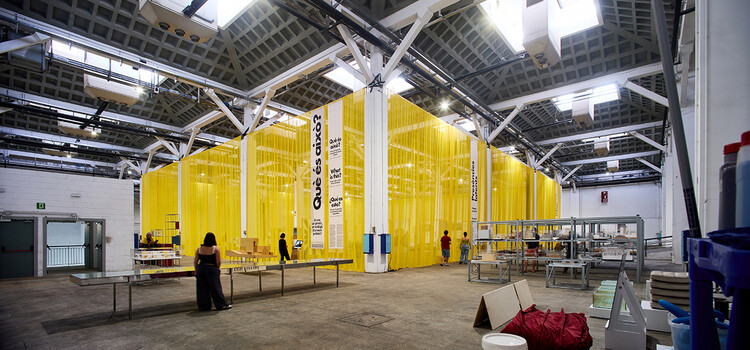
The exhibition What is This? A Spa, a Gym, a Zoo for Tiny Animals? is on view at the Palau Victòria Eugènia in Barcelona from May 11 to July 5, 2026. Organized by the Fundació Mies van der Rohe and curated by Anna Sala and Ivan Blasi, the exhibition presents the institution's archive through a new curatorial framework, bringing together architectural models, drawings, documents, films, and records of artistic interventions that have taken place at the Barcelona Pavilion since 1986. Open daily with free admission, the exhibition invites visitors to engage with the archive as both a historical collection and an evolving record of architectural discourse.
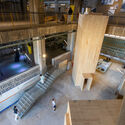
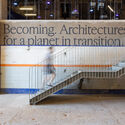
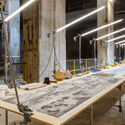
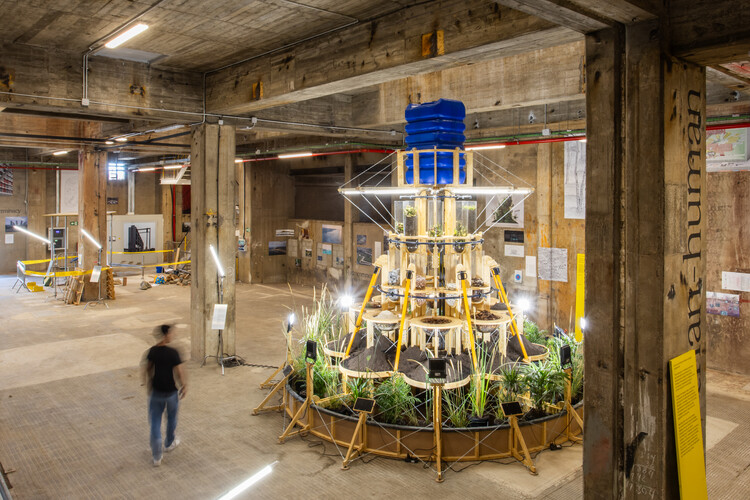
The UIA 2026, the 29th edition of the triennial international event for architectural dialogue organised by the International Union of Architects, has opened its doors on Sunday, June 28th, with an inaugural event held at Three Chimneys, a former power plant in Sant Adrià de Besòs. Each Congress focuses on a pressing topic relevant to the profession, articulated through a central theme. The topic for 2026 is "Becoming. Architectures for a Planet in Transition," calling for a broad and critical overview of the possible futures of architecture. The event runs through July 2, 2026, as a distributed event across multiple venues and urban contexts. With a multidisciplinary approach, Barcelona, the UNESCO World Capital of Architecture 2026, is set to become a global laboratory and hub for debating forthcoming ecological, social, material, and cultural transitions.
Three decades after it first hosted the event, Barcelona once again becomes the host of the global disciplinary debate. The UIA World Congress of Architects 2026 Barcelona aims to bring together 10,000 professionals, students, and institutional representatives from more than 130 countries. Discussions address topics such as the climate emergency, the housing crisis, the circularity and sustainability of materials, and the evolution of public space at large and small scales, as well as more specific topics such as the future role and responsibility of architectural awards or conferences dedicated to the DANA floods in Valencia. The daily program will be marked by two plenary sessions each day, at the start (09:00) and at the end (16:45).