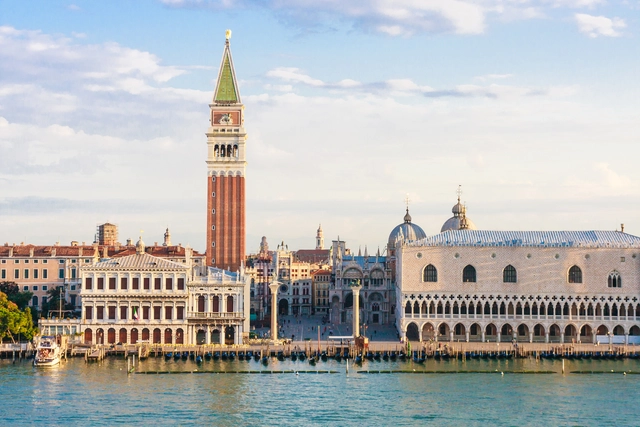
Built on a cluster of 118 small islands in the shallow Venetian Lagoon, the city of Venice, Italy, has captivated the imagination of architects and tourists alike. The area has been inhabited since ancient times, becoming a major financial and maritime power during the Middle Ages and Renaissance, as proven through the rich architecture that characterizes the city to this day. With influences from the Byzantine, Gothic, and Renaissance styles, the city represents a palimpsest of architectural narratives, overlapping and influencing each other. In recent years, Venice has become a major attraction for architects drawn to the La Biennale di Venezia, the most important Architectural Exhibition featuring national pavilions, exhibitions, and events to explore new concepts and architectural innovations.
Beyond the Biennale, Venice itself is an open-air museum for architecture lovers. While the city is best known for its historical buildings, Modernist and contemporary interventions add a new layer of interest, with many contemporary architects working with the historical fabric, like OMA's intervention and rehabilitation of Fondaco dei Tedeschi, or David Chipperfield's renovation of Procuratie Vecchie, one of the buildings that define Piazza San Marco. In addition to what the city has to offer, the site of the Venice Biennale is also marked by interventions by famous architects such as Carlo Scarpa, Sverre Fehn, and Alvar Aalto, made permanent due to their outstanding qualities.
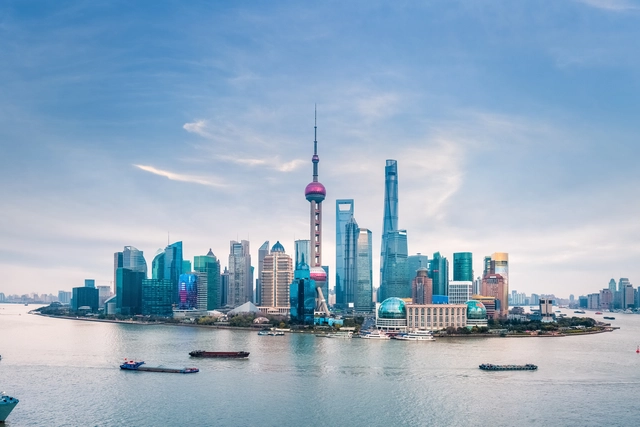
Shanghai, as one of China's most representative global cities, features an architectural vocabulary that seamlessly blends its distinctive "Haipai" (Shanghai style) urban character with an international perspective. The city boasts a rich spatial hierarchy, ranging from the micro-level of alleyways and neighborhoods to the macro-scale of urban planning. From the Suzhou Creek to the Huangpu River, every architectural landmark embodies Shanghai's unique history, culture, and vision for the future.
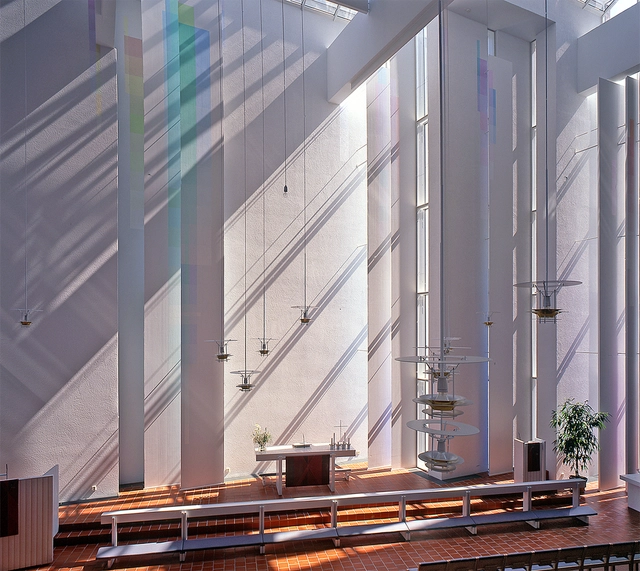
As communities grow more multicultural and increasingly diverse, these spaces serve as physical manifestations of religious inclusion, encouraging the acceptance of religious and ethnic minorities within multicultural landscapes. Their proliferation reflects a growing need for inclusive environments that cater to diverse spiritual needs while promoting interfaith understanding. However, designing and implementing these spaces presents complex challenges, often sparking debates about representation, neutrality, and the very nature of sacred space. These discussions underscore the delicate balance architects must strike in creating spaces that are both universally welcoming and spiritually meaningful.
In this short video interview from the Louisiana Channel, Marc-Christoph Wagner interviews architect David Chipperfield in Galicia in April 2024, exploring his connection to the sea. The 2023 Pritzker Prize laureate speaks of his experience living for 30 years in a fishing village in Spain, delving into his connection to the place and the people's attitude towards the strength of the natural elements surrounding them.
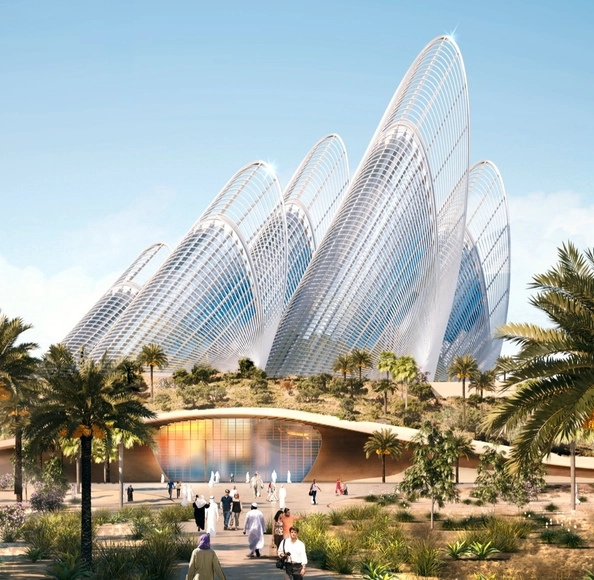
Sheikh Zayed National Museum / Foster + Partners. Image Courtesy of Foster + Partners
As 2024 comes to an end, the architectural world looks ahead to 2025, a year set to unveil transformative projects across the globe. From cultural landmarks in Asia, such as Sou Fujimoto's "Grand Ring" for Expo 2025 Osaka and MAD Architects' Hainan Science Museum in China, to dynamic urban developments like OMA's Harajuku Quest in Tokyo and David Chipperfield's Elbtower in Hamburg, these projects reflect a commitment to innovation, sustainability, and preserving cultural heritage.
In North America, Studio Gang's Shirley Chisholm Recreation Center in Brooklyn and the Lucas Museum of Narrative Art in Los Angeles highlight architecture's role in fostering community connections. Meanwhile, Europe anticipates Shigeru Ban's hybrid residential tower in Antwerp and Kengo Kuma's Visitor Center at Albania's Butrint National Park, showcasing the intersection of contemporary design and local context. As these projects take shape, they offer a glimpse into architecture's power to redefine spaces and inspire communities.
Architectural grafting, a concept recently popularized by Jeanne Gang inThe Art of Architectural Grafting, presents a transformative approach to urban regeneration and sustainability. Drawing inspiration from botanical and horticultural practices — where new growth is added to existing plants for enhanced resilience — this architectural method integrates new structures with existing ones, allowing them to coexist and adapt. Rather than pursuing demolition, grafting prioritizes adaptation, extending the life of buildings while safeguarding their cultural and historical significance.
While Studio Gang has played a pivotal role in advancing this method, architectural grafting embodies a broader principle that architects have long used to enhance sustainability, conserve resources, and honor heritage. Across scales — from individual buildings to urban landscapes —grafting reshapes the relationship between past and present, adapting existing structures for contemporary needs while addressing environmental demands. By reimagining historic buildings for modern use, this approach fosters a sustainable evolution of cityscapes.
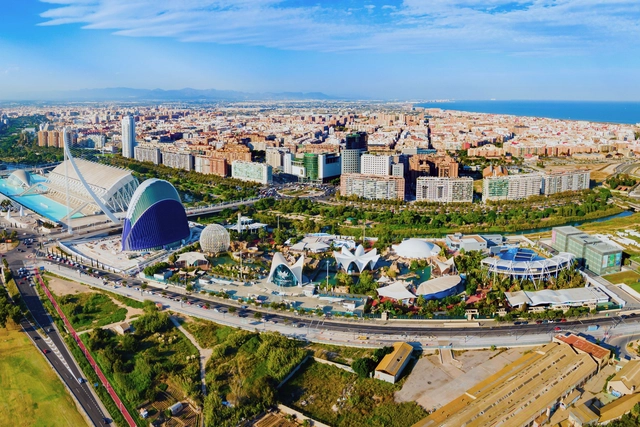
Valencia, one of Spain's most vibrant cities, boasts a rich architectural history that mirrors its cultural and historical evolution. Founded by the Romans in 138 BC, the city has been shaped by successive waves of influence, from the Visigoths and Moors to the Christian reconquest in the 13th century. Each period left a distinct architectural imprint, giving Valencia a unique blend of Gothic, Baroque, and Renaissance structures alongside modern interventions. Among the city's most prominent historic landmarks is the La Longa de la Seda, a UNESCO World Heritage site, which exemplifies late Gothic civic architecture, alongside the majestic Valencia Cathedral, where Romanesque, Gothic, and Baroque elements intertwine, illustrating the city's layered past.
Valencia's architectural evolution did not end with its historical legacy. Today, the city is a dynamic example of how modern and contemporary architecture can coexist with ancient structures. The striking City of Arts and Sciences, designed by Valencian architect Santiago Calatrava, has become an international symbol of innovation, pushing the boundaries of futuristic design. In parallel, urban planning projects like transforming the former Turia riverbed into a lush green park have redefined public space and sustainability in the city. This balance between preservation and cutting-edge design reflects Valencia's commitment to embracing modernity while honoring its historical roots, making it not only a city steeped in history but also one at the forefront of contemporary architectural practice.
Concert halls, music, and performance venues stand as iconic symbols of cultural vitality within urban landscapes. Through these structures, which often become landmarks of the city, the residents are invited to take part and experience artistic expression, fostering a sense of community and connection. For architects, this program poses the intricate challenge of balancing form and function, creating spaces that enhance the acoustic experience, allow for the flow of audience and performers, and create visual spectacles in their own right.
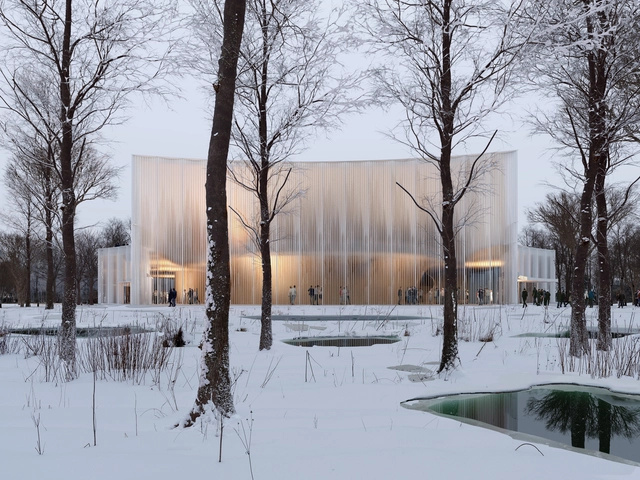
Featuring both emerging and internationally recognized offices, this week’s curated selection showcases music and performance venues, from mixed arts and cultural centers to opera and ballet halls. Including proposals for international competitions such as David Chipperfield Architects or SHL and PAX architects’ designs for the Polish Royal Opera in Warsaw or Hariri Pontarini Architects’ design for an integrated center for the arts in Canada, the selection explores the program of music venues across scales and programs.
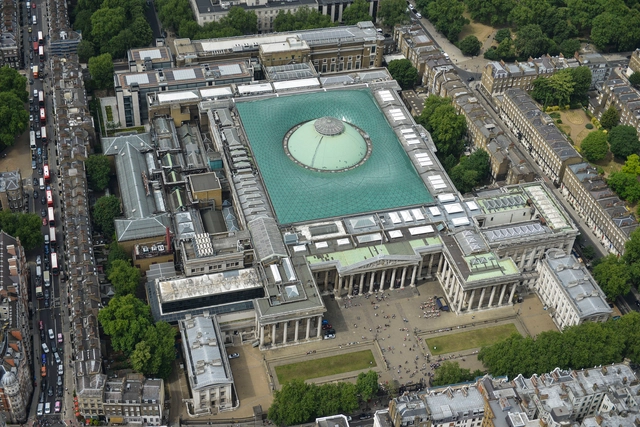
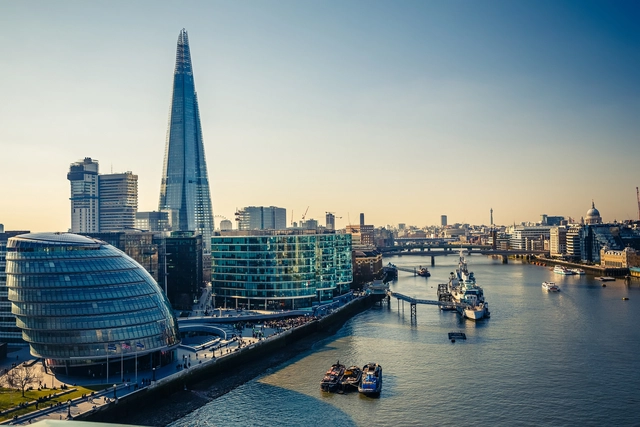
London’s architectural history is a rich tapestry that weaves together styles of various periods and influences. In the post-war era, the city experienced a surge in modern architecture, becoming a canvas for experimentation. New stylistic movements saw their expression crystalized through buildings such as Richard Rogers’ Lloyd’s Building, one of the most representative examples of High-Tech architecture, or the Barbican Estate, a large-scale housing estate that became the iconic structure for Brutalist architecture.
London’s contemporary architectural landscape continues to evolve, in part through the works of internationally-recognized architects such as Norman Foster, Zaha Hadid, and Thomas Heatherwick. This varied blend of styles, and ways of expression reflects the city’s ability to embrace architectural movements of global significance. As a center for innovation, London continues to attract established and emerging architects who shape its skyline and contribute to its international architectural discourse, with each new building offering a glimpse into the ever-changing nature of London’s urban fabric.
In his latest TED Talk, Thomas Heatherwick decries a condition affecting areas of the city defined by monotonous buildings, or what he calls “an epidemic of boringness.” While recognizing the functionality which drove these designs, he states that functionality alone cannot ensure that the structures become active parts of urban life, as they often fail to provoke an emotional response from passers-by. Heatherwick explains that, in his view, this emotional function, or the ability of buildings to mean something to their users and visitors, is essential. When it succeeds, architecture can positively contribute to the quality of life and well-being of its residents, promote social cohesion and contribute to a sense of identity. So how can architecture provoke a positive emotional connection and provide an enjoyable backdrop to the communities it serves?
The Pritzker Architecture Prize presents The Role of Practice, the 2023 Laureate Lecture and Panel Discussion, today, Tuesday, May 23rd at 3:40 PM EEST, in partnership with the National Technical University of Athens, and with the participation of the Aristotle University of Thessaloniki, University of Patras and the Technical University of Crete.
The Pritzker Architecture Prize 2023 Laureate David Chipperfield will deliver the lecture, reflecting on architectural practice's role, responsibilities, and opportunities. Moreover, the 2023 winner will explore "how market forces have dominated architecture and become increasingly detached from its place, just as the challenges of the climate crisis, loss of biodiversity, and social inequality have heightened the urgency for a more proactive position". Alejandro Aravena, Jury Chair, and 2016 Laureate will introduce the lecture, which will be followed by a conversation between David Chipperfield, Francis Kéré, 2022 Laureate, and Anne Lacaton and Jean-Philippe Vassal, 2021 Laureates, as they each "reveal the successes and failures of their respective journeys which effected their architectural philosophies and works, and led them to the shared stage of the present".
On the occasion of the sixth edition of the AHI European Heritage Intervention Award, the 26 selected projects within the categories of Built Heritage and Outdoor Spaces have been announced, among a total of 241 projects submitted from 28 different European countries.
While the city of Berlin has a long history, dating back to the 13th century, its architecture and urban fabric has undergone the most significant changes during the last century, reflecting the impact of major historical events that took place in the German capital. During the early 20th century, Berlin transformed into a modern metropolis, marked through the construction of grand buildings and imposing structures to demonstrate the city’s growing economic and political power. The 1920s and 1930s saw the emergence of the Modernist movement, which, together with the Bauhaus school of architecture founded in 1919, influenced the image and urban fabric of Berlin.
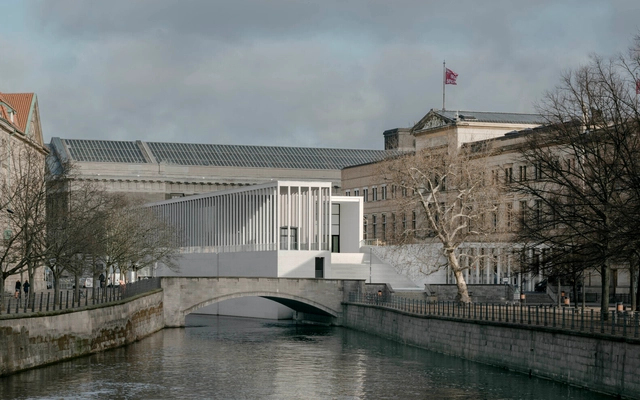
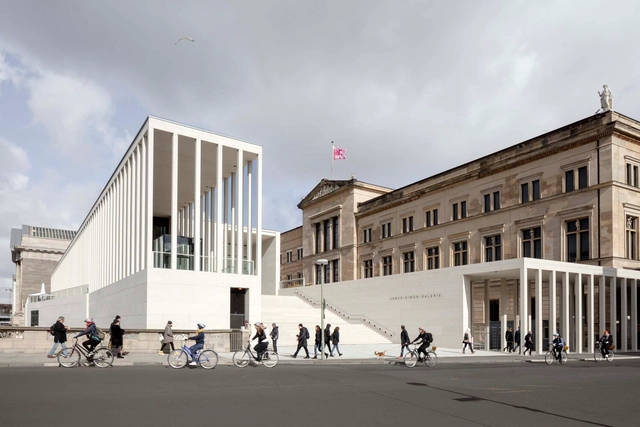
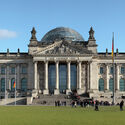
During the Second World War the city was heavily bombed, resulting in the destruction of many historical buildings. During the post-war period, reconstruction efforts focused on rebuilding infrastructure and housing, while the city remained divided until 1989, with the fall of the Berlin wall. After this period, Berlin witnessed a renewed interest in architecture and urban design. Interventions such as David Chipperfield’s Neues Museum aimed to rebuild historical monuments without erasing the markings of their difficult past. Other projects such as the renovation of the Reichstag had a different purpose. Norman Foster’s intervention intended to keep the image of this building but change its symbolism from a structure representative for the Nazi regime to one embracing the ideals of democracy and equality.
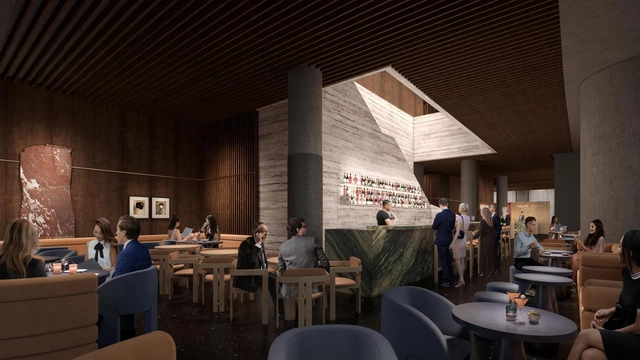
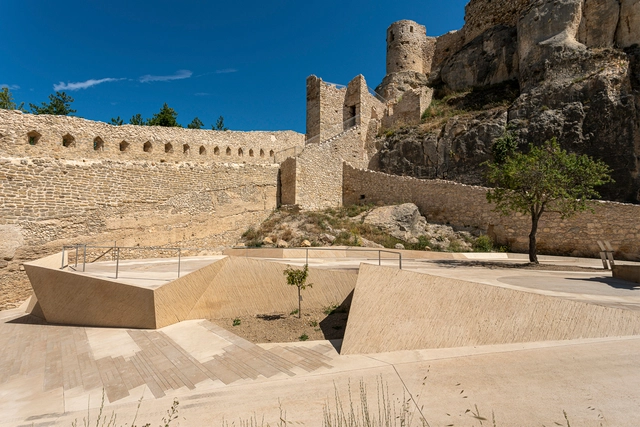
Sir David Chipperfield has been awarded with the 2023 Pritzker Prize, the highest distinction in the architectural profession. Known for his well-crafted, precise, and sensible response to complex environments, the architect became initially recognized for the skillful restoration and renovation of existing buildings, often cultural institutions, before expanding the range of projects to include new structures. While his built body of works demonstrates many of the core principles of good architecture, the ongoing projects reveal an equally relevant narrative: that of his direction moving forward and the way in which his approach to these principles evolves.
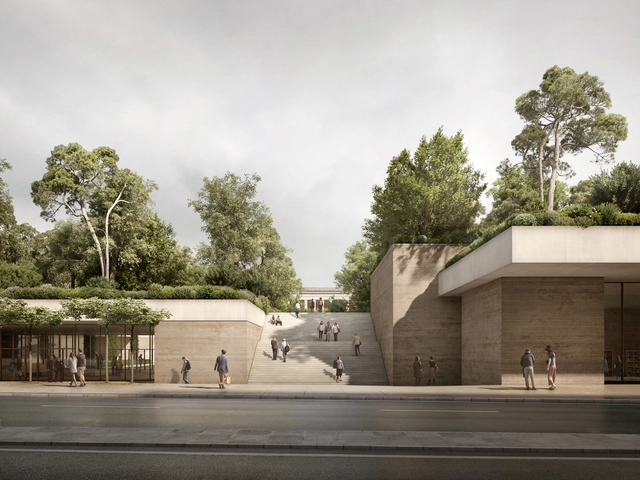
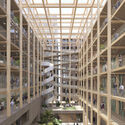
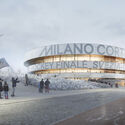
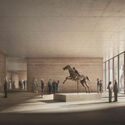
Many of the ongoing projects continue Chipperfield’s interest in museological and cultural institutions, yet he continues to work across a wide array of building types. The latest major project announced tackles one of the most prominent institutions in Greece, the National Archeological Museum. This represents yet another opportunity for the architect to present museums as institutions that offer a transformation of the urban life of the cities where they are located, while also bringing forward the historical layers that define its architecture. Other projects, such as the Santa Giulia Arena in Milano or the Elbtower in Hamburg, expand the range of programs and typologies addressed by Chipperfield.