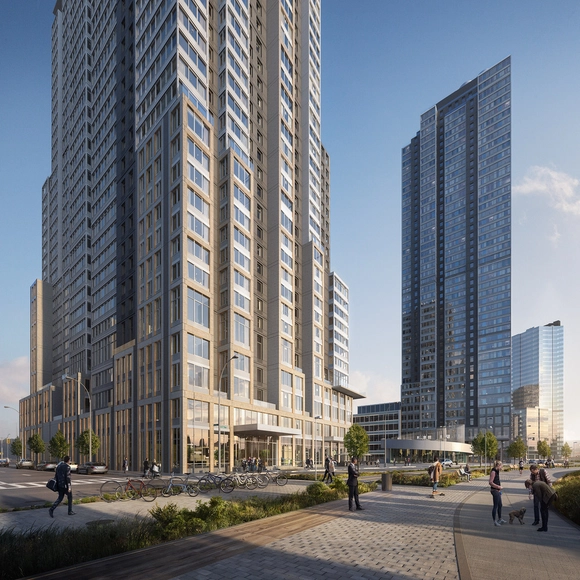
ODA-Designed Hunter’s Point South, the newest development by TF Cornerstone, and the largest affordable housing project in NYC has launched its housing lottery. The master-planned, mixed-use and mixed-income community, park, school, and playground, situated along the East River in Long Island City, Queens, the first of its kind to hit the market since COVID-19, brings 1,194 rental units and a new park to Long Island City waterfront.
In order to assist the city of London and encourage constructions after Covid-19, the Mayor of London, with tech-led design practice Bryden Wood and leading residential consultancy Cast, have launched a new version of the housing design app PRiSM. Using the latest digital technology and data to help design and build manufactured homes, the freely available application will allow users to share expertise and use technology to transform the design process and get the city building the homes Londoners need.
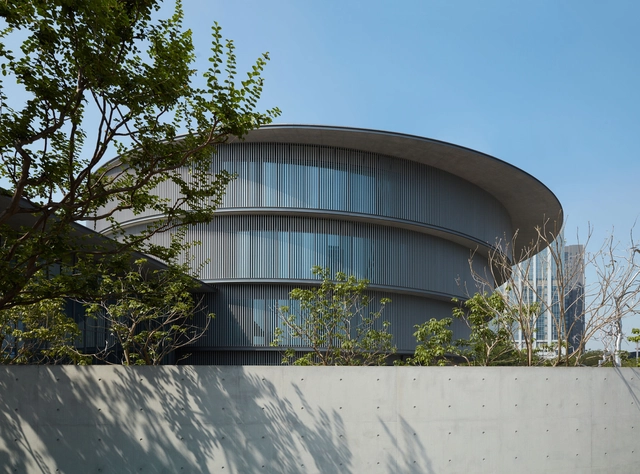
The He Art Museum will finally open to the public on October 1st, after delays due to the coronavirus pandemic. Designed by Pritzker Prize laureate Tadao Ando, the museum located in Guangdong, China will be home to the He family’s art collection, focusing mainly on International Contemporary Art, Chinese Modern Art, and Chinese Contemporary Art.
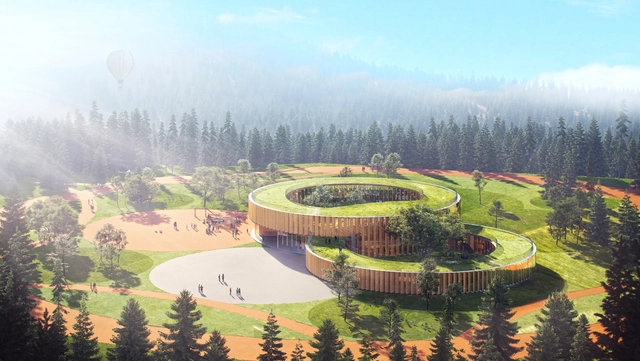
Courtesy of Valentino Gareri Architectural Atelier
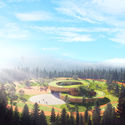
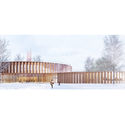
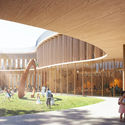
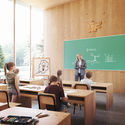
Valentino Gareri has proposed a sustainable and modular educational building for the new post COVID-19 era. Entitled Tree-House School, the project reinforces the relationship with nature, with connected outdoor and indoor spaces.
The pandemic has force-fed change into almost every aspect of our lives. What does that mean for architecture? I have been in my office 135 out of the 140 days since Connecticut Governor Ned Lamont declared “construction” (and all its constituent trades, including “design”) essential. For two months I was alone, then one employee for a day or two a month, then others, eventually all, but most still working from home. The office continued to function.
With a complex debate underway about monuments and the way we engage history, we should start thinking about a COVID-19Memorial. Yes, I know we are in the middle (or is it still the start?) of this pandemic, but the intensity of the moment might actually help us envision what such a memorial could be. Instead of waiting for a time when we have more distance from our current catastrophe, we should capture the passions coursing through society right now.
In the wake of the pandemic, designers and architects are rethinking and inventing innovative solutions for nearly every sector of design from hospitality, restaurants, workplace experience, and landscape architecture. According to the World Health Organization, 19 percent of factors that affect our health and well-being are directly related to the built environment, making architects and designers key to protecting public health.
https://www.archdaily.com/946945/architects-and-designers-urge-action-on-healthier-policy-prioritiesLeilah Stone
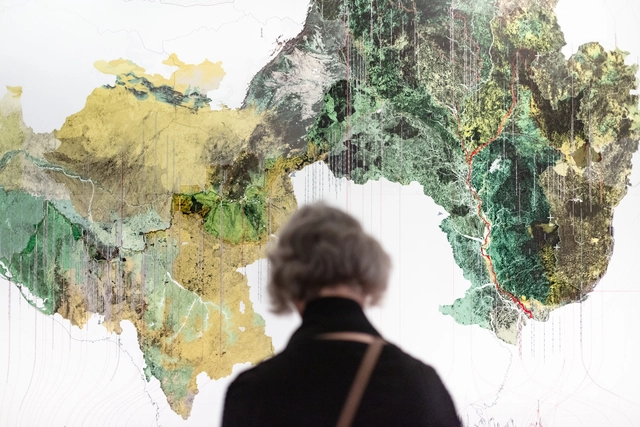
The cartographies reveal different facets of Brazil and examine the nature of the visible and invisible walls that define the country. They were produced by the exhibition’s curators Gabriel Kozlowski, Sol Camacho, Laura González Fierro and Marcelo MaiaRosa in collaboration with 200 professionals from 10 different disciplines
https://www.archdaily.com/945860/brazilian-maps-from-the-venice-biennale-2018-on-sale-to-fight-coronavirus-in-the-amazonEquipe ArchDaily Brasil
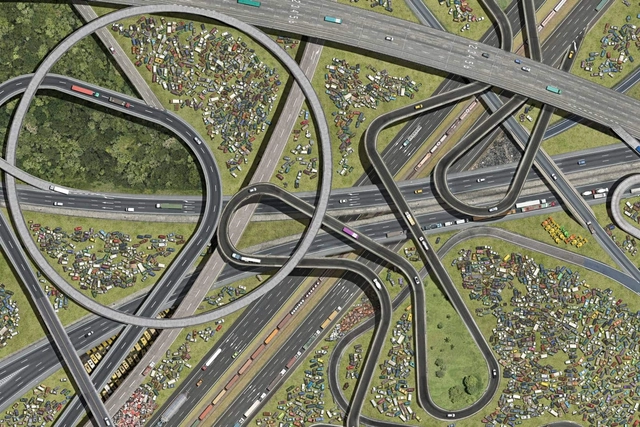
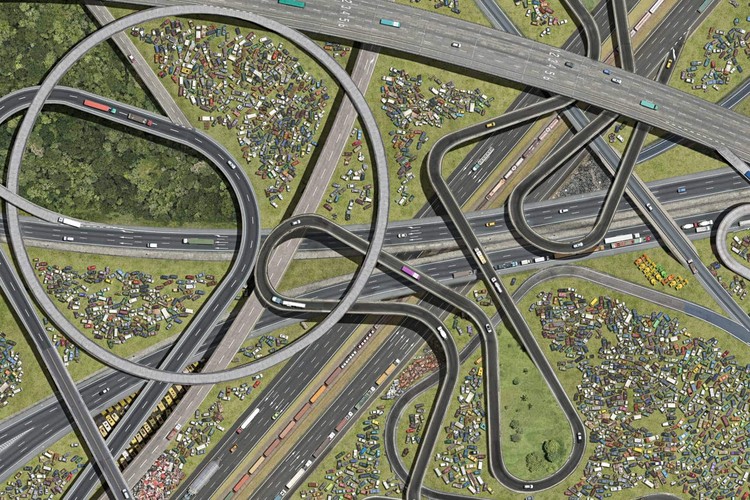
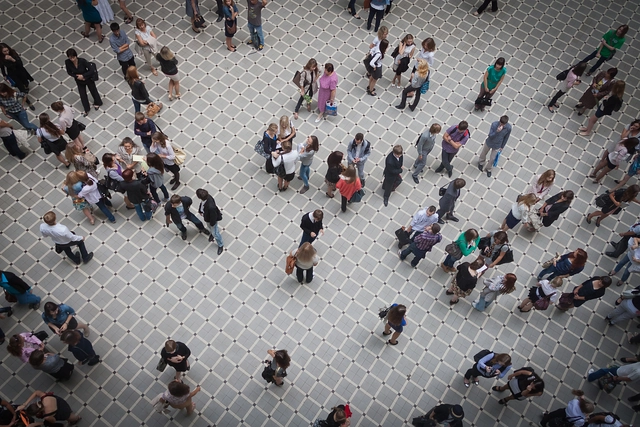
Collectives, is a series of aerial imageries by Brazilian photographer and artist Cássio Campos Vasconcellos, made from articulated photos captured during helicopter flights. On-going for almost 5 years, the project consists of large-format works portraying chaotic urban landscapes and exploring “jam-packed situations typical of our civilization”. Aiming to showcase the impact of human activity on the world, the collection of images is a visual investigation of our consumer society.
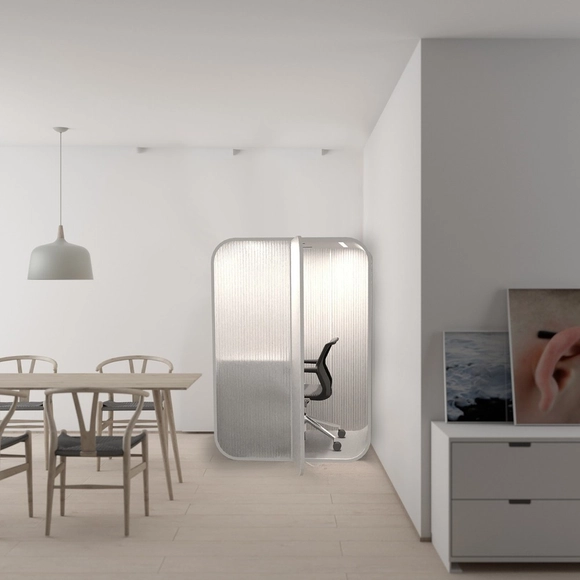
Brazilian architecture firm Atelier Marko Brajovic in partnership with the agency ℓiⱴε (Live) and Oca Brasil has just launched their new project, HOM, a kind of portable capsule that provides suitable workspace inside the house. The design explores a relatively new demand of the post-pandemic household, offering "a safe, controlled and equipped workspace," which integrates organically with the home environment.
https://www.archdaily.com/946633/atelier-marko-brajovic-creates-home-office-capsule-that-fits-in-any-houseEquipe ArchDaily Brasil
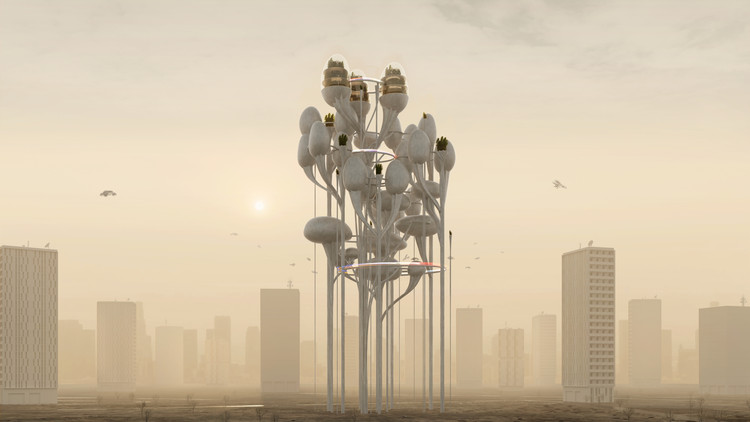
Force Majeure - Futura. Image Courtesy of Jeanne Schultz Design Studio
Putting together competition entries from all around the world, this week’s curated feature for Best Unbuilt Architecture showcases inspiring approaches and concepts. Submitted by our readers, the selection highlights uncommon proposals, part of international contests. While some are winning projects, others received honorable mentions.
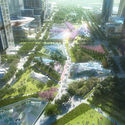
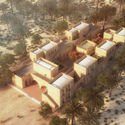
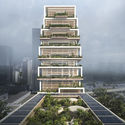
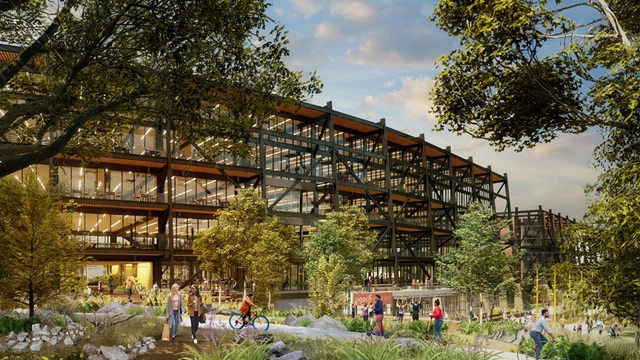
Serie imagines stacked timber pavilion-like offices, Schlaich Bergermann Partner, LAVA, and Latz + Partner design new pedestrian and cycle bridge over the Neckar River in Heidelberg, Germany and Aidia Studio create an Oculus in the Emirati desert. Other competition entries include a landscaped avenue by ZXD Architects in Hangzhou, a community school in Egypt by Hand Over, a winning pavilion for the Singapore’s Archifest 2020 by ADDP Architects and OWIU Design Studio; and a Baha’i House of Worship by SpaceMatters in India.
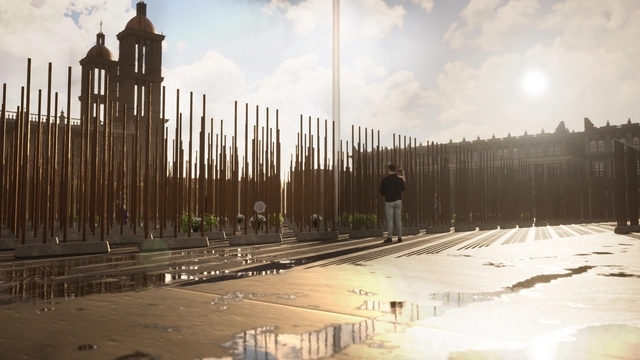
Rojkind Arquitectos has revealed a "mourning claim" memorial proposal for coronavirus victims. The design project led by Michel Rojkind, Arturo Ortíz Struck, and Diego Díaz Lezama has initially envisioned the memorial both in New York City's Times Square and Mexico City's Zocalo.
"We are claiming the act of mourning. We can at least take care of that, of building symbols where we can place the testimony of our life and the lives of others," stated the authors.
https://www.archdaily.com/946451/rojkind-arquitectos-proposes-a-mourning-claim-memorial-for-coronavirus-victimsArchDaily Team
A 500,000-square-foot office complex in Atlanta by RIOS. Image Courtesy of RIOS
For years now, designers have been emphasizing natural lighting, ventilation, and connectivity to nature as ways to improve employee health and wellness. Now that the coronavirus is much more likely to be transmitted indoors—the risk is nearly 20 times greater, according to one study—a strong case could be made for moving some office work completely outside. “The benefits of light and fresh air are pretty self-evident, and the pandemic only reinforces that,” says Christopher McCartin, managing director of design and construction at real estate developer Tishman Speyer, which has been including “significant outdoor space” in all of its office developments nationwide.
https://www.archdaily.com/946114/post-covid-more-office-designs-include-permanent-outdoor-workspacesLydia Lee
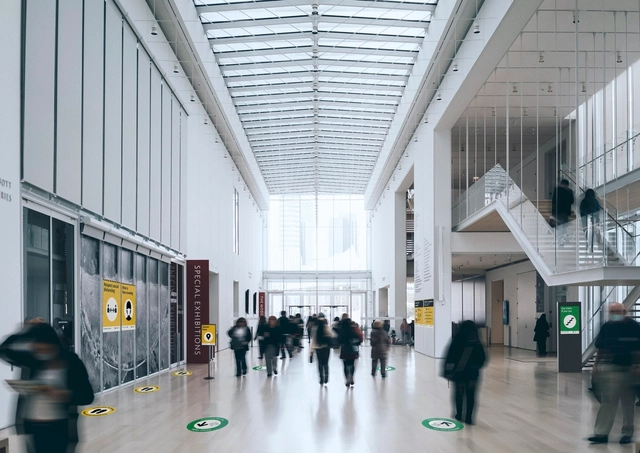
International wayfinding company Applied has published a COVID-19 Design Toolkit for social distancing and wayfinding. The kit includes a set of guidelines, icons and templates on how to design systems for high-traffic spaces and encourage safer public behaviors in response to the pandemic.
Architecture firm Gómez Platero has designed a new memorial to honor those affected by COVID-19. Sited in Uruguay, the monument is made to be an expression of hope in an uncertain time. As the first large-scale monument to the worldwide victims of the COVID-19 pandemic, the project is called the "World Memorial to the Pandemic." It aims to be a space for mourning and reflection that's environmentally conscious and emotionally impactful.
The following text was drafted in response to the first prompt in AN’s “Post-Pandemic Potentials” series. Two previous responses, by Mario Carpo and Phil Bernstein, reflected on the mostly seamless transition of architectural education from physical to virtual settings. Read more about the series here.
Michel Foucault’s famous account of the plague described the partitioning of the medieval city, the confinement of its citizens, and the accounting for and distribution of resources. Those foundational actions, according to his thesis, led to the disciplining of people and institutional bodies in space and time. Similarly, the field of medicine, consolidated by the Flexner Report of 1910 (and followed soon after by the founding of the Association of Collegiate Schools of Architecture, or ACSA, in 1912), was further formalized in the aftermath of the 1918 influenza outbreak that exposed the need for greater surveillance and diagnostics required in epidemiology.
The Choice School - Calicut, India. Image Courtesy of CetraRuddy
Architects are mobilizing their efforts, to help schools around the world reconsider their design in order to guarantee sustainability, emotional wellness, and physical health. CetraRuddy, Cooper Robertson, and WXY are amongst those proposing an increase in outdoor programming and a rearrangement of classrooms, for post-pandemic school design.
The architectural scene has been witnessing lately a growing focus on indoor/outdoor functions. Discover 3 different interventions from 3 different practices, tackling one common issue, and focusing on outdoor space as a major programming element.
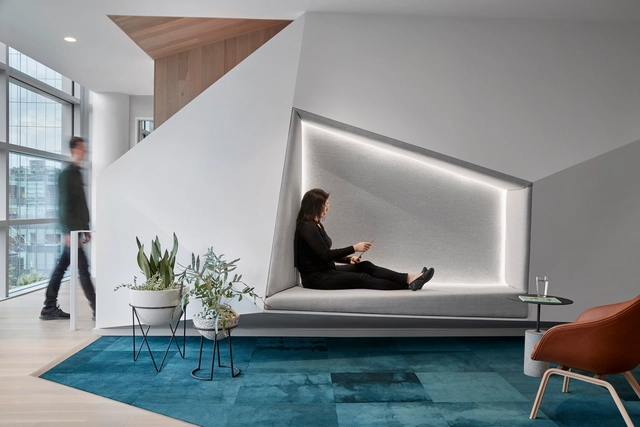
The COVID-19 pandemic has reshaped how we work together. From telecommuting to virtual programming, architects and designers are rethinking traditional office structures to reimagine collaboration around the world. For architect Evelyn Lee, her work as the first Senior Experience Designer at Slack Technologies centers on building better workplace experiences. In a year defined by remote work, she's exploring what culture and community mean today.















.jpg?1598034412 "© Rojkind Arquitectos")
.jpg?1598034341 "© Rojkind Arquitectos")
.jpg?1598034569 "© Rojkind Arquitectos")







.jpg?1597648211&format=webp&width=640&height=580)


.jpg?1597648186 "The Choice School - Calicut, India. Image Courtesy of CetraRuddy")
.jpg?1597648211)