

-
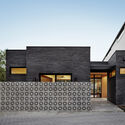
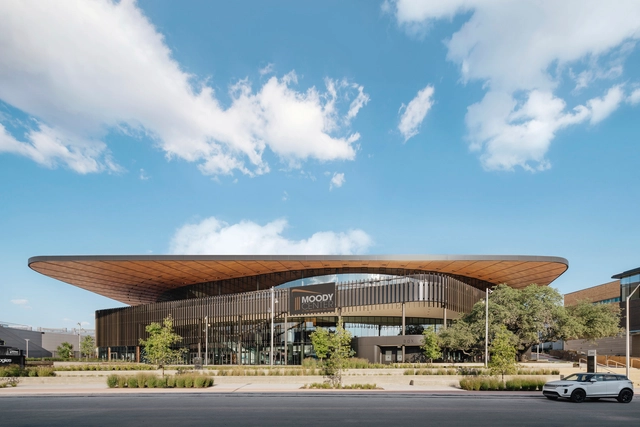
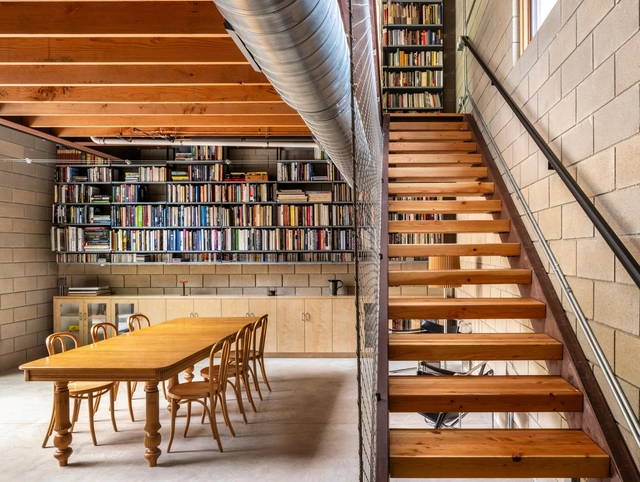
Architects: Murray Legge Architecture
- Area: 1653 ft²
- Year: 2023
-
Manufacturers: Jakob, Neusteel, Weather Shield
-
Professionals: Fort Structures


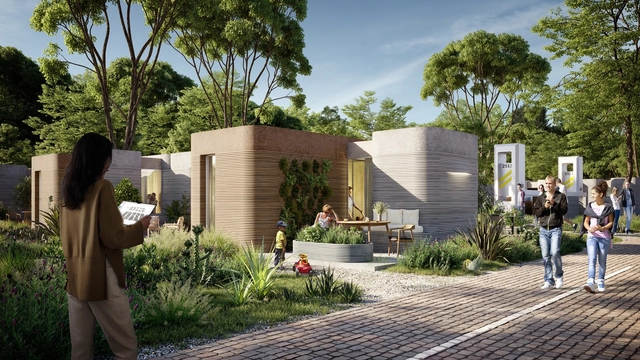
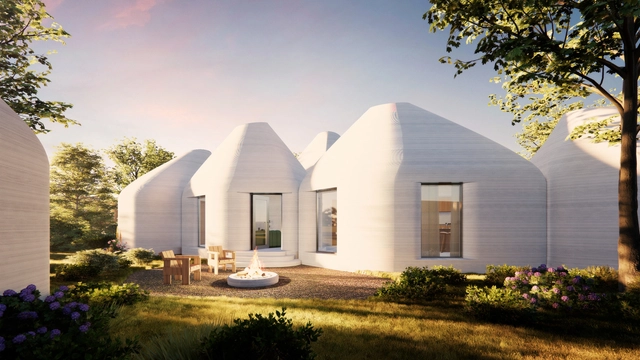
German-based architecture and design studio Beta Realities has developed the “Collective Parts” initiative, a design and technology platform for enabling the construction of affordable 3D printed housing. The project has been recognized as one of the winners of Inititative99 by ICON, a global architecture competition aimed at reimagining affordable housing that can be built for under $99,000. The other winners of the open category are MTspace Studio from New Zealand and For Everyday Life from the United Kingdom. The competition also highlights contributions from students as a separate category, featuring Casa Fami by IAAC from Spain, Juan Felipe Molano from Colombia, and Victoria Roznowski from Germany.
Pioneering advanced construction and large-scale 3D Printing, ICON was selected as ArchDaily’s Best New Practices of 2021 due to its boundary-breaking technology that is advancing capability in the built environment. The Texas-based startup has just unveiled various toolkits and products to modernize construction processes further. Dubbed “Domus Ex Machina,” the event showcased a range of innovations, such as an AI Architect created for home design and construction, a digital library containing over 60 pre-designed home plans, a new eco-friendly building material, and a robotic printed facilitating multi-story construction. Together, these developments aim to offer a quicker, more environmentally friendly way to build high-quality, affordable housing globally.
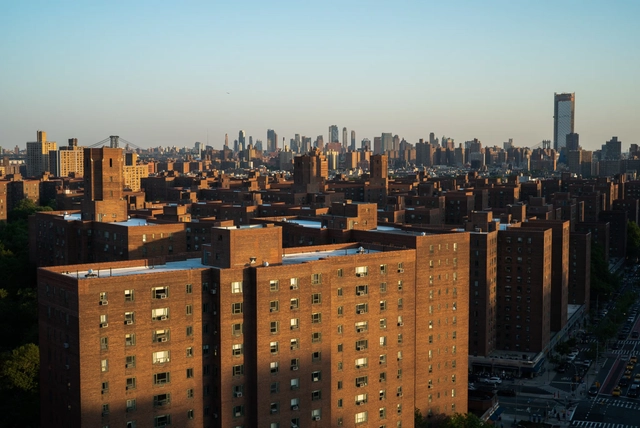
In the ever-evolving landscape of urban development, cities are faced with an array of challenges that demand quick and innovative solutions, ranging from the critical issue of affordable housing to the pressing need for efficient and decongested infrastructure and sustainable energy practices. As the demands of the built environment expand, local authorities worldwide are redefining policies and regulations to shape their cities. These innovative regulations can drive sustainable and consistent progress as cities stand at the intersection between their present challenges and future aspirations.



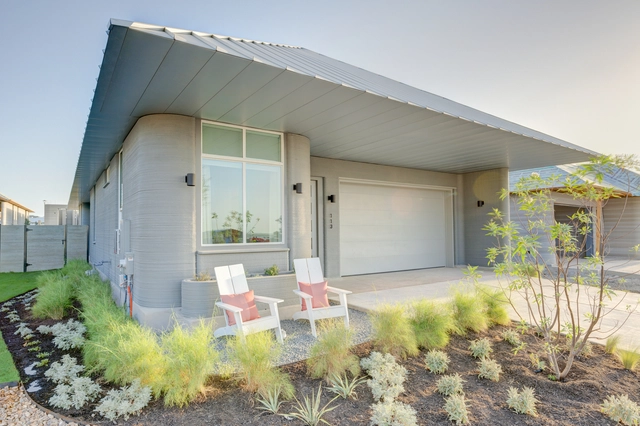
The first 3D-printed model home built by ICON and Lennar and co-designed by BIG-Bjarke Ingels Group is now open for visits at the 100-home community of Wolf Ranch in the city of Georgetown, near Austin, Texas. The house is part of the largest-scale development of 3D-printed homes in the world, currently under construction. Several of the homes have already been sold. With more than 80 of the home sites actively under construction and nearing completion, the first homeowners are scheduled to move in this September.

This article was originally published on Common Edge.
As its full title somewhat implies, Nicholas Dagen Bloom’s new book, The Great American Transit Disaster: A Century of Austerity, Auto-Centric Planning, and White Flight (University of Chicago Press), tells the whole grisly story of how, in less than a century, the U.S. changed from a rail-connected nation of cities and towns to a sprawling network of increasingly congested roads. A historian and a professor of urban policy and planning at Hunter College, Bloom rejects the sort of conspiracy-driven narratives around transit’s demise and comes to an uneasy conclusion: America essentially chose the car for a variety of reasons, only one of which was automobile company collusion. I talked with Bloom about why transit in the U.S. collapsed, why it turned out differently in European cities, and the hopes for a transit renaissance.






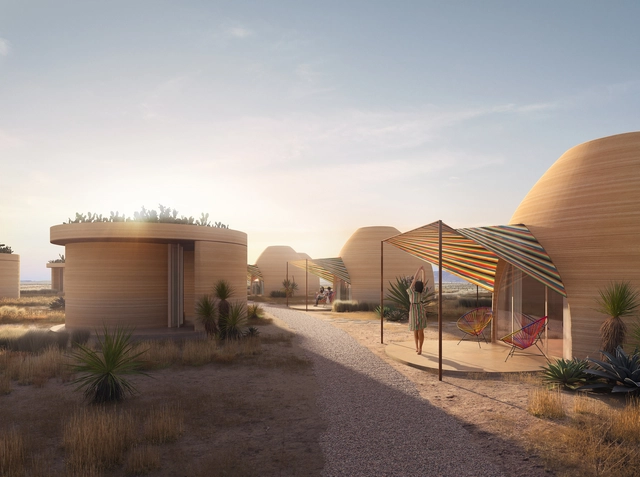
Hospitality expert Liz Lambert has announced a collaboration with ICON, the office that pioneered large-scale 3D printing, and BIG – Bjarke Ingels Group, to rebuild El Cosmico, a campground hotel in Marfa, Texas. The team plans to relocate the venue to a 62 acres plot, where new architectural approaches are made possible by including advanced technologies and 3D-printing elements such as domes, vaults, and parabolic forms. The innovative development will feature guest accommodation and new hospitality programming, including a pool, spa, and shared communal facilities. The project is expected to break ground in 2024.

The Austin Transit Partnership has selected UNStudio, HKS, and Gehl to lead the architecture and urban design of Project Connect, a major expansion of the public transportation system in Austin, Texas, in the United States. The project is set to become a transformative investment, including and integrating the light rail system, expanded bus routes, and connectivity with more services across the city. The initiative is also voter-approved. In November 2020, Austin citizens approved Project Connect, leading to the creation of the independent entity Austin Transit Partnership charged with implementing the project. The citizens of Austin are invited to continue to get involved and provide feedback.





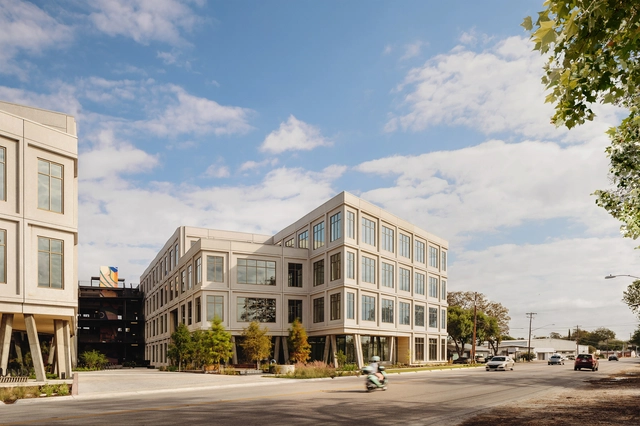
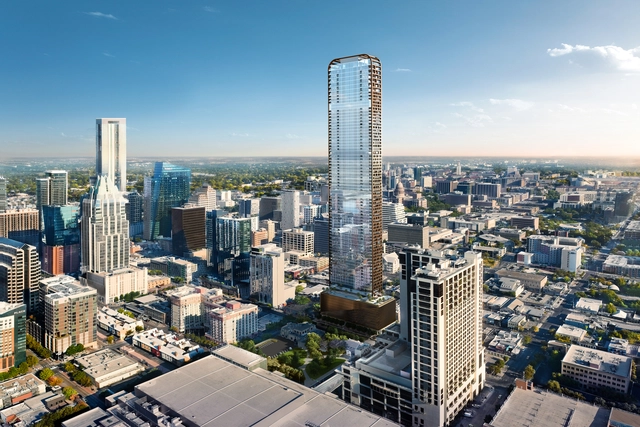
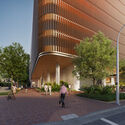
Austin-based office HKS announced the design of the Wilson Tower, a high-rise of 315 meters in Texas' capital featuring 80 floors, 450 units, outdoor terraces, and gardens. The tower will be delivered in collaboration with Britt Design Group and Wilson Capital, and is expected to break ground in the summer of 2023. After completion will become the tallest residential tower in the USA outside of New York.