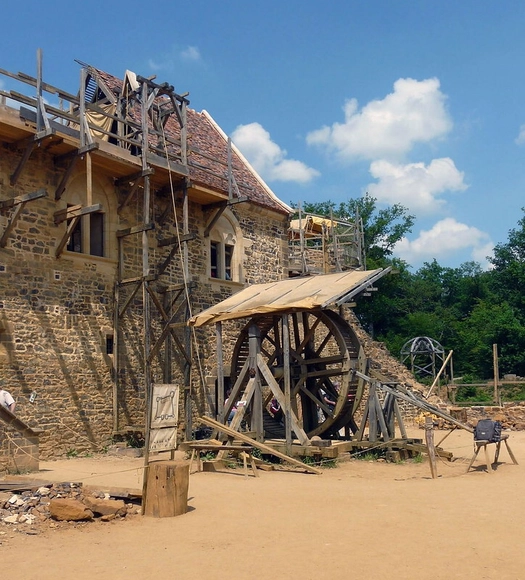
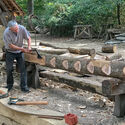
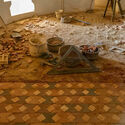
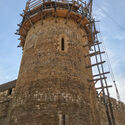
The building site is perhaps one of the most meaningful spaces for architects, as it is where the project comes to life, where techniques are actually applied, putting the project and the designer to the test. Many building sites are affected by work alienation, but they were once a place where craftsmen could learn and pass on knowledge. Today, with the evolution of construction techniques, centuries-old methods are in danger of being forgotten. This brings us to Guédelon Castle, located near the French village of Treigny.
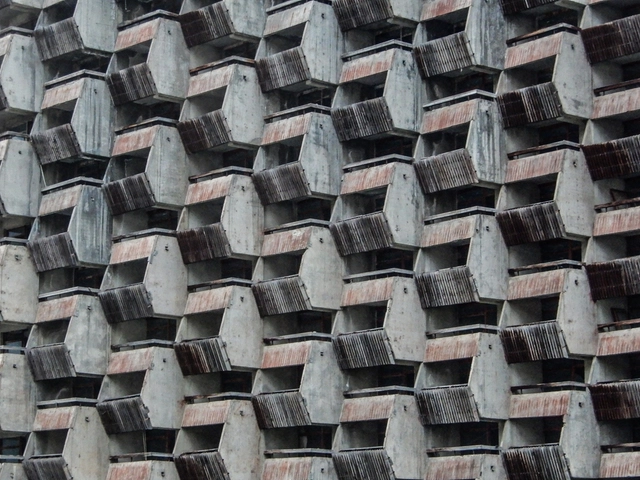
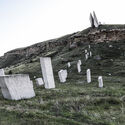
The little-known and remote area of North Caucasus is an intricate assemblage of territories, ethnicities, languages, religions, and, consequently, architectures, from Tsarist-era buildings to mosques, traditional bas-reliefs, and Soviet Modernism. The setting of controversial events and a heterogeneous cultural environment, in many ways, North Caucasus is a borderland between Europe and Asia, the former USSR and the Middle East, Christianity and Islam. Photographs by Gianluca Pardelli, Thomas Paul Mayer and Nikolai Vassiliev provide an introduction to the architectural landscape of the region.
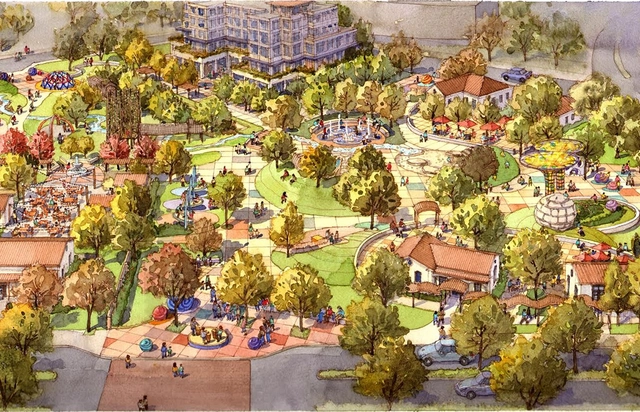
The discussion around how we plan the cities we want to live in is a never-ending conversation. As our world experiences shifts that impact urban designs in both predictable and unpredictable ways, some principals have held true- that cities that rely less on private transportation, create walkable neighborhoods, boast a multitude of public parks and spaces, and are designed at a more human scale tend to be favored and well-recieved by the people who inhabit them. Enter the concept of New Urbanism. Backed by these ideologies with a modern spin on is how they might apply to our 21st-century lifestyles, New Urbanism a planning strategy that has been both praised and critiqued since its implementation.
Sou Fujimoto Architects have revealed the winning design of the New City Center Landmark, a monumental floating tower on the bay of the Qianhaiwan district in Shenzhen. The proposed tower is 268m high, and consists of 99 individual tower-like elements connected a strong horizontal plane in the upper part, gradually vanishing as they descend. It is both one tower and a collection of towers all at once, symbolizing the future of societies in an age of diversity.
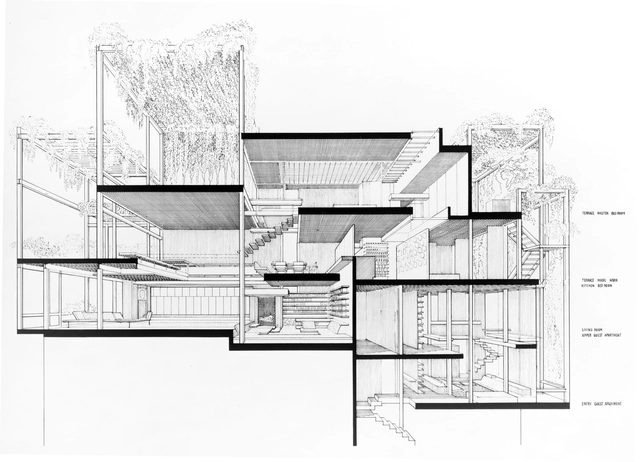
Paul Rudolph, Rudolph Apartment at 23 Beekman Place, New York (1977-1997). Perspective Section, 1997. Digitized drawing | 4732 x 3416 px. The Paul Rudolph Archive, Library of Congress, Print and Photograph Division, LC-USZ62-123771. The cut shows the complexity of the space that Timothy Rohan describes as exemplary of Rudolph's approach to the private domain.
A growing number of theorists and practitioners have been discussing the impact of gender and race on the profession and theory of architecture. Issues linked to the relationship between the built environment, sexual orientation, and gender identity, however, remain particularly understudied, perhaps because of their relative invisibility and less clearly identifiable discriminatory consequences. Moreover, they are also completely neglected by design theory in the Francophone world. This article partially remedies the situation.
Martin C. Pedersen talks with Ron Rochon, managing partner at Miller Hull, about Carbon and the role of architectural firms in eliminating emissions. Discussing the EMissions Zero initiative, the current shortcomings of carbon offsets, and the way forward, the piece also questions the possibility of setting goals with the absence of an internationally, agreed-upon carbon cap.
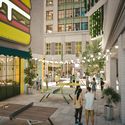
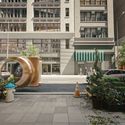
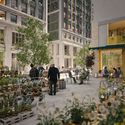
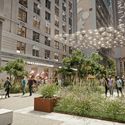
ODA has just launched its latest project, an urban vision for the future of the streets of New York. The project titled Beyond the street- Reimagining the flower district proposes to transform a city block from the outside in, altering the pedestrian experience and introducing new zoning changes that would give landowners air rights or tax credits in exchange for handing over their inner courtyards to be transformed into public/private spaces.
ArchDaily had the chance to talk with Eran Chen, founding principal and executive director of ODA, about the firm’s very special proposal that seeks to improve our urban environment. Check the interview and watch ODA’s explanatory movie.
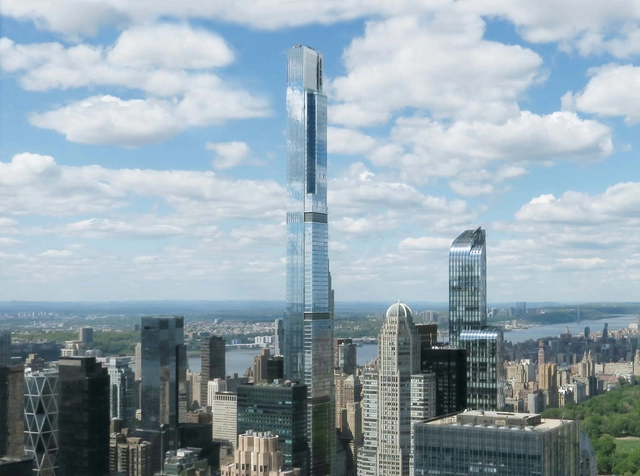
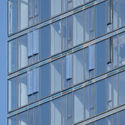
Paul Clemence has released a new series of images, showcasing the on-going construction works on Manhattan's Central Park Tower. The project is designed by Adrian Smith + Gordon Gill architecture and is set to be the tallest residential building in the world once completed. The building, as seen in the photographs, has neared completion and is set to open later this year.
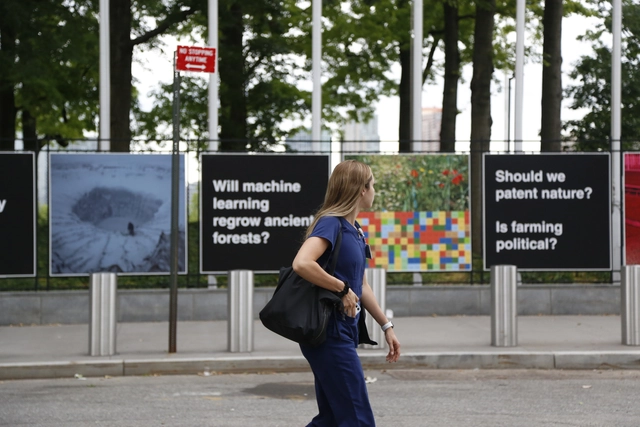
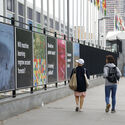
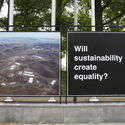
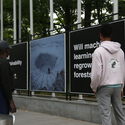
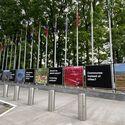
OMA's research and publication branch AMO has taken over the fences of the United Nations Headquarters in New York for a public exhibition showcasing a follow-up of the 2020 Countryside, The Future project. Curated by Rem Koolhaas and Samir Bantal, director of AMO, Countryside at the United Nations, invites reflection and public discussion on the topics of agricultural innovation, ecological change and food production in anticipation of the UN Food Systems Summit taking place in September 2021.
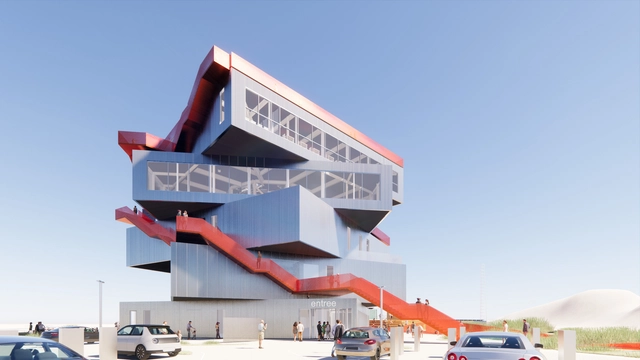
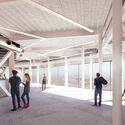
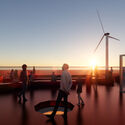
MVRDV has revealed the design of an exhibition and visitor centre for the Port of Rotterdam, which would tell the story of Europe’s largest port. Scheduled to open in 2024, The Harbour Experience Centre features a stack of five rotated exhibition spaces framing views of the surroundings, and outdoor staircases wrapped around the structure provide visitors with a route up the various terraces and to the rooftop. The project is the successor of FutureLand, a temporary information centre from 2009, whose success prompted the creation of a permanent exhibition.
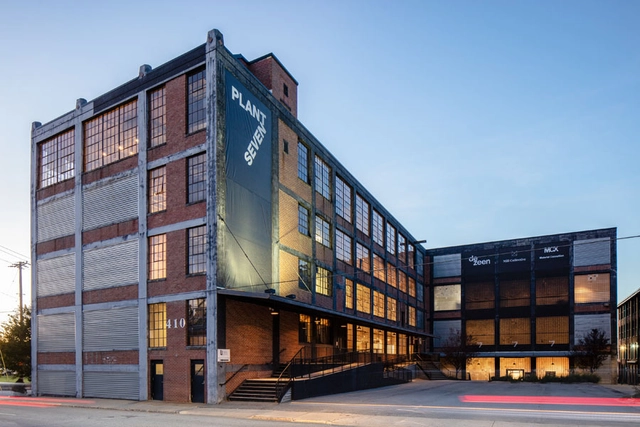
Plant 7 at Congdon Yards, an adaptive reuse project in High Point, North Carolina. Image Courtesy of Keith Isaas
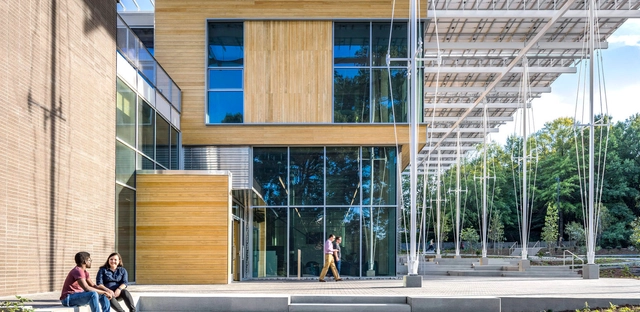
Adaptive reuse or the process of transforming an older building by reusing the structure and changing its original purpose, has gained relevance over the years especially because it allows a complete optimization of the performance of the existing built environment. In a piece, originally published on Metropolis, author Elissaveta Brandon explores how "architects and developers are transforming the staples of the South—located throughout a 120-mile region from Winston-Salem to Fayetteville—into infrastructure fit for today". Transforming historic mills into design hubs, and mixed-use complexes, the article highlights 3 examples from North Carolina.
https://www.archdaily.com/963472/three-adaptive-reuse-projects-in-north-carolina-reinvent-historic-millsElissaveta M. Brandon
Studio Gang and The Community Builders have won the City of Chicago’s C40 Reinventing Cities, a competition that seeks to “transform underutilized sites or buildings into beacons of sustainability and resilience and act as a showcase for future zero-carbon urban developments”. The winning proposal will create 207 residences for the downtown workforce earning as little as minimum wage, revitalize Pritzker Park, and add community spaces and amenities to the Chicago Loop.
MVRDV has revealed the design of "De Oosterlingen", a series of seven sustainable residential buildings on Amsterdam’s Oostenburg Island. The proposed buildings are distributed in a 'barcode' composition, forming an apparent unified design but with an animated skyline and unique characteristics such as varying roof shapes and façades of wood, glass, recycled brick, and bio-based composite.
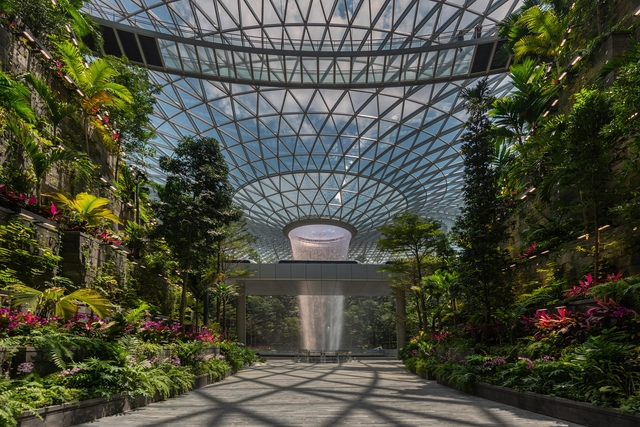
Humans possess an innate tendency to seek connections with nature, regardless of the physical or geographical conditions in which we find ourselves. As we become increasingly detached from the wilderness, we develop means and strategies to bring nature back into our daily lives, even if only for a few moments.
There are many ways of domesticating nature, as seen throughout the history of mankind, through fascinating structures that challenge technical limitations, such as vertical indoor gardens.
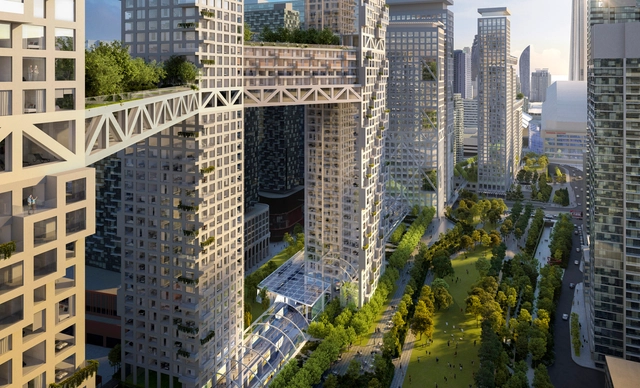
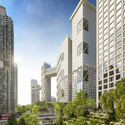
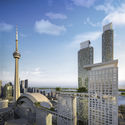
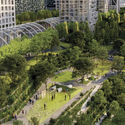
Safdie Architects have released the images of 'ORCA Toronto', a mixed-use urban development with an integrated park in the heart of downtown Toronto. The project covers 6.5 hectares (65,000 sqm) west of the CN Tower, 4.5 hectares (45,000 sqm) of which are dedicated to the publicly-accessible urban park, while 2 hectares (20,000 sqm) are for residential, commercial, retail, and transit facilities. The proposed project reconnects the downtown area to the city’s waterfront, promising to become a vital hub that animates the underutilized parts of the city.
Architecture can be many things, also queer. Alongside many other transgressing words that carry different meanings and perspectives, this term triggers new insights into society and questions how we create architecture and urban planning projects, including their programs and activities. If there is any statement about how architecture should be done, if there is any conviction about what it represents, we wish here to avoid knowing what it is and be able to question its traditions to broaden the profession, its meanings, and social representation.
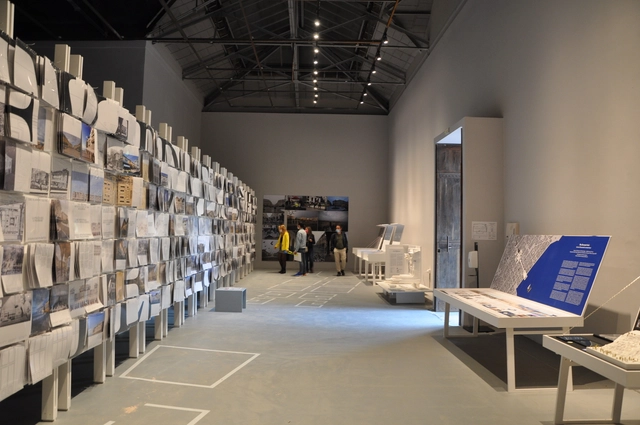
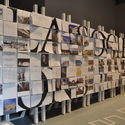
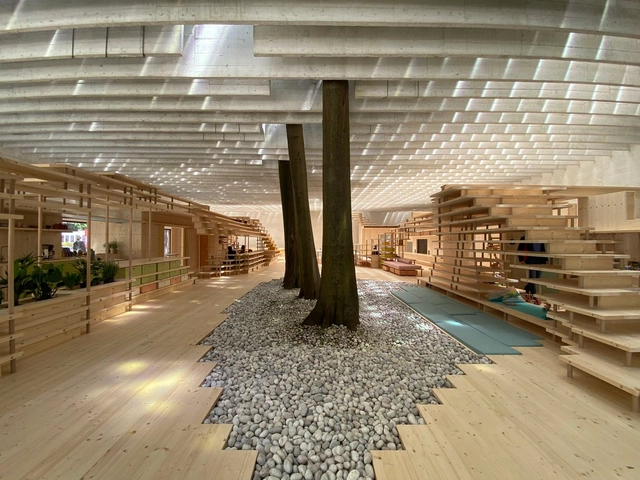
Over the past couple of weeks, we have seen how countries have responded to “How will we live together” in 115 different ways. Some studied the environment and how to sustain it, while others explored how they can create a safe space for refugees and citizens to coexist. In this roundup, we are concluding the list of national pavilions displayed at the 17th International Architecture Exhibition – La Biennale di Venezia, and highlighting how they answered curator Hashim Sarkis' question.
The 2021 edition of La Biennale di Venezia also includes 112 participants in competition from 46 countries, with 60 national participants in the Giardini, at the Arsenale, and in the historic city center of Venice, Italy. Moreover, the international exhibition welcomes three countries, being part of the most important architectural biennale of the world for the first time: Grenada, Iraq, and Uzbekistan.






SFA_C02-Sunrise.jpg?1624002065&format=webp&width=640&height=580)
SFA_C10.jpg?1624002191 "Courtesy of Sou Fujimoto Architects")
SFA_C04.jpg?1624002086 "Courtesy of Sou Fujimoto Architects")
SFA_C01-rainday.jpg?1624002018 "Courtesy of Sou Fujimoto Architects")
SFA_C01-Dusk.jpg?1624001996 "Courtesy of Sou Fujimoto Architects")
SFA_C02-Sunrise.jpg?1624002065)










AestheticaStudio_VanBurenSt.jpg?1623834247&format=webp&width=640&height=580)
AestheticaStudio_Aerial.jpg?1623834275 "© Aesthetica Studio")
AestheticaStudio_ViewFromCTA.jpg?1623830118 "© Aesthetica Studio")
AestheticaStudio_NeighborHub.jpg?1623833511 "© Aesthetica Studio")
AestheticaStudio_1.jpg?1623829482 "© Aesthetica Studio")
AestheticaStudio_VanBurenSt.jpg?1623834247)
.jpg?1623754842&format=webp&width=640&height=580)

.jpg?1623754916 "© Proloog")
.jpg?1623754848 "© Proloog")

.jpg?1623754842)