More than 5000 new projects published throughout 2021 make ArchDaily the largest online architecture library in the world. ArchDaily Curatorial Team researches, contacts offices, prepares, and delivers the built projects in the world on a daily basis, with the objective of providing inspiration, knowledge, and tools to our users who take part in the creation of better built environments.
https://www.archdaily.com/974013/best-architectural-projects-of-2021Clara Ott
Courtesy of Bjarke Ingels Group and James Corner Field Operations
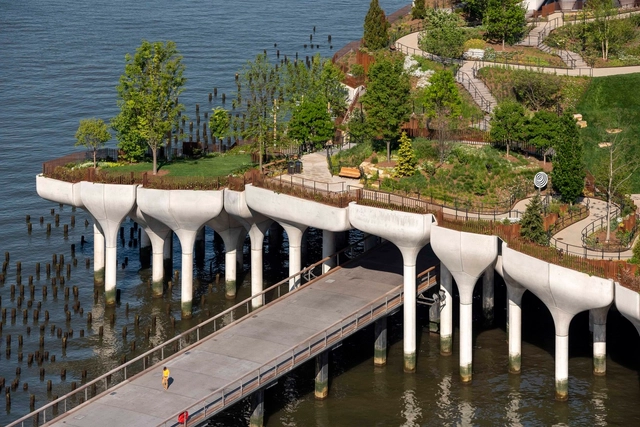
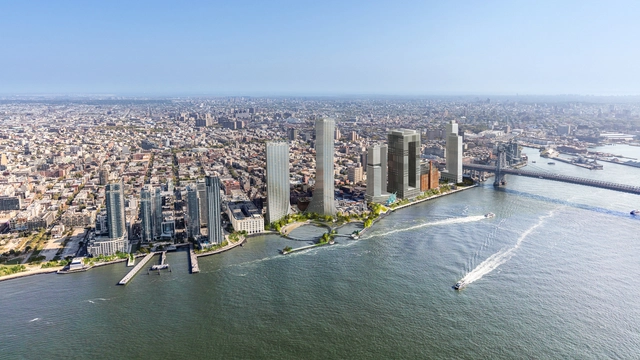
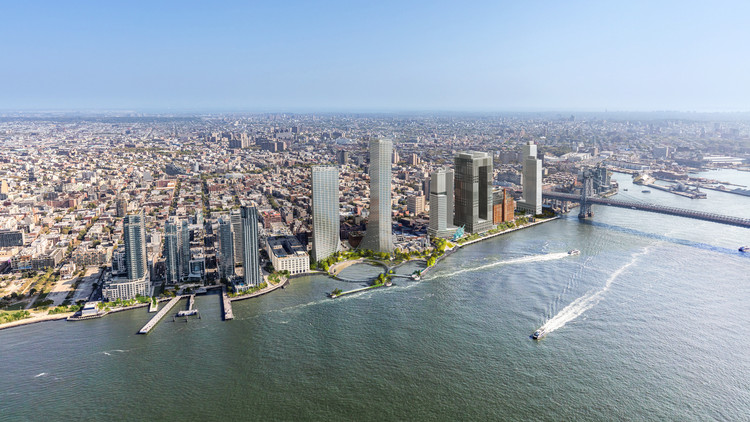
After more than two years of ongoing conversations with residents, stakeholders, and entrepreneurs, the New York City Council has finally approved the River Ring master plan of the Williamsburg waterfront project. The revised proposal, developed by Two Trees Management with designs by Bjarke Ingels Group and James Corner Field Operations, includes more than 150 additional units of affordable senior housing, an environmental benefits fund, and dedicated YMCA community space "to enhance the connectivity of the public waterfront, reinstate natural habitats, elevate the standard for urban waterfront resiliency, and transform the way New Yorkers interact with the East River".
MVRDV revealed its design for a temporary intervention that takes tourists and city dwellers on a walk across several rooftops in Rotterdam, highlighting an untapped potential for expanding the public realm. Created in collaboration with Rotterdam Rooftop Days, the project will feature an aerial bridge from the roof of The Bijenkorf department store to the top of the World Trade Centre plinth and will be available to the public from May 26 to June 24 2022, during Rotterdam Architecture Month.
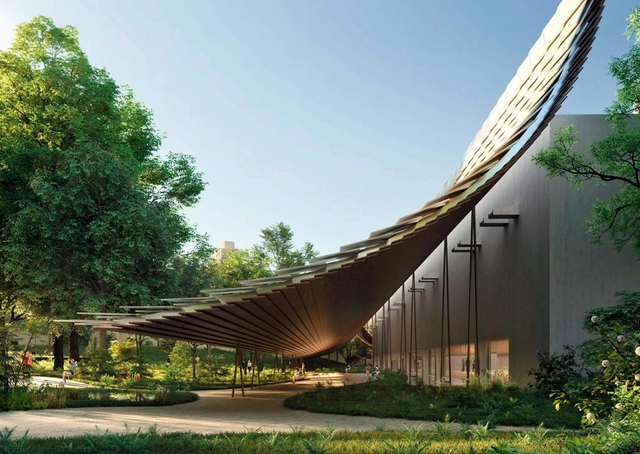
Back in 2019, Japanese architect Kengo Kumawon the contest to design the expansion of the gardens of the Gulbenkian Foundation and the new entrance of the Modern Collection of the Museum in Lisbon, Portugal. According to the architect, the museum can be a "wise example of the future as coexistence with the Earth and us", taking inspiration from nature and its relationship with architecture. In a recent No País dos Arquitectos podcast, Sara Nunes interviews Kengo Kuma and Rita Topa, architect at Kengo Kuma Associates, to talk about the expansion of the gardens and museum, along with the mission of architecture and the role of the architect, processes, and work references developed for the project.
https://www.archdaily.com/973963/kengo-kuma-and-rita-topa-on-the-refurbishment-of-the-gulbenkian-modern-art-center-and-gardens-in-portugalNo País dos Arquitectos
Puerto Vallarta ensuite bathroom / Studio Utkan Gunerkan. Image Courtesy of Studio Utkan Gunerkan
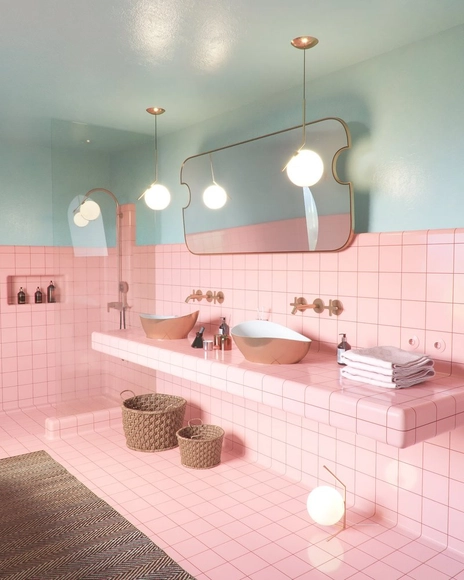
Even though white minimalism remains the norm, retro trends are making a serious comeback in modern bathroom designs, with homeowners incorporating pops of color, classic fixtures, and patterned surfaces. Despite often being static and traditional spaces in homes, bathrooms have certainly undergone significant transformations throughout the years. While those of the outspoken 1970s brought vibrant colors like avocado green and mustard yellow, the ‘80s introduced ceramic tiles in more muted, pastel shades. On the other hand, this century has set the ideal on white and marbled surfaces, slick gloss finishes, and silver fixtures. However, even as this all-white look continues to be the protagonist, bold retro enhancements are reviving and blending in with contemporary elements to create elegant, yet lively atmospheres with a strong character.
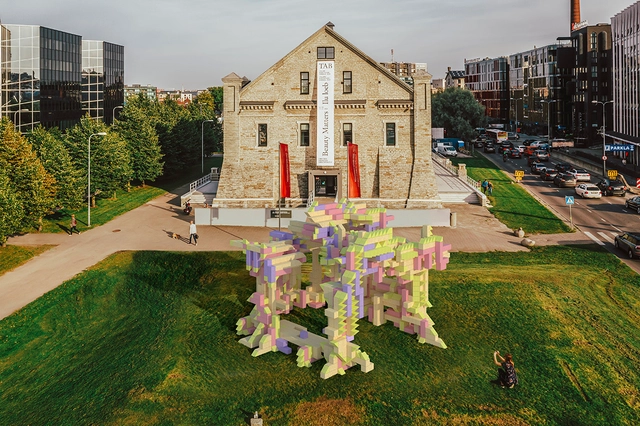
Due to unexpected circumstances, The Tallinn Architecture Biennale announced a new winning proposal for its Installation Programme Competition: Fungible Non-Fungible Pavilion by iheartblob, a new "decentralized and systematic" approach towards architectural design which allows the community to be both designers and investors, contributing to a structure that evolves over time. TAB 2022 will take place during September – October 2022, with the opening week on the 7th–11th of September.
Henning Larsen revealed its proposal for an International Conference Center in Pujiang, China, that would help define a vibrant city centre with sustainability as its hallmark. Featuring a circular structure with an urban park at its core, the project is articulated around ten design strategies to achieve carbon neutrality and meet high well-being standards. The proposal is one of the winning projects of an international competition whose shortlist includes designs by Zaha Hadid Architect, GMP Architects, MVRDV and Swooding Architects.
Architecture, to materialize as a constructed and functional building, requires the collaboration of a series of disciplines. During the design stages, these complementary areas are added to the architectural design, attaching systems that help in the construction's functionality, known as complementary projects.
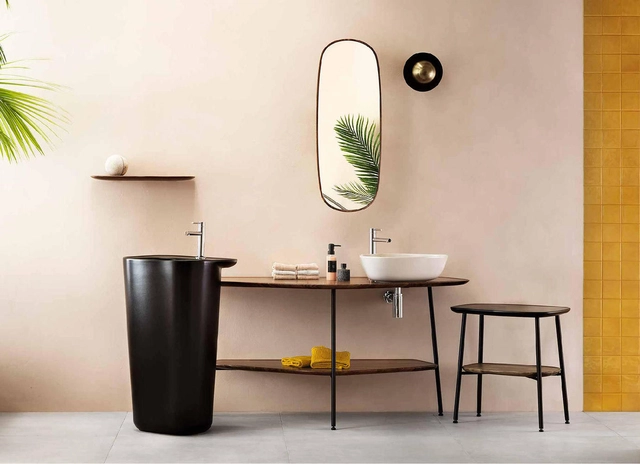
Today, bathroom and sanitaryware design is witnessing a concerted move away from the mild-mannered minimalism and washed-out pastel accents of the turn of the millennium. Bathrooms increasingly feature either bolder colors or more pronounced textures and patterns, and these are found in ceramics as well as fixtures and accessories, providing a more layered, multi-sensory experience.
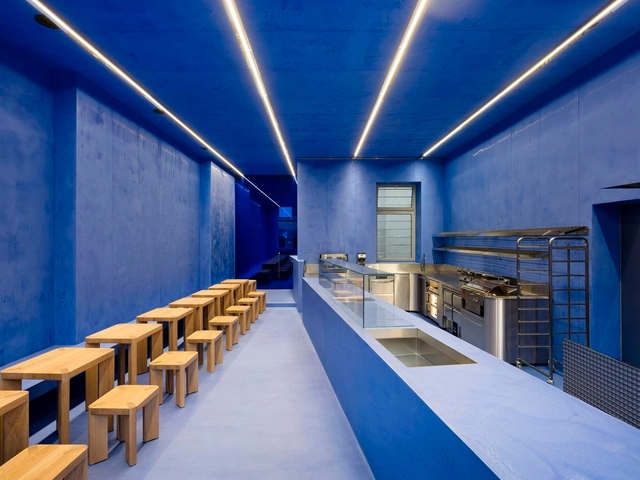
Bakeries are timeless. While industrialization and commercialization have transformed the art of baking and baked goods, bakeries remain important community spaces for gathering and defining neighborhood identity. These iconic spaces are still defined by a common programmatic understanding that combines areas to gather, socialize, shop, and work. Found across cultures, they are diverse as they are functional and expressive.
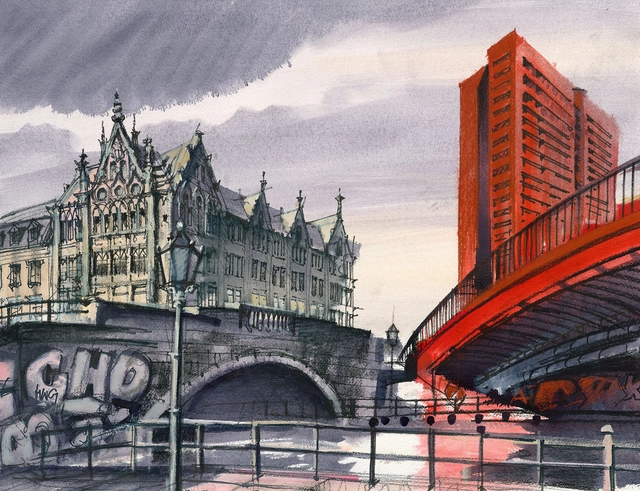
Sergei Tchoban (b. 1962, Saint Petersburg, Russia) graduated from the Repin Institute for Painting, Sculpture and Architecture at the Russian Academy of Arts in Saint Petersburg in 1986. He started his practicing career in Russia but left for Germany in 1991, becoming a managing partner of nps tchoban voss in Berlin in 1995. Since 2006, he also heads SPEECH, one of the leading architectural offices in Moscow. Apart from building his successful career of a practicing architect, he is a collector of architectural drawings, publisher, and museum owner.
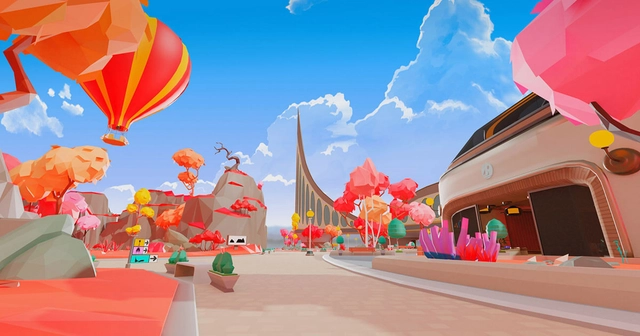
Fashion Street in Decentraland. Image Courtesy of Decentraland
Imagine if a few years ago you woke up to the news that someone paid more than one million dollars for three plots of digital land next to famed rapper Snoop Dogg’s digital mansion. You’d probably ask yourself, “What is digital real estate, and why would someone pay for that?” Over the past year, there’s been a rush to buy properties, art, and land- but all of it exists in a virtual world called the metaverse. Although this world existed long before the pandemic, lockdowns propelled the online world to a new level, catching the attention of private buyers and brokerages alike who began to funnel tier money into this augmented reality. But how did this world emerge, what does the future hold, and can anyone join the virtual world?
Seven years after the inauguration of Bosco Verticale in Milan, Stefano Boeri Architetti presented a video documentary of Trudo Tower, the first Vertical Forest in social housing. The 19-storey residential tower, which is built in Eindhoven, The Netherlands, features hundreds of various species on each of its four facades, with 125 affordable apartments that accommodate low-income residents. The miniseries consists of 3 episodes that explore how "living in contact with trees and greenery - and enjoying their advantages - is not the prerogative of rich people but could well become a possible choice for millions of citizens around the world.”
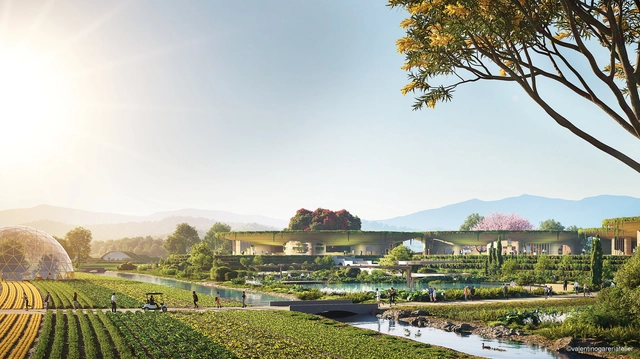
Valentino Gareri Atelier has been selected to design the pilot project for a circular economy village model that aims to redefine urban sprawl through sustainability and diverse programming. Comprising eight residential hamlets with co-working and entertainment spaces, The Spiral Village will be created using emerging 3D printing methods and will foster circularity through a waste-to-resources hub, a diverse regenerative agricultural system, a sustainable water management system and renewable energy.
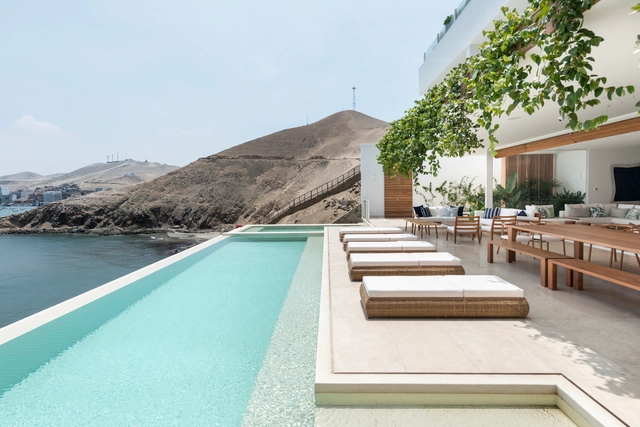
It could be said that one of the main aspects to take into account when designing a swimming pool is the choice of colour for the coating. The light, the shadows, the depth, the environment and the elements that surround it are variables that directly affect the final tonality of the water. The effects of artificial and/or natural lighting also determine the final aesthetic, because if it's located outdoors, reflecting the sky, it will create a different effect than if it's located indoors, where the ceiling would influence its colour.
New York Governor Kathy Hochul announced last week that the current and former sites of Terminals 1, 2, and 3 on the south side of John F. Kennedy International Airport in Queens will be redeveloped to make way for a $9.5 billion international terminal that will be built out in phases beginning next year. With the first of its 23 gates anticipated to go live in 2026, the 2.4-million-square-foot newTerminal One will rank as the largest at JFK and, per a news release from the Governor’s Office, “aspires to be among the top-rated airport terminals in the world.”
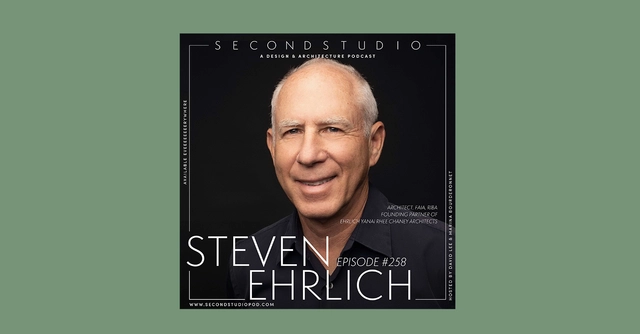
The Second Studio (formerly The Midnight Charette) is an explicit podcast about design, architecture, and the everyday. Hosted by Architects David Lee and Marina Bourderonnet, it features different creative professionals in unscripted conversations that allow for thoughtful takes and personal discussions.
A variety of subjects are covered with honesty and humor: some episodes are interviews, while others are tips for fellow designers, reviews of buildings and other projects, or casual explorations of everyday life and design. The Second Studio is also available on iTunes, Spotify, and YouTube.
This week David and Marina are joined by Steven Ehrlich, FAIA, RIBA and Founding Partner of Ehrlich Yanai Rhee Chaney Architects to discuss his working as an architect for the Peace Corps in Morocco, his architecture office in Los Angeles, Julius Shulman, his work, current challenges in the profession, and more.
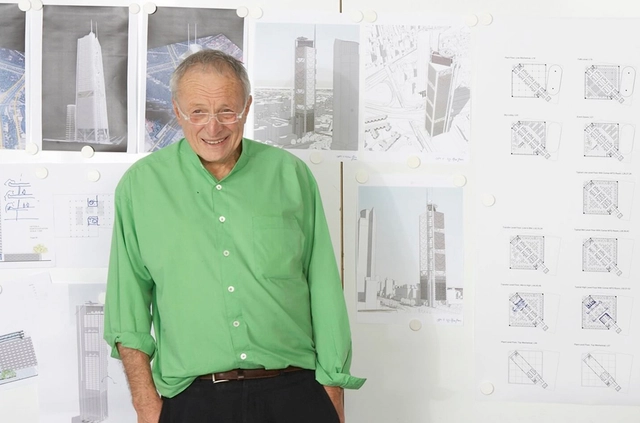
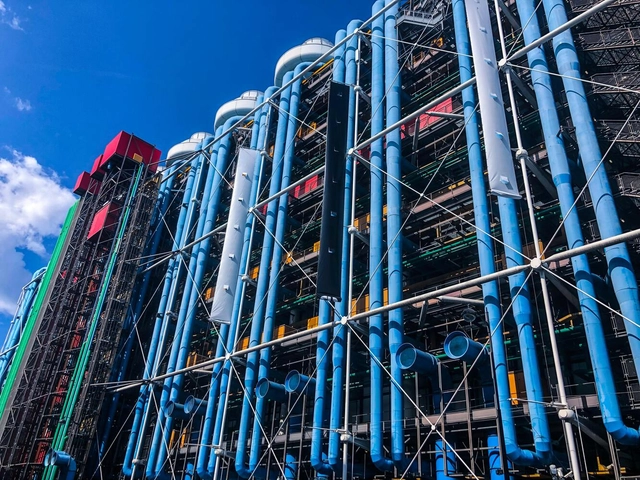
Richard Rogers, the fourth British architect to be awarded the Pritzker Prize, has passed away at 88 on Saturday, December 18, as reported by The New York Times.








.jpg?1640166431 "Stairs of Kriterion, temporary rooftop intervention. Image © Laurian Ghinitoiu")









.jpg?1639992530 "© Paolo Rosselli")
.jpg?1639992517 "© Paolo Rosselli")
.jpg?1639992418 "© Paolo Rosselli")