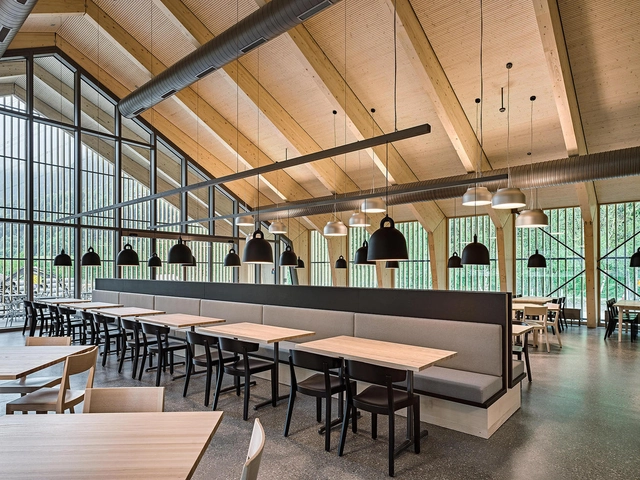
Steeped in history, culture, and tradition, Switzerland is a country with a lot of pride. The famous Swiss exports of watches, financial services, chocolate, and cheese are all synonymous with ‘quality’, but perhaps Switzerland’s greatest export of all is its landscape.
Communal living is nothing new. Throughout history, housing has long been tied to both shared needs and a concentration of resources. Today, between population growth and an increase in urban density and real estate prices, architects and urban planners have been pursuing alternatives for shared living. These new models explore a range of spatial and formal configurations with a shared vision for the future.
Five emerging architecture studio profiles from Slovenia, France, Spain, Italy, and the United Kingdom have been chosen by New Generations, a European platform that analyses the most innovative emerging practices at the European level, providing a new space for the exchange of knowledge and confrontation, theory, and production. Since 2013, New Generations has involved more than 300 practices in a diverse program of cultural activities, such as festivals, exhibitions, open calls, video-interviews, workshops, and experimental formats.
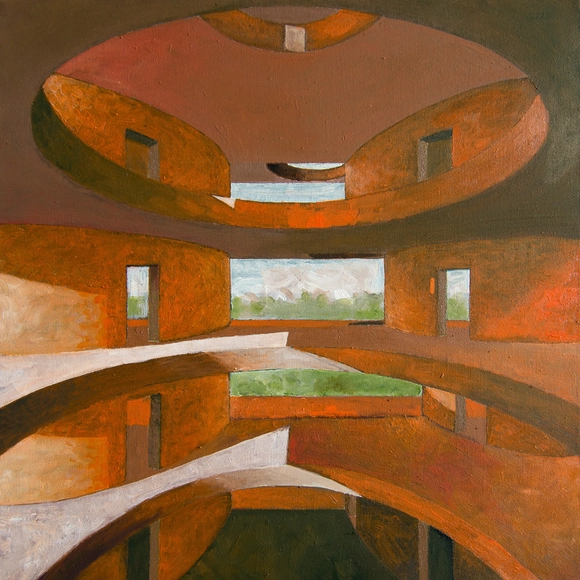
ArchDaily continues a seven-year-long tradition of celebrating the best architecture drawings of the year. From painting to collages to blueprints, the 2021 edition highlights a carefully-curated collection of architectural drawings and visualizations with a wide variety of techniques and representations.
https://www.archdaily.com/973582/the-best-architectural-drawings-of-2021ArchDaily Team
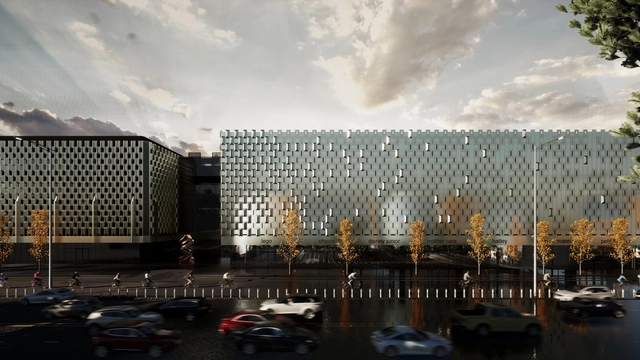
Following news of Edelburg Development's plans to completely remodel the modernist facade of Dytiachyi Svit (Kids’ World), one of Kyiv's most notable modernist buildings from the Soviet era, and replace it with an "unrecognizable" vibrant and contemporary design, members of the community and activists protested against the intervention, forcing all parties to agree on a design competition to restore the historical facade. Dmytro Aranchii Architects was selected as the winner of the competition, with a proposal that "traces the transition from the original building to the new one" in a minimalistic and recognizable stylization, preserving the original facade and complimenting it with a contemporary intervention.
Czech practices UNIT Architekti, A69 - Architekti, and British firm Marko & Placemakersproposetransforming the largest brownfield site neighbouring Prague's historic city centre into a dynamic urban hub. The masterplan, selected within a 2-stage international competition comprising 57 entries, envisions "a multifunctional urban framework" that mediates the infrastructural complexity of the site, establishing a new identity for the area.
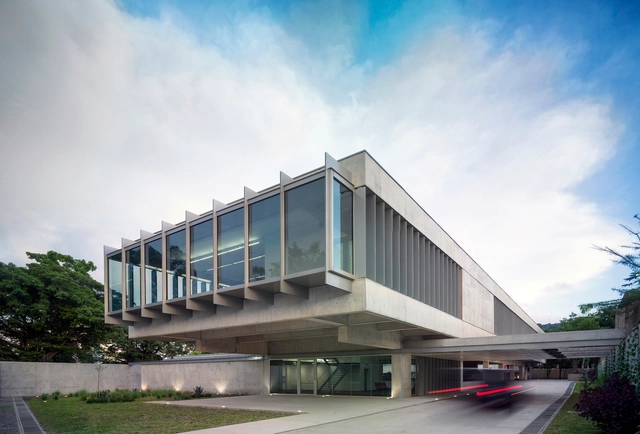
Born in the corridors of FAU-USP, FGMF Arquitetos began as a wish of Lourenço Gimenes, Rodrigo Marcondes Ferraz and Fernando Forte, three young friends. It became a reality in 1999, when they formalized the office and began the award-winning career they have established.
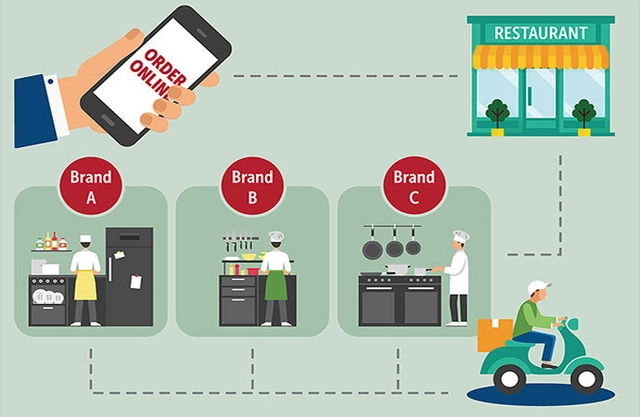
Diagram of how the Cloud Kitchen process works. Image via Kilowa Designs
On a cold winter day, if you’re craving a fresh hot pizza, a stack of warm pancakes, or a juicy cheeseburger, it’s easy to turn to an app on your phone to quickly place an order and have it delivered right to your door. But if you’ve ever wondered how restaurants keep up with the demands of diners, those who take food-to-go, and those who order through delivery apps, especially over the last two years of the COVID-19 pandemic, the solution might lie in the rapidly expanding new trend of Ghost Kitchens.
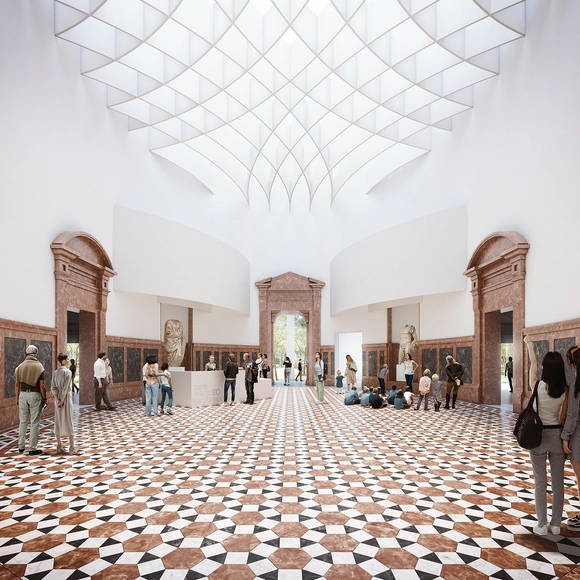
The remodeling project of the Archeological Museum of Seville, Spain, won in a national competition in 2009 by architectural firm Vázquez Consuegra, was finally presented to the authorities on Monday 29th November 2021. The start of the construction is scheduled for 2022 and has a budget of 20 million euros.
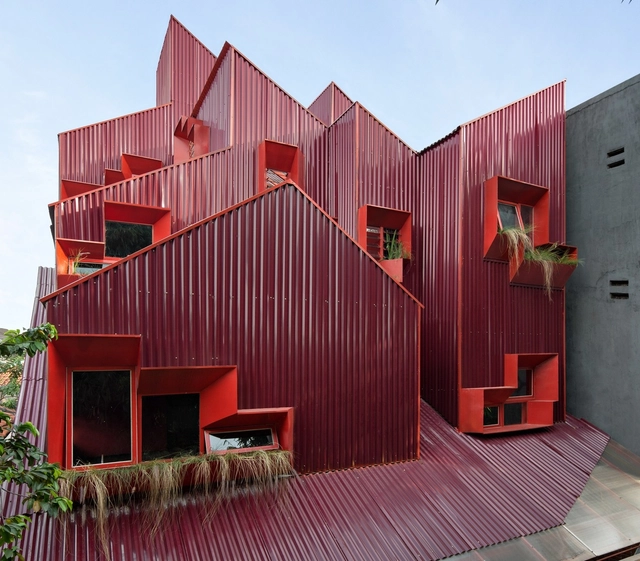
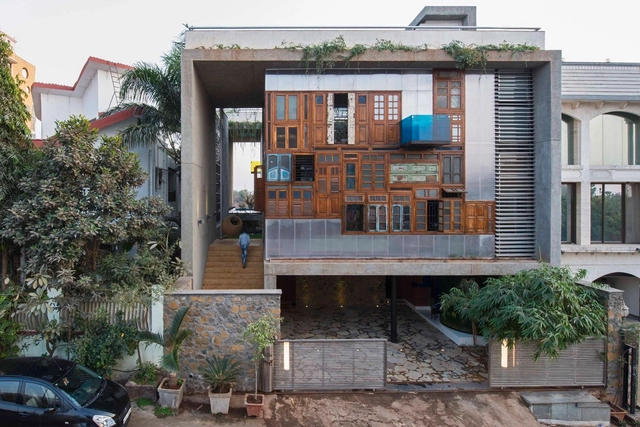
Casa Collage / S+PS Architects. Image Cortesia de S+PS Architects
Reform and adaptation of spaces represent a significant parcel of projects ordered to architecture firms, and reuse of preexisting structures is not newness. Functions and needs change over time, therefore adaptations are required to meet new demands. However, no matter how much the maintenance of a building is, in most cases, preferred in economic and ecological sense to its demolition and a new construction from the beginning, the logic of the reuse of a space does not usually extend to its parts that become, thus, rubble.
The climate crisis has been one of the focal points of 2021, both within political discourse and the architectural field, accompanied by a newfound acknowledgement of the issue's severity. Over the past year, the IPCC report revealed the severe consequences of inaction, while COP26 and G7 summit resulted in an insufficient commitment to immediate and palpable measures. The AEC sector, responsible for a staggering 39% of global greenhouse gases, can bring a significant contribution to curbing climate change and the following looks at the decarbonization efforts of 2021 that target this industry.
Snøhetta+Hassell were announced as the winners of an international competition to transform Sydney's Harbourside in Darling Harbour into a new mixed-use destination. The design was selected by the jury for how it envisioned a place that brings people together, featuring an all-inclusive shopping, hospitality, and entertainment center, an exclusive 42-storey residential tower, as well as a redesign of the public spaces on the waterfront.
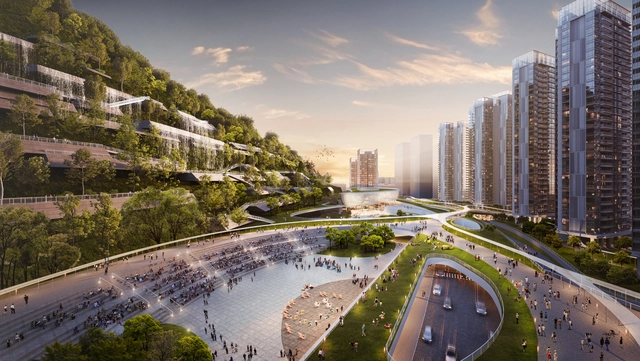
Ronald Lu & Partners designed a new transit-oriented development (TOD) in Shenzhen, reshaping a former industrial zone near Chiwan Port. The project builds on the firm's extensive experience with green architecture and TODs, proposing a biophilic development that restores nature in the area. Featuring a mixture of residential, business, commercial, and educational facilities, the design is set to become a key urban environment within the Greater Bay Area connecting Guangdong Province, Hong Kong and Macau.
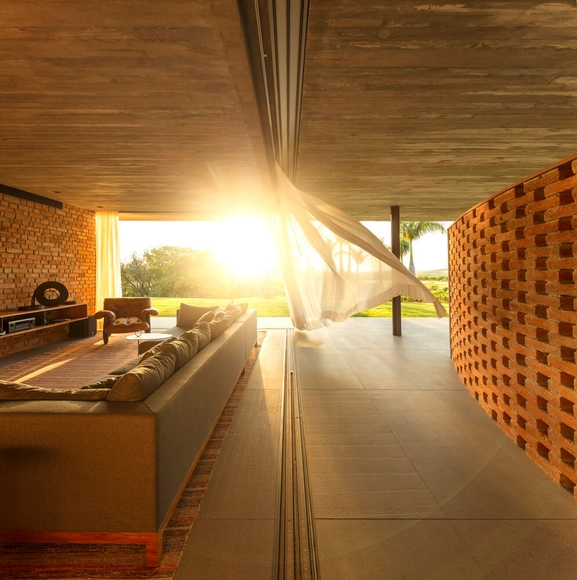
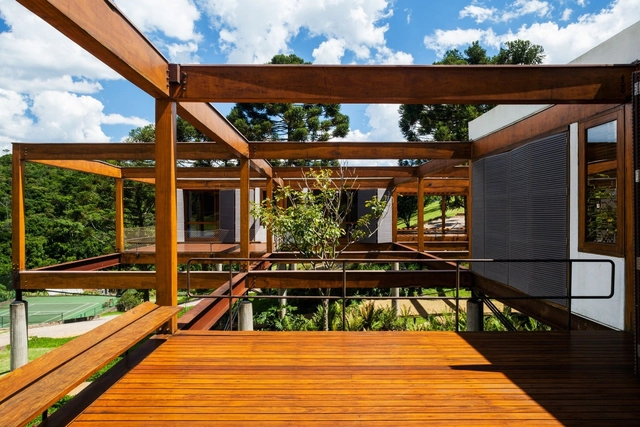
Valuing formal simplicity and delicate attention to details and finishing, Studio MK27 was founded in the late 1970s by Marcio Kogan and currently has more than 30 members based in São Paulo and other collaborators around the world. Its work, as described on its website, seeks to fulfill the task of rethinking and continuing Brazilian modernism.
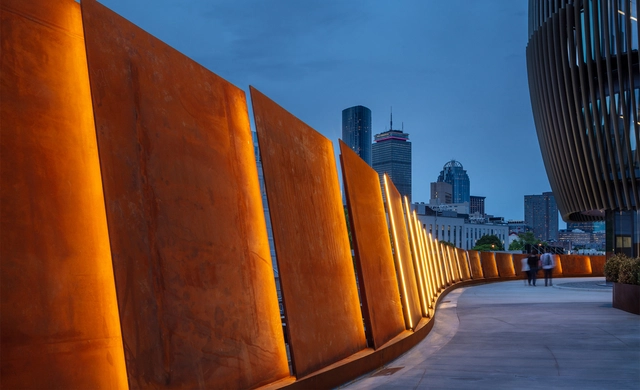
Northeastern University Pedestrian Crossing (PedX). Image Courtesy of Payette
Payette is a studio reimagining what it means to practice today. While primarily an architecture firm, the firm is rooted in an interdisciplinary approach encompassing landscape architecture, interior design, building science, space strategies, design visualization, fabrication, computation and research. For Principal Leon W. Drachman, Payette is an office that moves across a broad range of scales to reimagine design, from a campus master plan to facade details.
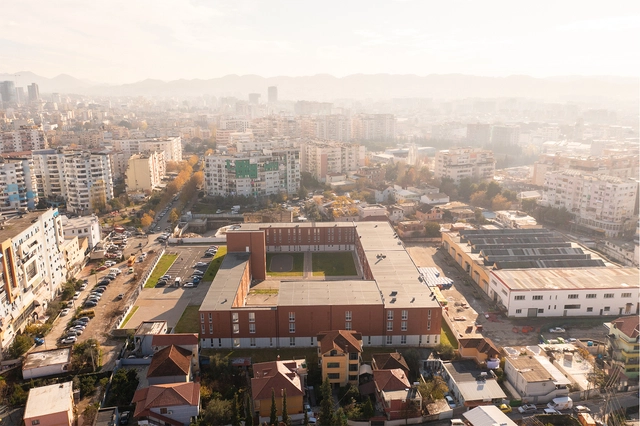
As part of the new Tirana 2030 master plan, Stefano Boeri Architetti has created a new model for schools, transforming them into a place for people of all ages, open every hour of the day and every day of the year. The newly-inaugurated project in Tirana serves as a "new epicenter for life in urban neighborhoods", used by students during the day as a school campus and by the whole community on weekends and public holidays as recreational and meeting places, as well as potential places for shelter during emergencies.
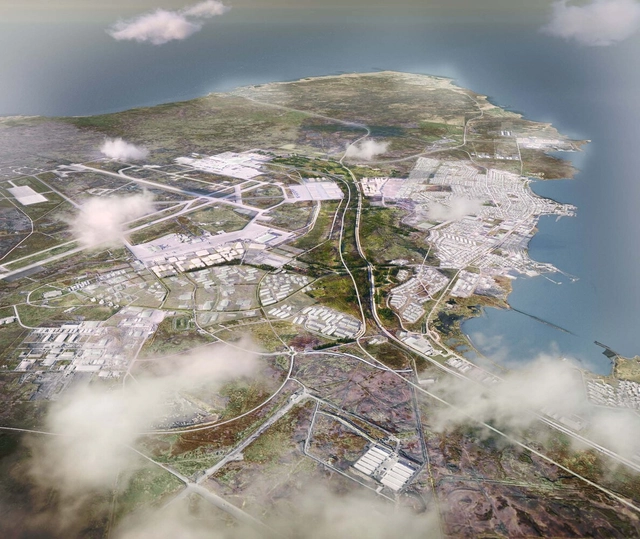
KCAP revealed its competition-winning design for the Keflavík Airport Area Strategic Masterplan in Iceland, comprising an area of 55 square kilometres around the country’s global aviation hub. Developed together with Felixx Landscape Architects & Planners, Kanon Arkitektar and a multidisciplinary team of professionals across a wide range of fields, the masterplan proposes a “collaborative development between public and private sectors”, seeking to transform specific areas around the airport into the hallmarks of the country’s sustainability and economic strategies.
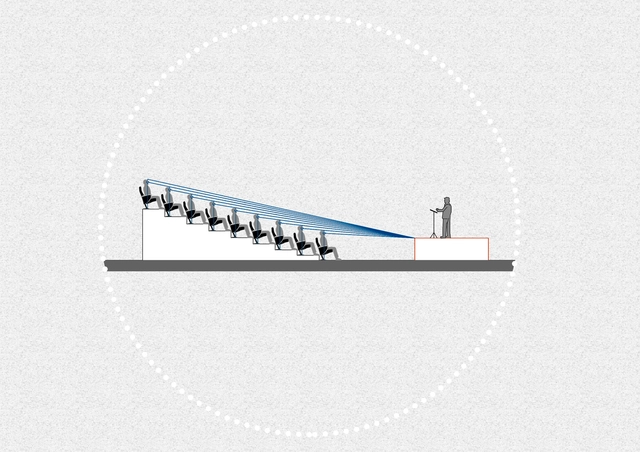
When designing an architectural space, it's necessary to think about how to satisfy the needs of each user, looking to achieve an adequate level of comfort and a pleasant experience. Auditoriums, cinemas, and theatres are spaces that involve large masses of people, so special attention must be paid to factors like isoptics, acoustics or accessibility so that when witnessing an event, everyone is able to receive the same information.












.jpg?1640334099&format=webp&width=640&height=580)
.jpg?1640334099 "Courtesy of Wax")


.jpg?1640334099)