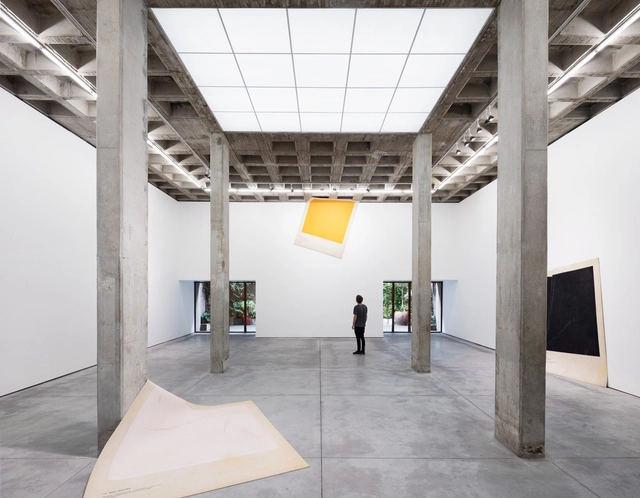
Every year in Mexico City, during the month of February, "Art Week" is celebrated with a series of events that seek to offer experiences in different spaces, mostly museums, cultural centers, or art galleries that join the cultural agenda. This event is important because both the city and these venues become the stage for different contemporary artists who come together to exhibit their work and enrich the dialogue around today's art. It is also a tourist destination that attracts collectors from all over the world.
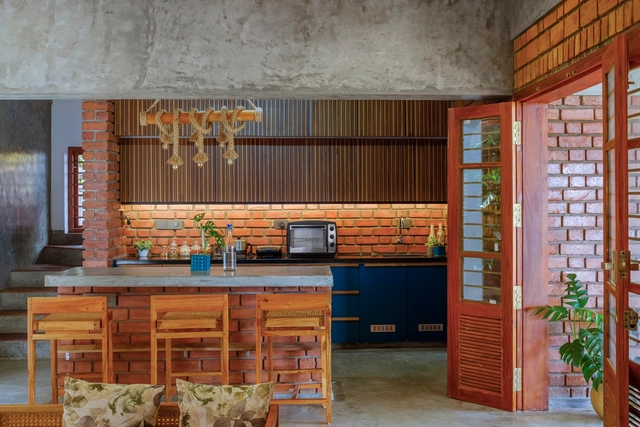
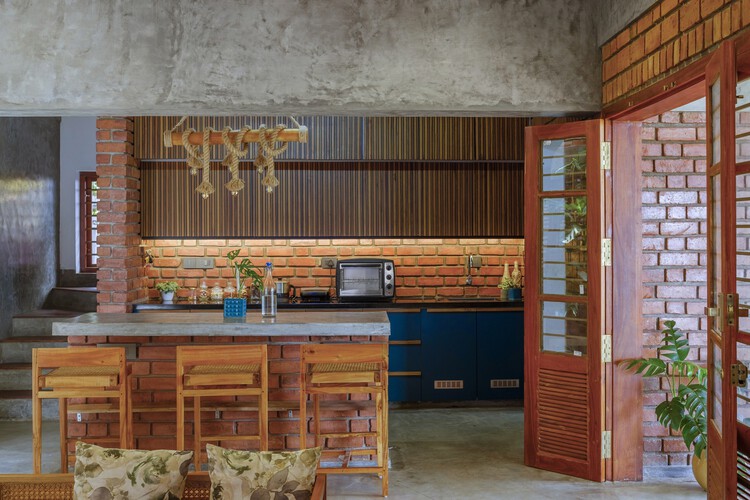
The transformation in the domestic spaces’ dynamics impacts the architecture inside and outside houses and apartments. Kitchens are the prime example of this transformation. Historically considered marginalized workspaces, they have gained more prominence as architectural spaces. This influences not only the size of the rooms and their organization but also the used claddings.
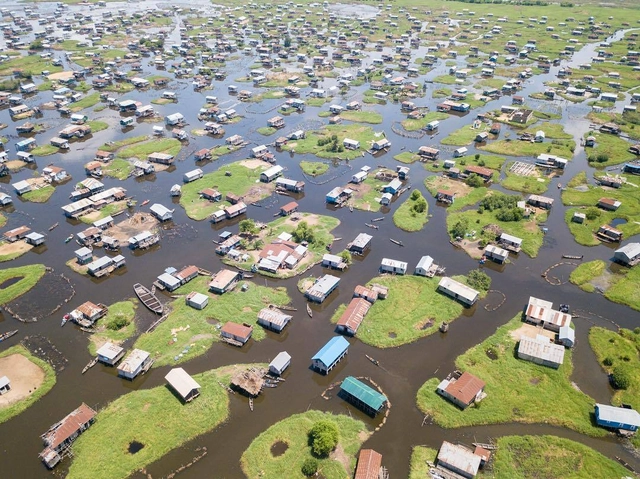
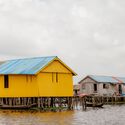
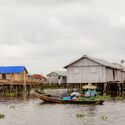
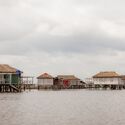
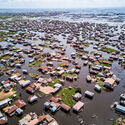
Located in the southern part of Benin-Republic, near the port city of Cotonou, is Ganvie; the largest floating village in Africa. It is situated in the middle of Lake Nokoué and is characterized by colorful wooden stilt houses arranged around artificial islands dating back to the 17th century.
This unique architecture was born from the history of the Tofinu tribe, who built it as a refuge from the slave trade. It has been sustained over time by their communal socio-ecological aquacultural systems and has now become a global tourist attraction for the country. The village was recognized as a world cultural heritage site by UNESCO in 1996, attracting up to 10,000 visitors annually. However, this influx of tourists has impacted the locals and their socio-ecological practices that sustain this water environment. Aquaculture has become increasingly challenging to maintain as the village struggles to retain its economic foundation. Additionally, traditional building practices have given way to modern ones, and the village faces ongoing environmental challenges. Nevertheless, the unique lifestyle of the locals around the water still offers many lessons for the design of prospective floating cities.
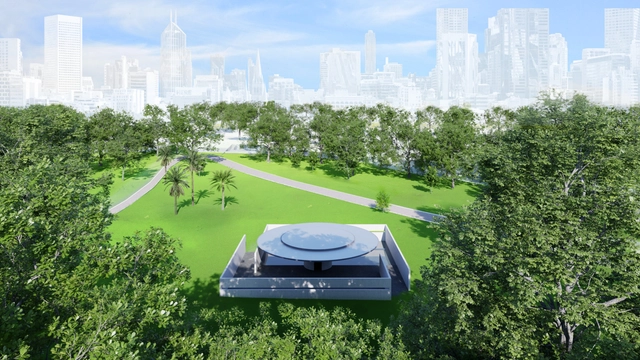
The Naomi Milgrom Foundation has revealed the design of its tenth MPavilion, designed by Pritzker Prize-winner Tadao Ando, set to open during Australian summer, on November 16, 2023. Reflecting the architect’s architectural approach, the design unveiled the “use of striking geometric interventions in nature and […] concrete.” Once ready, the intervention will become the architect’s first commission in Australia. Created as a new gathering place situated within Melbourne's cultural and botanical garden precinct, MPavilion 10 responds directly to the park's surroundings by emphasizing spatial purity and utilizing the geometric shapes of circles and squares.
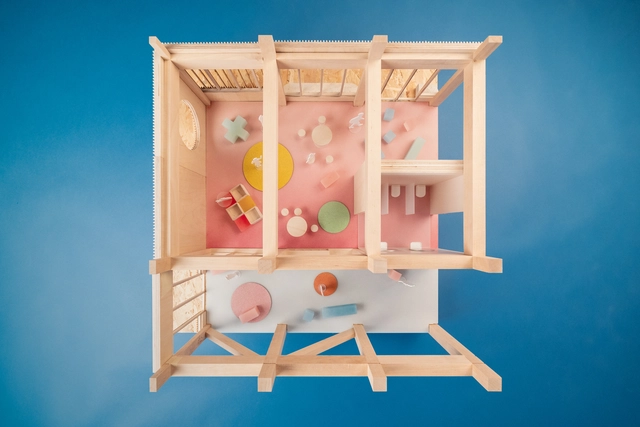
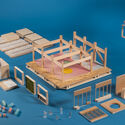
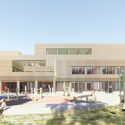
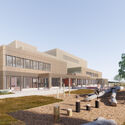
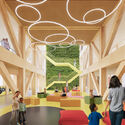
As part of the Circlewood consortium, OMA’s David Gianotten and Michel den Otter have developed a modular system to build schools that can adapt and transform throughout their lifecycle. The system was selected by the City of Amsterdam to be employed to build multiple schools in the coming ten years, as part of the Innovation Partnership School Buildings program. The citywide initiative aims to build nine to thirty “high-quality, flexible, and sustainable” schools as a way to contribute to the city’s goal of becoming fully circular by 2050.
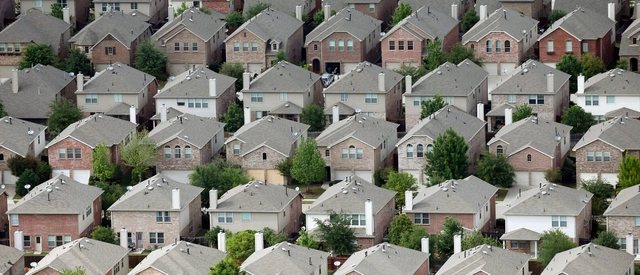
Ice caps are rapidly receding; one of America’s two political parties is actively undermining federal authority; despite new materials and additive manufacturing, most houses constructed today are built much as they were several generations ago; the pathological suburbanization of the nation continues unabated. In the face of this and more, it seems, “the center cannot hold.” Such were several of the issues that prompted Keith Krumwiede, a soon-to-be fellow at the American Academy in Rome (AAR) at the time, to argue in 2017 that if a single detached house for every family is at the core of “The American Dream,” then we need a new dream.
The Salone del Mobile in Milan - 2023 is one of the most anticipated design events of the year. Present once again, as different brands showcased their exceptional materials, products, and features in an environment where design sets the tone, DAAily hosted the DAAily bar, in its second edition, organized jointly by Designboom, Architonic, and ArchDaily.
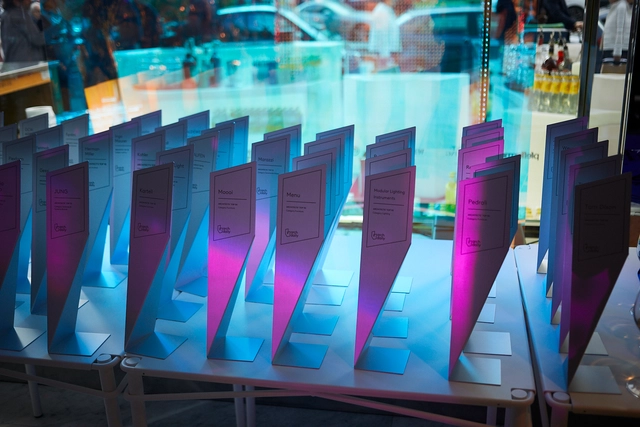
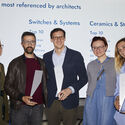
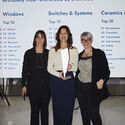
Taking place at the Piazza Cavour’s Swiss Corner on the edge of Brera, from April 17th, 2023, until April 21st, 2023, the DAAily bar was an opportunity to not only celebrate with architects, designers, and industry figures but also to recognize ArchDaily's "Most Referenced Brands" ranking, a diverse list of important brands in the architecture and design industry. More than 30 brands were awarded a trophy during the event.
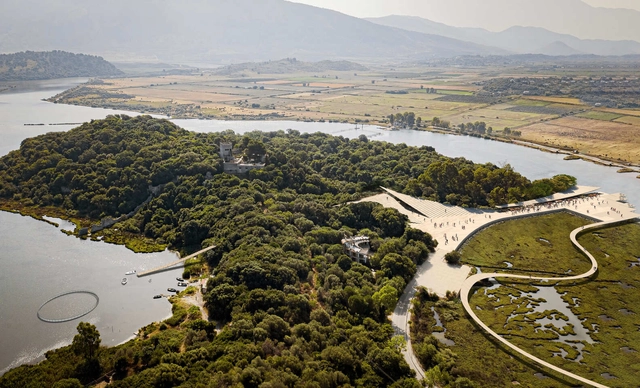
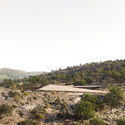
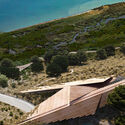
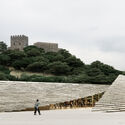
Following an international competition, Kengo Kuma & Associates has been selected to design the new visitor center for Butrint National Park, a UNESCO World Heritage Site on Albania’s Ionian coastline. Through its placement in a nodal and strategic position, the project aims to establish a new connection between the local communities and the expected archeological site visitors, thus improving the accessibility of the site, which is recognized as one of Albania’s chef cultural attractions. The visitor center, developed with Albanian partners CHwB Albania, is scheduled to open to the public in 2025.
House of the Flying Beds . Image Courtesy of Al Borde
The 2023 Sharjah Architecture Triennial (SAT) will take place from November 11th, 2023 to March 10th, 2024, under the theme "The Beauty of Impermanence: An Architecture of Adaptability". Focusing on how scarcity in the Global South has led to a culture of re-use, re-appropriation, innovation, collaboration, and adaptation, the second edition of the architectural exhibition, curated by Tosin Oshinowo, aims to shift global conversations towards creating a more sustainable, resilient, and equitable future.
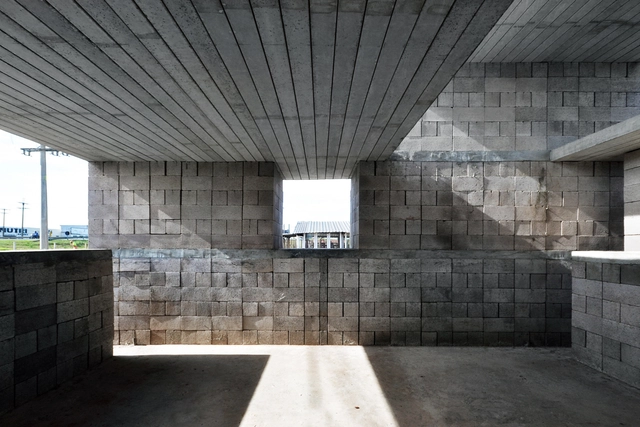
Brutalism is an architectural style that originated in the 1950s and became popular in the 1960s. Its name comes from the French "béton brut," which means "raw concrete," as this material is one of the most characteristic elements of the style. Its main features are the apparent use of concrete, offering visuals where natural texture and tonality are the protagonists of the buildings. Brutalist buildings often have an austere and massive aesthetic, with simple and repetitive geometric shapes. The use of industrial materials and innovative construction techniques is also common in brutalism.
The Diversity in Architecture Prize (DIVIA) was awarded to Italian architect Marta Maccaglia, founder of Semillas, for her commitment to educational construction in Peru. This international recognition of 20,000 euros aims to promote the visibility of women in the architecture industry. Among the five finalists of this edition were Tosin Oshinowo (Nigeria), May al-Ibrashy (Egypt), Noella Nibakuze (Rwanda), and Katherine Clarke and Liza Fior (United Kingdom).
Professionals in the AEC industry are well aware of the issues that grapple the built environment. That the construction industry is the largest consumer of materials and is responsible for 40% of all carbon emissions is a commonplace fact. Construction work is also a large waste generator and could greatly benefit from circular design principles. Almost three-quarters of all construction projects tend to be over budget, and nearly half of the spending on buildings goes into the overheads. In a fast-paced world with multi-faceted challenges, technology, and digitization seek to deliver significant solutions.
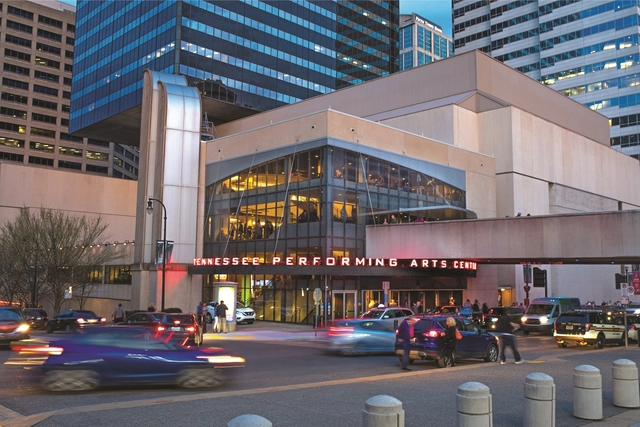
The Tennessee Performing Arts Center (TPAC) has selected an international architecture teamto design its new performance home. Comprising BIG (Bjarke Ingels Group), William Rawn Associates, and Nashville-based EOA Architects, the global architecture team will reimagine the 50-year-old performing arts non-profit on a different site from its original 1974 plot, part of the State-owned James K. Polk Cultural Center.
In theory, architecture is separate from art. Some even argue that there is a hierarchy between the two. Fortunately, Vão is an example of how this separation doesn't need to exist and how having a hierarchy between them is unproductive for both sides. Founded in 2013 by Anna Juni, Enk te Winkel, and Gustavo Delonero in São Paulo, the office develops architectural projects fueled by artistic thought. It also develops artistic works on an architectural scale.
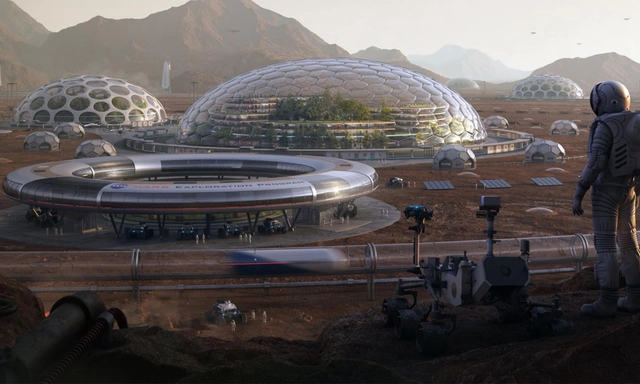
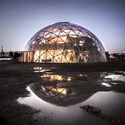
SpaceX founder and science-fiction fan Elon Musk is attempting to make the fiction of space travel a scientific reality. ‘In order to safeguard the existence of humanity,’ he explains, ‘we need to become a multi-planetary civilization.’ Musk says he’s laser-focused on ensuring we make a second home elsewhere in space, and has his sights set on Mars. He’s not alone, of course. NASA’s recently-released Moon to Mars Architecture Concept Review is a ‘study of the hardware and operations needed for human missions to the Moon and Mars,’ leading to long-term scientific discovery and human habitation in deep space.
But there’s a long way to go before we get there – and not just the 140 million miles (average distance to Mars). The biggest challenge to Mars habitation and eventual colonization is humanity itself, and our indecision. Many of us question why we should sink so much of our energy – both effort and resources – into such a task, when there are plenty of more pressing matters to address here on Earth?
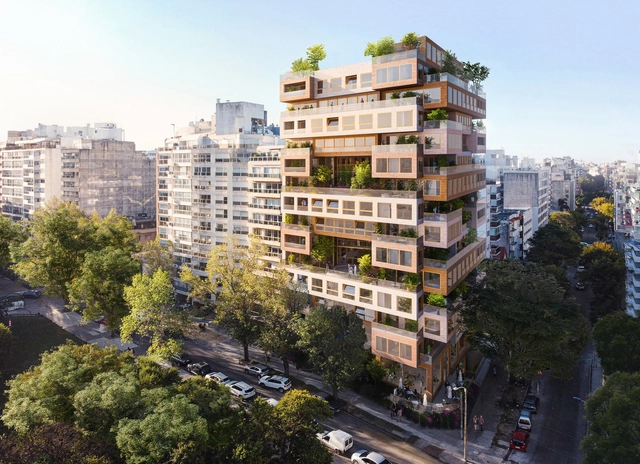
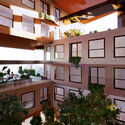
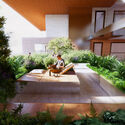
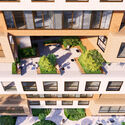
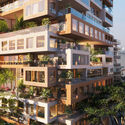
The 15-story residential building designed by MVRDV in Montevideo, Uruguay, has been approved for construction. Named "Ziel," the project consists of individual homes creating an open and permeable environment that allows light and air to flow through the structure, resulting in spacious green spaces for the enjoyment and coexistence of residents. This project is MVRDV's first in Uruguay, designed for developer IXOU in collaboration with Monoblock's executive architecture.
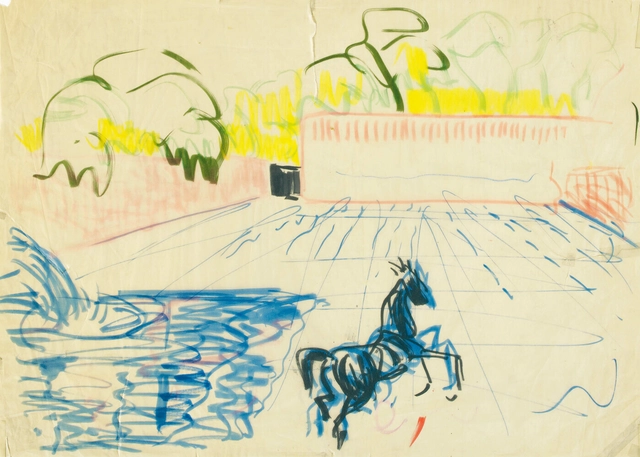
Cuadra San Cristóbal, Los Clubes, Atizapán de Zaragoza, State of Mexico, 1966-1968. Perspective sketch of the main courtyard by Luis Barragán. Image via Barragan Foundation
Two years ago, as part of an initiative by the Barragan Foundation, the launch of the institution's renewed website was announced via its Instagram account. This represented an effort to compile all the information that exists so far from the Barragán Archive that enriches the study of his career, opening up the panorama to understand his trajectory and evolution from a clear chronology, experiments, and collaborations, as well as unrealized or demolished projects. The website compiles these five decades of career, presenting a list of 170 works inside and outside the country that is updated as more material is researched and collected.
The ninth edition of Concéntrico, the international festival of architecture and design in Logroño, was inaugurated on April 27th to once again promote dialogue between the city, heritage, and contemporary architecture. Until May 2nd, citizens will have the opportunity to rediscover their urban environment alongside the work of more than 60 professionals from 15 different nationalities who have proposed an extensive program with 21 interventions, meetings, and activities.