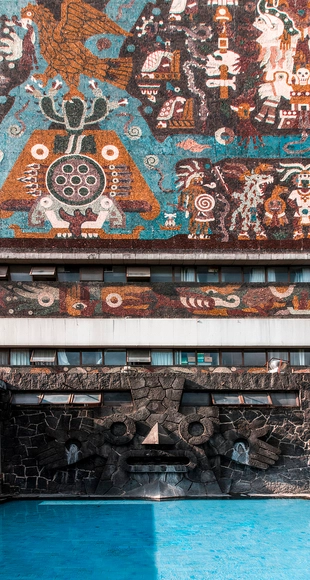
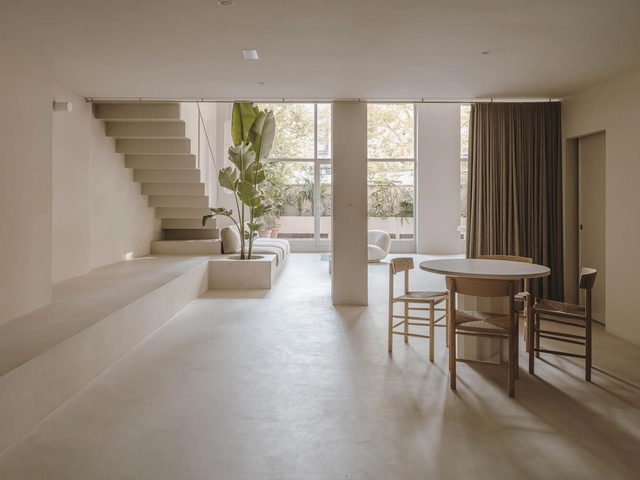
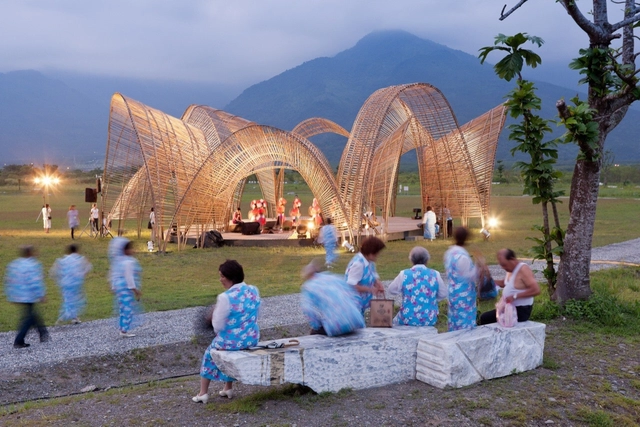
From the pre-Columbian period of the Americas –during which cultures such as the Olmec, Maya, Purepecha, and Mexica (Aztec) thrived– to the modern era where architecture has been influenced by social movements and even natural disasters, Mexican architecture showcases a valuable architectural expression, with its own unique voice and distinctive characteristics. Nobel Literature Laureate Octavio Paz argued that architecture is an incorruptible witness to history. Likewise, the materials used to shape it have acted as protagonists of that history, enduring in many cases over time and evolving thanks to the generations of architects who have contributed to it, from different perspectives.
To trace a timeline, it is possible to take as a starting point pre-Hispanic architecture, which exhibited a diversity of nuances due to Mexico's vast territorial extension. This allowed diverse cultures to find their niche and develop their characteristic architectural styles. Subsequently, the era of Spanish colonization, which itself drew influence from Islamic architecture, represented a noteworthy turning point in architectural development. This phase endured until the advent of Mexican Independence in the 19th century. In turn, this marked the initiation of social and cultural movements, both during and after the Mexican Revolution in the early 20th century.
https://www.archdaily.com/1005554/materials-that-define-the-contemporary-mexican-architectural-aestheticEnrique Tovar
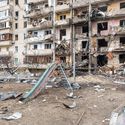
An International European cultural project, U-RE-HERIT, launched an initiative to protect Ukraine’s architecture, heritage, and memory. This wide consortium of architectural institutions came together to reach a common goal of preserving Ukrainian culture. With the ongoing crisis, the project aims to address heritage as a resource for cultural, social, environmental, and economic recovery. Moreover, the project hopes to redefine local cultural identity and rebuild the city with the sensitivity of collective memory.
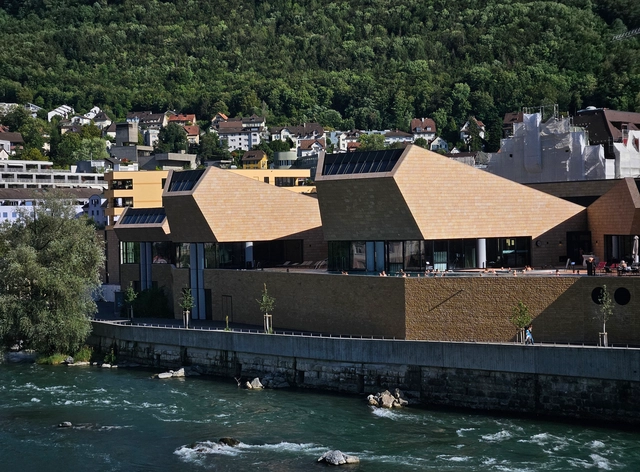
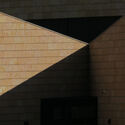
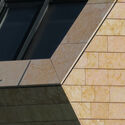
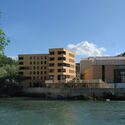
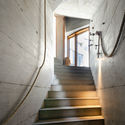
Fortyseven is a novel thermal wellness spa designed by the architect Mario Botta, nestled alongside the Limmat River in Baden, Switzerland. Baden, renowned for its rich cultural and wellness offerings, boasts a spa heritage that extends over thousands of years. The Fortyseven Thermal Wellness Spa has revitalized this historical legacy by presenting wellness culture through a modern lens. Designed by Mario Botta, this project offers an immersive encounter for the body, mind, and soul. The essence of the site and its design is captured by the lens of architectural photographer Paul Clemence, in his latest series.
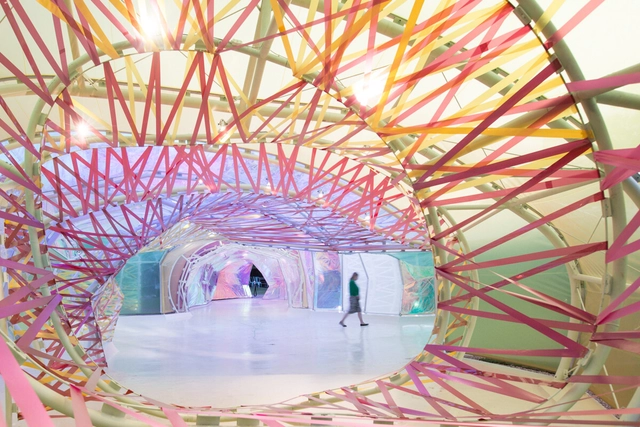
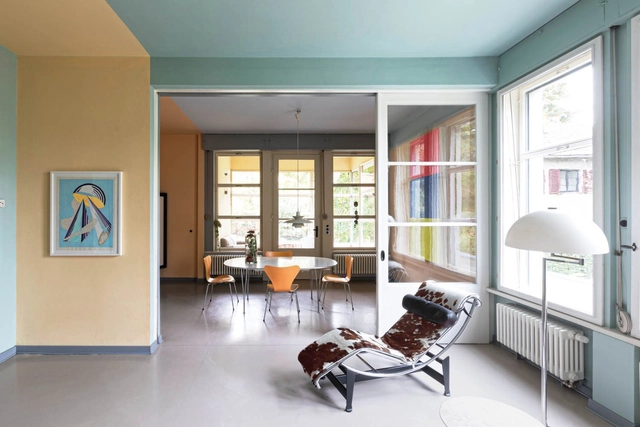
Colors are much more than just aesthetics. They can tamper with the sensations a space conveys, how we perceive the environment, and even comfort issues. With so many factors that they can influence, using them is not an easy task, and that is why many architects choose to stick with the classic white, grayscale, or even exposed materials to avoid any possible visual conflict. However, some architectural practices dare to use bold color palettes and create unique works that stand out precisely because of how colors help compose the project.
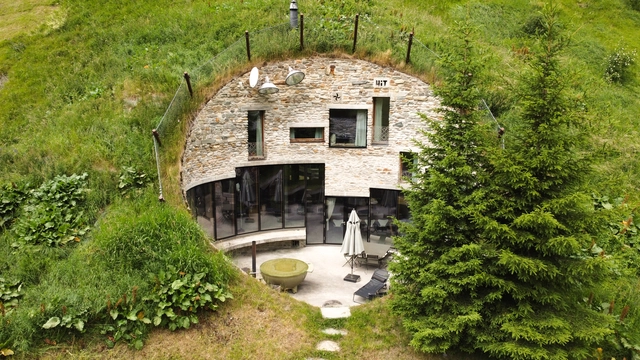
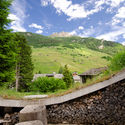
The rustic village of Vals in the Swiss Alps is one of the country’s most picturesque areas, located at an altitude of 1250 meters above sea level with numerous exceptional projects. The main square is surrounded by original Vals houses roofed with stone tiles made of Vals quartzite. Throughout the years, the village maintained its authentic residential and rural typology, making sure that its agriculture and rural fabric remained intact. Perhaps the most powerful natural resource of the Vals Valley, one that has nurtured its landscape and wilderness, is the water. For millions of years, ice and rain have forged the deeply-cut topography, and provided the village with a 30-degree thermal source, the only one in the Grisons Canton which springs straight from the ground.
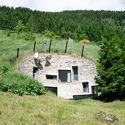
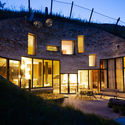
One of the most notable architectures in Vals is The Thermal Spa designed by 2009 Pritzker LaureatePeter Zumthor. The secluded structure is built with local quartzite, a stone that blends the elements of water and stone to create “the perfect wellness experience”. Another iconic architecture tucked within the mountains of Vals takes advantage of the local material, structural typology, and topography, a project that leaves the original landscape intact and subtly intervenes to create a one-of-a-kind award-winning vacation home; The Villa Vals.
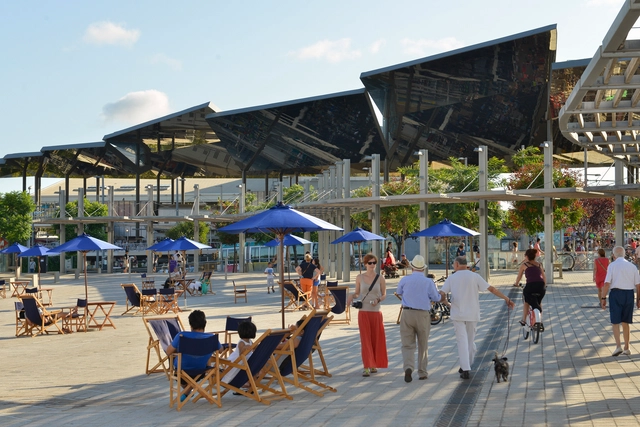
From the grid plans of ancient Greek cities to the Renaissance's idealized urban layouts, the history of urban planning is a reflection of evolving power structures and societal priorities. Across the world, many African and Asian cities simultaneously existed without clear visual manifestation. the organizational structure being deeply embedded in cultural needs and social relations. Urban development is marked by a dichotomy - the contrast between top-down planning strategies led by influential entities and governing bodies, and the bottom-up initiatives driven by local communities. This interplay shapes cities, influencing aspects from infrastructure and public spaces to housing models and urban character. Delving into the differences between these strategies is essential to crafting a harmonious urban landscape that caters to the needs of its residents.
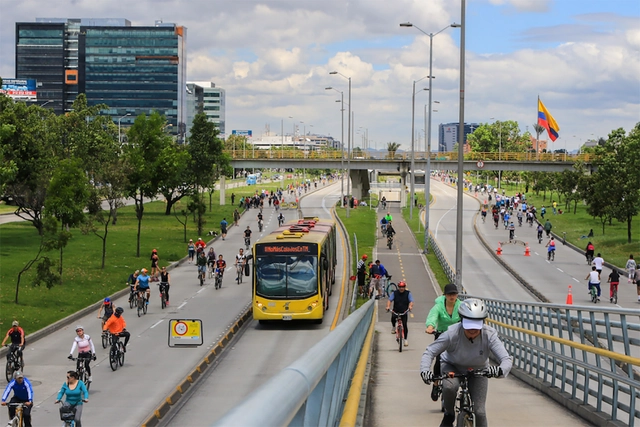
Cities across the globe are developing comprehensive action plans in order to create a coordinated response to the challenges of climate change. Targets and goals for consumption-based emissions are important for guiding strategic planning and decision-making, improving accountability, and communicating the direction of travel to businesses and the public. National and regional government officials are working with the private sector, international organizations, and civil society to create change at every level, from structural interventions in supply chains and industries to individual choices. This demonstrates a rising understanding of the role of cities in mitigating the adverse effects of rising temperatures.
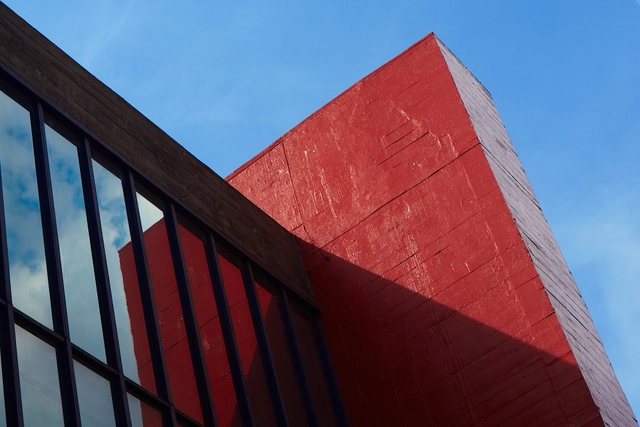
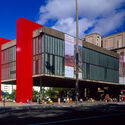
Among the many marks left by architect Lina Bo Bardi in Brazilian architecture is the use of red as a highlight in her works. Whether bringing lightness and vividness to the hardness of São Paulo's concrete at Sesc Pompeia or warming the whiteness of Solar do Unhão in Bahia, red transcended mere visual and aesthetic status to become a distinctive characteristic of the Italo-Brazilian architect, weaving connections between many of her works.
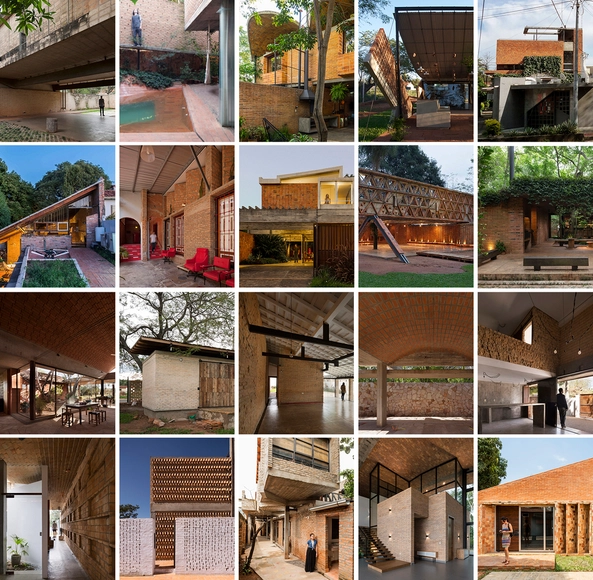
In Paraguay, brick can be many things. Walls, dividers, facades, sieves, vaults, floors, and pavement are just some of the many example that demonstrate, not only the variety of uses for brick, but the ingenuity of the architects who choose to utilize it in their projects.
Art has always been a means for people to connect with space, and art movements have served as a platform for exploring new relationships with architecture. By incorporating art into buildings and interior spaces, they have been transformed, resulting in a fusion that creates beautiful, inspiring, and spiritually uplifting environments. Throughout history, various art movements, such as the Renaissance in the 17th century, Baroque in the 18th century, and Art Nouveau, Art Déco, and Bauhaus in the early 20th century, have had a significant impact on architecture. Architects drew inspiration from the ideals, concepts, stylistic approaches, and techniques of these movements, using them to create large-scale habitable structures. As the home is a fundamental expression of an architectural movement and the simplest canvas to exhibit the artistic ethos of any particular era, studying the interior spaces of houses provides a detailed picture of art's influence on spatial organization, furniture design, product patterns, and user interaction.
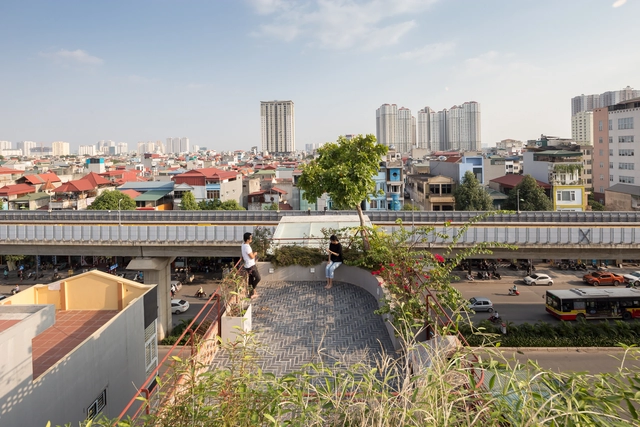
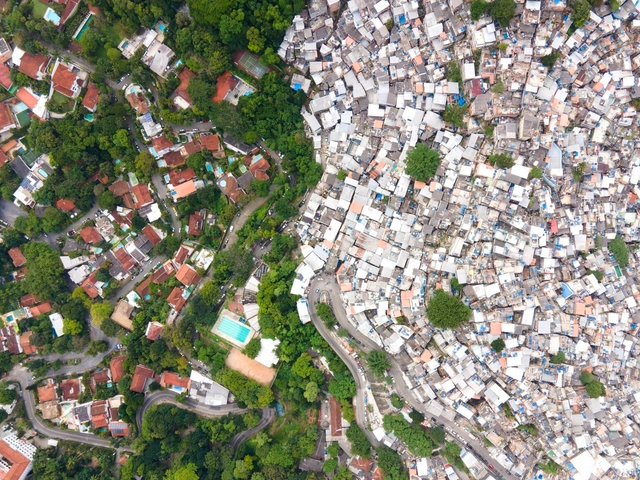
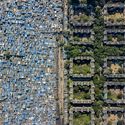
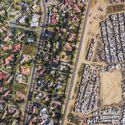
Cities frequently have an unequal presence and distribution of green spaces, and their residents do not use and enjoy them in the same way. Aerial views of various urban areas show that the color green appears to be more prominent and concentrated in economically valuable locations, illustrative of the complicated and multifaceted relationship between vegetation and wealth concentration in urban environments. This relationship, which has been the focus of discussion and contemplation on a global scale, is crucial to understanding how socioeconomic differences materialize geographically and impact urban residents' quality of life.
What we build can be metaphoric—often intentionally, sometimes subliminally. But architecture is seldom the intentional commentary of architects, crafting symbolism; more often it is a direct reflection of its time and the culture that made it.
IKEA’s research and design lab SPACE10 has published The Healthy Home report, the second release in its Future Home report series. The report explores three main themes concerning domestic environments: how our homes protect us from harm, restore our bodies and minds, and enable us to grow through life’s stages. The research aims to evaluate the ways in which homes can positively contribute to and support the rhythms and flows of life. It was developed in collaboration with Morph to develop the visuals supporting the findings.
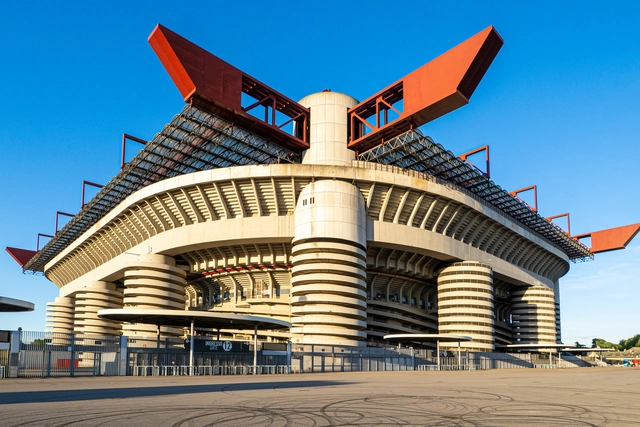
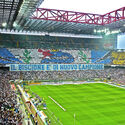
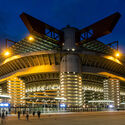
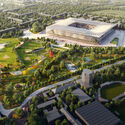
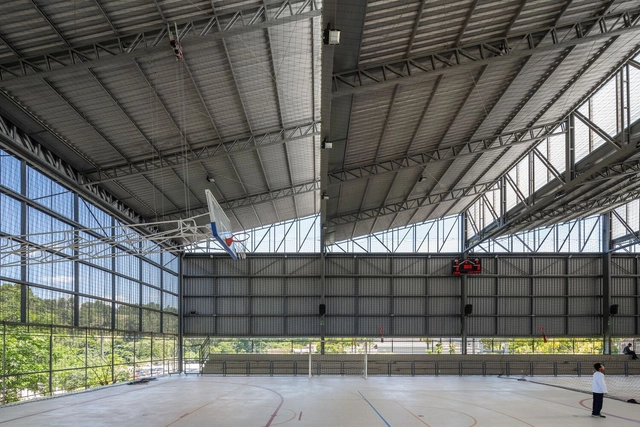
Sports arenas hold significant relevance in society as they serve as vital meeting places for sports and cultural activities. They play a role in enhancing overall well-being, encouraging an active lifestyle, and fostering social inclusion. Within these projects, architects assume the responsibility of designing spaces that seamlessly accommodate athletes and the community. Moreover, architects must actively engage with the surroundings to create a harmonious dialogue and establish a distinct identity for the arena.
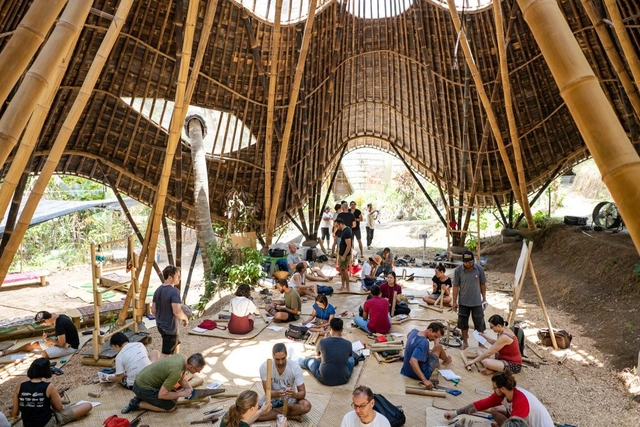
As the world increasingly recognizes the importance of adopting sustainable construction practices, bamboo’s versatility, strength, and renewable qualities are generating significant momentum in the transition toward a circular material economy. From initial idea to completion, this article will provide you with valuable insights to begin your bamboo building project, from the perspective of Bamboo U.