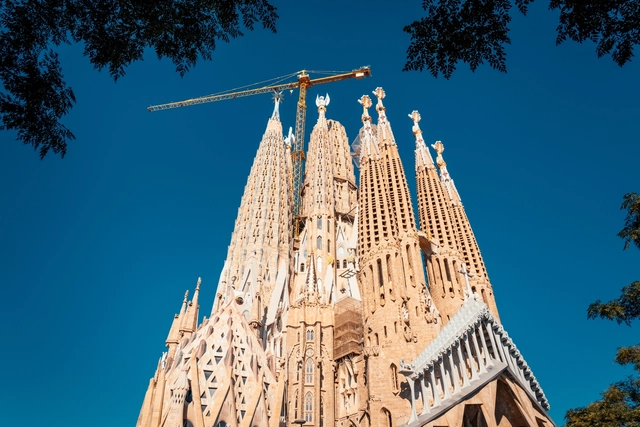
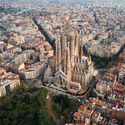
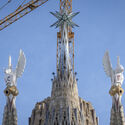
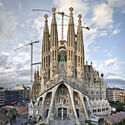
Sagrada Familia, Antonio Gaudi’s famous yet incomplete landmark, is moving forward toward completion. As of last week, five out of the six central towers have been fully constructed. Since this January, when the towers of Evangelists Luke and Mark were finished, two additional towers, dedicated to Evangelists Matthew and John, have been crowned with statues by sculptor Xavier Medina-Campen, marking their completion. The Junta Constructora del Temple Expiatori de la Sagrada Família, the foundation overseeing the construction, announced a special Mass on November 12 to mark the inauguration, initiating the illumination of the four towers all throughout the Christmas season.
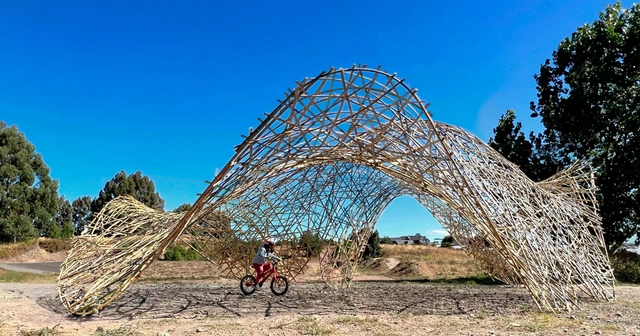
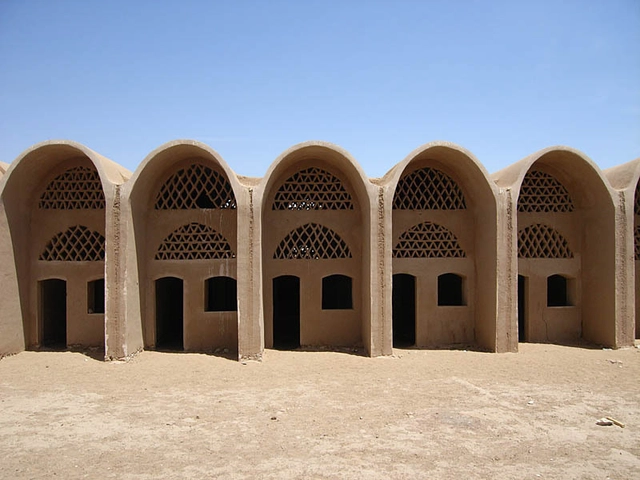
Innovation in materials and construction systems has been a significant theme in 2023, and BASE Studio has decided to surprise us with a new material configuration that showcases the mechanical and aesthetic capabilities of Colihue. Alongside this proposal, innovative ideas for habitable projects have been generated, setting them apart from others through a distinctive spatial morphology created within a rigid perimeter of arches that inscribe a paraboloidal surface.
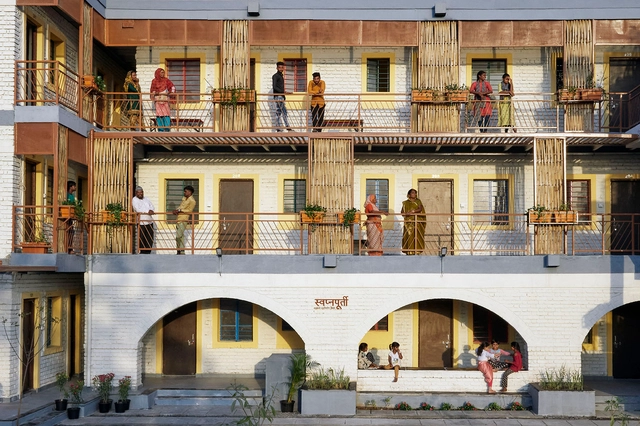
Besides denoting a show of careful thought, in architectural terms, the word ‘considerate' also suggests an emotional and perhaps even empathetic approach. And why shouldn't it?
Good architecture can and should be considerate—in all the varied ways the word embodies. While it could start off with the motivation to do good and require an initial moral approach, this sensibility, combined with a meticulous knowledge of individual/communal needs and transparent communication, generates a well-adapted, and accessible built environment that can promote growth.
https://www.archdaily.com/989415/good-architecture-is-considerateArchDaily Team
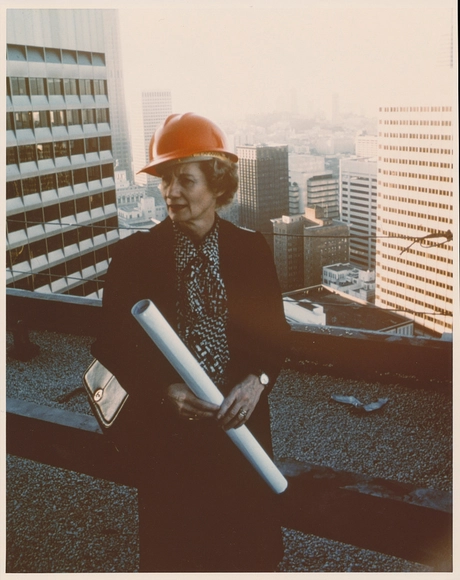
Beverly Willis, architect, wearing a hard hat at a construction site. Image Courtesy of Library of Congress Prints and Photographs Division Washington
American architect and tireless advocate for gender equality Beverly Willis passed away on October 1, 2023, at the age of 95, as reported by The New York Times. Throughout her career, she was dedicated to breaking down barriers for women in a traditionally male-dominated profession. She ran an accomplished studio in San Francisco, having completed over 800 projects across the US, and established a Foundation for recognizing and promoting women in architecture. Across various programs and scales, her designs have gained national recognition for their humanistic concern for the occupant and for adapting historic buildings to modern purposes, a practice now known as adaptive reuse.
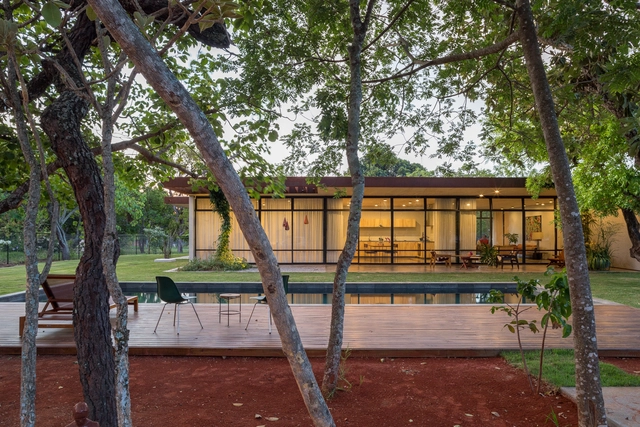
Living in a tropical country means cherishing outdoor experiences, whether feeling the gentle breeze, connecting with nature, or basking in the sunlight. We have grown up with a cultural tradition of playing in our yards, gathering with family and friends on balconies, enjoying barbecues, or simply admiring the beautiful landscape. Numerous Brazilian residences integrate wooden decks for these purposes. They are versatile spaces that fulfill various functions.
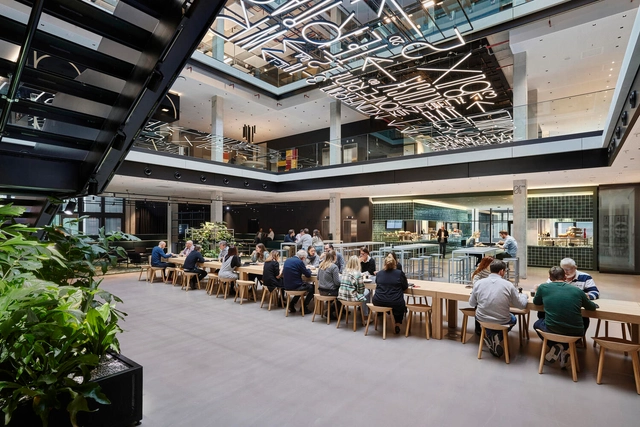
The atmospheric sadness of a typical office ‘kitchen’ – and by kitchen I mean an old kettle, two rusty spoons (both missing) and three flimsy chairs around a one-person table – can be the root of much employee unrest. But when the alternatives mean either walking through the city smog or hunching over a desk with a Tupperware sandwich, dropping crumbs on the keyboard, there isn’t much choice.
In the post-pandemic workplace, however, where employee wellness demands respect and employers themselves are searching for ways to make their offices more appealing in a hybrid schedule, the age-old canteen format might just find its way back onto the menu. Here is a selection of projects that prove it can work, and how.
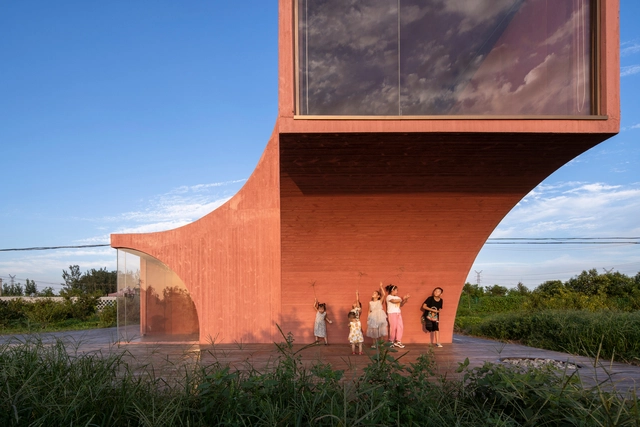
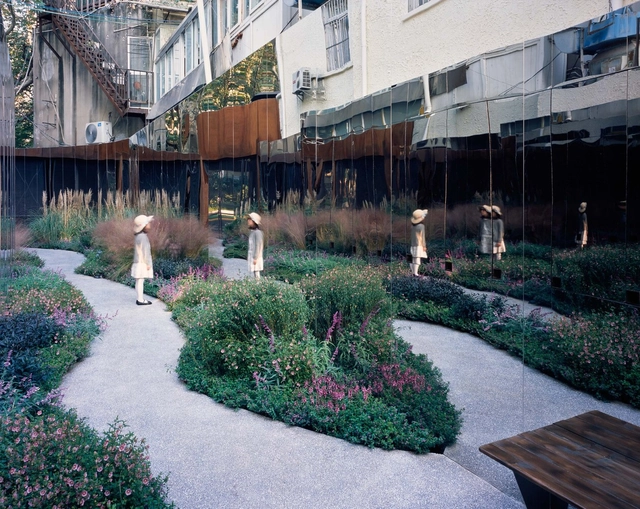
ATELIER XI has been selected for ArchDaily's 2023 New Practices and is one of the few firms still rooted in traditional architectural design. Founded in 2017, ATELIER XI began their practice in Shenzhen, one of the fastest-growing and urbanizing cities in China. Their work represents the current state of a generation of architects, with major projects in small-scale urban architecture, exhibition design, interior design, renovation, and rural architecture. While they may not become urban landmarks, they can still influence the lifestyle of the community through small-scale design.
The studio aspires to create spaces that bring unique poetry and profoundness to contemporary urban and rural environments: "We see architecture as an art of mediation between social, economic, and political interests. We strive to create meaningful places with minimal resources. We aim to convey emotions and memories through spatial poetry. We believe that each space, whether grand or tiny, offers a glimpse into the vastness of our world and serves as a testament to the glory of everyday life. By planting these quiet and resilient spaces one at a time, we envision architecture branching out and flourishing with life and narratives."
https://www.archdaily.com/1007149/how-to-challenge-the-design-brief-an-interview-with-atelier-xi韩爽 - HAN Shuang
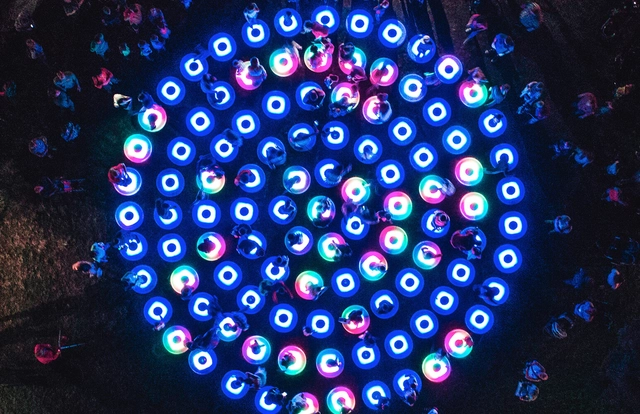
Courtesy of Jen Lewin, Photo by Brendan Burkett / The Pool
In the world of interior design, light serves as an essential medium, but light can also create immersive public spaces. While James Turrell, Olafur Eliasson, and Dan Flavin are celebrated for their transformative mastery of color, reflections, and luminous contrasts, it's crucial to note that the realm of light art isn't exclusively male-dominated. In response to the underrepresentation of female light artists, a refreshing and enlightening perspective emerges from the British lighting designers Sharon Stammers and Martin Lupton of Light Collective.
After founding the platform "Women in Lighting" their book "Women Light Artists," takes a bold step in introducing us to 40 creative women whose work radiates with responsive ingenuity and brilliance. The book offers a captivating spectrum of projects from interactive pools to the play of colorful daylight shadows dancing across a bridge in London, from the peaceful projection onto an iconic Berlin landmark to the vivid rainbow arching above Manhattan's skyline, each work embodies a unique dialogue between light and space. The luminous journey offers a valuable tribute to the power of female artists who, for far too long, have remained in the shadows.
As has become customary in recent years, on the first Monday of October, we celebrate both World Architecture Day and World Habitat Day, serving as a reminder to the global community of its collective responsibility for the well-being of the built environment. This edition, like its predecessors, sheds light on the realm of architecture and the challenges faced by our cities, introducing new themes, contemplating the state of our urban areas, and proposing constructive strategies.
Since urban economies have encountered significant difficulties this year, the UN's World Habitat Day focuses on "Resilient Urban Economies: cities as drivers of growth and recovery." Launching Urban October, this event seeks to bring together diverse urban stakeholders to deliberate on policies to help cities recover after the dual economic impacts caused by the COVID-19 pandemic and conflicts worldwide. Aligned with this concept, World Architecture Day, created by the UIA in 1985, has chosen to concentrate on "Architecture for Resilient Communities," emphasizing the role and duty of architecture in fostering thriving community existence while initiating a global dialogue regarding the interconnectedness of urban and rural regions within every nation.
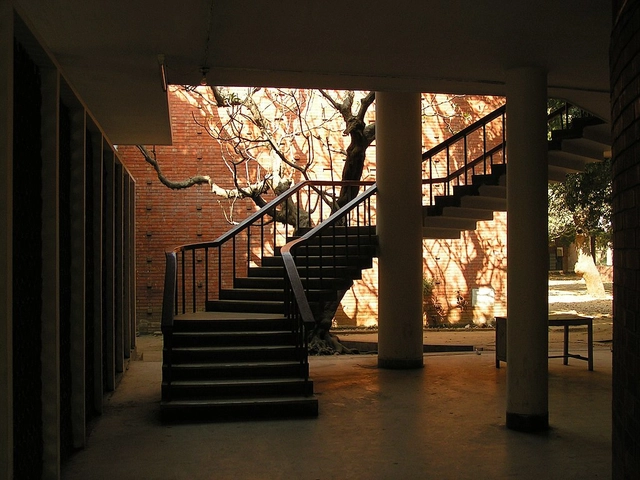
For the Indian subcontinent, the mid-1900s marked a transformative period, brimming with turmoil and hope. Leaving a century of British rule, India and the newly formed countries of Pakistan and Bangladesh held onto an optimistic vision of a transformed society. The newfound independence invited the international Modernist movement to envision a fresh identity for the nations. Spearheading the movement in Bangladesh was the architect Muzharul Islam whose work continues to influence contemporary Bangladeshi architecture.
The role and relationship of furniture in architecture and space design are of great relevance. Designers such as Eileen Gray, Alvar Aalto, Mies Van der Rohe, and Verner Panton conceived furniture —primarily stools and chairs— that endure over time as powerful and timeless elements, with a determining impact on the interior atmosphere. Thus, the relationship between furniture and space becomes a constant dialogue in which design, aesthetics, and materials contribute their dimension.
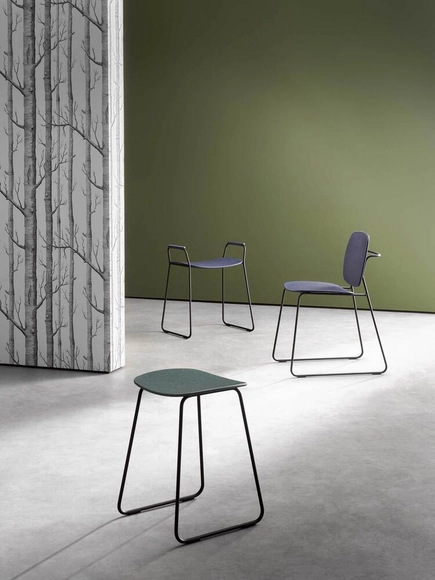
Today, furniture should not be limited solely to fulfilling an aesthetic and functional role, but should also have a purpose in the context of contemporary design and sustainable development. It is essential to reflect on and question the processes and choice of materials in the manufacturing of these elements, in addition to the value they bring to interior spaces. In this context, HEWI has taken a step forward by creating the Re-seat family, consisting of stools and chairs made from post-industrial recycled materials (PIR), sourced in part from the processes of the company itself and a regional supplier, both based in Bad Arolsen, Germany. It also features integrated solutions with universal design in mind, making a statement in favor of innovation and eco-design.
https://www.archdaily.com/1007326/re-purposing-materials-from-post-industrial-recyclate-to-accessible-furnitureEnrique Tovar
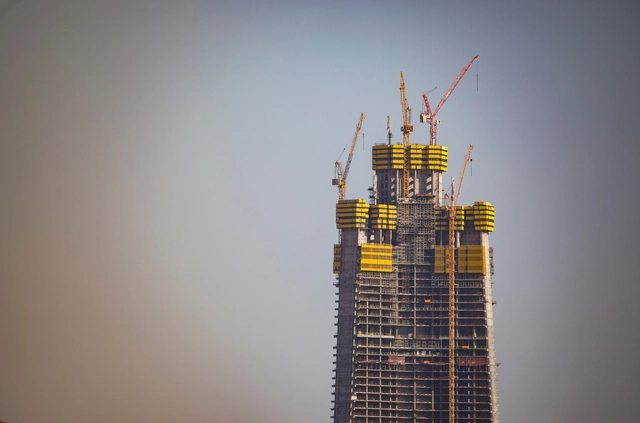
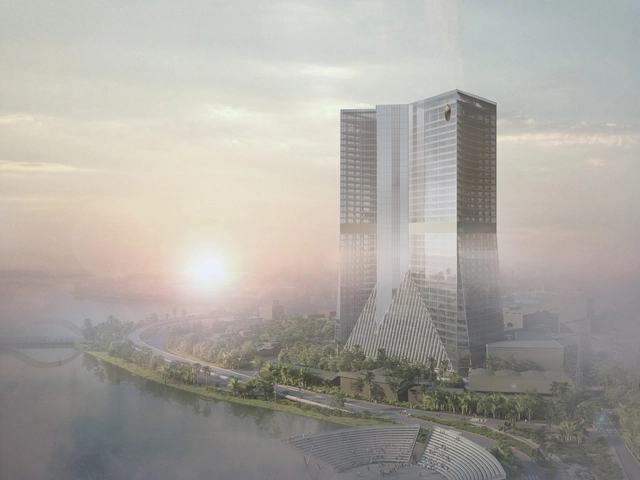
Construction on OMA’s first project in Bangladesh, the Dhaka Tower, has just started. Reaching a height of 150 meters and spanning 180,000 sqm in office space, the project is set to stand as one of the tallest buildings in the country. This scheme marks a significant milestone in the urban landscape of Bangladesh, designed by OMA in collaboration with local real-estate developer Shanta Holdings.
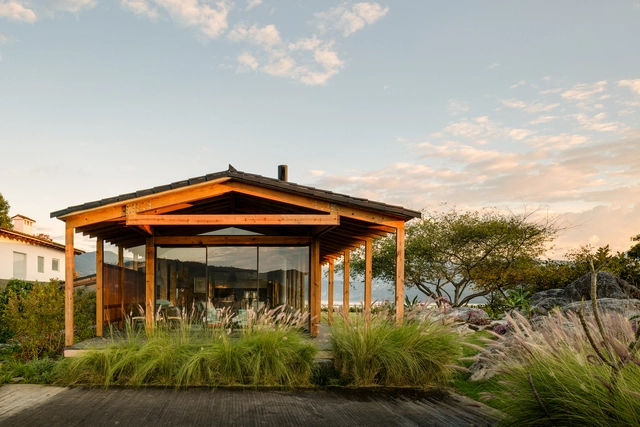
Wood has played an important role in contemporary Mexican architecture due to its versatility, sustainability, and cultural connection to the architectural history of the country. Currently, architecture in Mexico has gained worldwide recognition for its sensitivity and mastery in designing everyday spaces using various techniques that prioritize sustainability, aesthetics, and bioclimatic design.
In Porto Alegre, the building of the Iberê Camargo Foundation; in the city of Porto, the office of Álvaro Siza, the architect and author of the celebrated project for the institution's headquarters, inaugurated in 2008. Throughout 70 minutes, the documentary "Paisagem Concreta" or Concrete Landscape navigates between these two ports.
https://www.archdaily.com/1007293/concrete-landscape-alvaro-sizas-documentary-is-available-for-streaming-nowArchDaily Team
As we understand it today, the sustainable architecture movement began to take shape at the end of the 20th century. Essentially, it responds to growing concerns about environmental degradation, energy consumption, and resource scarcity. In this global discourse on sustainable architecture, wood has long been celebrated as a symbol of environmental consciousness and decarbonization. As one of the most widespread building materials, it has gained popularity with the rise of this movement. This is because trees absorb carbon dioxide during their growth, which stays in the wood during its construction use, keeping it out of the atmosphere.
Environmental neuroscience is an emerging field devoted to studying the impact of social and physical environments on brain processes and behaviour. From the various opportunities for social interaction to noise levels and access to green spaces, the characteristics of the urban environment have important implications for neural mechanisms and brain functioning, thus influencing our physical state. The field paints a different image of how cities impact our health and well-being, thus providing a new, scientific layer of understanding that could help architects, urban planners, and decision-makers create more equitable urban environments.
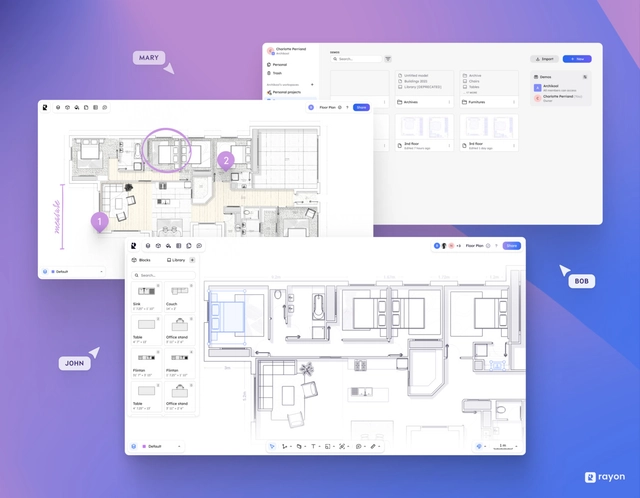
Rayon, an innovative online design tool that aims to create a new collaborative approach to developing "mundane buildings" within the city, has been selected as part of ArchDaily's 2023 Best New Practices. Founded in 2021 by Bastien Dolla and Stanislas Chaillou, it is a collaborative design software that brings together professionals in the architecture, engineering, and construction (AEC) industries. The software company believes that there is a “culture of the ordinary” in architecture. This culture represents an ecosystem of buildings that may seem unremarkable or aren't impressive landmarks in the city. However, these buildings and their construction professionals make up 90% of the urban fabric and contribute to the design culture that collectively gives identity to the city. The founders believe previous software generations have neglected this culture and propose Rayon as a novel tool to fill that gap by enhancing collaboration and user ergonomics.