Already one of the most remarkable examples of China’s urban growth in the last 30 years, Shenzhen will soon also host a bustling new financial district. The Shenzhen Bay Super City Masterplan aims to create a new city center with top headquarter offices for global corporations and related venues for international conferences, exhibitions, and cultural programs. KAMJZ Architects has recently revealed their competition entry with a plan that proposes a more sustainable city center through the design of a radical new typology for office towers. Read on after the break to learn more about the proposed masterplan.
Zaha Hadid Architects has constructed an experimental structure on the grounds of London’s V&A Museum, just in time for the London Design Festival. The temporary installation is the practice’s thinnest shell structure to date, testing new design and construction technologies for achieving minimal material thickness while “investigating the relationship between formal arrangement and structural performance.”
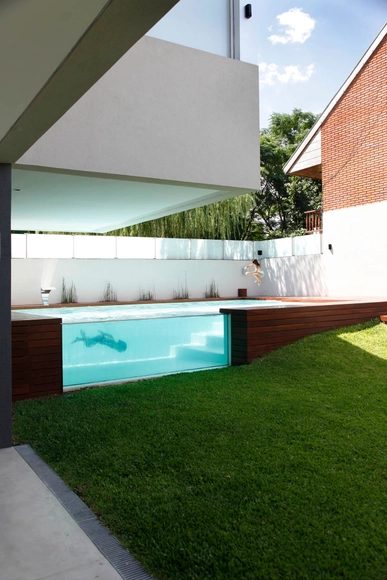
We present to you 15 of ArchDaily's most re-pinned pools on Pinterest; designs which resonate with the profound power of the aquatic. As Lao Tzu reminds us, "nothing is softer or more flexible than water, yet nothing can resist it," not even architecture. Now come on in; the water's fine.
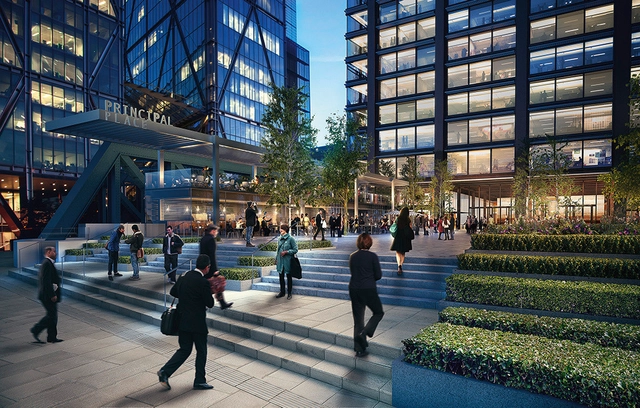
Amazon has confirmed plans to move more than 5,000 of its London employees into a Foster + Partners-designed office building planned for Shoreditch High Street. On hold since January 2012, the £290 million mixed-use scheme will compete with Amazon’s Farringdon office to serve as the online retailer’s new UK headquarters.
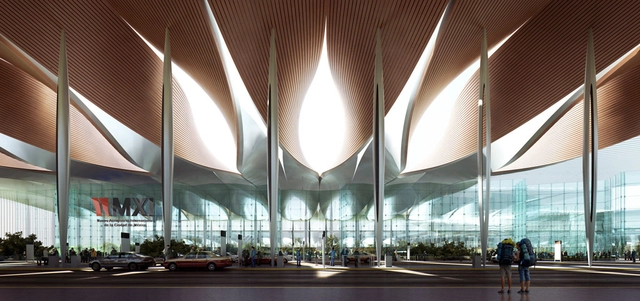
Sordo Madaleno Arquitectosand Pascall+Watsonhas shared with us their proposal for the New Mexico City International Airport (often referred to as the NAICM for its initials in Spanish: Nuevo Aeropuerto Internacional de la Ciudad de México).
We have already presented you with the NAICM’s winning proposal, though Sordo Madaleno and Pascall+Watson were one of seven participating teams in the invited competition. The team sought to redefine the concept of aviation architecture by centering their idea around passenger experience and business efficiency. See what they came up with, after the break.
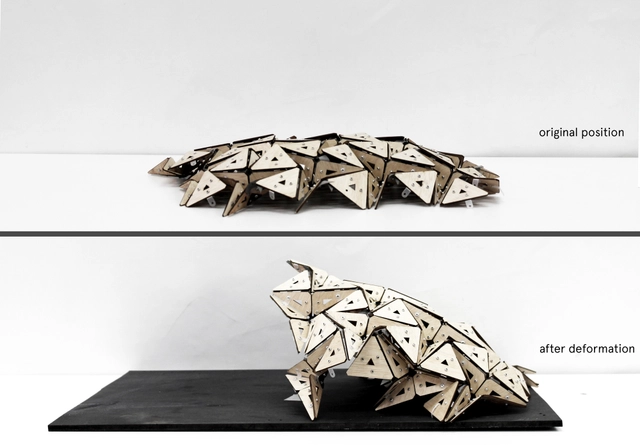
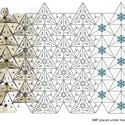
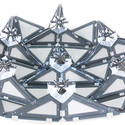
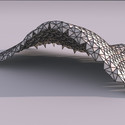
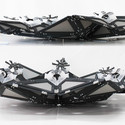
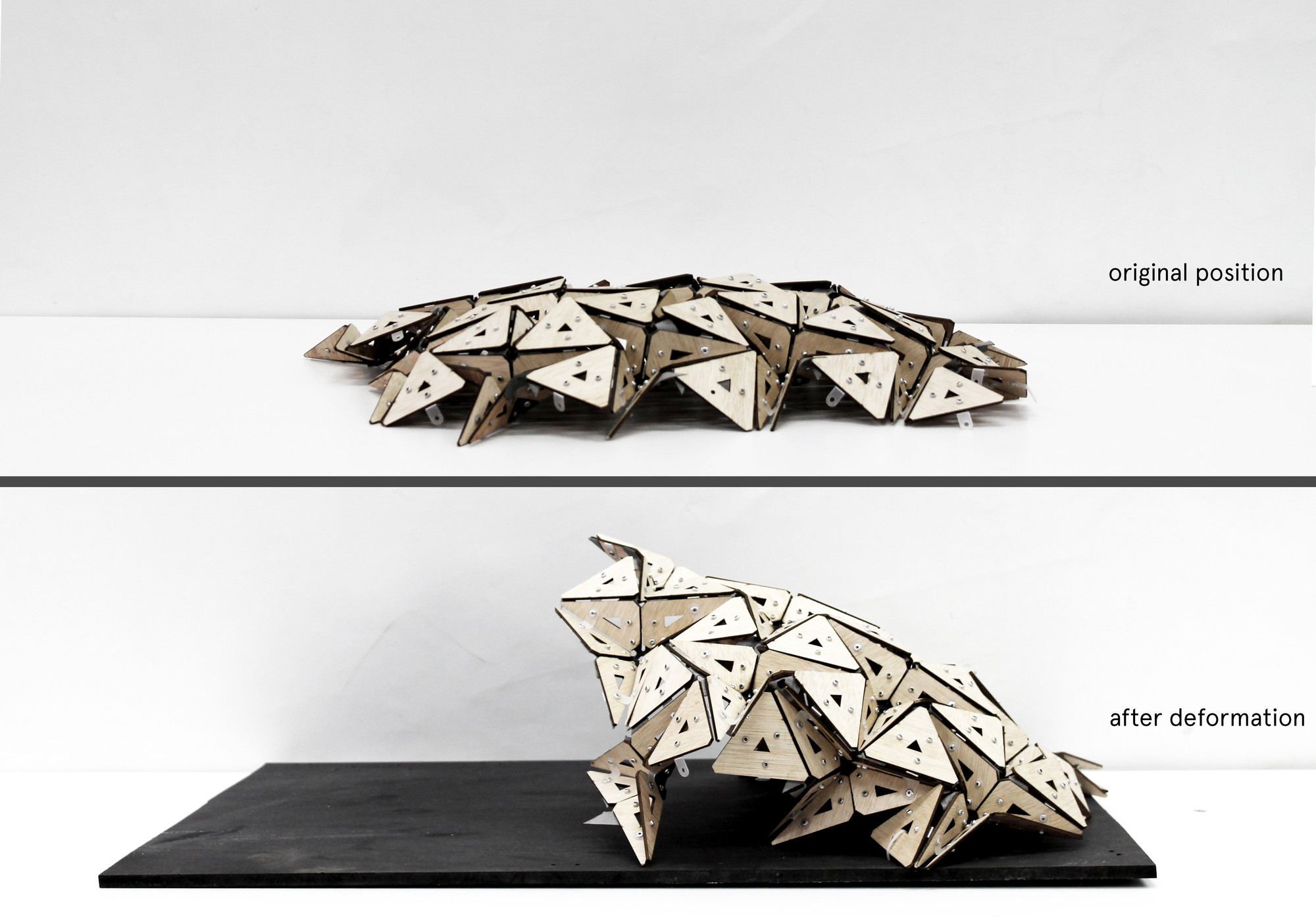
Courtesy of IaaC (Instituto de Aquitectura Avanzada de Catalunya), Ece Tankal, Efilena Baseta, Ramin Shambayati
Despite architecture's continued evolution over the course of history, our use of structural materials has remained largely the same since the advent of modern building materials. This reality may be changing thanks to the development of new materials seeking the same kinds of adaptability often found in nature.
Adaptable architecture is becoming an increasingly viable endeavor as a result of recent developments in building technologies and materials. Masters research students Ece Tankal, Efilena Baseta and Ramin Shambayati at the Institute for Advanced Architecture of Catalonia were interested in “architecture of transition” and have developed a new material system that utilizes a thermally responsive polymer as structural joints with their project, "Translated Geometries." Read on after the break to learn about how this new material system was developed and its potential for applications in architecture.
Trimble and Frank Gehry have recently announced their plans to enter into a strategic alliance in which Trimble will acquire Gehry Technologies to integrate digital software development and on-site fabrication techniques. As a company working in 'geospatial solutions,' Trimble combines software development, communication tools and services to increase productivity in the Architecture, Engineering and Construction (AEC) industry, among others. The two companies hope that their alliance will enable complex architectural designs to be realized without the construction snags that often affect such ambitious projects.
Scandicci City began as a suburb of Florence and was often described as a commuter town with a lack of a clear urban center. Having reached out to Rogers Stirk Harbour + Partners to address this need, this short documentary created by scandiccibyrogers.com offers a look inside Rogers' studio in London and the creation of a new urban master plan for Scandicci City.
Competitions results for the first stage of the Moscow Metro Station for Solntsevo and Novoperedelkino have been announced. Aiming to revive the tradition of unique designs for Moscow metro stations since the 1930s-50s, this is the first time in the recent expansion of Moscow's Metro system that a competition has been used to find an architect.
The jury at the Committee for Architecture and Urban Planning of Moscow has chosen 10 finalists out of approximately 100 entries who will continue to work on the architectural design concepts of the stations until November. See images of all ten proposals after the break.
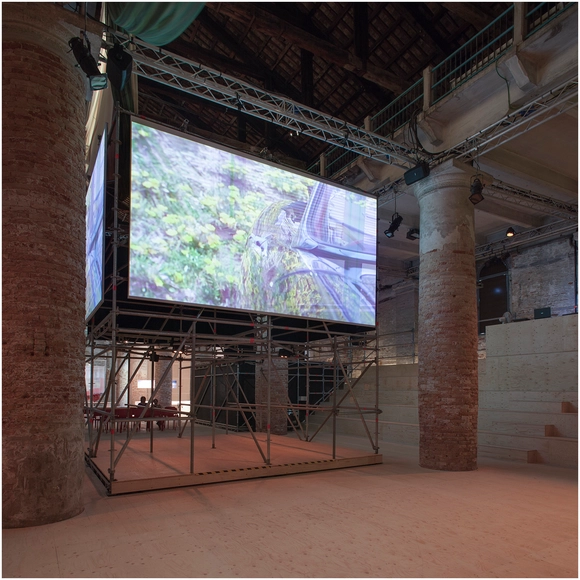
OMA has recently transformed the F stage of the Corderie at the Venice Biennale to become a four screen, 360-degree cinema hall. Complementing the exhibitions at the Biennale, full movies will be screened in the space on weekends from now until November.
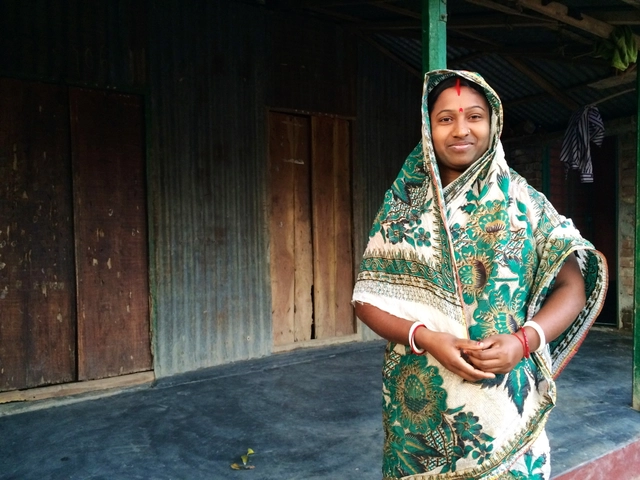
A women in the village of in Savar, Bangladesh stands in front of her family’s new cement floor ARCHIVE, in partnership with ADESH, installed in February 2014. Image Courtesy of ARCHIVE Global
Each year 6.5 million children around the world die from diseases directly related to substandard housing conditions. Dirt floors in particular are carriers of parasites, bacteria, and viruses contributing to many fatal diseases. In response to this and with the aim of dramatically reducing child mortality rates, New York-based non-profit Architecture for Health in Vulnerable Environments (ARCHIVE), has launched a new initiative to replace dirt flooring with concrete in Bangladesh.
Earlier this week, two articles on Domus engaged each other in a debate over the affect of UNESCO World Heritage status on the cities they supposedly protect. Is UNESCO turning the world’s cities into museums and hindering their future cultural development? Or could it be a positive force for protecting architecture and culture? Read on after the break to learn more about these clashing opinions.
After producing major revisions on a previously rejected design, BIG have had their second design rejected for the Kimball Art Center in Park City, Utah. City Hall rejected the design on the basis of appearance, arguing that it did not relate to the historic city centre "aesthetically, visually or historically." The second design by BIG marked a complete departure from the original that was selected as the winner of an architectural contest hosted by the Kimball Art Center.
International design, architecture, engineering and planning firm HOK has recently announced its plan to acquire 360 Architecture, a firm specializing in sports facility design. With HOK’s global influence and 360 Architecture’s expertise, the acquisition could bring about significant advances in sports facility design and expand the market reach for each firm. When it comes to the business of architecture, acquisitions such as this often enable large corporate firms to take on a wider variety of projects, giving them a competitive edge against famous designer names in the industry. But what else can we learn from the growth of the world's largest firms?
London is the world’s most expensive city to build in, but the reasons may surprise you. The city is well known for its high cost of living despite being far less crowded than cities such as Tokyo and New York. In fact, commercial real estate in London’s West End costs nearly twice as much as similarly sized spaces on New York’s Madison Avenue.
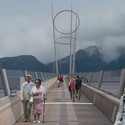
London based firm McDowell+Benedetti has recently announced that their design for a new 180 metre footbridge and improved rail station in Terni, Italy, has begun work on the site. A future landmark for the town, the £3.5 million (€4.4 million) project promises to provide an expanded commuter hub for the area with connections to fast trains to Rome. Learn more about this project after the break.
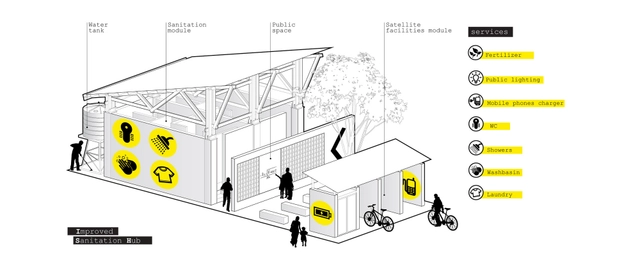
Although the practice of architecture has historically done little to address the basic needs of those in the developing world, in recent years architects have gradually extended their reach into the realm of humanitarian work, as most notably exemplified by Pritzker Prize winner Shigeru Ban. Despite these advances, one third of the world’s population does not have access to adequate sanitation. This is astounding given the amount of resources and technology we have available to us in the 21st century, and it is a problem that architects have the opportunity to solve; some architects, including Julia King, have already begun to take on this challenge. It is also the focus of “Zero Project,” the first initiative of non-profit organization BuildAChange. Read about their proposal after the break.
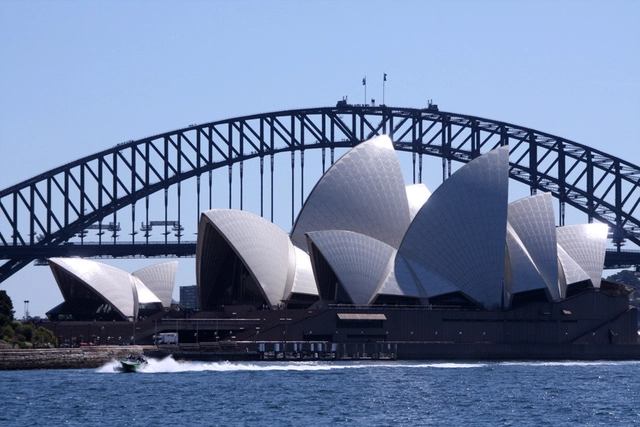
Architecture competitions offer an opportunity for architects to launch their careers, and in some cases generate unexpected designs in the process. Many iconic works of architecture, including the famous Sydney Opera House, were the result of open design competitions - but do architecture competitions today maintain the influence they might have had in the past? While critics in the United States have recently argued that it could be time to quit competitions, Donald Bates argues that Australians should be organizing more. In his article on The Conversation, Bates discusses the state of design competitions in Australia, and why we should take another look. Read the full article here.


.jpg?1410310761&format=webp&width=640&height=580)
.jpg?1410310755 "Courtesy of KAMJZ Architects")
.jpg?1410310771 "Courtesy of KAMJZ Architects")
.jpg?1410310766 "Courtesy of KAMJZ Architects")
.jpg?1410310777 "Courtesy of KAMJZ Architects")
.jpg?1410310761)