1. ArchDaily
  2. Africa

Africa: The Latest Architecture and News

Nairobi Architecture City Guide: 11 Projects Building a Post-Independence Identity

Subscriber Access | 
Audio available

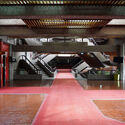
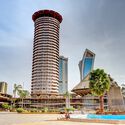
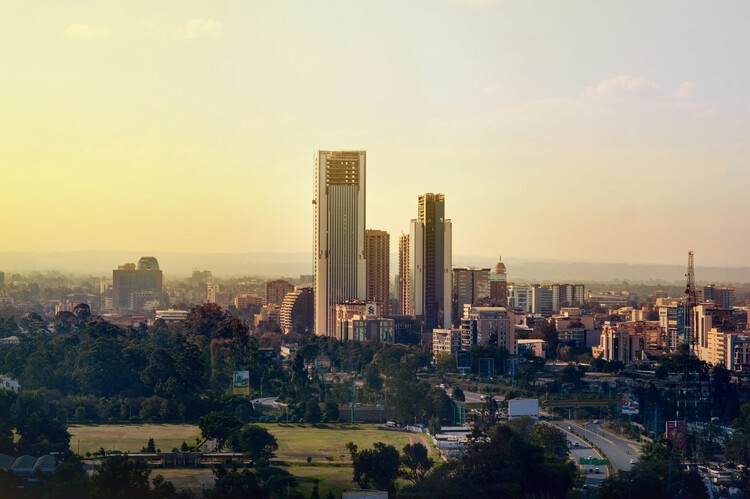
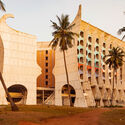
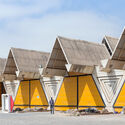
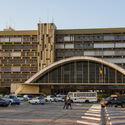
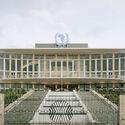
Nairobi's architectural identity was transformed by Kenya's independence in 1963. As the new nation sought to define itself, the city became a testing ground for a modern architecture that could embody progress while responding to African culture, climate, and local conditions. This opened a period of architectural experimentation, with different approaches emerging to the relationship between modernity, identity, and place.

The Kenyatta International Convention Centre is perhaps the clearest expression of this moment. Its architecture brought together modernist principles with references to African forms, establishing a distinctive response to the ambitions of a newly independent nation. Around it, Kenyan and international architects developed other interpretations of modernism, from the sun-shading facades of Reinsurance Plaza to the sculptural silhouette of Nation Centre, alongside religious, educational, and civic projects that expanded the architectural vocabulary of the city.

Nairobi Architecture City Guide: 11 Projects Building a Post-Independence Identity - Image 1 of 4Nairobi Architecture City Guide: 11 Projects Building a Post-Independence Identity - Image 2 of 4Nairobi Architecture City Guide: 11 Projects Building a Post-Independence Identity - Image 3 of 4Nairobi Architecture City Guide: 11 Projects Building a Post-Independence Identity - Image 4 of 4Nairobi Architecture City Guide: 11 Projects Building a Post-Independence Identity - More Images+ 11

Cinema Studio Namibe: Reviving a Tropical Modernist Icon in Angola

Subscriber Access | 
Audio available

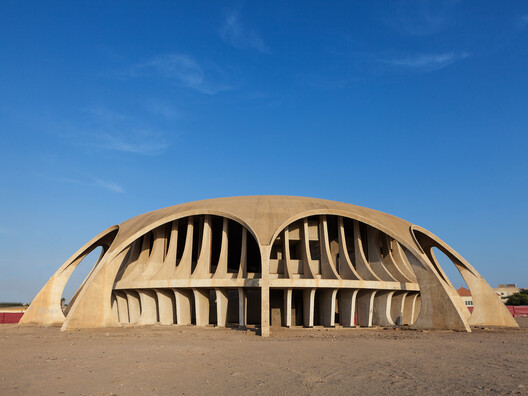
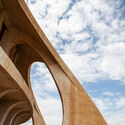
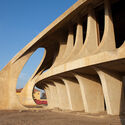
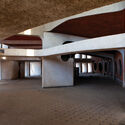
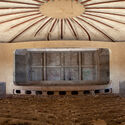
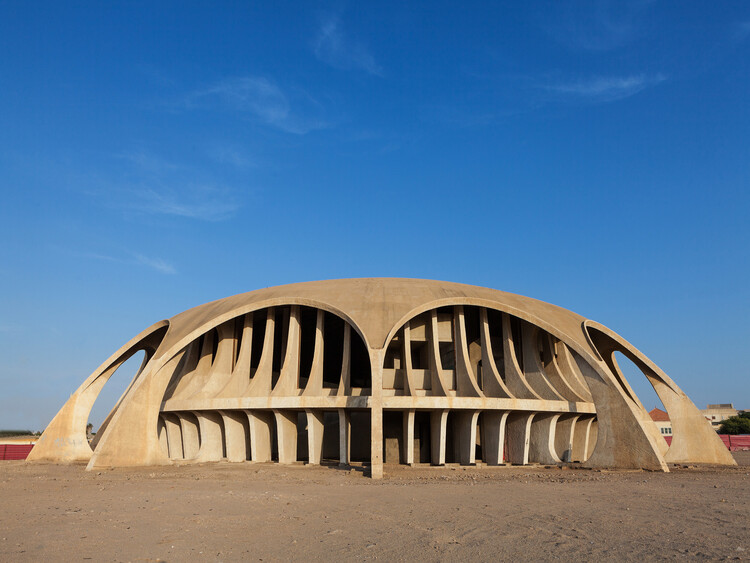
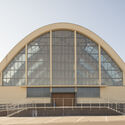
What sustains the purpose of architecture that has never been occupied? For decades, this was the question surrounding the Namibe Cinema-Studio, built on the coast of Angola in 1973. Conceived as a film screening venue, the building remained closed and abandoned, never fulfilling the role for which it was created. Yet it withstood the passage of time, becoming an icon of the Angolan landscape and architecture, until finally screening its first film nearly fifty years later.

But what kept this building alive in the collective imagination for so long? Was it precisely its bold, singular architecture that was able to give meaning to a project that never had a use?

Cinema Studio Namibe: Reviving a Tropical Modernist Icon in Angola - Imagen 1 de 4Cinema Studio Namibe: Reviving a Tropical Modernist Icon in Angola - Imagen 2 de 4Cinema Studio Namibe: Reviving a Tropical Modernist Icon in Angola - Imagen 3 de 4Cinema Studio Namibe: Reviving a Tropical Modernist Icon in Angola - Imagen 4 de 4Cinema Studio Namibe: Reviving a Tropical Modernist Icon in Angola - More Images+ 1

How Can a Culture Be Translated into Space? Inside Studio NEiDA

Subscriber Access | 
Audio available

"Architecture that holds multitudes." This is the phrase Studio NEiDA uses to introduce itself, making its position toward the world clear: to listen to and respect the plurality of existences that move through each context. More than a statement of principles, the phrase seems to function as a method. What does it mean, after all, to design spaces capable of sheltering not only people, but also memories, knowledge, and conflicts?

There is no denying that Studio NEiDA's plural approach is, in part, rooted in its own geographical position. Working between Togo and Germany, the practice operates across two seemingly distinct contexts that are nevertheless historically connected. In a recent interview, Jeanne Autran-Edorh, the French-Togolese architect and co-founder of the studio, alongside the curator and writer Fabiola Büchele, recalls the history between the two countries, noting that, as few people know, before becoming an independent republic, Togo was a German colony that later came under French rule.

How Can a Culture Be Translated into Space? Inside Studio NEiDA  - Image 1 of 4How Can a Culture Be Translated into Space? Inside Studio NEiDA  - Image 2 of 4How Can a Culture Be Translated into Space? Inside Studio NEiDA  - Image 3 of 4How Can a Culture Be Translated into Space? Inside Studio NEiDA  - Image 4 of 4How Can a Culture Be Translated into Space? Inside Studio NEiDA  - More Images+ 7

Africa and China Advance Great Green Walls as Continental Wildlife Corridors

Audio available

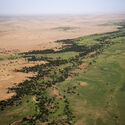
The idea of a "Great Green Wall" designates a large-scale reforestation initiative undertaken specifically to halt desertification. Currently underway in Africa to prevent the advancement of the Sahara Desert and in China around the Gobi Desert, it is a landscape, agriculture, economic, and social development project in reaction to the rise of global temperatures, over-farming, and unsuitable land management. Both projects, currently underway, are intersectional initiatives involving governments from different countries, civil society organisations, and both individual volunteers and organised groups, guided by the idea of a unified response to global environmental issues through wildlife restoration. It is a large-scale, infrastructural application of a 'green' or 'wildlife corridor': a linear strip of vegetation or natural landscape that connects fragmented ecosystems and wildlife populations separated by human development on a continental scale.

Africa and China Advance Great Green Walls as Continental Wildlife Corridors - Image 1 of 4Africa and China Advance Great Green Walls as Continental Wildlife Corridors - Image 2 of 4Africa and China Advance Great Green Walls as Continental Wildlife Corridors - Image 3 of 4Africa and China Advance Great Green Walls as Continental Wildlife Corridors - Image 4 of 4Africa and China Advance Great Green Walls as Continental Wildlife Corridors - More Images+ 2

The Oasis Is Not a Destination: Architecture Along the Routes of the Desert

Audio available

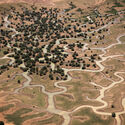
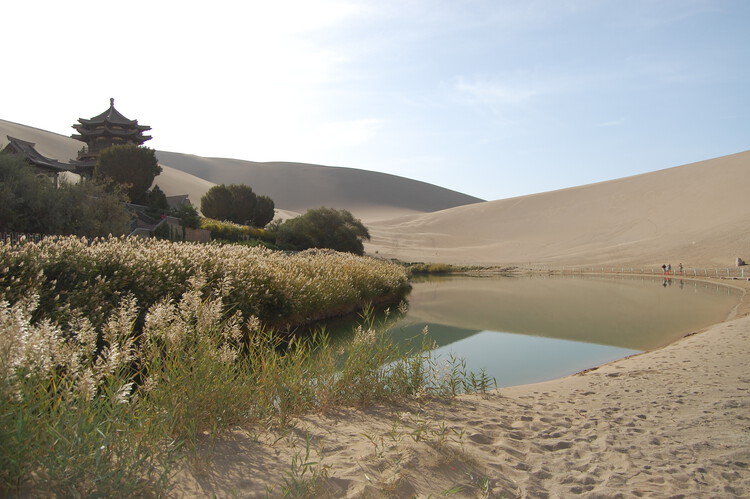
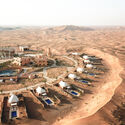
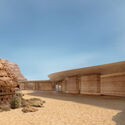
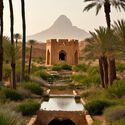
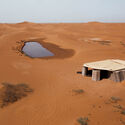
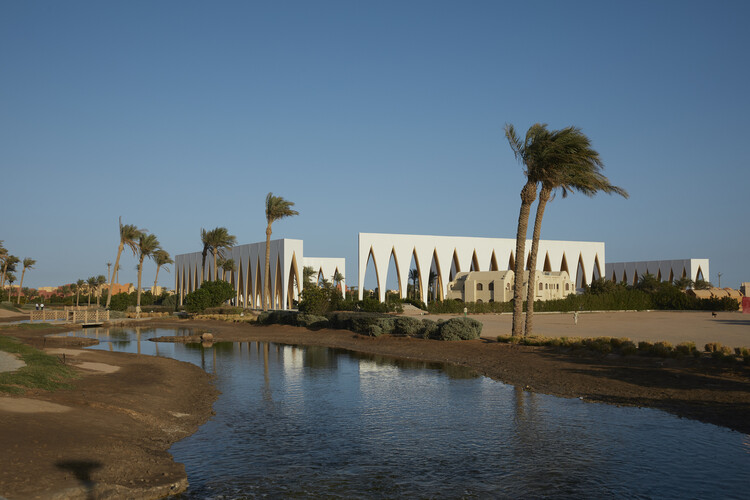
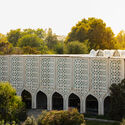
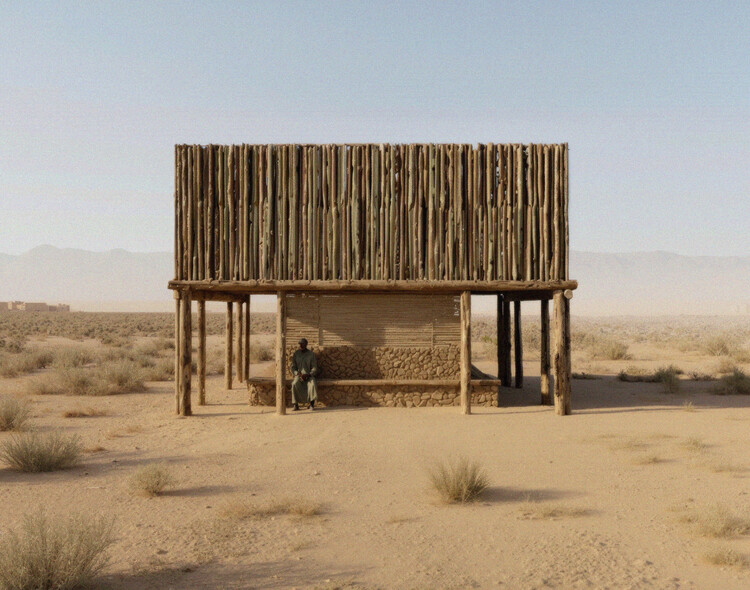
Architecture has long been defined by permanence. Buildings are celebrated because they endure, cities because they establish permanence against uncertainty, and monuments because they resist the passage of time. Some of humanity's oldest urban traditions emerged in landscapes where permanence alone could never guarantee survival. Across the deserts of North Africa and the Arabian Peninsula, oasis settlements developed not as isolated refuges from an empty wilderness, but as carefully maintained pauses within landscapes already shaped by movement. Long before highways and airports connected continents, caravans, pilgrims, pastoralists, and merchants traversed these territories through networks of wells, irrigation systems, cultivated groves, and market towns. The oasis was never the end of a journey. Wells, shaded palm groves, irrigated fields, and caravan markets allowed the next stage of the journey to begin.

The Oasis Is Not a Destination: Architecture Along the Routes of the Desert - Imagen 1 de 4The Oasis Is Not a Destination: Architecture Along the Routes of the Desert - Imagen 2 de 4The Oasis Is Not a Destination: Architecture Along the Routes of the Desert - Imagen 3 de 4The Oasis Is Not a Destination: Architecture Along the Routes of the Desert - Imagen 4 de 4The Oasis Is Not a Destination: Architecture Along the Routes of the Desert - More Images+ 5

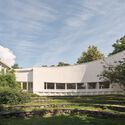
From Aalto Works to Tashkent Modernism: Discover the 19 New Cultural Sites Added to the UNESCO World Heritage List in 2026

Audio available

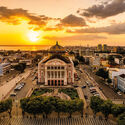
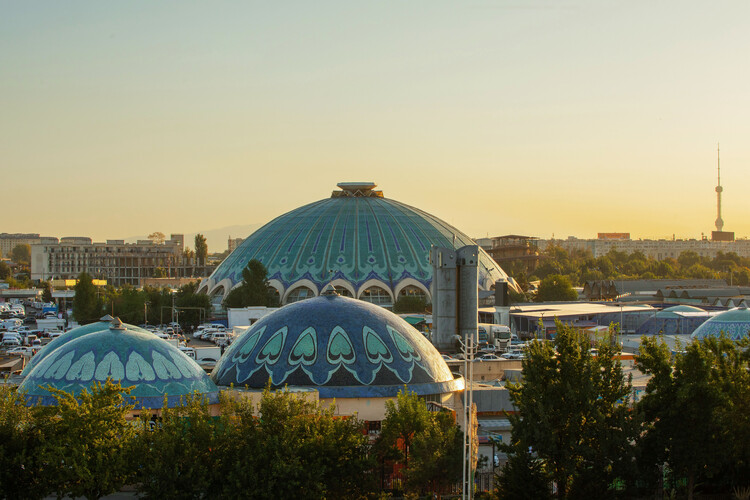
The UNESCO World Heritage Committee has announced 25 new inscriptions to the World Heritage List during its 48th session, expanding the international register with sites that reflect a wide range of architectural, cultural, and natural heritage. The 2026 additions include 19 cultural properties, five natural sites, and one mixed property, alongside approvals for two significant boundary modifications and one revision to the criteria of an existing inscription. Spanning every inhabited continent, the newly recognized places range from archaeological landscapes and historic urban centers to modernist architecture and industrial heritage, underscoring the diversity of the built environment and the evolving scope of heritage conservation.

From Aalto Works to Tashkent Modernism: Discover the 19 New Cultural Sites Added to the UNESCO World Heritage List in 2026  - Imagen 1 de 4From Aalto Works to Tashkent Modernism: Discover the 19 New Cultural Sites Added to the UNESCO World Heritage List in 2026  - Imagen 2 de 4From Aalto Works to Tashkent Modernism: Discover the 19 New Cultural Sites Added to the UNESCO World Heritage List in 2026  - Imagen 3 de 4From Aalto Works to Tashkent Modernism: Discover the 19 New Cultural Sites Added to the UNESCO World Heritage List in 2026  - Imagen 4 de 4From Aalto Works to Tashkent Modernism: Discover the 19 New Cultural Sites Added to the UNESCO World Heritage List in 2026  - More Images+ 15

MoMA Opens Architects of Liberation Exhibition on Independence-Era West African Modernism

The Museum of Modern Art in New York inaugurated the exhibition Architects of Liberation: Modernism in Western Africa on July 5, 2026, on view through January 2, 2027. The exhibition examines African modern architecture from the late 1950s through the early 1980s in the context of political independence in the region. Works span seven countries: Benin, Cameroon, Côte d'Ivoire, Ghana, Nigeria, Senegal, and Togo. The display is organised around anchor projects selected as "entry points" into categories such as cityscapes, education, and housing. It is curated by Martino Stierli, The Philip Johnson Chief Curator of Architecture and Design, and Ikem Stanley Okoye, guest curator and associate professor at the University of Delaware, with Mallory Cohen, curatorial associate in the Department of Architecture and Design.

MoMA Opens Architects of Liberation Exhibition on Independence-Era West African Modernism - 1 的图像 4MoMA Opens Architects of Liberation Exhibition on Independence-Era West African Modernism - 2 的图像 4MoMA Opens Architects of Liberation Exhibition on Independence-Era West African Modernism - 3 的图像 4MoMA Opens Architects of Liberation Exhibition on Independence-Era West African Modernism - 4 的图像 4MoMA Opens Architects of Liberation Exhibition on Independence-Era West African Modernism - More Images+ 7

Studio NEiDA Designs The Falcon Cinema in Ghana, a Community Art Centre Dedicated to African Film

Audio available

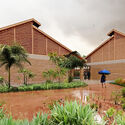
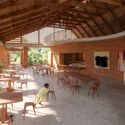
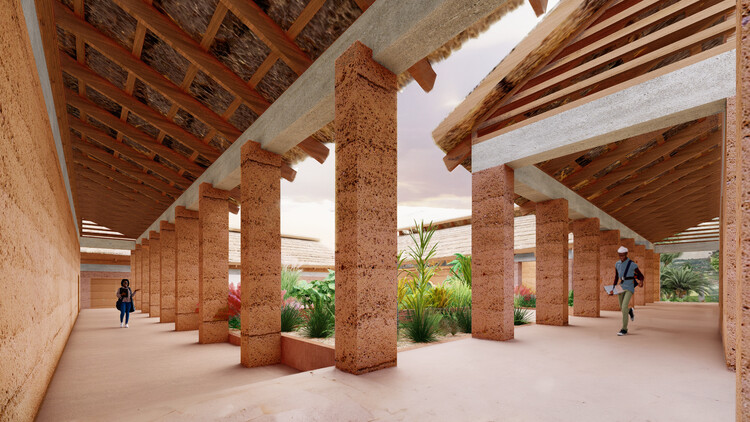
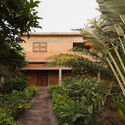
Designed by Studio NEiDA, The Falcon Cinema is a community and art centre located in Berekuso, Ghana, commissioned by film curator and Founding Director Jacqueline Nsiah. The cinema's mission is to create a home for cineastes to preserve Africa's cinematic legacy while hosting critical and creative thinking about contemporary filmmaking on the continent, designed and curated with a pan-African approach. The programme includes a 250-seat and a 150-seat screening room, a restaurant, an archive, communal spaces, an education hub, and an outdoor cinema. A second compound is planned for a future phase, to house living quarters for filmmakers in residence. Still in the design phase, the project started in 2024 and is expected to be completed in 2027.

Studio NEiDA Designs The Falcon Cinema in Ghana, a Community Art Centre Dedicated to African Film - 1 的图像 4Studio NEiDA Designs The Falcon Cinema in Ghana, a Community Art Centre Dedicated to African Film - 2 的图像 4Studio NEiDA Designs The Falcon Cinema in Ghana, a Community Art Centre Dedicated to African Film - 3 的图像 4Studio NEiDA Designs The Falcon Cinema in Ghana, a Community Art Centre Dedicated to African Film - 4 的图像 4Studio NEiDA Designs The Falcon Cinema in Ghana, a Community Art Centre Dedicated to African Film - More Images+ 8

Pan-African Biennale Unveils Participants for Its Inaugural Edition in Nairobi

Audio available

The Pan-African Biennale (PAB) has announced the official selection of participants for its inaugural 2026 edition, set to take place from September 7 to 11, 2026, at the Kenyatta International Convention Centre in Nairobi. Conceived as the first continental architecture biennale dedicated to spatial practices from and within Africa, the event will bring together architects, studios, research collectives, and material practitioners from across the continent. Additional participants, keynote speakers, and contributors are expected to be announced in the coming weeks.

Pan-African Biennale Unveils Participants for Its Inaugural Edition in Nairobi - Image 1 of 4Pan-African Biennale Unveils Participants for Its Inaugural Edition in Nairobi - Image 2 of 4Pan-African Biennale Unveils Participants for Its Inaugural Edition in Nairobi - Image 3 of 4Pan-African Biennale Unveils Participants for Its Inaugural Edition in Nairobi - Image 4 of 4Pan-African Biennale Unveils Participants for Its Inaugural Edition in Nairobi - More Images+ 3

Climate, Culture, and Modernism: The Postcolonial Campus as Architectural Laboratory

Audio available

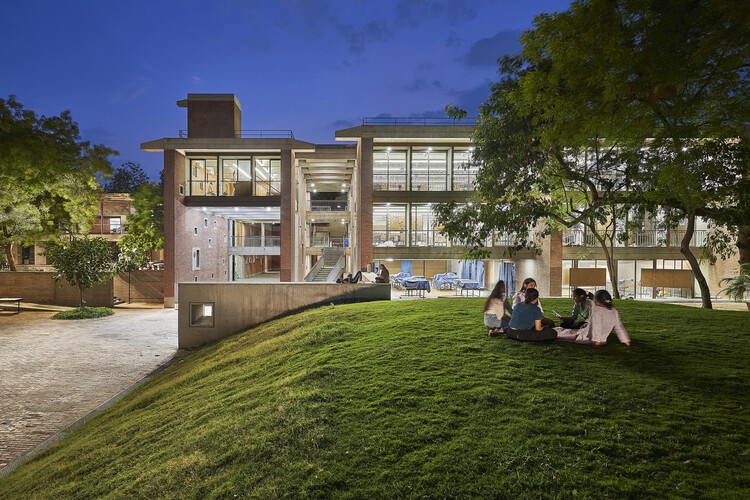
In the decades following independence, some of the most ambitious architectural experiments in the world did not emerge through museums, monuments, or government palaces. They emerged through universities. Across South Asia and Africa, newly formed nations turned campuses into testing grounds for entirely new ways of imagining collective life. These campuses functioned as more than educational institutions. They became territories where states tested how modernity might be organized, for citizens to gather, institutions to function, climate to shape architecture, and imported ideas to transform local realities.

Climate, Culture, and Modernism: The Postcolonial Campus as Architectural Laboratory - Imagen 1 de 4Climate, Culture, and Modernism: The Postcolonial Campus as Architectural Laboratory - Imagen 2 de 4Climate, Culture, and Modernism: The Postcolonial Campus as Architectural Laboratory - Imagen 3 de 4Climate, Culture, and Modernism: The Postcolonial Campus as Architectural Laboratory - Imagen 4 de 4Climate, Culture, and Modernism: The Postcolonial Campus as Architectural Laboratory - More Images+ 7

On Africa Day 2026: Revisiting Architecture’s Role in Identity and Collective Memory

Audio available

Observed annually on May 25, Africa Day commemorates the founding of the Organization of African Unity in 1963, now the African Union. Established during a period marked by independence movements across the continent, the day recognizes not only political solidarity but also the cultural, social, and intellectual histories that continue to shape African societies today. Within architecture and urbanism, these histories are reflected in evolving conversations around nation-building, heritage preservation, climate-responsive design, material innovation, and community-centered practice.

On Africa Day 2026: Revisiting Architecture’s Role in Identity and Collective Memory - Imagen 1 de 4On Africa Day 2026: Revisiting Architecture’s Role in Identity and Collective Memory - Imagen 2 de 4On Africa Day 2026: Revisiting Architecture’s Role in Identity and Collective Memory - Imagen 3 de 4On Africa Day 2026: Revisiting Architecture’s Role in Identity and Collective Memory - Imagen 4 de 4On Africa Day 2026: Revisiting Architecture’s Role in Identity and Collective Memory - More Images+ 6

MASS: A Non-Profit Model for Architecture in Service of Society

Subscriber Access | 
Audio available

At the time of writing, an article by Martyn Evans asked 'Is Architecture in Crisis?' In the same year, Reinier de Graaf published the book 'Architecture Against Architecture,' where he set out fourteen problems with the profession and discipline. The question of a crisis in architecture is a perennial one. Referring to architecture as a profession, it rears its head especially when economic downturns are expected or in full swing. Simultaneously, there are ongoing questions regarding the effectiveness of architecture at dealing with the pressing matters of the globe and society—housing, climate change, and human development. One venture that attempts to address these questions is MASS, established in Rwanda not long after the 2008 financial crisis. The clue is in the name, which stands for Model of Architecture Serving Society. MASS was created as a different way of practicing architecture.

MASS: A Non-Profit Model for Architecture in Service of Society - 1 的图像 4MASS: A Non-Profit Model for Architecture in Service of Society - 2 的图像 4MASS: A Non-Profit Model for Architecture in Service of Society - 3 的图像 4MASS: A Non-Profit Model for Architecture in Service of Society - 4 的图像 4MASS: A Non-Profit Model for Architecture in Service of Society - More Images+ 8

Inhabited Landscapes: 22 Cultural and Community Centers in Rural Areas

Subscriber Access | 

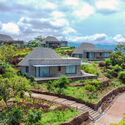
The architecture of cultural and community centers in rural areas around the world has become a rich field for experimentation, where tradition and innovation intersect. Rather than replicating standardized urban models, these projects embrace contemporary approaches tailored to local realities, blending bold design, sustainable technologies, and collaborative processes. Often developed in close partnership with local communities, they draw on regional materials and cultural symbols to create spaces that do more than host activities: they express a collective identity and a profound sense of belonging. By reimagining vernacular knowledge through a modern lens, these buildings support and inspire new ways of living in the countryside.

Inhabited Landscapes: 22 Cultural and Community Centers in Rural Areas - Image 1 of 4Inhabited Landscapes: 22 Cultural and Community Centers in Rural Areas - Image 2 of 4Inhabited Landscapes: 22 Cultural and Community Centers in Rural Areas - Image 3 of 4Inhabited Landscapes: 22 Cultural and Community Centers in Rural Areas - Image 4 of 4Inhabited Landscapes: 22 Cultural and Community Centers in Rural Areas - More Images+ 26

Architecture that Empowers Communities: The Stories Behind Francis Kéré’s Projects

Subscriber Access | 
Audio available

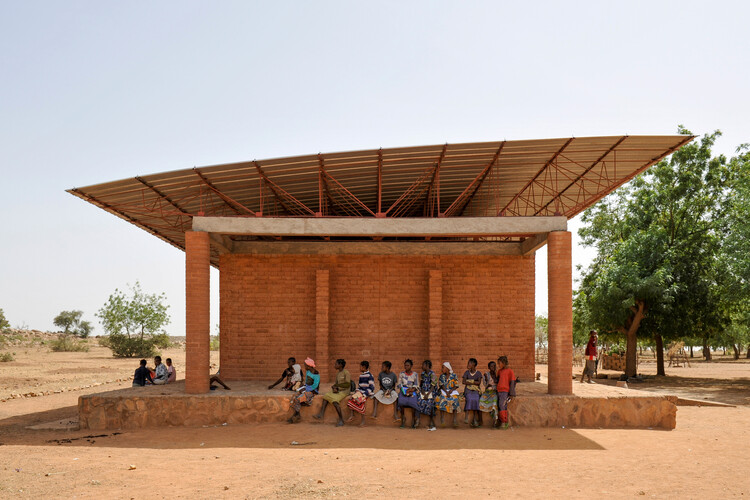
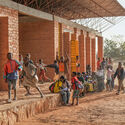
"My only concern is that my work must have a positive impact on the communities in which it is embedded," states Francis Kéré in his book Francis Kéré: Building Stories. His own life story, the context in which he was raised, and the experiences he has lived through all shape his approach to architecture. It is a commitment that extends to people and the places they call home—one that values materiality, collective learning, and the exchange of knowledge. Discovering the stories behind projects such as Primary School in Gando and Naaba Belem Goumma Secondary School inspires reflection on how to design spaces that truly serve humanity.
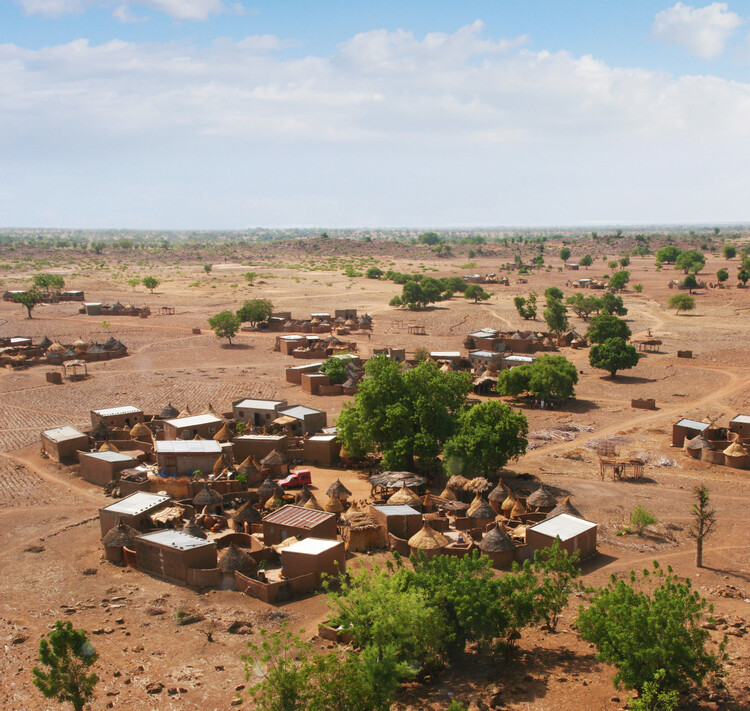
Francis Kéré's story begins in a village in sub-Saharan Africa and extends across many places. Gando was the setting of his first education, where he absorbed the essence and principles that later shaped the core values of his career alongside influences from other cultures. The structure of Gando is formed by different families who organize themselves, according to established customs, within courtyards scattered across the savanna. Growing up in this remote village in the Burkina Faso savanna fosters a strong sense of community, made tangible by the understanding that each resident of every courtyard is part of the life of the whole.

Architecture that Empowers Communities: The Stories Behind Francis Kéré’s Projects - Image 1 of 4Architecture that Empowers Communities: The Stories Behind Francis Kéré’s Projects - Image 2 of 4Architecture that Empowers Communities: The Stories Behind Francis Kéré’s Projects - Image 3 of 4Architecture that Empowers Communities: The Stories Behind Francis Kéré’s Projects - Image 4 of 4Architecture that Empowers Communities: The Stories Behind Francis Kéré’s Projects - More Images+ 25

Hôtel de la Paix: An Alternative Approach to Modern Heritage in Togo

Subscriber Access | 
Audio available

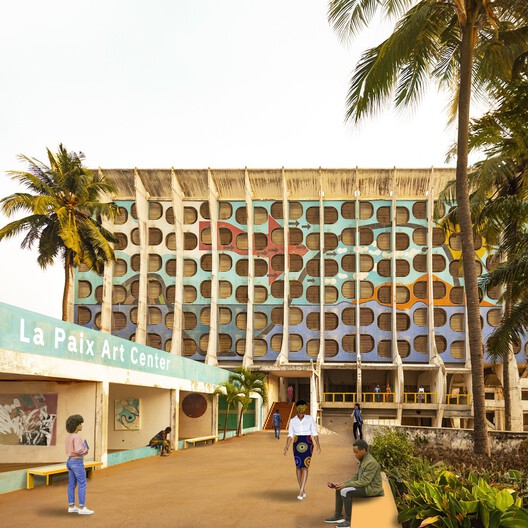
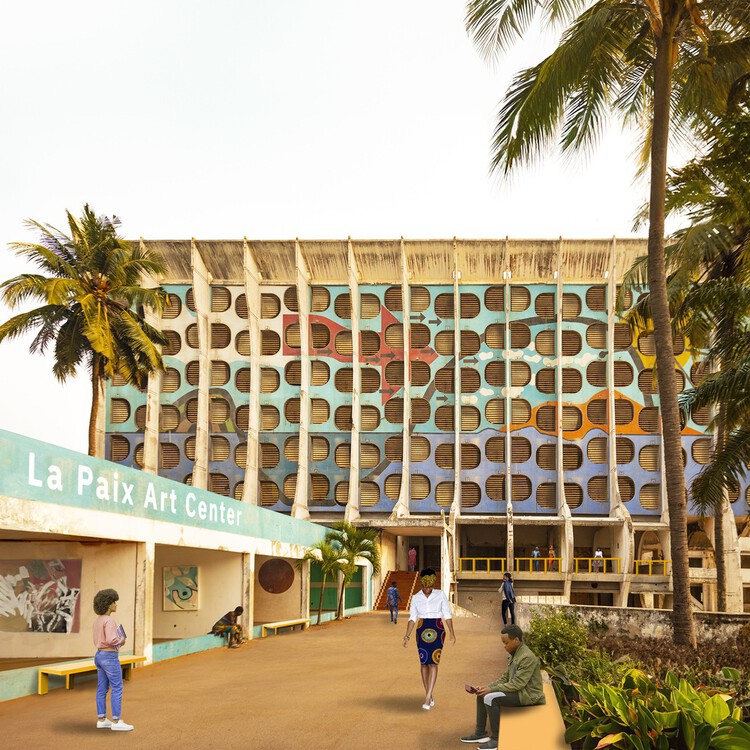
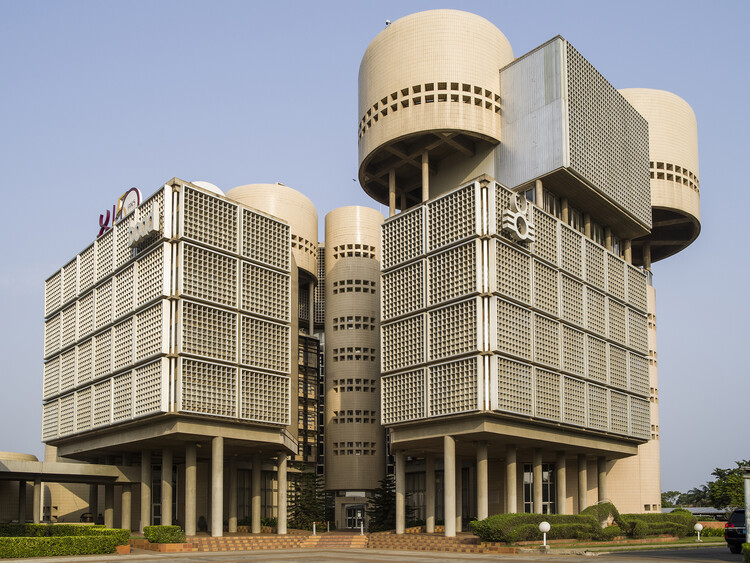
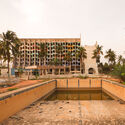
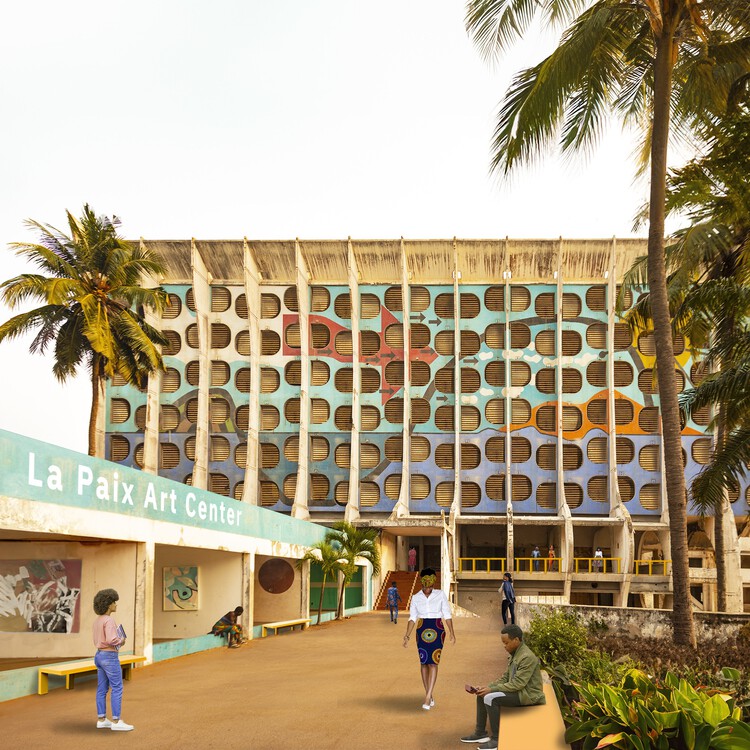
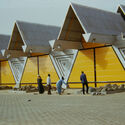
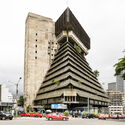
In late 2024, an event was held in the grounds of the recently refurbished colonial-era Palais de Lomé in the capital of Togo. Students from the architecture university of Lomé were attending the first Lomé Architecture Encounters (RAL #1), curated by the transdisciplinary Studio NEiDA, and which involved lectures, film screenings, workshops, and building visits. A parallel exhibition displayed the country's most significant architecture through history. The purpose of the event was to explore the architectural heritage of Togo, and it would be the start of a journey that crosses borders, asking questions about the conservation of modern heritage. Unlike colonial buildings like the Palais de Lomé itself, which are more appreciated and readily restored, neglected modern buildings like the Hôtel de la Paix require creative, bottom-up approaches to return them to their former vitality.
Hôtel de la Paix: An Alternative Approach to Modern Heritage in Togo - Imagen 1 de 4Hôtel de la Paix: An Alternative Approach to Modern Heritage in Togo - Imagen 2 de 4Hôtel de la Paix: An Alternative Approach to Modern Heritage in Togo - Imagen 3 de 4Hôtel de la Paix: An Alternative Approach to Modern Heritage in Togo - Imagen 4 de 4Hôtel de la Paix: An Alternative Approach to Modern Heritage in Togo - More Images+ 15

Kéré Architecture’s Goethe-Institut in Senegal Opens as a Landmark for Cultural Exchange in West Africa

Audio available

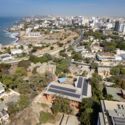
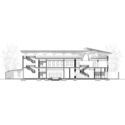
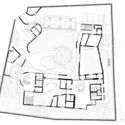
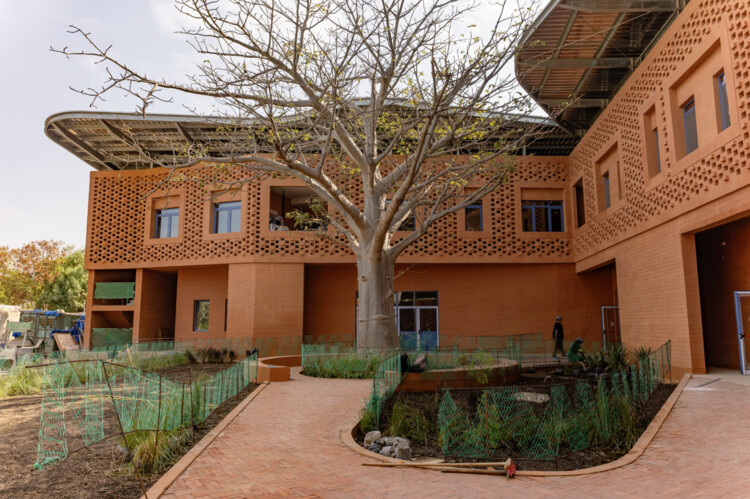
In February 2022, construction began on the Goethe-Institut in Dakar, designed by Kéré Architecture. Present in Senegal since 1978, the Goethe-Institut is reaching a milestone in strengthening cultural ties between Germany, Senegal, and West Africa with this new building. As the first purpose-built Goethe-Institut on the African continent, it embodies a long-term commitment to supporting the creative industries and fostering intellectual exchange. From April 16 to 18, 2026, the Goethe-Institut will host a series of events to mark the inauguration of its new headquarters.

Kéré Architecture’s Goethe-Institut in Senegal Opens as a Landmark for Cultural Exchange in West Africa - Image 1 of 4Kéré Architecture’s Goethe-Institut in Senegal Opens as a Landmark for Cultural Exchange in West Africa - Image 2 of 4Kéré Architecture’s Goethe-Institut in Senegal Opens as a Landmark for Cultural Exchange in West Africa - Image 3 of 4Kéré Architecture’s Goethe-Institut in Senegal Opens as a Landmark for Cultural Exchange in West Africa - Image 4 of 4Kéré Architecture’s Goethe-Institut in Senegal Opens as a Landmark for Cultural Exchange in West Africa - More Images+ 2

Elevating Earth: Reviving and Advancing an Indigenous Building Material

Subscriber Access | 
Audio available

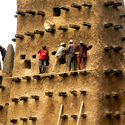
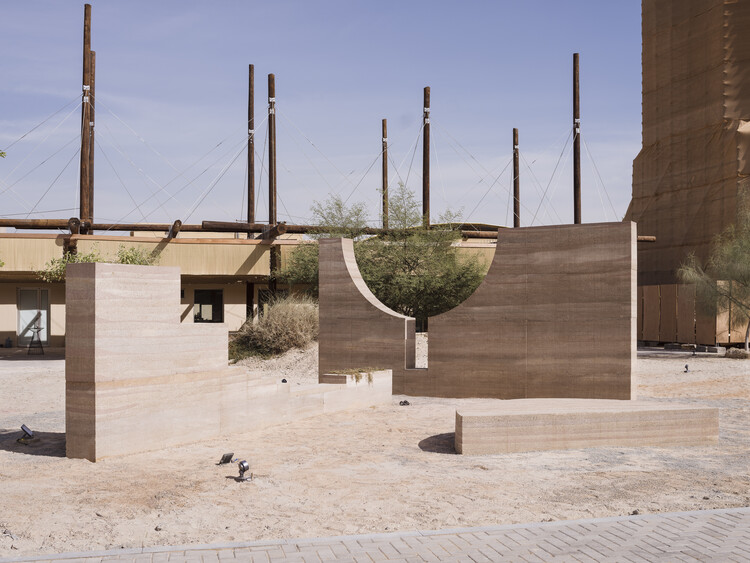
Twenty meters tall and four thousand years old, the Western Deffufa towers over the adjacent date orchards and ancient city remains in the desert. It is a former religious and administrative building near the modern-day Sudanese town of Kerma. Its significance is not only in its age and size, but also in that it is one of the oldest mud brick buildings in the world. And as the nearby mud brick houses also attest, earth is a material of continuous use from ancient times to the present. Yet, conversations around contemporary building systems have largely ignored this essential material. Some architects on the continent of Africa, however, are changing that.

Elevating Earth: Reviving and Advancing an Indigenous Building Material - Image 1 of 4Elevating Earth: Reviving and Advancing an Indigenous Building Material - Image 2 of 4Elevating Earth: Reviving and Advancing an Indigenous Building Material - Image 3 of 4Elevating Earth: Reviving and Advancing an Indigenous Building Material - Image 4 of 4Elevating Earth: Reviving and Advancing an Indigenous Building Material - More Images+ 11

Choreographing Lagos: Dele Adeyemo on Dance, Cosmology, and Spatial Practices

Audio available

Having thrown a stone today, Eshu kills a bird of yesterday. The Yoruba proverb tells both a story of reparation and of ancestrality by joyfully bending spacetime conventions and accessing subjects from the past with present actions. The saying offers a poetic entry point to broader West African traditions and to the practice of Scottish-Nigerian artist and architect Dele Adeyemo. Named one of the winners of the ArchDaily 2025 Next Practices Awards, Adeyemo's work brings together ecology, spirituality, dance, and territory, examining how embodied cultural practices can generate alternative spatial possibilities within and against the architecture of racial capitalism.

Born in Nigeria and raised in the United Kingdom, Adeyemo has been visiting Lagos for many years. Through this engagement, he has developed an extensive body of research on collective movement practices that predate capitalism and offer distinct, often imaginative spatial intelligences operating alongside dominant systems. ArchDaily spoke with Dele about his artistic and pedagogical practices, and how he identifies design sophistication where architects often perceive deficiency.
Choreographing Lagos: Dele Adeyemo on Dance, Cosmology, and Spatial Practices - Image 1 of 4Choreographing Lagos: Dele Adeyemo on Dance, Cosmology, and Spatial Practices - Image 2 of 4Choreographing Lagos: Dele Adeyemo on Dance, Cosmology, and Spatial Practices - Image 3 of 4Choreographing Lagos: Dele Adeyemo on Dance, Cosmology, and Spatial Practices - Image 4 of 4Choreographing Lagos: Dele Adeyemo on Dance, Cosmology, and Spatial Practices - More Images+ 20